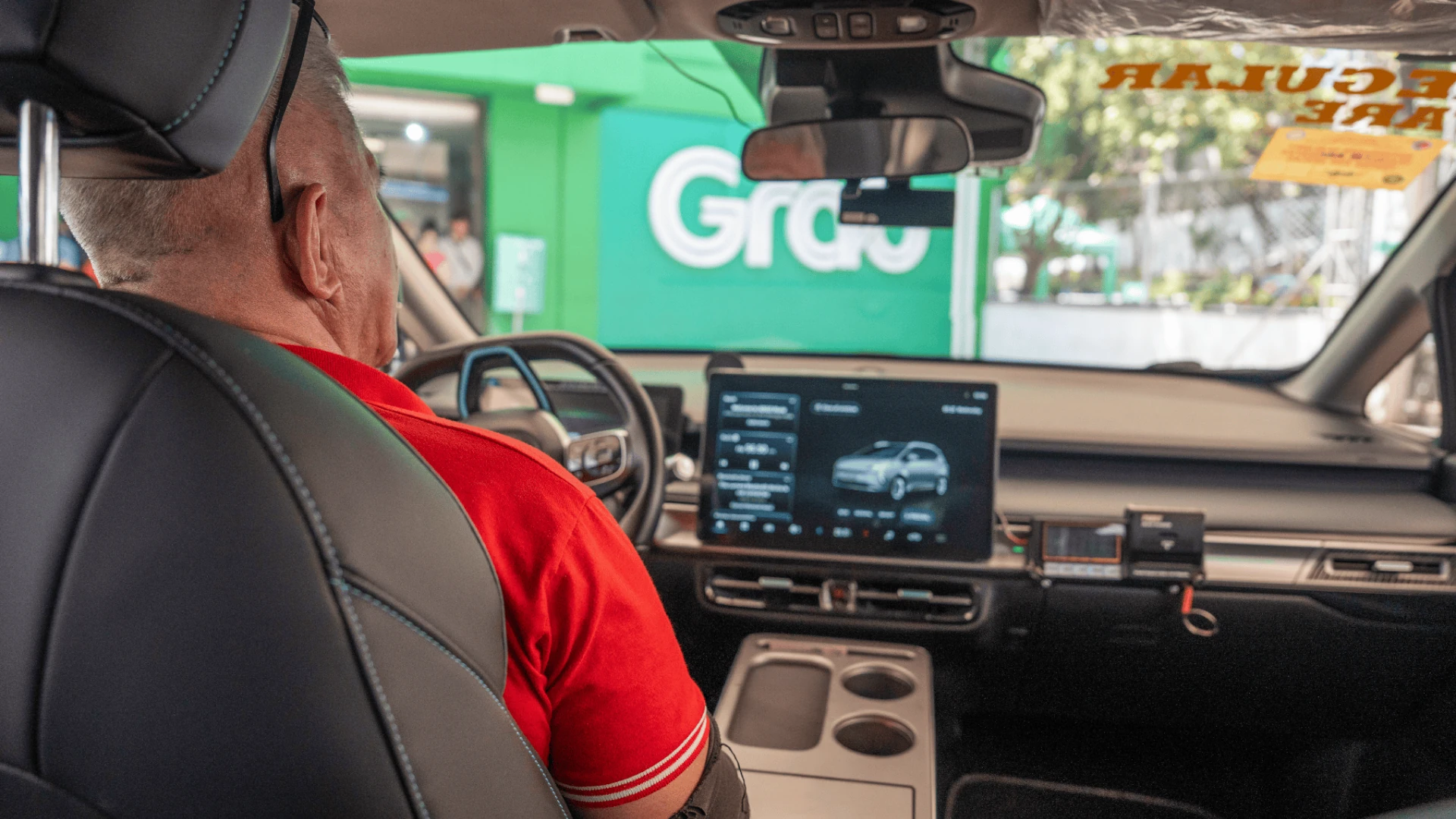
Grab Philippines has recently signed strategic partnerships with EV charging providers ACMobility and EVOxCharge. Under these agreements, driver-partners and taxi fleets that operate EVs will have preferential access to the providers’ respective charging networks. Along with discounted charging rates (as much as 45% cheaper), Grab aims to alleviate the challenges associated with deploying EVs for TNVS duty.
This partnership continues Grab’s efforts to push for electrification. Previous efforts included highlighting electric taxi fleets operating on its platform, and an initiative to provide affordable access to EVs for driver-partners.

ACMobility and EVOxCharge operate a combined total of over 600 chargers through the Evro and xCharge+ platforms. To avail of lower per-kWh charging prices, driver-partners and electric taxi operators must provide Grab with the email address associated with their accounts on these platforms. From there, Grab will work with providers to add these accounts to a whitelist program to apply the discount.
OTHER STORIES YOU MIGHT HAVE MISSED:
Toll-free expressway lanes, parking discounts: Added perks for EVs being pushed in Senate
7-Eleven Japan is adding Tesla Superchargers to its stores
Moving forward, Grab is looking to “continue working with charging operators, vehicle makers, financial institutions, and public-sector partners to strengthen the ecosystem for an inclusive and accessible green transition in transport.”

Grab Financial Group Philippines country head CJ Lacsican commented: “Through these partnerships, we are building the support system needed for more drivers to confidently consider electrification—not only as a cleaner transport choice, but as a livelihood resilience strategy amid the volatile fuel market”
With tensions in the Middle East flaring up once again, oil prices in the international market have also shot up. Earlier this week, diesel saw a major hike of nearly P5; market observers are reportedly forecasting price hikes similar to ones at the height of the fuel crisis in March.