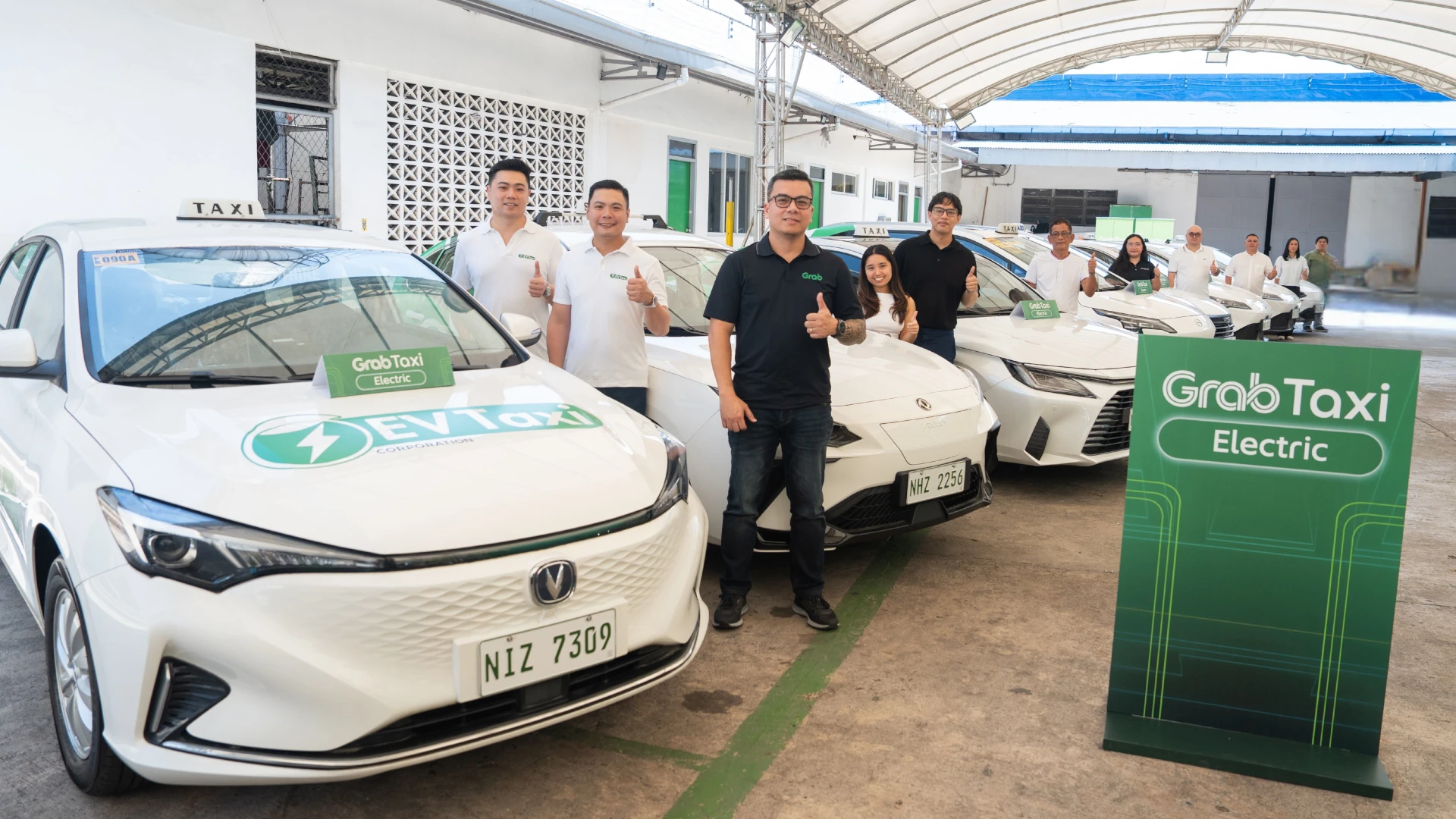
With the fuel crisis brought about by the Middle East conflict, every corner of the transport sector is hurting—but EV taxis are beginning to shine as a business model resilient to this disruption. These electrified fleets have begun to emerge as both a new option for commuters as well as a viable business model for operators.
Grab Philippines is capitalizing on this momentum with GrabTaxi Electric, allowing users to book a ride on one of these EV taxis as they would any other ride on the platform. Fares follow LTFRB-regulated metered taxi rates.
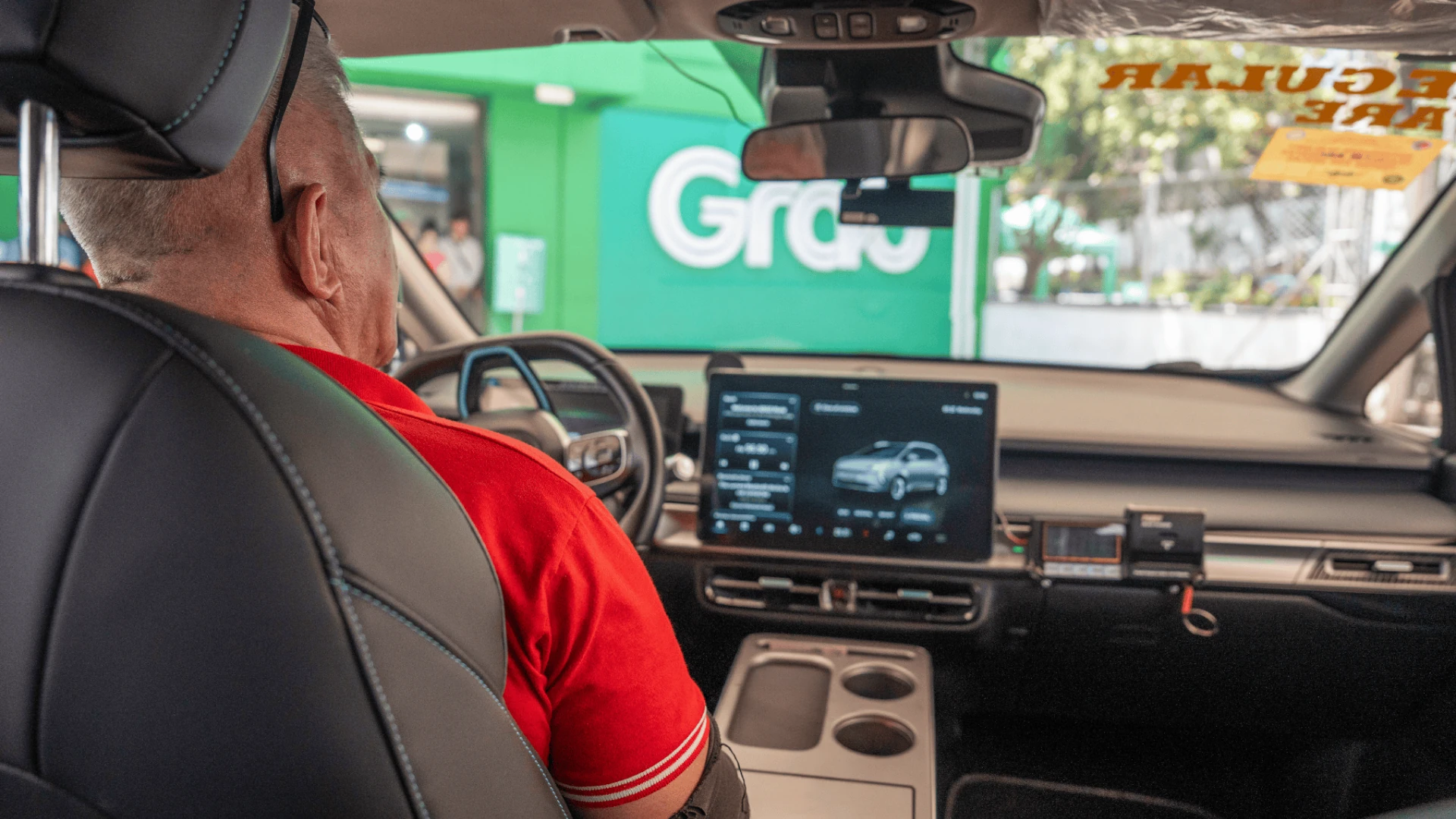
While EV taxi fleets were already cheaper to run—reportedly 75% to 87% lower cost per kilometer than traditional taxis—the real challenge was capturing a customer base.
OTHER STORIES YOU MIGHT HAVE MISSED:
The SM Megamall EDSA Busway Station is now open for commuters
DPWH: EDSA Rehab Project moving ahead of schedule
Eric Ke, chief mobility strategist for EV Taxi Corp., shares that “street-hail alone could not sustain the utilization rates we needed to make this business work. Activating on GrabTaxi Electric changed the equation. We now have a reliable stream of on-demand bookings that keep our units productive across the day.”

The vehicles that EV taxi fleet operators deploy should actually be quite familiar: The Changan Eado EV460, the BYD Seal 5, and the Toyota Ativ have all been spotted in fleet colors around Metro Manila.
GrabTaxi Electric first launched in August last year in beta testing. Its service area has since expanded, now serving Makati, Taguig, Pasig, Pateros, Marikina, Manila, San Juan, Mandaluyong, Pasay, and select areas of Paranaque and Quezon City. Plans have also been put into place to expand into Cebu and Davao.