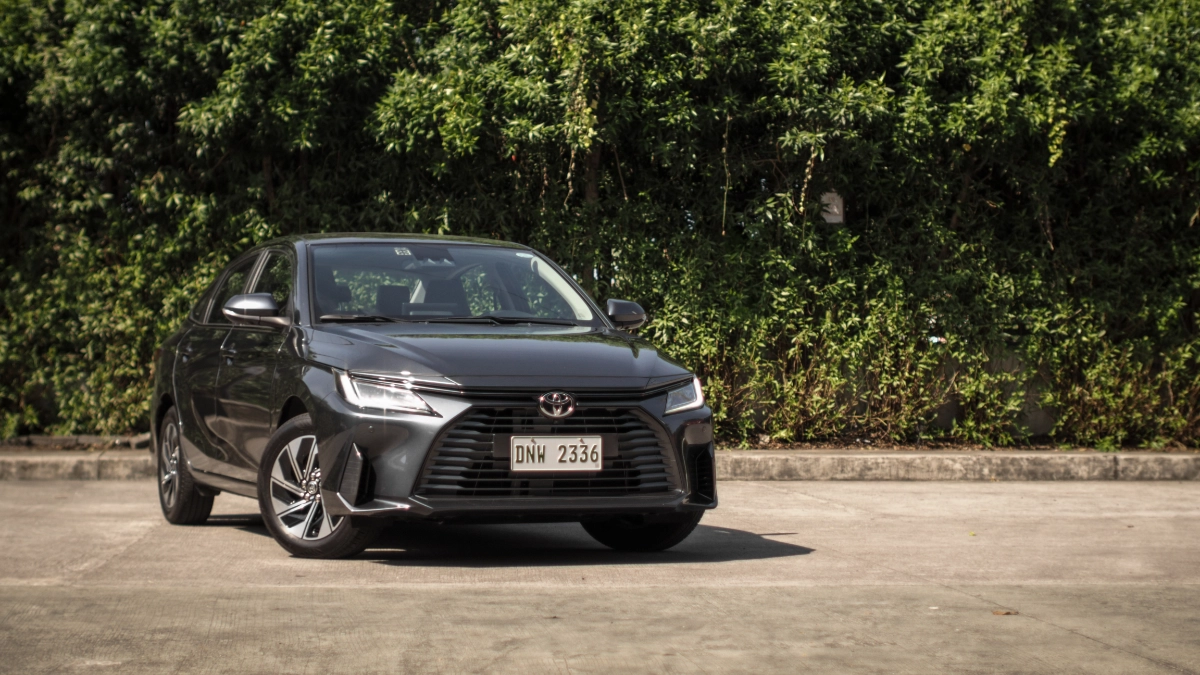
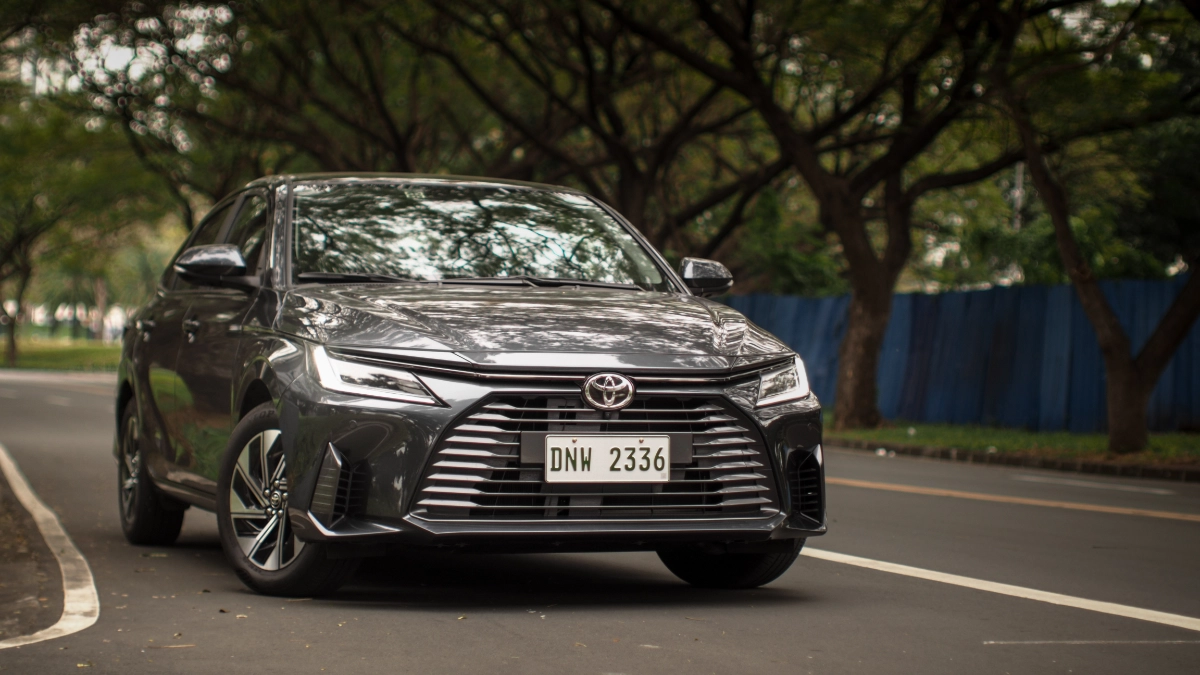

It may be four years late, but the new Vios has finally landed. Only it isn’t just a Vios. It’s the Vios Ativ. As with the Corolla Altis before it, the name change signals a move upmarket; promising better features, greater refinement, and even an all-important hybrid variant.
The Ativ launches in the middle of a minor existential crisis for Toyota. Its passenger car division suffered a 23% decline in 2025, mostly due to a drop in Vios sales. Granted, Vios sales always dip during a model change. And Toyota’s red-hot truck division carried it to its regular number one sales status anyway.
But Toyota has been offering deep discounts year-round to maintain that sales lead. This is because Toyota—and the industry as a whole—is having a bit of a BYD problem. BYD has been aggressively sniping sales from the Japanese left and right. While the Vios still outsold the entire BYD brand over the 2025 season, if BYD’s growth continues like this, it may reach Toyota levels in just a few more years. The brand is on an, well, electrifying charge.
Can the Ativ—Toyota’s newest and most affordable hybrid yet—stem the Chinese tide?
Styling
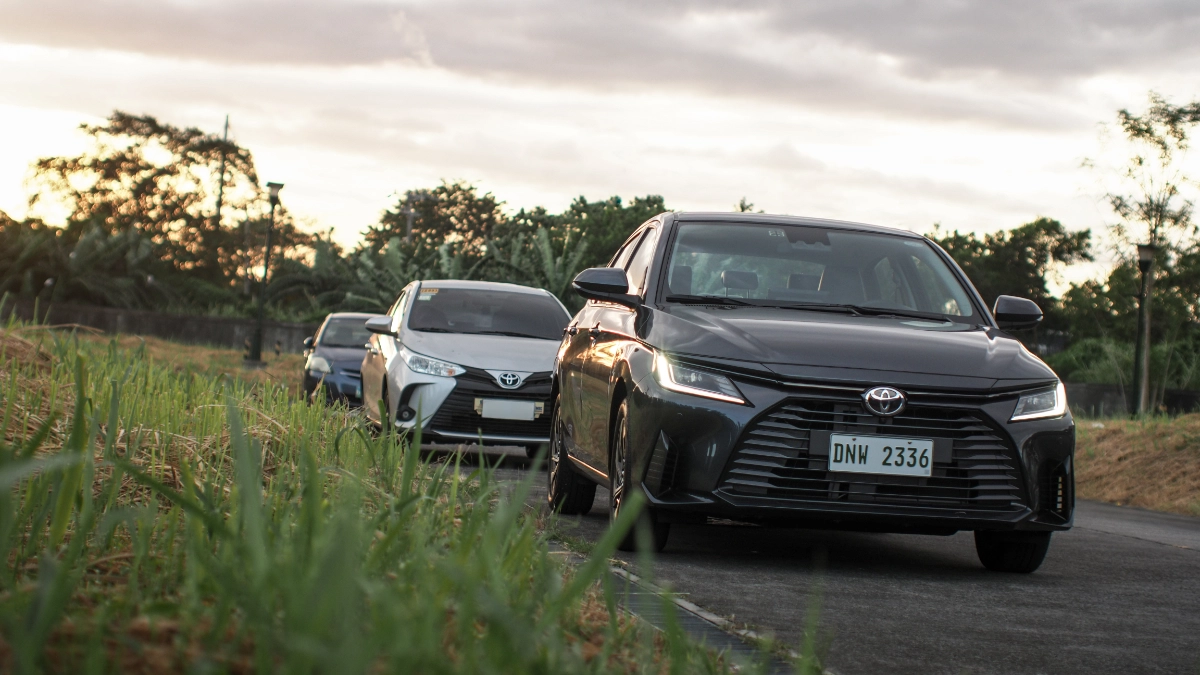
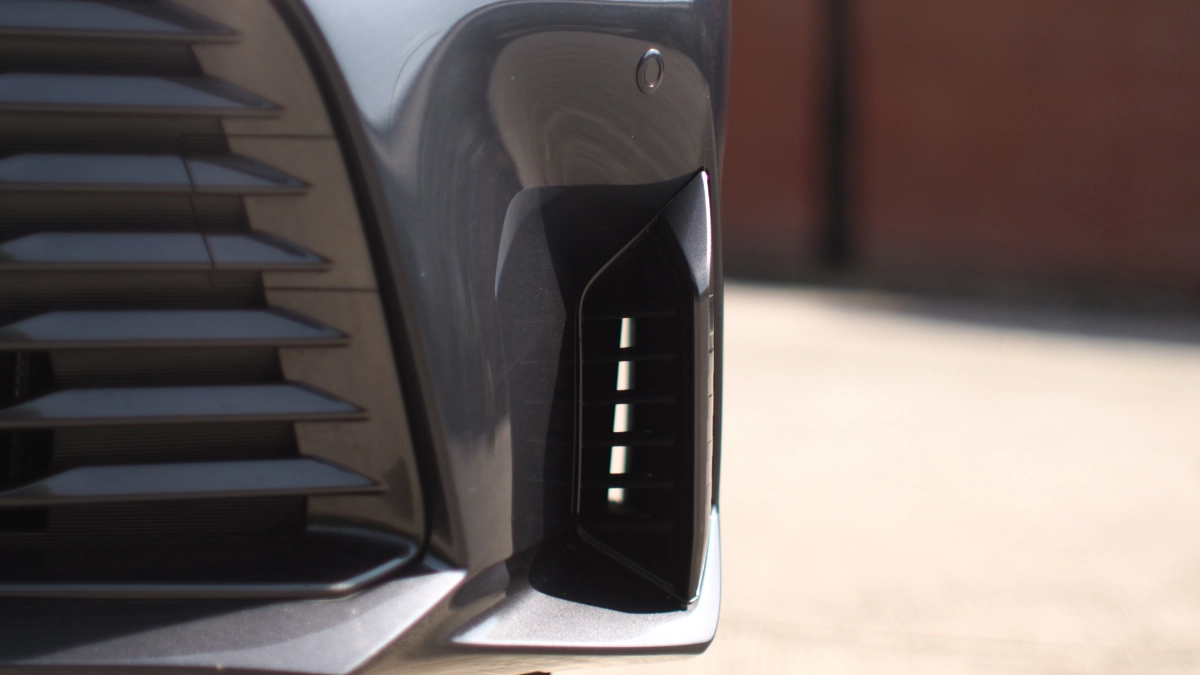
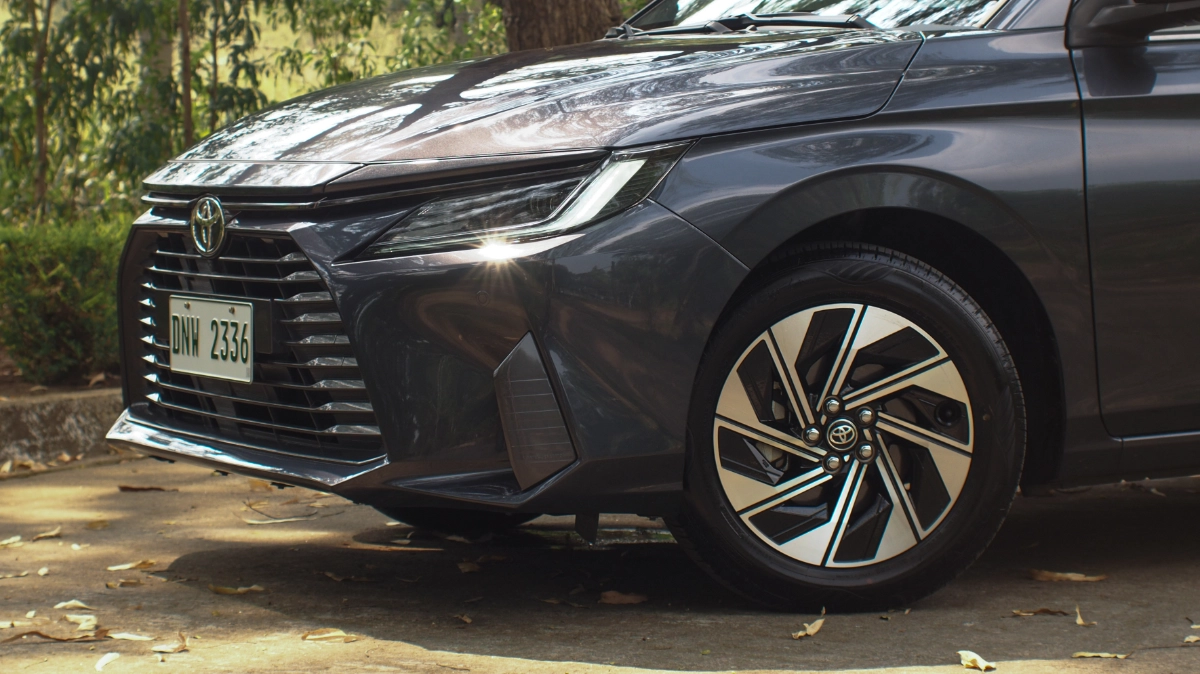
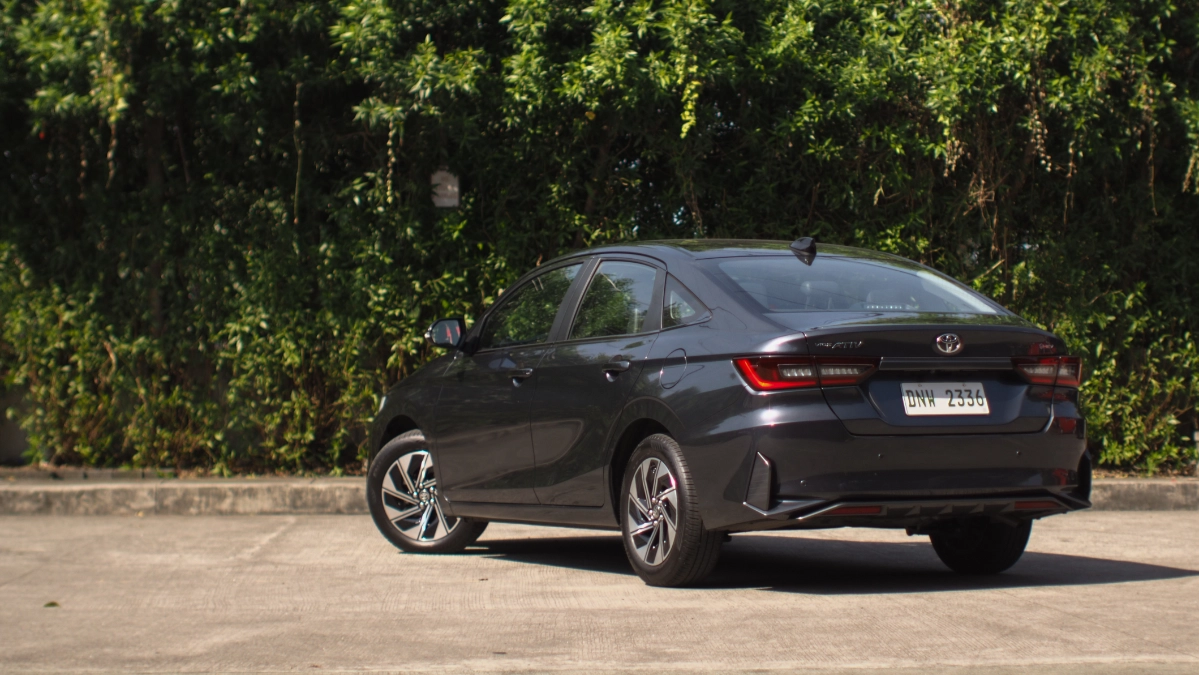
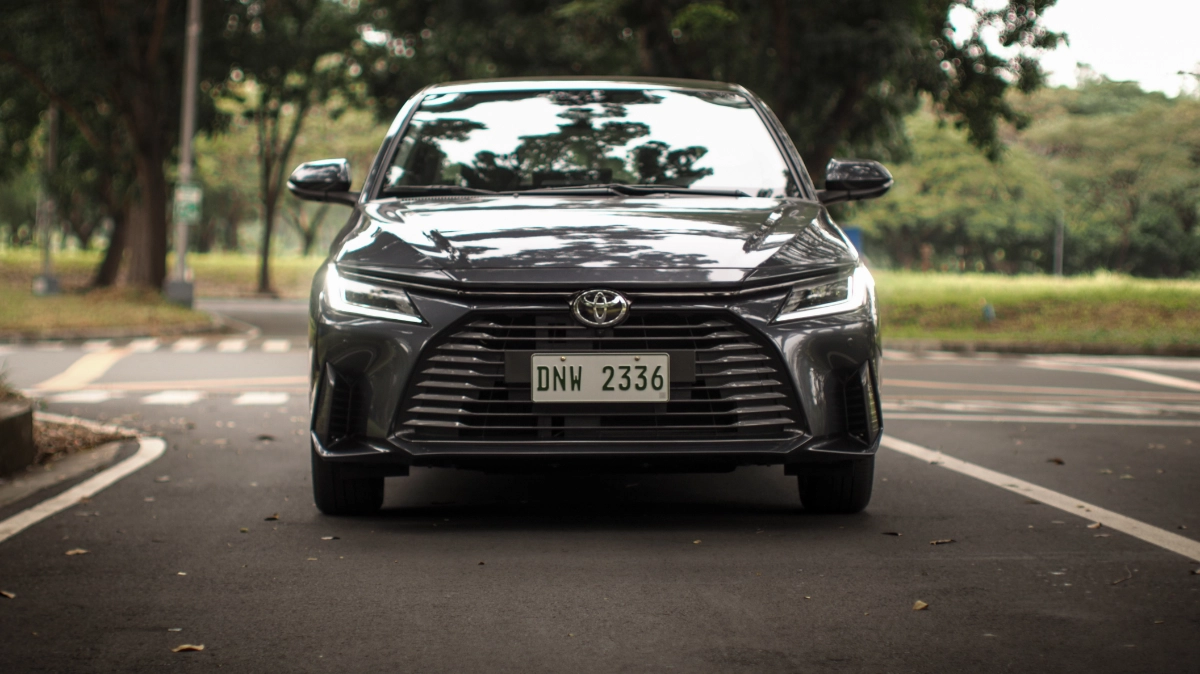
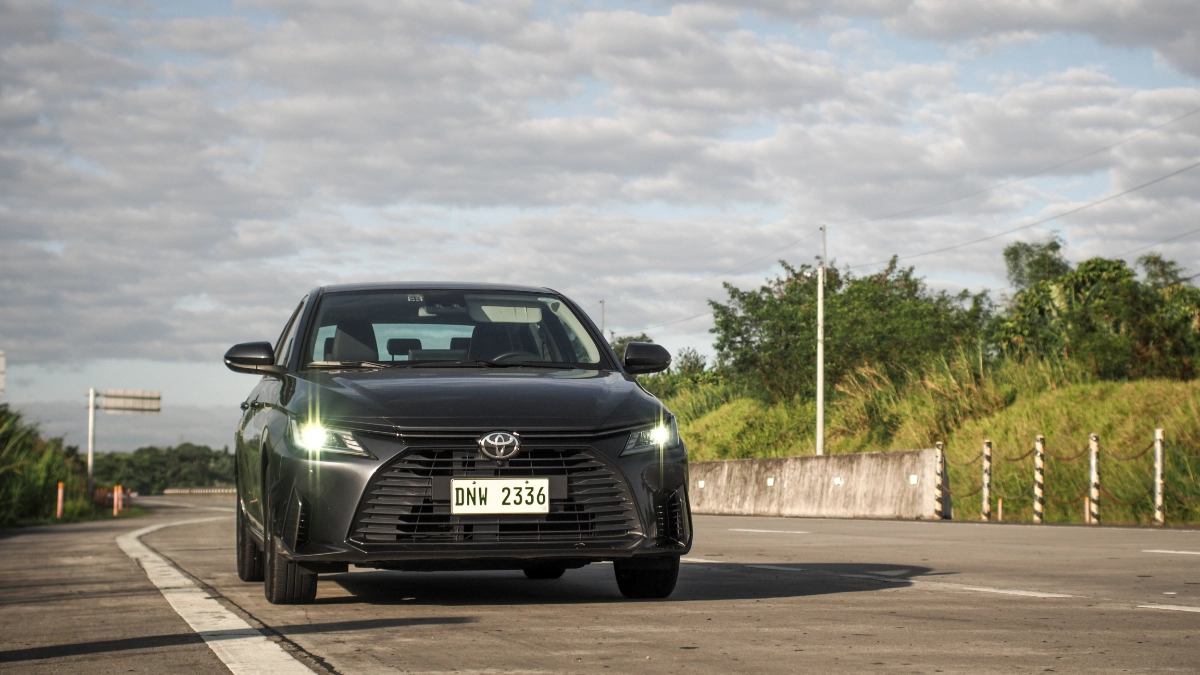
The Ativ certainly looks fit to fight: sharp and modern, with square shoulders and a look that echoes the Corolla and Camry without copying either. The huge bass mouth grille remains, continuing the proud Toyota tradition of giving cars grilles twice as large as needed. Big black bumper flaps act as ‘vortex generators,’ aggressively funneling air into the front wheel well to cushion against turbulence. Low-slung headlights under a black chrome crossbar help lower the visual height of the bulldog-like front end. It’s a challenging but striking look, and much more distinct than the previous car.
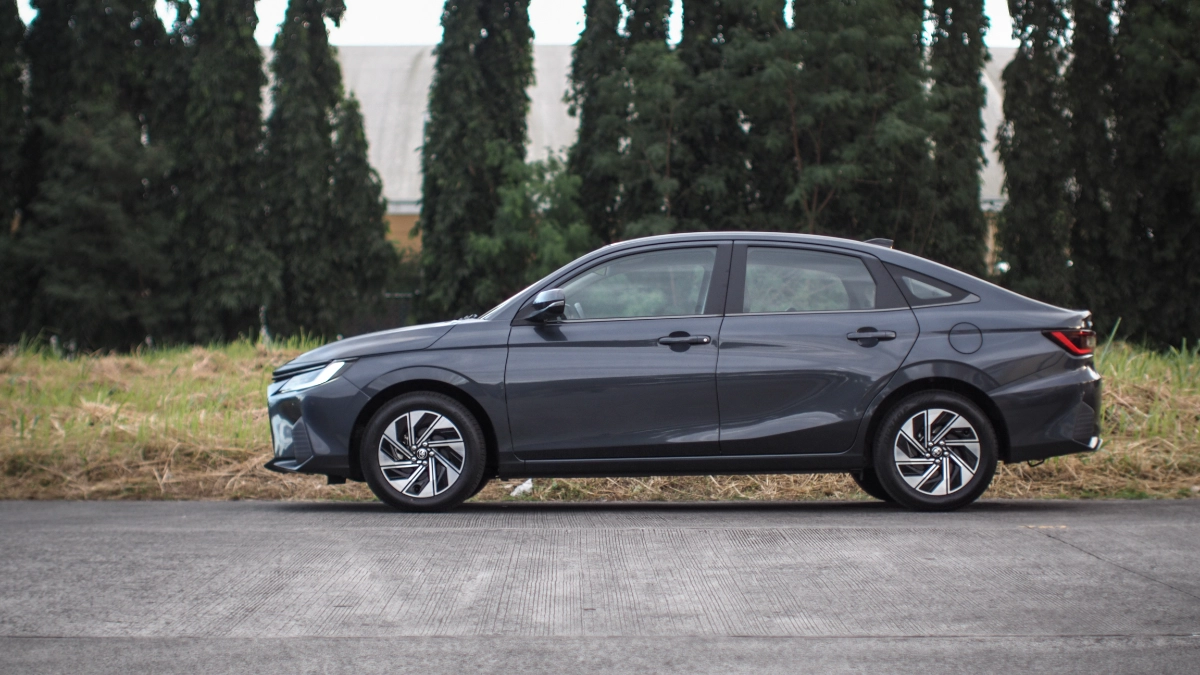
The Ativ’s cropped nose and long greenhouse present a pleasing fastback profile, maximizing interior space and exuding a sporty vibe. It’s more Civic than Corolla. Granted, the previous Vios had a similar roofline, but the stronger shoulder line and swage line through the door handles make the greenhouse really ‘pop’ here. The 16-inch alloy wheels on the hybrid are nothing to write home about. They’re decent-looking, but not much different from the wheels on the previous Vios.
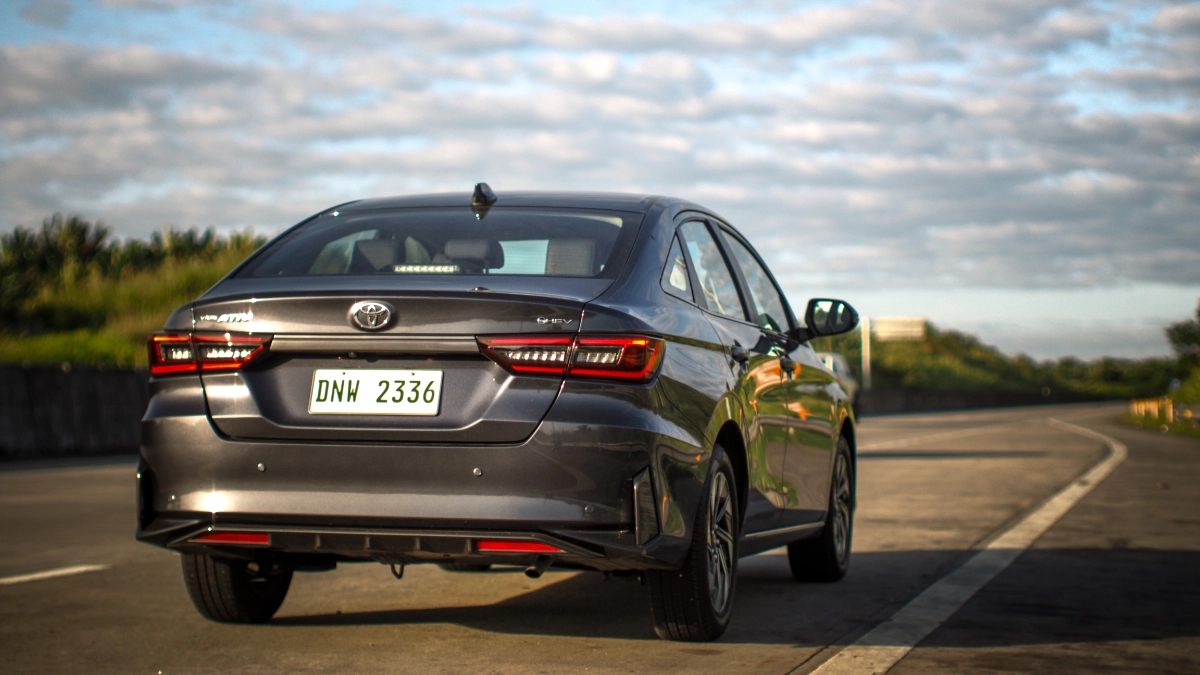
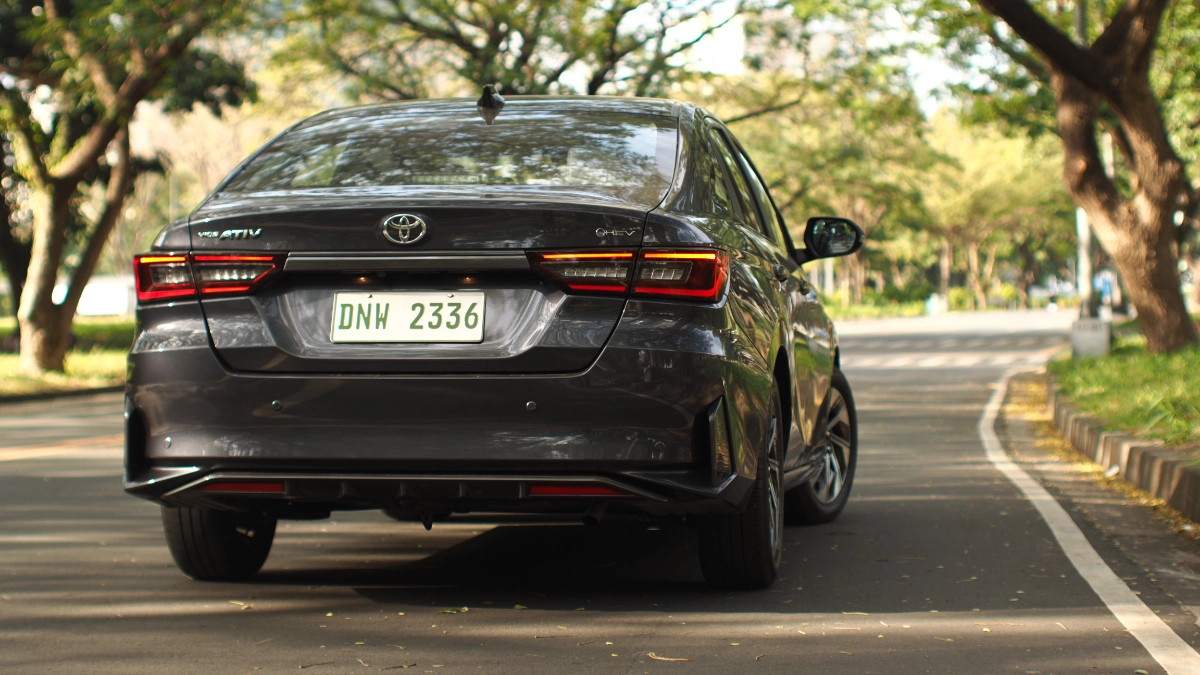
Out back, you find undercut rear lights and a chopped rear bumper reminiscent of the Honda City, only with a more purposeful and cohesive look. The vortex generator flaps here don’t have attached vents, but still help shape the airflow coming off the rear bumper, anyway. I suppose it’s worth it. The Vios’ drag coefficient is a commendable 0.284. A hair short of the third-generation Vios, but a step ahead of the competition still.
ALSO READ:
Size comparo: How big is the Toyota Urban Cruiser versus the BYD Atto 3?
The all-new Toyota Ativ is a statement
Interior
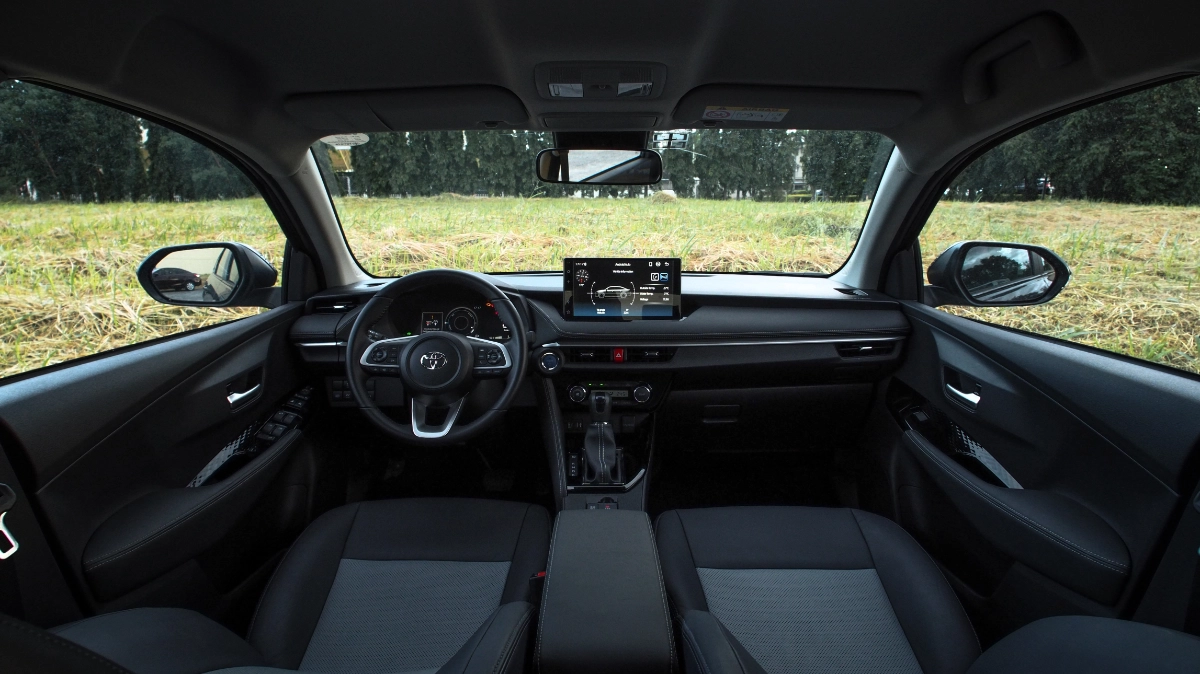
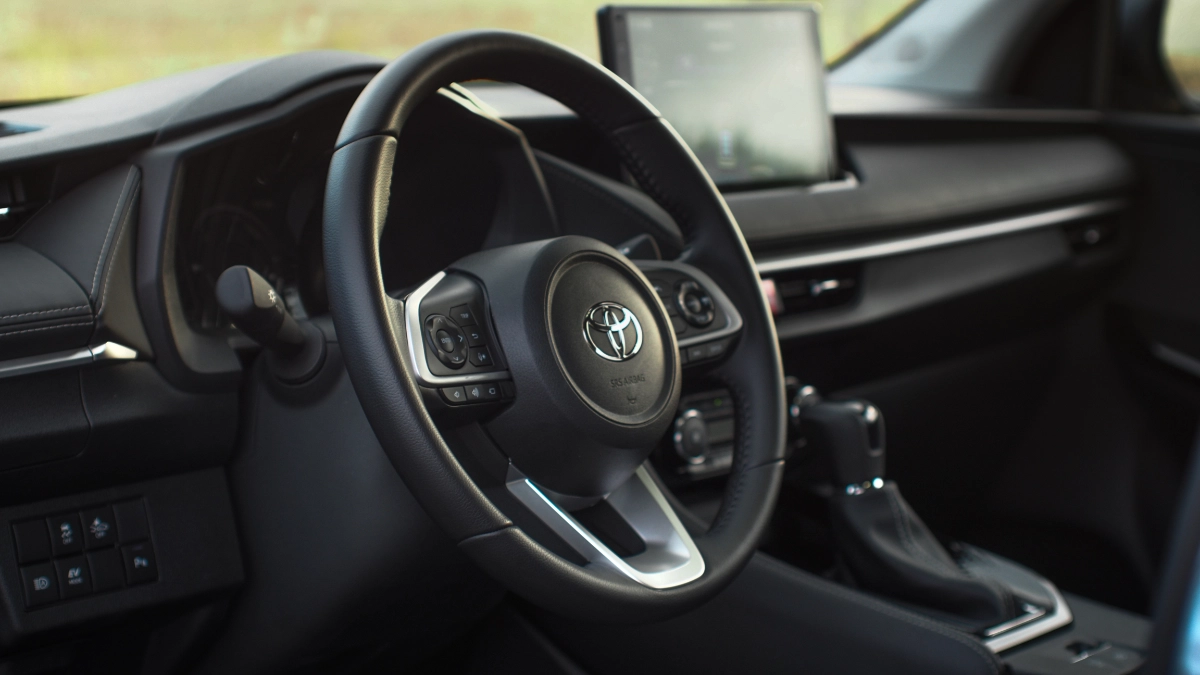
The new interior exudes a Mazda-ish vibe, down to the round bossed steering wheel, more reminiscent of the Yaris/Mazda 2 collab available elsewhere than local Toyotas. The squared-off dash architecture recedes away from you, leaving screens and controls within easy reach but without acres of plastic in your face. There’s less hard plastics under your fingertips and more soft-touch material than in the Yaris Cross. You have to dig under the dash or by the floorboards to find objectionably hard-edged panels and seams.
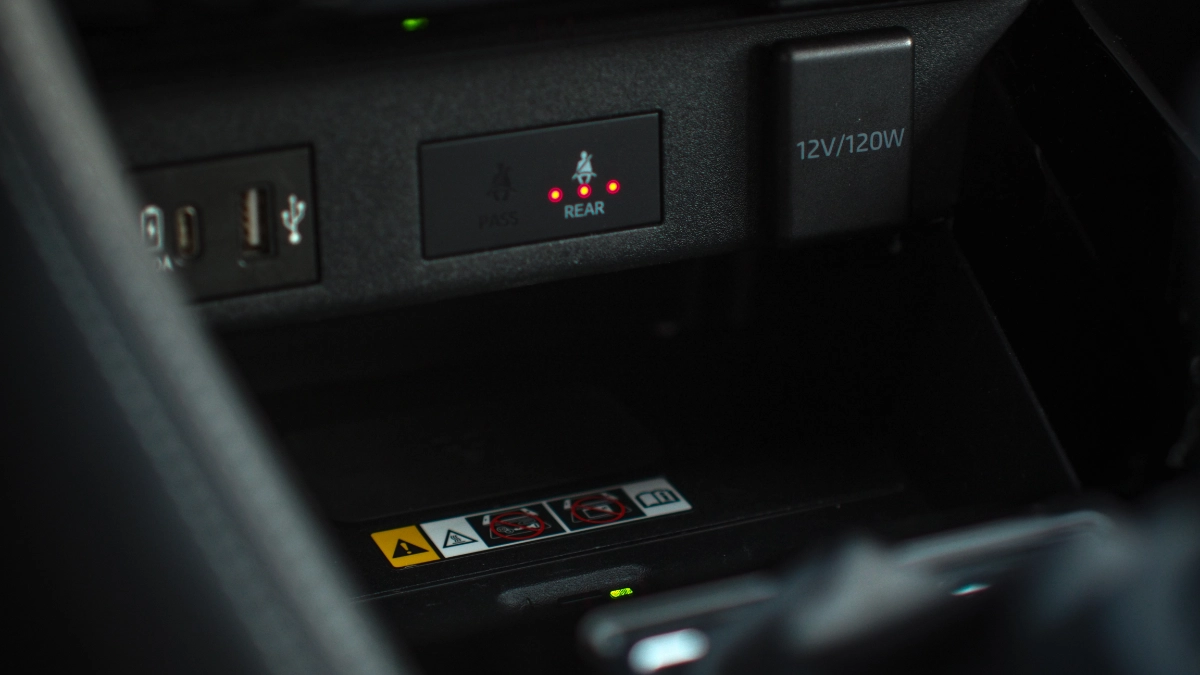
If there’s one sour note here, it’s the asymmetric center console. A lot like on the Yaris Cross, but the ‘wing’ beside the wireless phone pad is on the driver’s side. It makes it harder to put the phone in, while at the same time, hitting your knee while you’re driving. Odd oversight, and not something you can blame on RHD-LHD localization, as the RHD Thai model has the wing on the driver’s side, too. Oh, and the center console box is absolutely tiny by modern standards.
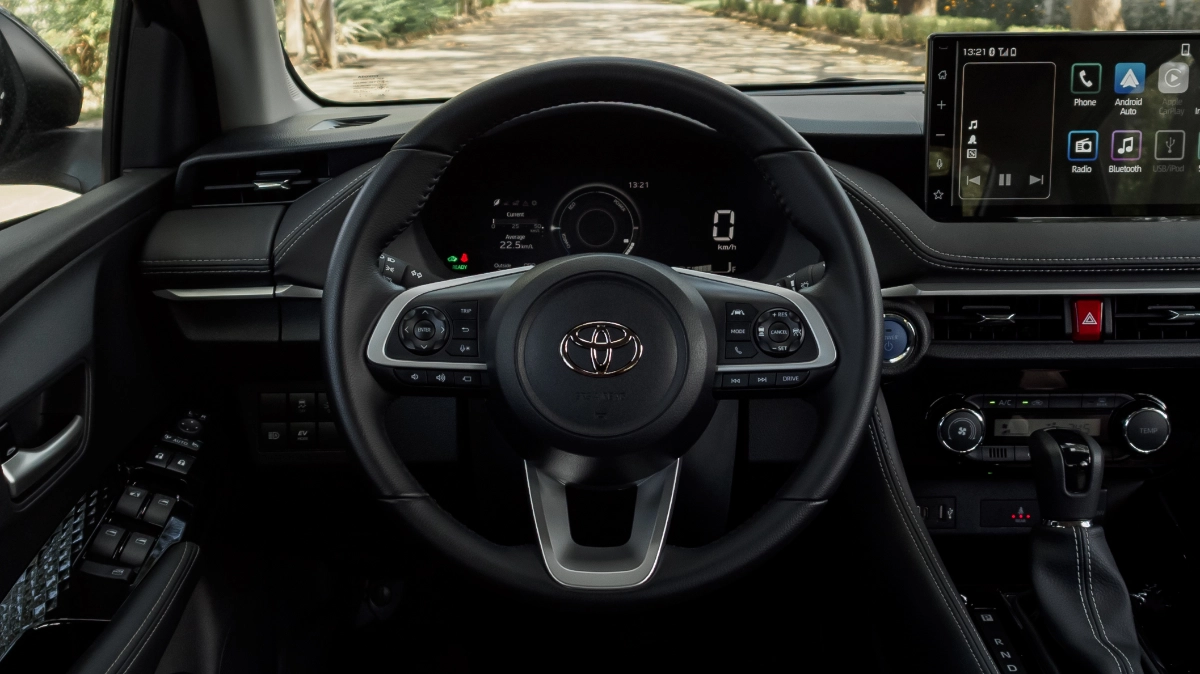
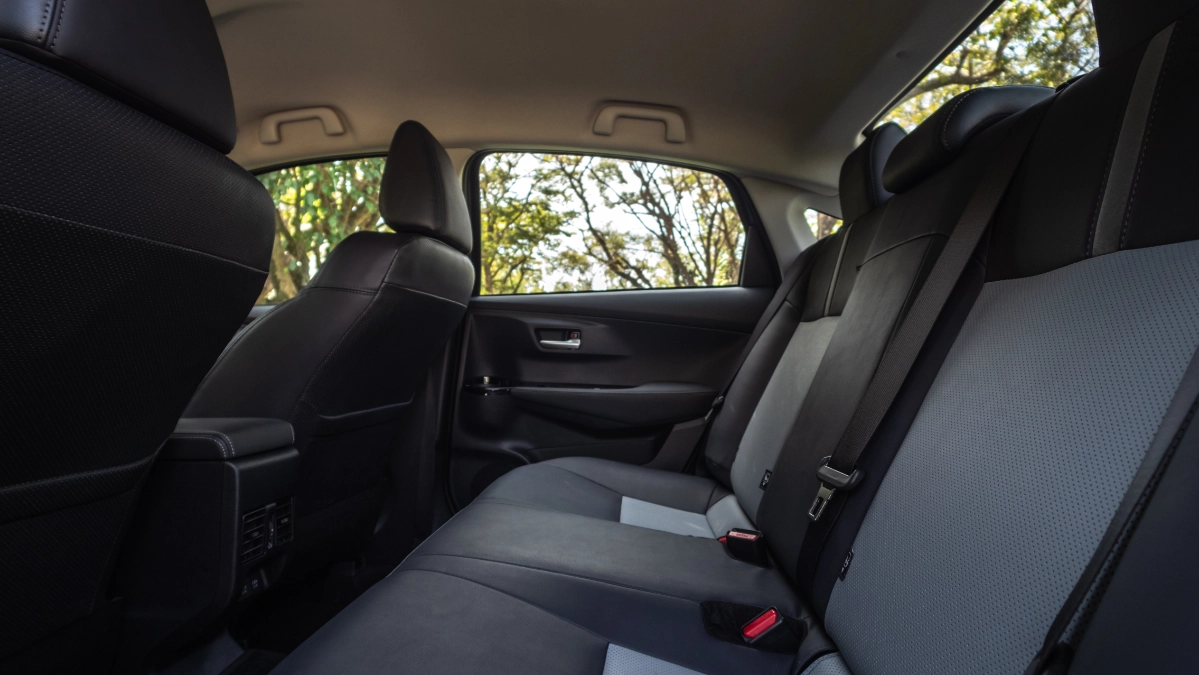
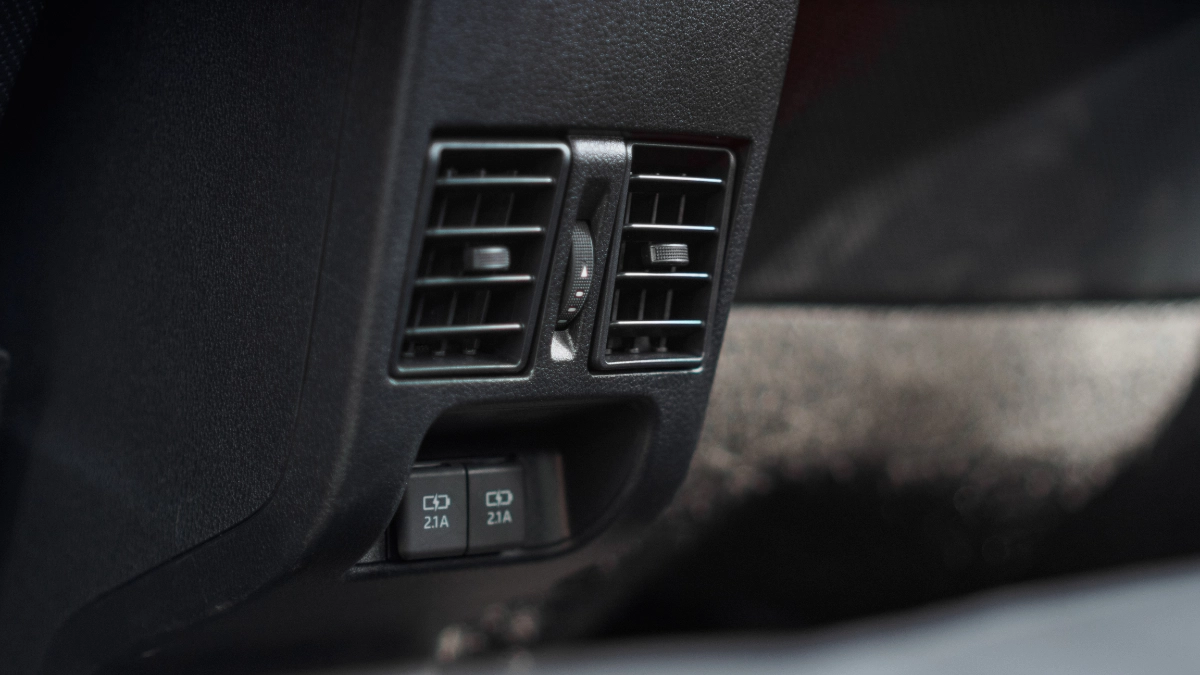
Beyond those small irritants, driving ergonomics are generally good. The front seats are a bit too high, but tilt and telescopic steering make it easy to get comfortable, and we have few quibbles with headroom or elbow room. And who can say no to AC vent cupholders? The rear seat gets all the comforts you’d expect: wired charging, rear AC vents, gigantic door-side cupholders. Yes, the Vios is scoring an 11/10 in the drinks department.
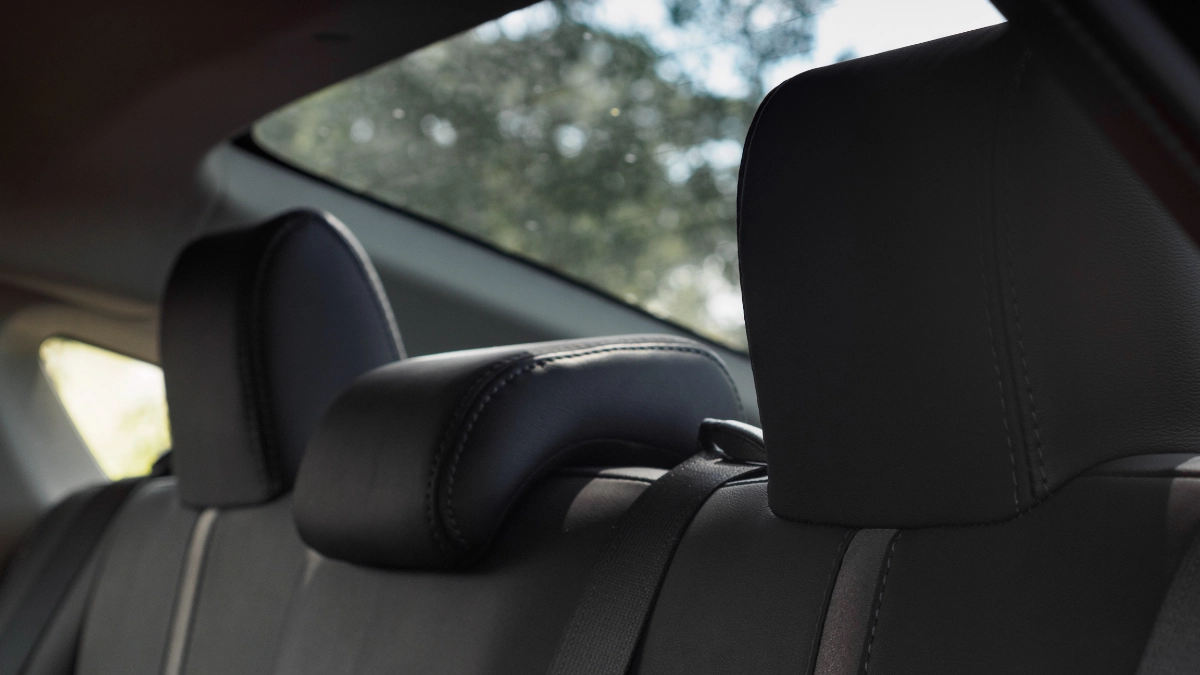
The buckets carved into the rear bench push inwards, giving you good glute support and excellent elbow room when sitting two up. On the debit side, this leaves little space for a center passenger. Legroom is much improved, but still falls short of the Honda City. The rear bench has been raised a bit to clear the hybrid hardware underneath, impinging on headroom. The flat rear seat back—with its strangely tiny fixed headrests—is also fixed to the bulkhead. There’s no fold-down center armrest or fold-down mechanism to access the trunk.
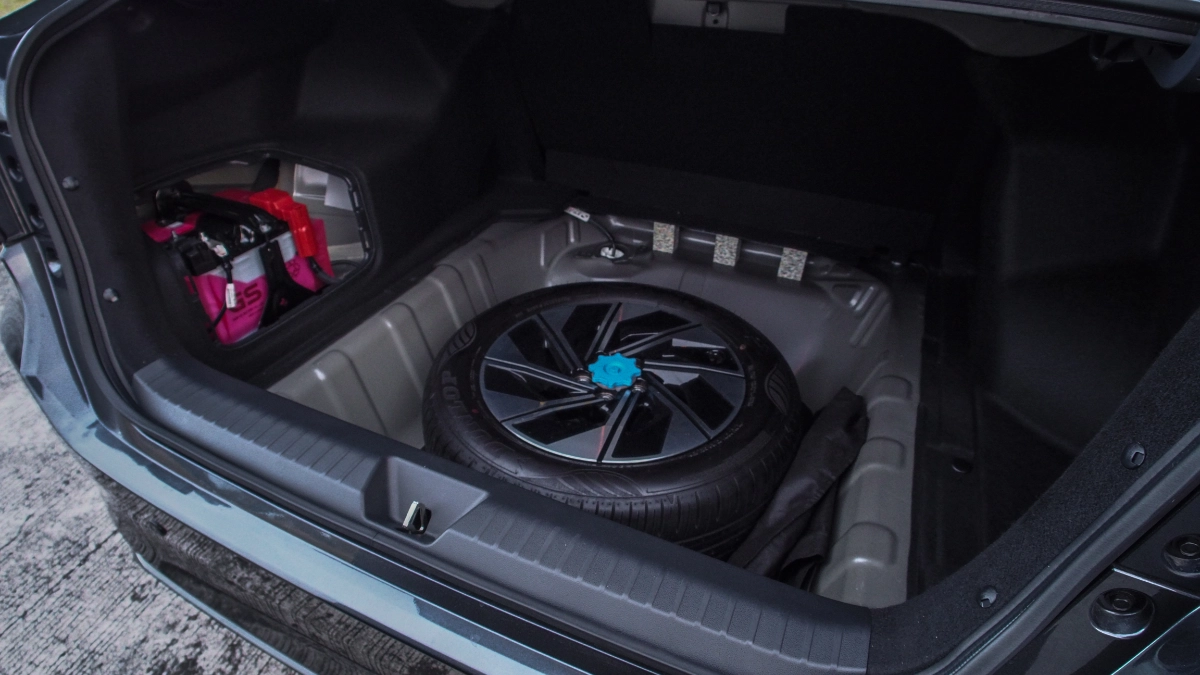
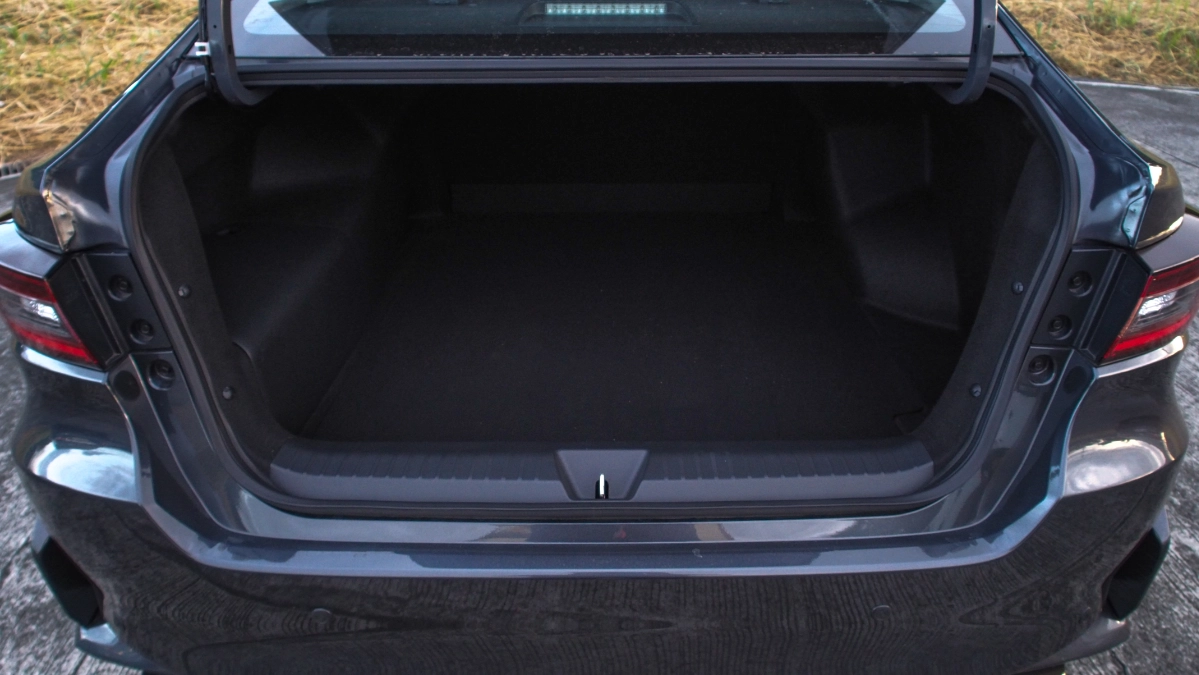
The trunk itself is usefully large, with up to 500 liters of space if you take out the full-sized spare tire under the floor. But on this HEV variant, the 12V battery eats up precious real estate on the left wing. Not enough to matter to most, but it does mean you lose about a duffel bag’s worth of space to the regular car.
Engine performance
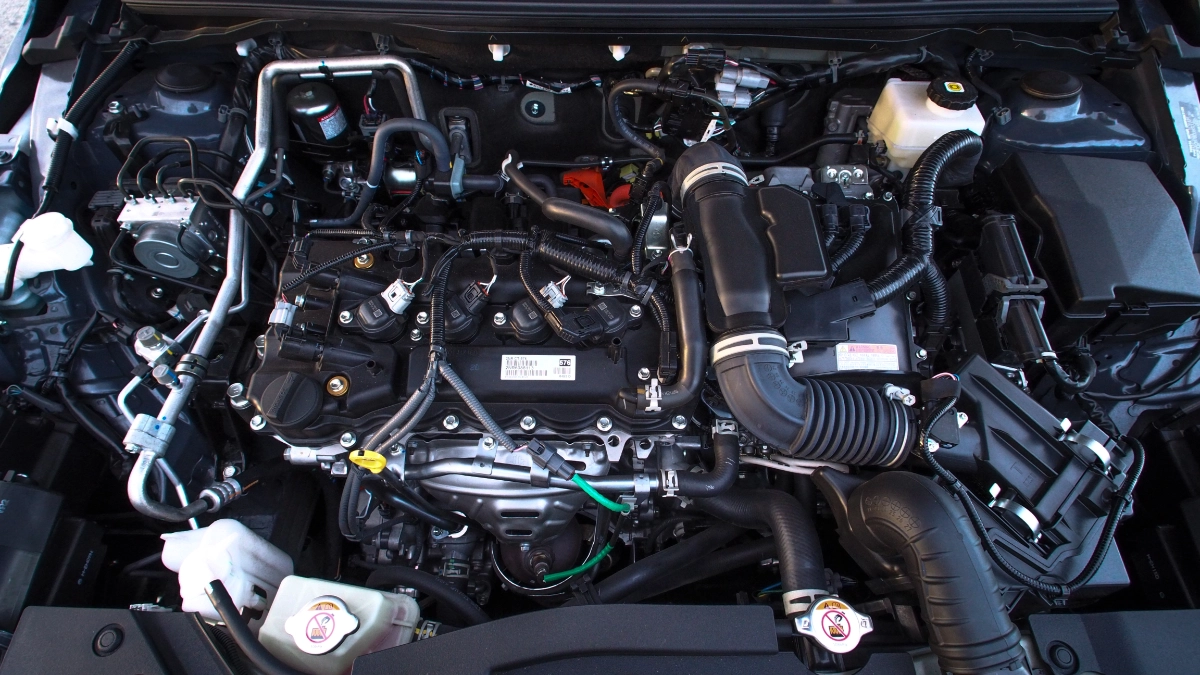
What you gain over the regular car is a huge boost in performance and economy. An Atkinson-cycle 1.5-liter 2NR-VEX gasoline engine provides 91hp worth of power to the wheels and helps charge up the small lithium-ion battery that runs the 71hp electric traction motor. This setup provides a combined 119hp and a healthy 0-100kph time of just 9.5sec. A second quicker than the Yaris Cross or Corolla hybrids, this makes Toyota’s cheapest hybrid one of its peppiest.
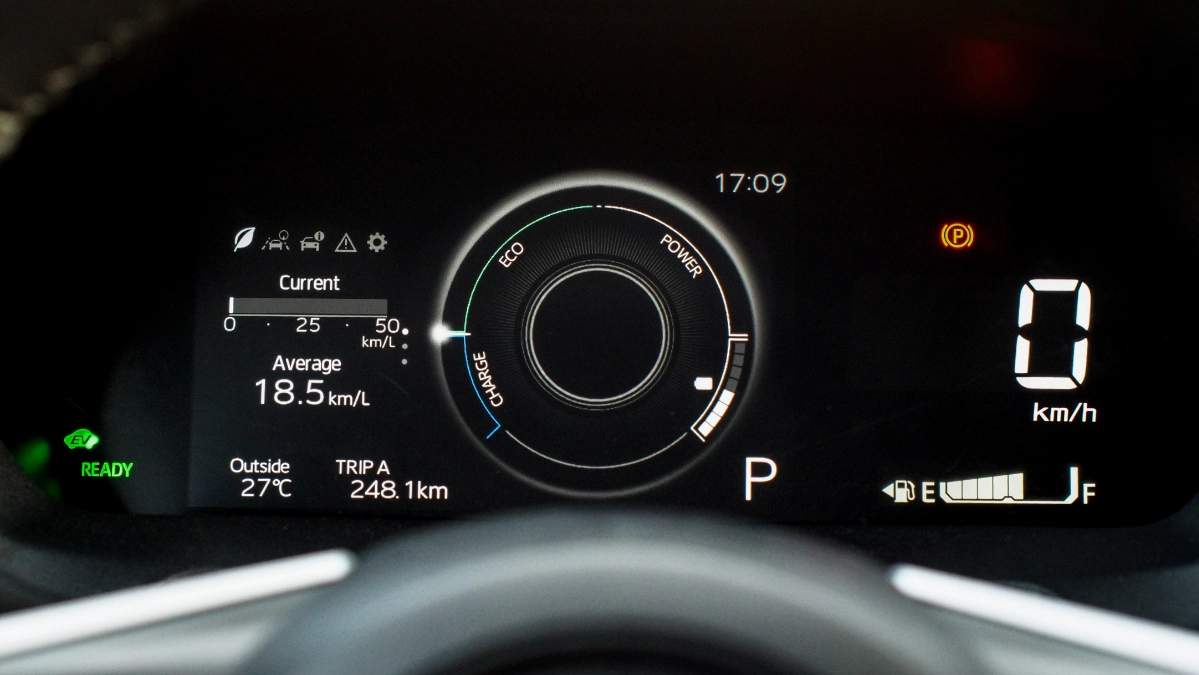
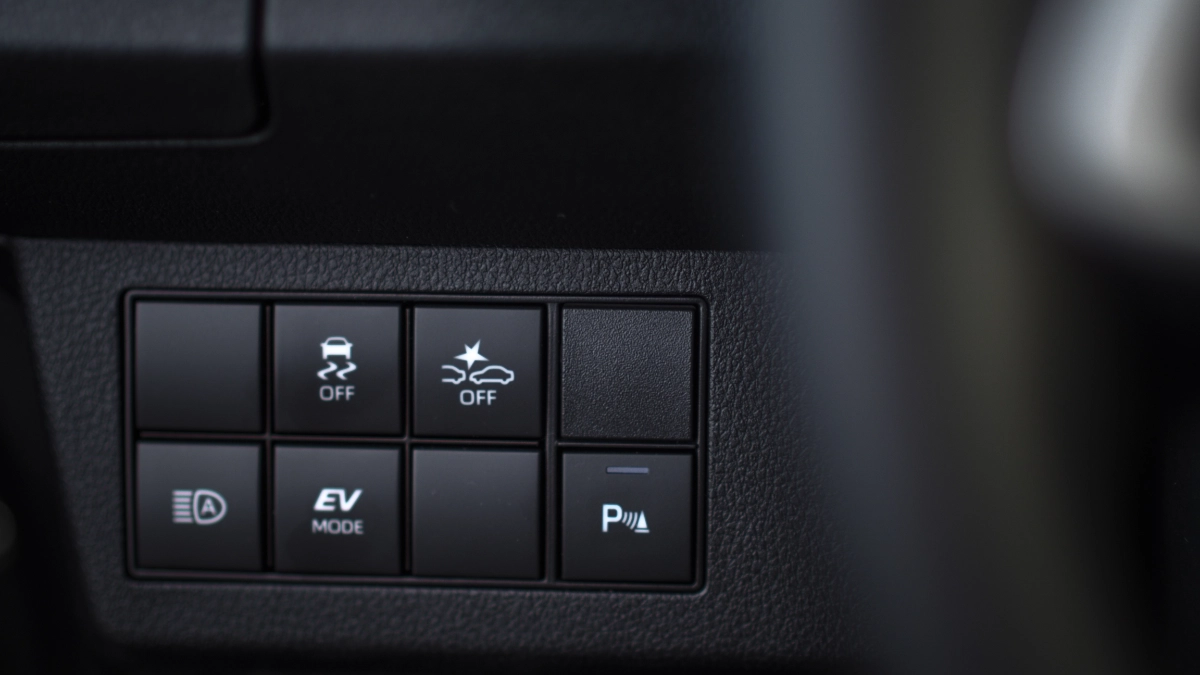
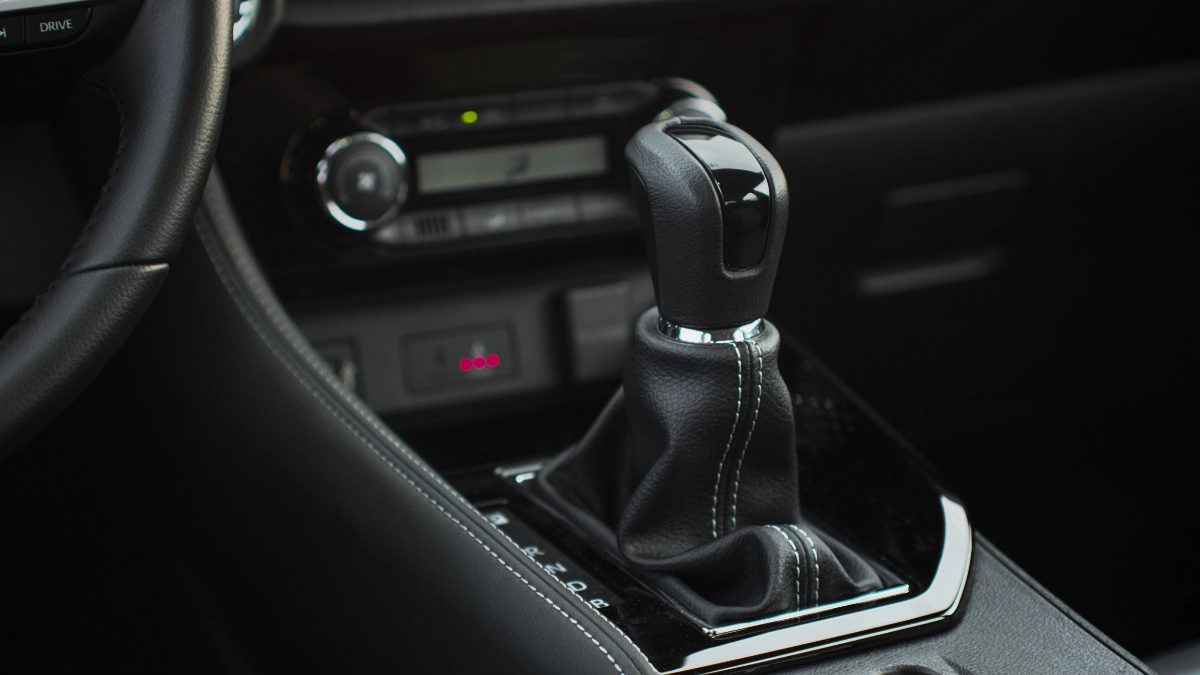
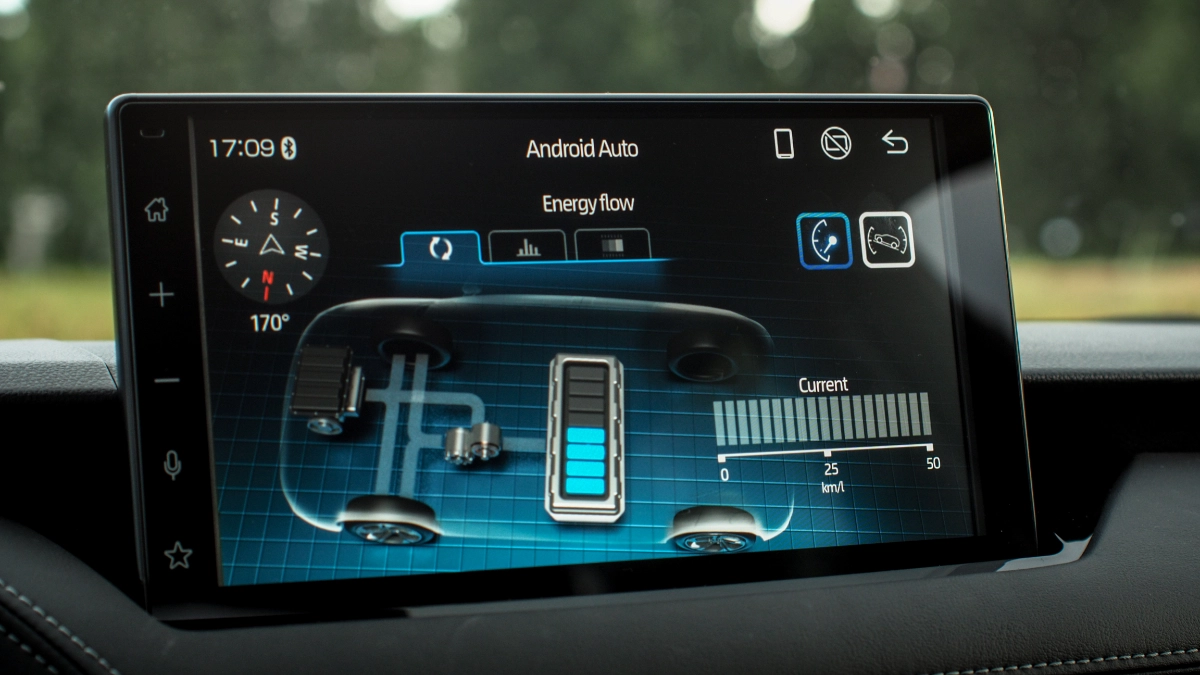
Performance is butter smooth, switching seamlessly between electric low-speed mode and hybrid high-speed mode seamlessly. Toyota’s planetary gearbox—don’t call it a CVT, Toyota, that just confuses people—is still an industry-leading piece of technology. Despite the powerful electric motor, the tiny 0.7kW battery limits full EV mode to 40kph. There are the expected ECO and PWR modes here, the former moderating power delivery and AC to improve economy, and the latter increasing throttle response for better performance. As in other Toyotas, you can turn both on at the same time, mixing and matching them in confusing and creative ways.
Despite the tiny 36-liter tank, the Ativ HEV boasts exceptional range. Fuel economy is 22-26km/L in mixed conditions, around 14km/L in traffic, and 28-32km/L on the highway at 80kph. About what you’d expect for a Toyota hybrid. And better than you’d expect given the punchy performance.
Ride and handling
So this is the quickest Vios ever, which should make it the most exciting, right? Well, half and half. The Ativ boasts firm body control, with pleasing steering weight and a good handling balance, thanks to having both the 12V and hybrid batteries over the rear axle. There’s a bit of stiffness over high-frequency bumps, but the car flows nicely over heaves and dips at speed. There’s less body movement than in the previous Vios; the shock absorbers dampen movement nicely, though they’re still a bit soft under full load. Still a Vios, at heart, I suppose.
Sadly, while the basic bones are good, the relatively tame 195/60R16 Dunlop Enasave tires have soft sidewalls and low grip limits. They’re a bit floaty at speed, and complain audibly when you’re carving up corners at even a moderately brisk pace. So not quite there yet, but this bodes well for any future GR HEV variants.
Driven as most owners will likely drive, it’s fine. The punchy hybrid tech makes it more pleasant than most to punt around in traffic. Noise control is pretty good overall, save for the raspy bark of motorcycle exhaust through the thin windows. The engine-generator can sound rather agricultural when it kicks in. It’s not loud, by any means, but it can sound a bit more like a gargling three-cylinder than a four-cylinder engine. The price you pay for efficiency, I guess.
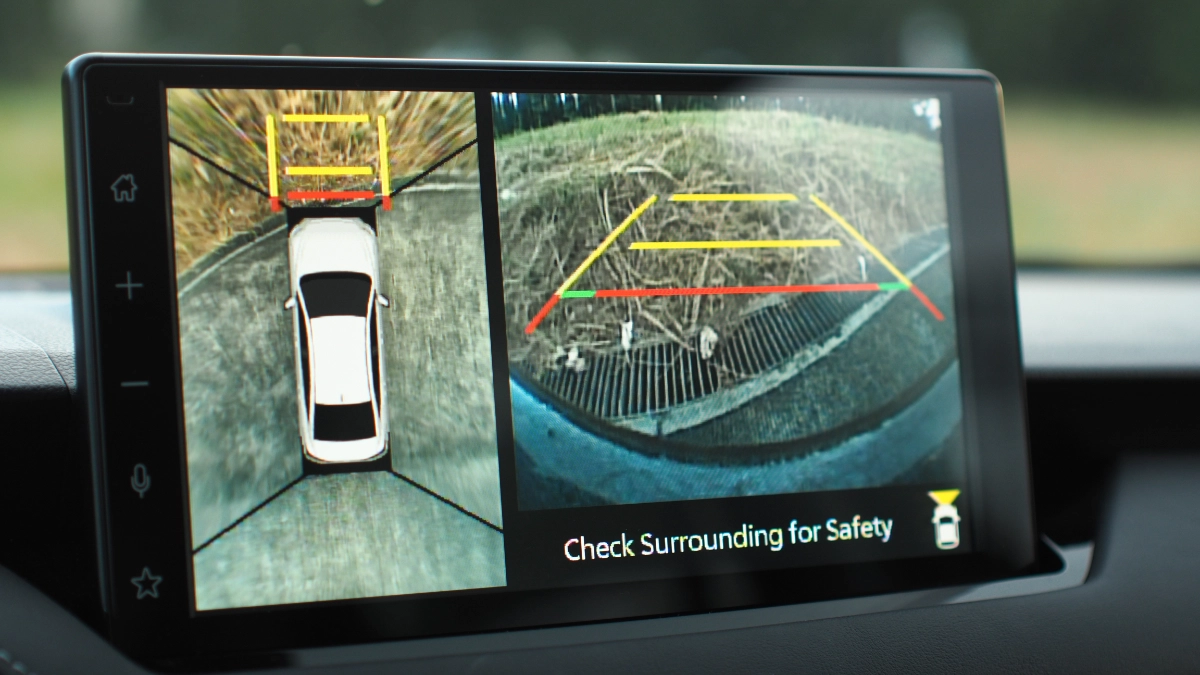
Around town, the Vios’ narrow beam makes it easy to drive down small eskinitas, but the high rear windows and belt line make backing up out of them a chore. Even with the tiny rear headrests. Thankfully, you do get 360-degree camera coverage, as you’d expect from a loaded subcompact in the year 2026.
Extra features
You also get full ADAS, including lane keeping assist and adaptive cruise, but the implementation here isn’t quite as seamless as in the Corolla Altis. No lane tracing, as far as we can see. The system only reacts when it detects you moving close to the edge of the lane. If it sees it, that is—the lines on the rebuilt portions of SLEX are sketchy as hell. The adaptive follow function causes the engine to surge from time to time as cars merge in and out ahead of you, but it is good enough for government work.
Other niceties include an infotainment screen with Apple CarPlay and Android Auto, multiple USB-A and USB-C charging points, and a wireless charging pad. Sound out of the six-speaker system is decent at easy listening levels, but requires fine tuning if you push it, as heavy bass can set the small speakers crackling. Keyless entry and push-button start round out a feature list that’s good, but not really any different from what you can get elsewhere at these prices.
Verdict
Of course, the biggest draw for the Vios Ativ is that Hybrid Synergy system, which gives the Ativ an edge over direct competitors like the City and the Almera. Fantastic fuel economy is a given. Class-leading performance is a bonus. I wish that Toyota had given it a better wheel and tire combo, but what’s there will be enough for most owners.
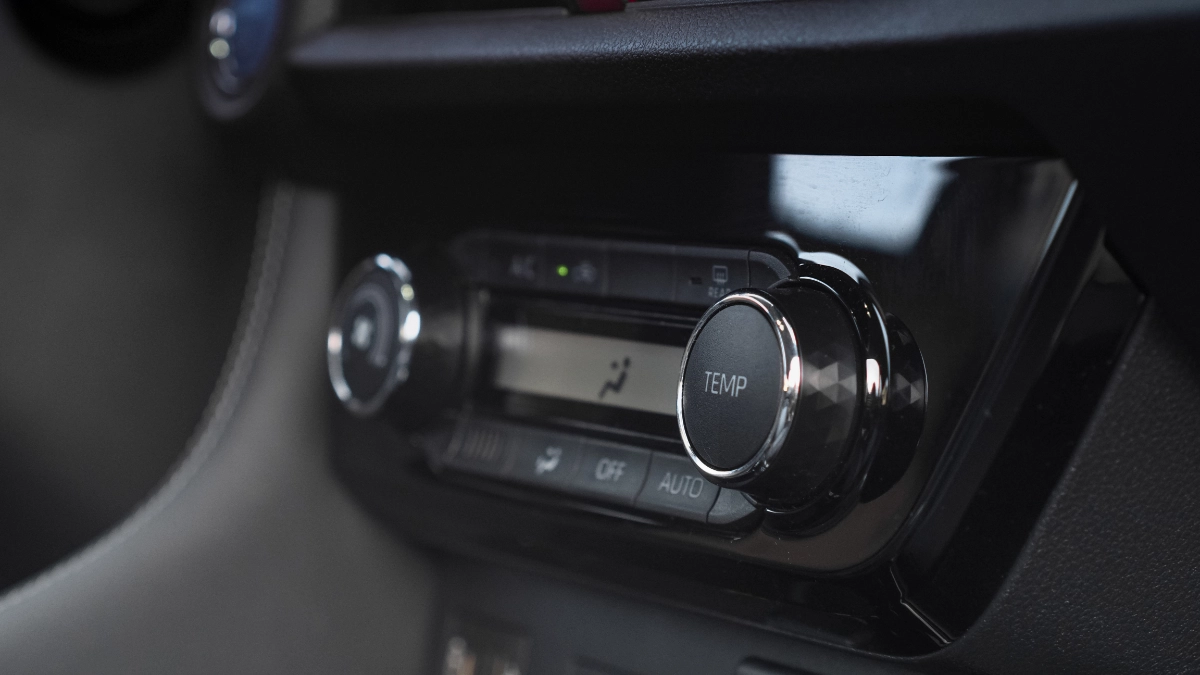
But while it will undoubtedly be a hit with Toyota’s regular crowd, the BYD deserters are another thing. BYD’s own hybrid sedan, the Seal 5, is bigger, more powerful, and has a battery just about big enough to get you through most days without using a drop of gasoline. But the Vios Ativ doesn’t trail far behind in terms of performance, and Toyota’s dedication to tactile controls and its robust drivetrain does make it a little less daunting for older buyers. And while the on-paper price puts it on par with the top-of-the-line Seal 5, Toyota has the Ativ in a holding pattern with up to P120,000 in cash discounts, continuing on from last year.
Yes, the same Toyota dealers who once demanded you buy an extra Innova to reserve a Land Cruiser are now selling cars at a discount, like everyone else. This is the new normal: Toyota doing what it needs to do to keep ahead of the game.
Good news if you want to buy Toyota’s most realistic hybrid yet. And the Ativ—well, Vios Ativ—is also the best Vios, yet. While we don’t know if that’s enough to truly turn the tables on the Chinese, that’s more than enough to carry the Vios nameplate to yet another banner year.
Specs: 2026 Toyota Ativ 1.5 HEV CVT
Price: P1,198,000
Powertrain: 1.5-liter gasoline + single motor
Transmission: Continuously variable
Power: 119hp (combined)
Torque: 121Nm (engine)
Layout: FWD
Seating: 5
Score: 8/10
More photos of the 2026 Toyota Ativ 1.5 HEV CVT: