
Nissan’s most recent financial report wasn’t as healthy as it was a year ago. Japan’s second-largest automaker posted profit losses and slower sales. It has even reached a point wherein the company had to sell 10% of its stake in fellow Alliance member, Mitsubishi.
Operating profits are down by a staggering 85%, and Nissan is taking drastic measures to turn around its fortunes. Aside from selling its shares in Mitsubishi, the company also announced that it will be cutting 9,000 jobs worldwide and slow down global production.
OTHER STORIES YOU MIGHT HAVE MISSED:
Ciao Bella: The Ferrari F80 has landed in ASEAN
Watch: A quick tour of the all-new BYD Seal 5 DM-i

Now, it seems that the effects of that will soon be felt in Southeast Asia. According to a report from Reuters, sources close to Nissan have said operations in Thailand will be affected. The Reuters story goes deeper by mentioning that about 1,000 personnel could be laid off.
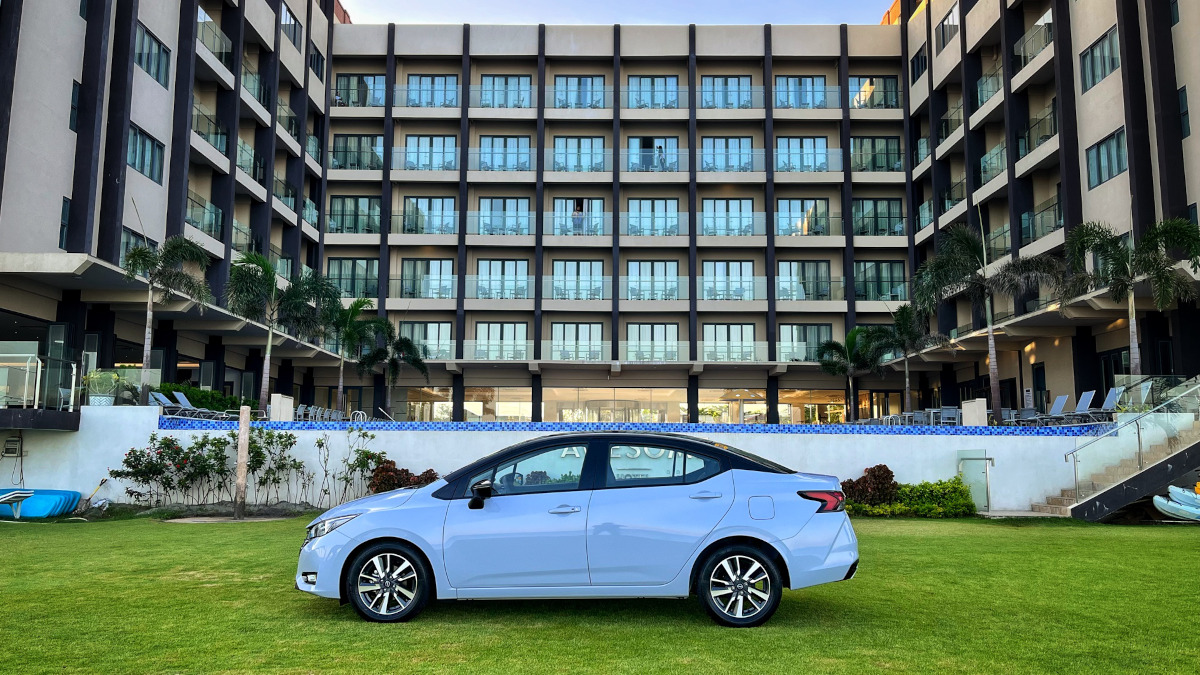
Nissan Motor Thailand has three major plants in Thailand’s Samut Prakan province. These assembly lines produce models for most of Southeast Asia, namely the Almera, Kicks, Navara, and Terra. The first plant assembles the Almera and Kicks, while the second produces the Navara and Terra. The third plant is responsible for the e-Power system.

It has been reported that the vehicle assemble lines have been idled due to sales in Thailand. The plants have a capacity of 370,000 units, but Nissan only sold about 16,500 vehicles in Thailand last year.
That said, Nissan reassured the public by saying its Thai operations won’t be shut down. It is, after all, the main (and largest) production hub for Southeast Asia. A spokesperson from the company said that there will be consolidation, along with equipment upgrades. With that, there is a possibility that the Philippine market could be affected by the slowing down of production as most Nissan models sold here are sourced from Thailand.
In a previous statement, Nissan CEO Makoto Uchida said “Nissan will restructure its business to become leaner and more resilient, while also reorganizing management to respond quickly and flexibly to changes in the business environment.”
“These turnaround measures do not imply that the company is shrinking,” added the executive.