
Just about every automaker out there is harping on about its commitment towards full electrification. There are those who have put a hard deadline on going 100% electric, while some have even announced the total stoppage of combustion engine development.
But not everyone is going all in when it comes to full electric. Most European and Chinese automakers see motors over engines in the future, but not the Japanese. Case in point, three major brands have joined forces to develop future combustion engines.
OTHER STORIES YOU MIGHT HAVE MISSED:
Study: Pedestrians are more likely to be hit by EVs than other cars
Heads up! There’s a traffic advisory for the Buendia-BGC flyover
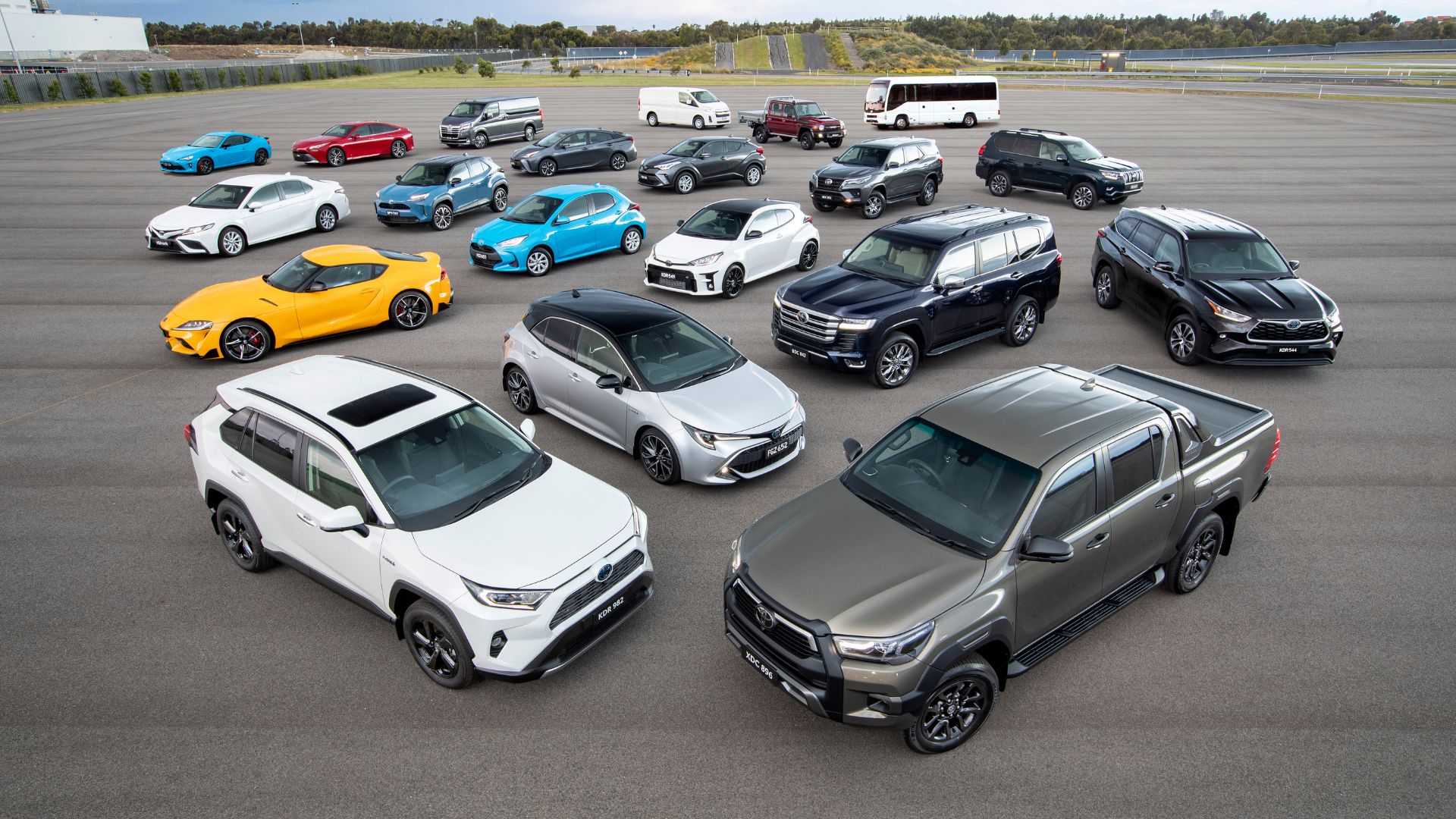
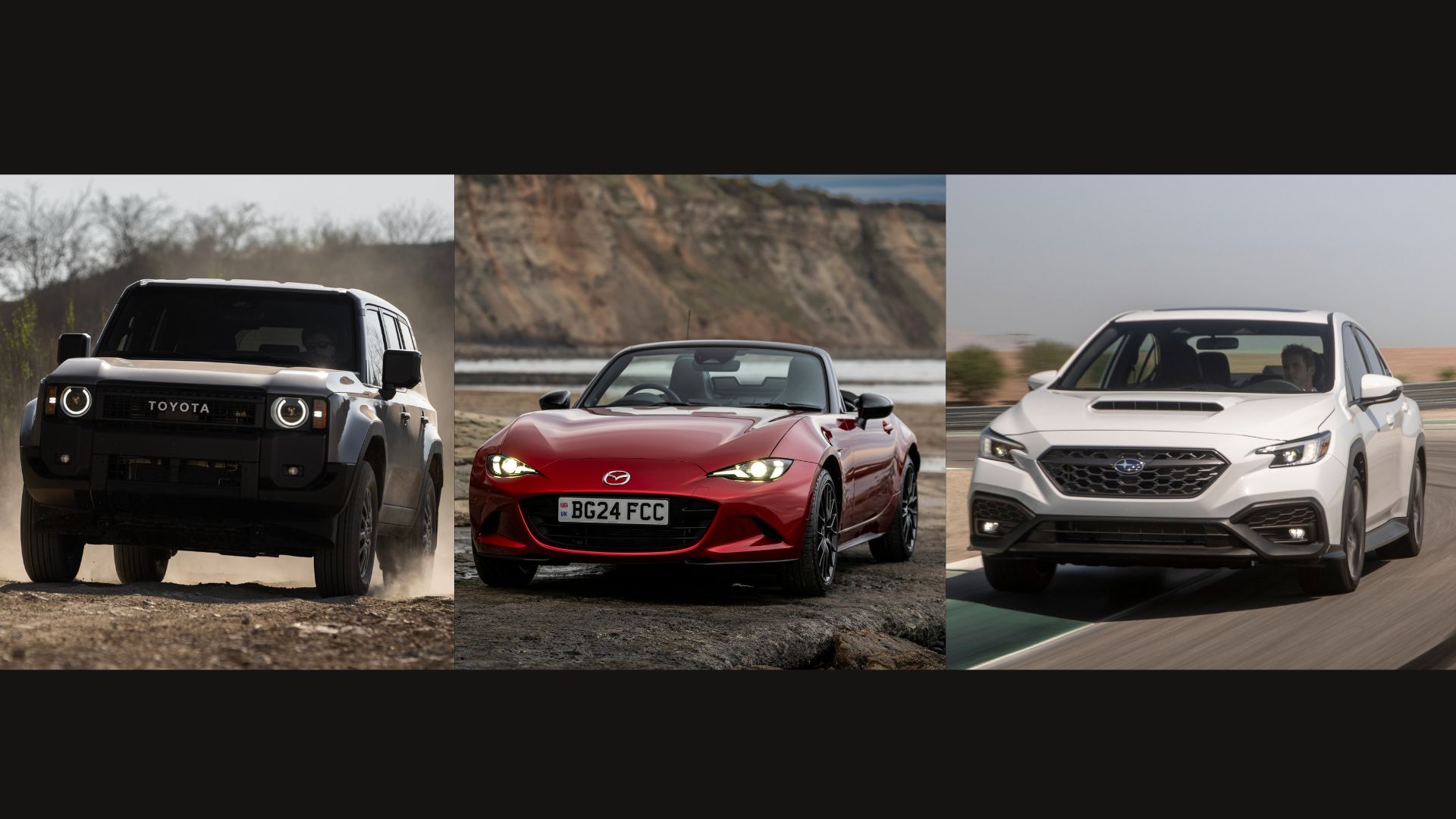
Toyota, Mazda, and Subaru recently held a press conference to announce that the three will develop combustion engines together. The reason? To accelerate development and keep costs within reason. No, this doesn’t mean your next Toyota model will have a rotary engine. Instead, each company will work on their respective ‘signature engines’ together.
So, how will these three companies make combustion engines relevant in the age of electric vehicles? For starters, Toyota will be further honing its four-cylinder engines. Subaru, on the other hand, aims to further refine the boxer engine, while Mazda is sticking to its guns with the rotary. All the powertrains being developed by the trio aim to be compatible with carbon-neutral fuels, namely liquid hydrogen, biofuel, and synthetic fuel.

Toyota displayed two new modular engines that are expected to power a wide variety of models soon. The first is a 1.5-liter, while the other is a 2.0-liter. No word yet as to when these engines will reach production, although it seems that the brand might be streamlining its engine lineup soon.
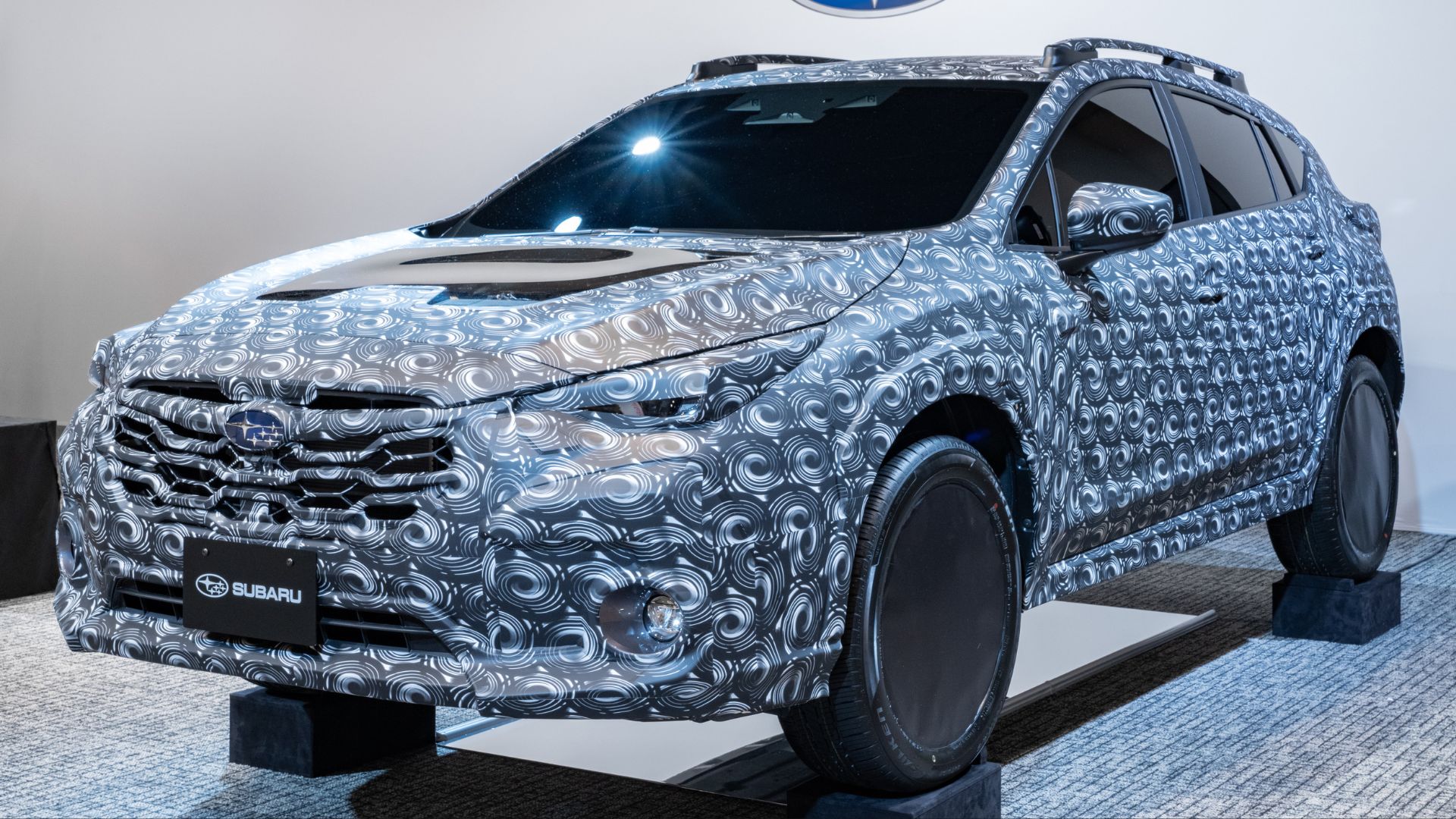
Moving to Subaru, it showed its new boxer hybrid system fitted to a new-generation Crosstrek. This one shows more of the collaboration between Toyota and Subaru. Its boxer engine is Subaru’s own, while the hybrid system has significant input from Toyota. Of course, this isn’t the first time the two have worked together. The GR86 (and previous GT86) and BRZ are proof of that.
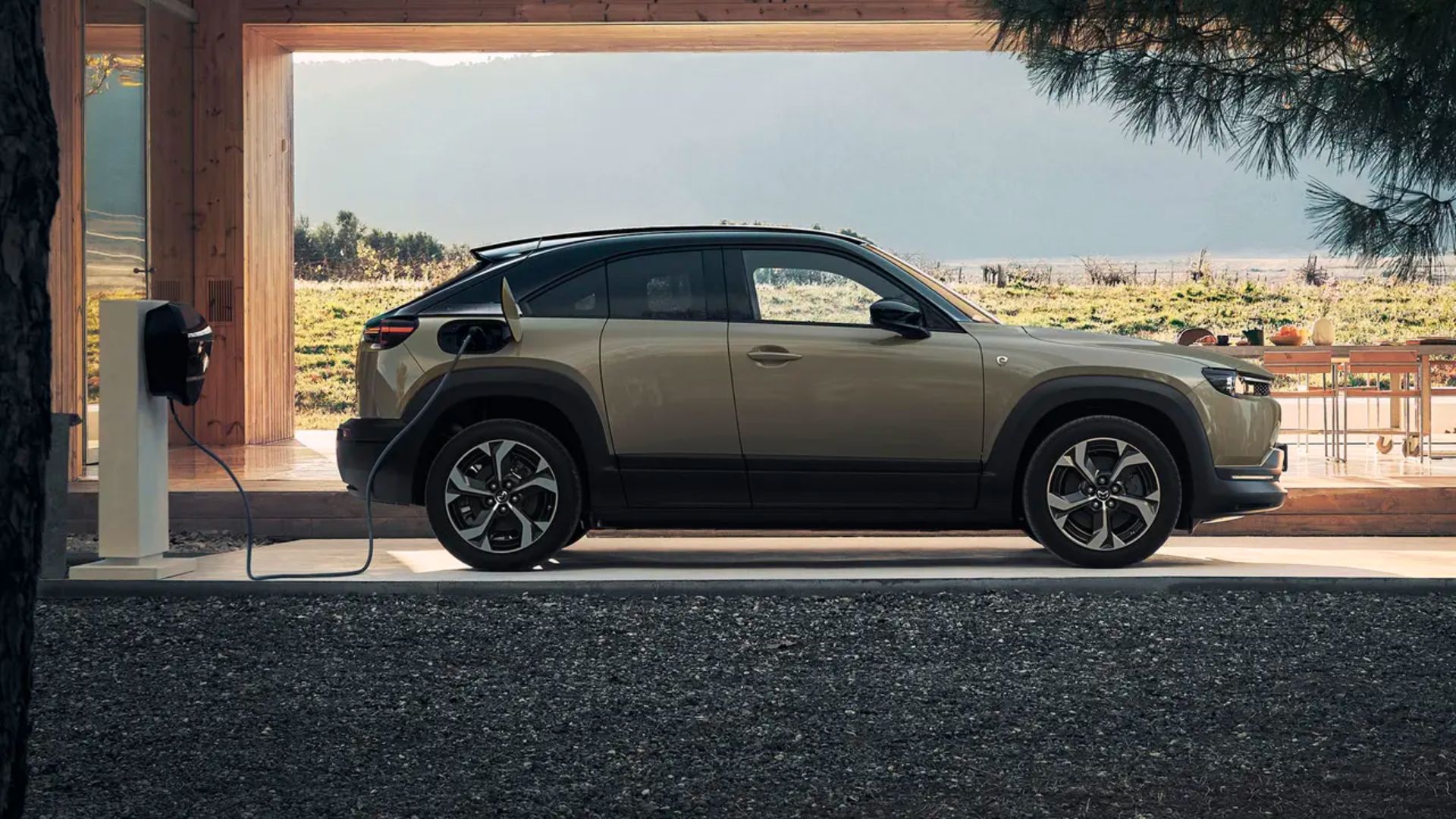
As for Mazda, it brought along single and dual-rotor versions of its rotary range extender. Before you ask, no, it won’t be a 9,000rpm screamer. Instead, it will provide juice to the electric drive system that will power future models. This system is also currently in the MX-30 R-EV.
It will be interesting to see how these brands will cooperate down the line. Subaru and Mazda are enthusiast-driven brand (especially the latter), while Toyota is more about volume. Nonetheless, these brands have made a clear stand that combustion engines still have a long life ahead of them.