Chemical engineers are suggesting a ban on single-use vapes could help prolong the supply of critical materials needed for electric-vehicle batteries.
In a super-nerdy (albeit extremely necessary) report from the Royal Academy of Engineering, the boffins highlight the UK government’s approach has been to find more of the stuff that powers our devices, and that strategy means we’re going to be falling short of the volumes needed for the future of transportation and meeting net-zero carbon targets.
It’s true that globally, there’s a finite amount of rare and critical minerals such as lithium, magnesium, and neodymium, to name but a few. But the chemical engineers think it’s not just about issuing licenses to unlock domestic stores of these valuable commodities.
OTHER STORIES YOU MIGHT HAVE MISSED:
PIMS 2024 pre-show guide: The car launches we know (so far)
Remember the Nissan Murano? It’s actually still alive—here’s the all-new generation
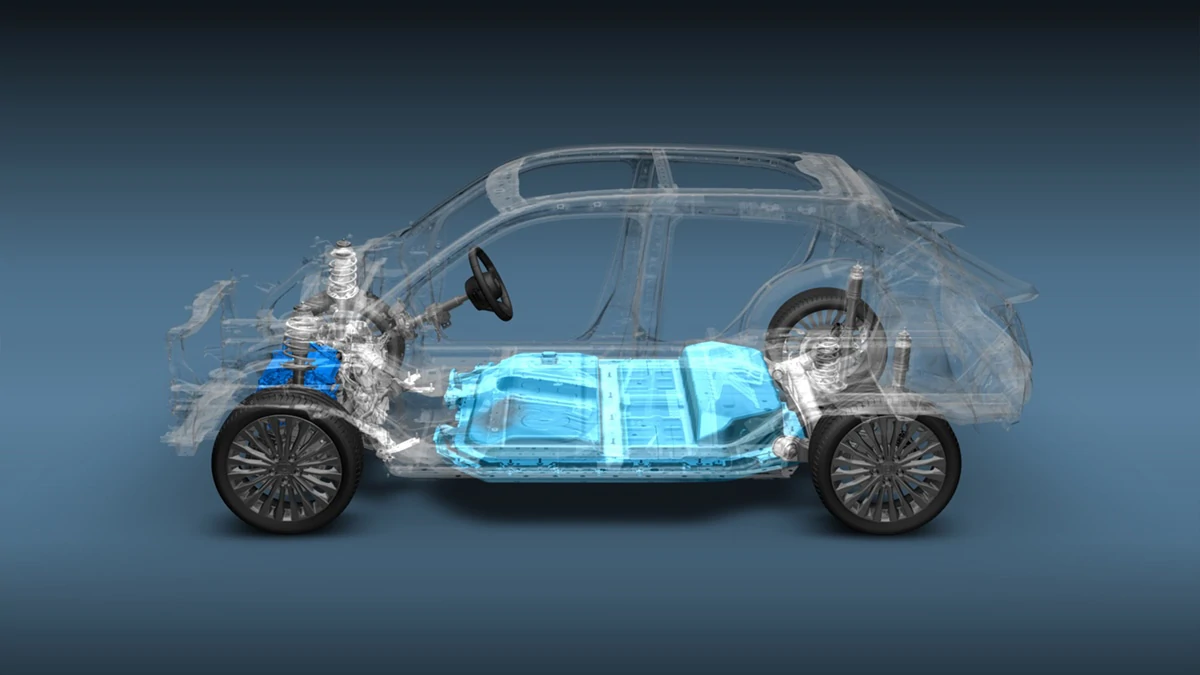
A more holistic approach, they say, would be to recommit to a ban on the production of single-use vapes, and getting the car industry to make EV batteries smaller.
Professor Joan Cordiner, chair of the UK’s National Engineering Policy Center Working Group on Materials and Net Zero, said: “The way we extract and consume materials is unsustainable and we must address it urgently. Our report highlights the rising demand for critical materials, driven in part by their use in batteries, power systems, and electronics. We are not the only country that will be competing for these finite minerals, and we are calling on the new Government to develop a materials strategy that addresses demand and reuse of critical materials.
“For example, if we reduced the size of the UK’s larger electric-vehicle batteries by 30%, we could cut our lithium demand by 17% and save 75 million tons of rock mined for lithium by 2040—that’s the equivalent of 19 Wembley Stadiums full of rock.”
That is a lot of rock—waaaay more than Blackpool’s ever sold. The report also emphasizes a need to look at ‘end-of-life’ processes for disposing of electronic waste and bigger devices like old wind turbines. It says the car industry could also look into stripping them to recycle their parts.
It’s not like the industry is sitting on its laurels, mind you. Carmakers have been working to make their batteries as small as they can get away with to lighten the curb weights, and almost all of them have spoken to us about their plans to contribute to circular economy principles when it comes to battery recycling.
NOTE: This article first appeared on TopGear.com. Minor edits have been made.