Kia and Hyundai have signed an agreement with Samsung Electronics to integrate the latter’s SmartThings platform into their cars. That means in future, you’ll be able to remotely control your coffee maker from the comfort of your brand-new car. What a time to be alive!
Joking aside, Kia says initiating the lights to come on, putting on the aircon or heating (depending on the melting point of your part of the world), starting your robot vacuum, or having the convenience to turn it all off remotely is what the future is made of. Samsung’s SmartThings currently supports devices like the washer/dryer, fridge, doorbell, blinds, thermostat, lights, locks, and cameras. And it’s been integrated into Android Auto for a while.
OTHER STORIES YOU MIGHT HAVE MISSED:
Will there still be a next-generation Toyota Rush?
Review: 2024 Hyundai Staria 2.2 CRDi GLS+ AT
Nevertheless, this two-way car-to-home or home-to-car service partnership also means you’ll be able to use stuff in the house—like digital assistants, TVs, and smartphone apps—to control functions of the car. Yeah, we see all the potential pranks family members will play, too. Fortunately, there is a way of minimizing device operation while driving. Safety first, right?
There’s also additional functionality for EV drivers, who will be able to check the energy usage in their homes and optimize charging times for their vehicles. That all seems very sensible.
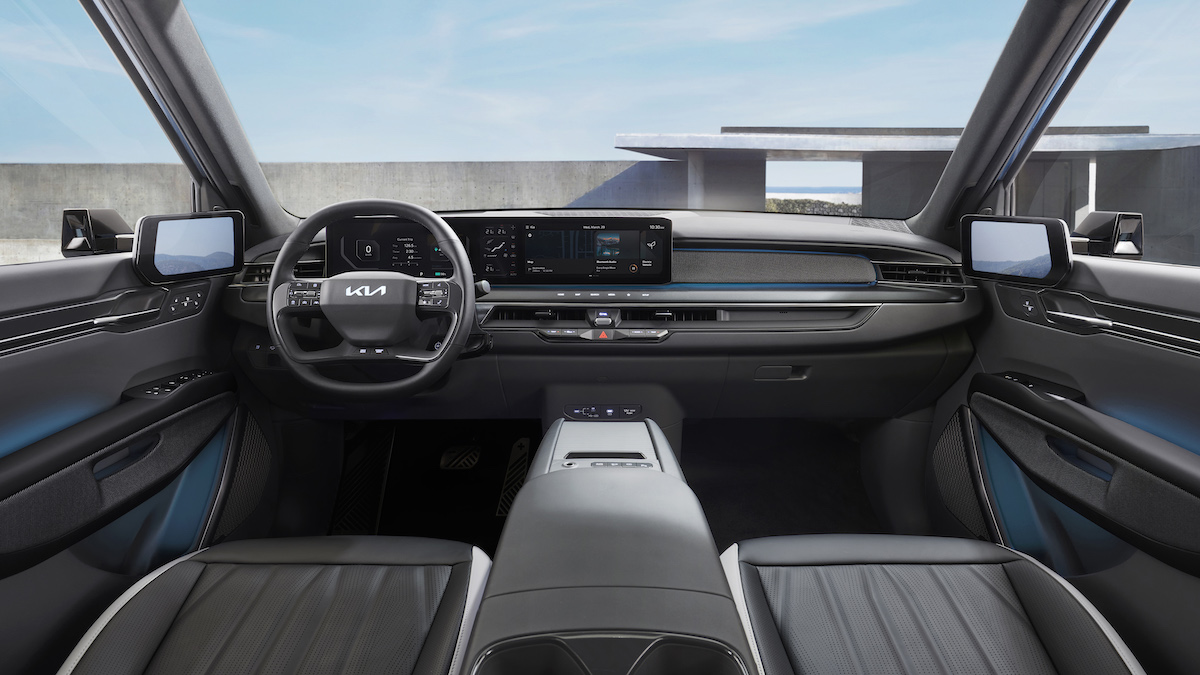
Haeyoung Kwon, VP of Hyundai and Kia’s infotainment development center, said: “This is an opportunity to make the connected car’s Car-to-Home and Home-to-Car services more convenient in various fields. We plan to accelerate our technology development to continuously make global Hyundai and Kia customers’ journeys meaningful.”
Added Chanwoo Park, executive VP at Samsung Electronics: “This collaboration will enable communication from Home-to-Car and integrated home energy management services that are optimized for future lifestyles. By connecting the SmartThings platform with vehicles, we’ll be able to significantly enhance the customer experience in both the home and the car.”
Naturally, all of this functionality will be supported by over-the-air updates and existing vehicles will have USB-based updates, where required.
This isn’t the first time the Korean brands have provided vehicle-to-home connectivity. Control over gas shut-off valves, plugs, ventilation, and boilers—working with telcos and construction firms—is already available in some Kia and Hyundai models. Now to get the robots to add a splash of creamer and some sugar...
NOTE: This article first appeared on TopGear.com. Minor edits have been made.