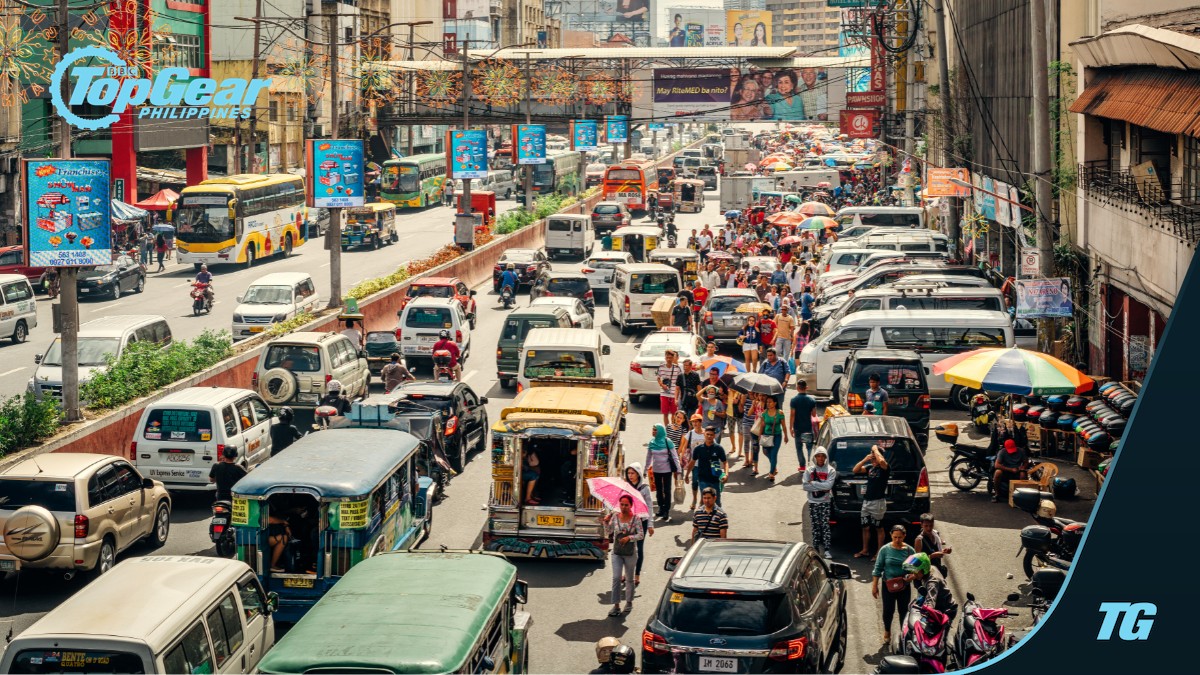
The past year has been a nightmare for motoring. It’s not just because of the seemingly worsening traffic in the metro. We’re talking about the viral mishaps—the fatalities and the endless road-rage incidents—that have been happening on our roads.
Earlier this year, there was a MoveIt rider involved in a major accident that cost the life of a commuter. There was also that viral road-rage incident where a motorcycle rider was killed by a fellow motorist a few months back. Both of these incidents occurred in 2025 alone, which is quite alarming.
But perhaps nothing has been crazier than the past week.
It started off with a freak accident involving a Solid North passenger bus on the Subic-Clark-Tarlac Expressway, where 10 lives were lost. It was followed shortly by a viral video of a moto vlogger that spewed toxicity all over the internet for a good few days. Then, just this weekend— about 24 hours ago as of this writing—an SUV accelerated into innocent bystanders at NAIA Terminal 1, killing one adult and one child and injuring a few more. All of this in just a span of one week. One. Week.
OTHER STORIES YOU MIGHT HAVE MISSED:
NNIC president Ramon Ang to extend assistance to victims of NAIA T1 crash
The Makati subway project is ‘no longer feasible’
This is merely the tip of the iceberg, mind you. There are a lot of other recent unfortunate occurrences we could refer to. Clearly, these aren’t isolated cases. But what is the root of all these incidents? Simple. Driver education. Or the lack thereof.
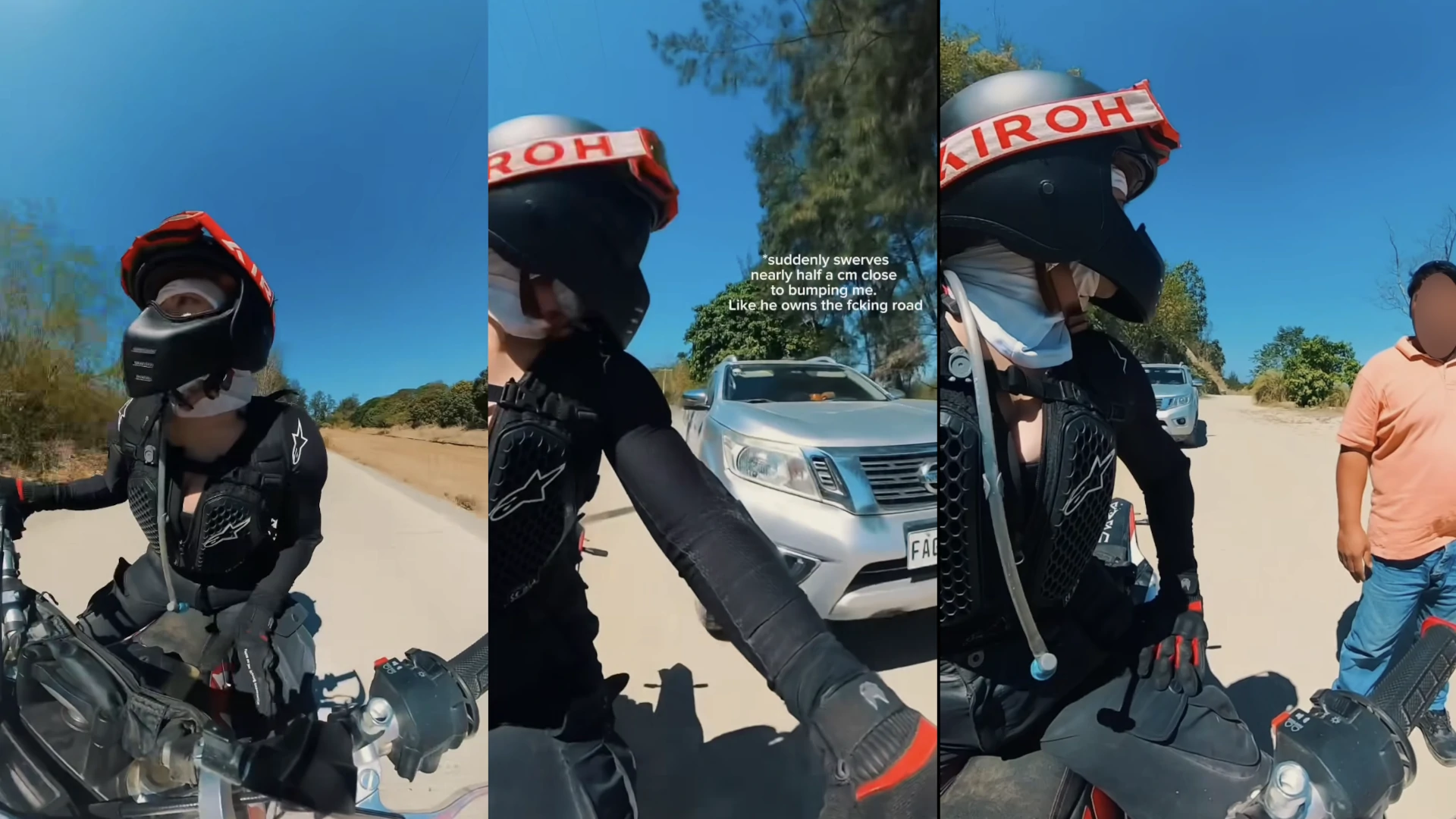
Let’s start with the moto vlogger. Had the rider known better, she wouldn’t have tried passing on the right on a trail. And even if she did, she probably wouldn’t have flipped off the pickup driver that ‘almost ran into her’ afterwards because she would’ve understood the difficulty of the terrain.
As for the bus driver, he probably should have been more attentive and exponentially more careful had he been educated properly. No one in their right mind would endanger the lives of their passengers, let alone drive into standstill traffic. He should have been more aware of the route, and he should have been able to anticipate how much slower he should’ve been going and how much space he needed to stop way ahead of time.
The SUV driver, meanwhile, was another case of so-called SUA, or sudden unintended acceleration. I call it sudden unintended ‘apak’ in jest, but in reality, I get really pissed off when I see incidents like these. The driver here admitted to panicking and mistakenly stepping on the accelerator instead of the brakes, but in the same breath, he claimed a vehicle passed in front of him, which supposedly caused the panic. The CCTV footage has shown otherwise.
If he were a more capable driver behind the wheel, the moment the car jerked forward when he originally intended to step on the brakes, he would have immediately let go and slammed on the next pedal on the left. It’s just basic muscle memory.
The sheer number of times these ‘SUA’ incidents have happened here in the Philippines proves a point: Filipinos, in general, are not properly educated drivers. Once upon a time, they tried blaming it on the machines, but it’s been proven time and again that these instances are just results of driver error.
All of this could have been avoided if we had a better system in place. So now, we look to the government. Specifically, the Land Transportation Office (LTO). For decades, we’ve complained about how easy it is to get a driver’s license in the Philippines. Sure, they’ve tried changing up the process, but what’s new with the process, anyway?
New drivers now need certification that they learned to drive under accredited institutions, and even renewing an existing license now requires an exam. But has it really made the process more tedious and difficult? Not really. You can still have no license today and already have a non-professional one in a month’s time. Compared to other countries where it takes years to get a license, that’s nothing.
Plus, I personally know of someone who was able to add a restriction code to his license without the proper practical tests. And the theoretical exams for license holders can be taken as many times as needed. If someone fails, he or she can simply take it over and over again until they pass.
Obviously, we can’t give specific, concrete solutions, because that’s not our job. But all we know is that we need changes and we need them now. With cars becoming more accessible these days and more people still continuing to buy new cars, it’s high time that the LTO makes it harder to get a license.
We don’t need authorities summoning erring motorists every time something like this happens. That fixes nothing. They can bring back no-contact apprehension and impose mandatory drug-testing for PUV drivers all they want, but at the end of the day, these are all just reactive solutions. What we need are stronger, proactive changes—ones that will have true, lasting effects. And ultimately, we’ll need more efficiency and stricter implementation from the governing bodies.
Accidents are an inevitable part of motoring, and having a better licensing system in place won’t completely eradicate them. But creating safer roads doesn’t start with better infrastructure or better cars—it starts with having better drivers out on the road. Once we all realize that and we start doing something about it, maybe then we’ll see real progress.
A friend of mine has a very hot take: Ban all automatic cars. It sounds funny and stupid—and not at all feasible—but at this rate, I’m leaving all my doors open to any possible solution.