
As I write this, the prices of gas and diesel have already breached P90/L and P130/L, respectively, and it doesn’t look like the price hikes will slow down anytime soon. Timely, then, that I’ve just spent a week out and about with the Chery Tiggo Cross HEV.
Admittedly, it’s not the first name that comes to mind when motorists think of escaping rising fuel costs. At just a smidge under P1.2 million, however, it’s one of the most competitively priced alternatives in its segment.
In this economy, nailing the price is half the battle. Is this crossover worth considering during these trying times?
Exterior
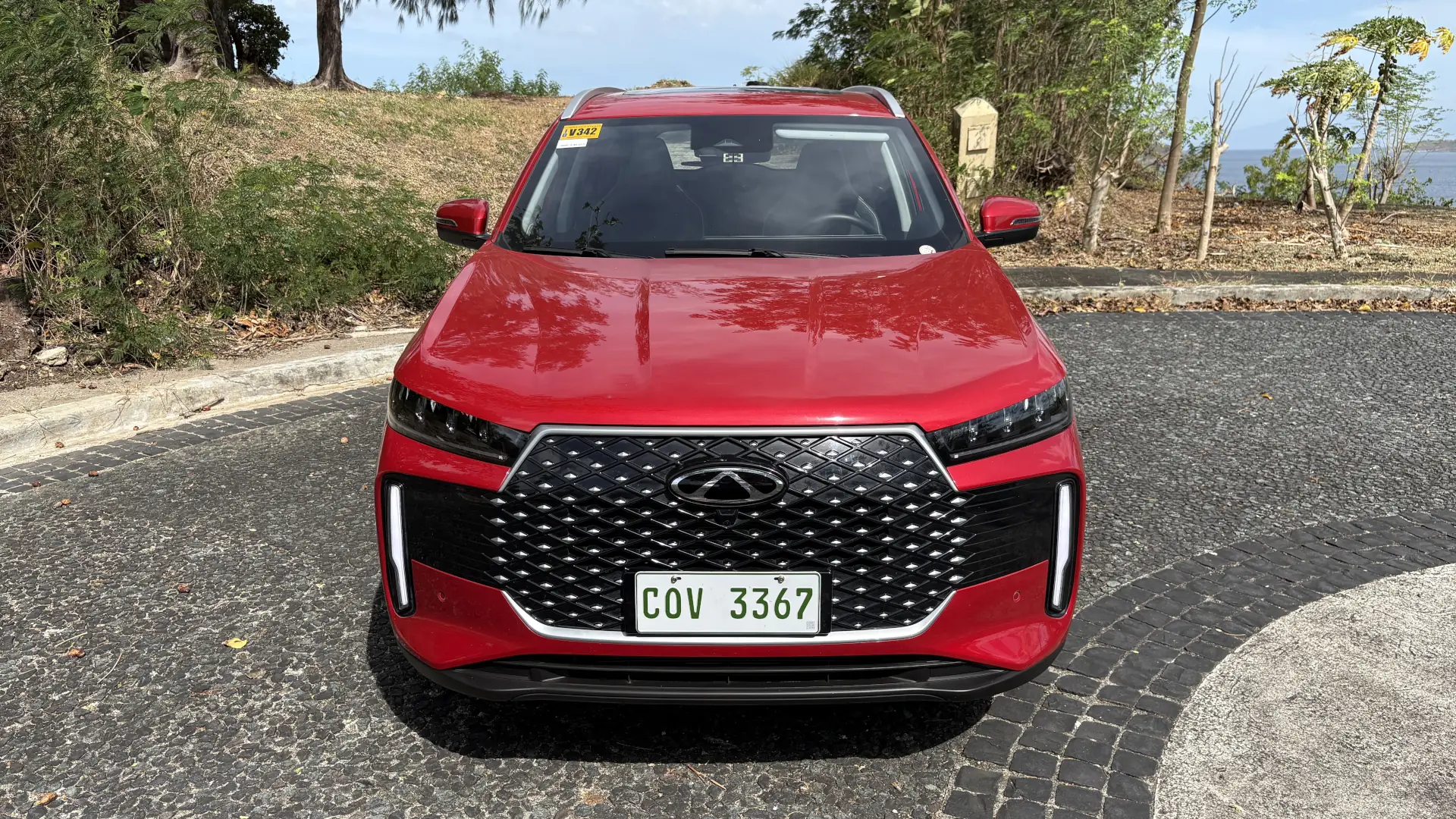
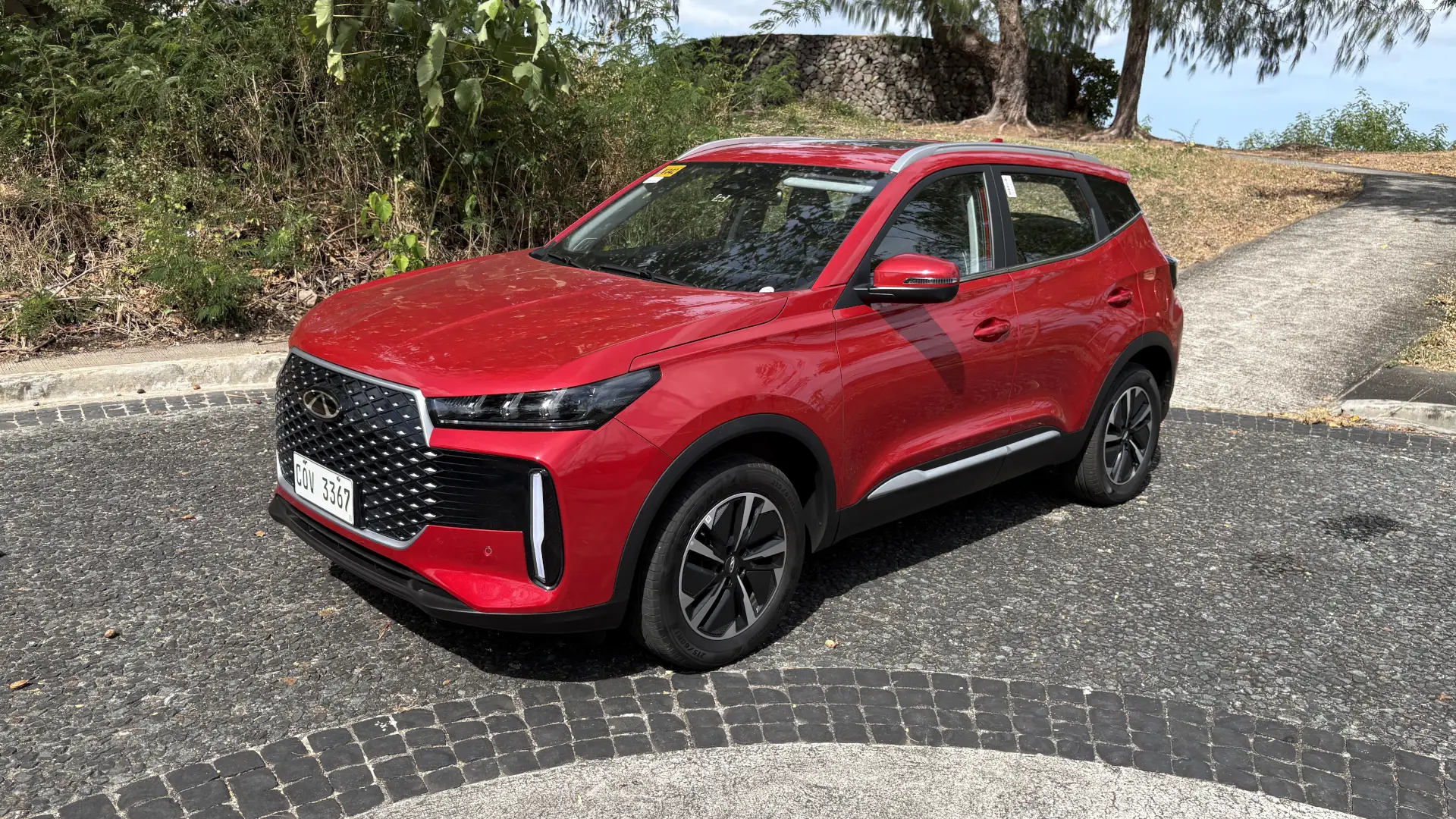
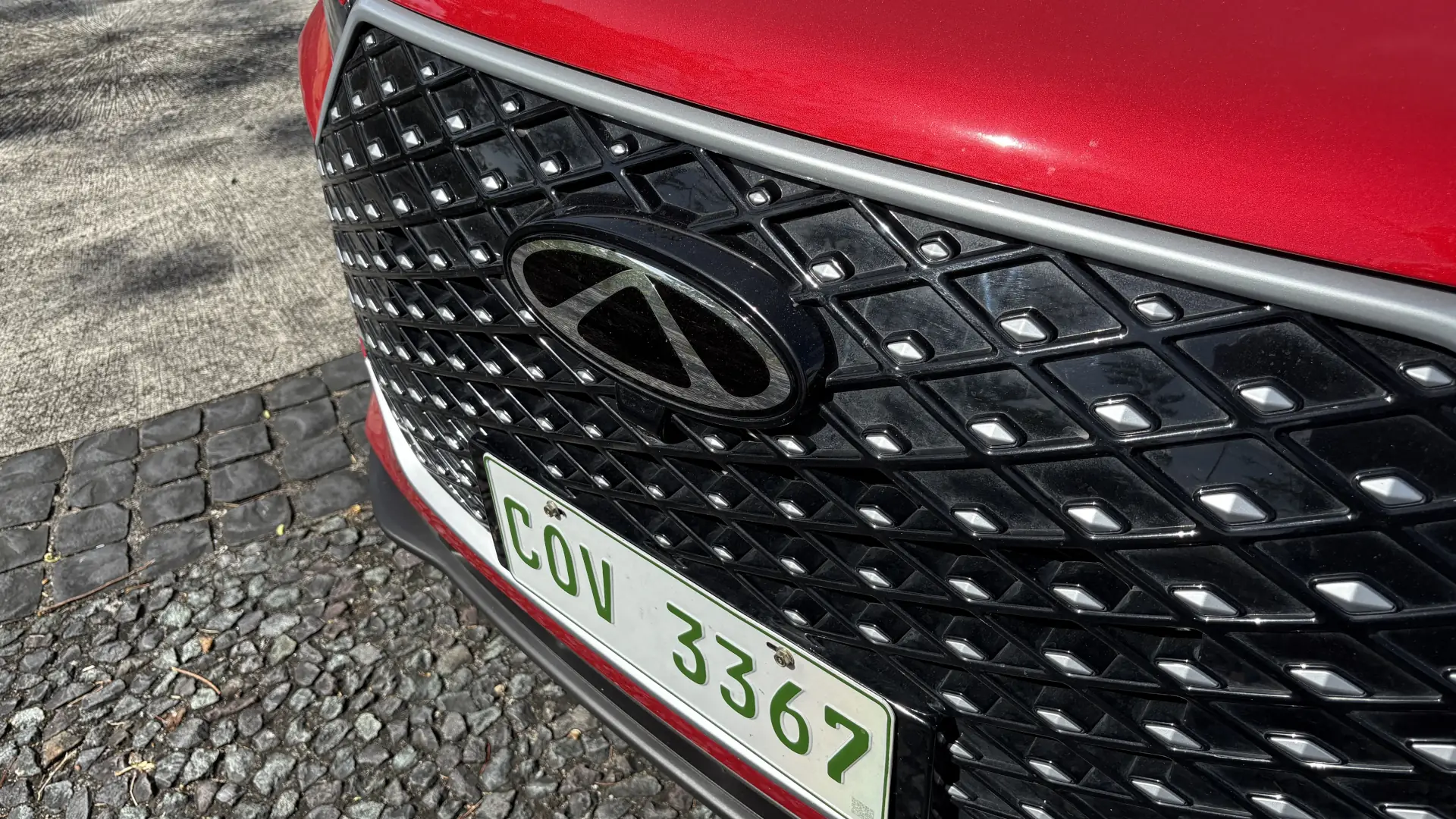
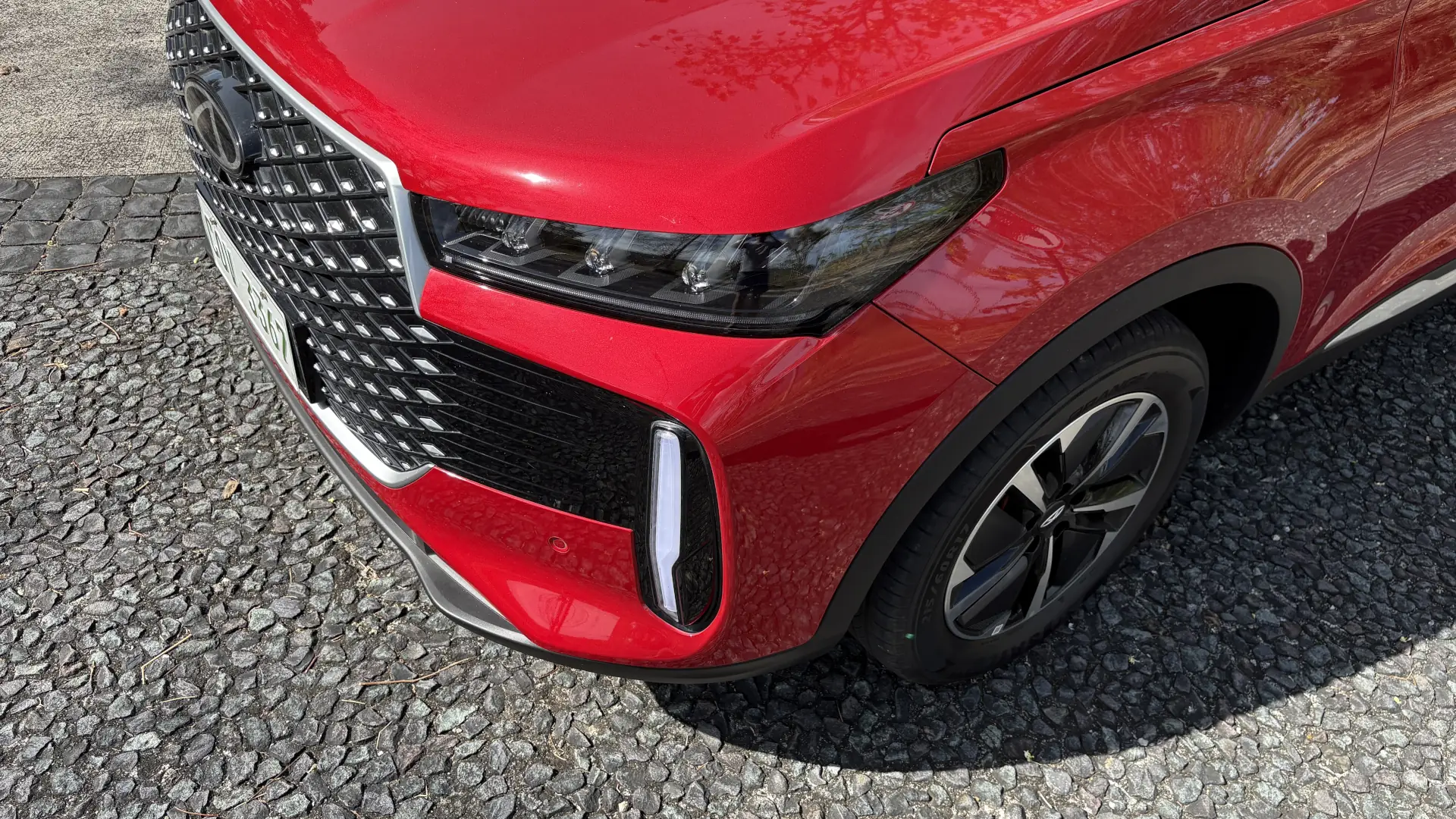
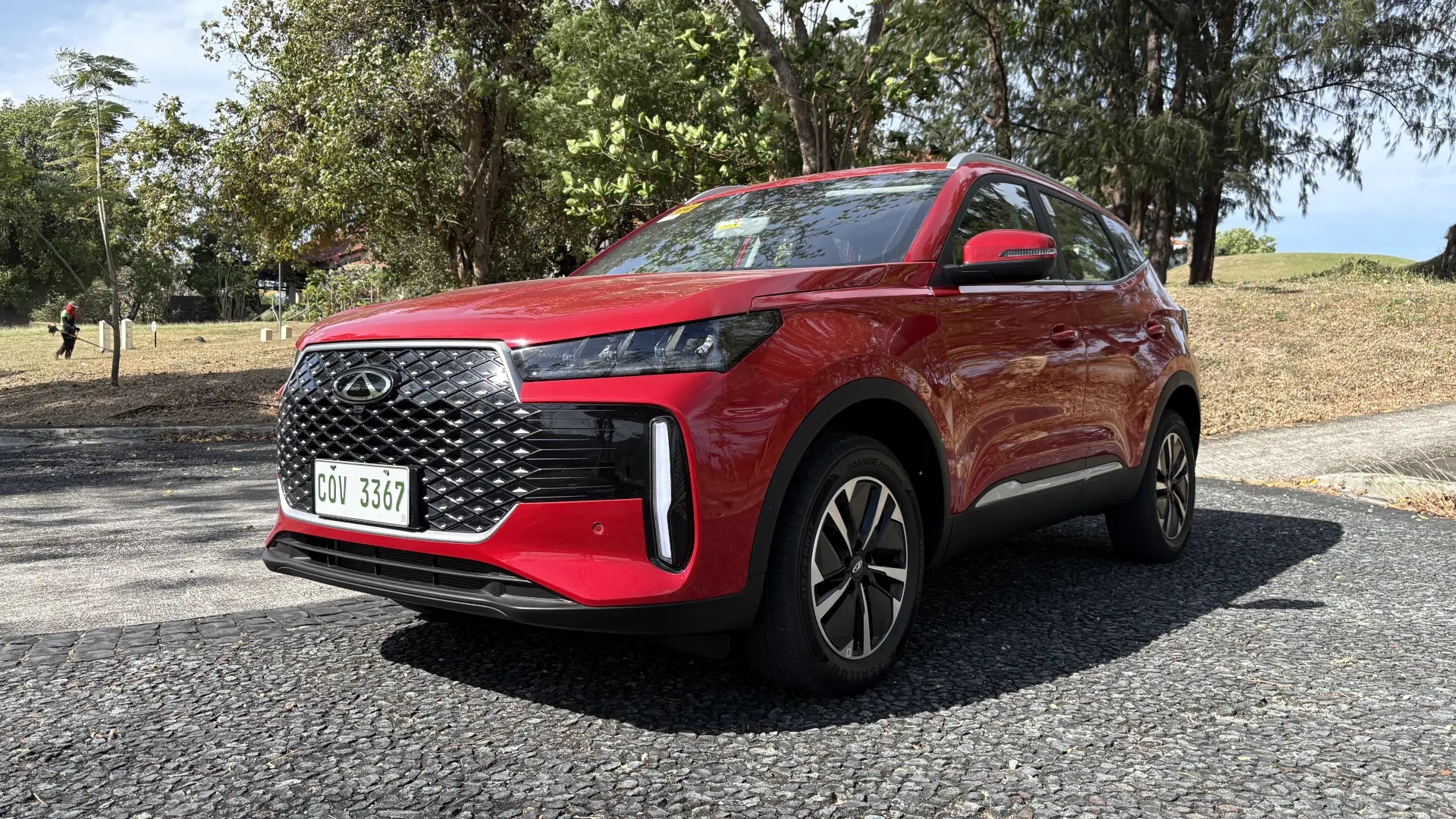
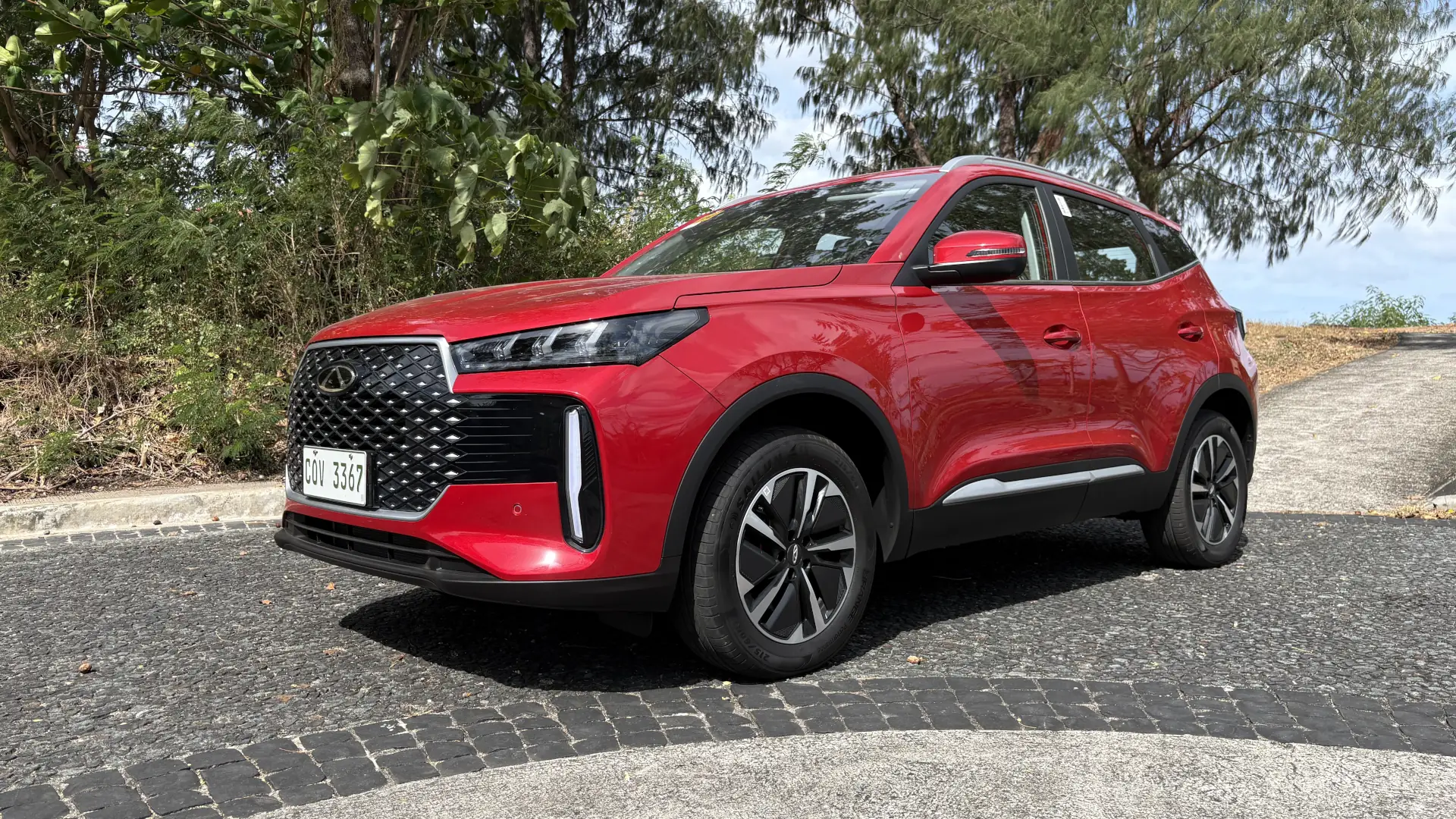
At first glance, not a lot about the Tiggo Cross HEV’s design screams ‘hybrid.’ It doesn’t sport a uniquely futuristic aesthetic or edges and angles that’ll put knives to shame. Outside of an accented ‘Hybrid’ badge at the rear and a large front grille with neatly concealed slats, it’s your regular ol’ crossover.
And that’s a good thing, at least in my book. Call it personal taste, but I much prefer subtle over loud. Besides, this thing checks all the right boxes when it comes to looks.
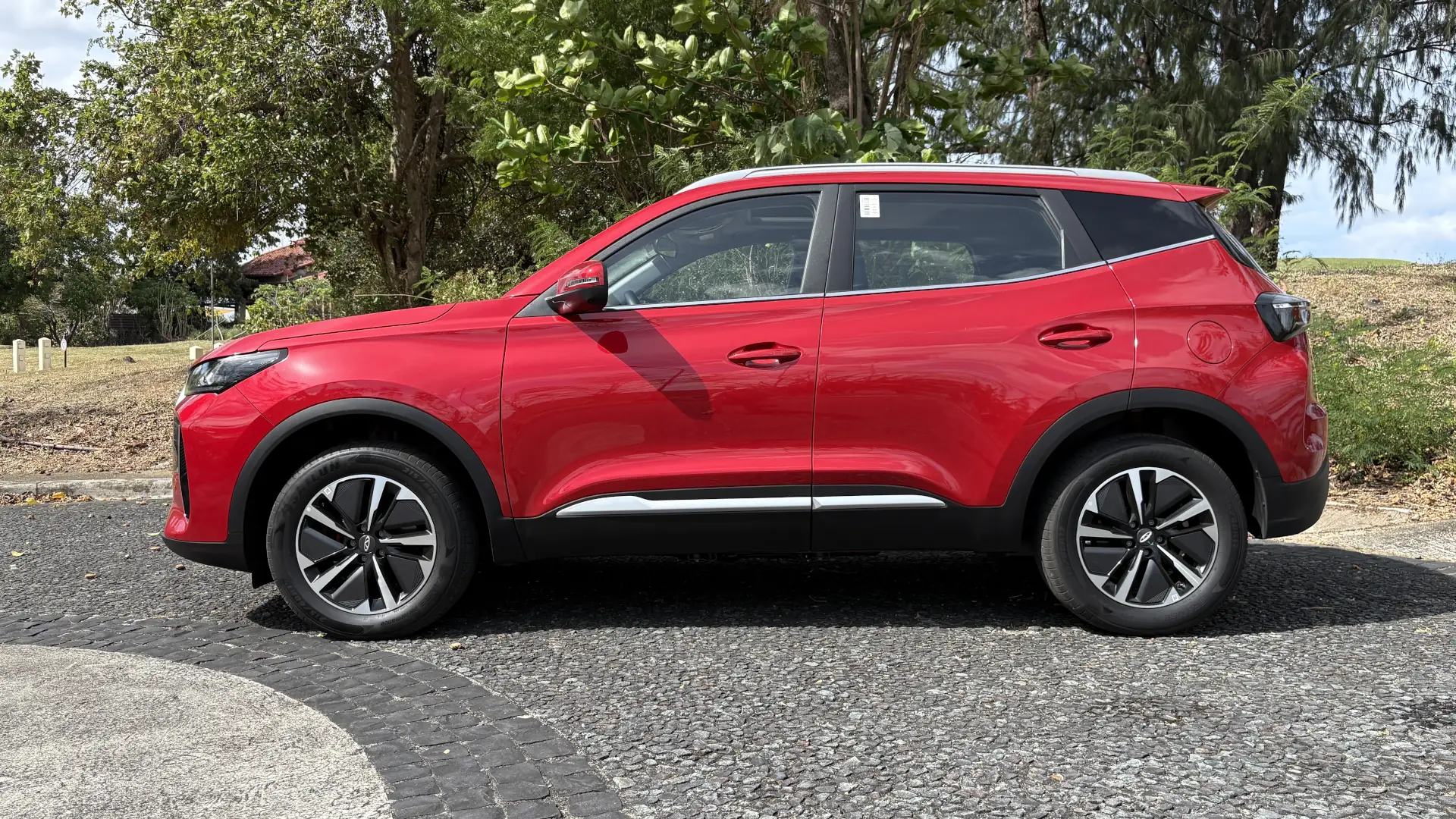
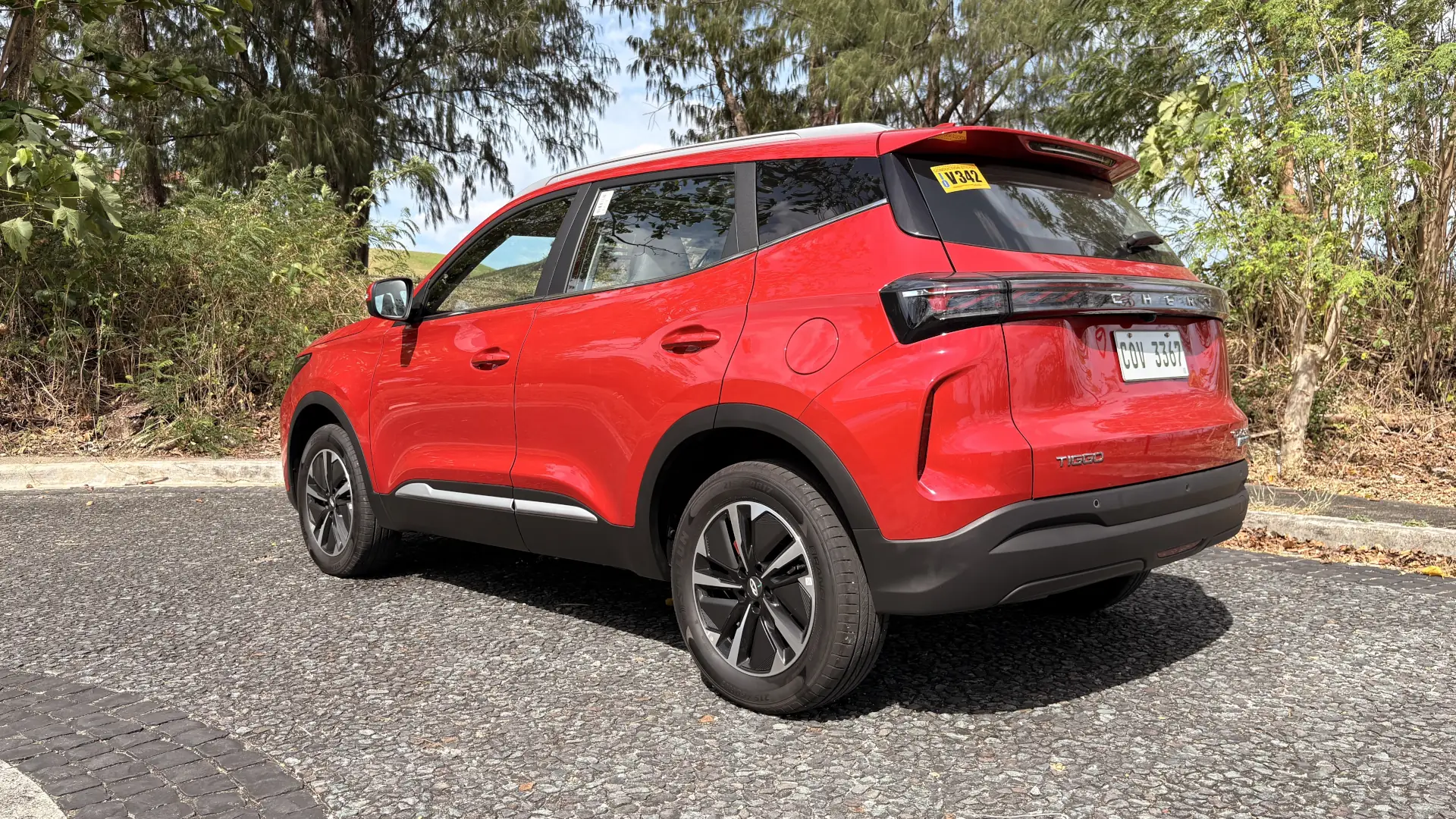
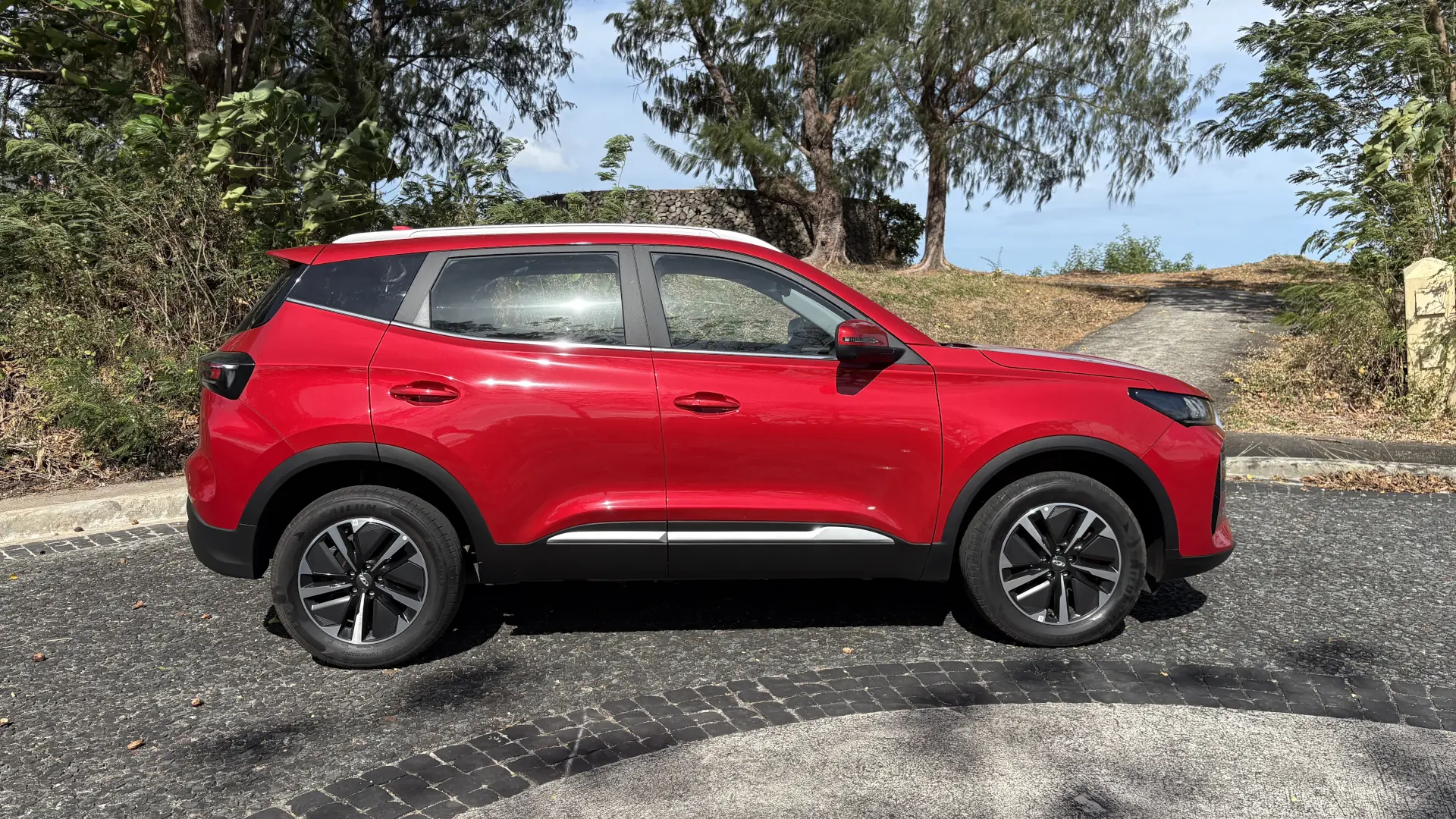
The Tiggo Cross HEV measures 4,320mm long, 1,831mm wide, and 1,652mm tall. An elongated front end (at least in contrast to the vehicle’s compact rear), a large grille, and nice-looking 17-inch two-tone alloy wheels give off a respectable road presence. I also have to say the thing looks popping in red.
While a lot of the right boxes have been ticked, it’s not perfect. I observed a slight gap between one of the fenders and the rear panels. While it isn’t worryingly noticeable, it could be a dealbreaker for some buyers. Let’s hope this is an isolated case with this particular unit.
ALSO READ:
Review: 2026 Toyota Ativ 1.5 HEV CVT
Review: 2026 Jetour T2 Lightning i-DM
Interior
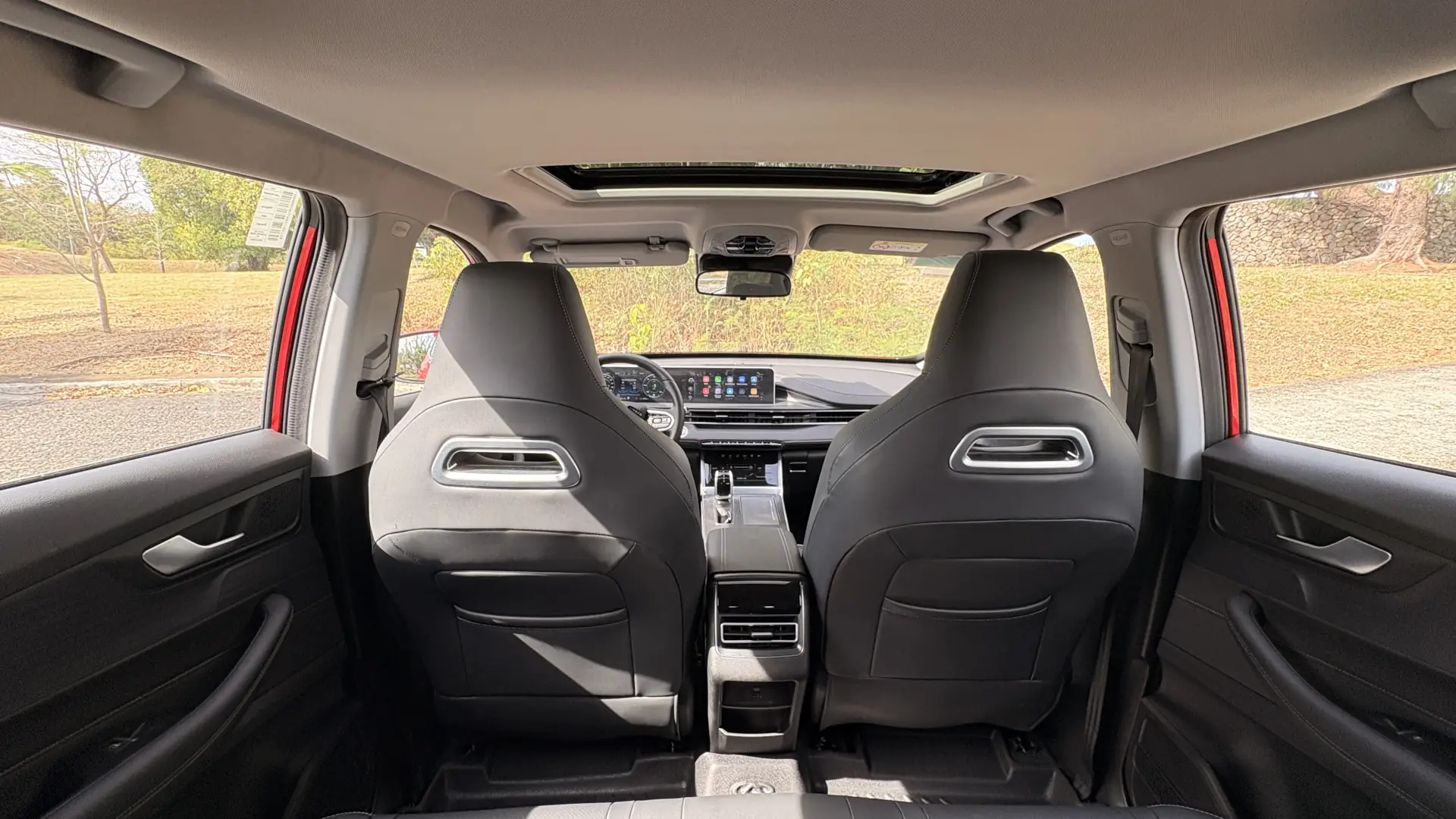
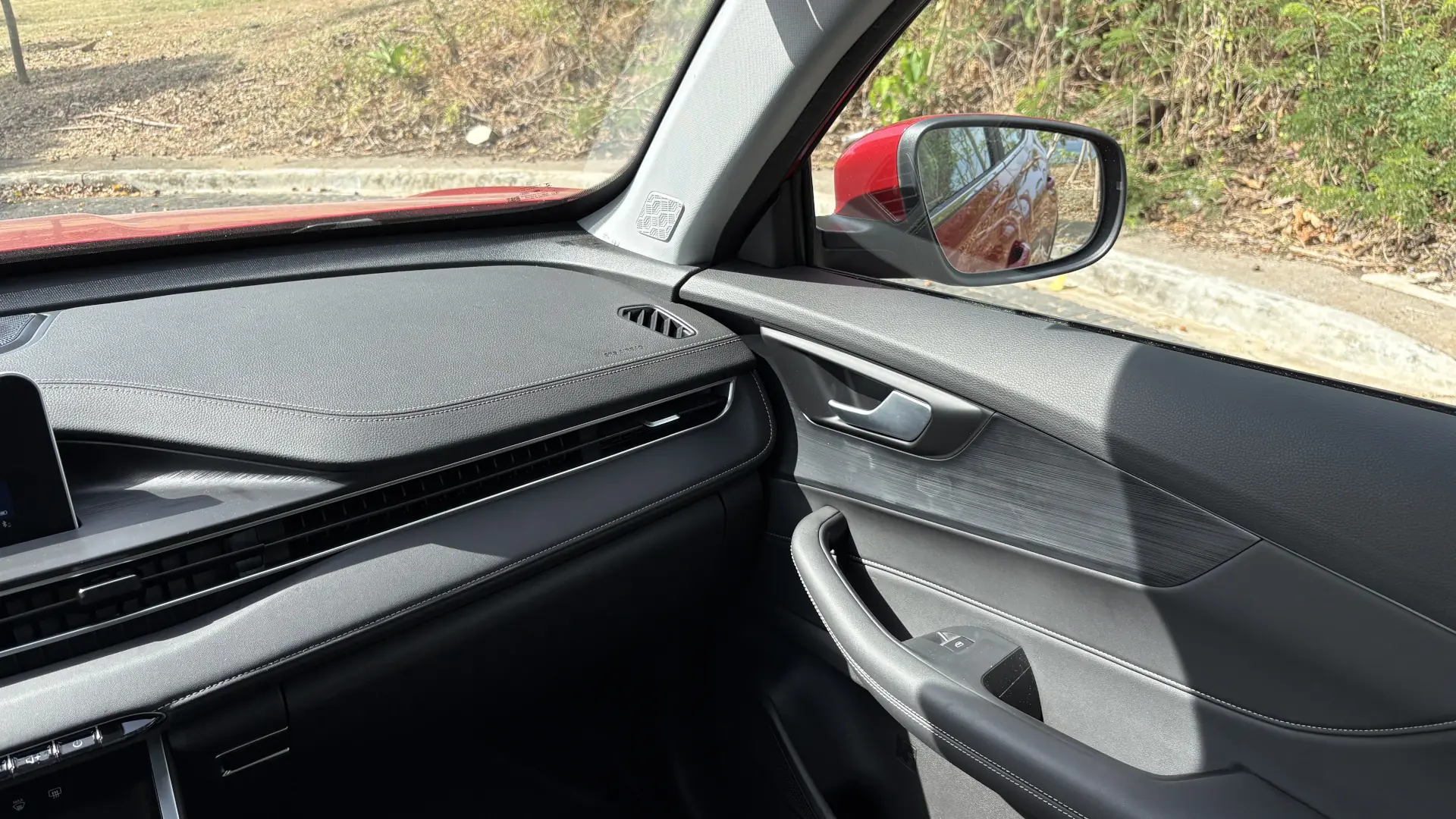
Inside, the Tiggo Cross HEV flaunts stealthy looks, with good-quality surfaces punctuated by stylish design accents like contrast stitching and faux-aluminum treatments on select components. It even comes with neat—albeit very sparse—ambient lighting units on the front door panels.
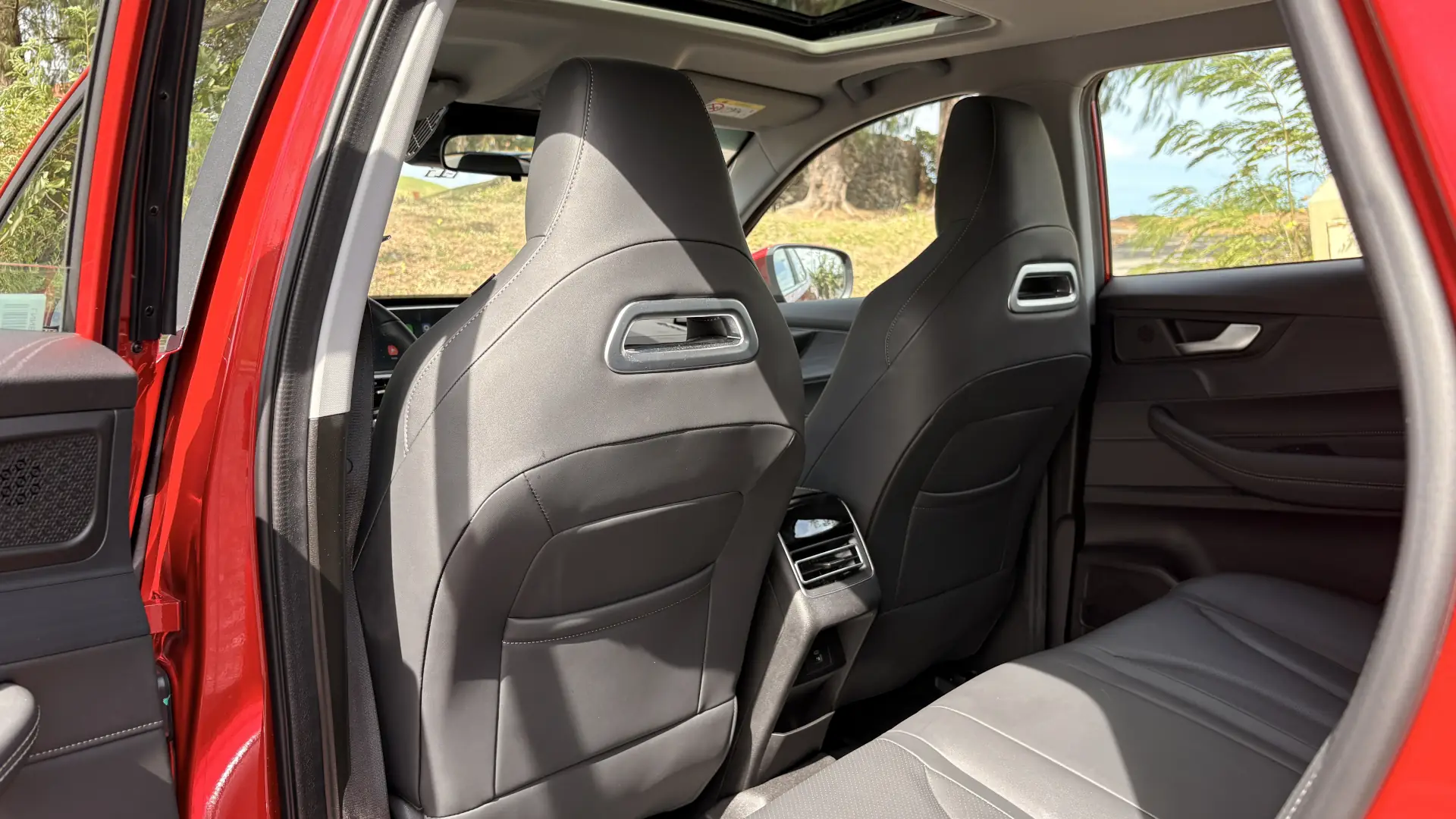
For the price, it’s not a bad cabin to sit in. There’s enough headroom for my 5’9” frame, and the seats are comfortable with good support. The three-spoke steering wheel feels great to hold, and there are nice-to-have amenities like a rear A/C vent and sunroof.
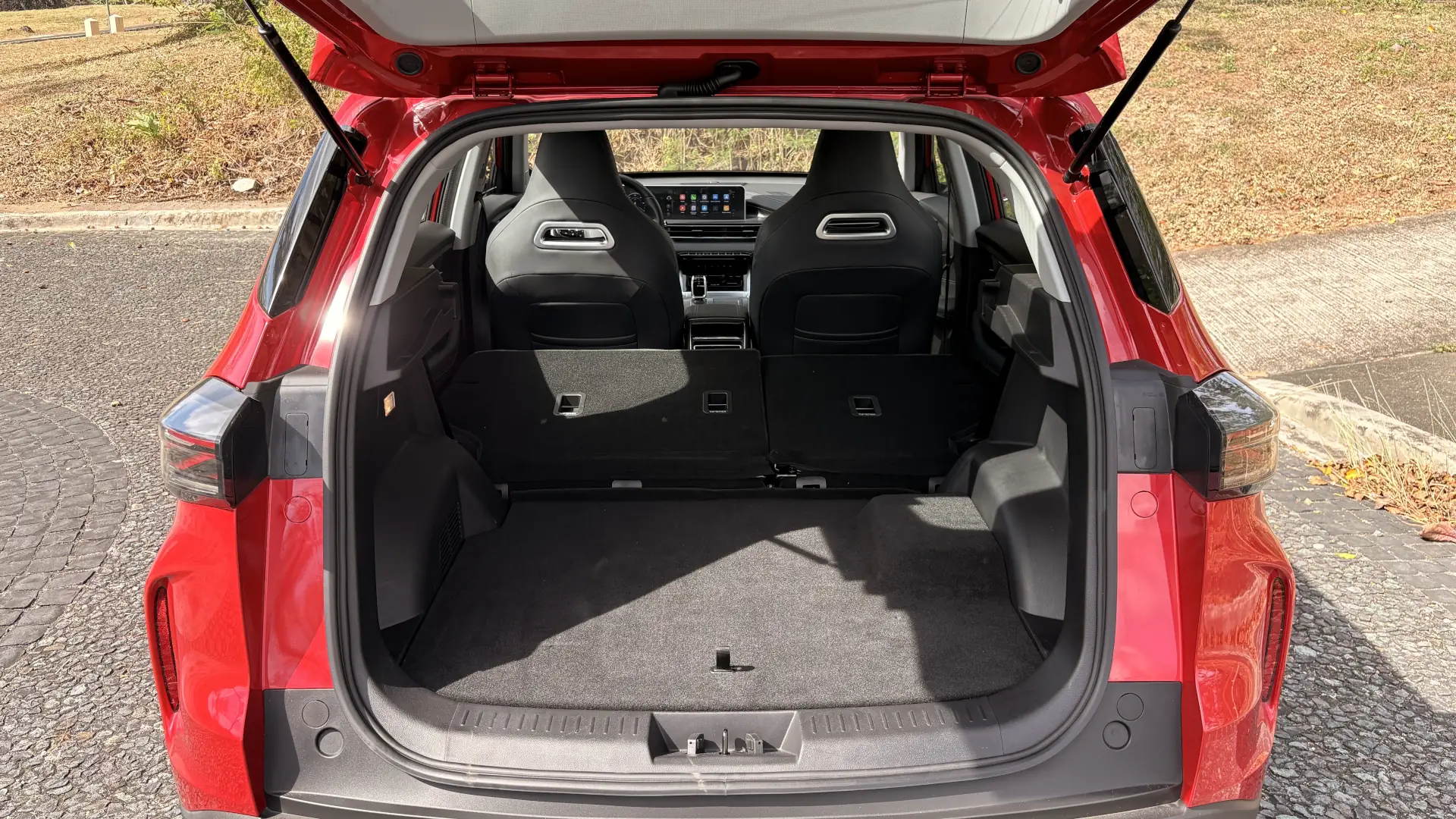
There’s also a decent amount of legroom in the back, with a 6’1” passenger in the second row having little to complain about (well, either that or he was being very polite). The second row folds down in two sections, and while it doesn’t drop entirely flat, it does increase rear cargo capacity to 1,110 liters. The extra room made enough space to fit a handful of carry-on luggage without issue.
Probably the only real gripe I have about this environment (and many others similar to it) is the route designers have gone with the vehicle’s controls. A mix of tactile buttons and touch-sensitive surfaces can work if the setup is laid out correctly. But in the case of the Tiggo Cross HEV, most of the controls were confined within a small area of the dashboard.
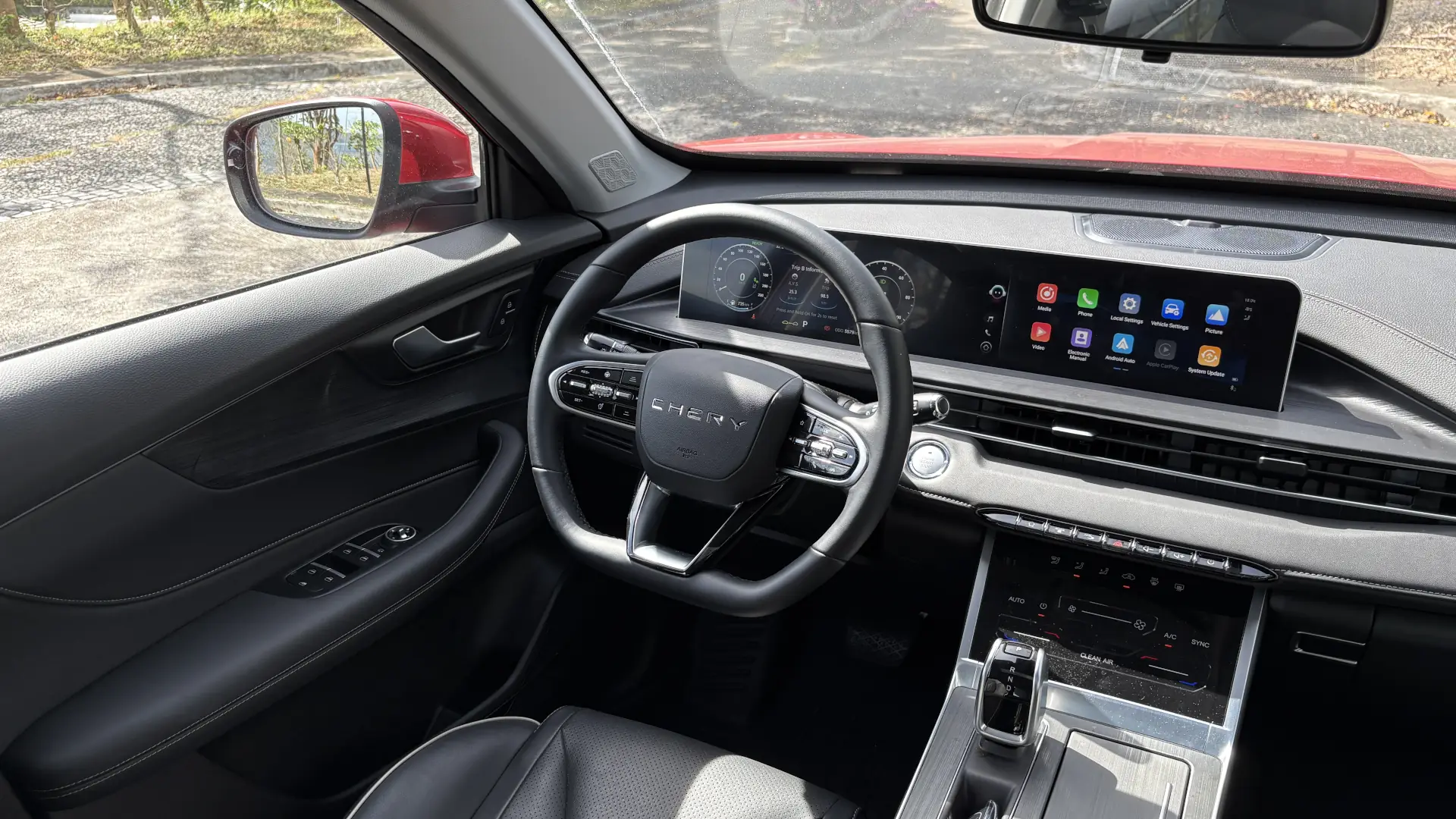
There is some degree of organization, with a handful of controls separated via an elevated row of buttons, but it doesn’t help much because the grouping makes little sense. The hazard light button is located dead center, which, fair enough, isn’t uncommon. But then you have the drive mode selector tucked between the camera controls and the home button, and the audio controls pushed all the way to the passenger side.
I have a simple way of judging vehicle control setups: If I have to ask the passenger to push, flip, or adjust things for me, it’s not a good look—and I constantly had my wife doing all of the above during my entire time with the vehicle.
Engine performance
Long story short, the Tiggo Cross HEV was surprisingly a breeze to drive both in the city and on provincial highways heading to Batangas.
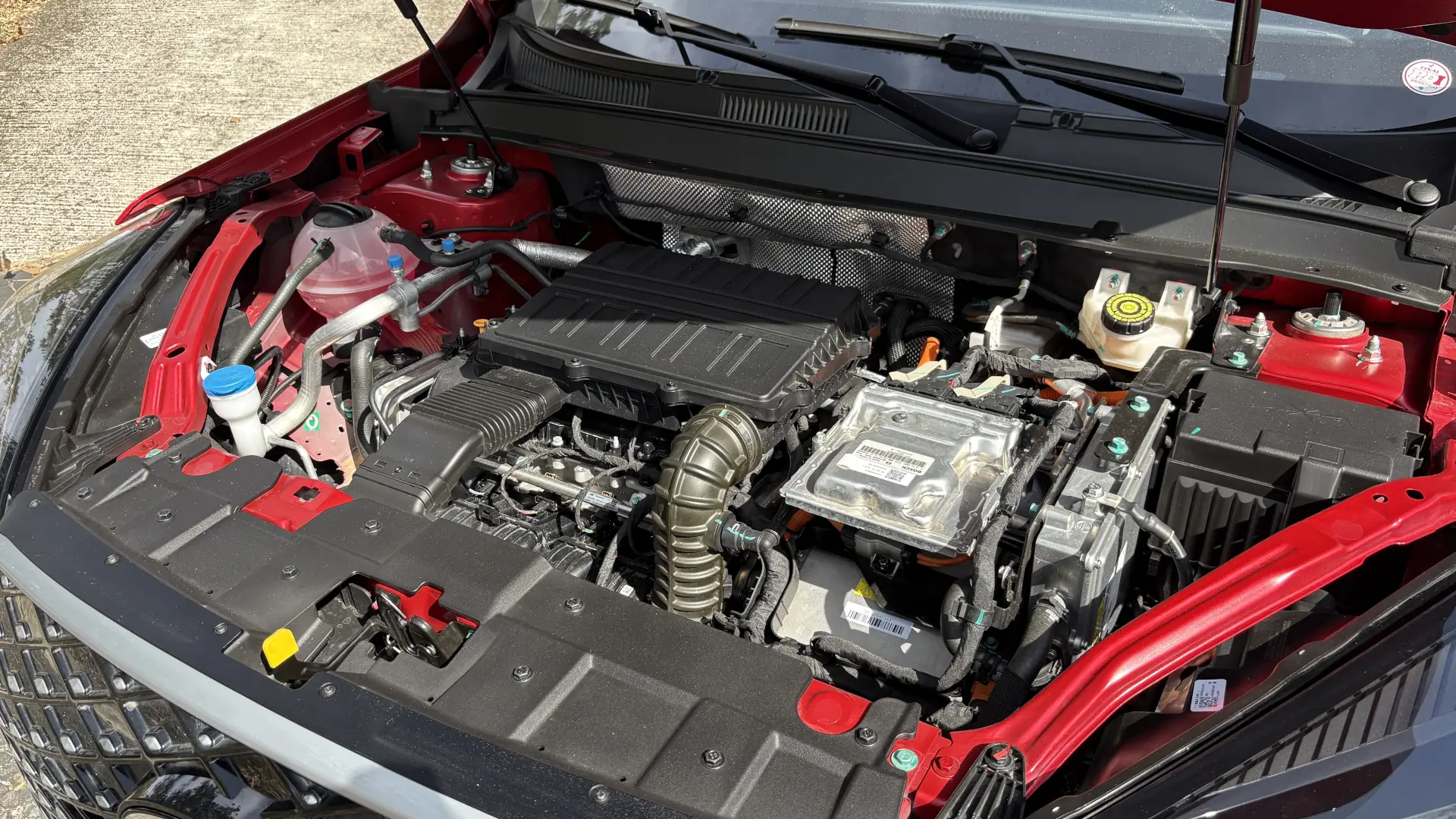
This hybrid setup—a ‘Chery Super Hybrid’ made up of a 1.5-liter Atkinson-cycle engine, a synchronous electric motor, and a 1.83kWh lithium-ion battery—did admirably. Its 202hp and 310Nm of torque rarely ever felt lacking, save for some noticeable groaning tackling only the steepest of inclines on the way to Punta Fuego.
The vehicle’s throttle is responsive, with power for overtaking on expressways coming at command in Sport mode. A dedicated hybrid transmission also kept performance smooth throughout my time with the unit.
Of course, we can’t talk hybrids without highlighting efficiency. Covering around 200km with this crossover, I averaged about 21km/L. At the end of the lend-out period, the 51-liter fuel tank still had well over half left in it—not a bad reading if you’re constantly biting fingernails over fuel price hikes. And that’s considering we spent most of our time on provincial roads in Sport mode, too.
Ride and handling
The Tiggo Cross HEV’s handling dynamics are right on point for its segment: light and easy in traffic (ideal for maneuvering through tight spaces), and just enough feel and weight once things speed up on the open highway. That said, don’t mistake this hybrid for something capable of sportiness outside its segment.
An independent MacPherson strut and torsion beam front/rear suspension setup does a capable-enough job of keeping things manageable, ride-wise. While you will still feel larger potholes and bumps, things never felt unstable or wallowy, whether up front or in the second row. Still, this isn’t something I’d recommend throwing around corners chasing performance.
Also worth noting is that the vehicle boasts a decent 190mm of ground clearance—something that isn’t immediately apparent given its exterior proportions.
Extra features
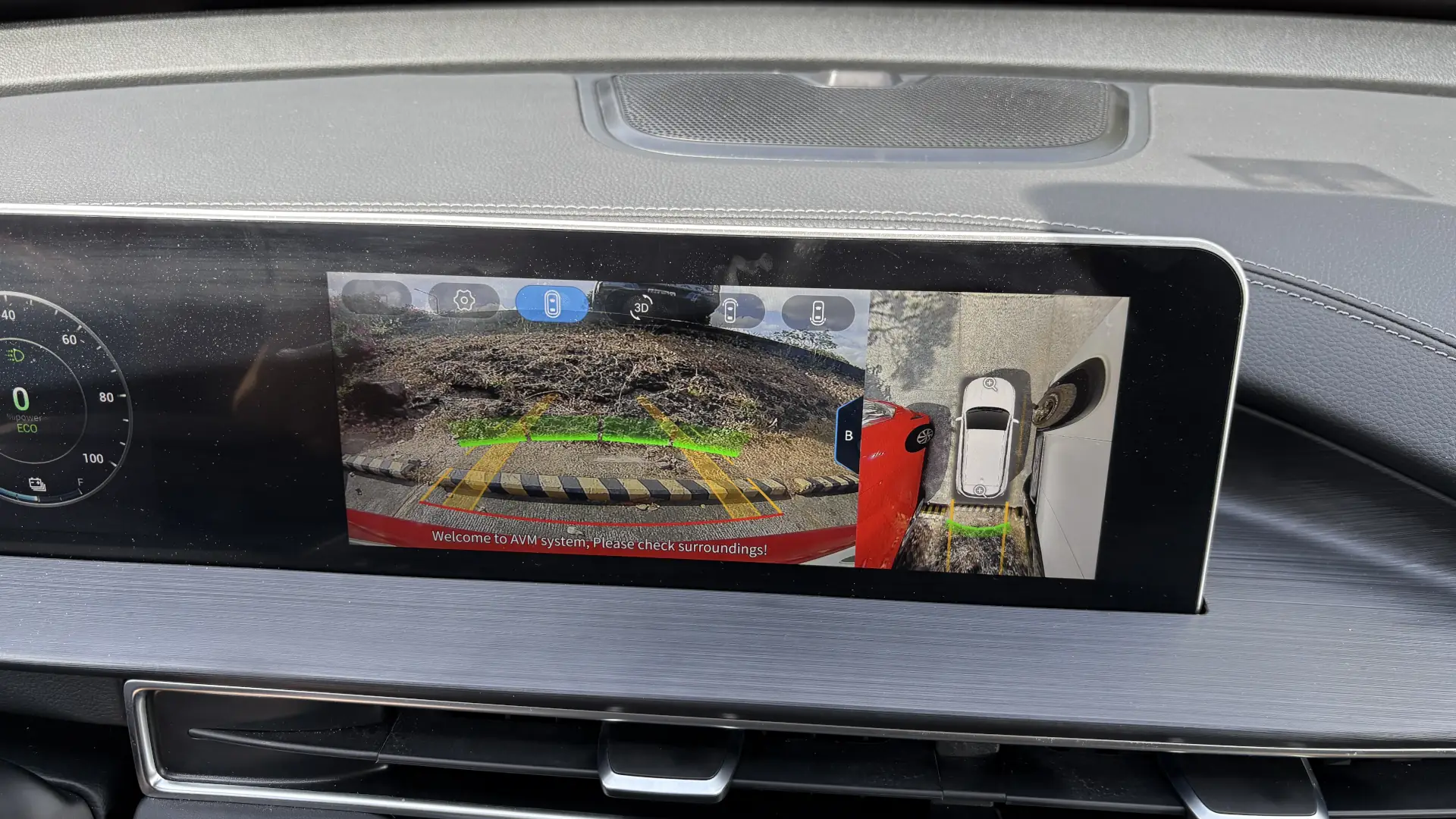
On paper, the Tiggo Cross HEV flaunts an impressive feature package relative to the vehicle’s price tag.
All the basics are there—dual-zone automatic climate control, rear A/C vents, six-way power adjustment for the driver’s seat, a push-to-start ignition system, speed-sensing door locks, and a pair of 10.25-inch screens that serve as the instrument panel and infotainment display. It also covers nice-to-haves like a sunroof, remote start, a panoramic parking camera with guide lines, and wireless charging.
Safety nuts will also be glad to know it comes with 14 advanced driver-assist systems, including hill-descent control, braking assist, lane monitoring, and adaptive cruise control, as well as six airbags. So, all good, right? Not exactly.
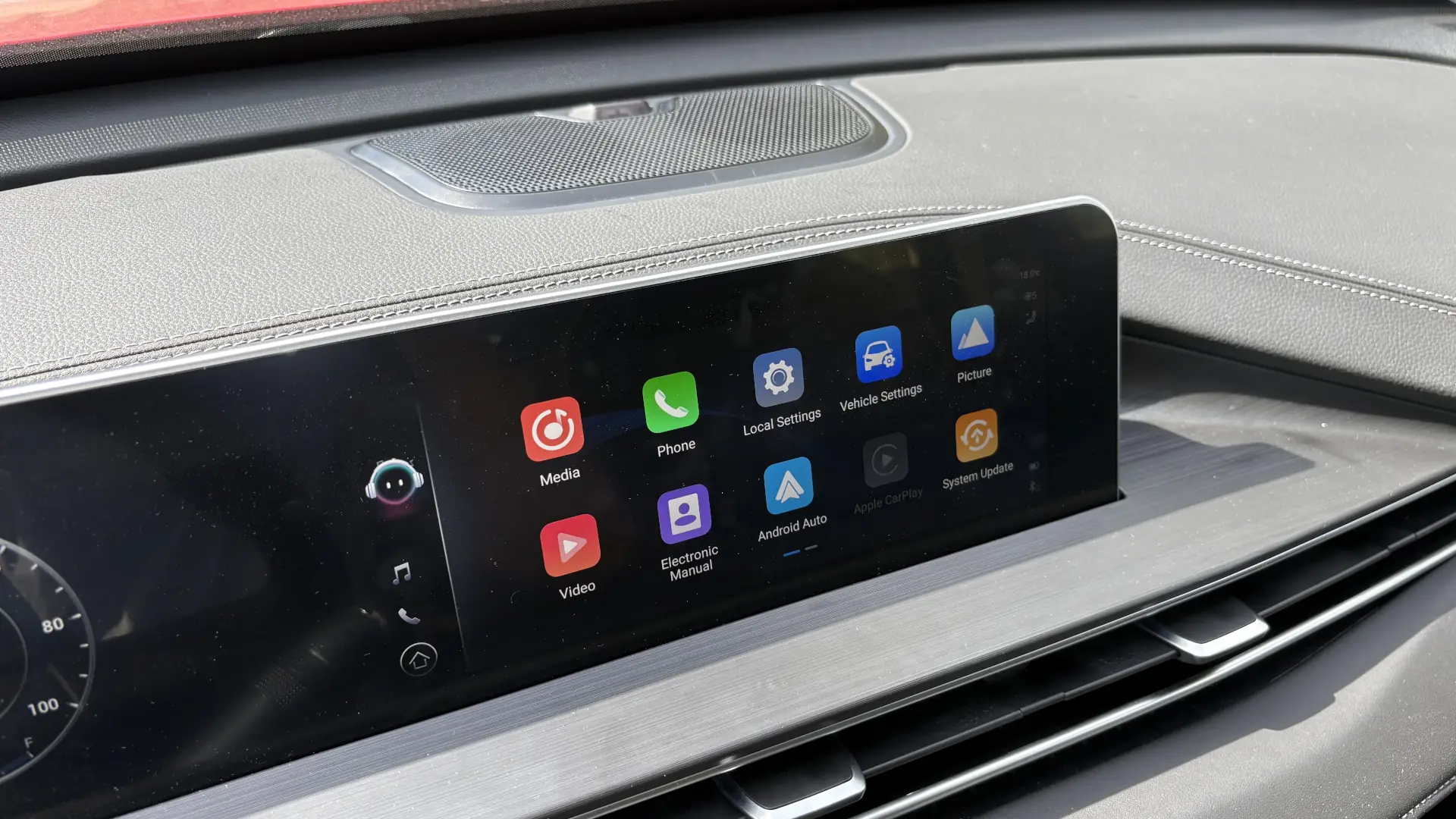
While all the systems and features put in place are a big plus, managing some of them can—to put it nicely—also be a chore.
It took me a while to figure out how to change the instrument cluster setup from ‘streamer mode’ to ‘classic mode.’ Adjustments I’d normally be able to make via a flick or press on the steering wheel had to be done through the infotainment display. I also searched helplessly in the manual trying to figure out how to get the instrument cluster to show trip efficiency—I never found the answer and had to manually compute the average using the ‘last 50km’ reading. Well, you can’t have it all.
Verdict
I have to say, I was pleasantly surprised by my time with the Chery Tiggo Cross HEV. While I was skeptical of the unit at first on account of the gap on the fender and a less-than-intuitive experience managing a handful of vehicle features, it’s a pretty impressive package for the price.
The exterior is stylish, the cabin is feature-rich, and the hybrid performance should save you considerably at the pump. The only question marks as I write this are with reliability—something we can’t gauge over the course of a single lend-out period, although the vehicle comes standard with an eight-year/160,000km battery warranty and a five-year/150,000km bumper-to-bumper warranty. If you’re finally looking to make the jump into hybrid territory, this Chery might be worth considering for everything it offers right out of the box.
SPECS: 2026 Chery Tiggo Cross HEV
Price: P1,198,000
Engine: 1.5-liter DOHC gasoline + single electric motor
Power: 202hp
Torque: 310Nm
Layout: FWD
Seating: 5
Score: 8/10
More photos of the 2026 Chery Tiggo Cross HEV: