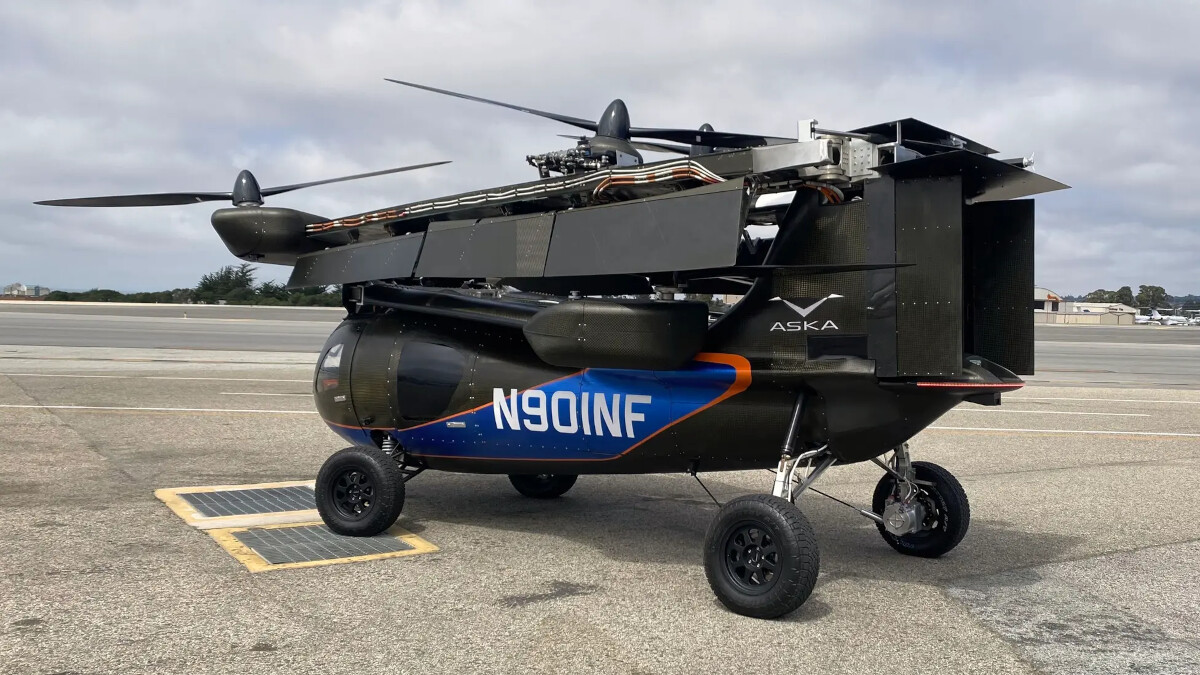
Hang on a second—is the ASKA A5 actually a car?
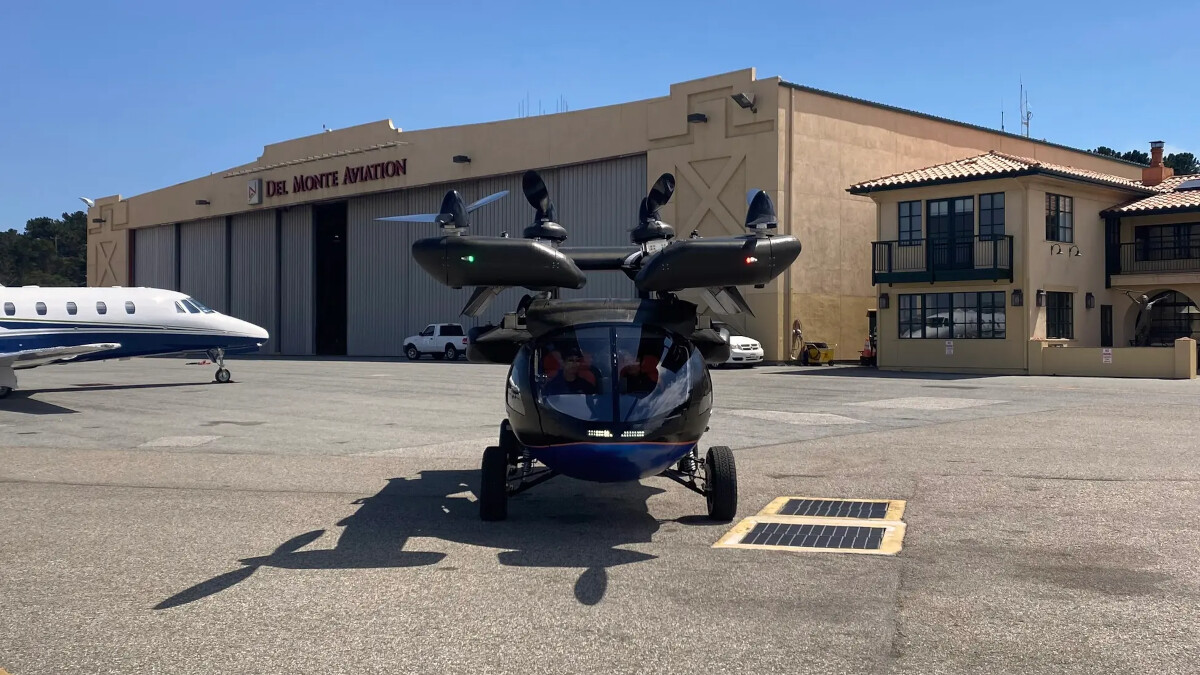
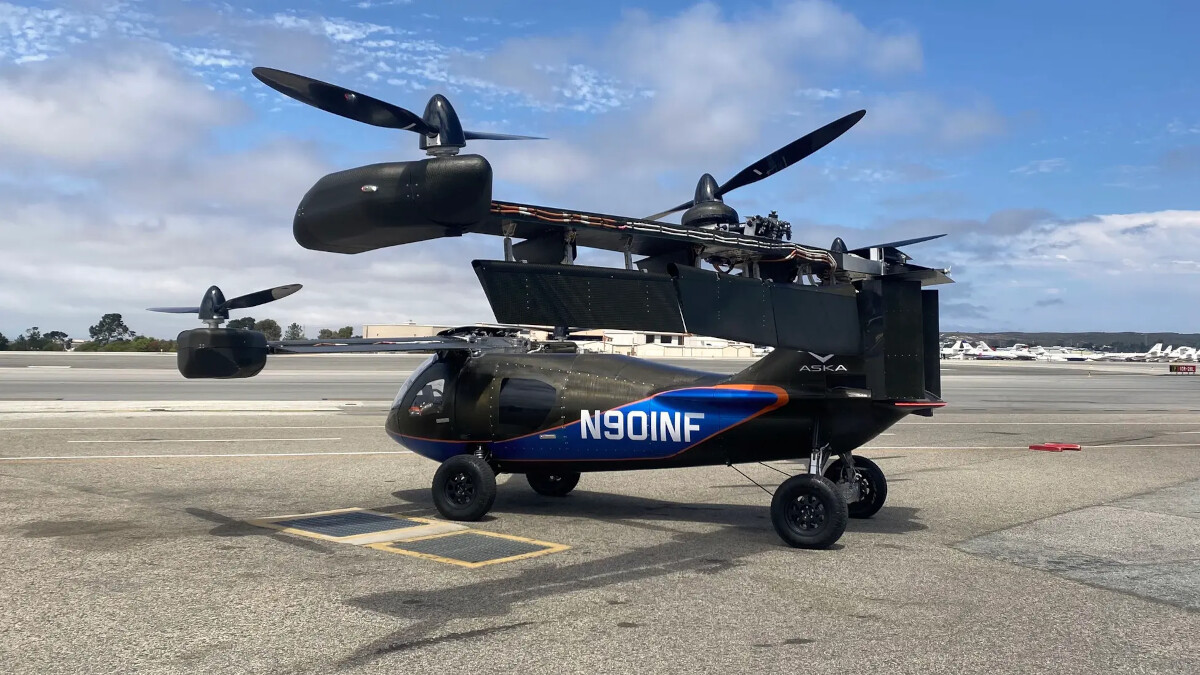
Yep, it’s time to rethink what cars look like, because this is a glimpse into the future right here, folks. As you might have guessed from the folding wings, the propellers, and the fact that it looks like a cross between a drone and a helicopter with wheels, this is an actual flying car.
It’s called the A5, and it’s the work of a startup known as ASKA. The firm was set up in 2018 by husband-and-wife team Guy and Maki Kaplinsky. It’s based in Silicon Valley—where else—and has the fairly straightforward sounding goal of “defining the future of transportation for the next 100 years.” Simple.
ASKA is clearly on a decent trajectory, though, because after six years of work, the A5 is starting to come to life. This is the only prototype that exists, but it has been certified to drive on some roads in the US and has even started flight testing.
Wait, you actually went out on public roads in that thing?
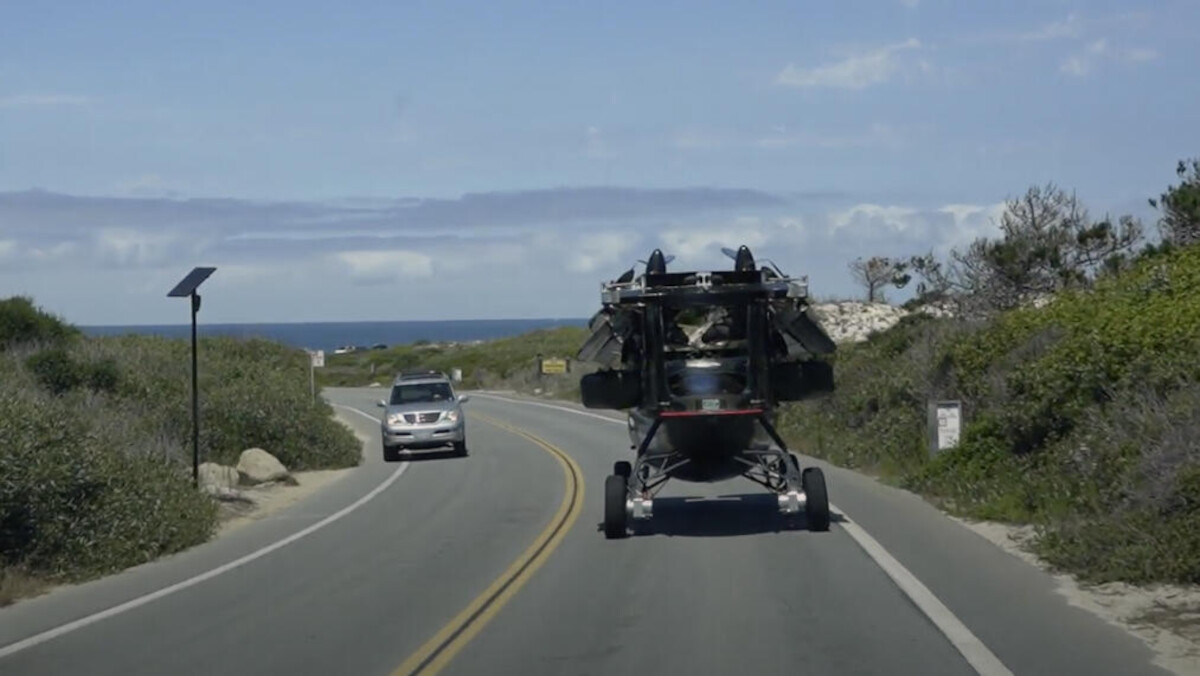
We genuinely did. Top Gear hitched a ride with Guy Kaplinsky at Monterey Car Week last year, because when you’re surrounded by multimillion-dollar hypercars, it takes something really quite special to stand out. And we like to stand out.
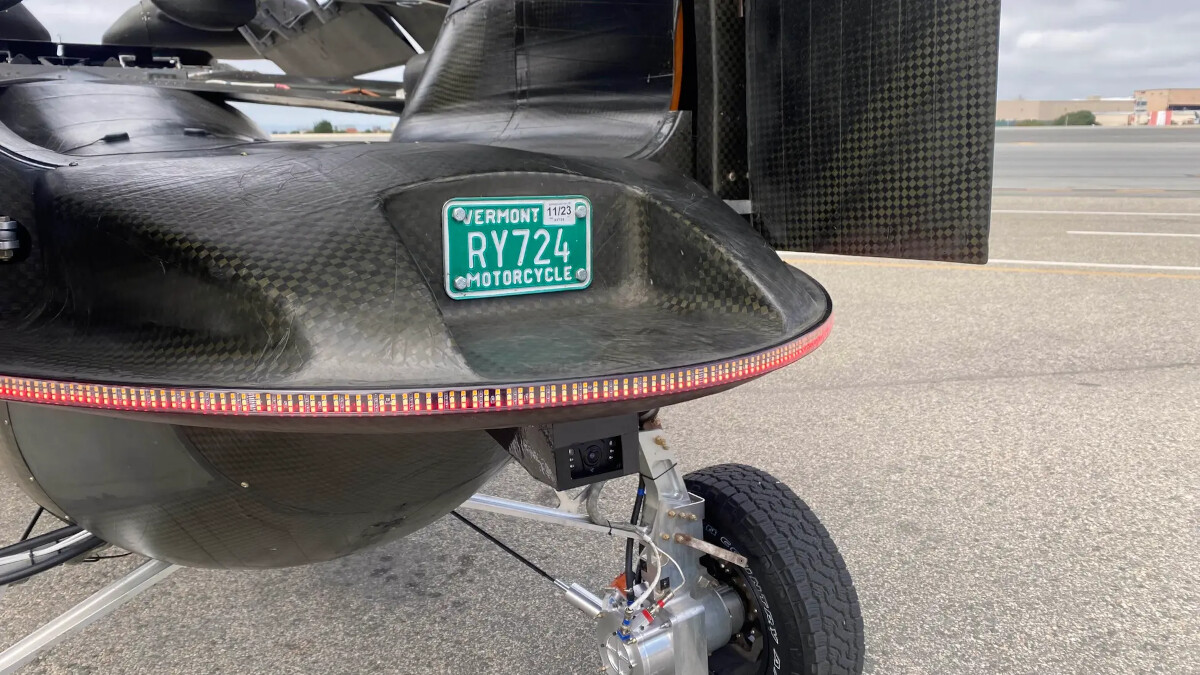
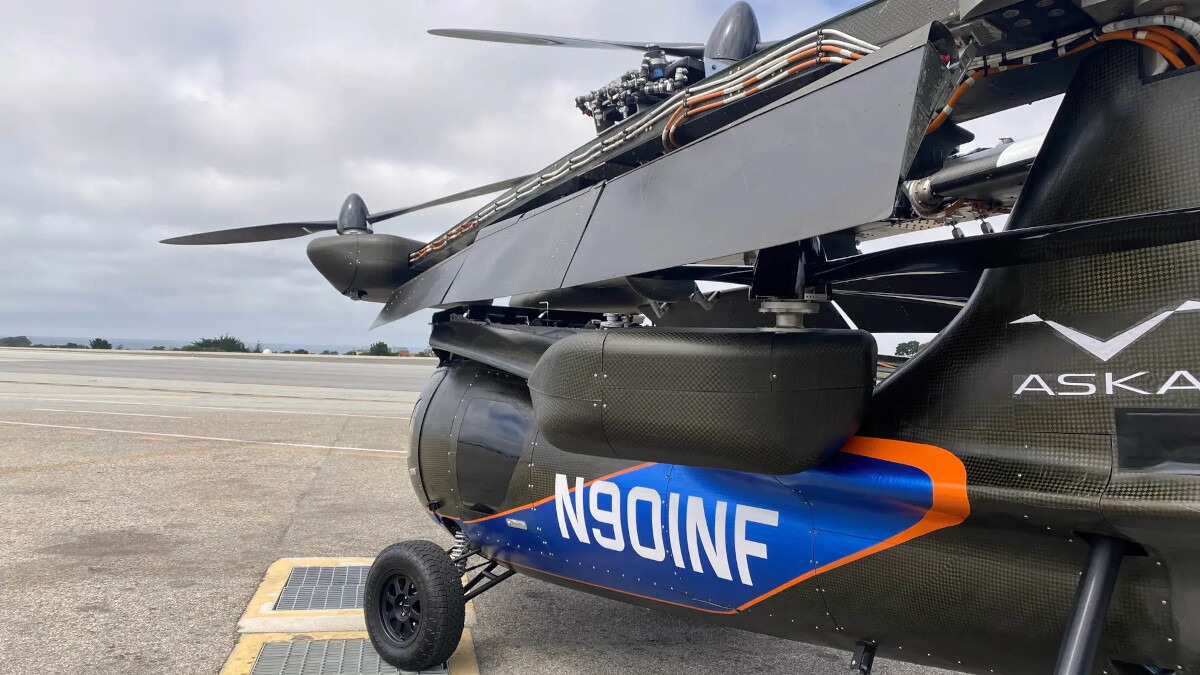
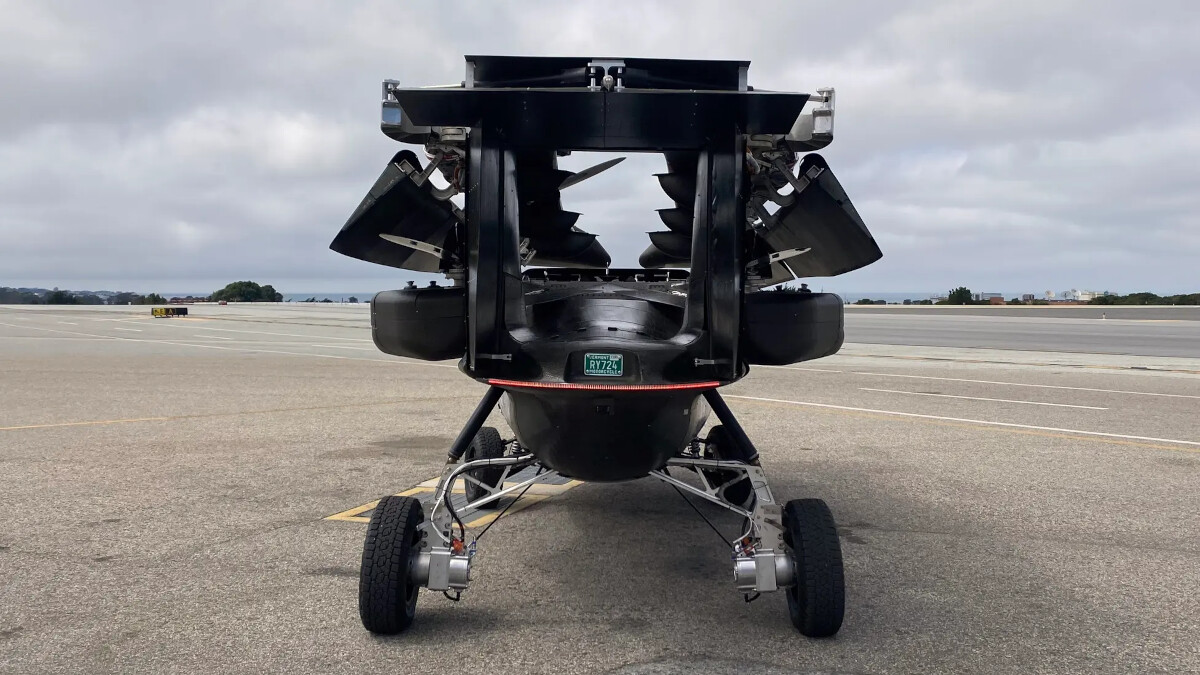
The A5 is currently limited to 56kph and can’t drive on highways in the US, but we’re sure that if this thing got anywhere near a US-spec freeway, it would have caused a major pileup, such is the attention it commands. And yes, it’s wearing a number plate that currently refers to it as a motorcycle. Turns out the Department of Motor Vehicles doesn’t have a ‘flying car’ category just yet.
ALSO READ:
First drive: The all-new Honda CR-V is just what the doctor ordered
First drive: The Serena e-Power would fit nicely in Nissan’s local lineup
Give me some more stats…
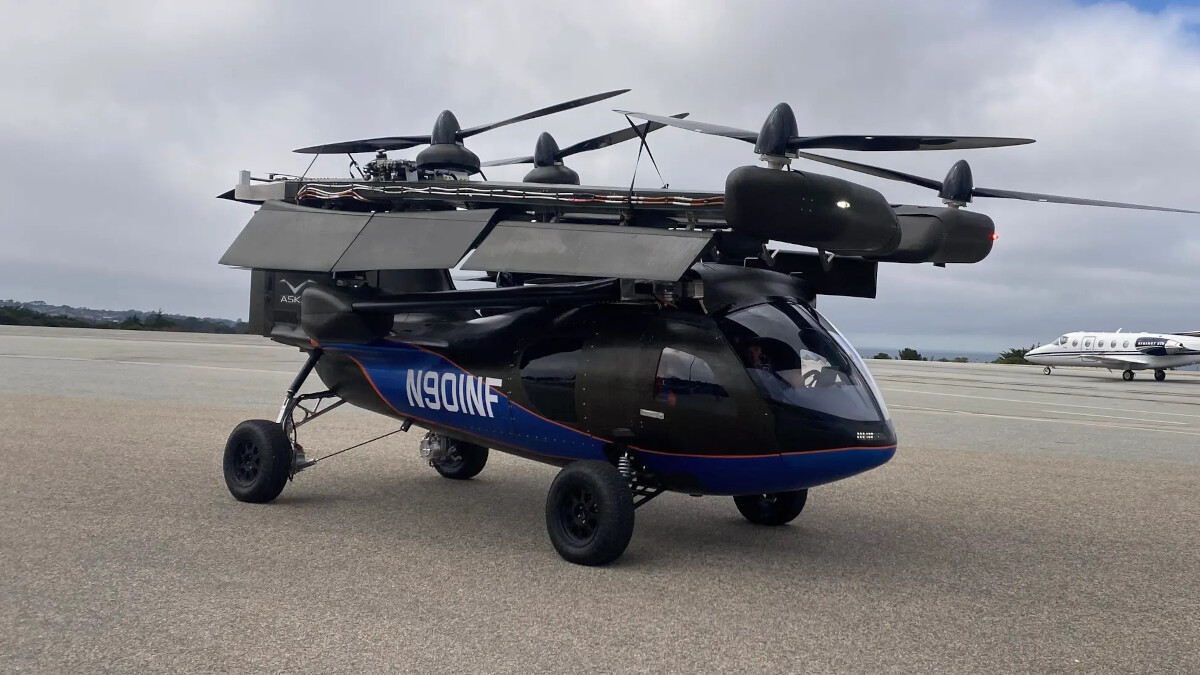
Where do you even start with something like this? How about we stick to what we know and do the most car-like bits first...
The A5 is technically an electric vehicle. It uses an 800V architecture and a 100kWh liquid-cooled battery (with a slightly different chemistry to normal EV batteries because it has to power something that goes in the sky), and when it does finally make production, that will be paired with a range-extending internal combustion engine. A hybrid, then, but you’d be thankful for the failsafe if one power source failed while in the air.
This prototype doesn’t actually have the range extender fitted just yet, but when it does, it’ll manage around 400km of flying range. The thought is you would have to drive up to 15km to get to somewhere where it’s safe to take off, and then you would fly for the rest of your journey.
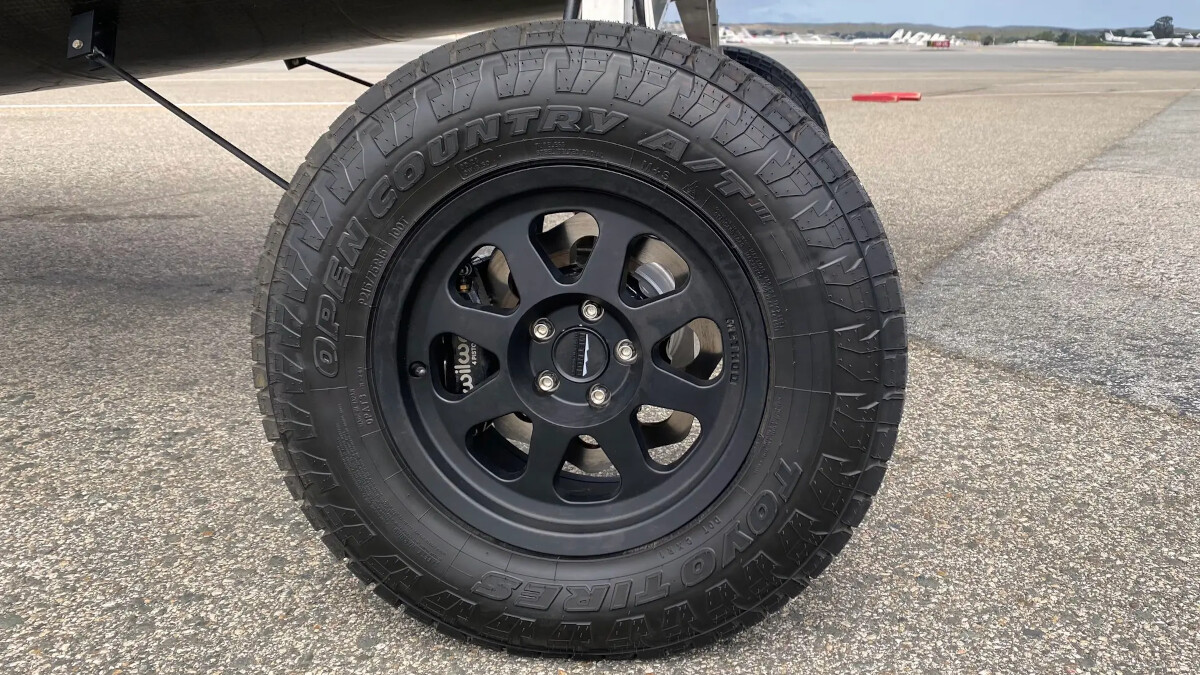
When you are on the ground, you currently get a rear-wheel-drive setup with twin motors and a very rough estimate of 200hp. Official power figures are being kept under wraps currently, but the finished A5 will have four-wheel drive and a target 0-60mph (97kph) time of “less than 5sec.”
There’s regenerative braking, too, plus very fancy AI tech that helps the A5 to fly. Much like common drones, the machine learning tech keeps the A5 stable in the air and is apparently necessary for normal folk to be able to learn to fly the thing.
Oh, and with the wings extended, this thing is over 13 meters wide. Good grief. Although that does mean it can glide once in the air, and the tilting propellers mean it can also take off using a runway if the space is available. Getting up to 97kph and taking off like a standard plane would apparently use 30% less energy compared to a vertical take-off.
But what is it actually like on the road?
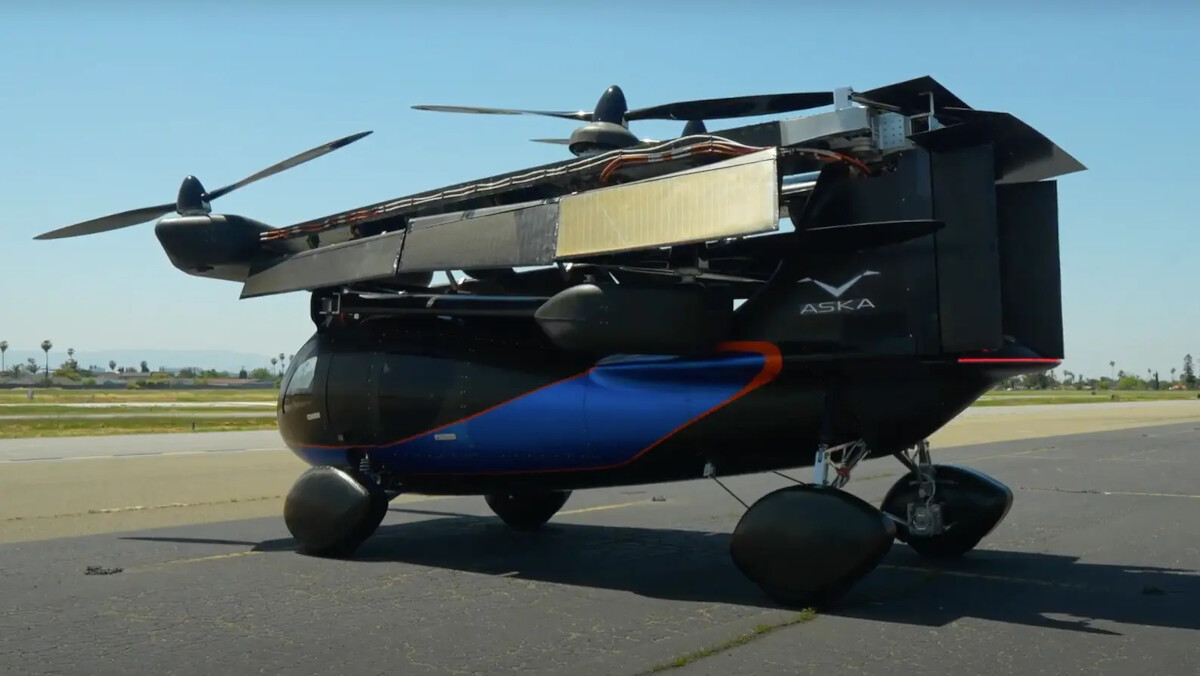
Well, the kindest way of putting it is that it’s clearly a prototype for something ludicrously futuristic. It doesn’t feel that close to being production-ready.
The drivetrain itself seems smooth and well-calibrated (the benefits of simple electric propulsion), and surprisingly, the turning circle isn’t actually that bad. It is rather crashy over bumps currently, though, as the suspension setup is still being finalised, and the whole thing creaks and shakes like a dodgy fairground ride.
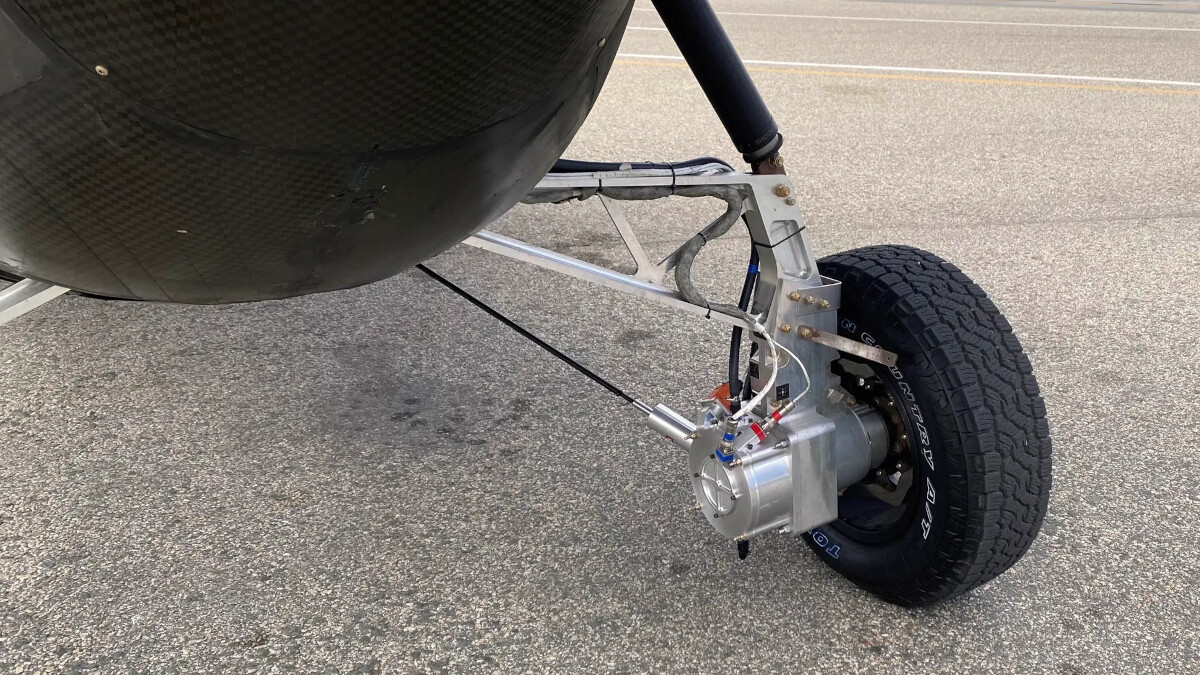
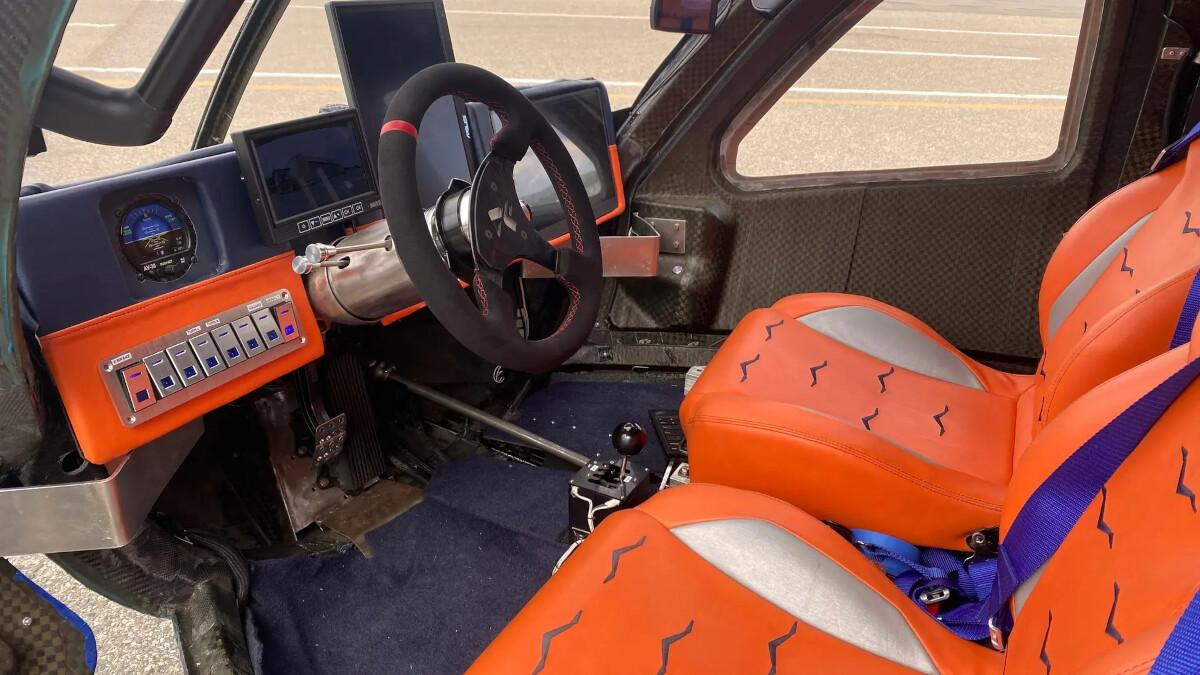
Apparently, it’ll also use a steer-by-wire system eventually, but for now, there’s a steering shaft in the cabin that runs under the passenger seat. Doesn’t feel like it’ll fall over in corners, thankfully. The center of gravity might be quite high, but the wheels are mounted well outside of the fuselage to give it some stability.
The A5 actually uses a full carbon-fiber chassis and body panels, but fit and finish is currently more Tesla than Rolls-Royce, mostly because the panels are constantly on and off this prototype. In fact, they’re off at one point during our day with the car (yes, we’re still calling it a car) as there’s an issue with the switch from driving to flying modes.
Wait, did you actually fly in this thing?
Good grief, no.
But it can fly when the occupants aren’t being wimps?
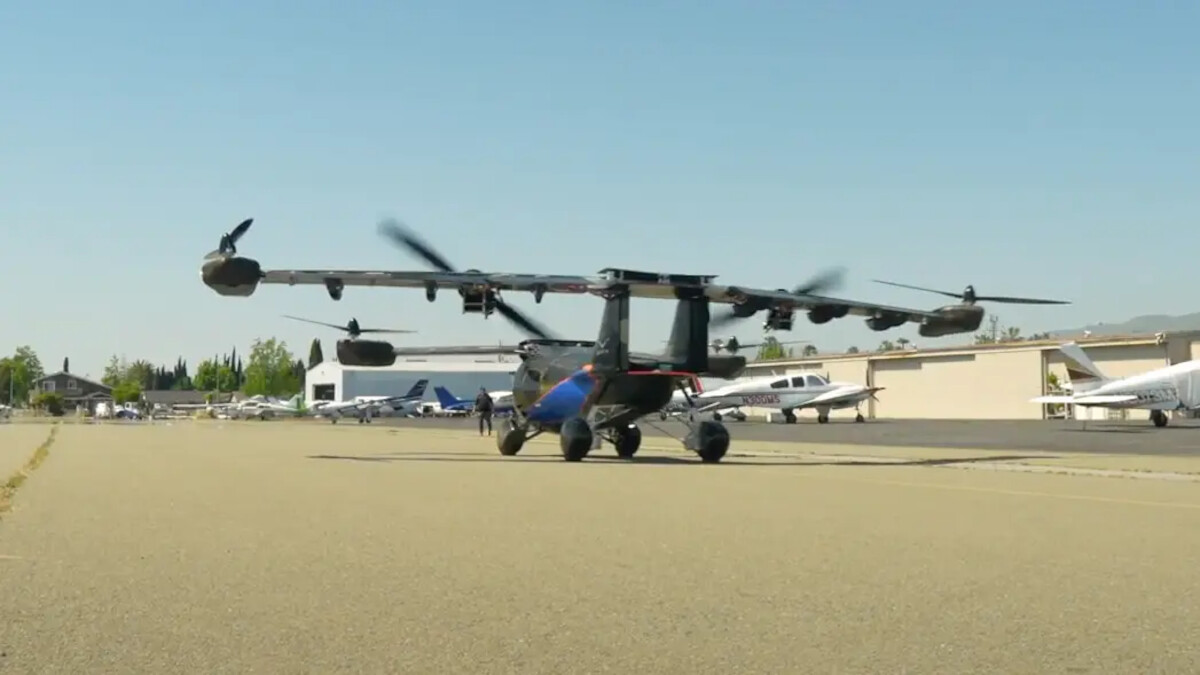
It can, but we’re saved from your jibes by the fact that ASKA is currently only permitted by the Federal Aviation Administration to make unmanned test flights, and those flights only involve hovering a small distance from the ground with the car tethered down so that it can’t take off immediately into the future. We’re pretty certain it would do that if given the chance—it’s far too futuristic for this world currently.
Anyway, Kaplinsky is happy with the progress that ASKA is making and reaffirms that baby steps will be taken on the road to production, with safe testing the main priority. That means nobody has flown in an A5 as of yet.
In said future, though, the transformation from car to aircraft will take around 30sec at the push of a button. For now, the system that automatically locks the wings in ‘driving’ mode isn’t active, so some spanners and a few more minutes are needed when we visit Monterey Regional Airport for a look at the wingspan.
What’s the cockpit/cabin like?
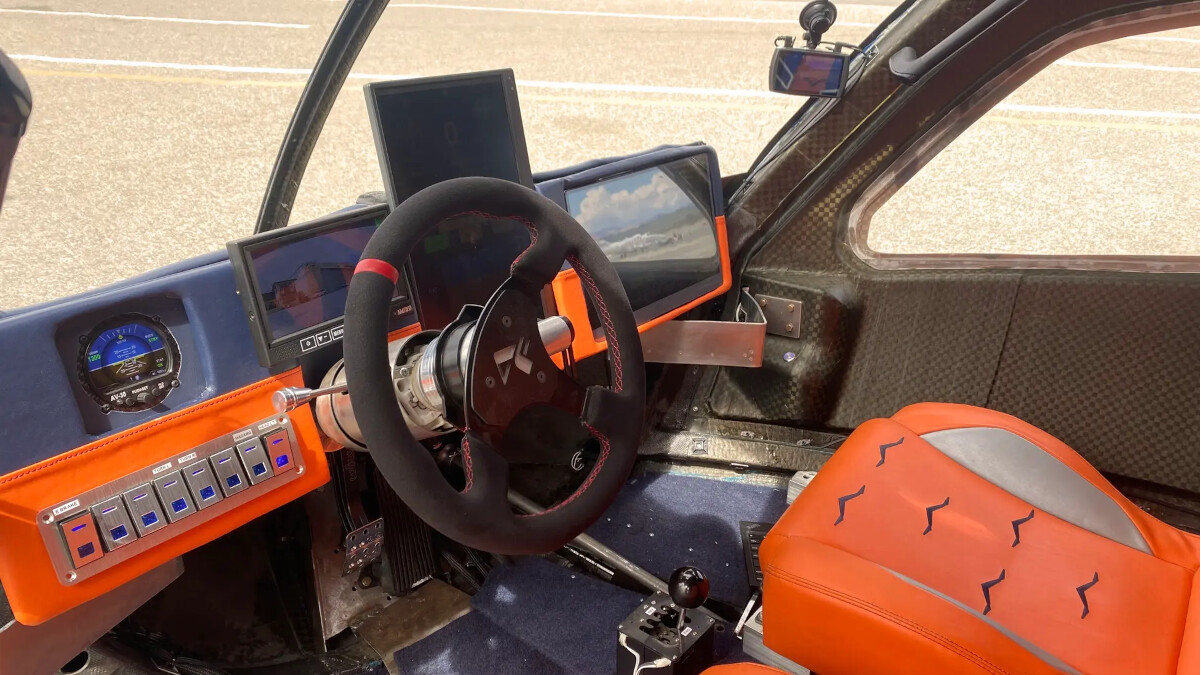
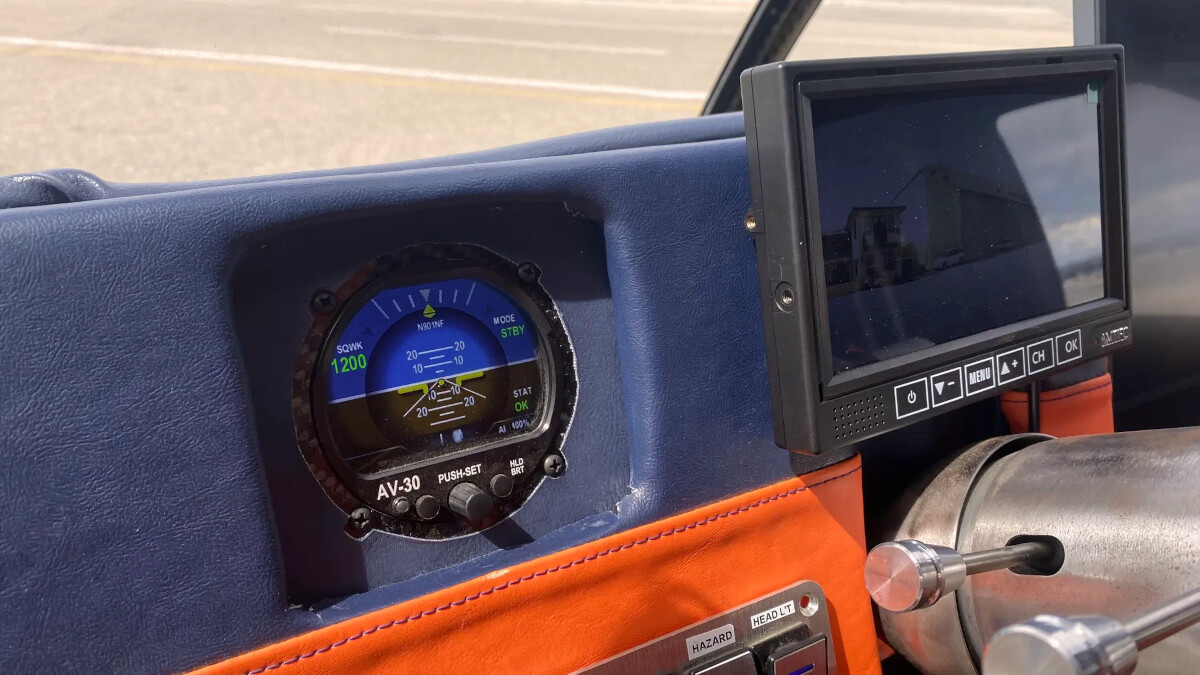
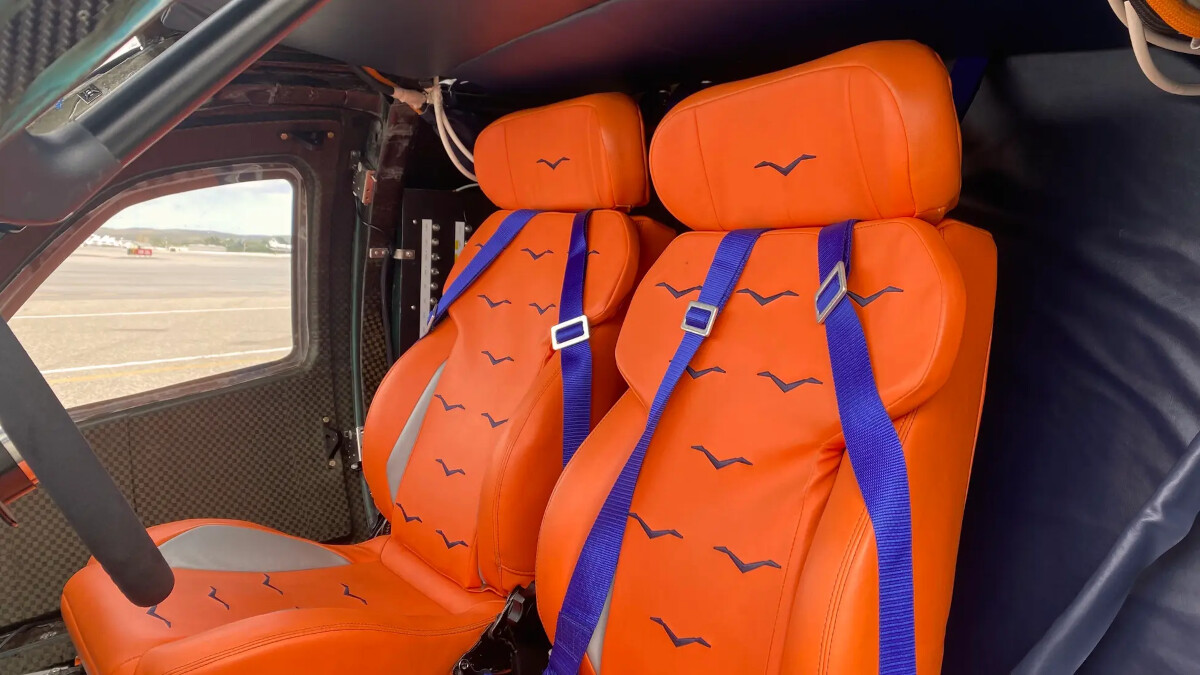
Great question, and again, it’s function over form in the prototype stage. The finished A5 will be a four-seater, but during testing, the rear seat is full of batteries. To get into the front seats, you’ve got supremely light doors with a very small aperture, although once you’ve folded yourself in, there’s a decent amount of space in the cockpit. It’s basic right now, with off-the-shelf bits and three main screens for all of your driving/flying information. And having an altitude indicator in a car is pretty cool.
You’ll be pleased to hear that there is a reversing camera, and the view out really is quite disorientating as there’s no hood and you’re sat well ahead of the front wheels. It’s very much like being in a helicopter on a B-road...if that’s something you can imagine.
So is this really the future?
Well, we’ve talked a fair bit about the production version of the A5, and we’re told that plans are to deliver the first cars in 2026. That really isn’t very far off, but whether regulations will be in place for it to be licensed to fly at that point is another question.
We’re also told that the production car will be around 30% smaller than this super-sized prototype.
Are people actually going to buy flying cars?
ASKA thinks so. In fact, it has around 100 preorders so far, with each person putting in $5,000 to reserve their build slot. Once the A5 does make production, the initial ‘limited edition’ version will cost $789,000 (around P43.7 million) for direct ownership. Worth it to beat the traffic?
We say direct ownership, because Kaplinsky actually believes that most A5s will be used by ridesharing firms and hired by individuals. He also has the idea of transforming traditional fuel stations into take-off and landing pads.
“We predict that in the next 20 years, you won’t use a car to drive more than 10 miles,” says Kaplinsky. “You’ll just jump into a flying car because it doesn’t make sense to drive.”
Uh-oh, we best start looking for a new name for this website. Top Gun has a nice ring to it—wonder if anyone has used that before?
More photos of the ASKA A5 flying car:
NOTE: This article first appeared on TopGear.com. Minor edits have been made.