All car manufacturers have a vital product. In the case of Honda, that would be the CR-V. See, this model isn’t just one of the brand’s top-sellers, it IS the company’s best-selling model worldwide. In fact, Honda easily sells over half a million of these every year with North America being its biggest market.
That means Honda can’t be complacent when it comes to redesigning the CR-V. One slip up means it can easily lose ground to its competitors, hungry to knock it off its perch. Simply put, it’s the automaker’s cash cow and, quite possibly, the most important model it produces. Maybe even more than the Civic.
OTHER STORIES YOU MIGHT HAVE MISSED:
MMDA: ‘Clearly marked government vehicles’ not allowed to use EDSA Busway anymore
Congress: No ‘8’ plates released or currently authorized for use of House members
The sixth-generation Honda CR-V: A quick rundown
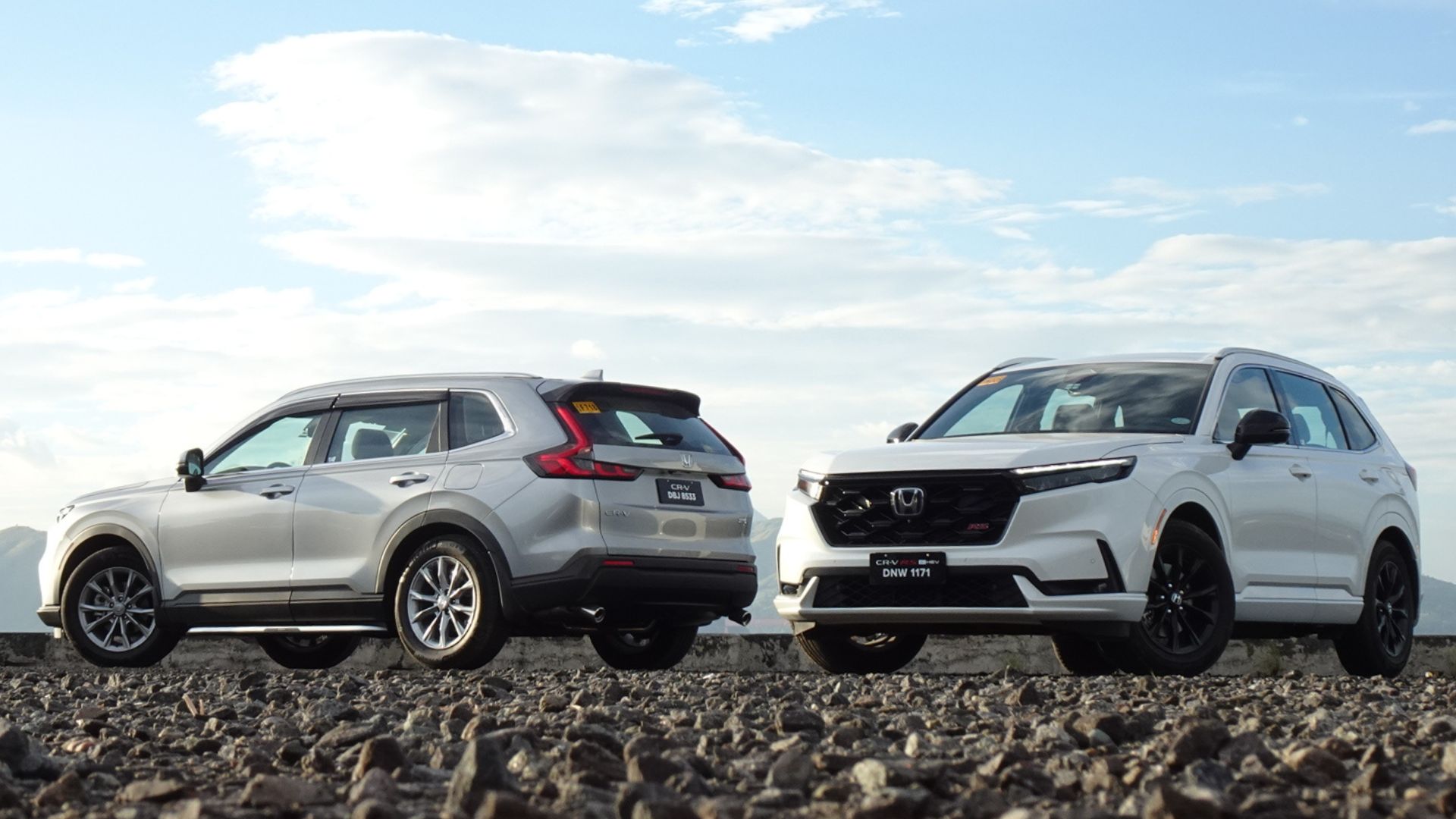
The sixth-gen CR-V made its debut in North America first in July 2022. It would take a while before it would premiere in Southeast Asia with Thailand in March 2023 and, finally, in the Philippines in September the same year.
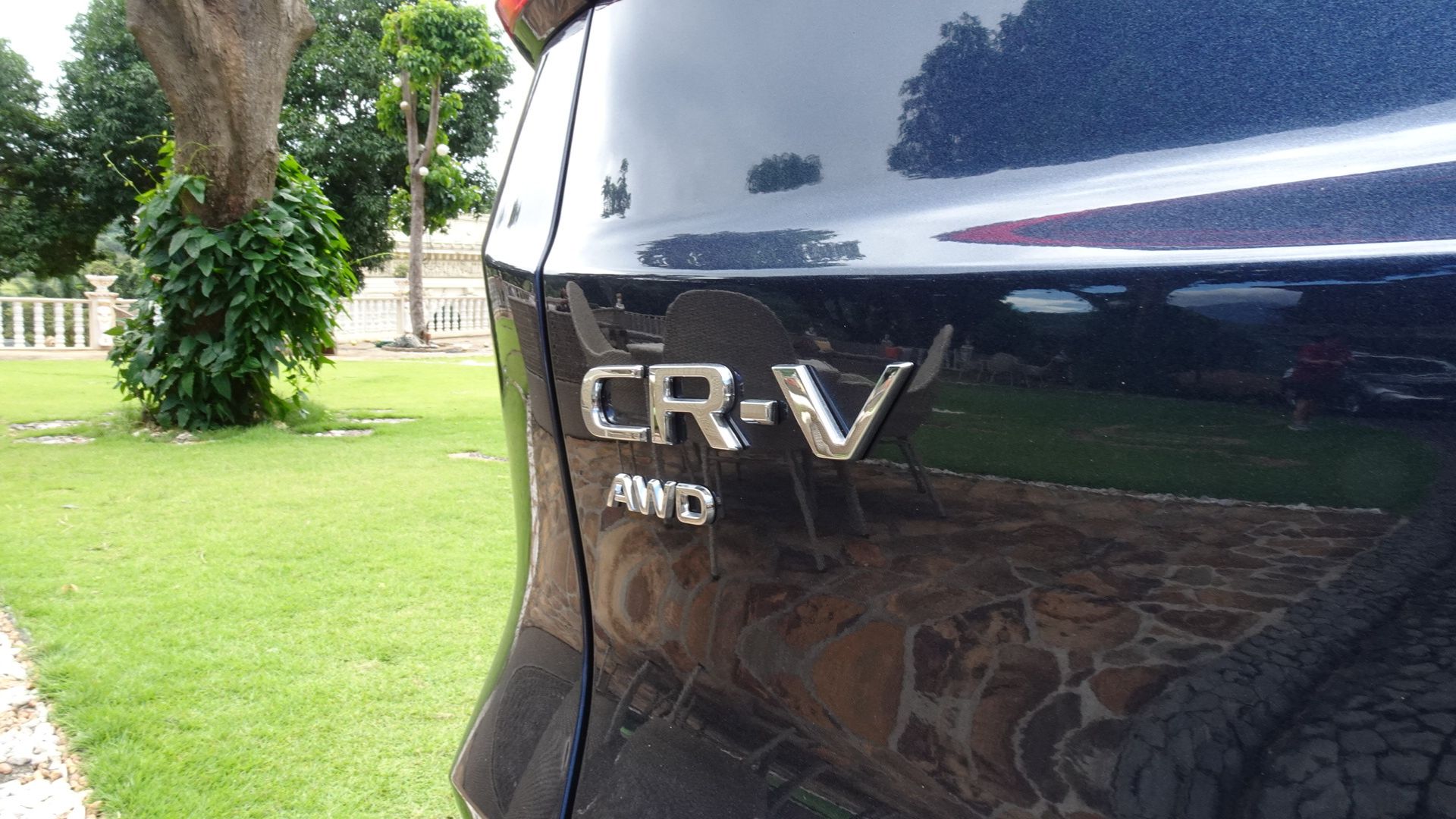
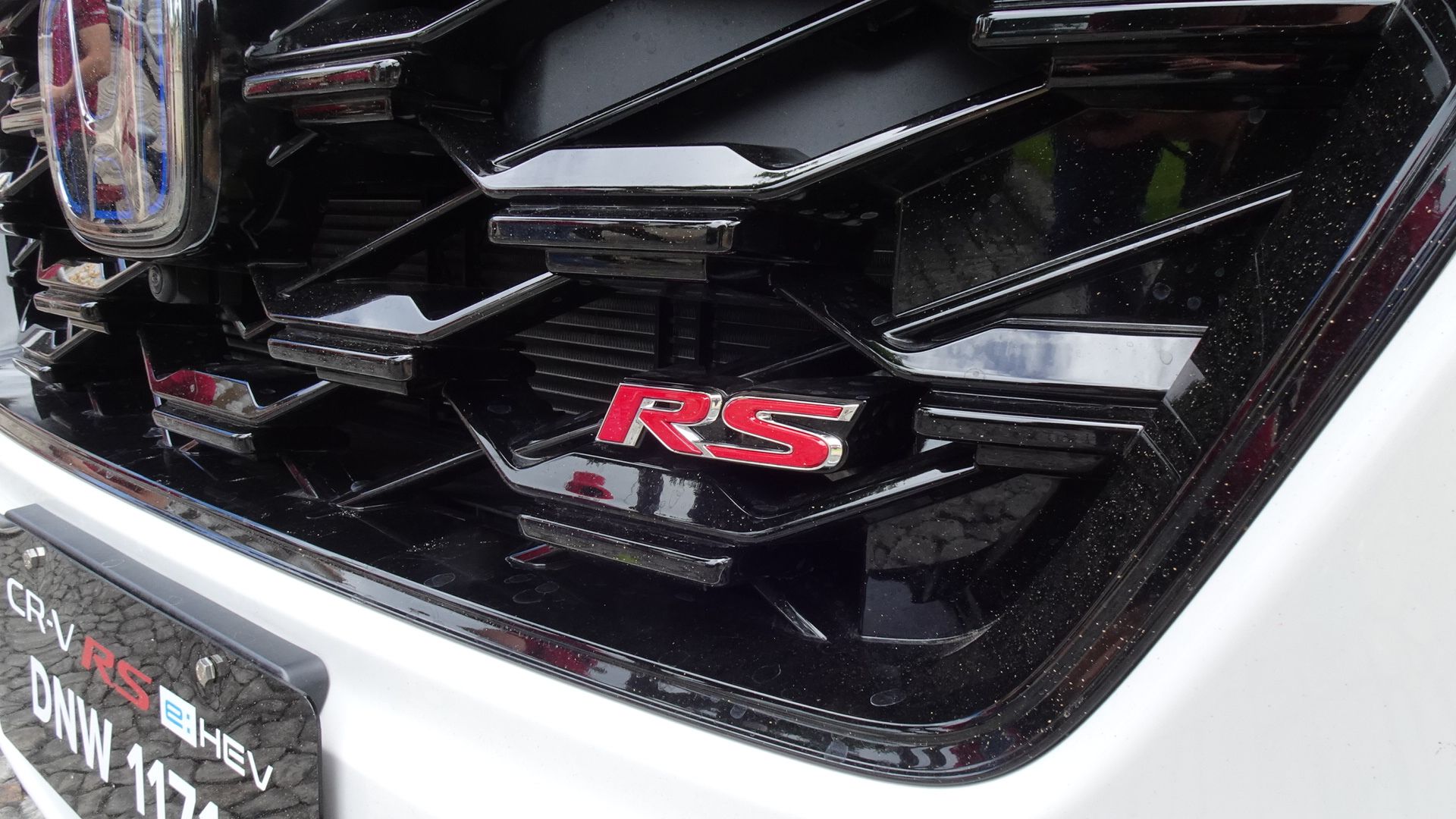
Locally, there are three variants available, namely the V Turbo, VX Turbo AWD, and the RS e:HEV. But regardless of the variant, the all-new model is a CR-V like no other, at least in the local sense. That’s because it’s the first time we’re getting the turbocharged model as well as the hybrid all in one go. It also means we’re waving goodbye to the diesel engine for the popular crossover.
Style check

Over the years, it’s safe to say that the CR-V has been rather conservative when it comes to design. Past models have been good looking, if a little on the inoffensive side. Well, Honda has done exactly that with the sixth-gen model. Why, you ask? If you’re selling about 600,000 units of a certain product every year, you wouldn’t want to rock the boat too much, right?
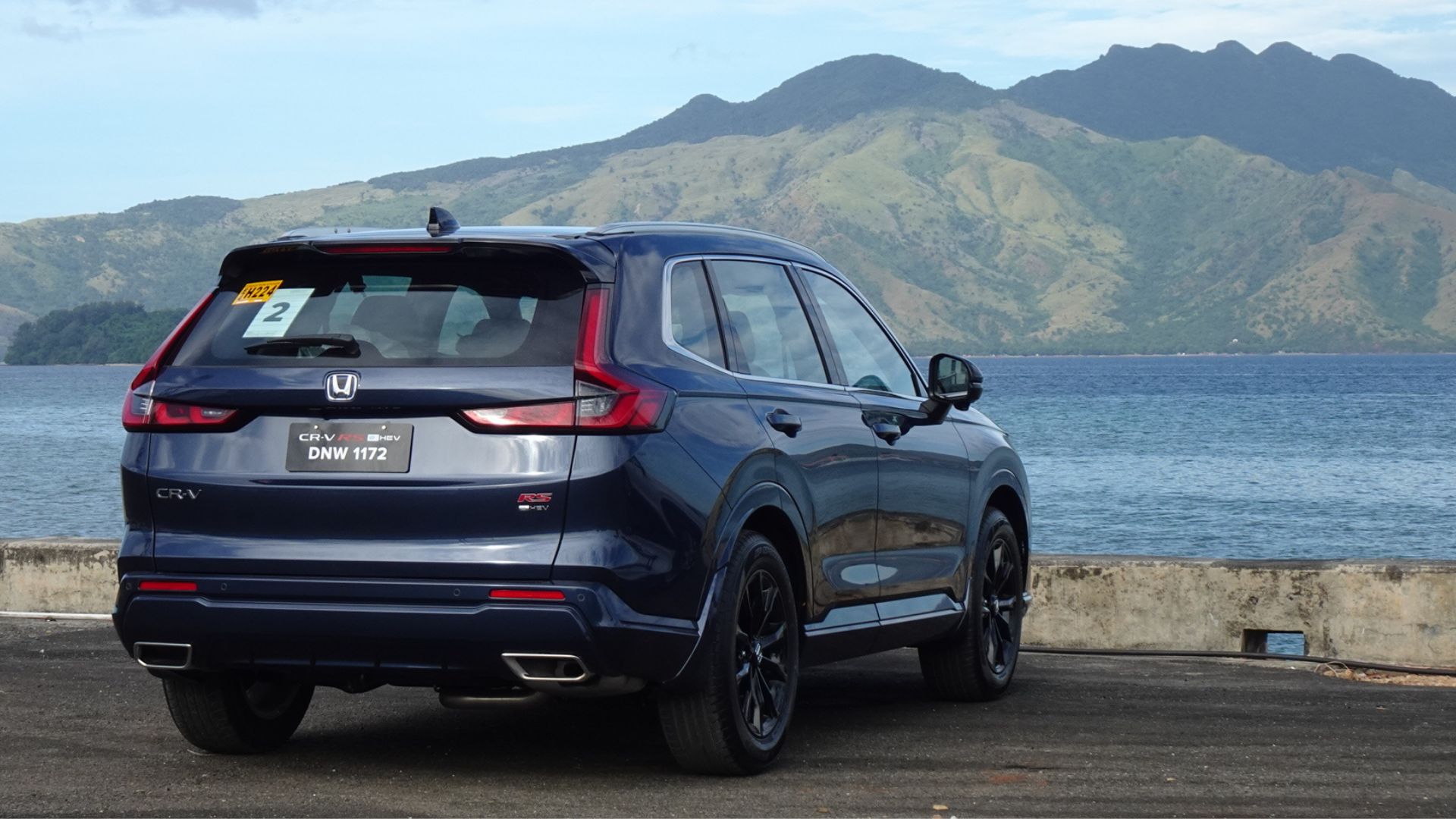
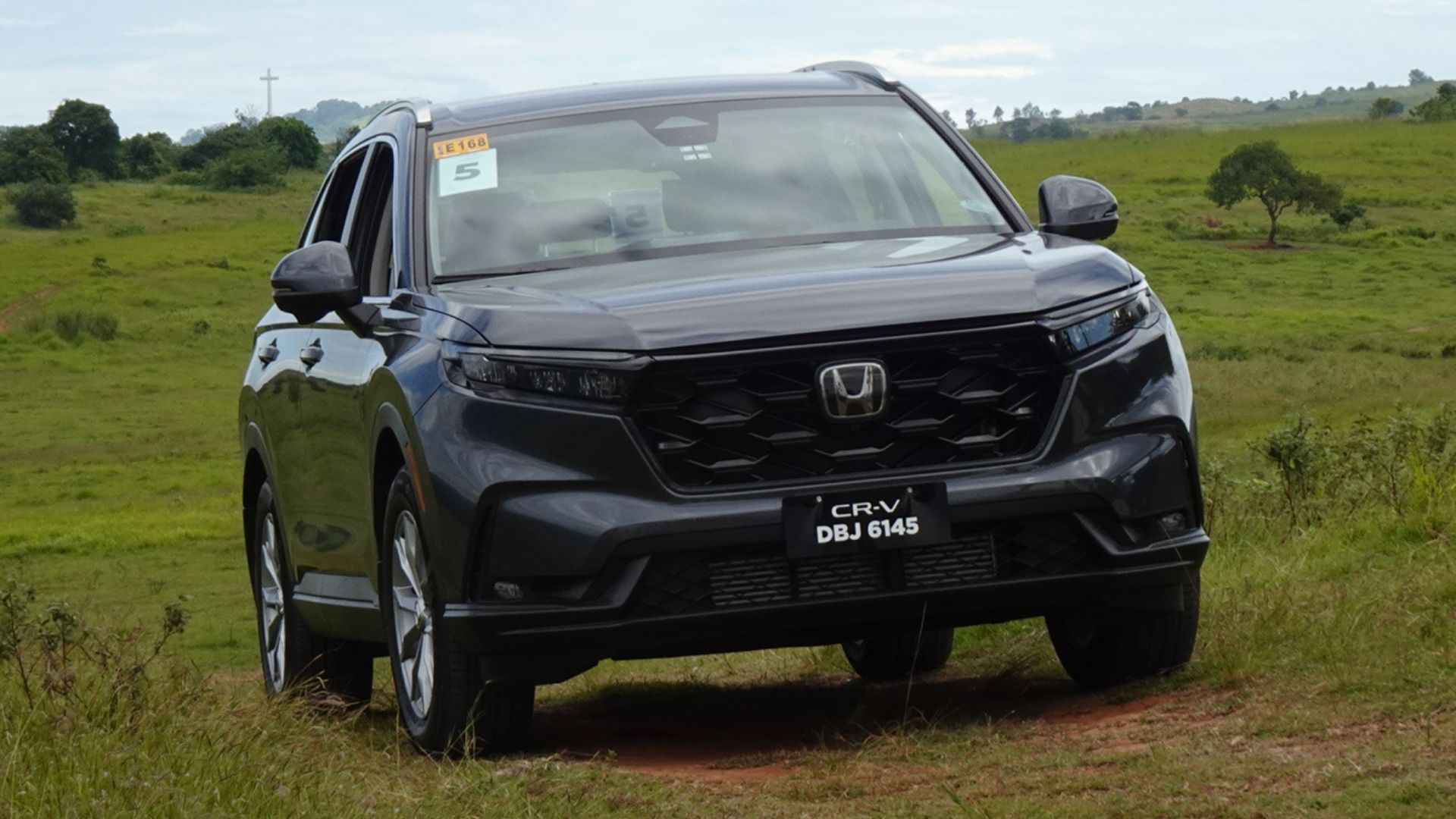
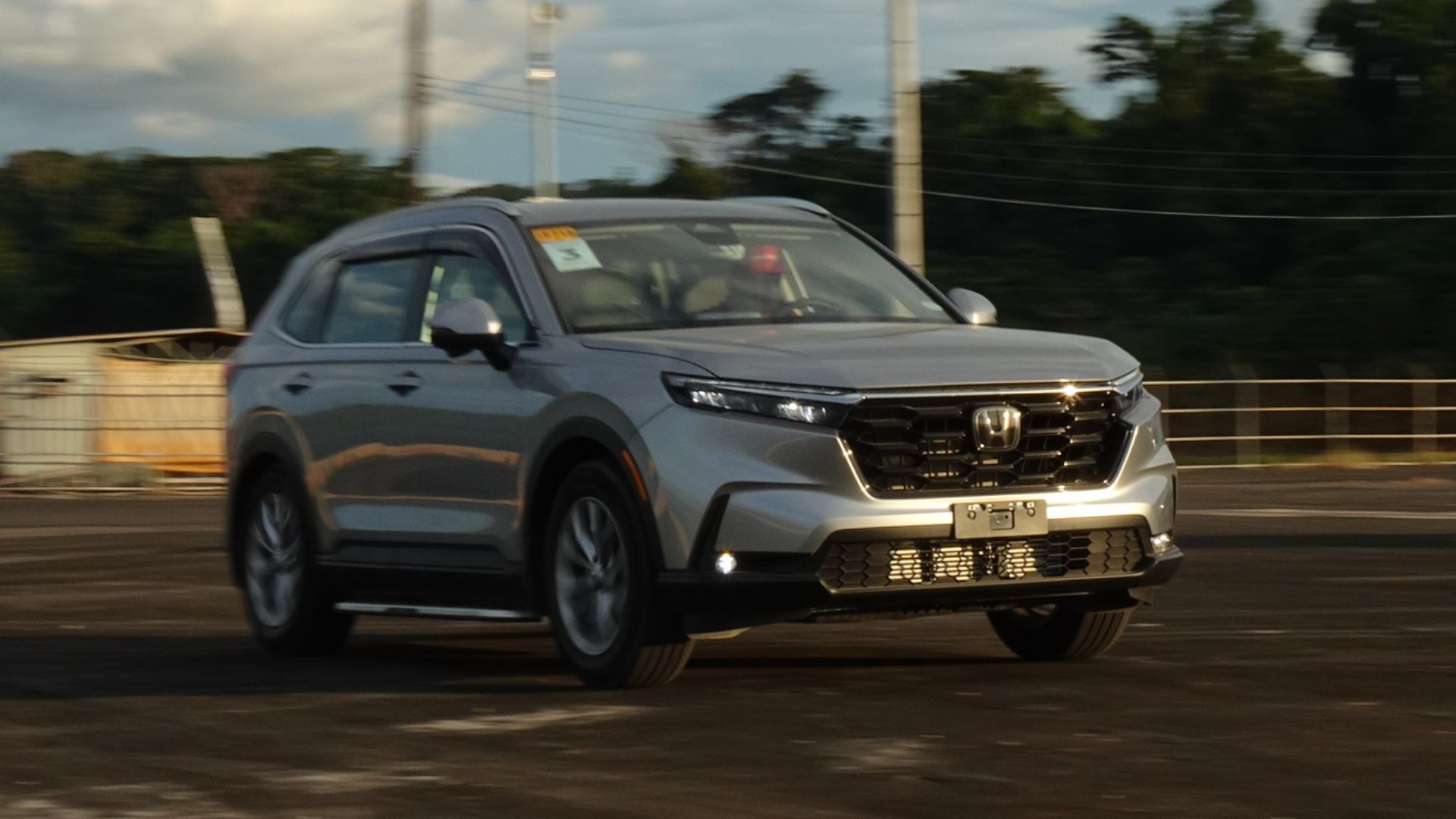
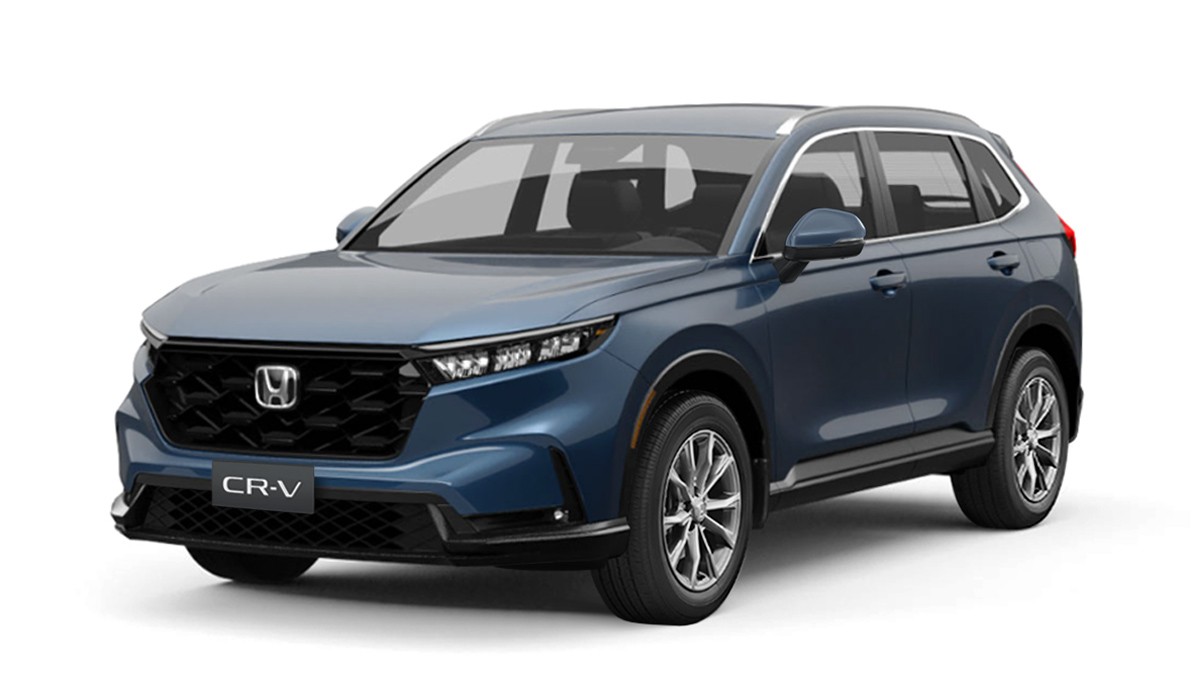
Yes, it still looks very much like, well, a CR-V. However, there’s a hint of more aggression this time around. It’s most evident at the front with its slim headlights and the bigger and bolder grille. The new look also cures the ‘underbite’ from the previous model by incorporating a more ‘shark-nose’ look. In our eyes at least, it looks better than before.

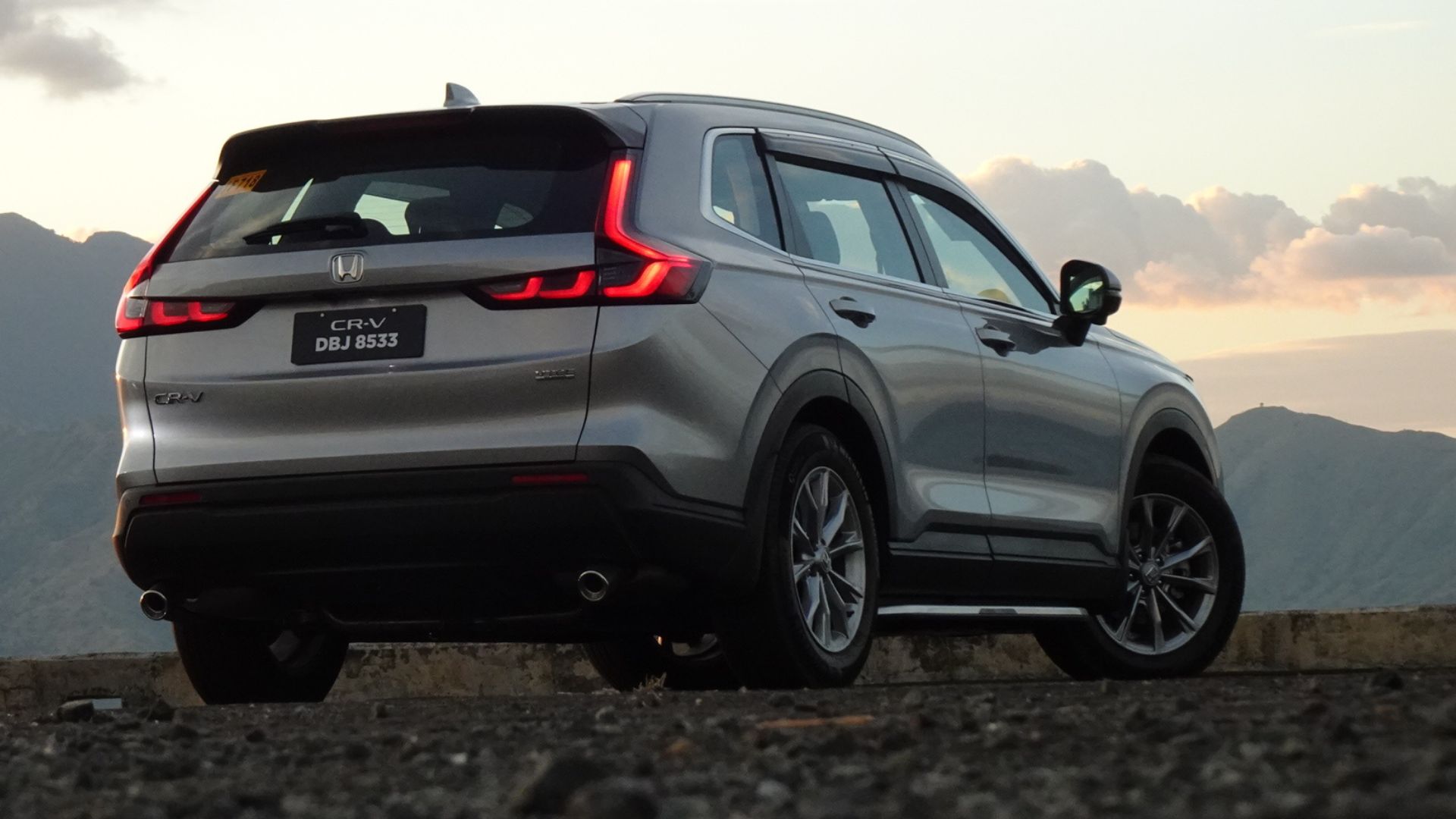
Honda also cleaned up the rest of the body with a simpler and more angular design. There’s not much in the way of character lines here, just like CR-Vs of the past. You don’t get wacky design quirks or acute angles here. Instead, you can appreciate it for its minimalism.
Of course, it wouldn’t be a CR-V if it didn’t have vertical tail lights. We’re glad Honda has stuck to this look for over 25 years and has become one of the defining characteristics of the crossover.
How’s the cabin?
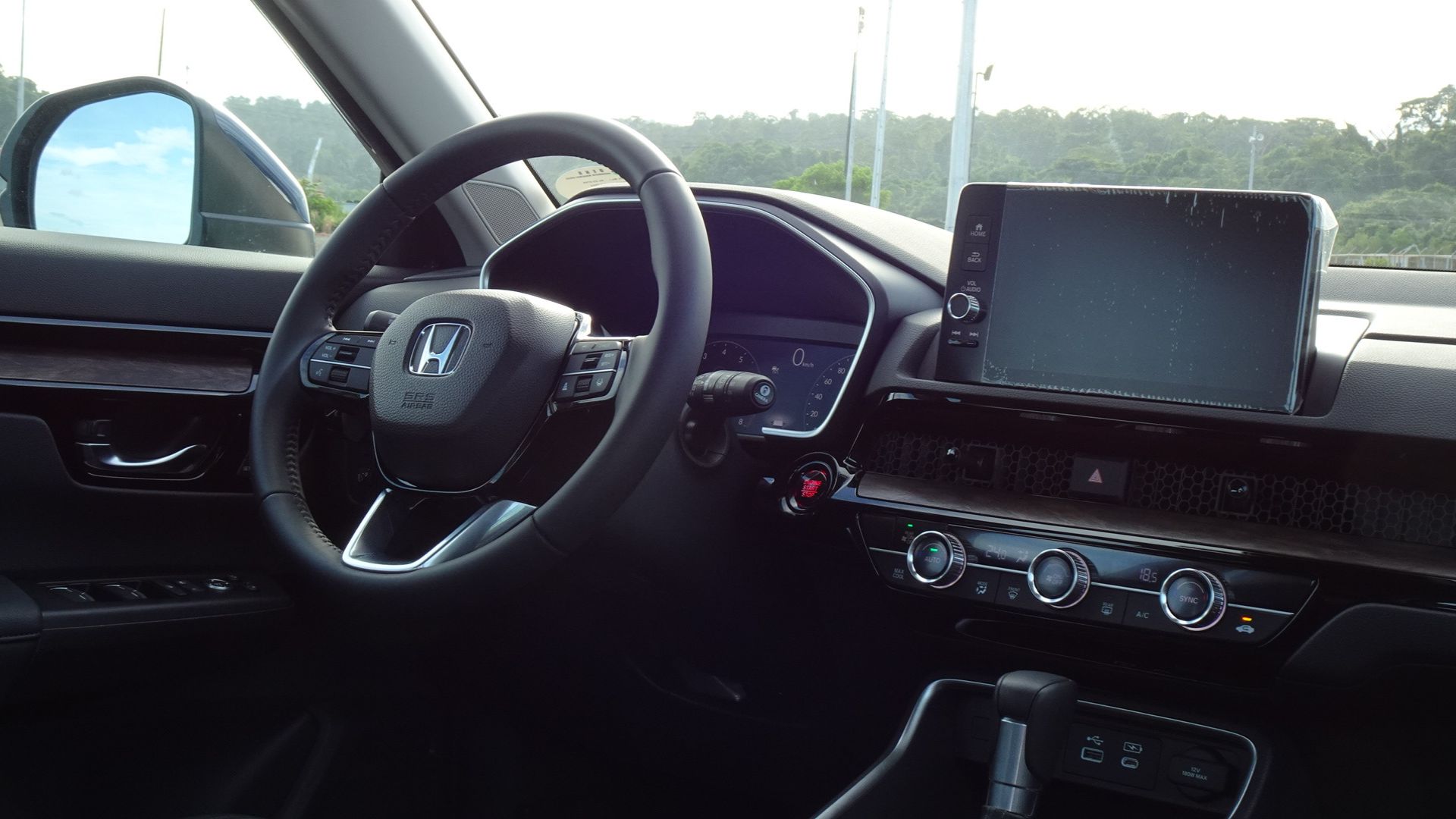
If you’ve been inside the current-generation Civic already, then the CR-V’s cabin will look familiar, if a little too familiar. As far as we can tell, the CR-V’s dash is a dead ringer for the one found in the Civic. For those hoping for a little more distinction, it might be a little disappointing. However, it does make up for it by having loads of rich-feeling textures and soft touch materials.
The whole ‘Man Maximum, Machine Minimum’ philosophy Honda applies to its interiors is an exercise in form following function. It doesn’t have a lot of visual pop, but you end up appreciating the finer details. Every button, knob, and dial is where you’d expect it, and everything is logically arranged for the best possible ergonomics. One could say it aimed at people who prefer functionality over flashiness. We just wish the rear door cards had a soft panel.
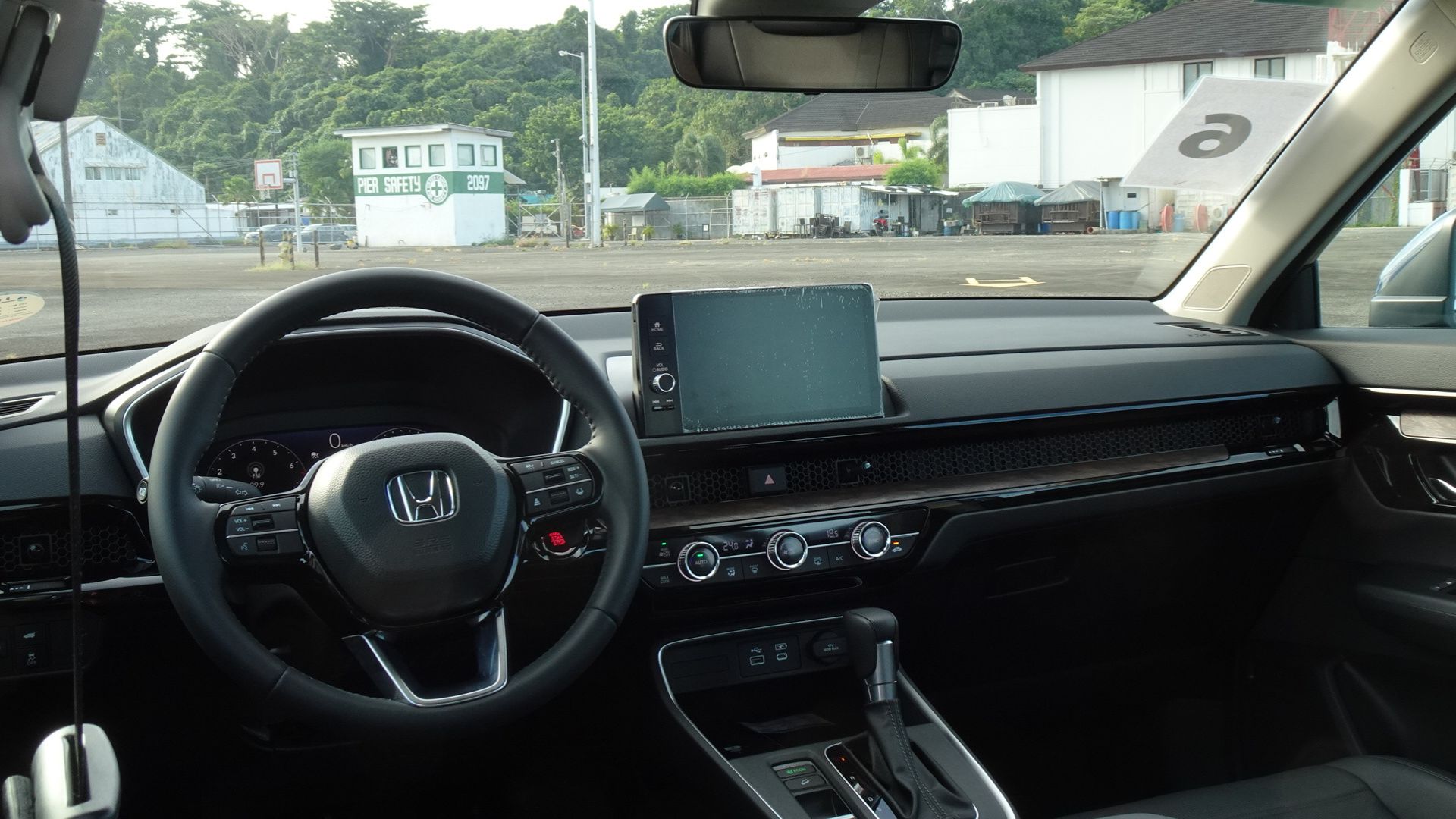
Space efficiency has always been one of Honda’s hallmarks, and the all-new CR-V doesn’t disappoint in that aspect. There’s loads of legroom and stacks of headroom in the first two rows of seats. The third-row can get a little tight, but let’s be real here: No third-row will ever be spacious unless you’re in a van or in something like a Chevrolet Suburban. We’d best describe it as a pair of emergency seats if anyone else wants to hitch a ride.
We had no problems when it came to the cargo area. Sure, the third-row seats up a fair bit of space, but it easily swallows up luggage and camera equipment of three motoring journalists. If it can handle our big and bulky bags, a road trip should be no problem. It’s more than enough for most, enough for you to wonder why anyone would get a larger truck-based SUV.
All in all, however, the CR-V is a pleasant place to be in traffic or, in our case, a long road trip. Oh, and the seats are excellent in this crossover. It’ll feel firm at first, but you sink in nicely after a few minutes.
Finally, more power
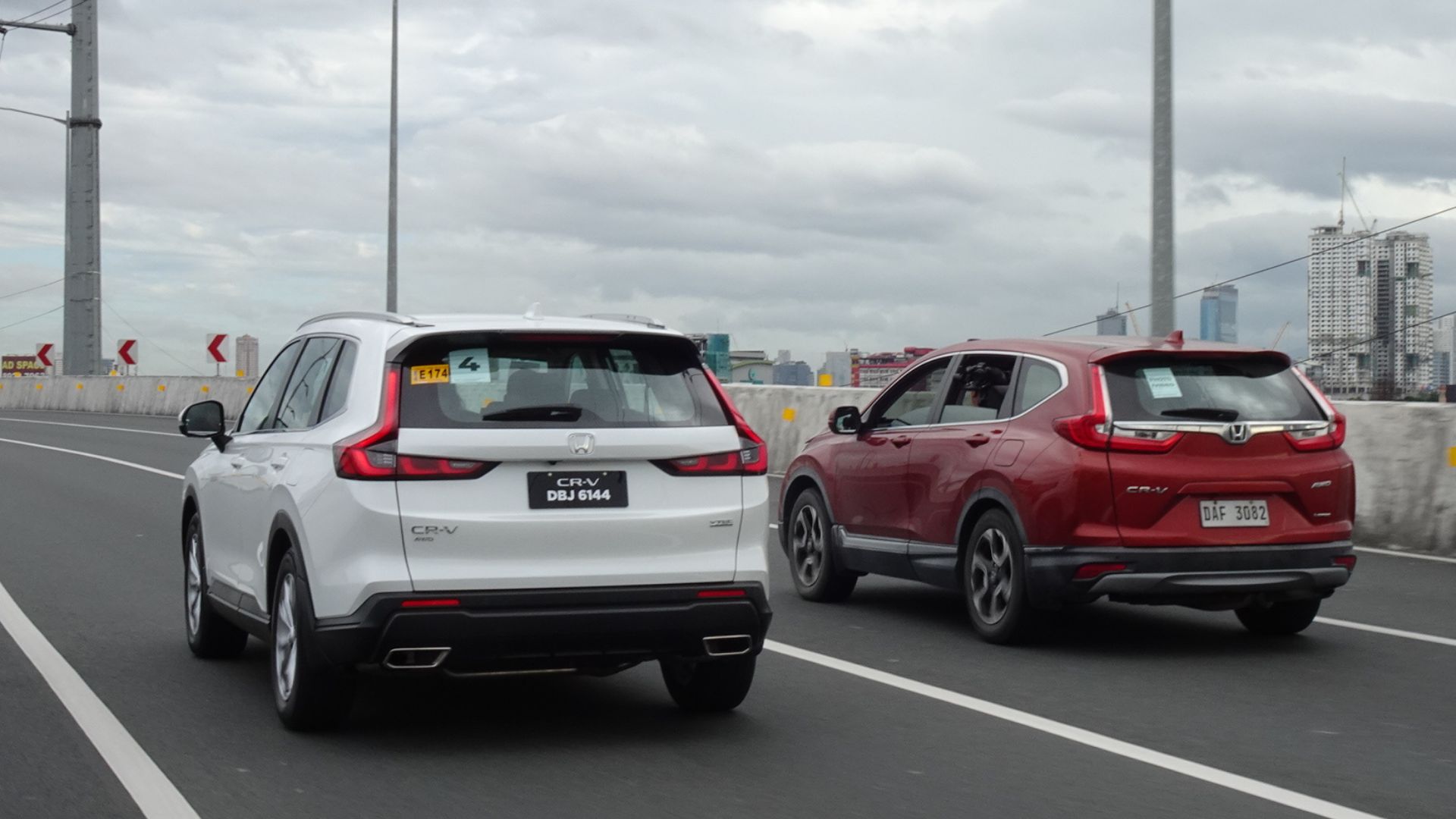
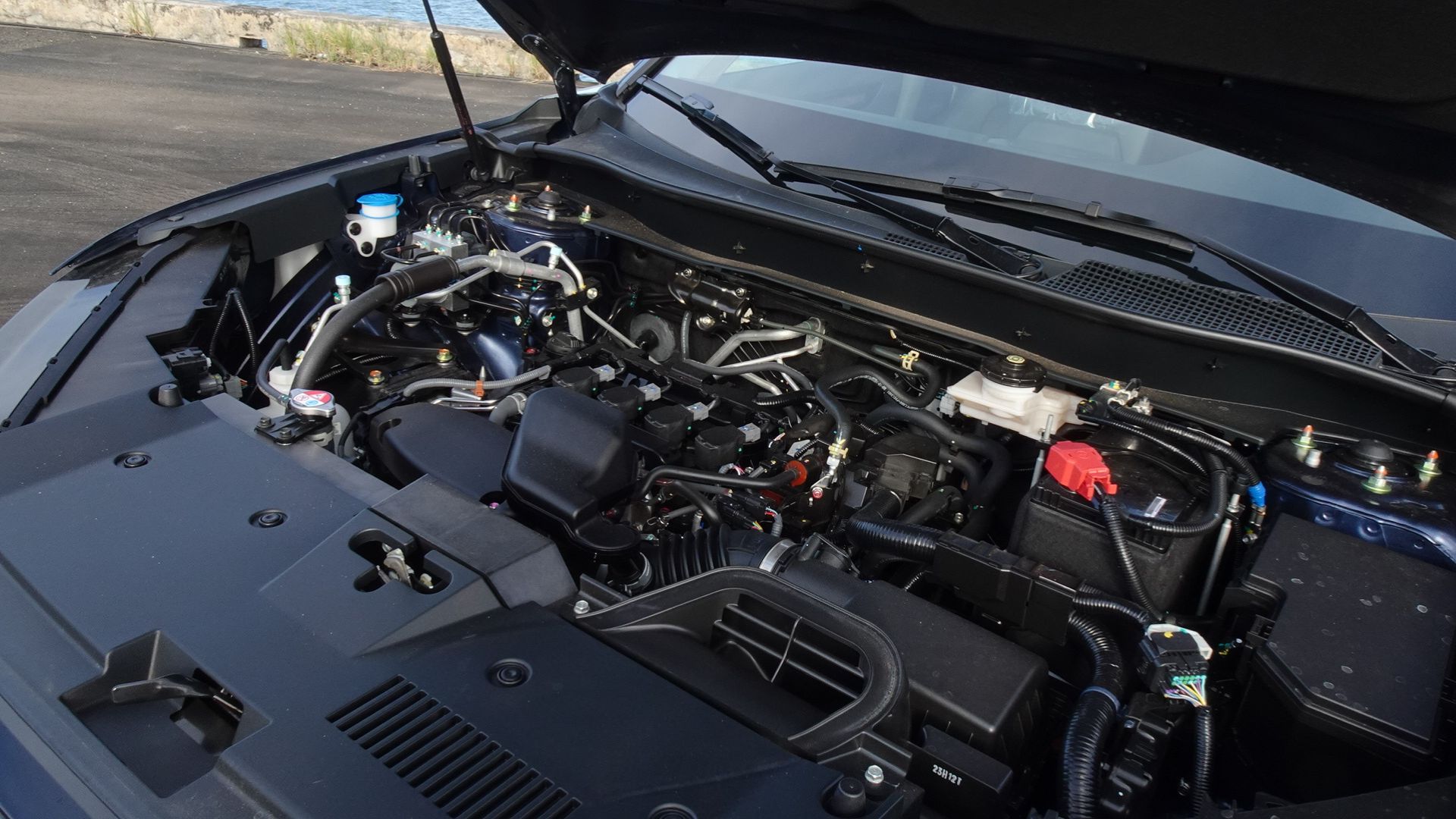
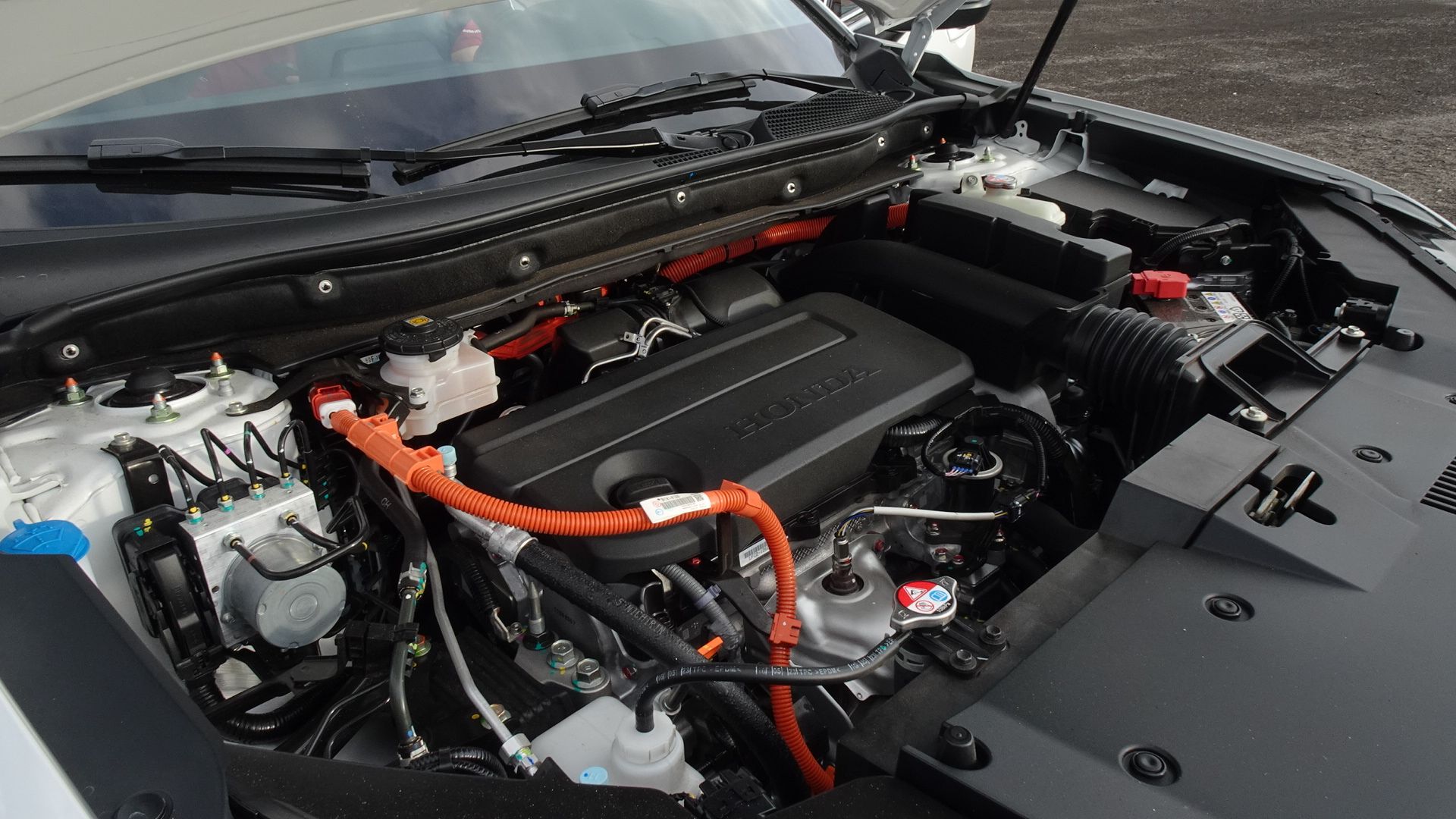
The fifth-gen CR-V’s engine options weren’t exactly brimming with horsepower. Thankfully, that’s been rectified this year. Nowadays, the base engine is now a 1.5-liter turbo that makes 190hp and 240Nm of torque. If you want a little more punch, there’s the 2.0-liter hybrid packing 207hp (combined) and 335Nm of torque (electric motor).
But those are just numbers. How does it feel on the road? We tried out the VX AWD first with its turbo engine. While it doesn’t turn it into a hot rod, it’s easily the fastest CR-V to date. The boost kicks in early and the power brings you to highway speeds effortlessly. The CVT is well matched to the powertrain, minimizing lag as much as possible. Gone are the days that a CR-V takes about ten seconds to get to 100kph.
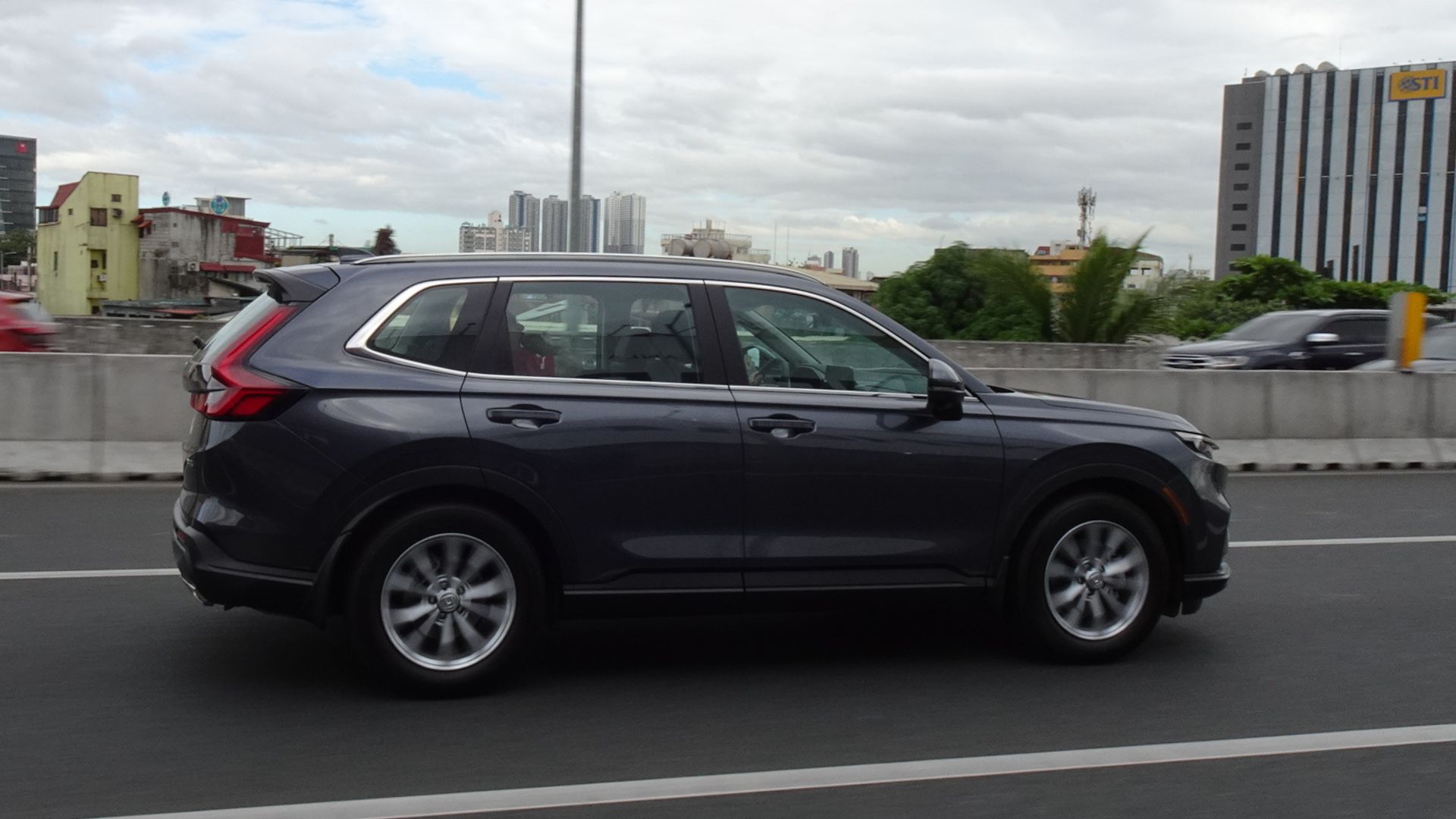
Sure, it’s not quite as efficient as the diesel, but there’s not much of a fuel economy penalty here. It easily gets around 15km/L in highway driving without even hypermiling, and we saw about 12 km/L in mixed driving conditions with the all-wheel drive model. Not bad at all, we say.
Doubts about the hybrid? You should try it first

Honda has been putting the spotlight on the hybrid version ever since the all-new CR-V’s launch. We can’t blame them for pushing that model. After all, it’s the company’s latest interpretation of an electrified powertrain.
We understand if you’re skeptical about it, but we’ll just go ahead and say it: You should try it before you judge it. Because of its lithium-ion batteries, it carries charge longer and the entire system makes a greater effort to run on the electric motor. It’s not quite Nissan e-Power levels just yet, but we were pleasantly surprised to see the car run more on EV mode than on the engine on provincial roads.
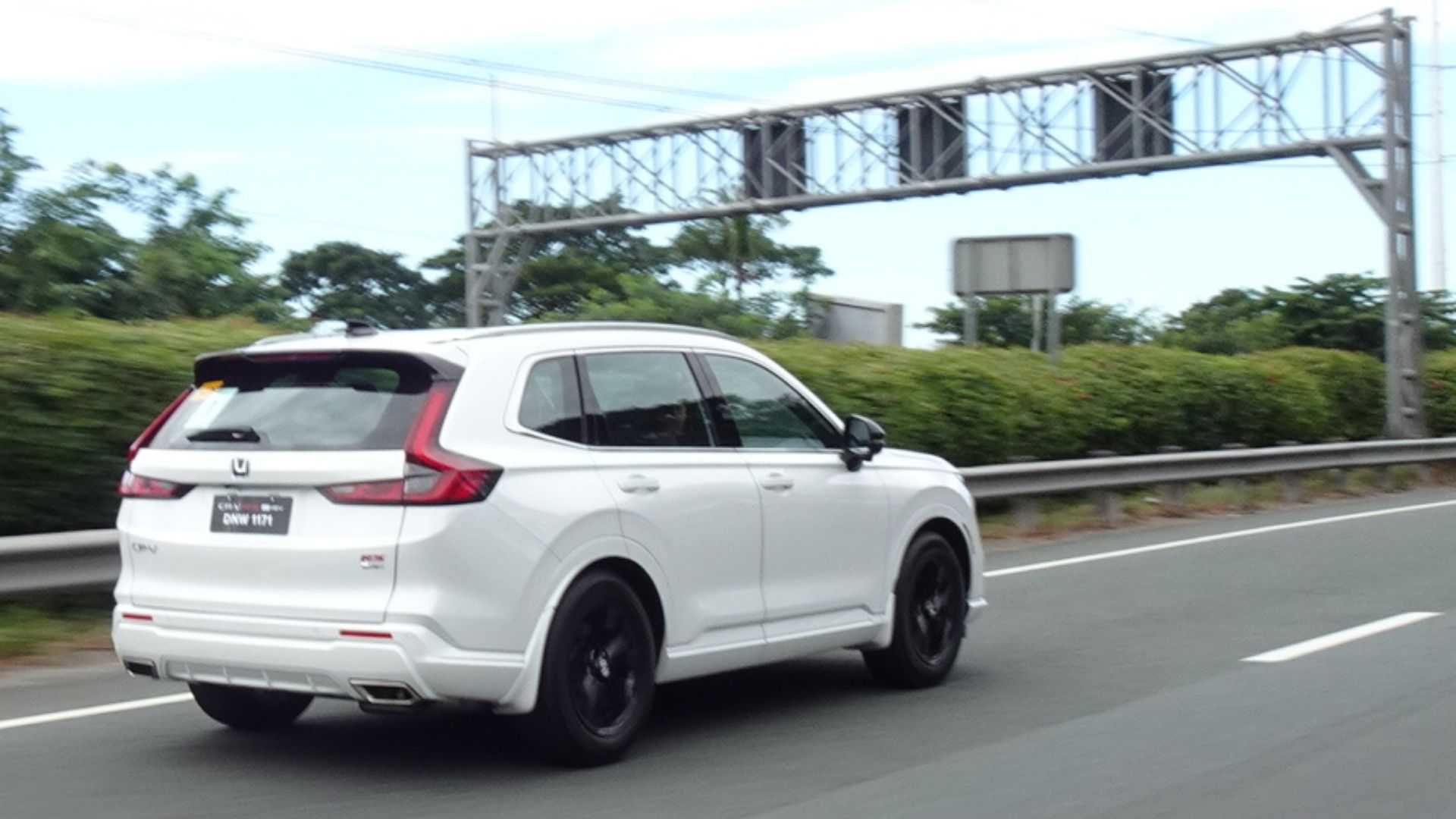
Need proof of its efficiency? One of out colleagues did 16.1 km/L on the twisties, and they weren’t exactly trying to save fuel. Even more surprising is the fact that the car can activate EV mode at highway speeds. Cruising at 100kph, the electric motor would kick in just to save a few more liters. That’s not something a lot of hybrids sold locally can do. Driven conservatively, 20 km/L is possible.
A chassis that's spot on

The CR-V has always been one of the better riding offerings in its segment, but the sixth-gen takes it to a different level. Having soft suspension isn’t the only basis of a car being comfortable. It should also have controlled body motions that stays level for most of the time. A wallowy setup will just make everyone carsick, something that’s not ideal at all.
We drove through a variety of road conditions from city streets, highways, and pockmarked provincial roads. The CR-V remained composed in all those situations, dealing with bumps and road imperfections like it didn’t even feel it. There’s no impact harshness and unnecessary body motions here.
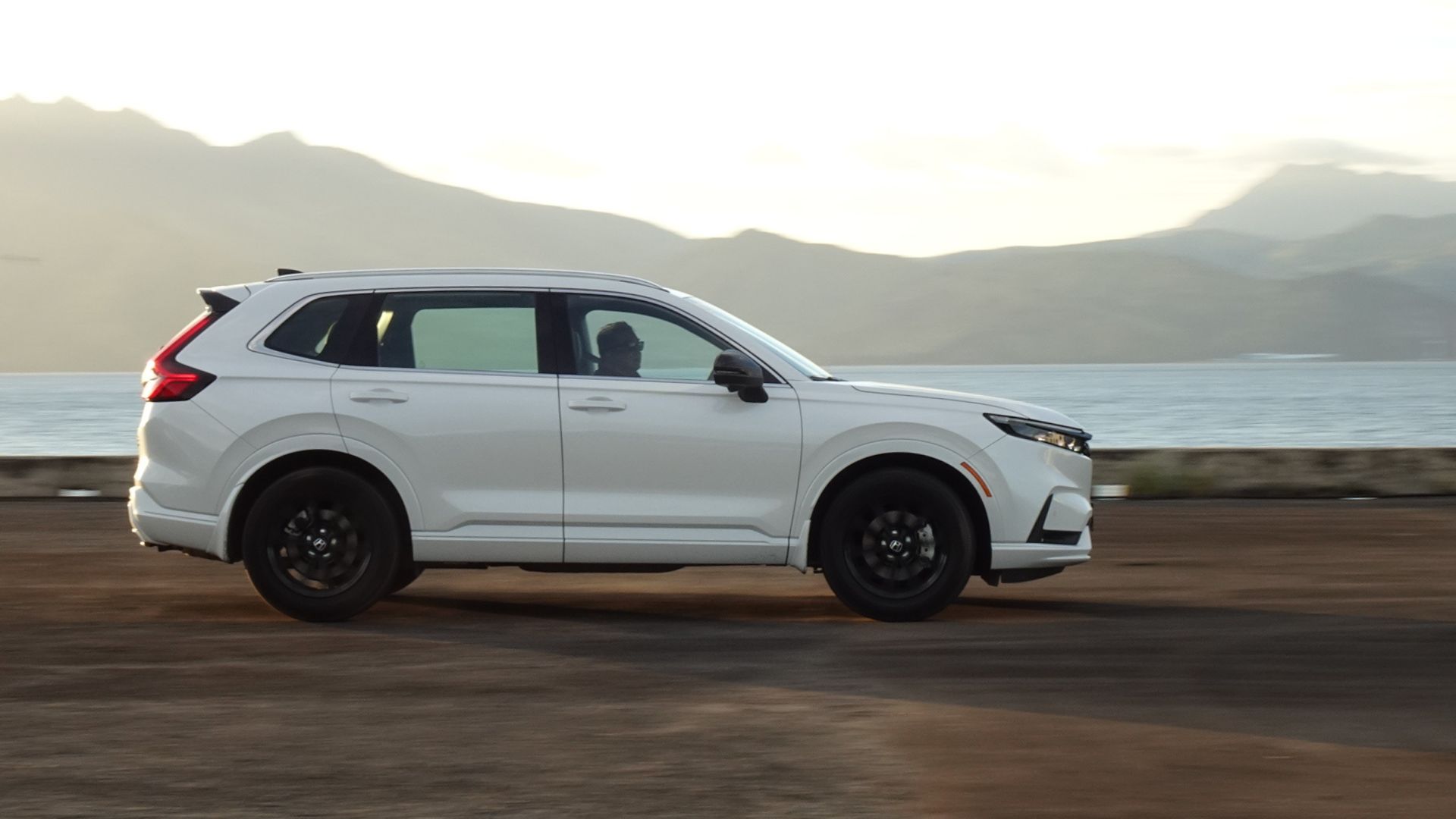
We do have one suggestion to make it more comfortable, and that’s to make it just that little bit quieter. Not a problem in the hybrid, but the turbo models can use a few more layers of sound deadening. It’s not noisy, but it’s not the quietest in its class.
But what’s even more surprising here is the handling. While tuned for comfort, the suspension does a great job of dealing with corners. Okay, it’s no Type R, but the CR-V delivers a high level of confidence to the driver. There was never a feeling of instability or tipping over, even at faster turns. In some corners we took at speed, the stability control light didn’t even flicker, suggesting relatively high handling limits for a crossover.
We’ll go as far in saying that it’s the most dynamic CR-V to date. Sure, the steering can be more communicative, but there’s enough feel and feedback for it to be engaging.
Just what the doctor ordered

The redesigned Honda CR-V addresses a lot of the points for improvement from the past generations, not that there were many. While not intended to be a fast car, we’re glad Honda finally gave it the horsepower and torque it so desperately needed. Though never a tight car inside, the company still bothered to find a few more inches here and there to make it more spacious.
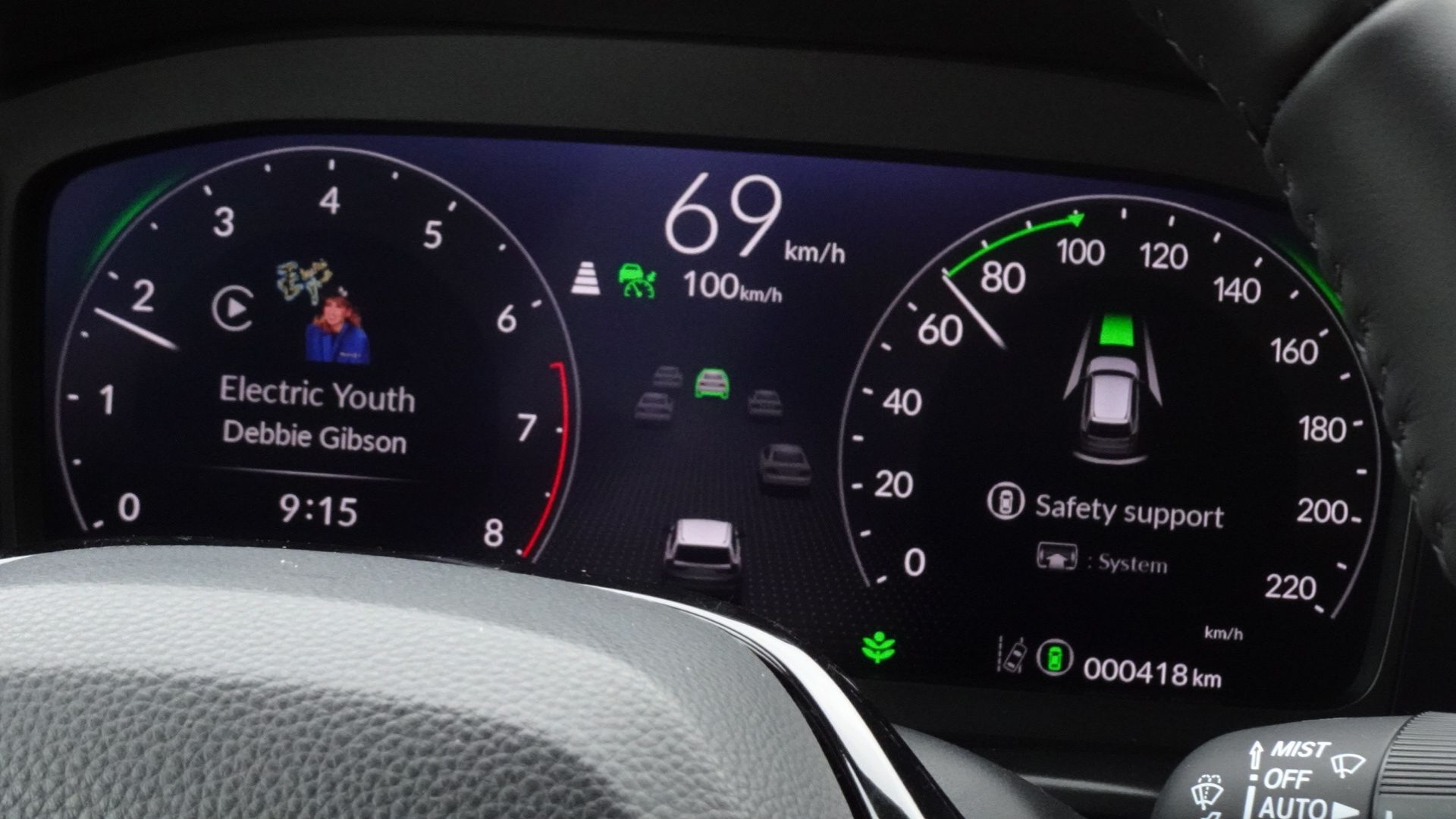
While we’re on the subject of improvements, the infotainment is easier to use as it was one of the sore points of the old model. It also feels better behind the wheel, and using the car’s multi-information display no longer requires excessive button pressing. It seems Honda took all feedback about the previous generation to heart. The result is a product that resolves past shortcomings and improves on other strong points.
For those in the market for a (not so) compact crossover, the all-new CR-V is one you need to try before you buy. Yes, it’s over P2,000,000 now for a base model, but drive one and you’ll feel like it’s worth the price of admission. A car like this with a wide breadth of talent doesn’t come cheap, but it’ll reward you with what is possibly the best all-rounded automotive experience in the market today.
More photos of the 2024 Honda CR-V: