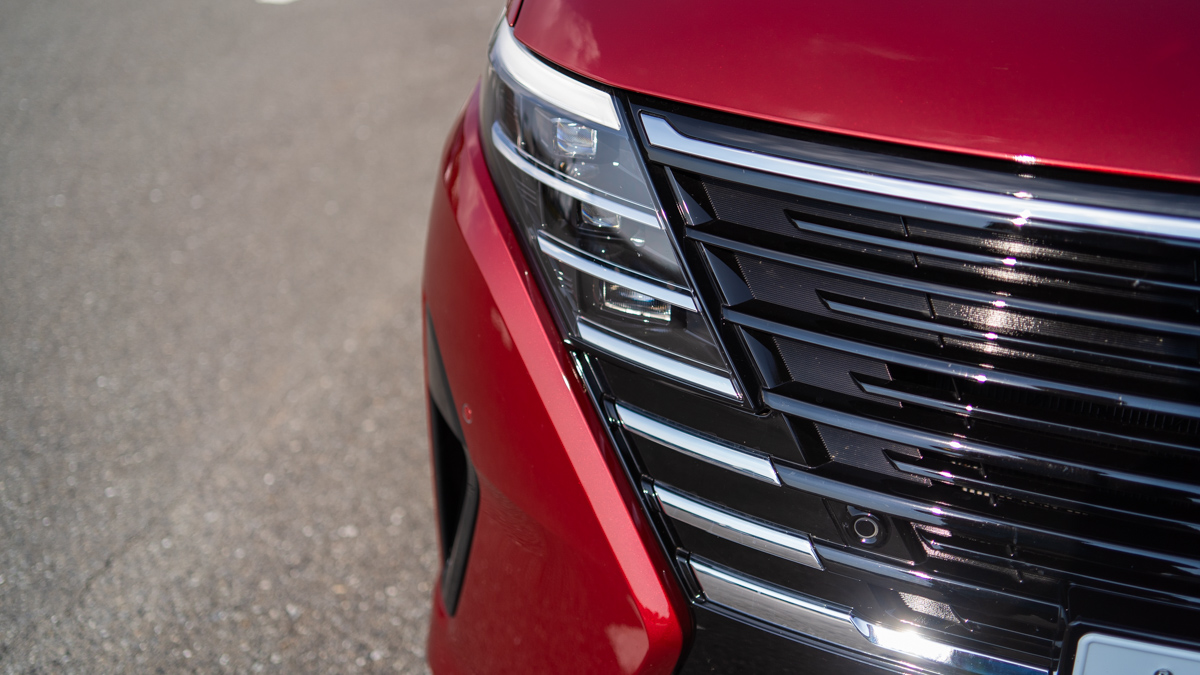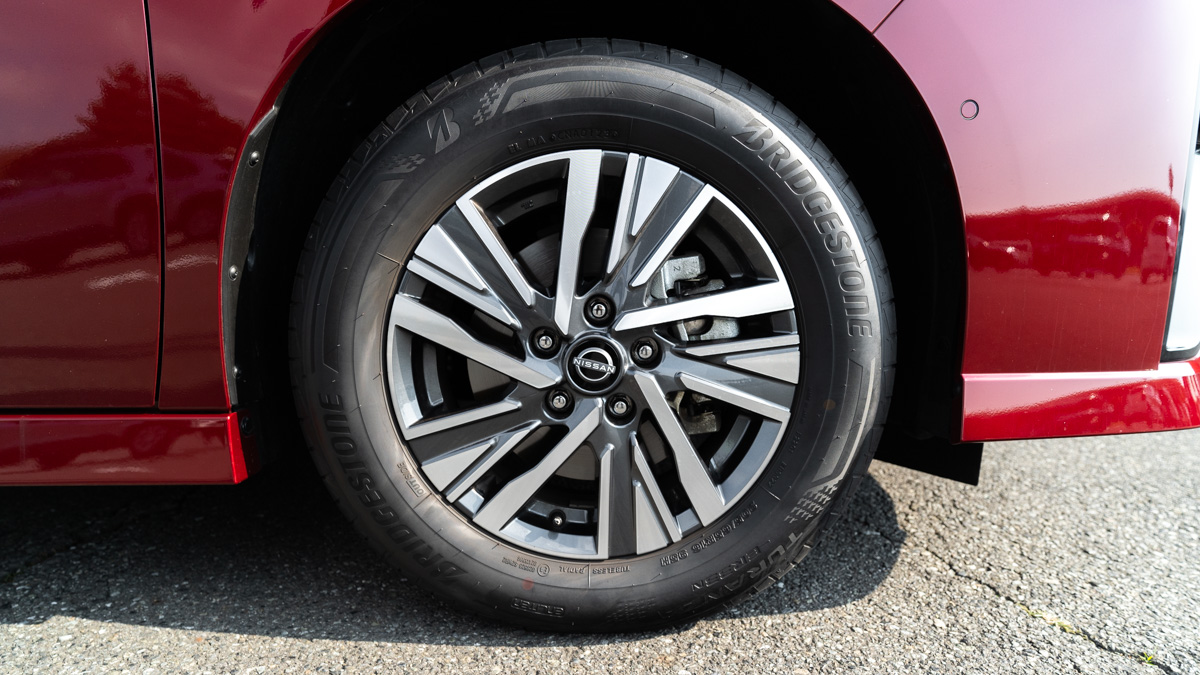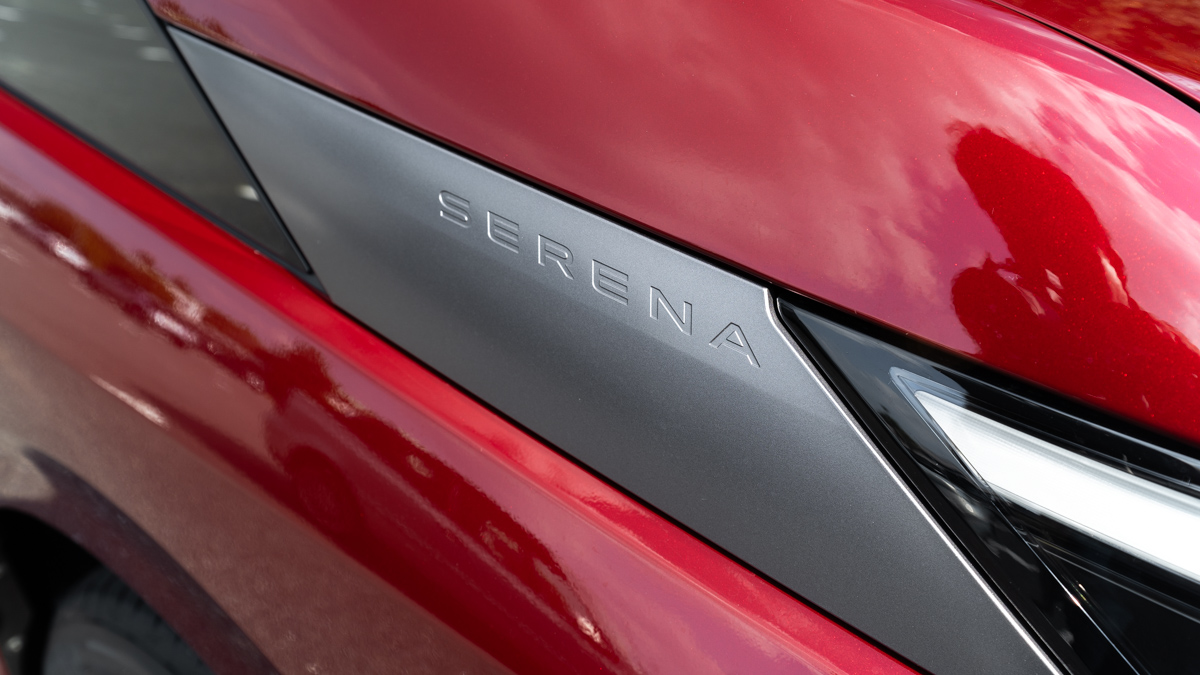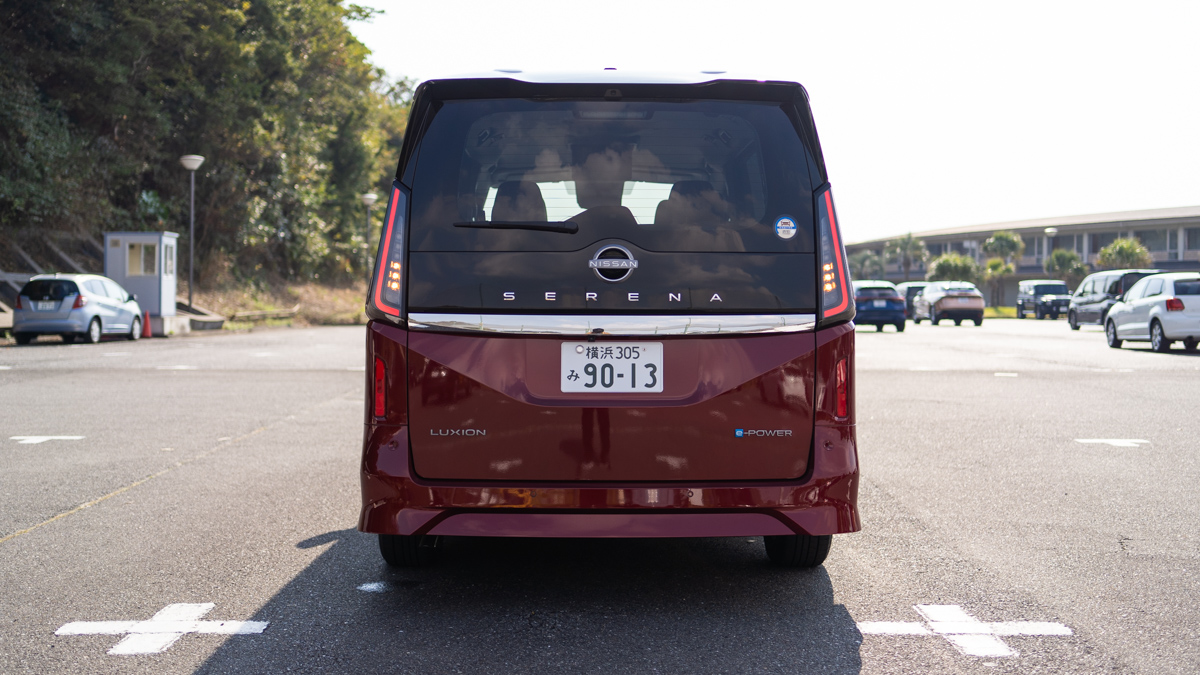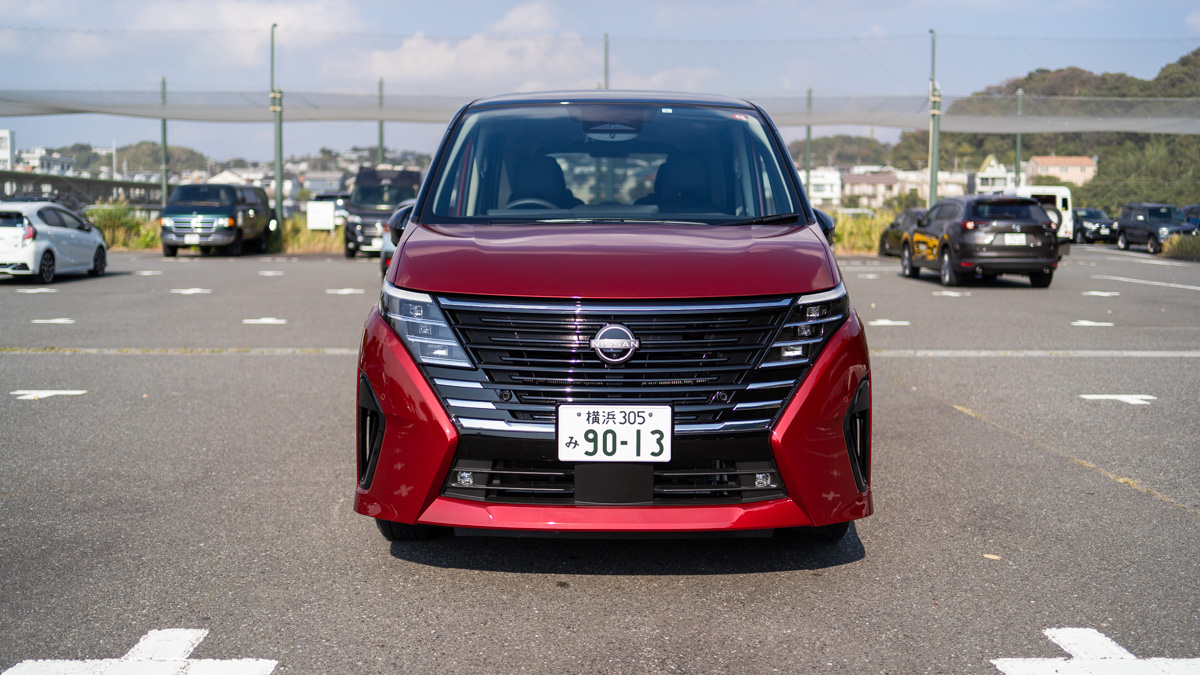

What, the Nissan Serena is back in the country?
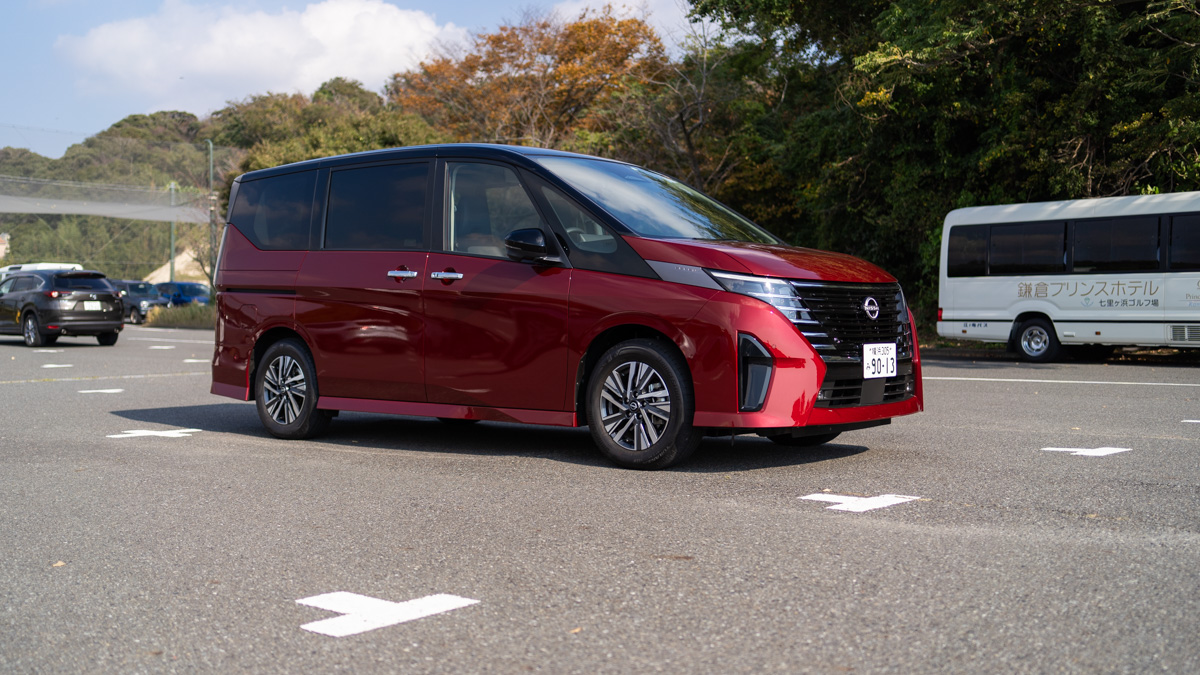
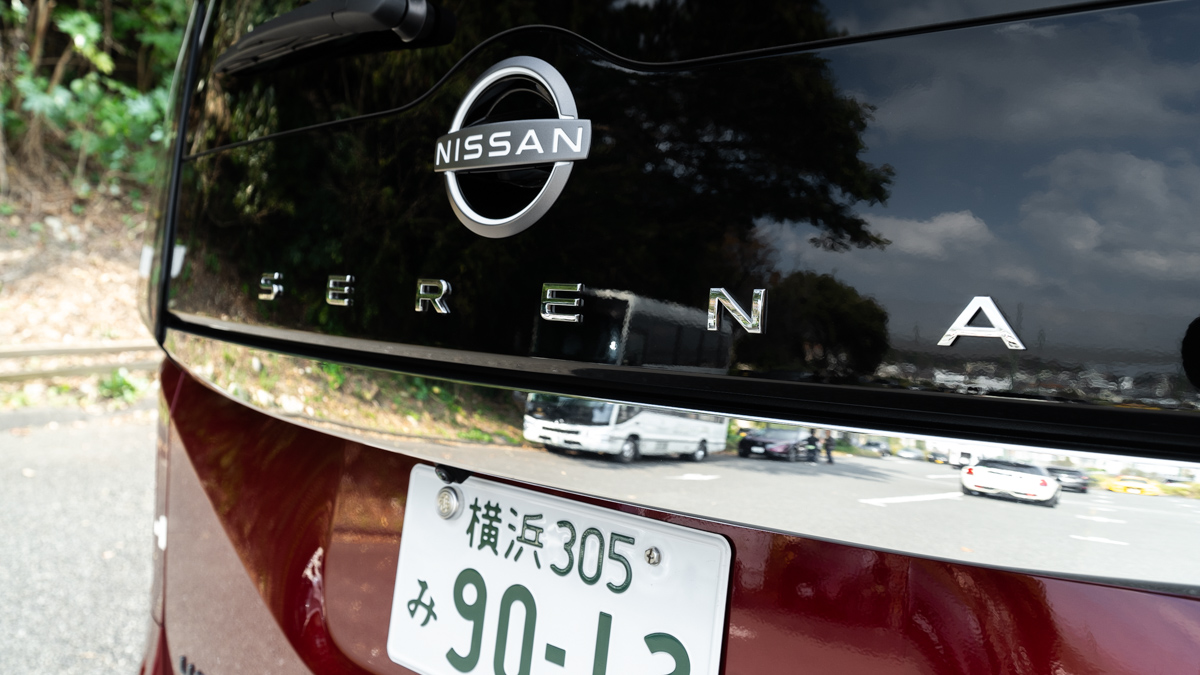
Not so fast. We did drive the current-gen Serena recently, but it was during a side trip after the Japan Mobility Show—one of three Nissans we drove, the other two being the Ariya and the X-Trail. You may have now noticed the Japanese plates on our test car.
And unfortunately, bringing it into our market isn’t that simple, because this iteration of the Serena is limited for sale in Japan and select right-hand-drive countries. We’re told there has to be significant demand to justify the production of left-hand-drive units for markets like ours.
Why would I want one?
People-movers in virtually any segment are popular among Filipino car buyers—we’re not one for going solo or packing light. We like them in MPV, SUV, or minivan form, and judging by the number of clicks our Alphard stories get, it seems this Toyota is an aspirational vehicle for many people.
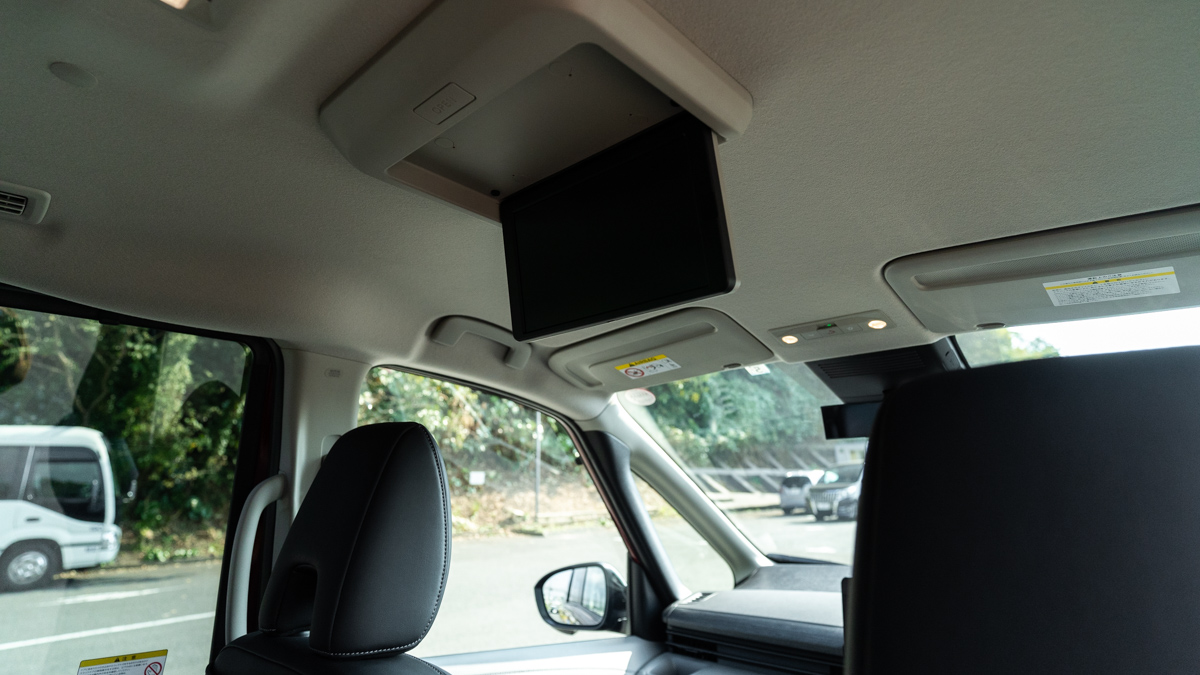
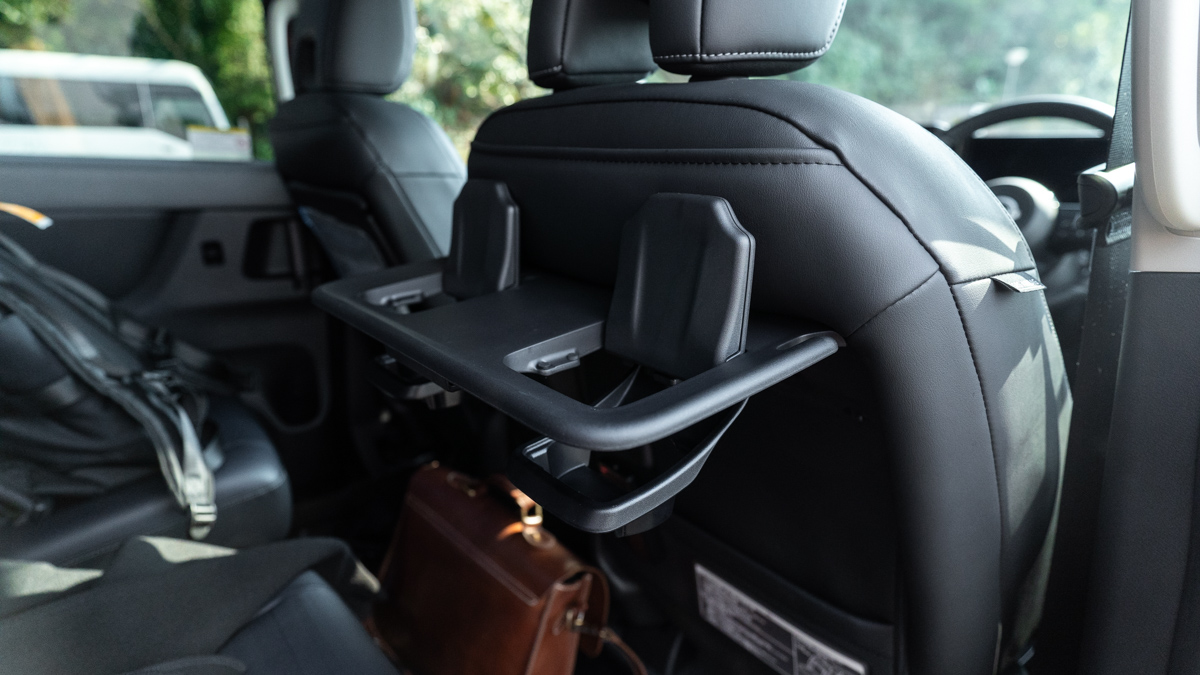
Nissan’s minivan is more upmarket than your typical entry-level subcompact seven-seater, but it doesn’t quite go into the territory of premium vans. Instead, the Serena deftly balances practicality and luxury. While you’ll definitely find more toys and amenities here than in a Livina, don’t bother asking for ottomans or a massage function for the second row.
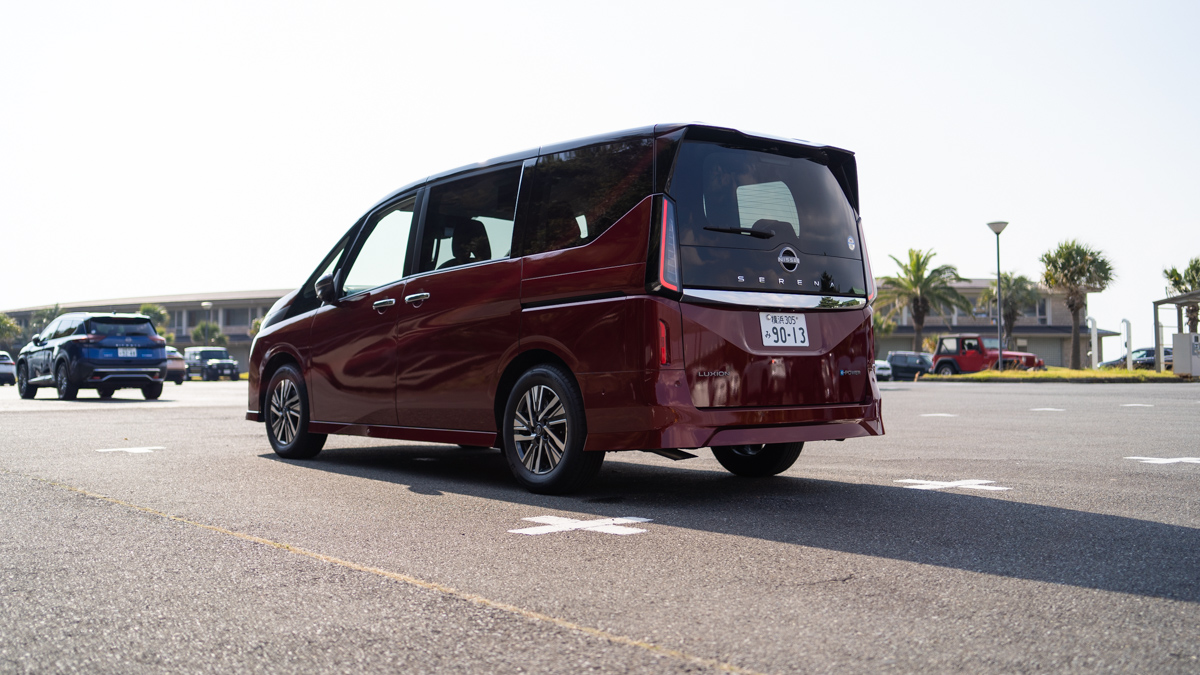
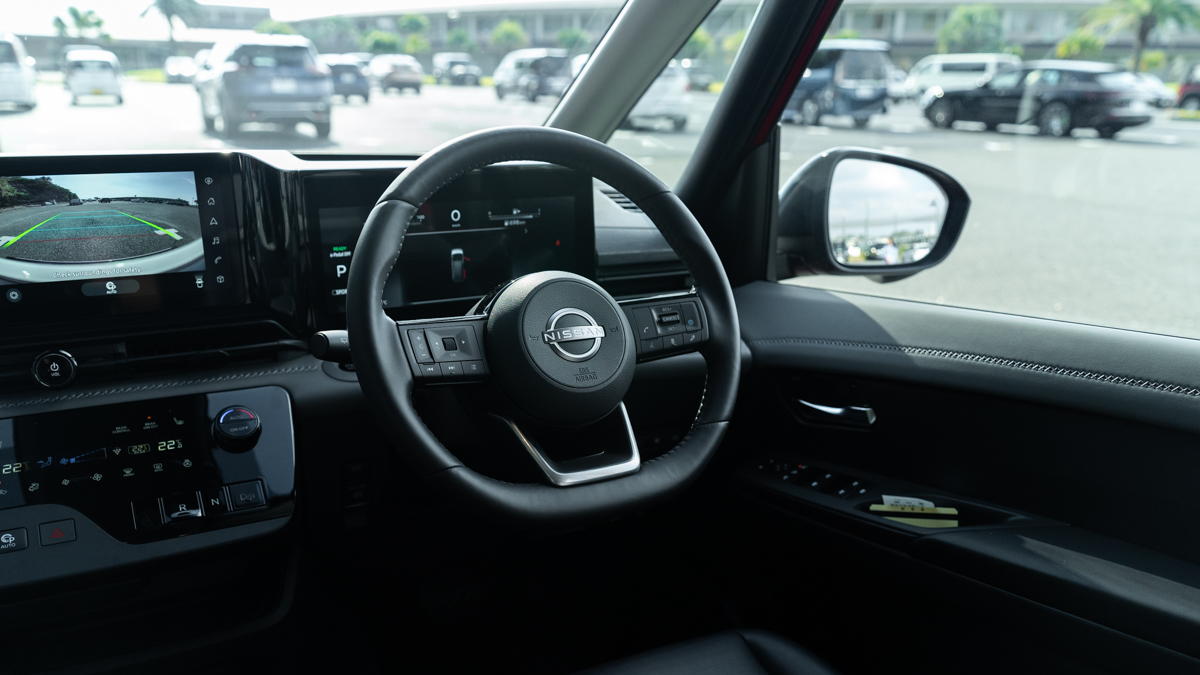
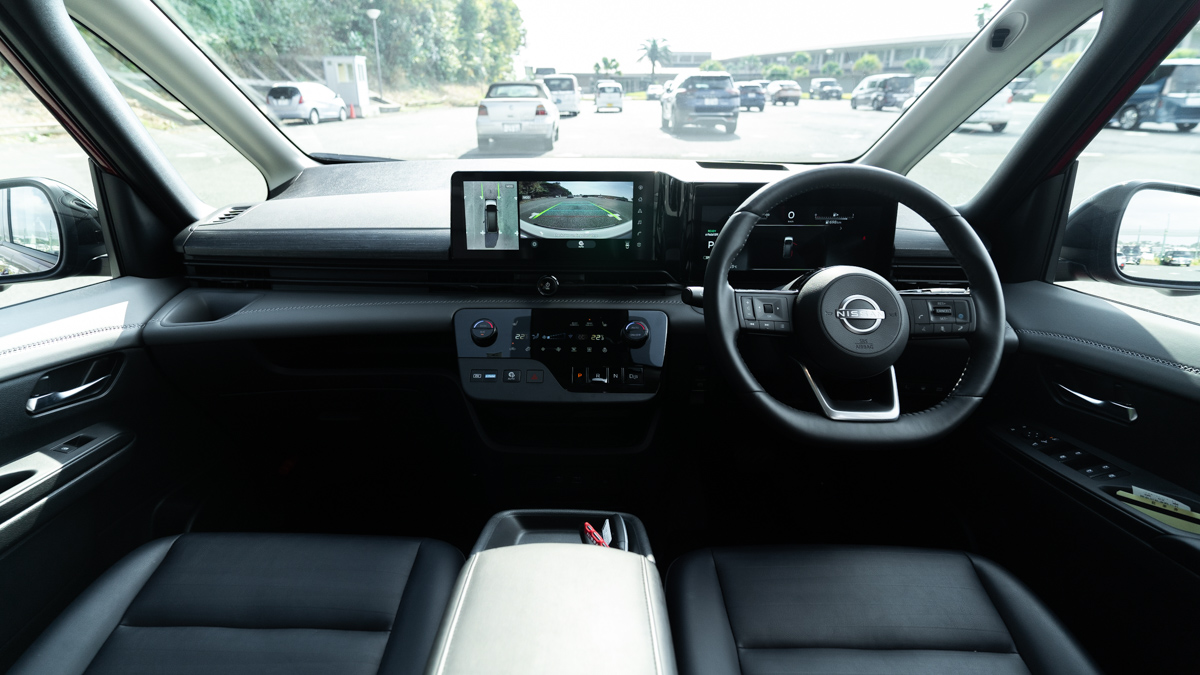
And at 4,765mm long, 1,715mm wide, and 1,885mm tall, it’s very manageable to drive and easy to place exactly where you need it to be. We can attest that this is especially helpful if you haven’t helmed a right-hand-drive vehicle in a while and are forced to find your way around with the help of Japanese Google Maps before you’ve had time to adjust to driving on the wrong side of the road. It’s comfortable to steer around in tight streets, but the tiller doesn’t feel overly light when you’re doing triple-digit speeds on the highway.
You said e-Power? Does this have the same powertrain as the Kicks?
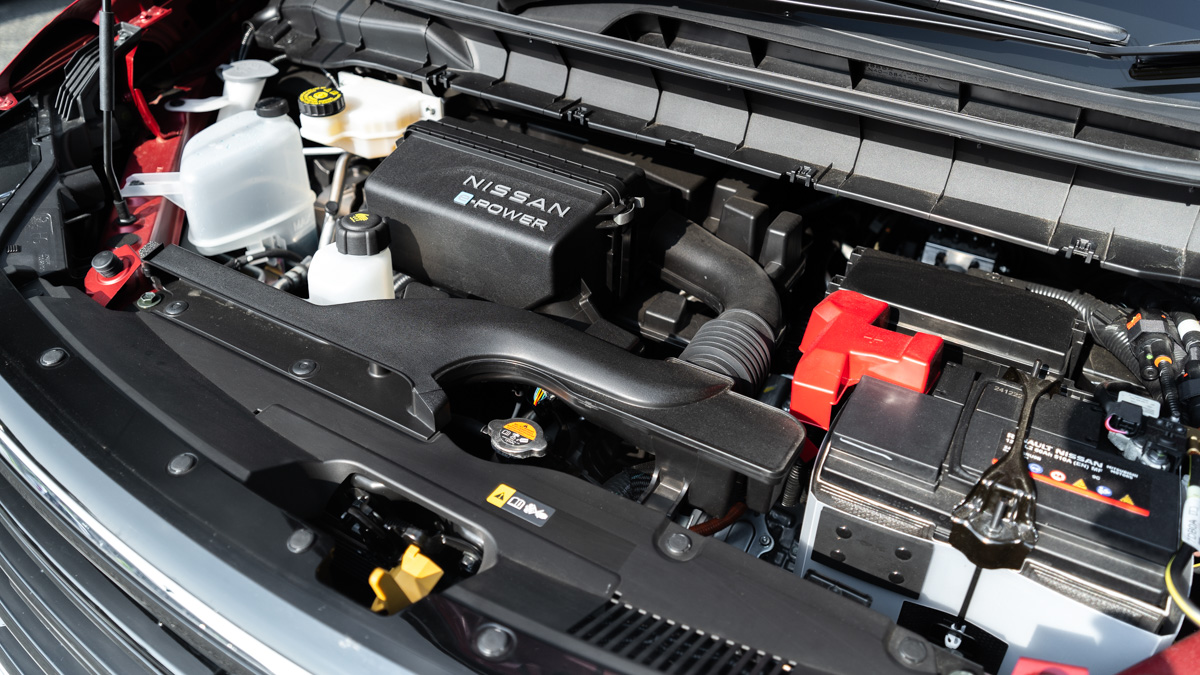
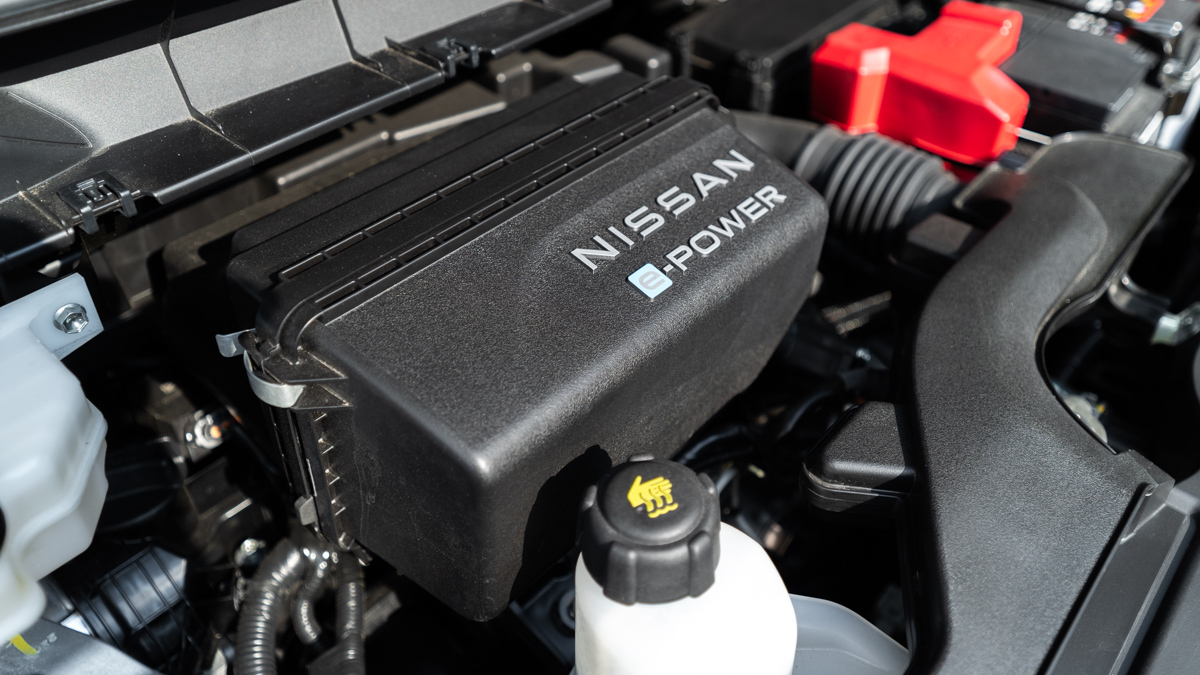
Not totally the same. Instead of a 1.2-liter engine, there’s a 1.4-liter straight-three gasoline unit here. For those still unfamiliar with Nissan’s e-Power hybrid setup, the engine doesn’t drive the wheels directly—instead, it charges the lithium-ion battery that then powers the electric motor.
In the Serena, the electric motor delivers 161hp and 315Nm of torque to the front wheels. That was plenty decent for three passengers on city roads and expressways, although other members of our contingent who drove the minivan on Hakone’s twisties said the engine became progressively louder as the vehicle was hustled along uphill stretches. Otherwise, when the battery was sufficiently charged and we weren’t pushing the powertrain, the engine remained off and the Serena lived up to its name and provided a serene driving experience.
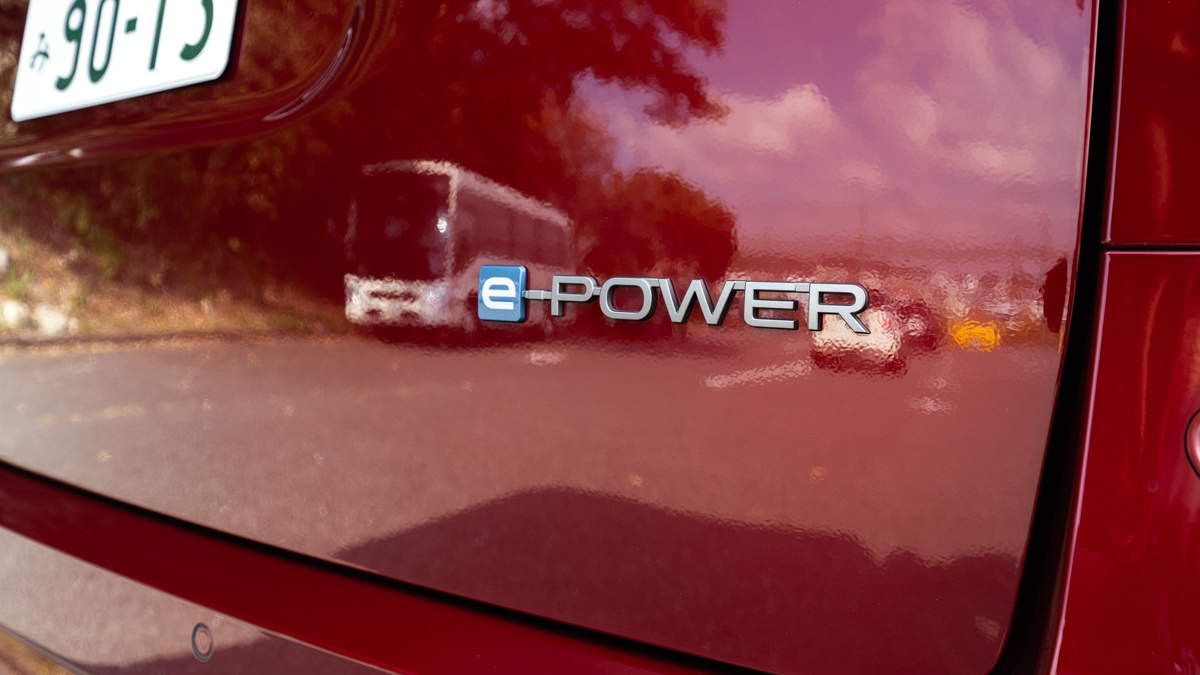
Regenerative braking via the e-Pedal Step also contributes to charging the battery. As with any one-pedal driving mode, it takes a while to get used to. Amid the confusion of navigating from Nissan’s global headquarters in Yokohama to the expressway leading to Kamakura, we forgot to warn our colleague Bryle Suralta from sister publication Esquire Philippines that e-Pedal Step was turned on. He was able to adjust to it, but admitted he was already second-guessing his driving skills initially whenever the regen kicked in as he eased off the accelerator. Our bad.
Is this a legitimate seven-seater?
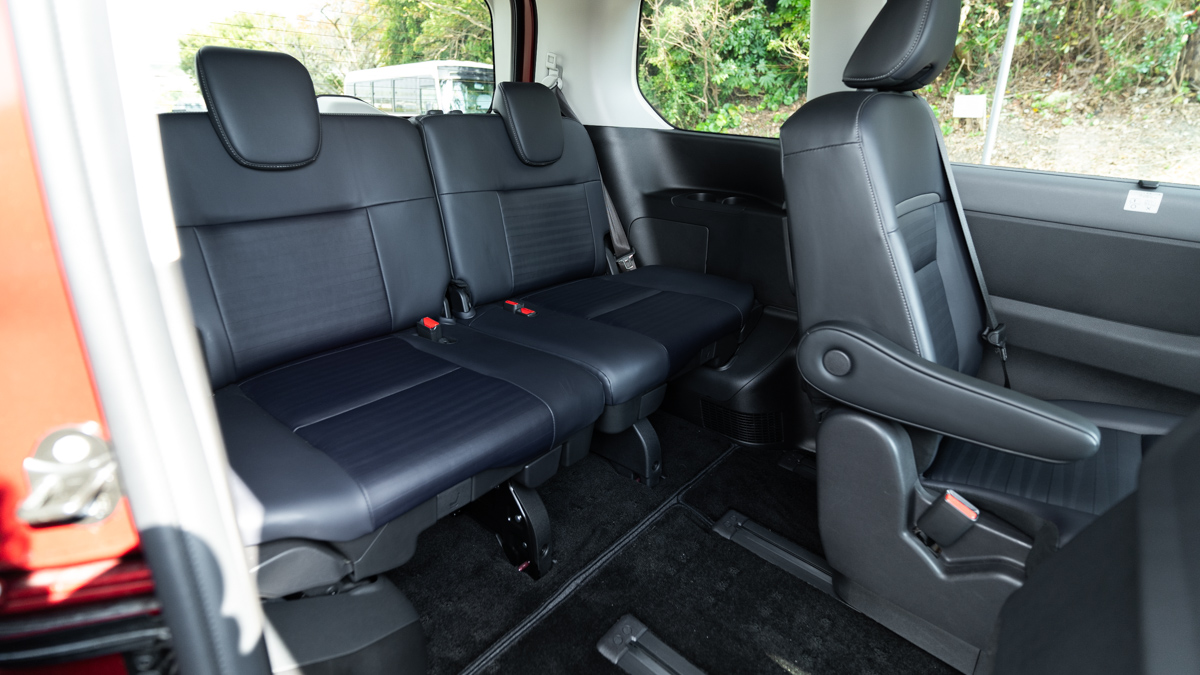
Well...the top-spec Luxion variant we tested could fit two occupants in the front seats, two in the second-row captain seats, and three in the rear bench; in other variants, seating configuration is 2+3+3, for a total of eight.
That said, even a child would probably complain about the middle seat in the last row. Two occupants there would be just about right. I pushed the captain’s seats as far aft as they would go and sat in the very back for a while. The second-row seatback was definitely against my knees (I’m 5’5”), but the raised height of the third row afforded me a view of the road ahead, which removed the feeling of being trapped in the least comfy accommodations on board.
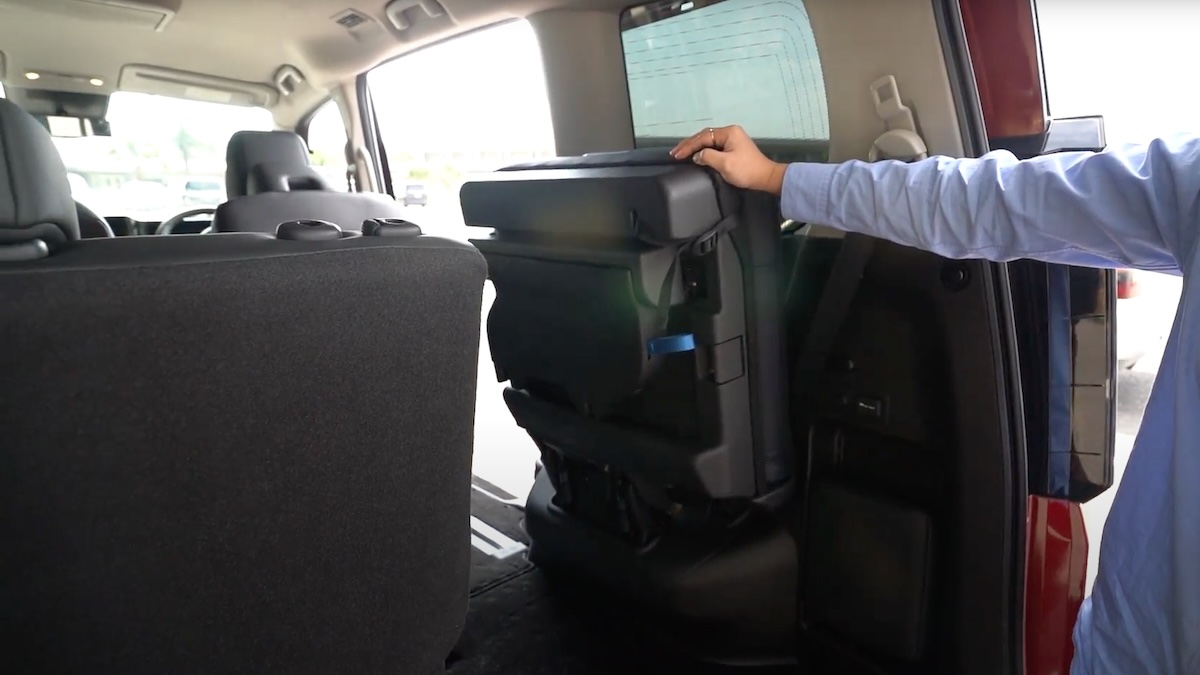
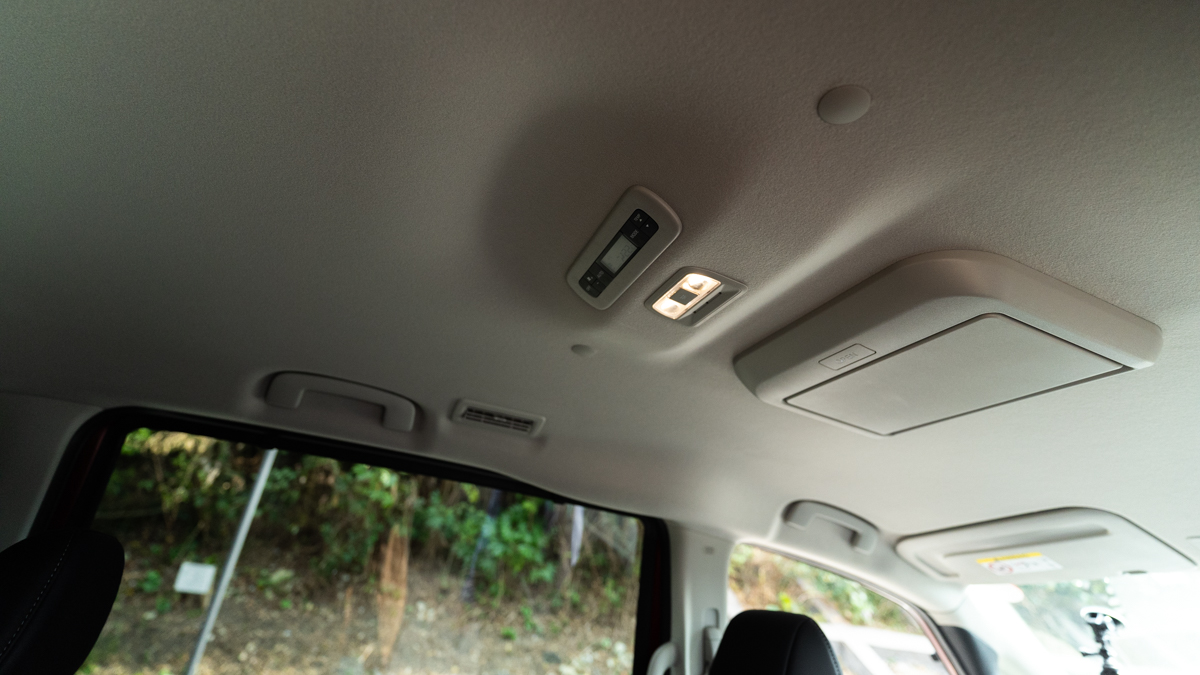
Also, because everything is convenient in Japan, you can actually liberate yourself from the third row without any help from your fellow travelers. You get your own buttons to open the power-sliding side doors, then a lever and a pedal by your feet allow you to move the captain’s seats out of the way. On the debit side, the interior configuration does not permit for the rearmost seats to be folded into the floor—instead, you push down the seatbacks and lift each seat sideways. This does eat into the usable cargo space.
What other toys do I get with it?
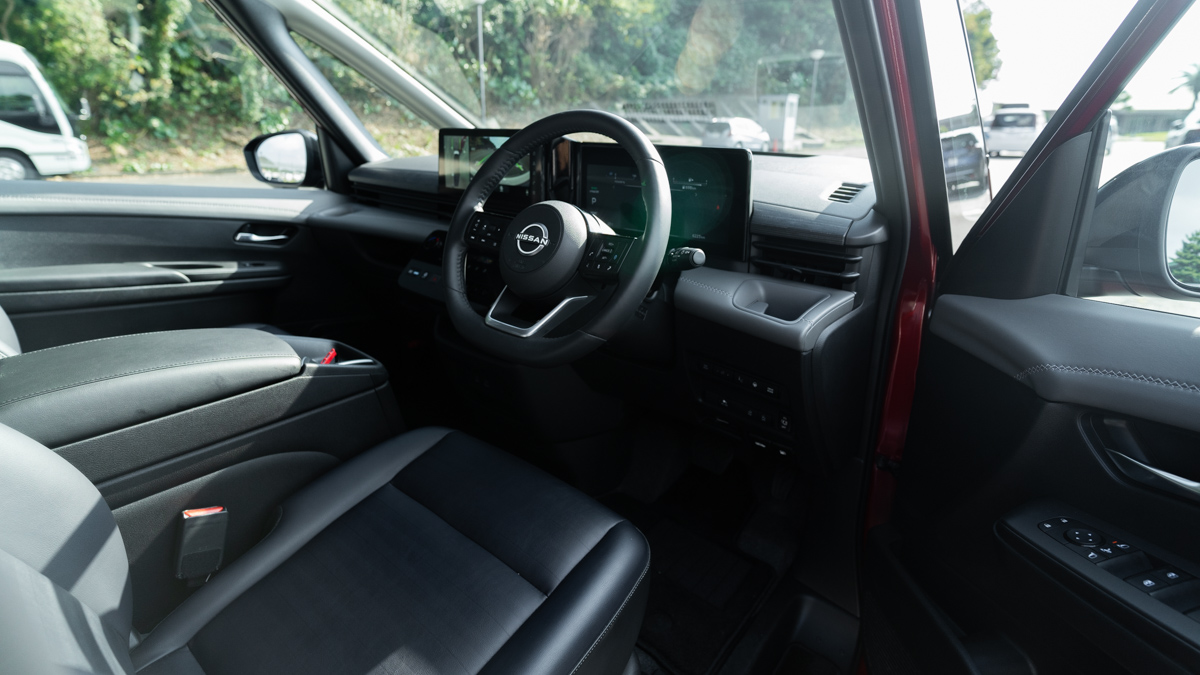
I personally wasn’t able to test ProPilot 2.0 during the couple of hours we had the Serena Luxion, but basically, it allows for hands-free driving within a single lane on designated highways along your set route. All other variants get ProPilot as standard. There’s also park assist, although anyone who has legitimately passed a driving exam should have no trouble parking a boxy vehicle with small overhangs and a massive greenhouse.
How much would it cost?
In Japan, the Serena e-Power starts at ¥3,198,800 (around P1.2 million) and tops out at ¥4,798,200 (roughly P1.8 million) for the Luxion. A gasoline-powered variant with a 2.0-liter engine starts at ¥2,768,700 (approximately P1.03 million). Note that these are just straight conversions and don’t factor in other costs.
For reference, the recently launched Hyundai Custin minivan with a 1.5-liter turbopetrol engine is priced from P1,770,000 to P2,080,000. Not a minivan but offered with a hybrid powertrain option, the Toyota Zenix MPV costs P1,953,000. These are representative price points to aim for, but again, for Nissan to produce the Serena in left-hand-drive, there should be more than enough clamor from markets like ours. And perhaps that’s what Nissan is trying to gauge by having us drive the Serena in its home market.
Personally, we’d really like to see it on our roads. How about you guys—is the Serena something you’d consider if you were in the market for a people-mover?
More photos of the Nissan Serena e-Power 2023: