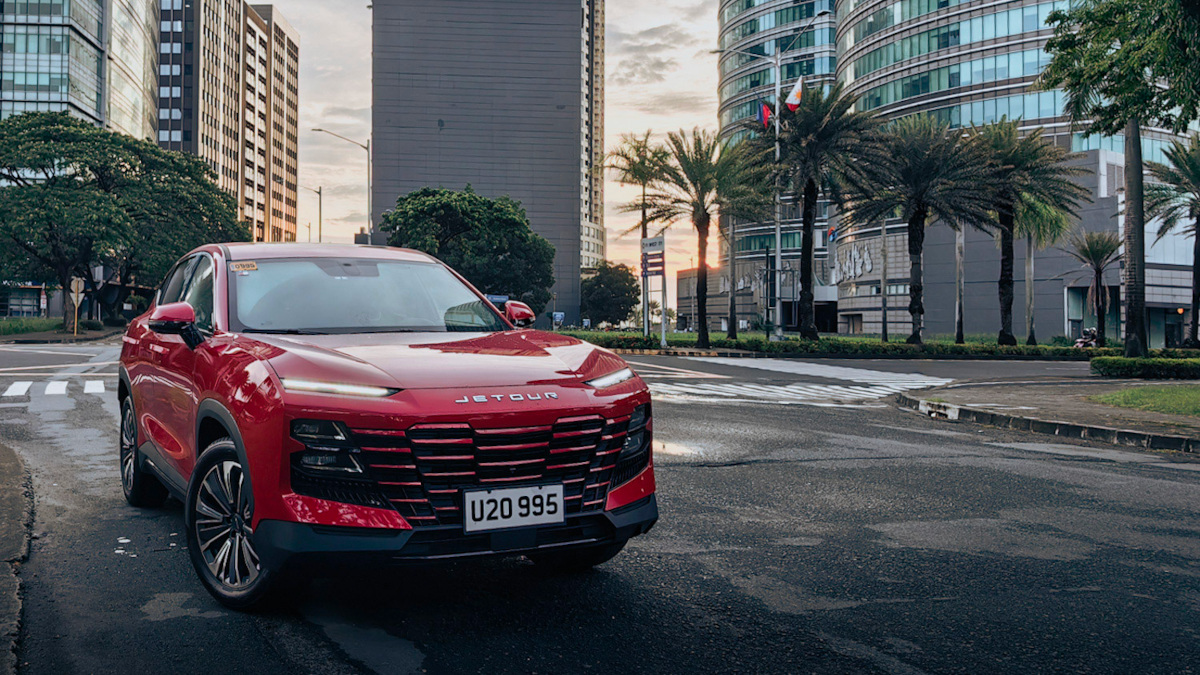
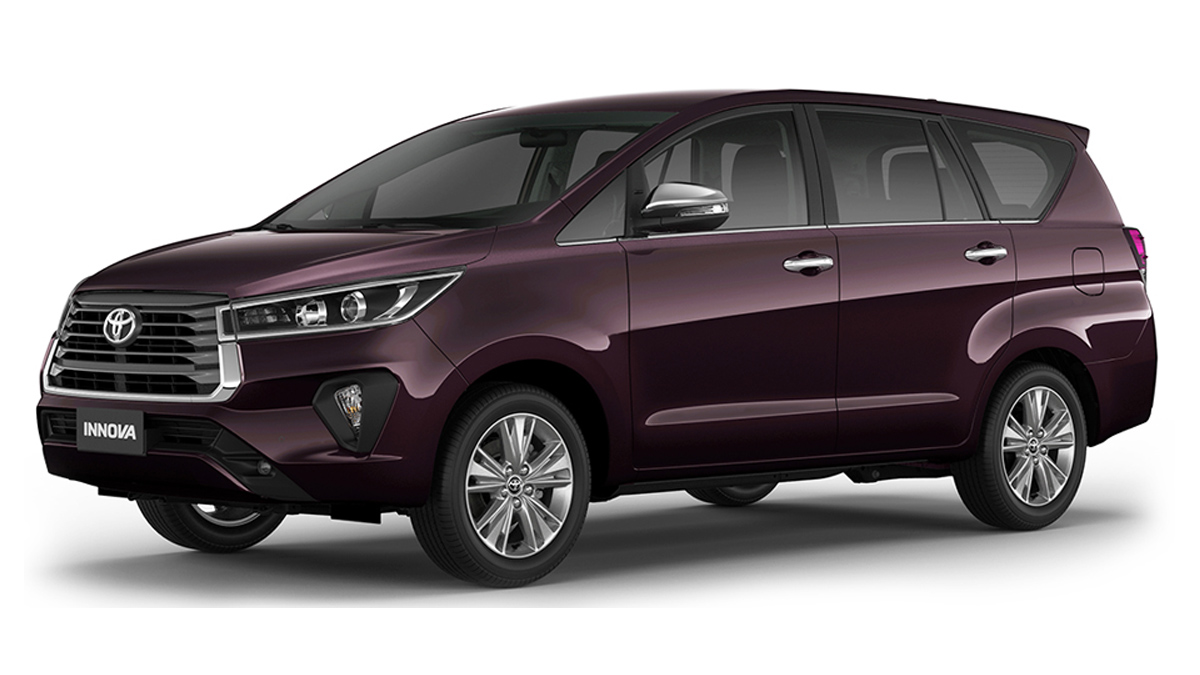

When Toyota premiered the all-new Innova in Indonesia back in November 2022, it was a huge surprise. That’s not because it just came out of the blue, but rather, it was a new direction for the much-loved nameplate. Now called the Zenix in the Philippines, it shares almost nothing with the Innova that many Filipino owners have known and loved since 2004.
Because of that, the traditionalists aren’t happy. For starters, the Zenix doesn’t share its chassis with the Hilux, and it now shares its bones with the Corolla Altis and the Corolla Cross. But perhaps the main reason folks are skeptical about the Zenix is Toyota’s decision to ditch the diesel engine. Raising even more eyebrows is the brand’s move to add hybrid power to its midsize MPV.
Que horror!
OTHER STORIES YOU MIGHT HAVE MISSED:
Report: The Toyota Veloz could be next in line to get hybrid power
Bus lane violators got a rude awakening in recent I-ACT ops
But here at Top Gear Philippines, we’d like to keep an open mind. After all, the only constant thing in life is change, so perhaps it was inevitable that the Innova—sorry, the Zenix—would have a dramatic redesign. Couldn’t Toyota have eased in those changes first? Well, we wish we could answer that, but we’re not the brand’s product planners.
Needless to say, we were pretty amped up when Toyota offered us to take the Zenix out for a short drive. The best part was we got to try out both the ‘regular’ gas-powered V variant and the range-topping Q HEV trim. Finally, we can find out if this new MPV is: 1) worthy of succeeding the Innova, and 2) actually any good.
What’s the Toyota Zenix like from the outside?
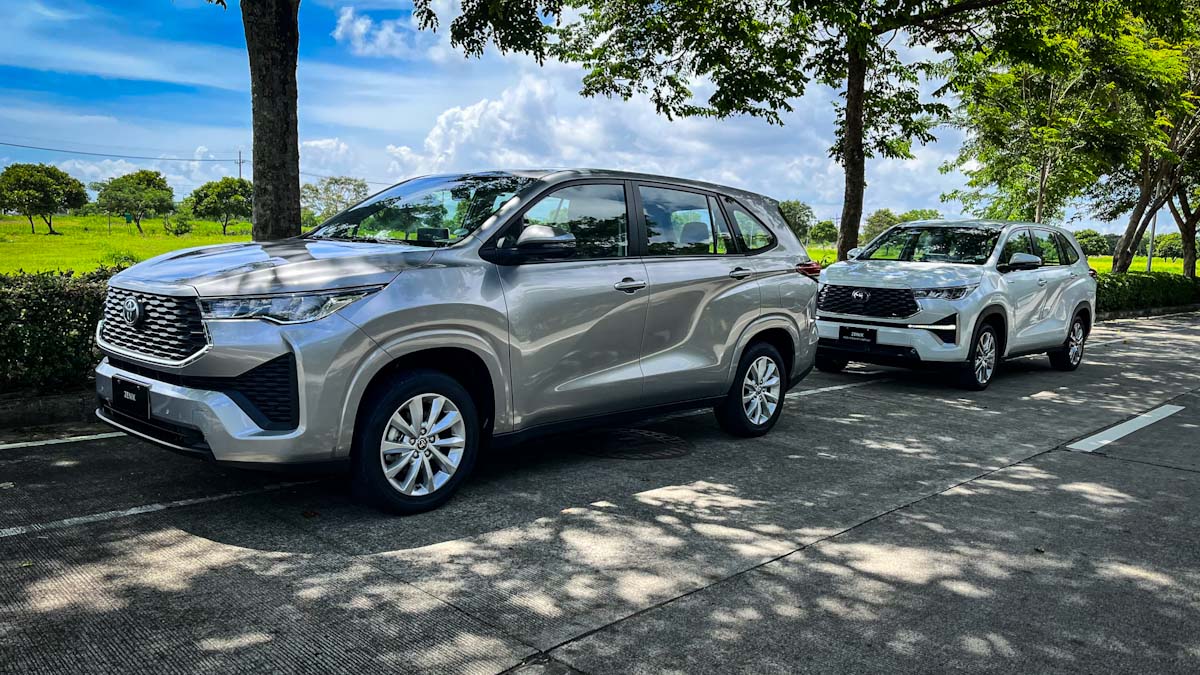
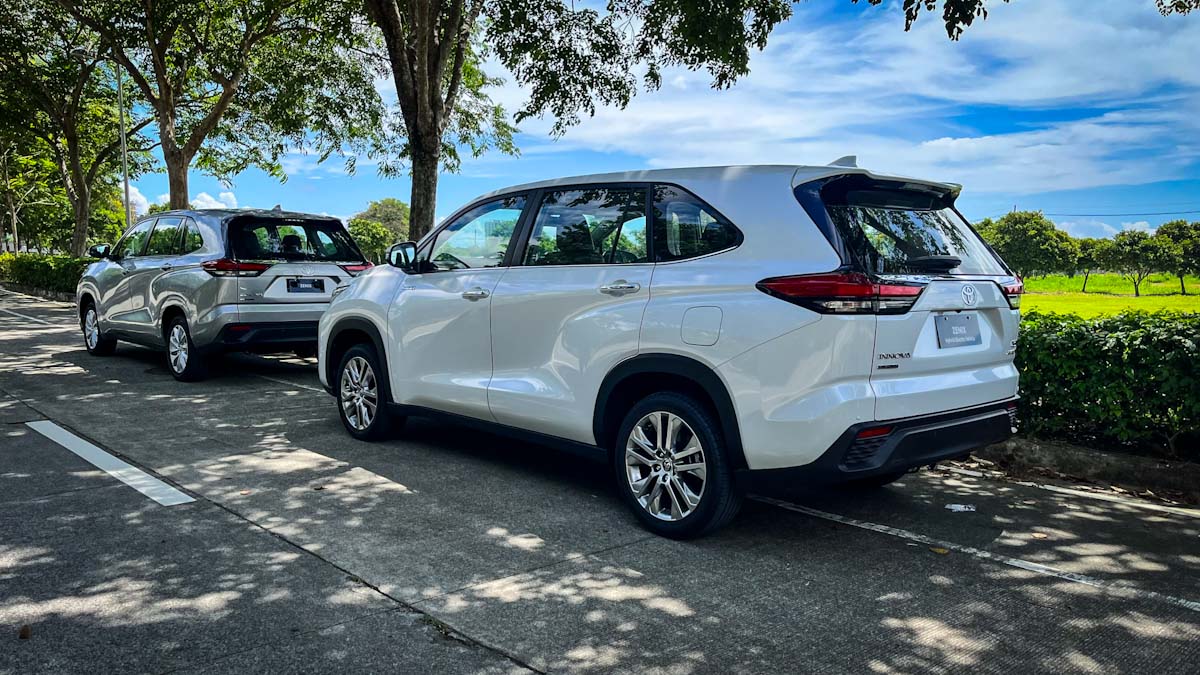
Seeing the Zenix up close, we noticed two things. First, it looks larger than the current Innova. Don’t let the photos fool you. This MPV is noticeably longer and wider than the Innova. The spec sheet confirms that as it’s 20mm longer and 20mm wider than the model it will eventually replace. Sure, that doesn’t sound like much, but the exterior styling gives you the impression that it’s larger than the numbers suggest. It’s a handsome-looking thing, too, well, for an MPV. It now looks more like a crossover than a family school bus.
Another thing we noticed was the presence of an Innova badge. Yes, Toyota Philippines insists on calling it just Zenix, but we like the fact that Toyota left the familiar name there. Well, that’s one way to ease those who don’t want huge changes.
Okay. What about the inside?
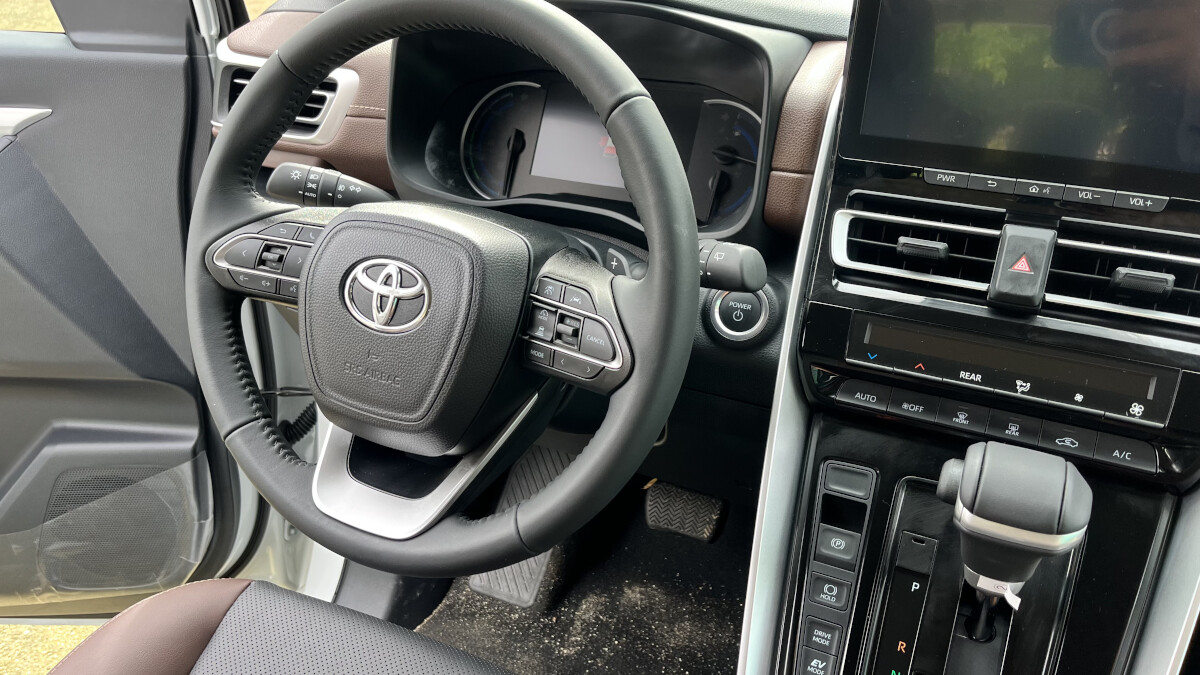
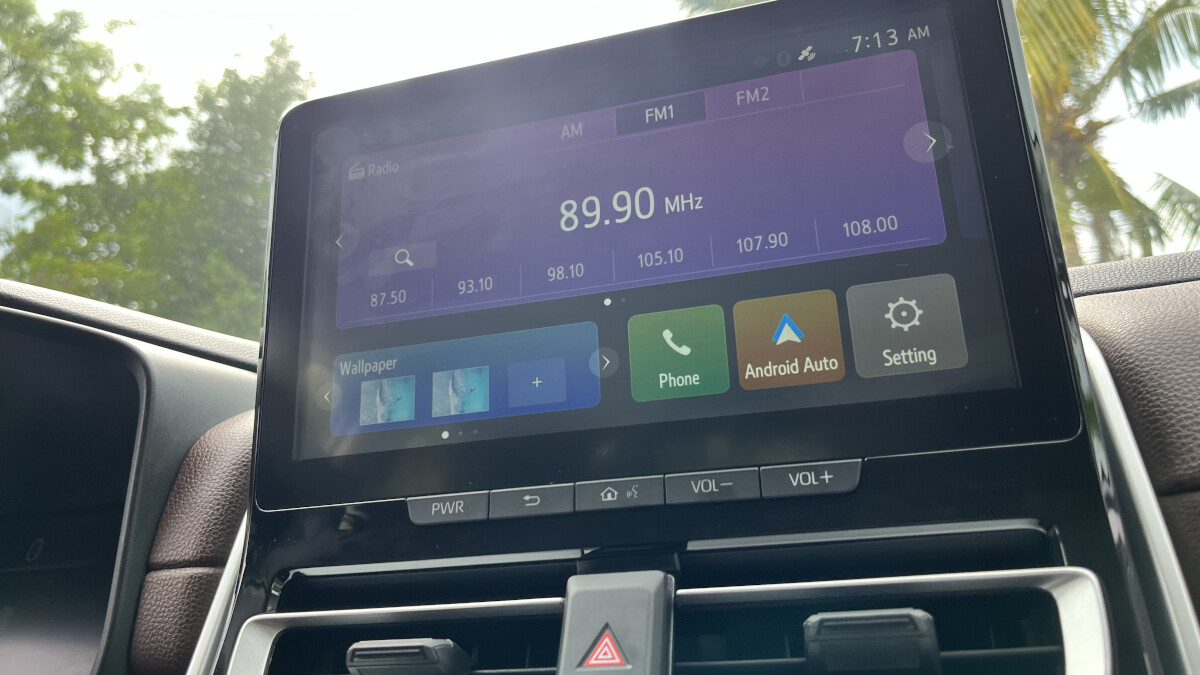
If you think it’s a huge change from the outside, the interior is a quantum leap from past Toyota MPVs and AUVs. Even the not-so-basic variant gets a soft padded dashboard, a two-tone color combination, and cozy captain’s chairs at the back. It also has a sizable touchscreen, a digital instrument cluster, and stacks of storage bins.
Move up to the hybrid variant and it gains leather seats, power seats at the front and rear, power leg rests, and soft paddings on the door tops. There are hard plastic bits here and there, but if you’re coming from the classic Revo and previous Innovas, this is the fanciest interior to ever grace a midsize Toyota MPV.
Features aside, what’s more striking here is the room. Because it’s based on a car platform instead of a truck chassis, the Zenix offers heaps more floor area than past Toyota MPVs. Head-, leg-, and shoulder room are far improved, and the third row is more habitable. Even the cargo space behind the third row isn’t pitiful anymore. Whether you like the shift to a car platform or not, the gains in cabin space are undeniable.
So, what’s it like to drive?
Okay, a bit of a disclaimer: We didn’t do mega miles with the Zenix just yet. It was a preview drive after all. But our short stint behind the wheel proved to be quite a revelation.
If you’re coming from an Innova, the Zenix will be a walk in the park to drive because of its light steering. You won’t need much effort doing three-point turns in it, and the general feel of it is car-like. It’s also quiet and refined, giving you a more relaxing driving experience. If we were to use a current Toyota model as a baseline, it’s nearly similar to the Corolla Cross. The difference is, the Zenix is more comfortable thanks to its larger dimensions.
How’s the power, you ask? Well, the standard 2.0 V is, um, okay. It’s not underpowered, but it requires some effort from a standstill with three people and some equipment on board. If you’re curious about the power ratings, it’s good for 172hp and 205Nm of torque. On-road performance is best described as adequate, and we’re curious to see how it performs with a full load.
As for the 2.0 Q hybrid, it’s much better thanks to a total system output of 186hp and 188Nm from the engine alone. Granted, it doesn’t punch hard from low revs like the old 2.8-liter turbodiesel, but it delivers power in a smoother and more discreet manner. The hybrid won’t pin you to the seat, but rather, it’ll surprise you with how it picks up speed. The only thing you’ll notice is the background moving faster. This, we reckon, is better suited for carrying more passengers and their luggage. As far as family shuttles go, we wouldn’t call the Zenix hybrid slow.
But what’s it like compared to, say, the Innova?
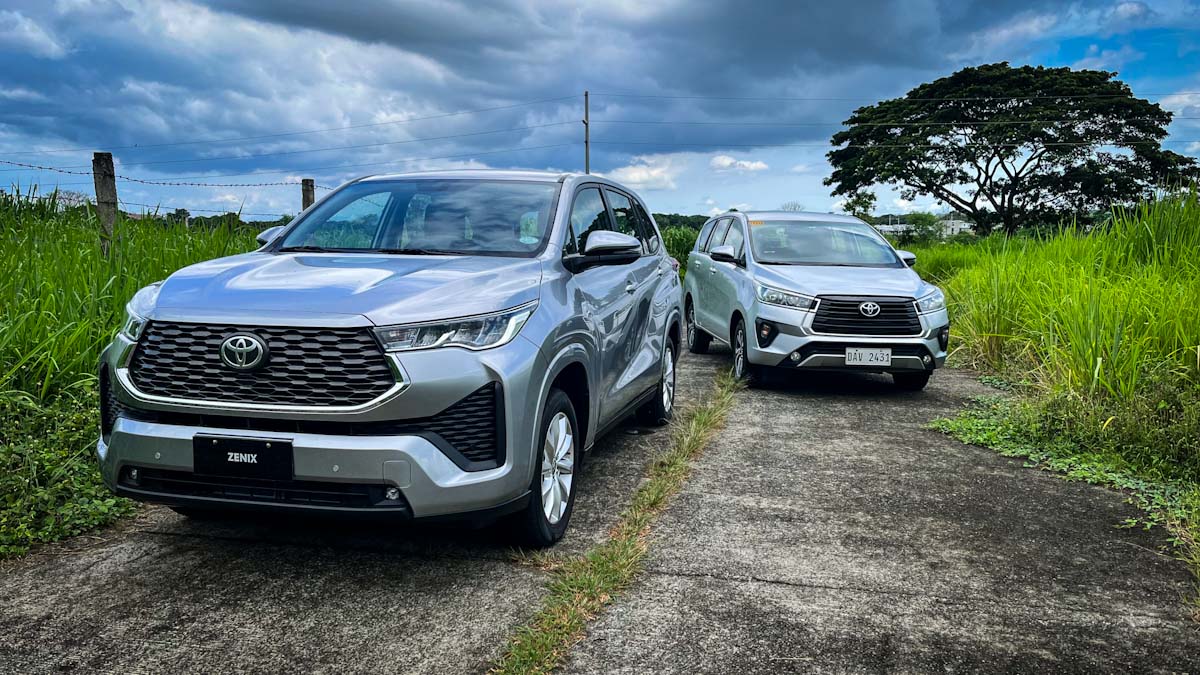
We’re glad you asked because we brought along an Innova for this short drive. After using the Zenix, we hopped into the Innova and the first thing we noticed was the steering. When we first drove it back in 2016, we thought it was well weighted and just right. But times have changed, and it feels like you need more effort to twirl it around.
There was noticeably more vibration seeping into the cabin, as well as more noise because of the diesel engine. But where the Zenix absolutely thrashes the Innova is in ride and handling. The body control of the Zenix is far more composed than the Innova with less heaving and pitching on wavy roads.
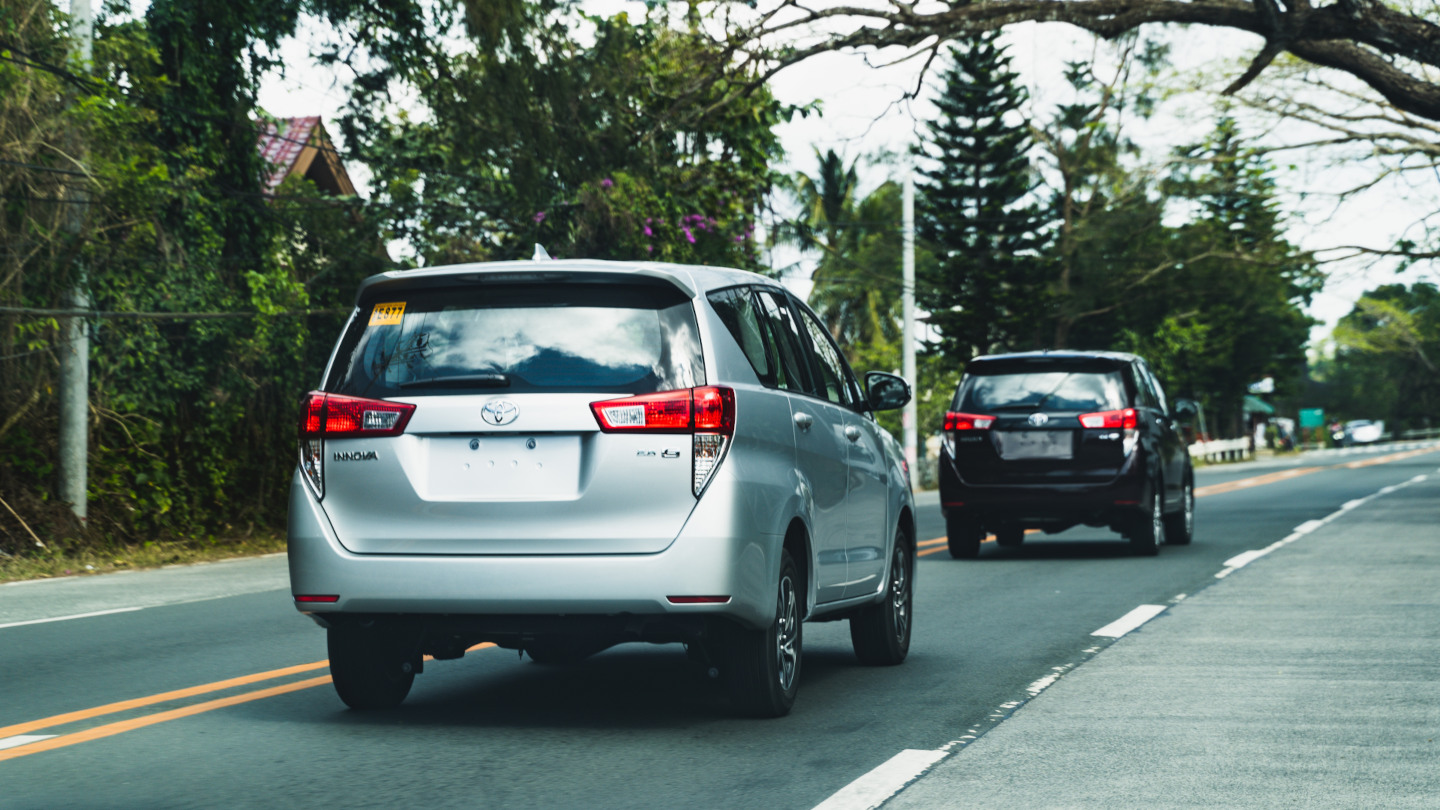
In terms of handling, it was easier to hustle the Zenix around and more confidence-inspiring than the old truck-based MPV. That said, the diesel from the Innova is still impressive and pulls like a train when you press power mode. If you want to stick to diesel power, Toyota is still selling the Innova alongside the Zenix, so there’s no need to start panic buying.
What’s not to like?
We honestly don’t mind the lack of a panoramic sunroof in the Zenix. However, the lack of a bench seat option for the second row might turn away prospective customers. Here’s hoping Toyota will release an eight-seater version down the line, ideally with the hybrid powertrain. We think a 2.0 G HEV variant would be a lovely addition. It’s also worth pointing out that the 2.0 V doesn’t come with Toyota Safety Sense, so there’s no adaptive cruise control or autonomous emergency braking. If you want those features, you’ll have to go for the 2.0 Q HEV.
Is history repeating itself?
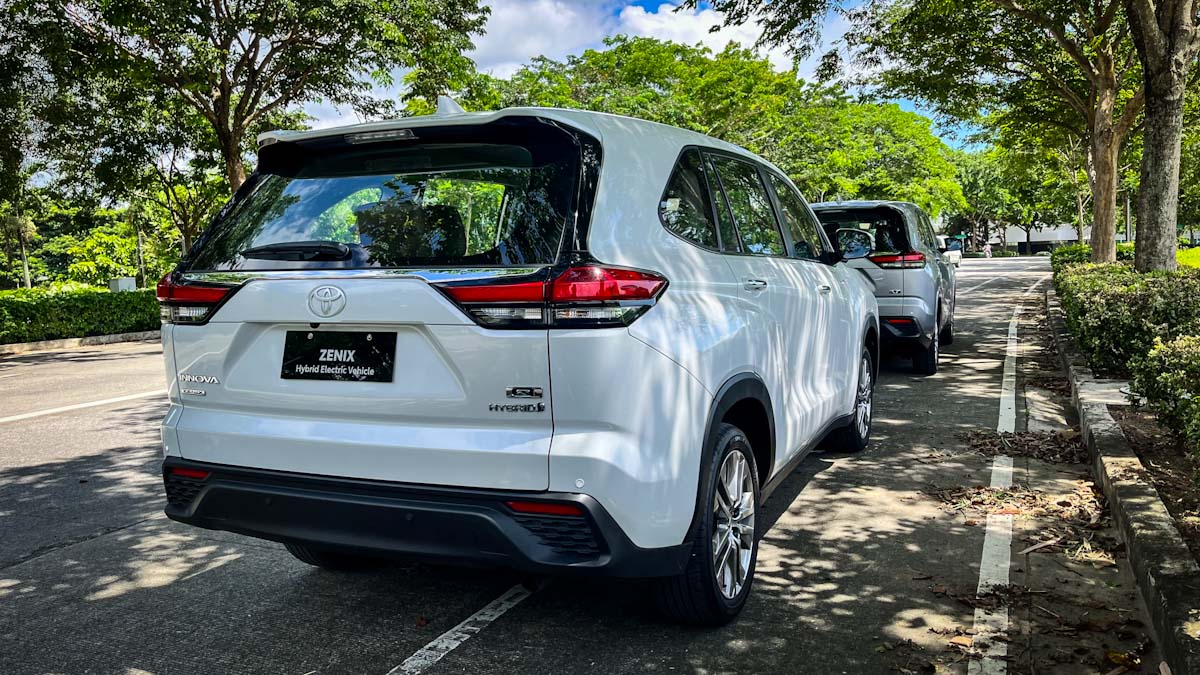
Toyota is at a crossroads with its new midsize MPV. It’s a bit like the time when the Innova first burst into the local auto scene with the intent of eventually replacing another beloved nameplate, the Tamaraw FX Revo. The Innova at the time had a somewhat mixed reception because of its minivan-like looks and the loss of a 10-seater variant.
Like the first-generation Innova, the Zenix needs to prove its worth against a skeptical crowd and be attractive to a new generation of car buyers. The Innova was able to overcome that, and given our first impressions, the Zenix has all the potential to do that as well.
Postscript
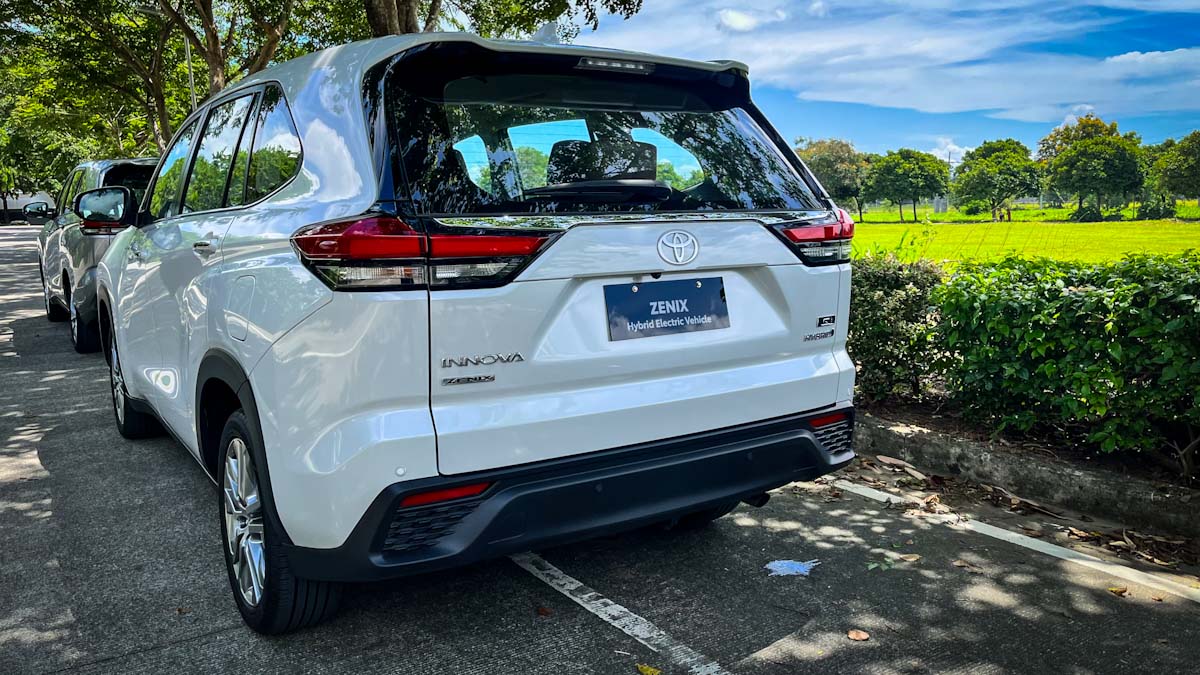
While we were filming the Zenix, we noticed strange behavior from traffic. Oncoming vehicles were slowing down with drivers craning their necks for a better look. Cars behind us refused to overtake just so they could look long and hard at this new MPV. Who would’ve thought that a family bus would attract that much attention?
But if the Zenix becomes a sales success, we reckon this will become the background of any scene and be the Philippines’ next pambansang photobomber.