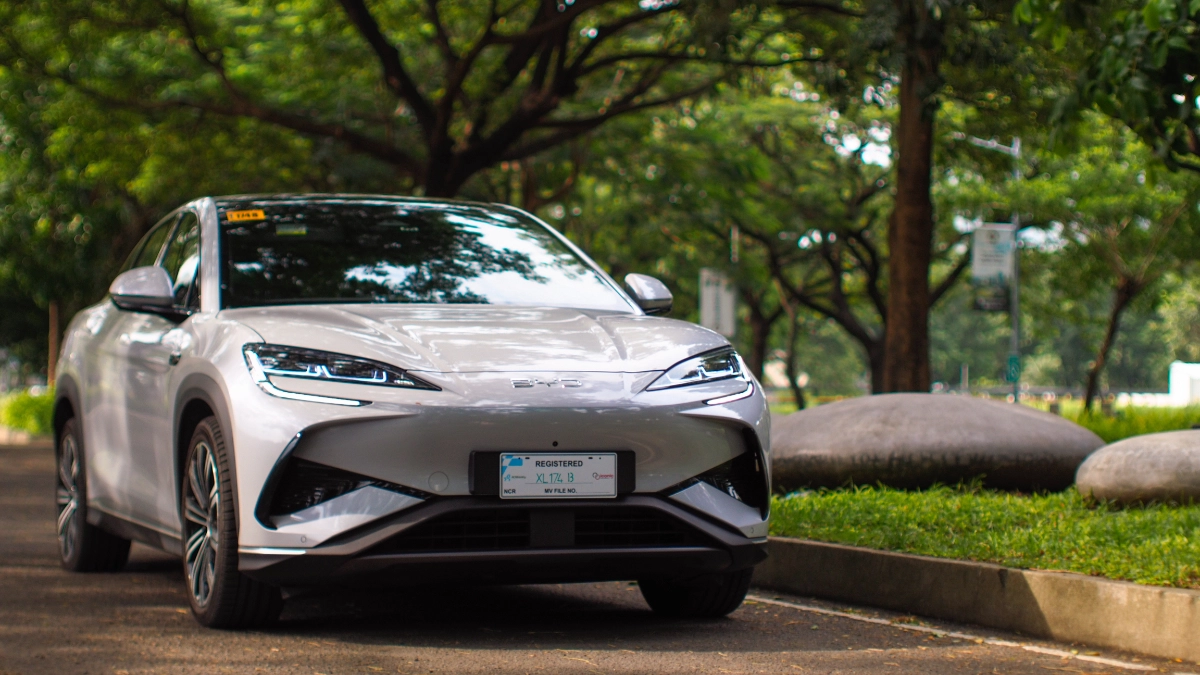

Seems like every time you blink, there’s a new BYD product out on the market. Or, failing that, a new variant of a new product, as the carmaker tries to stuff every single market segment and sub-segment, every last inch of grocery shelf, with new EVs, HEVs, and PHEVs.
The BYD Sealion 7, on the other hand, is not just shelf-stuffing. This is a top-shelf, front-of-the-store display item meant to lure buyers into the dealership. And it promises a lot: This car brings a level of performance and luxury we’ve not seen in regular BYD cars yet. Yes, the Tang exists, but the Dynasty cars are a level higher, a mid-tier premium product slotting between BYD and the Denza luxury brand. The Sealion 7, on the other hand, is the new flagship for BYD’s ‘mass market’ cars.
And at P2.6 million, this car is set to take the fight straight to the Teslas and Toyotas of this world.
Styling
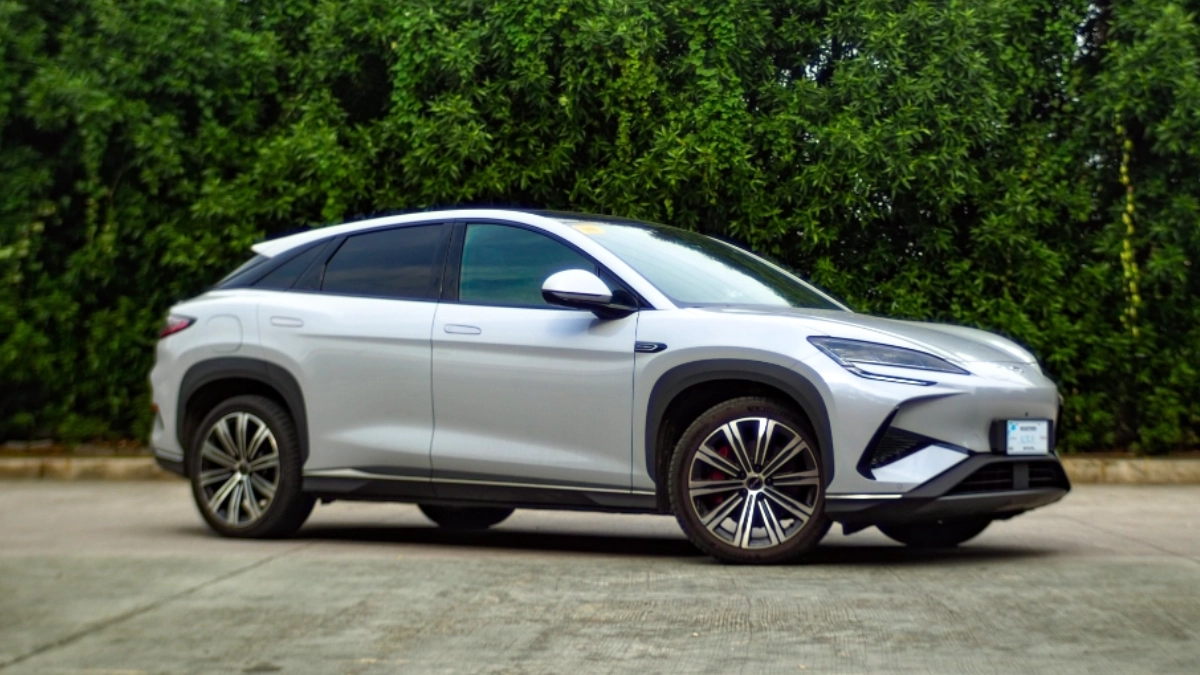
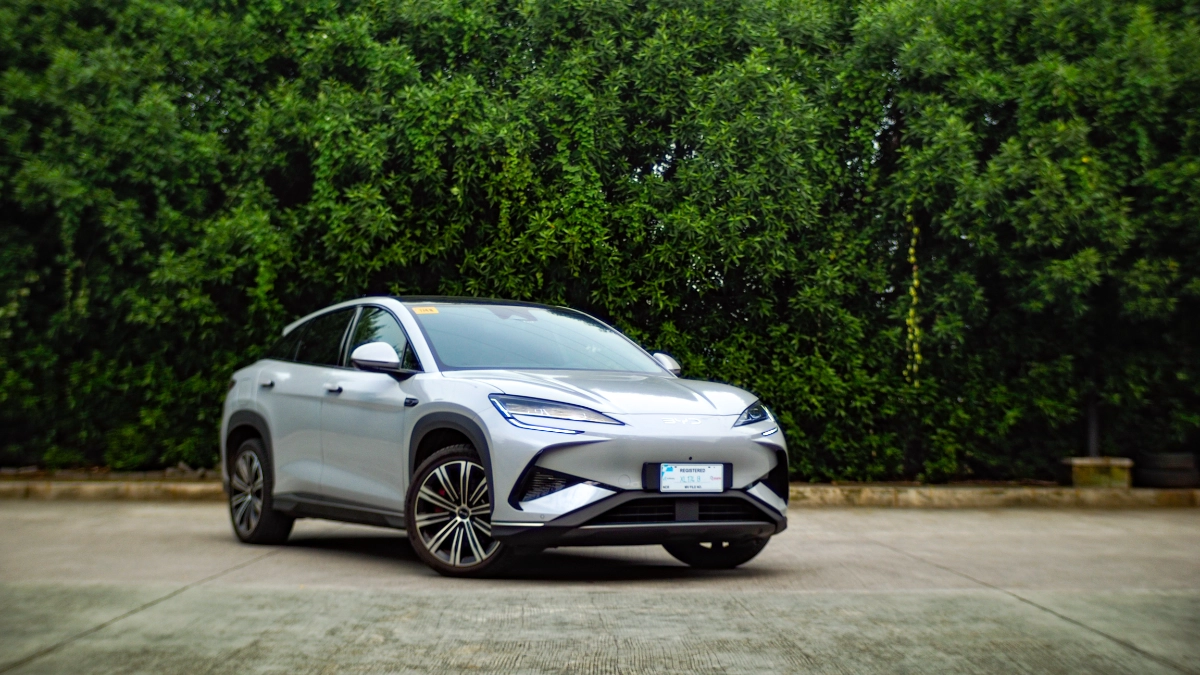
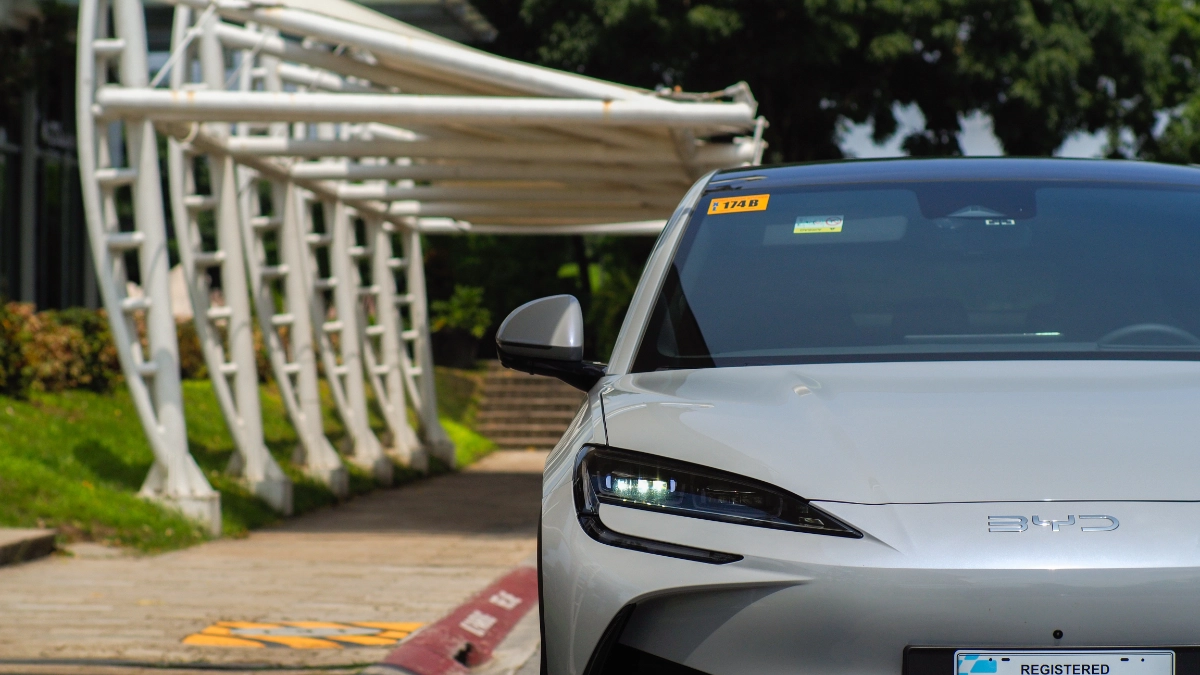
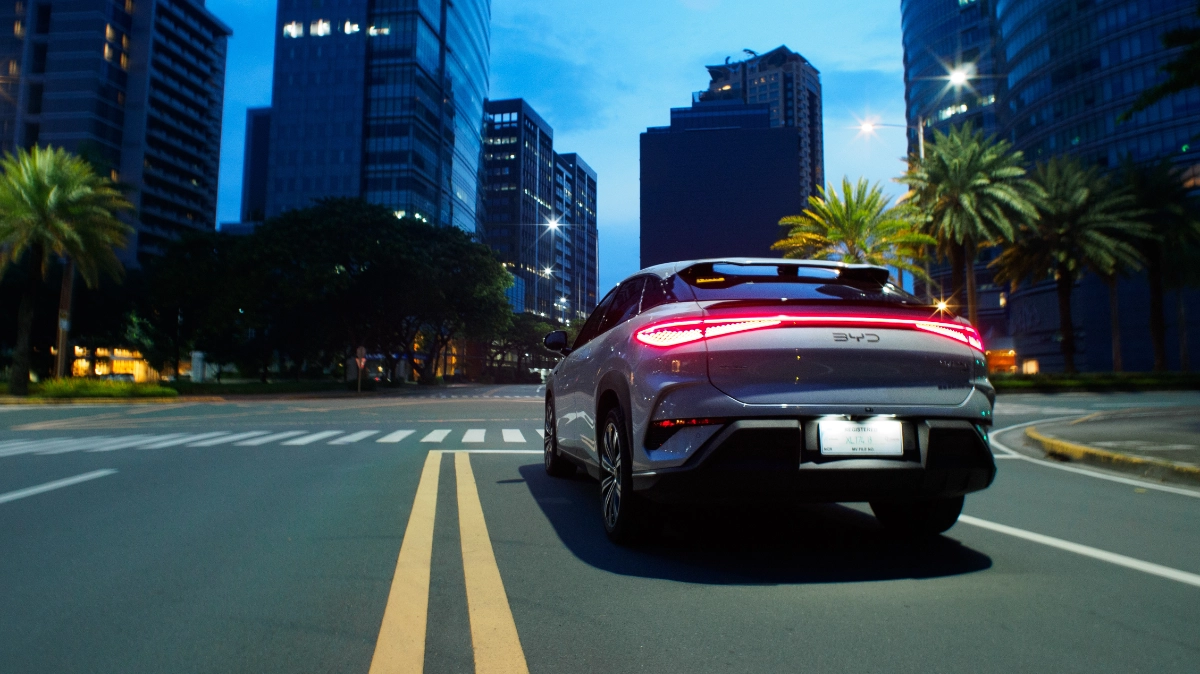
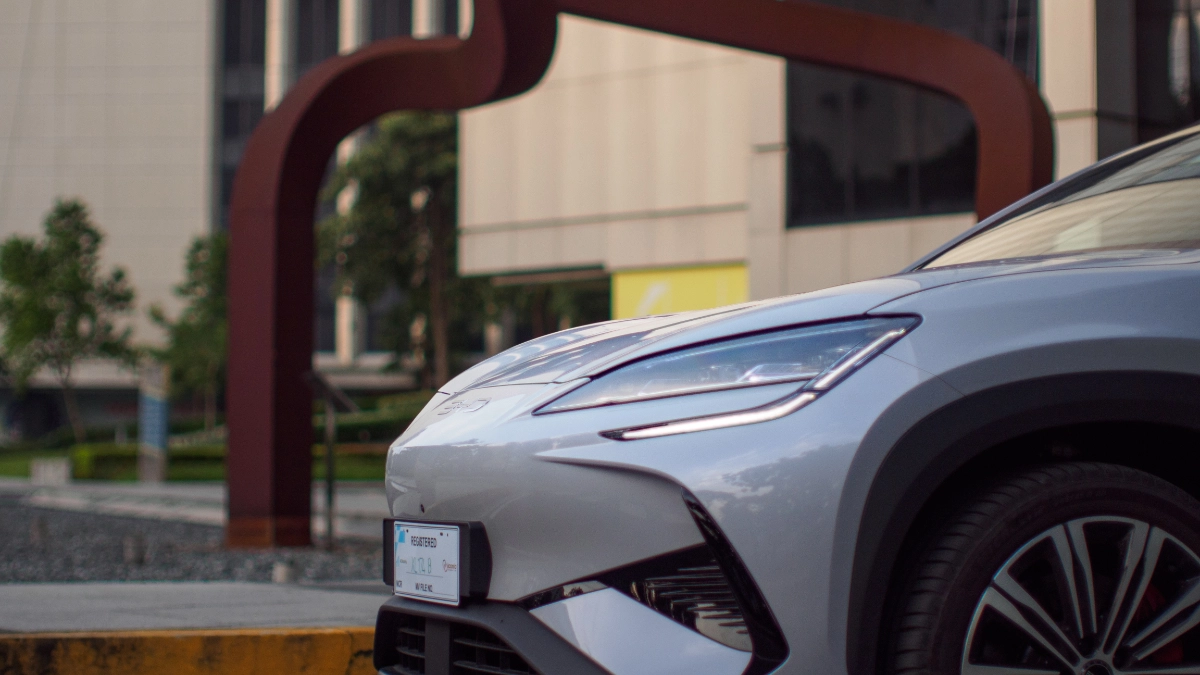
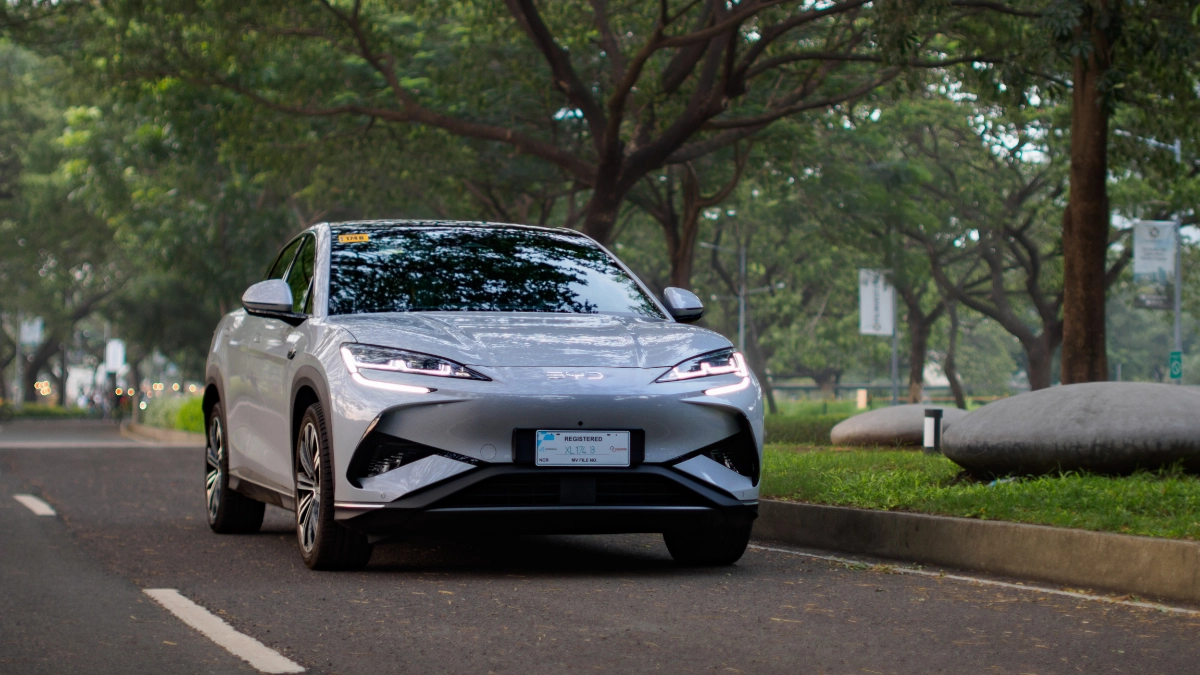
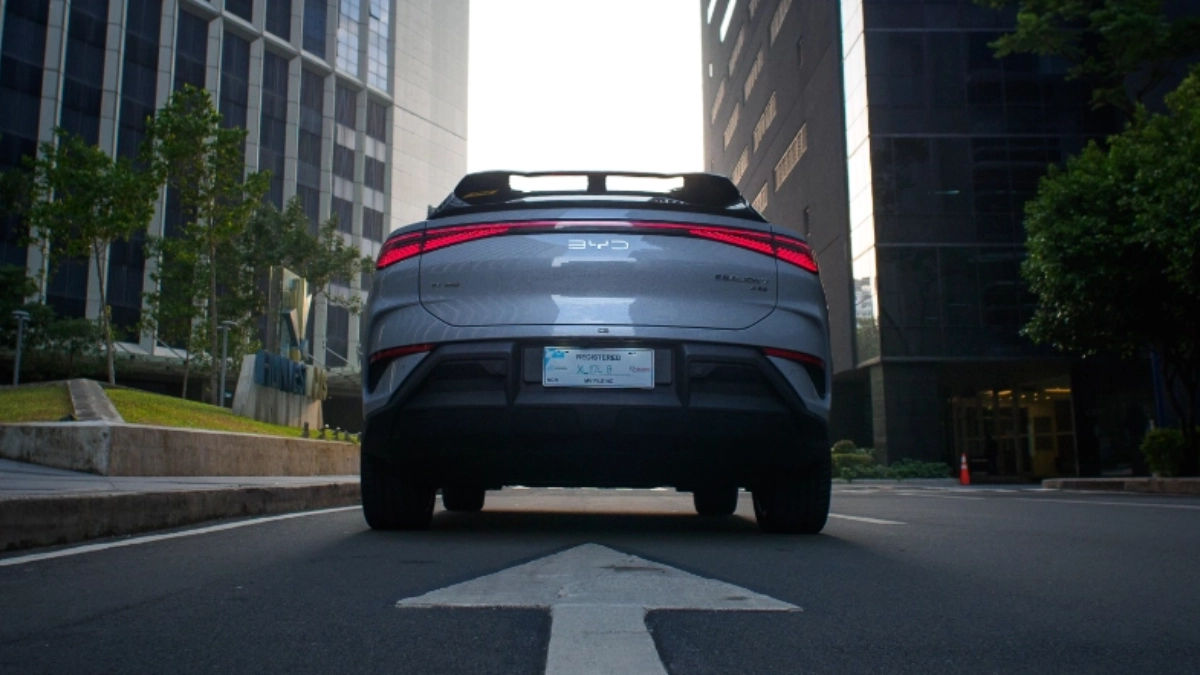
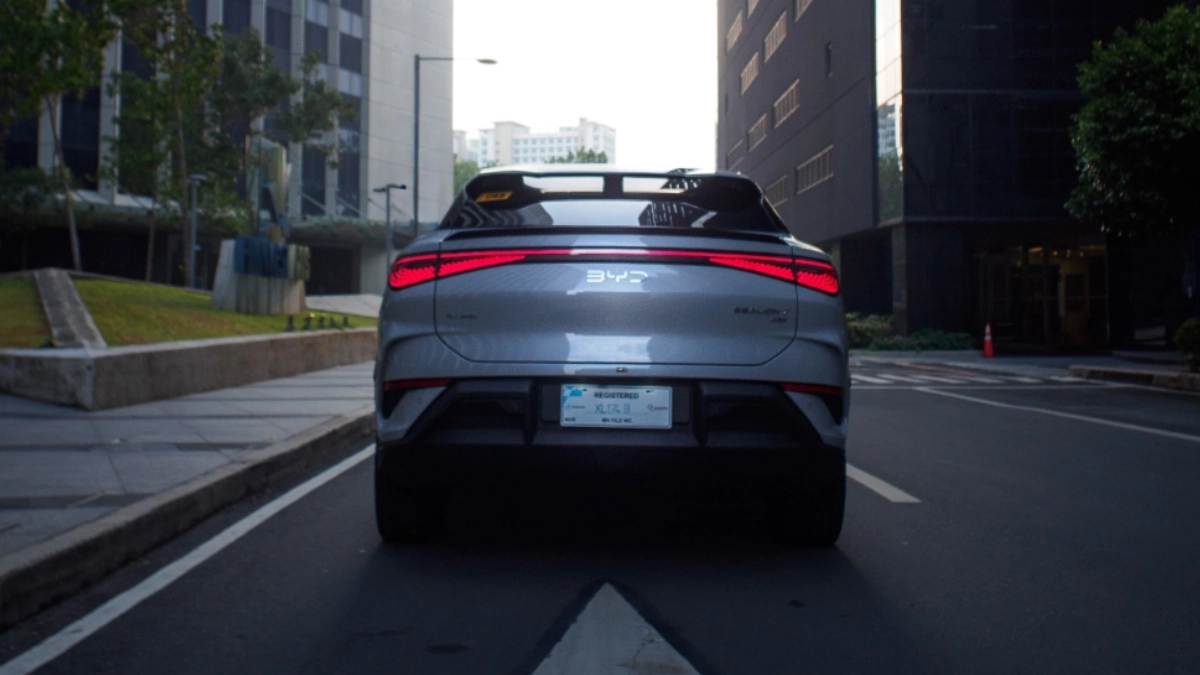
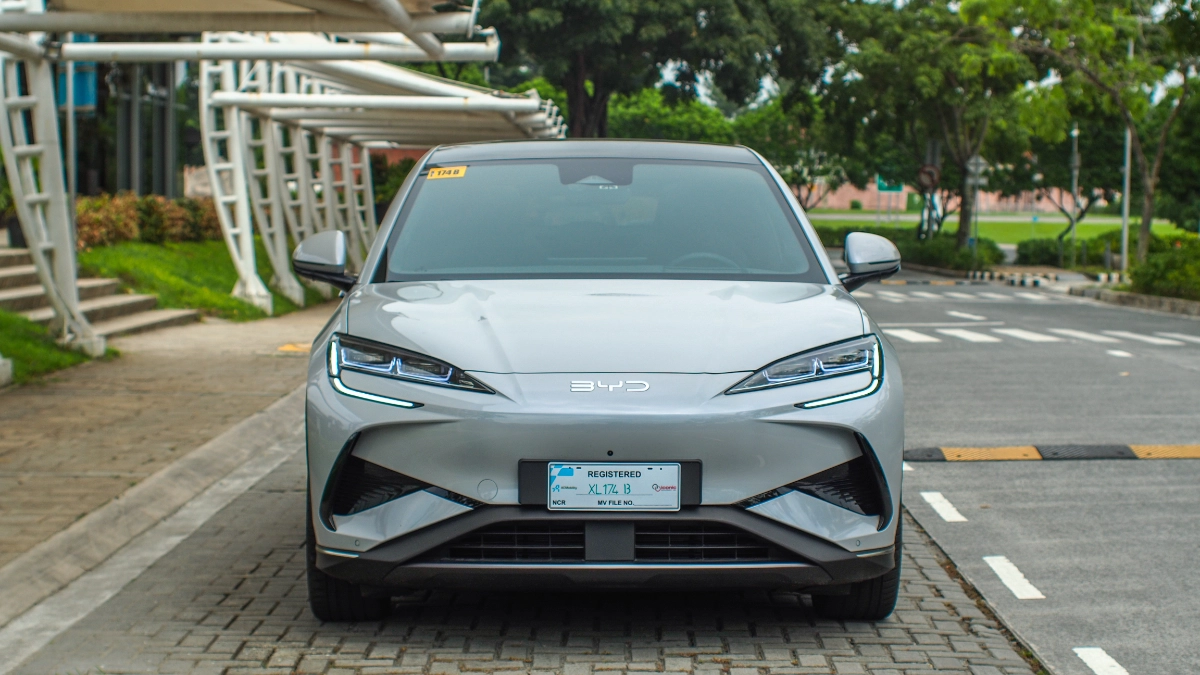
The Sealion 7 is a rather good-looking car. But in this case, good-looking might not be good enough. Within BYD’s brand hierarchy, there is a clear delineation between three different lines of crossover: the Sealion hybrids, the Atto EVs, and the ‘Dynasty’-styled Tang EV. Now we have a Tang and an Atto using the same DM-i system as the Sealions, and a full EV Sealion using the same technology as the Atto and the Tang. And while the Sealion 7 does get sportier and more aggressive styling than the Sealion 5 and 6, from a distance, it’s easy to mistake it for a 6 with a more aggressive bodykit.
ALSO READ:
Review: 2027 Toyota RAV4 2.5 Limited HEV
Review: 2027 GAC Aion UT
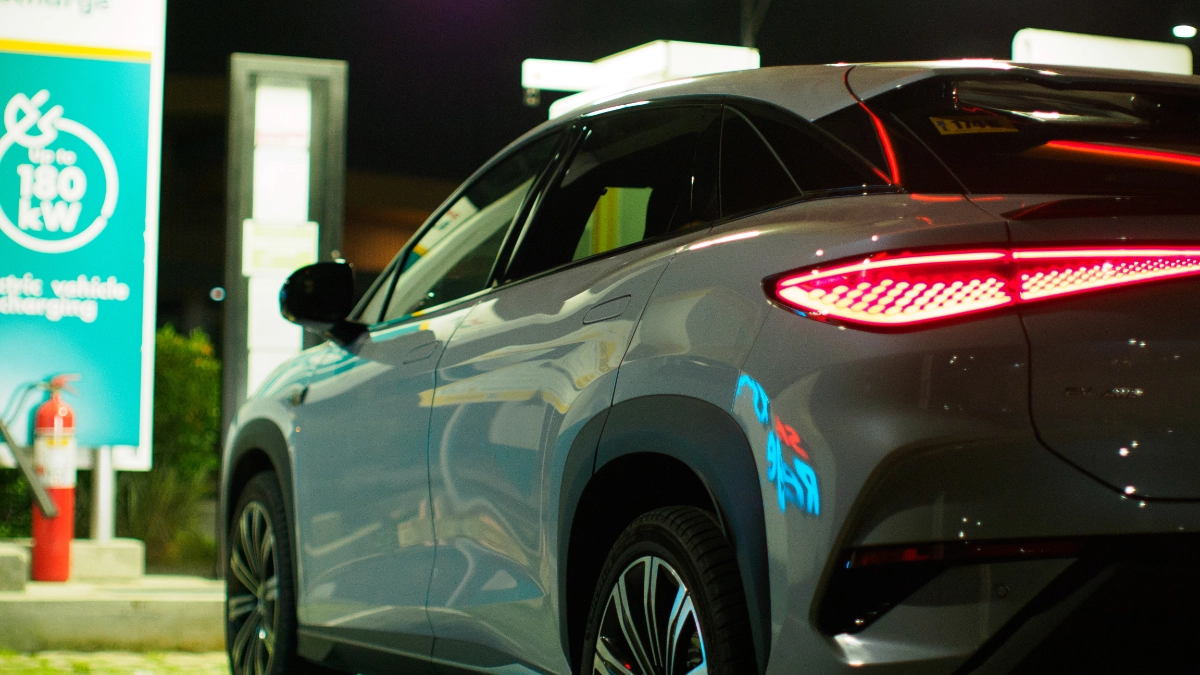
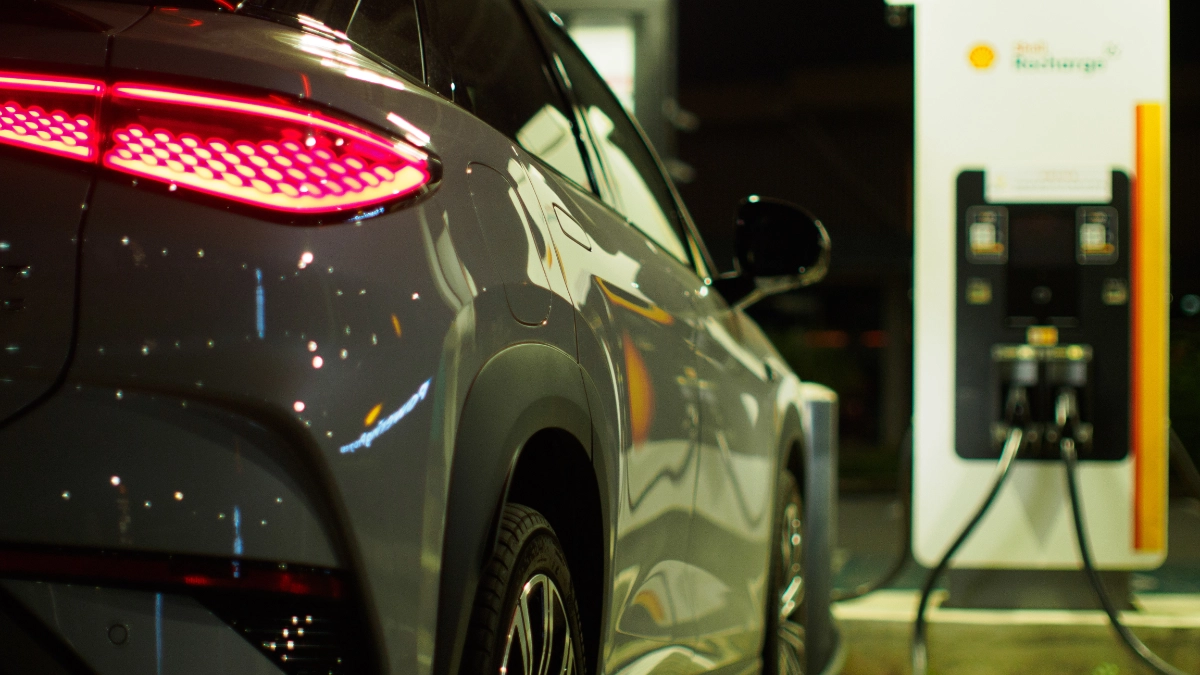
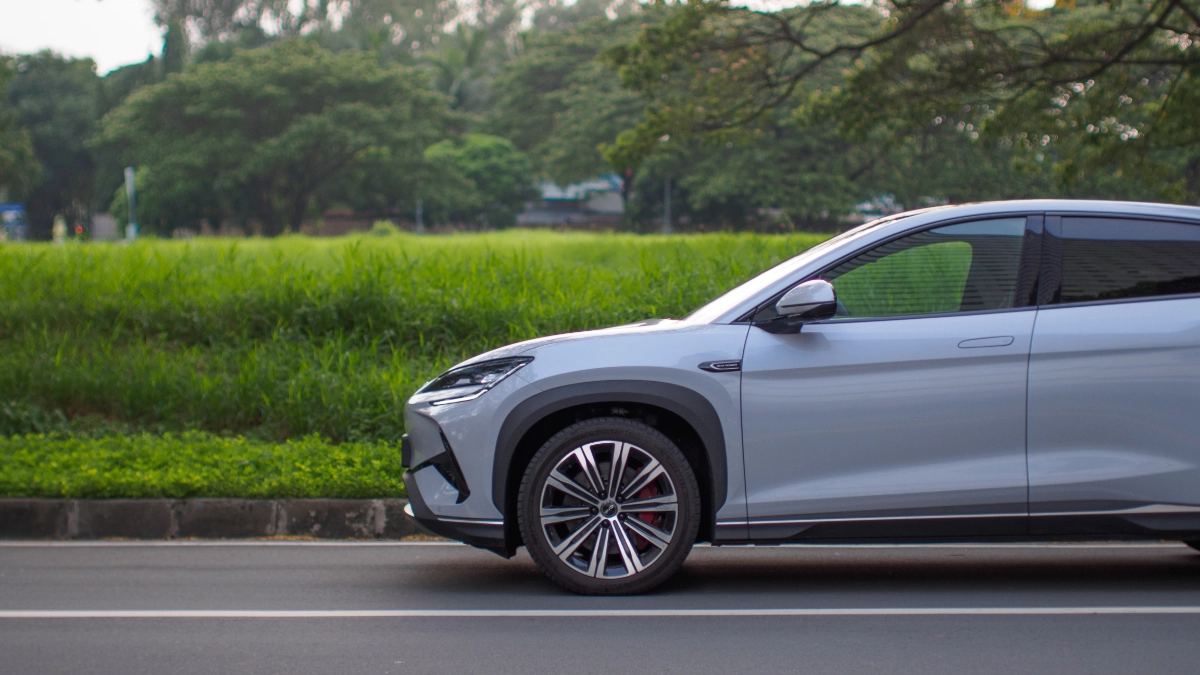
Move around to the side, and the differences are more obvious. The 7 features a swoopier greenhouse and more aggressive over-fenders. Blacked-out rear pillars emphasize the lower rear roof, and the taillights are more in line with the Atto and the Tang than the Sealion 6. Gigantic 20-inch wheels round out the package, nicely framing big cross-drilled brake rotors with spicy-looking red calipers.
Interior
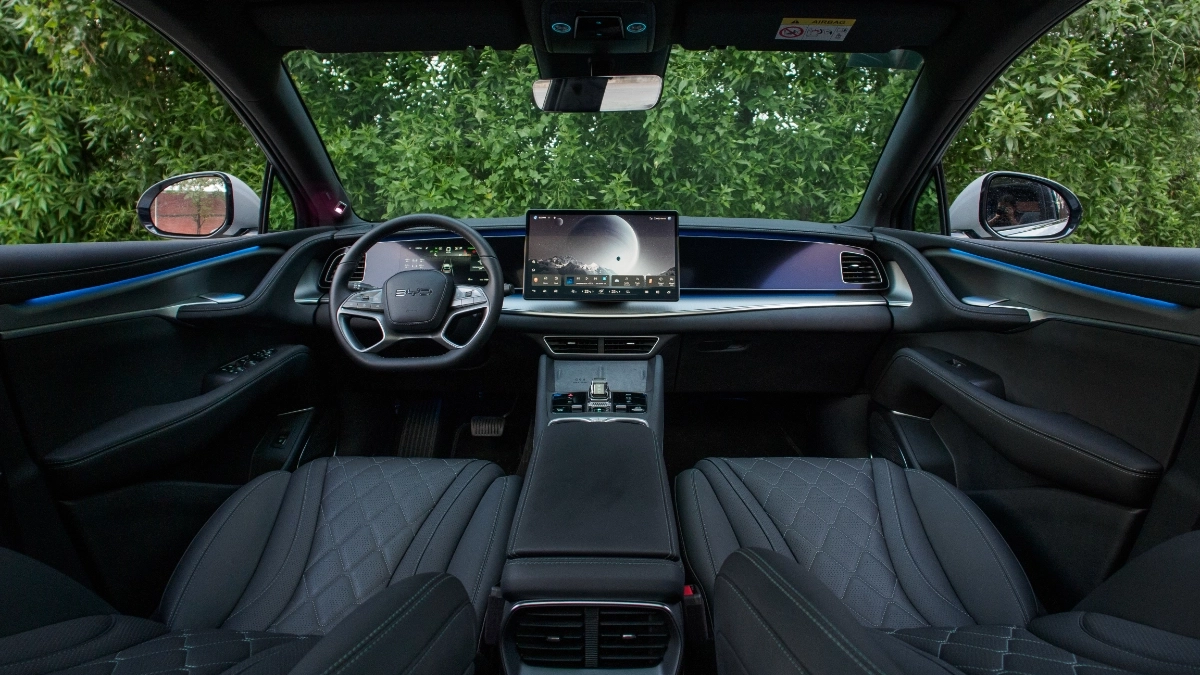
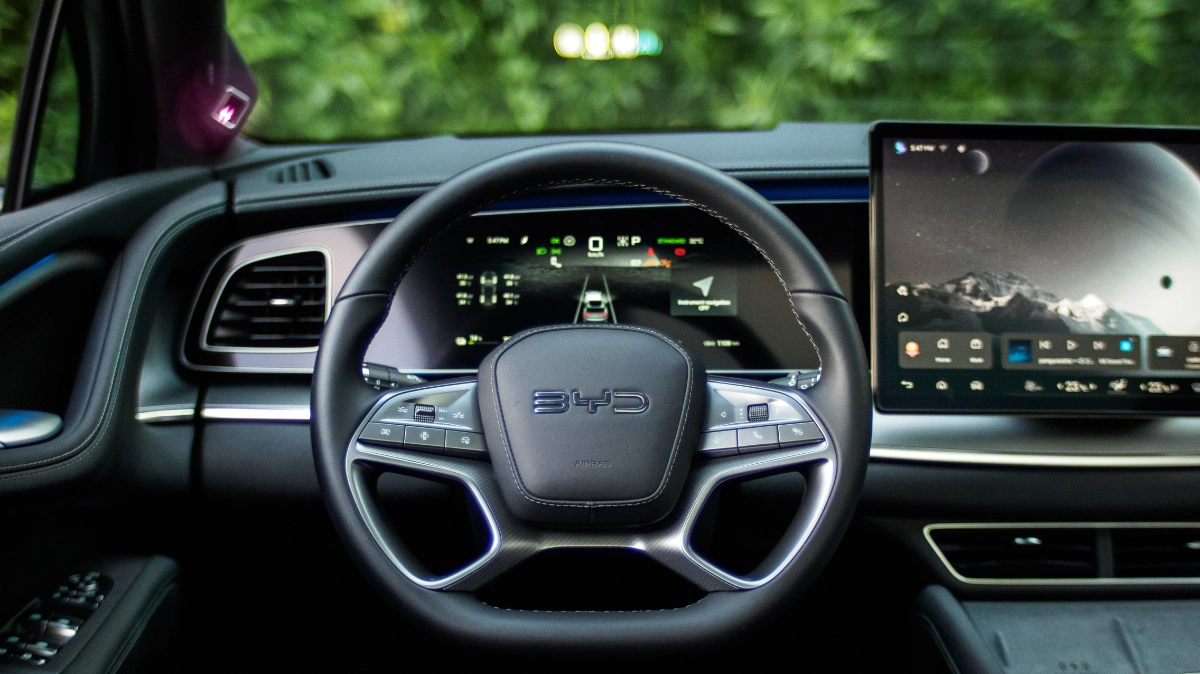
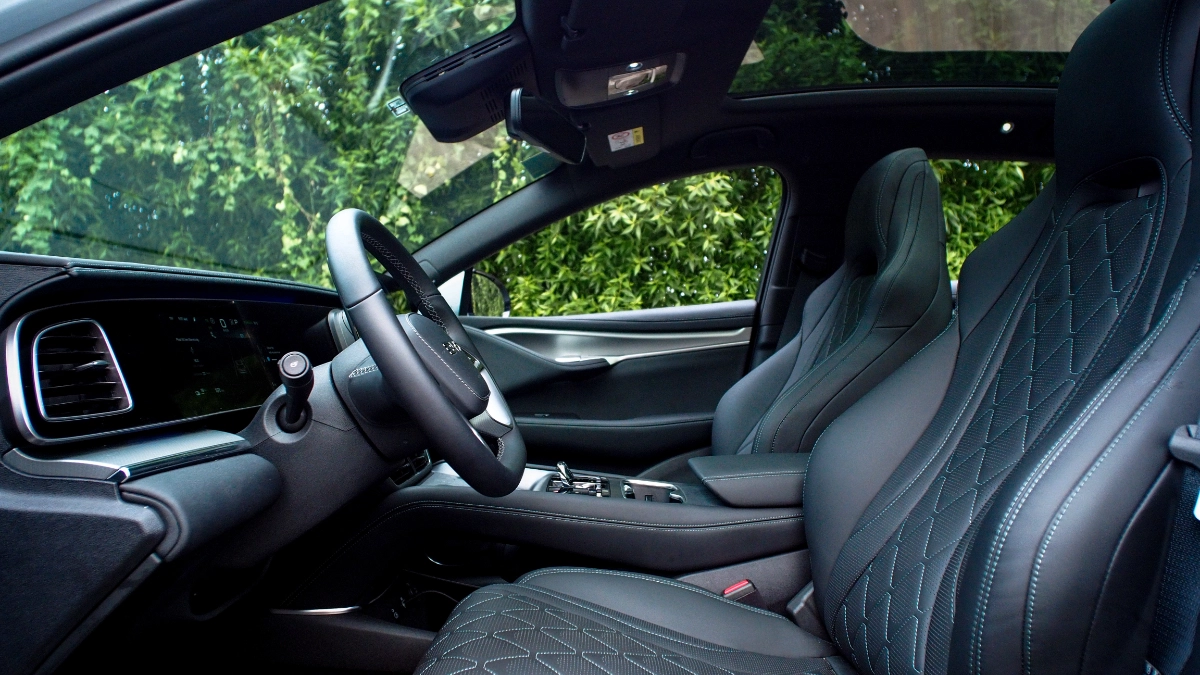
The interior features familiar BYD cues despite not being identical to any of its stablemates. Broad curves and clean, well-defined shapes dominate a dashboard centered around the trademark extra-large rotating screen. The large four-spoke flat-bottomed steering wheel sits easily under your palms and gives excellent visibility for the instrument panel in front of it.
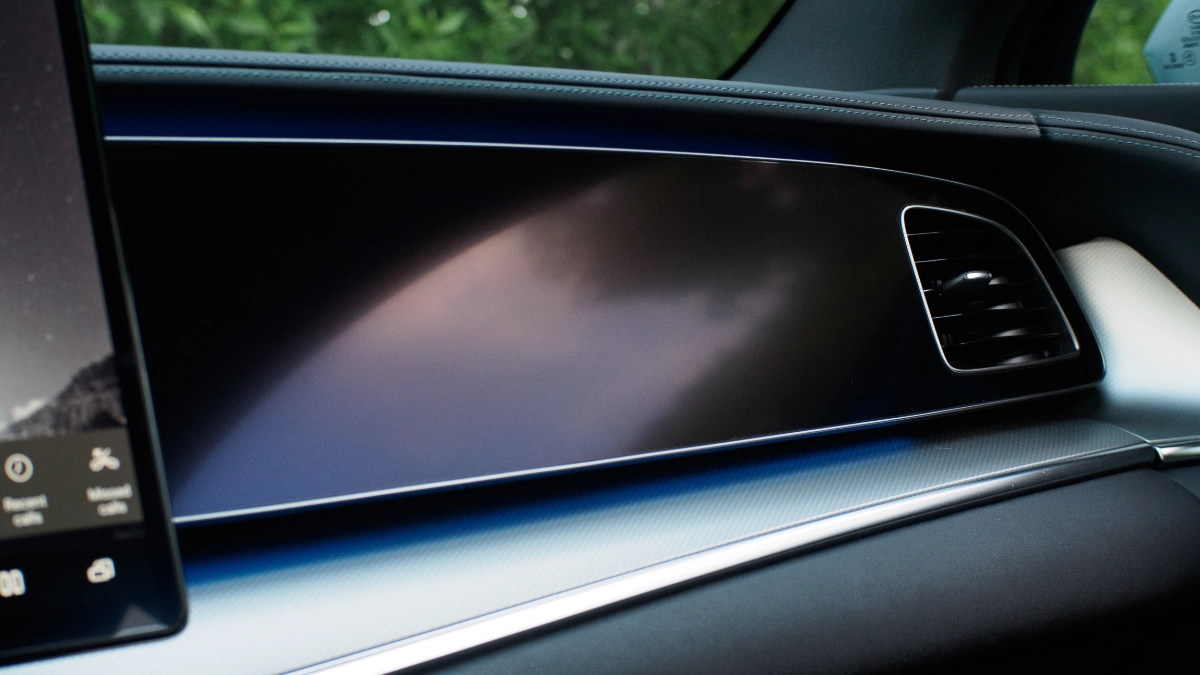
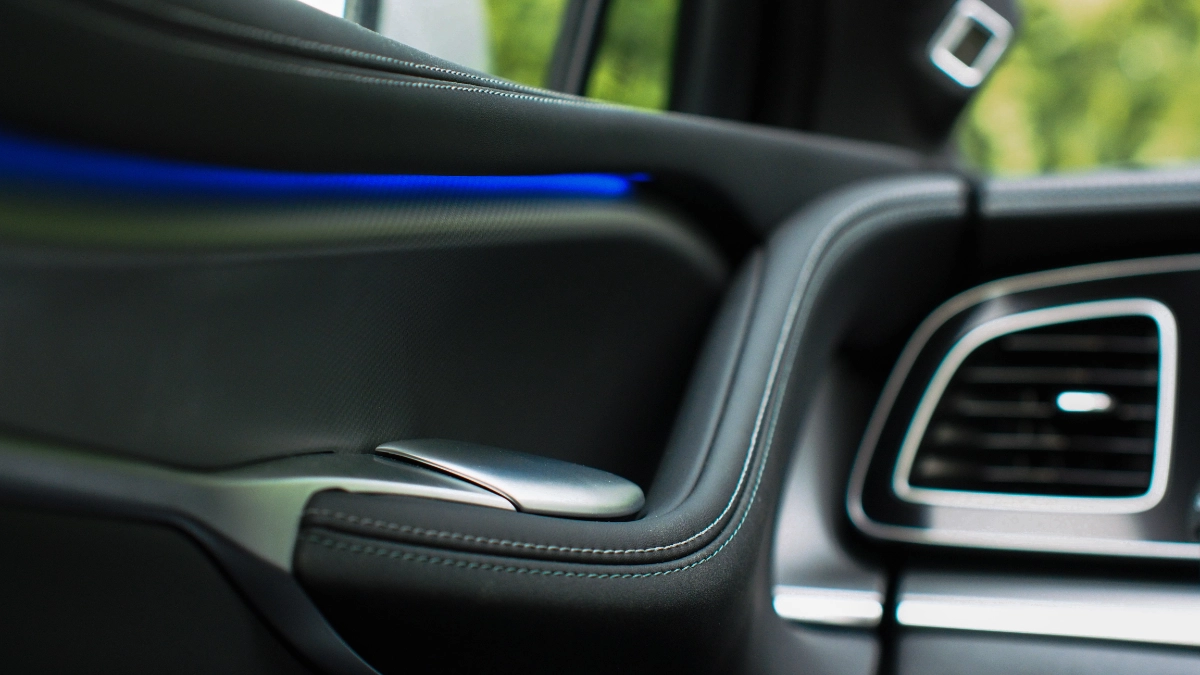
The door handles feature an intricate pass-through lined in the same contrast-stitched leather as the dashboard and the deeply bolstered quilted seats—plus points for clean ergonomics there. Minus points for the rather cheap-looking printed silver ‘carbon weave’ appliqué behind it. The split-level center console features a dual phone shelf lined in suede, one side taken up by a 50W wireless charging pad.
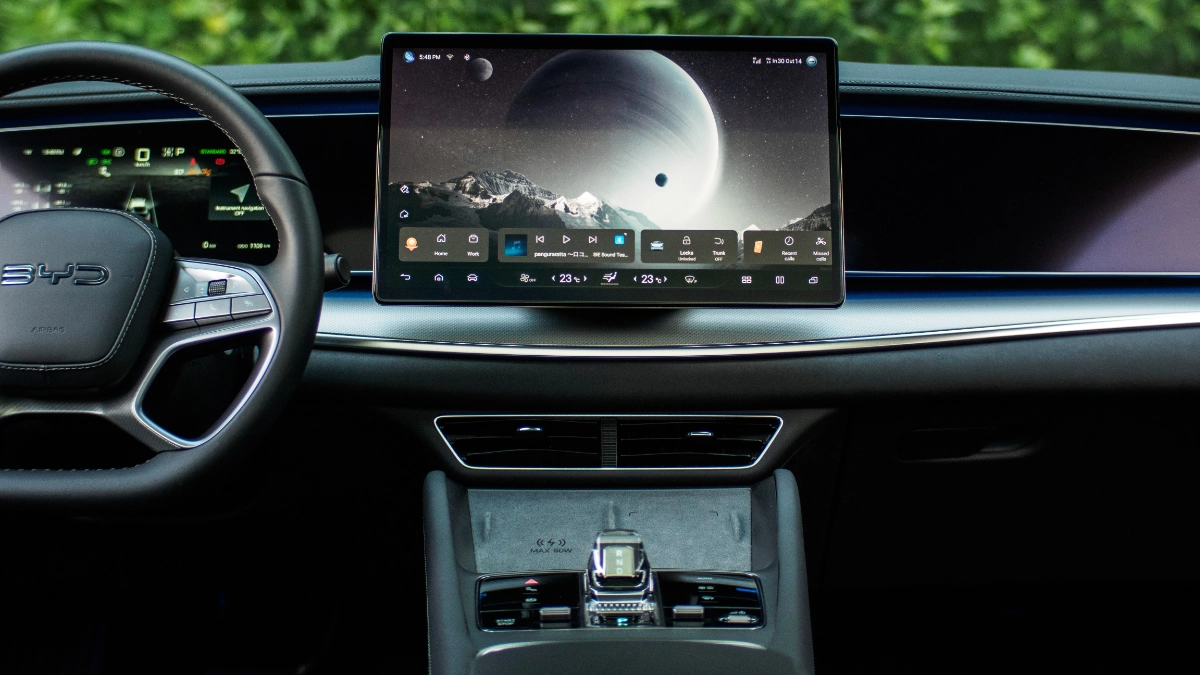
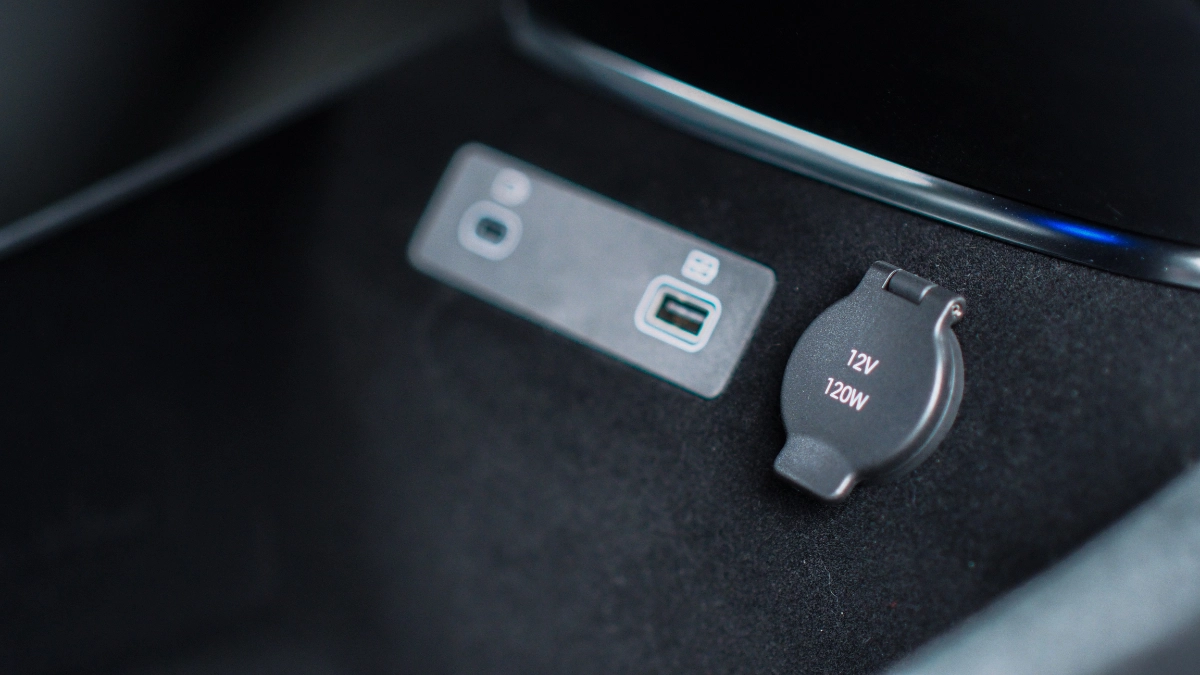
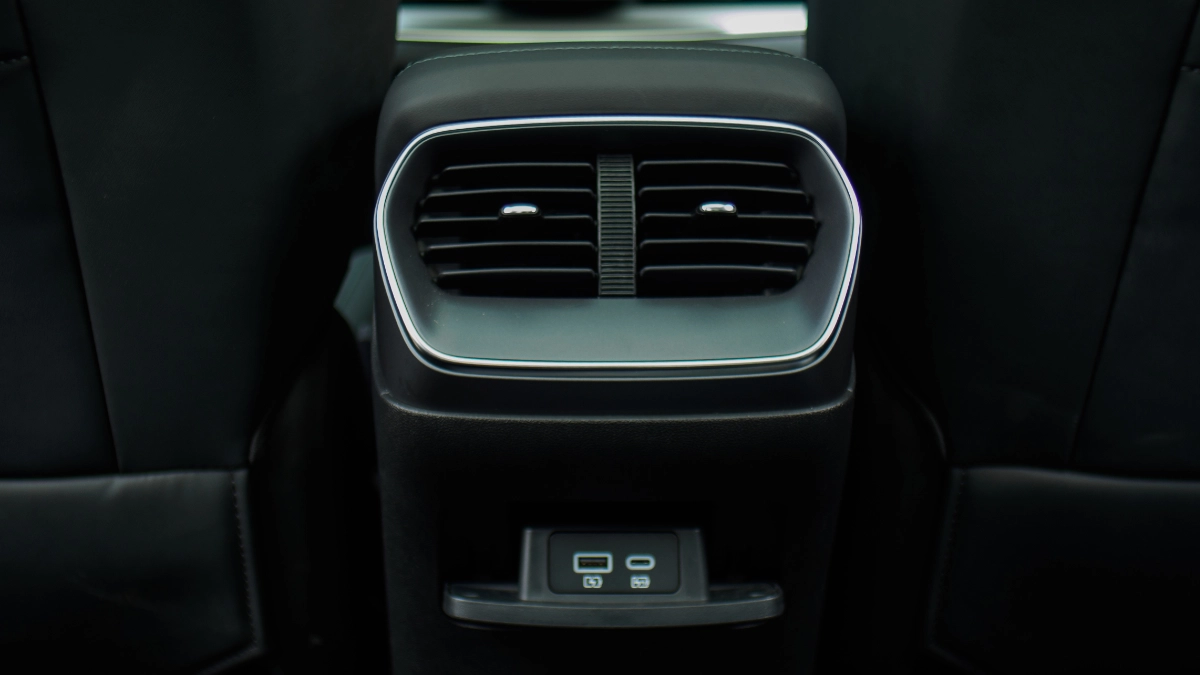
Using the brakes as a shift-lock allows the use of a tiny jewel-like shifter framed in large, easy-to-read control buttons. There’s a lower shelf for wired charging, bags, and gadgets; large dual cupholders; and a big center box sitting in front of the rear A/C vents. You won’t be left wanting for storage in this cabin, though it’s not as generous as in some competitors.
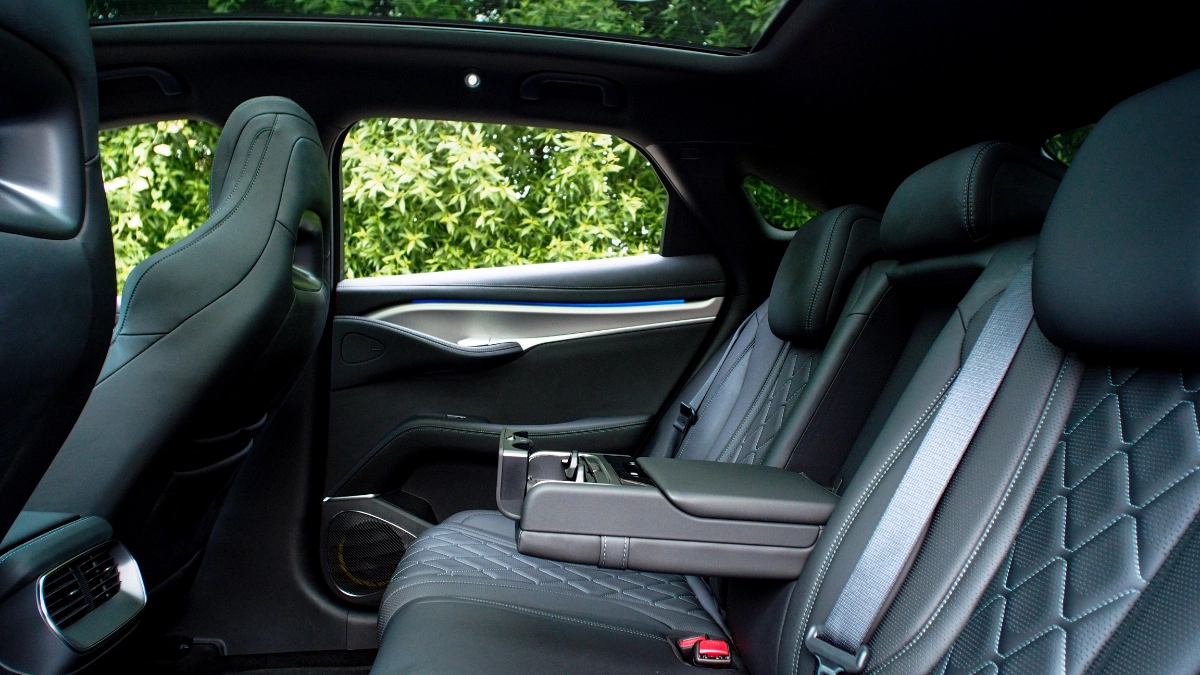
The quilt-stitched front buckets are generously bolstered but a bit firm on the backside. There’s electronically adjustable lumbar support and thigh support for the driver, but I’d trade that for softer padding. The seats are ventilated, though, giving you an instant ice pack for your sore back, so I guess that can be forgiven. Elbow room and headroom are pretty good, despite the low roof, but that wide center console does pose an issue if you drive in big clunky boots. The rear seat is nice and large, with shallower sculpted buckets on the sides and a flat center panel for the middle passenger. The fold-out center armrest features extra storage and flip-open cupholders, and A/C vents and LED reading lights make life quite nice for rear passengers.
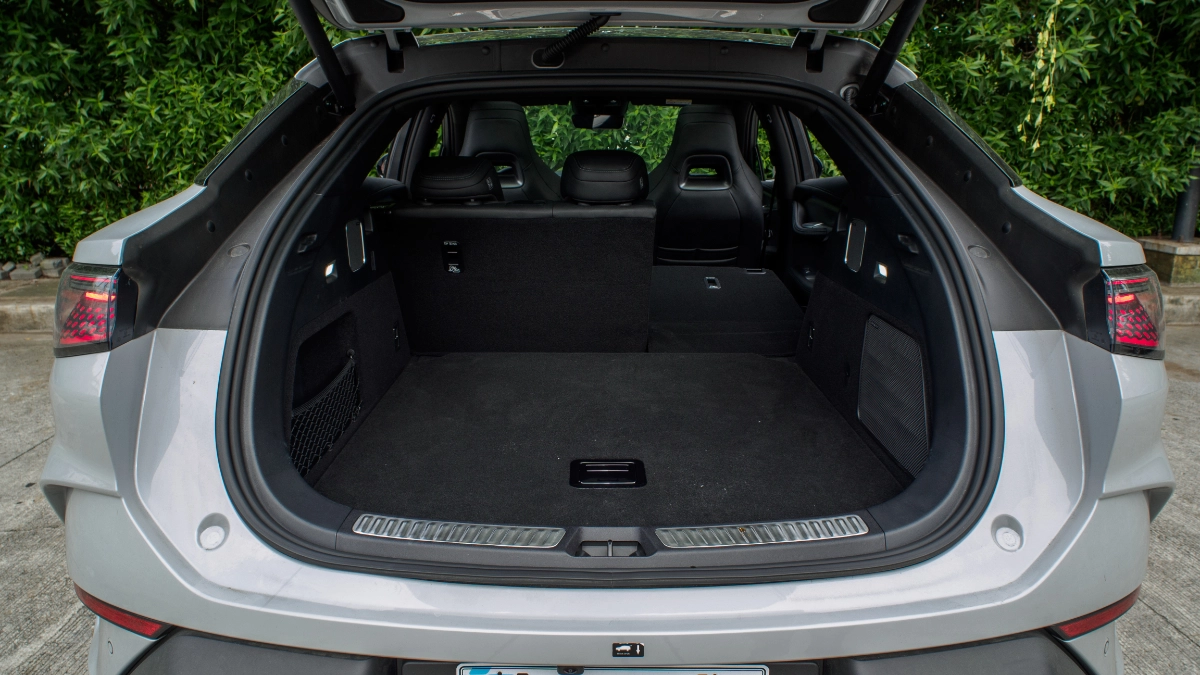
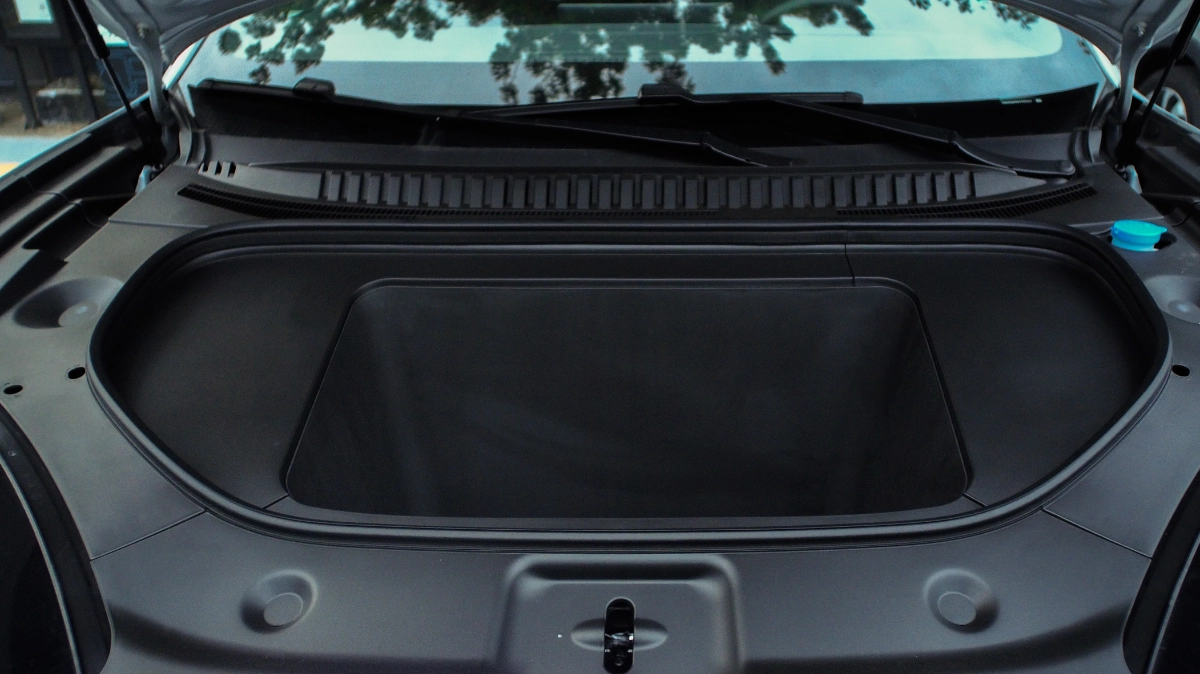
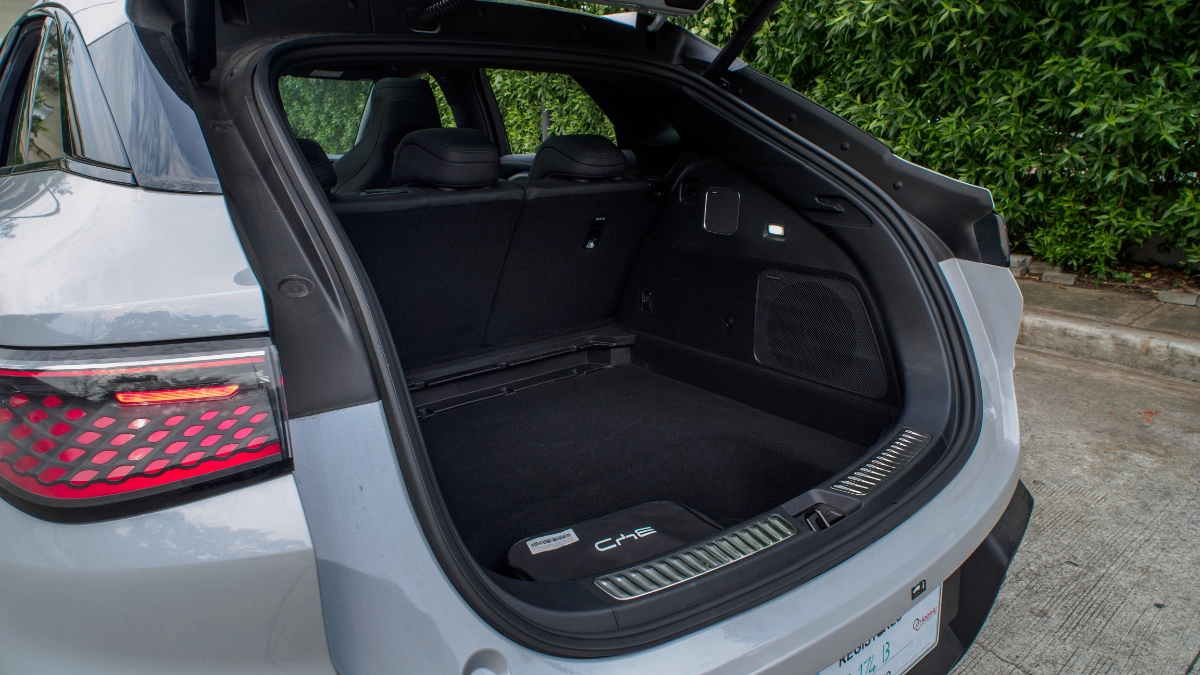
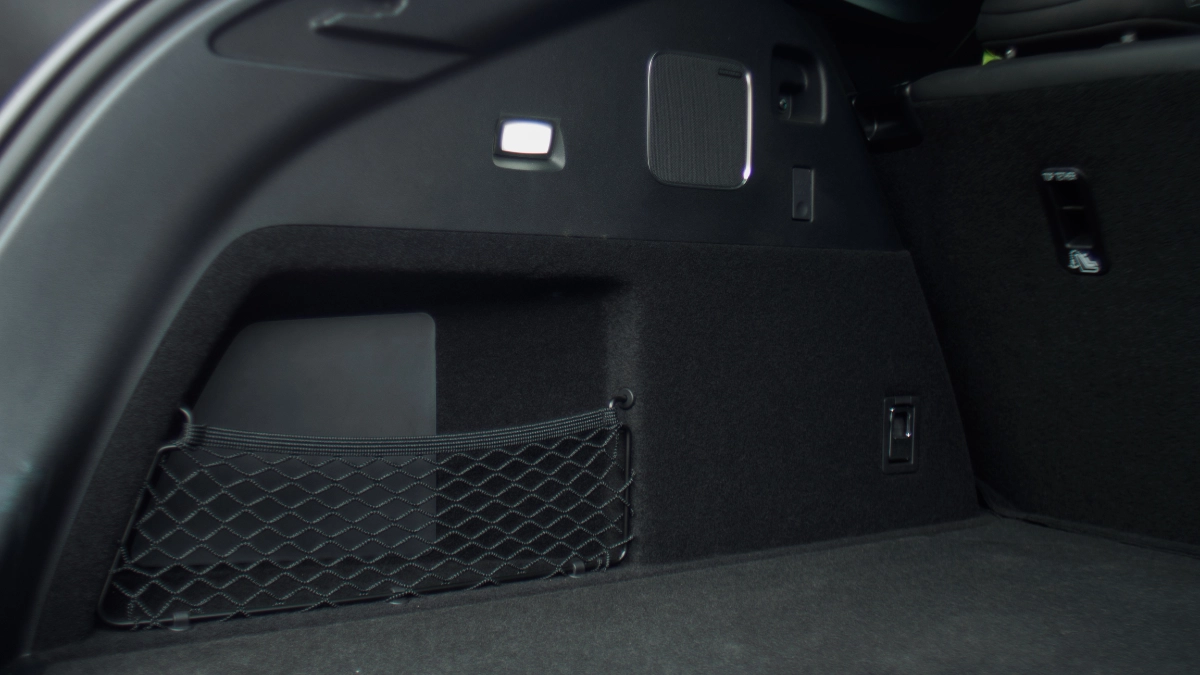
Trunk space under the automatic tailgate is surprisingly generous for an EV, with 520 liters under the rear hatch in a large, square space. The floor panel can be lowered for more space or kept raised to maintain a flat floor with the rear seats folded—freeing up over 1,700 liters of space. There’s space underneath for the emergency charger, and further space underneath the charger bay for an emergency tire inflation kit. Yes, there’s no spare here, sorry. Up front, you get an extra 58 liters of space in a plastic-lined frunk, good for dirty cargo or groceries.
Powertrain performance
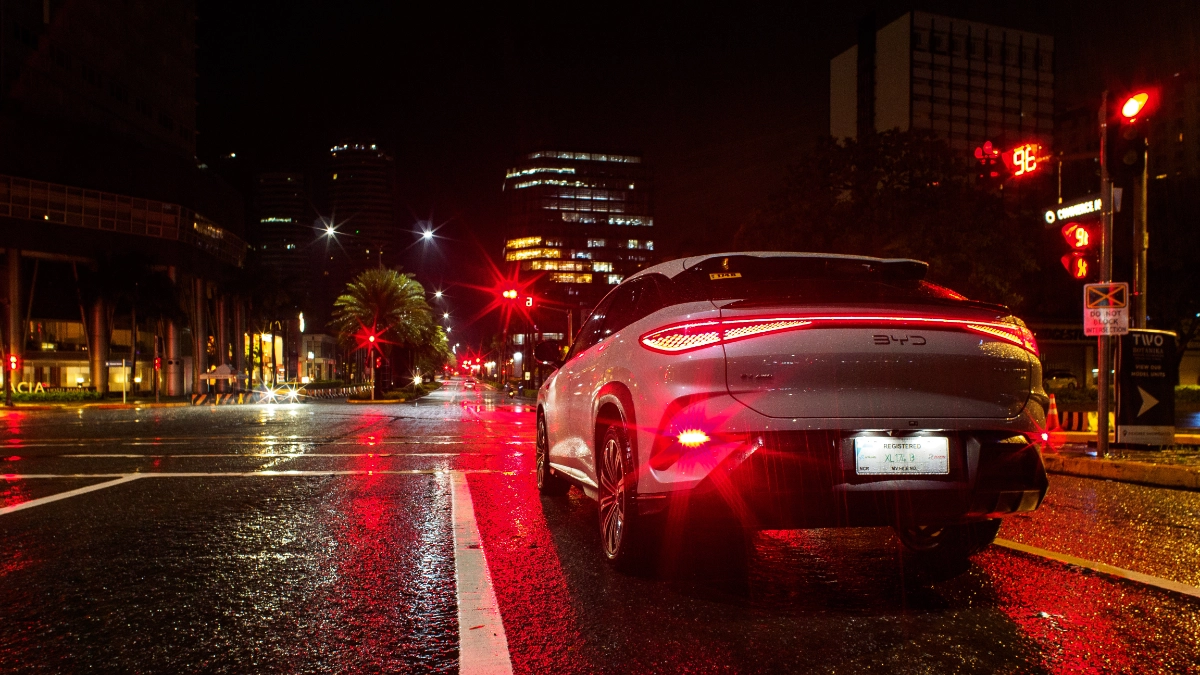
So while there’s no gasoline engine up front, there’s still a lot of power under the 7’s skirts—523hp worth, to be exact, from twin motors. This setup is supposedly good for 0 to 100kph in 4.5sec. We measured it at between 4.2-4.4sec. Quicker than claimed, and not far behind some crossovers with much more power. But the 7’s powertrain control module seems to limit torque at speeds below 60kph, and power delivery is sensitive to weather and road conditions.
In the end, while this is a very quick vehicle, it is no sports car. Instead, this is a family SUV. A fairly quick one, but still a family vehicle. And driven as such, it gets middling economy. Big wheels and big power mean around 6-7km/kW on the highway and an average of 3-4km/kW in traffic. Not great, but in line with other big-power electrics we’ve driven.
Ride and handling
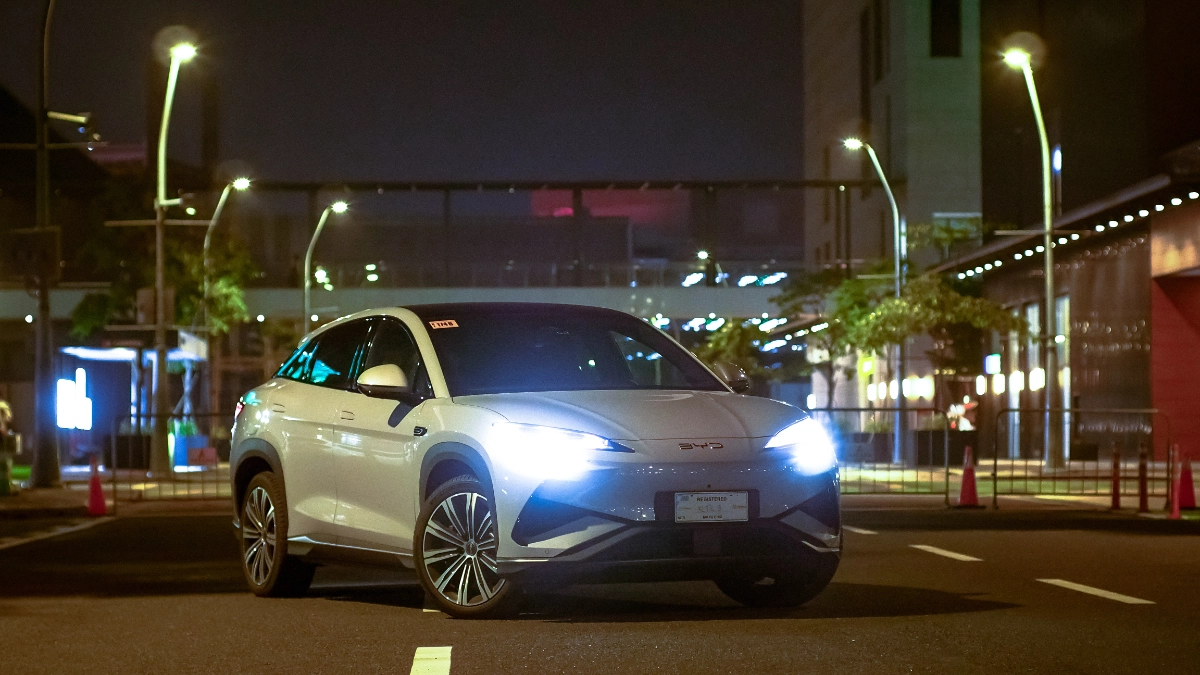
The 7’s big wheels and 245/45R20 Michelin Pilot Sport EV tires are well-matched to that power, boasting great traction and grip. But there’s no occasion to find out exactly how well. The stability control cuts power aggressively in response to bumps and body movement, and there’s quite a bit of body roll before you get anywhere near those tires’ limits. The Sealion 7 can corner with ridiculous speed, but it never really feels at home doing it. Even with all that grip and power, it doesn’t feel like a car you want to drive down a winding mountain road in anger.
The brake pedal also feels a bit soft, despite the big ventilated and cross-drilled rotors, but this seems more like a quirk of the regenerative braking system. When you tap on the brakes while lightly holding the accelerator—so that the motors can’t go into regen mode right away—the actual physical disc brakes feel firm. That the Sealion 7 actually avoids using the brakes meant that the pads on this car hadn’t actually bedded in yet, despite there being a few thousand kilometers on the odometer already. Something to think about, I guess, if you’re buying a high-performance electric!
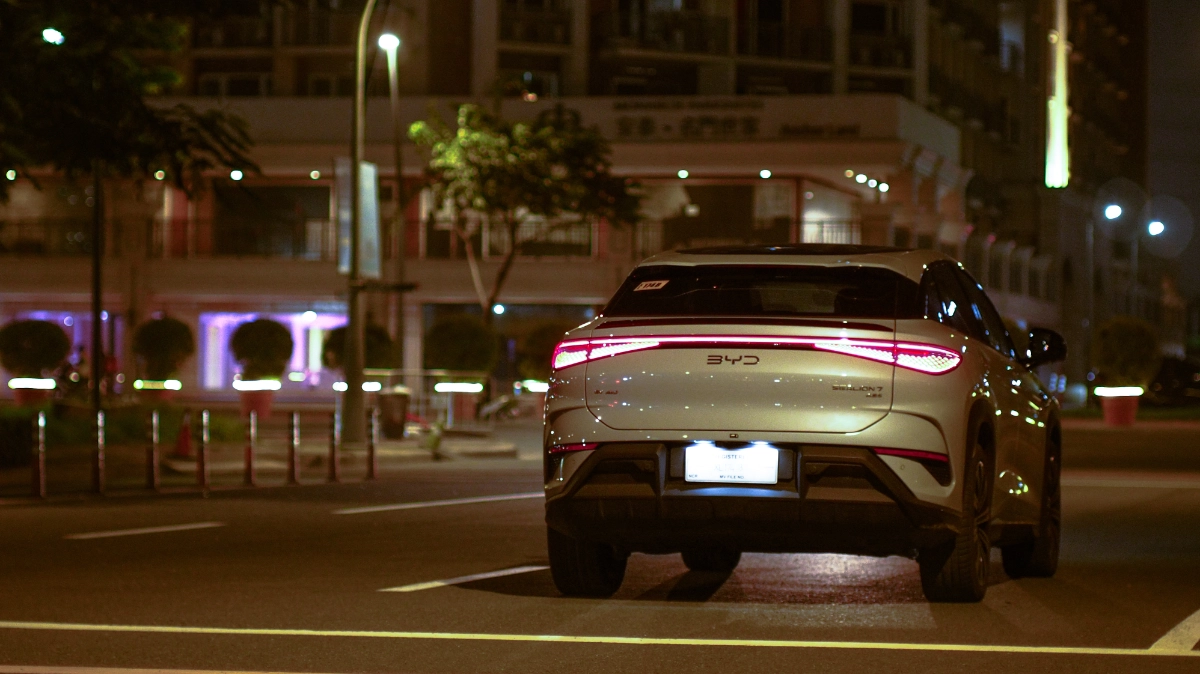
So it’s not quite a sports car—the setup changes meant to deal with the power also compromise the Sealion 7 as a family car. The suspension itself feels like a decent balance between handling and ride comfort, absorbing high-speed heaves with ease, but the ultra-thin tires—at the mandated 42psi inflation pressure—don’t like the rough, pockmarked surfaces of provincial roads, and the big weight of the battery packs means that sharp bumps can bounce the car quite a bit.
The suspension supposedly features ‘Frequency Selective Damping,’ a passive mechanical system with variable valving that tightens up for low-frequency road movements and loosens up to deal with high-frequency bumps. Which you can feel in how the car just goes all soft over stupidly tall and sharp village humps, but it really works overtime trying to take the edge off those thin, hard tires.
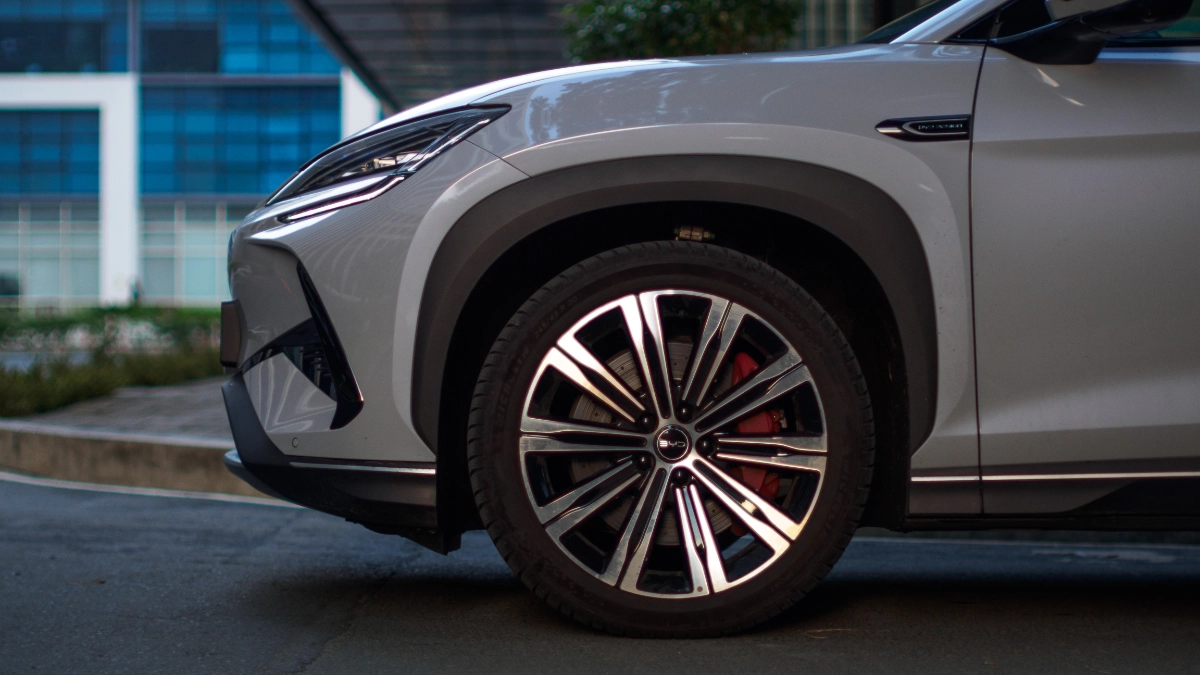
High-speed highways and urban streets are more the car’s domain—and the Sealion 7 does indeed make an excellent urban commuter. Road and wind noise are decently muffled, and the electric drivetrain is eerily silent. The low seating position means it doesn’t feel any more imposing to drive than the SL6. You will be extra, extra careful of scraping those achingly beautiful wheels, though, with so little tire to protect them, at least until you realize that the Sealion 7’s nose is much shorter than it appears from the inside, and that the car is actually easy to maneuver around.
There’s some issue with rear visibility, though. The rear windscreen is a tiny, tiny slit, and that’s before you put rear passenger heads in front of it. This is one of those cars where an electronic rear view mirror would actually make sense! Thankfully, aside from BYD’s competent ADAS features—adaptive cruise and active lane-keeping assist—you also get the trademark 360-degree cameras. And as with other BYDs, these can also be operated at highway speeds, allowing you a permanent wide-angle rear view at night.
Extra features
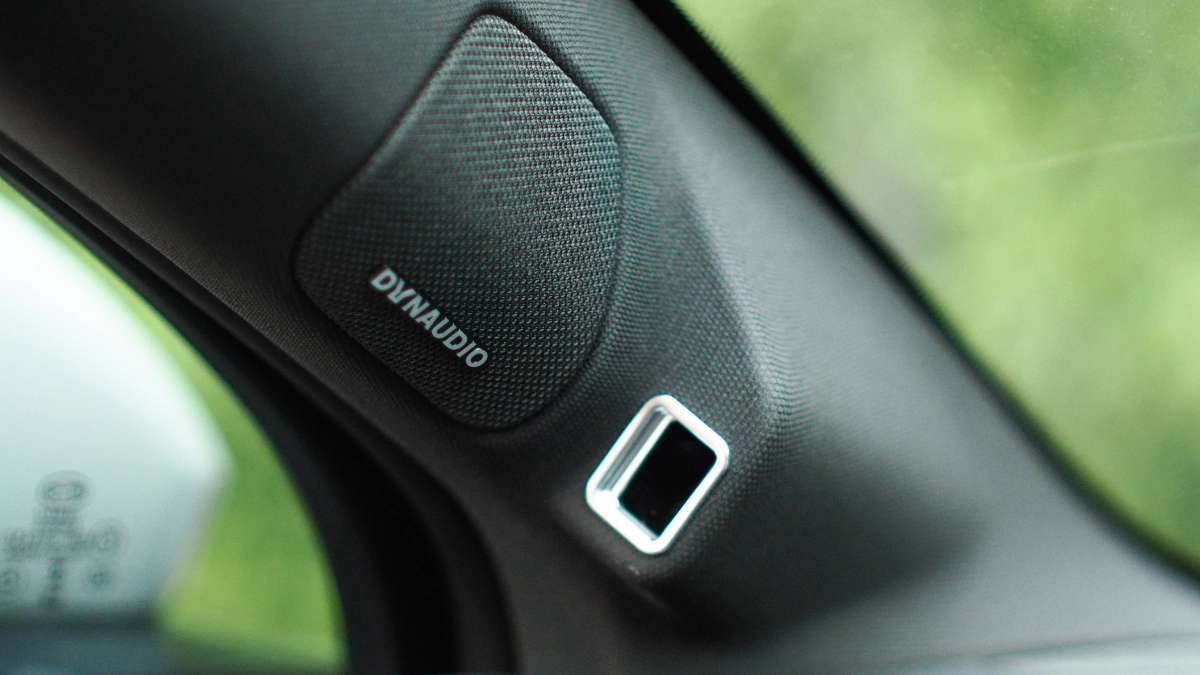
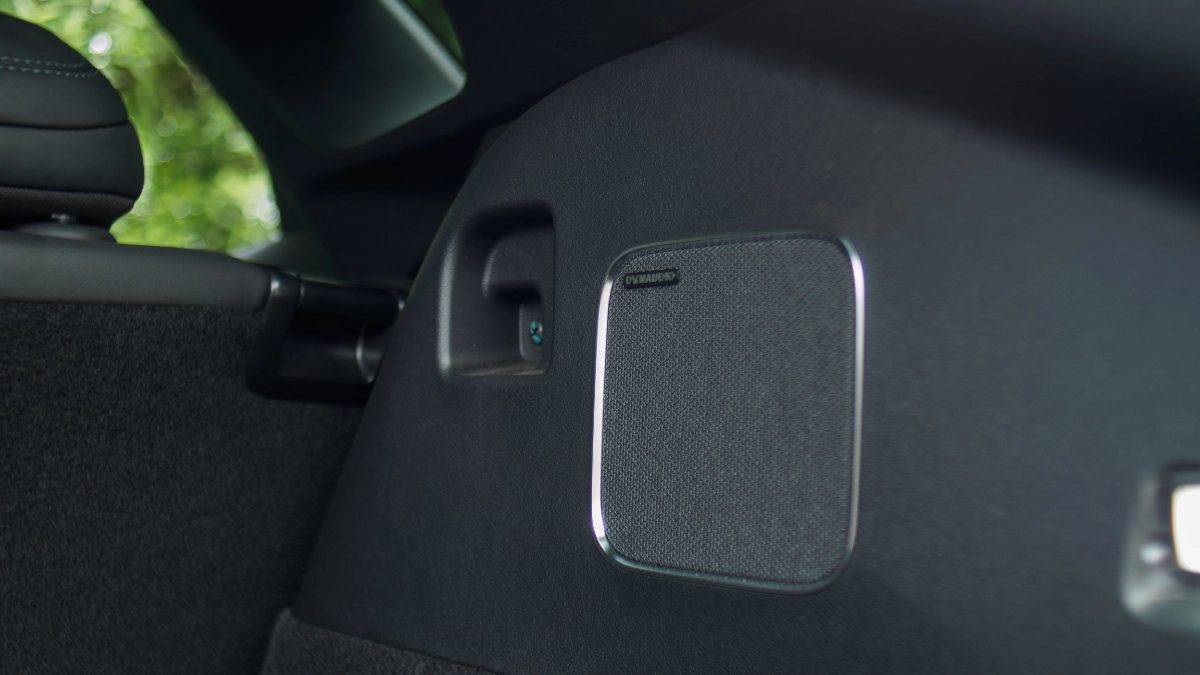
As with other BYDs, you can rotate that big screen 90 degrees into a vertical orientation, at which point you can display three camera windows at nearly full size. You can also install apps and games from the BYD library or use it simply to run wireless Apple CarPlay or Android Auto. There’s a 12-speaker Dynaudio sound system in here, and while it may not be the most detailed or well-rounded system, it is crisp, full, and quite loud when you want it to be.
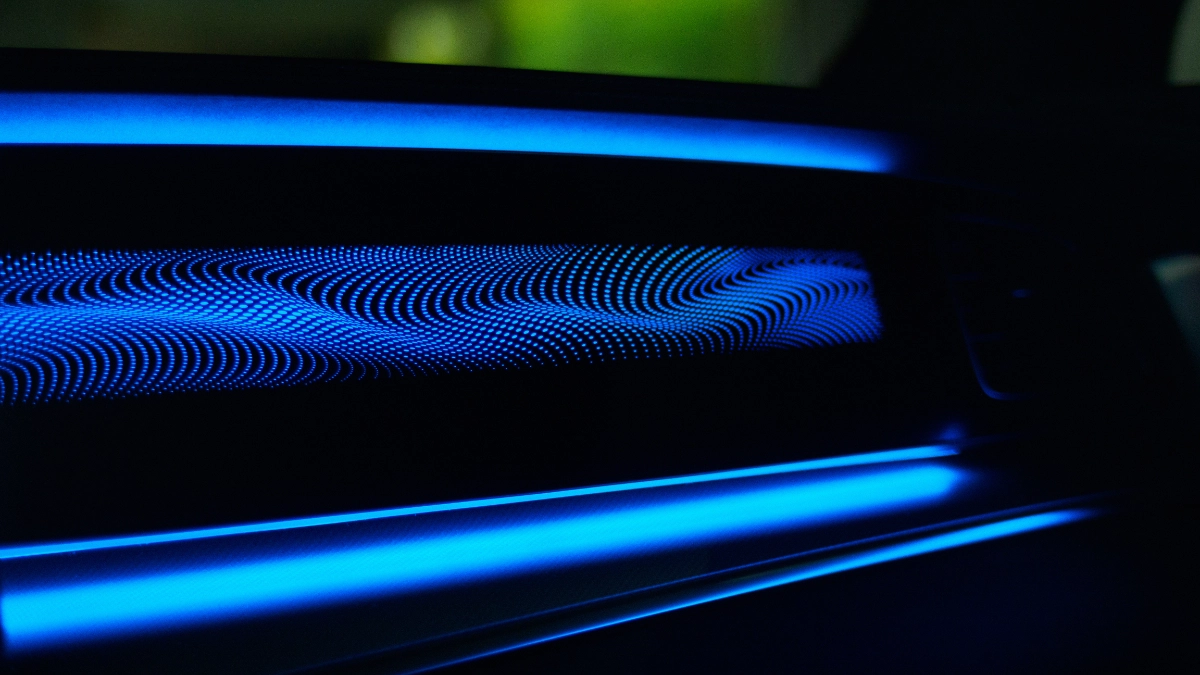
Other niceties include that huge double-pane sunroof, ambient interior LED lighting, outside courtesy lighting, and a gaggle of USB-A, USB-C, and 50W wireless charging. There’s also a V2L adapter so you can run small appliances while camping, though this car wouldn’t be our first choice for an outdoor camping trip. Not with those wheels!
You also get BYD’s connected services and over-the-air updates, allowing you remote control of your car via the BYD app, which is a big plus.
Verdict
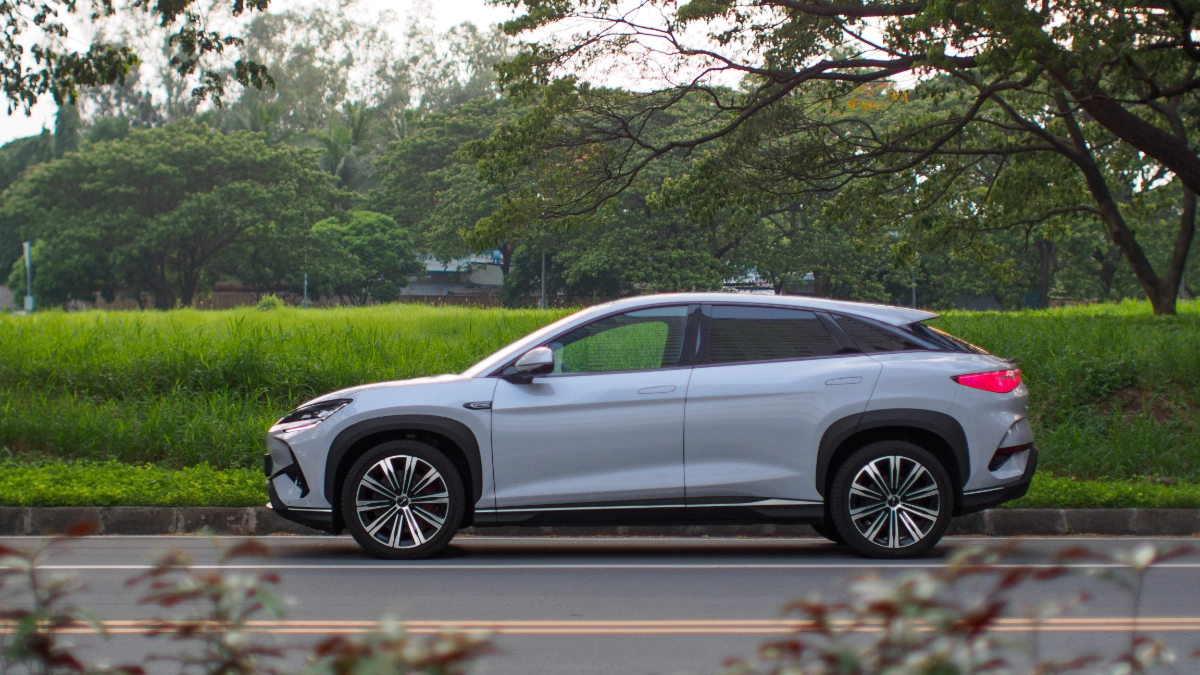
The fully-loaded BYD Sealion 7 AWD Performance is a great car and a great halo car for the Sealion lineup, but it isn’t for everyone. Not everyone needs this much power, and the performance-oriented tire package is a poor match for pockmarked Manila roads. Feels like there’s a lot of space underneath the AWD Performance for a more casual Premium variant, but it is likely that BYD wants to maintain a little separation between the 7 and the Tang DM-i, which is a much more convincing family car.
As for those looking for the ultimate electric thrill, the Sealion 7 might not be ‘it,’ but it comes pretty close at a price that’s very hard to ignore. You will need to spend more on a Tesla Model Y Premium or a Hongqi EHS7 to get better than this. Which is precisely the point. BYD is the electric Toyota, and gives you more value for your money than many of its competitors.
SPECS: 2027 BYD Sealion 7
Price: P2,588,000
Powertrain: squirrel-cage induction asynchronous motor + BYD Blade battery
Power: 523hp
Torque: 690Nm
Transmission: single-speed automatic
Drive layout: AWD
Seating: 5
Score: 8.5/10
More photos of the 2027 BYD Sealion 7 AWD Performance: