Before its relaunch in 2023, Dongfeng’s local line-up consisted mostly of diesel cargo trucks and old rebadged Nissan pickups and vans. Hardly state of the art, unless you’d time-travelled from 1986. But the *new* Dongfeng Motors Philippines’ line-up is inarguably bleeding-edge, with their premium Aeolus hybrid crossover and a full slate of affordable EVs.
Of note, Dongfeng offers the only budget-priced electric sedan in the country, the E70 Pro—based on a chassis derived from the Nissan Sylphy—which Dongfeng used to build for Nissan in China.
What we have here today is something a bit more sophisticated—based on the new Quantum Architecture that also underpins the recently launched Vigo crossover, which we previewed here. The Nammi may not be as sexy as the Vigo, but it still has a lot to offer for first-time EV buyers.
But can it compete in what is possibly the most cutthroat and overcrowded EV segment in the market? Let’s find out.
ALSO READ:
Review: 2027 Denza B8 Premium
Review: 2027 Chevrolet Spark eUV
Styling
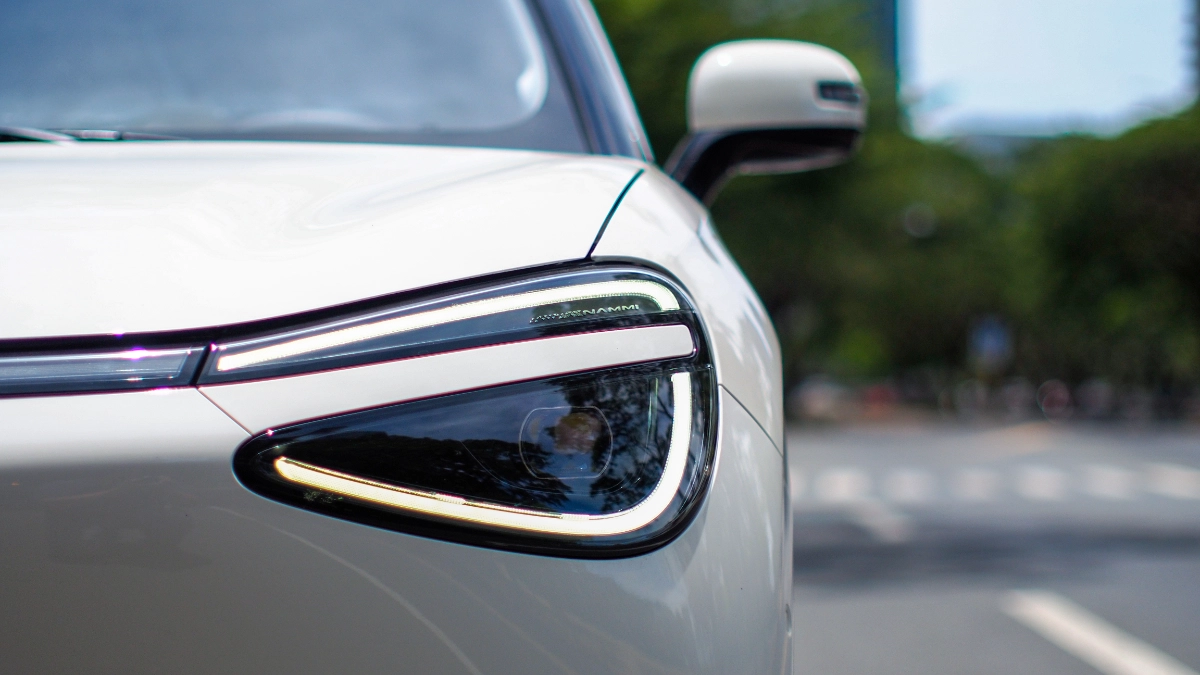
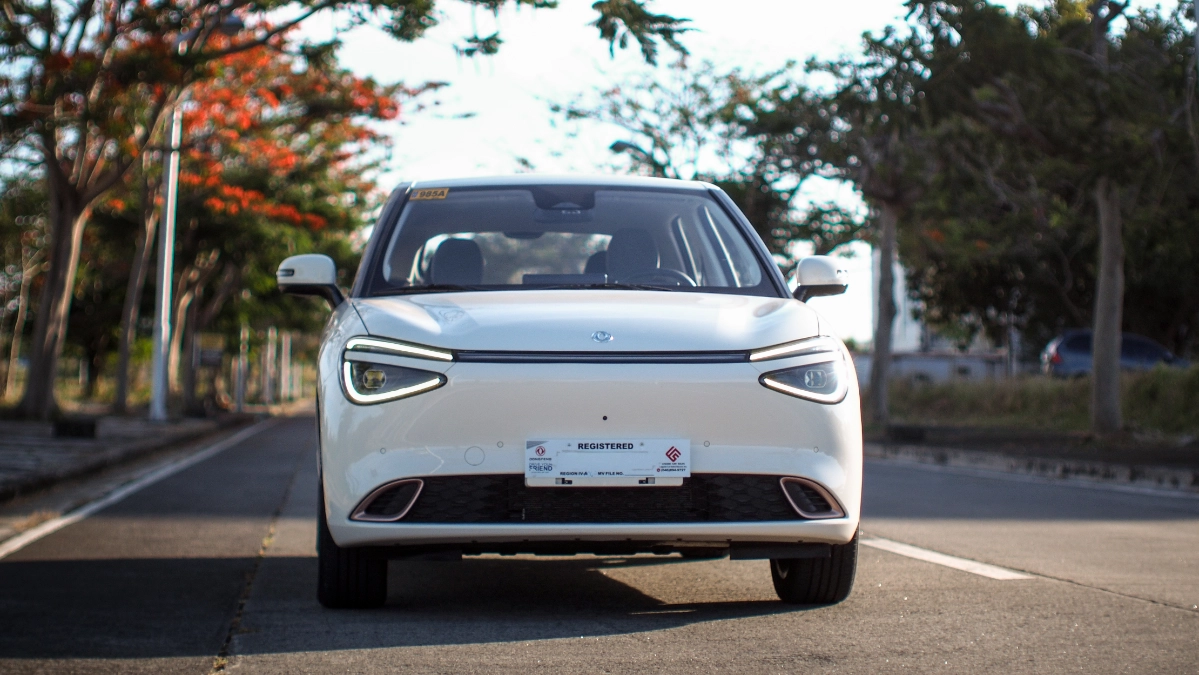
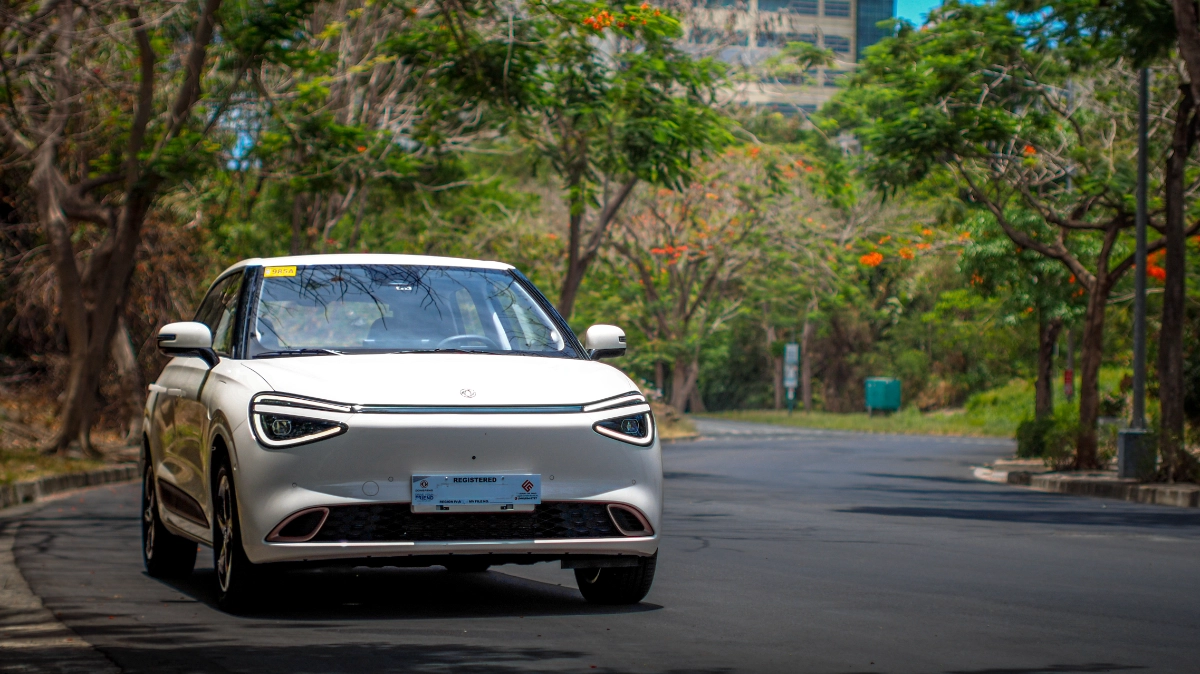
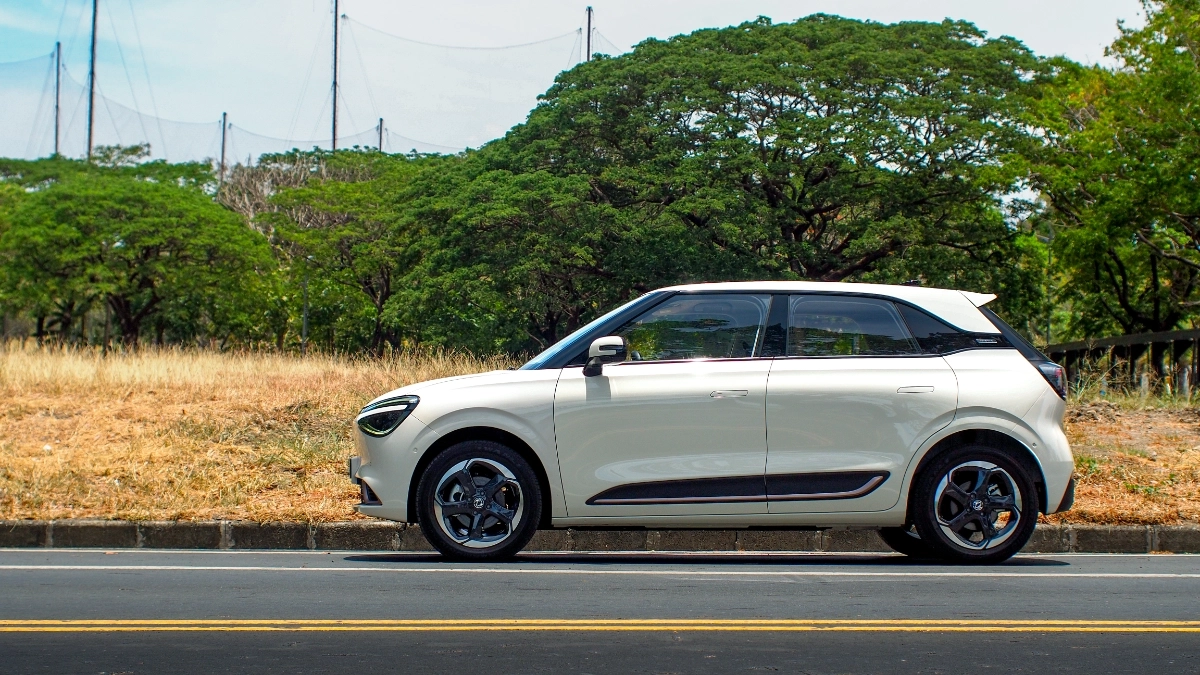
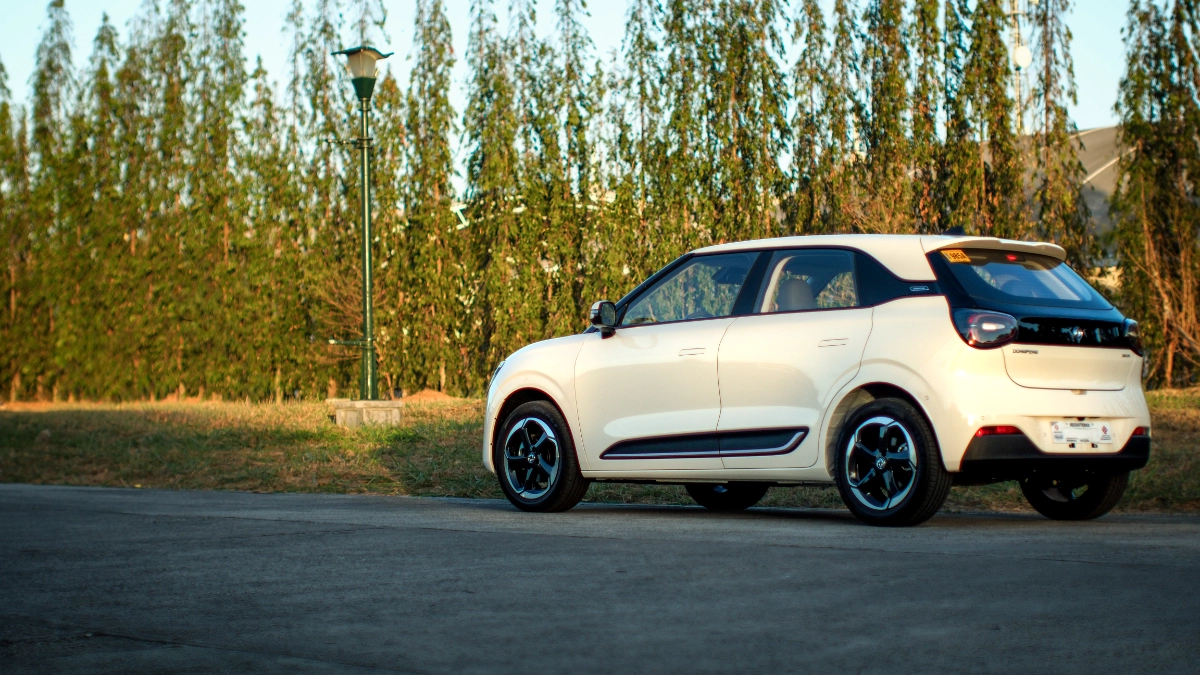
The Nammi Box is a good-looking number, with a sculpted exterior that looks more like a Dolphin than the BYD Dolphin does. It’s a jaunty, vaguely Euro-esque design with an aggressive bulldog stance for maximum cabin size and minimal footprint. A floating roofcap breaks up the square-ish shape of the roof, while wheels pushed out to the corners give it a sporty feel.
Freeform headlights and grille-less nose take advantage of the liberties granted by electric motivation and LED lighting. A small grille hidden in the bumper feeds air to the A/C and the thermal management system for the battery. Yes, unlike smaller EVs, the Nammi has a liquid-cooled battery pack, which means consistent performance over a wider range of conditions.
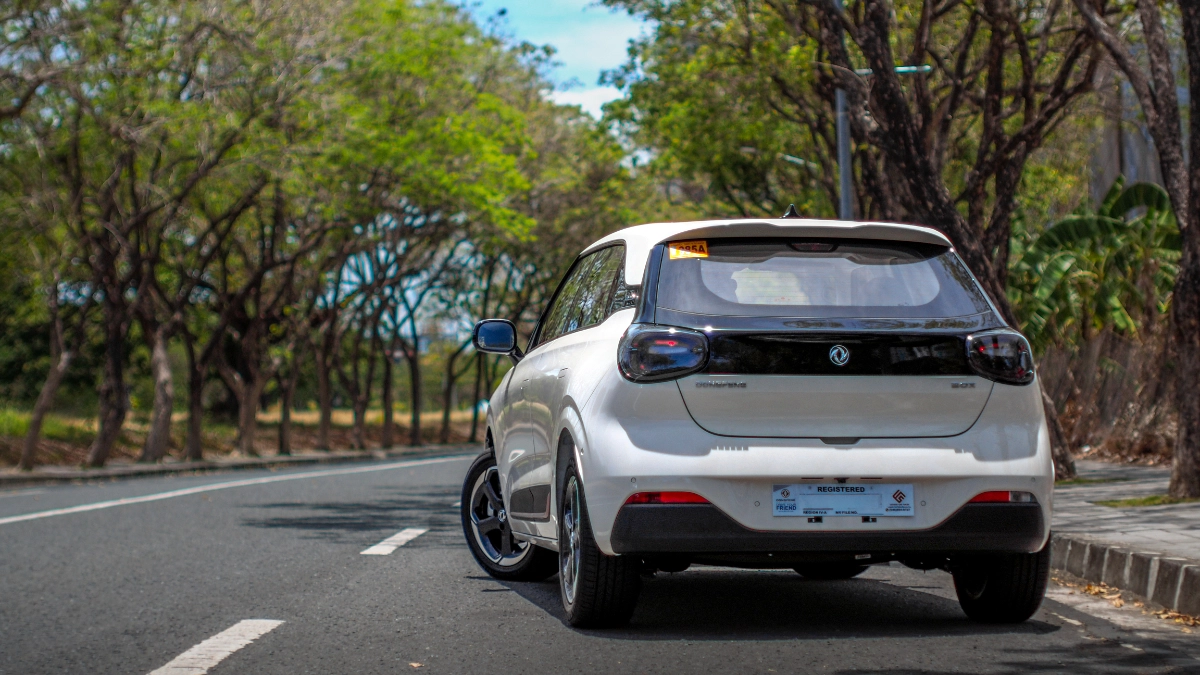
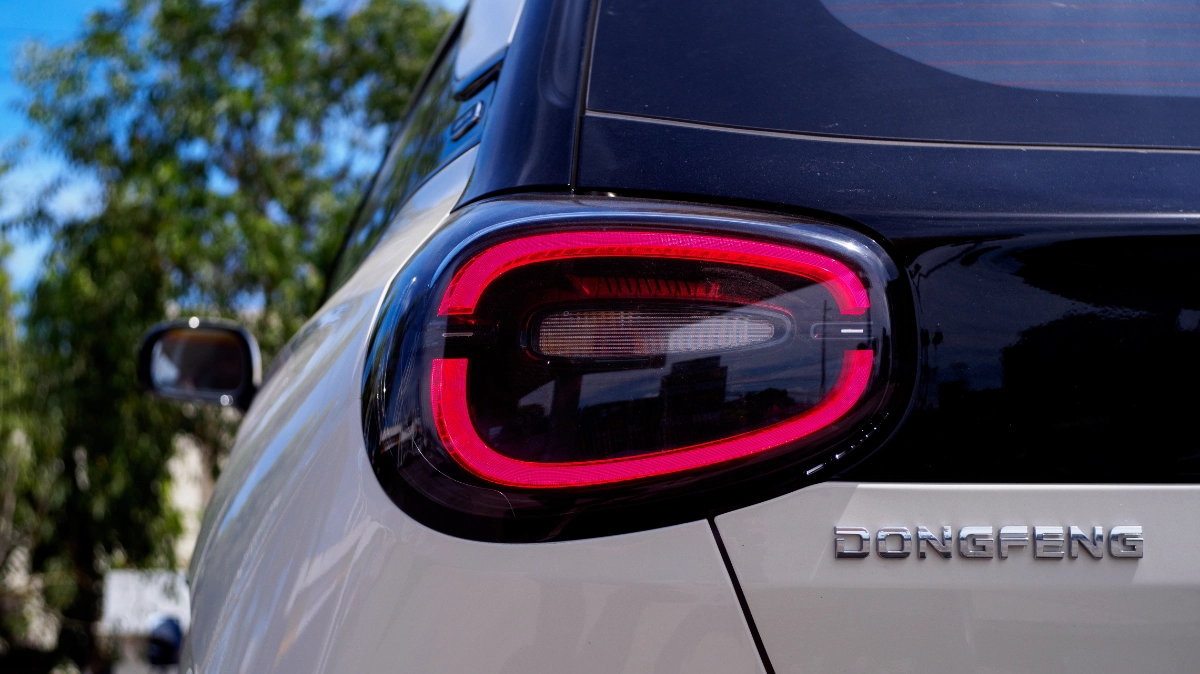
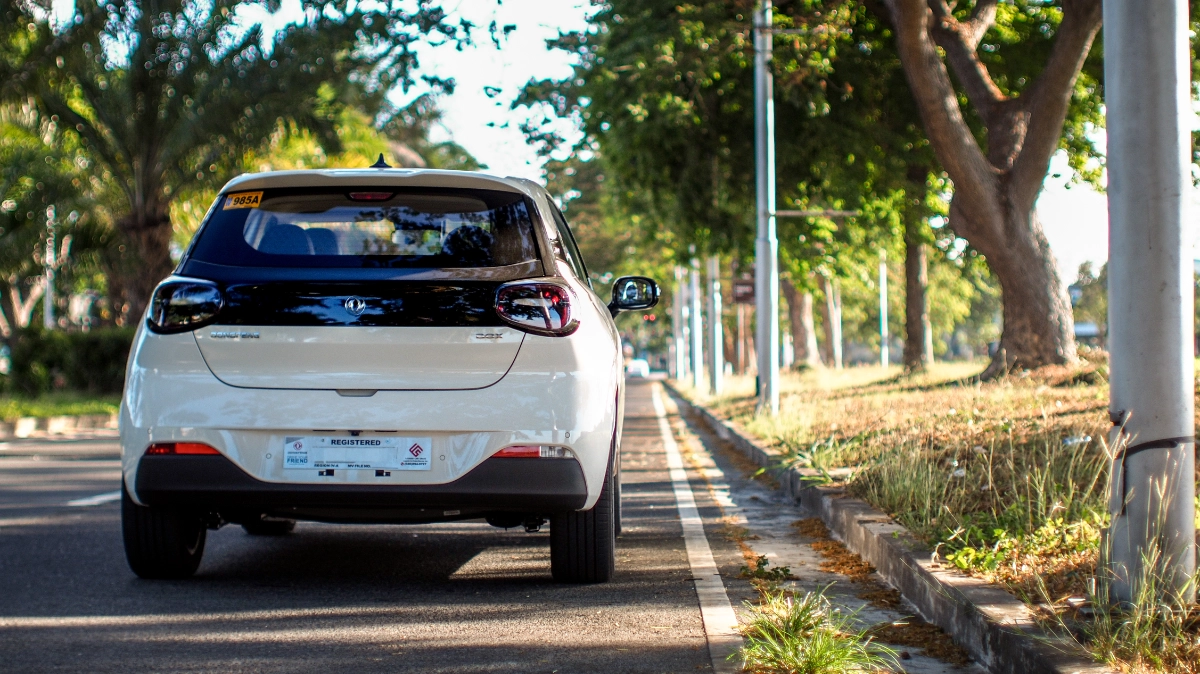
The rear end is pure hot hatch, with glossy black detailing hiding the relatively small size of the rear glass and large bumper cutaways suggesting aggressive “sporty” aerodynamics without actually committing to it.
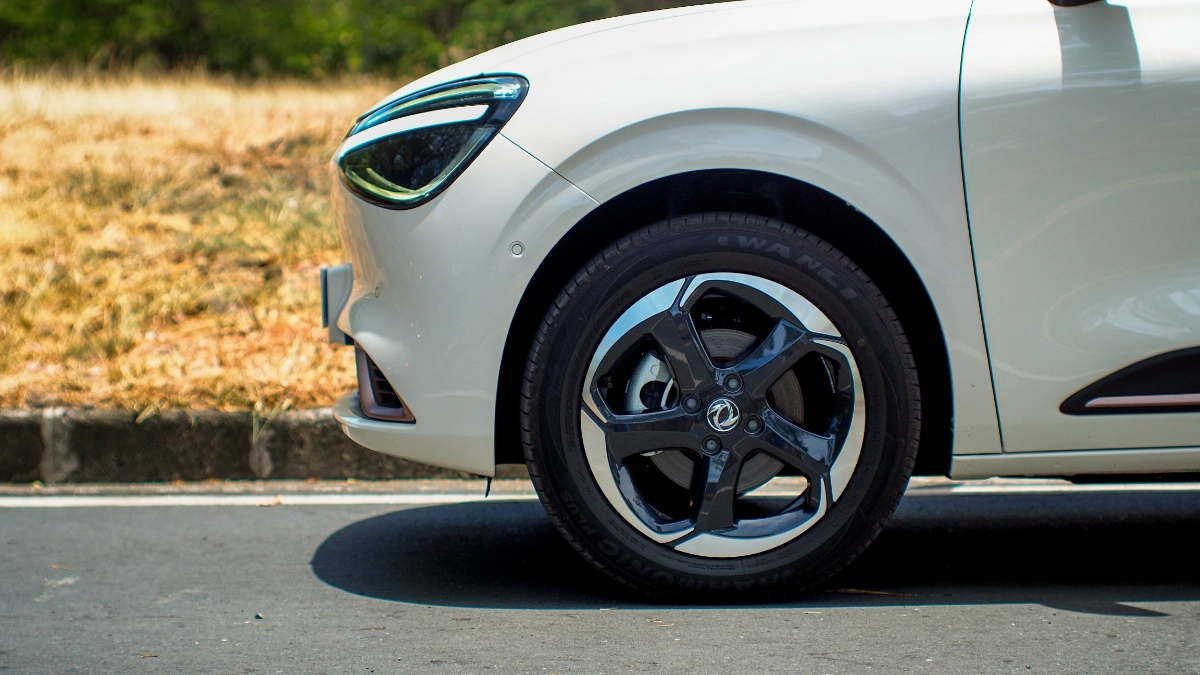
Metallic lavender and black plastic bits dress up the styling, breaking up the sheet metal quite nicely, while nifty two-tone flower-pattern alloy wheels round out a look that's modern and cosmopolitan.
Interior
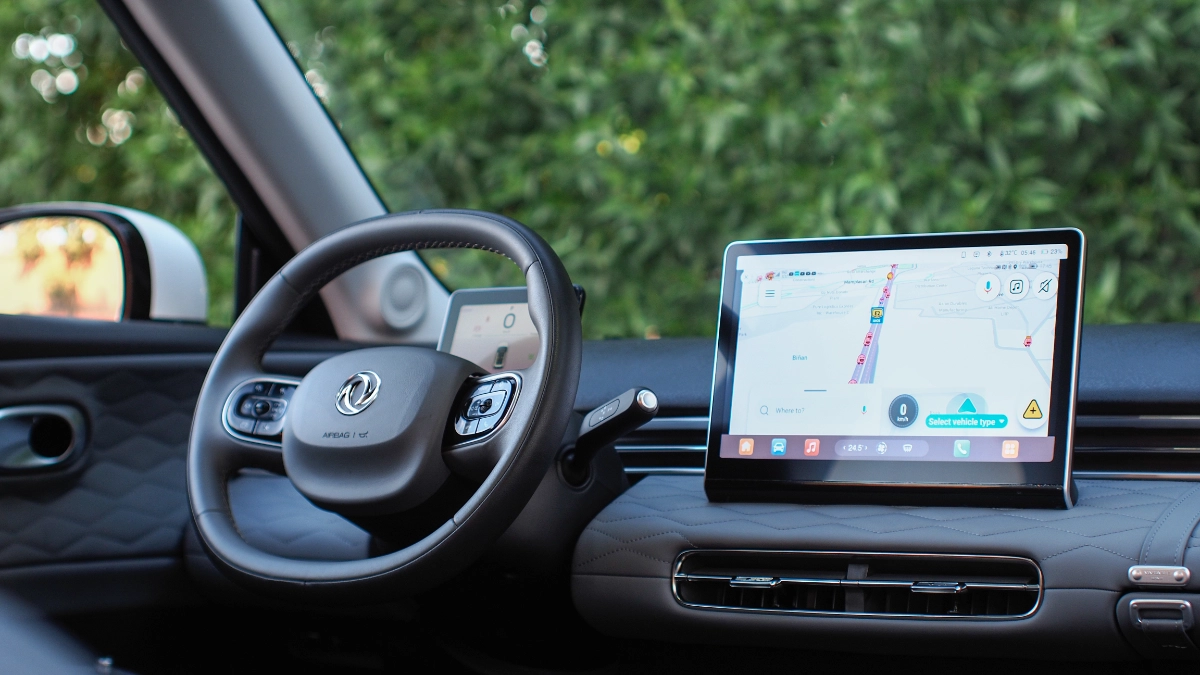
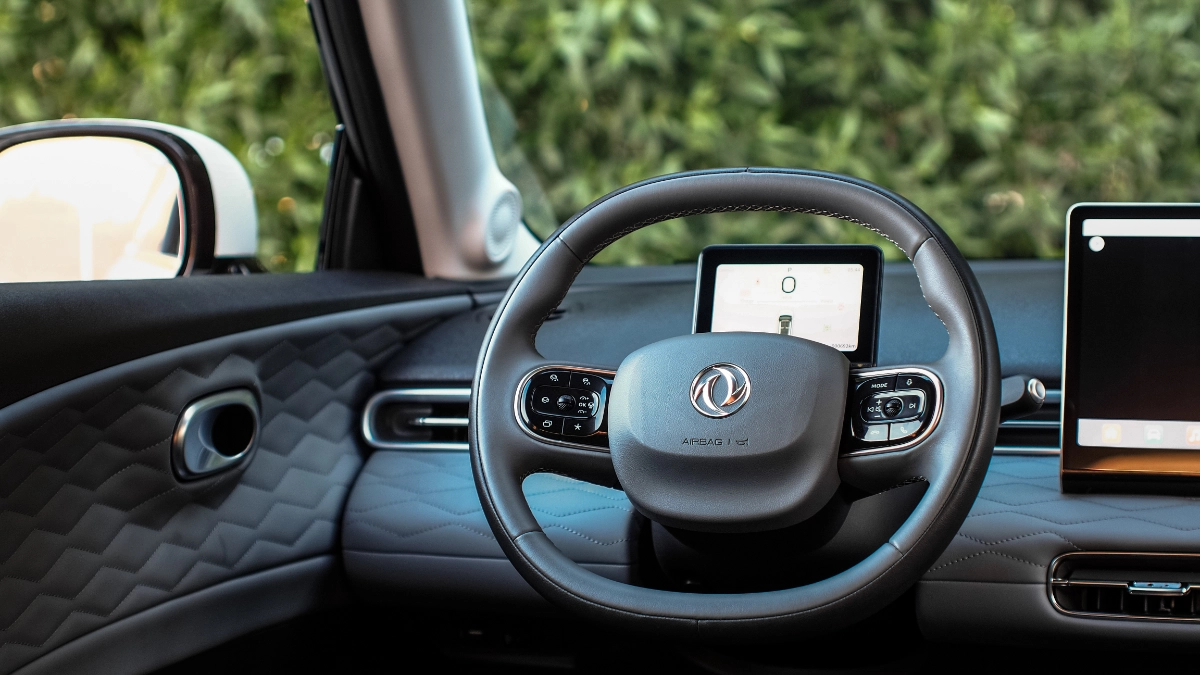
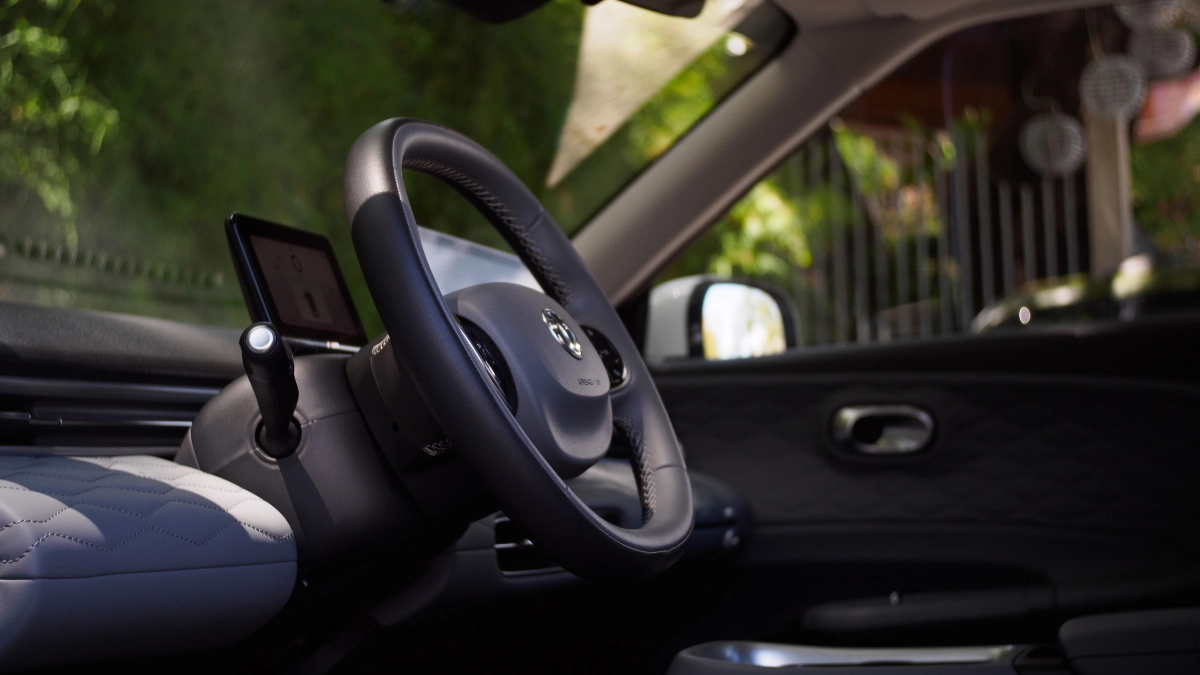
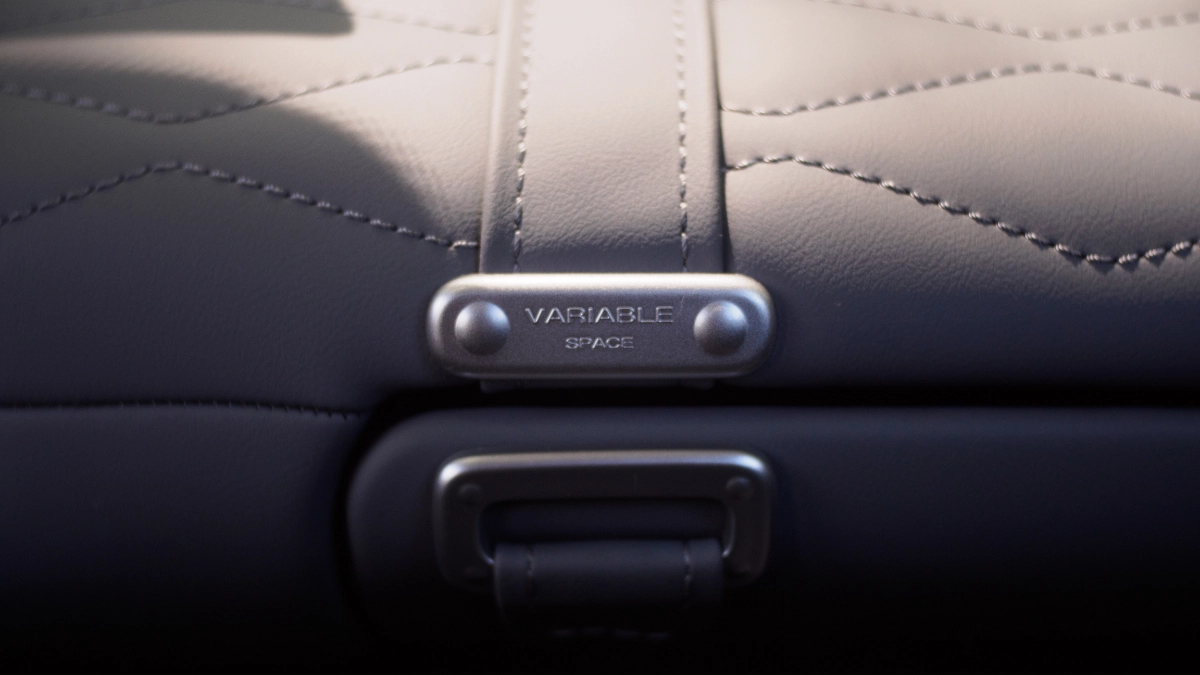
Where the NanoBox feels rather plastic fantastic, the Nammi Box goes overboard trying to convince you that it is anything but. There’s quilted leatherette panelling over most of the high-contact surfaces, and the overall interior design feels rather like an imitation luxury handbag.
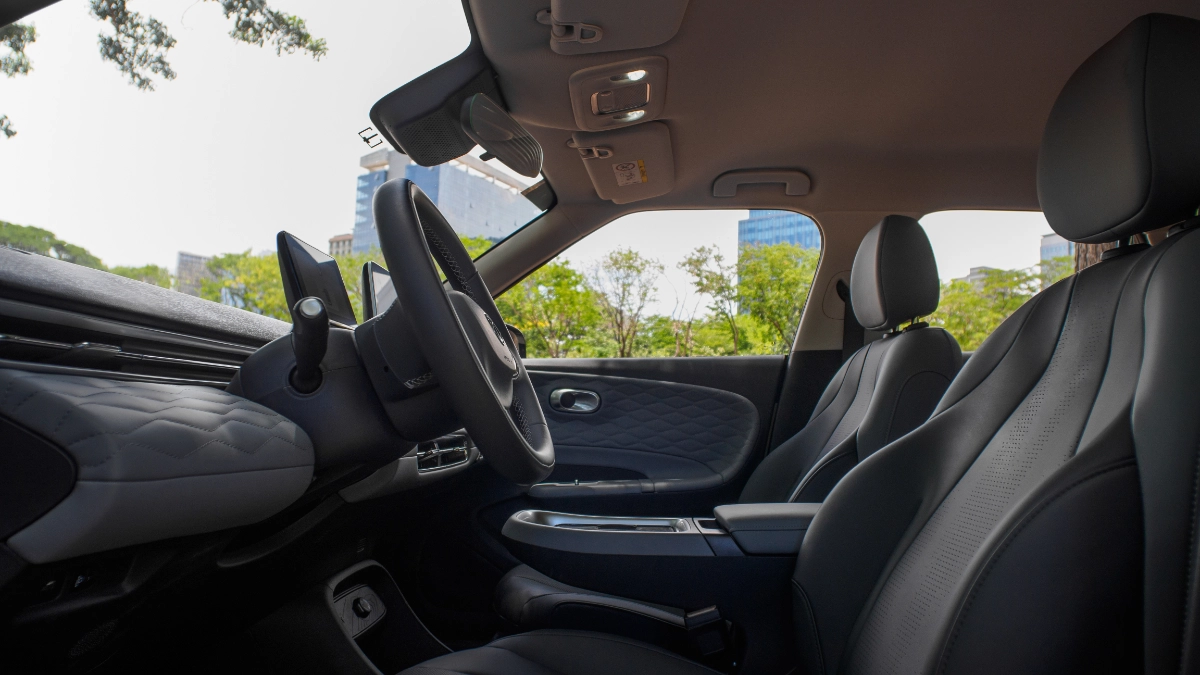
And imitation only because the metallic buckles and switches are plastic—safety won’t permit metal anywhere your head might land in a crash—it’s still lovely to look at. The seats are finished in two-tone gray leather, with perforated center panels up front. Not quite as fancy as the dash and door panels, but that will do.
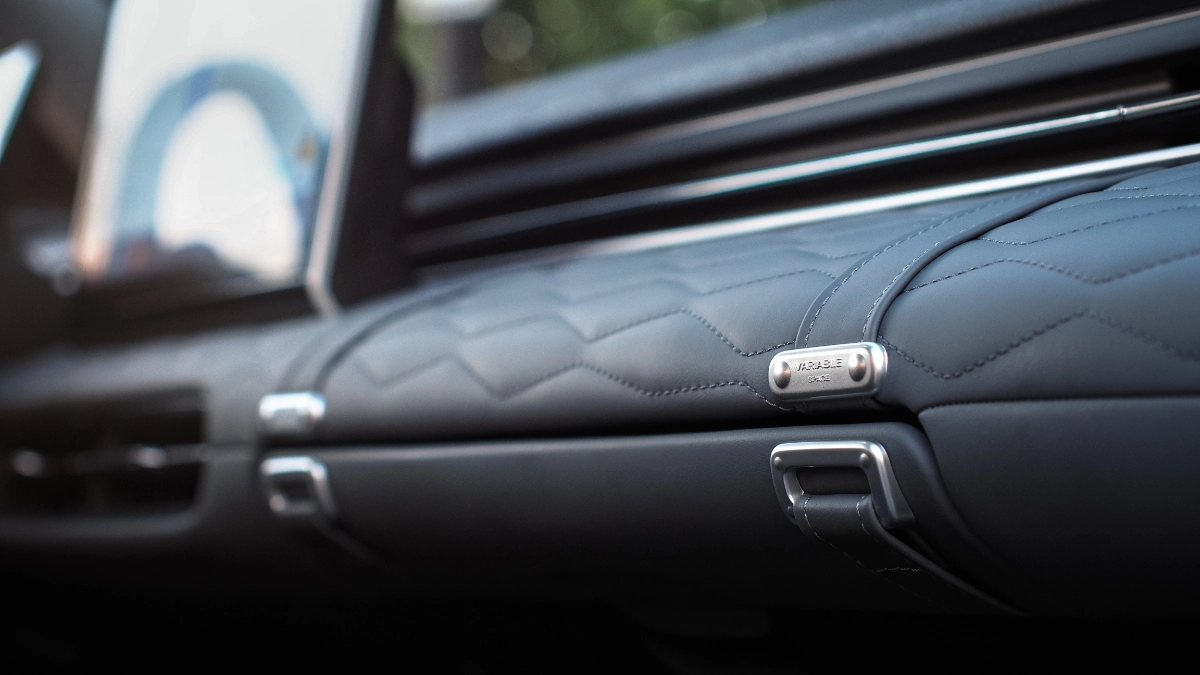
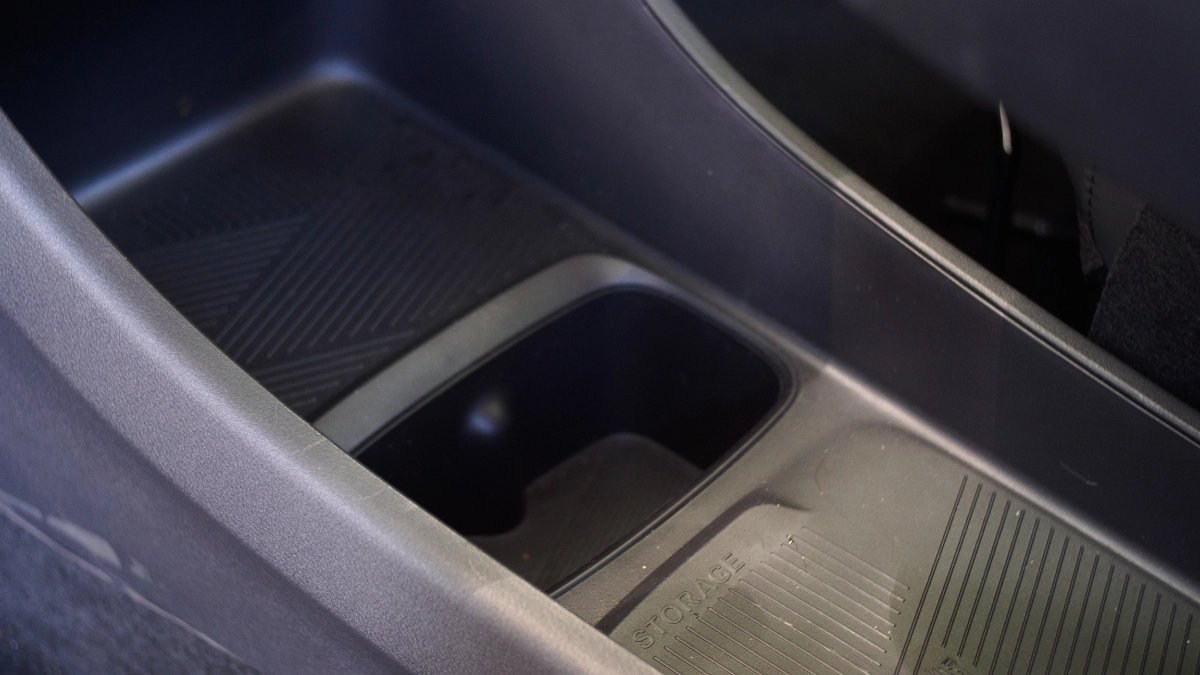
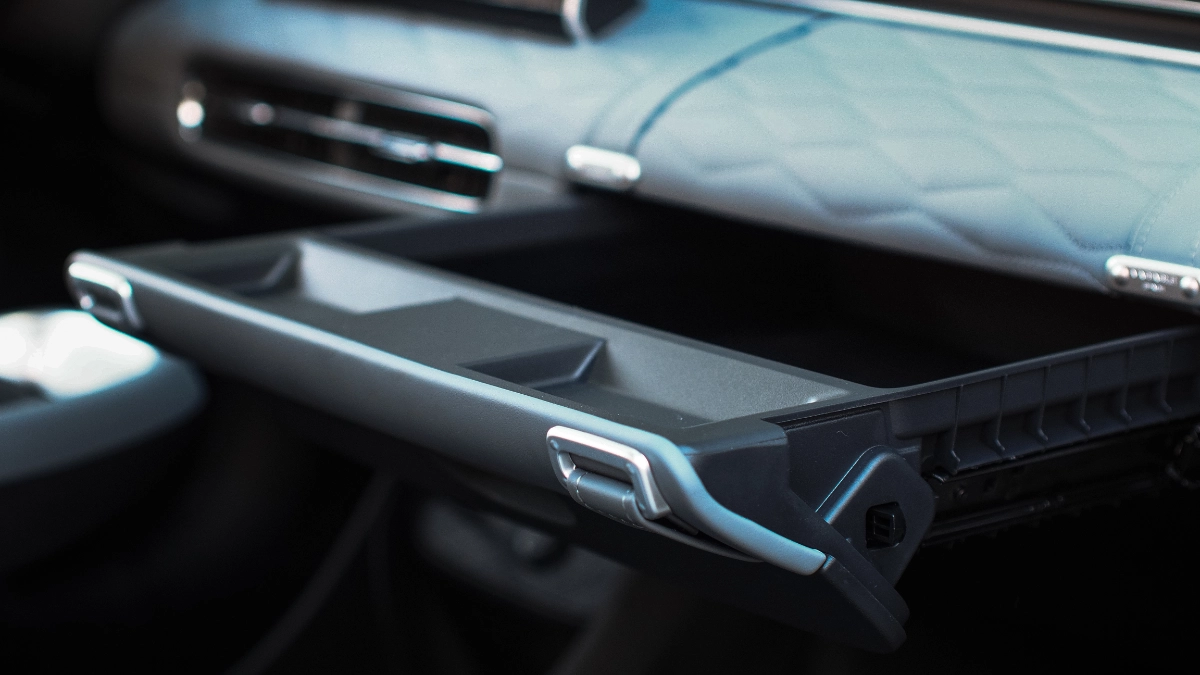
The Nammi works harder at maximizing space than most of its competitors. Much of the cabin is carved out to get out of your way. Instead of a bulky vertical glovebox, there’s a slim slide-out glovebox in front of the passenger. The center console is a slim floating assembly sitting over a floor-level shelf, attached to a slim console box.
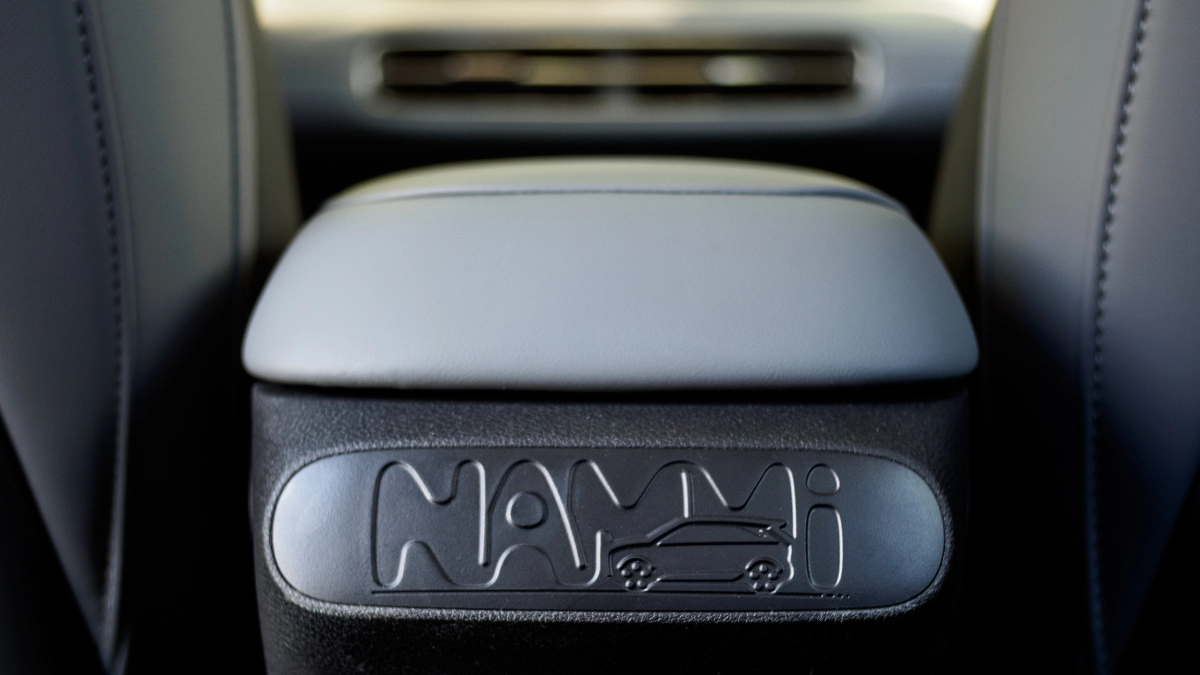
There are no rear A/C vents—just to free up space in the rear seat, which also lacks a fold-out armrest. The rear seat cushion is tilted noticeably back and is on the short side, giving extra room to wiggle your knees. Great for shorter passengers. Taller passengers might find themselves wanting more thigh support.
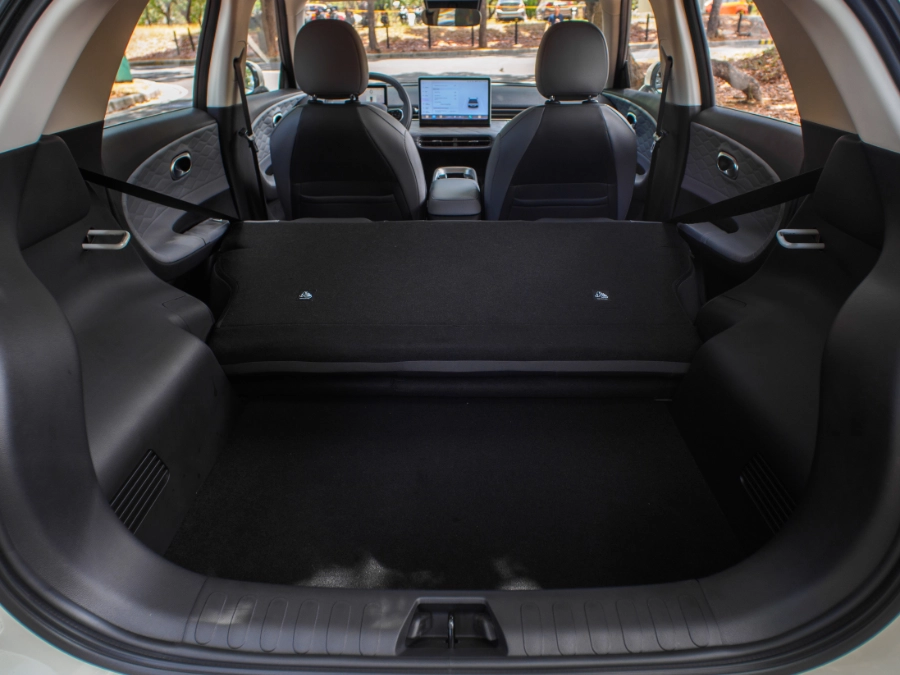
The thin backrest folds down as a piece to give extra trunk space. The trunk is on the large side compared to the likes of the Ora 03 and the Ytterby, and feels a bit roomier than the Dolphin’s, even though BYD’s compact hatch has more space on paper.
It feels like there could be even more space, as there’s a large empty section between the rear wheels under the floor where a spare tire would go. But since there is no spare tire compartment, Dongfeng provides a patch and inflation kit, which does come in handy. There’s no tonneau cover or even rails for one. Something to think about if security is a concern when parking on the street.
There’s no frunk up front, sadly, even though the tiny electric motor leaves a lot of space for one—you can buy an aftermarket frunk online, if you really want one.
Performance
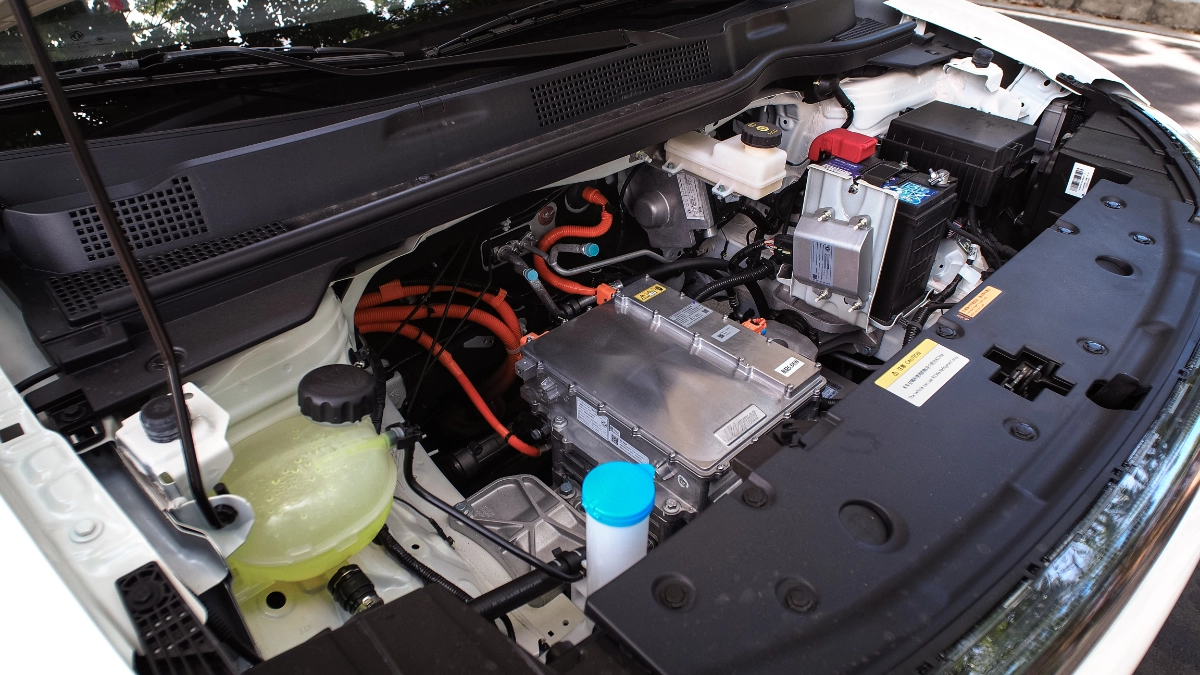
The 94hp unit gets the Nammi from 0 to 100kph in 14 seconds. A fair bit down on the BYD Dolphin, which has similar power figures. But that’s not the whole story. The motor’s 160Nm of torque gives it low-speed performance comparable to a 1.6-liter gasoline car, with the push only really easing off past 80kph. This makes the Nammi a real point-and-squirt weapon in traffic.
Energy efficiency during our drive was pretty good overall. Dongfeng claims over 400km of range from the 42kWh battery, and we got over 300 during our time with the car. Mixed economy was in the 8-10km/kWh range, and up to 12-14km/kWh on the highway at 80kph with the aircon running. Charging is limited to Level 2, at up to 20kW, but with the efficient powertrain, you can get decent range out of a half hour of charging at your standard 7kW charger, no sweat.

Ride and Handling

Despite its sporty looks, the Nammi isn’t the most agile car in its class. Stiff springs combined with light suspension damping make it rather bouncy over road imperfections, and there’s more body roll than you’d expect given the initially firm-feeling ride.
Hit a hump or bump at speed and the wheels dribble off it like a basketball. The rear end can feel especially bouncy if you go over a hump at speed. The 215/55R17 Wanli Harmonic Plus tires are sufficiently grippy and steady at speed. They’re relatively quiet, but the ultra-stiff floor panel still transmits a lot of the grit and rumble of the road into the cabin, anyway.
That said, the Nammi is generally pleasant to drive, easy to place and quite steady, thanks to all the weight sitting down low. There’s decent visibility all around, especially compared to competitors with smaller rear windows or rising belt-lines.
Extra Features
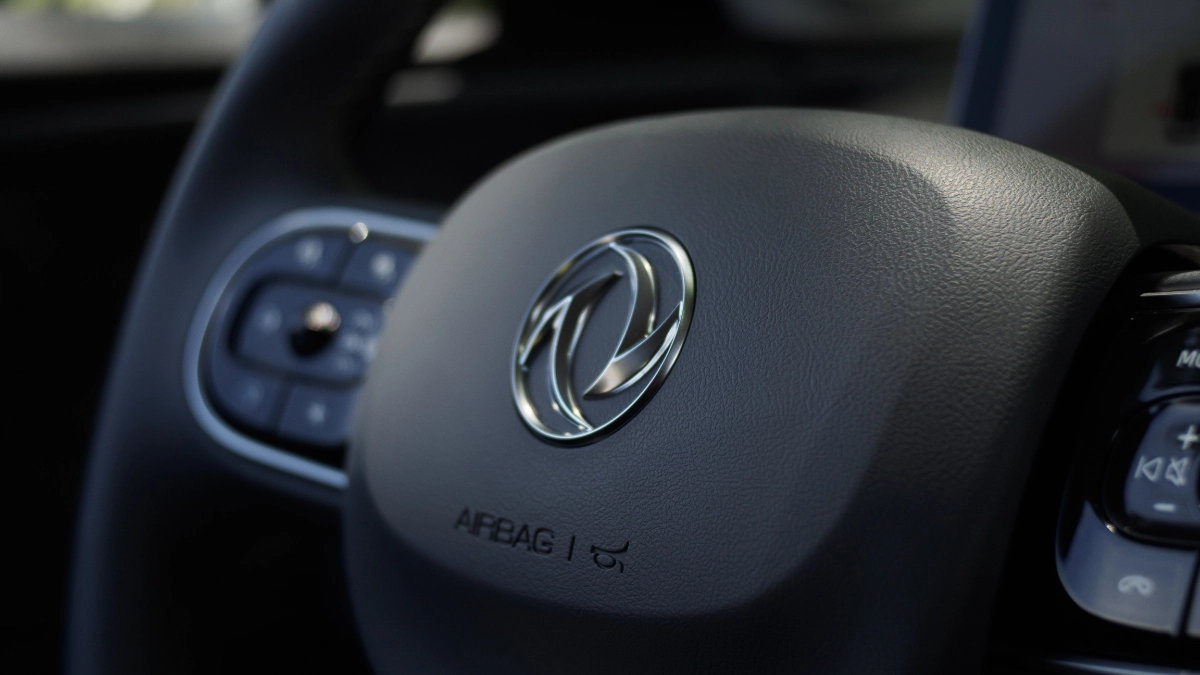
Aside from the expected Level 2 driving aids, you also get parking cameras, which can be triggered via the customizable hot button on the steering wheel. Unfortunately, unlike the ones on BYDs, these can’t be triggered at speed to check your corners when driving down tightly packed roads like EDSA. Not that you’ll need that function much given the good visibility of the platform.
Like many cars in this class, you get keyless entry and ignition—walk up, get in, shift into Drive with the brakes depressed and go. Unfortunately, there’s no physical kill switch, like on some cars; instead, you have to swipe down on the touchscreen to access the panel that allows you to turn the car off.
You can adjust the keyless system any number of ways, from whether the hidden door handles pop up when you approach to how eagerly the car turns off and locks up as you leave. The menu system that controls these systems is rather simple, no endless sub-menus, and very few options compared to some other EVs, making this one of the less objectionable touchscreen interfaces out there. Yes, it’s still a chore to go in to adjust the AC, but at least you can assign that steering wheel hotkey to toggle the HVAC panel.
The infotainment system features both your typical Android Auto and Apple CarPlay functionality as well as WebView, which allows app and screen mirroring for Chinese phones that aren’t compatible with AA. When moving, it acts like a poor man’s AA, allowing you to access navigation and music apps through a rather clunky interface.
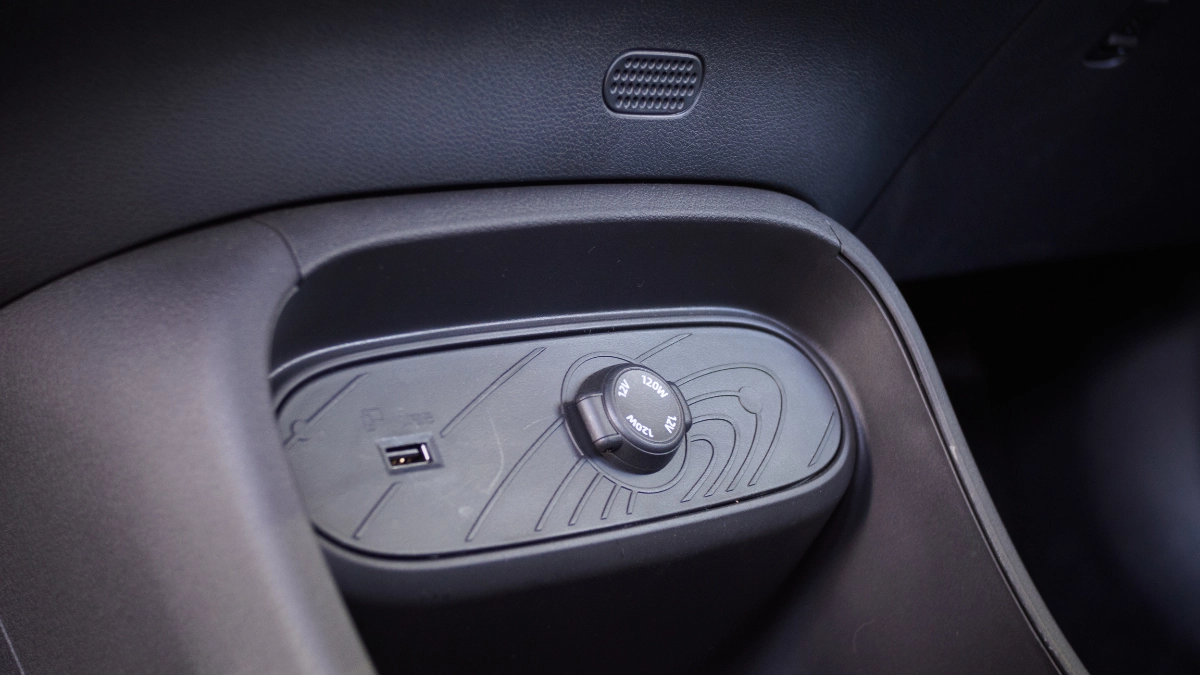
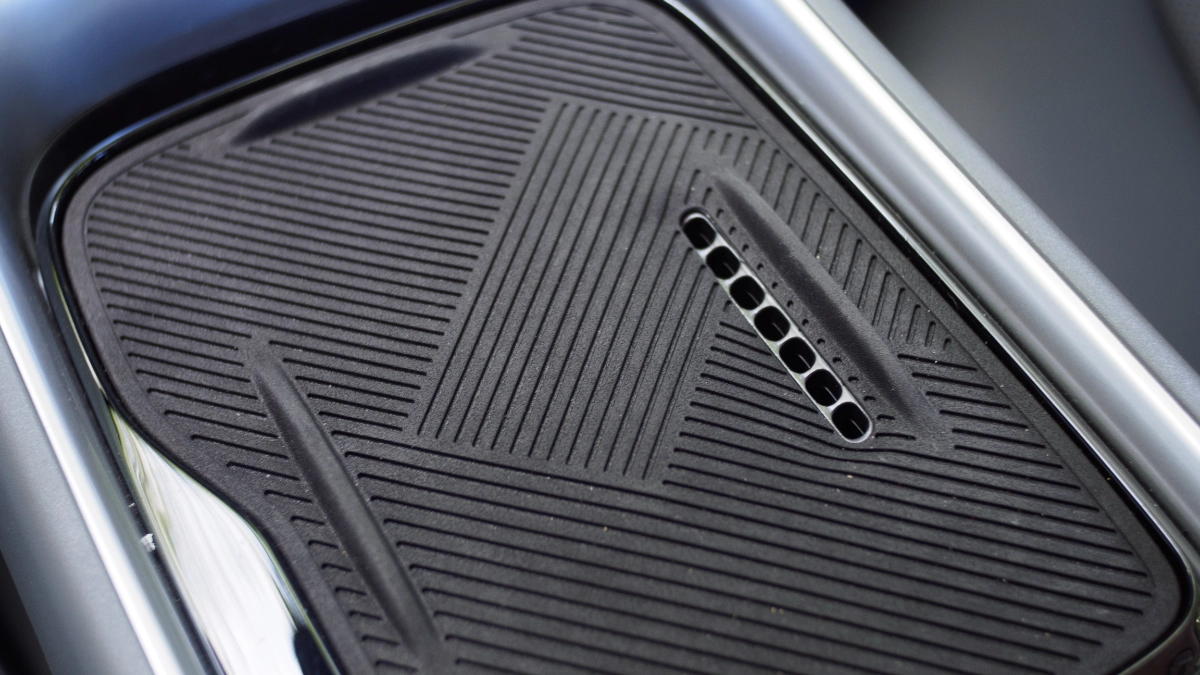
When stopped, it gives you full-screen mirroring, allowing you to play videos and games on the center screen. Sound is good enough, but this won’t be the audiophile’s first choice. Beyond that, there isn’t much in the way of extras. To save on costs, the Nammi has no rear AC, cabin lights, or even grab handles. You do get USB-C power/data, a 12V socket, and a high-speed wireless pad, but those are the bare minimum for Chinese cars nowadays.
Like most EVs, the Nammi has no spare tire, so you get an emergency inflation kit under the trunk liner. Which came in handy when we got a nasty puncture—which the tire pressure monitoring thankfully picked up.
While this will do for 99% of punctures and scares, some owners will want the security of a full-sized spare. It does look like there is space under the car for one, but you'll need to have custom brackets built for that.
Verdict
The Nammi is a great little car, class competitive and well-spec’d, especially with the recent refresh. Granted, it falls a bit short in terms of performance against the more athletic in the class, but most of those do cost more. Or did.
See, GAC, Geely, and Chery are all launching Nammi competitors with introductory prices at or under that P1 million mark. Undercutting the current compact hatchback class by a staggering amount. It’s a fast-moving market, and Dongfeng has its work cut out for it to stay ahead of the curve.
SPECS: 2027 Dongfeng Nammi EV
Price: P1,238,000
Powertrain: Permanent-magnet synchronous motor + 42.3kWh battery
Power: 94hp
Torque: 160Nm
Layout: FWD
Seating: 5
Score: 7.5/10
More photos of the 2027 Dongfeng Nammi EV: