Thanks to a zero-tariff market, EVs can finally compete directly with petrol-powered Japanese cars. Yet range anxiety is still an issue for many buyers, encouraging manufacturers to offer ever bigger batteries in smaller cars in order to encourage buyers to switch. Case in point: the JAC Ytterby Pro 505, one of the cheapest all-electric options to claim a 500km+ range.
But is this a convincing enough argument to warrant the ‘Pro’ label? Let’s find out.
Styling
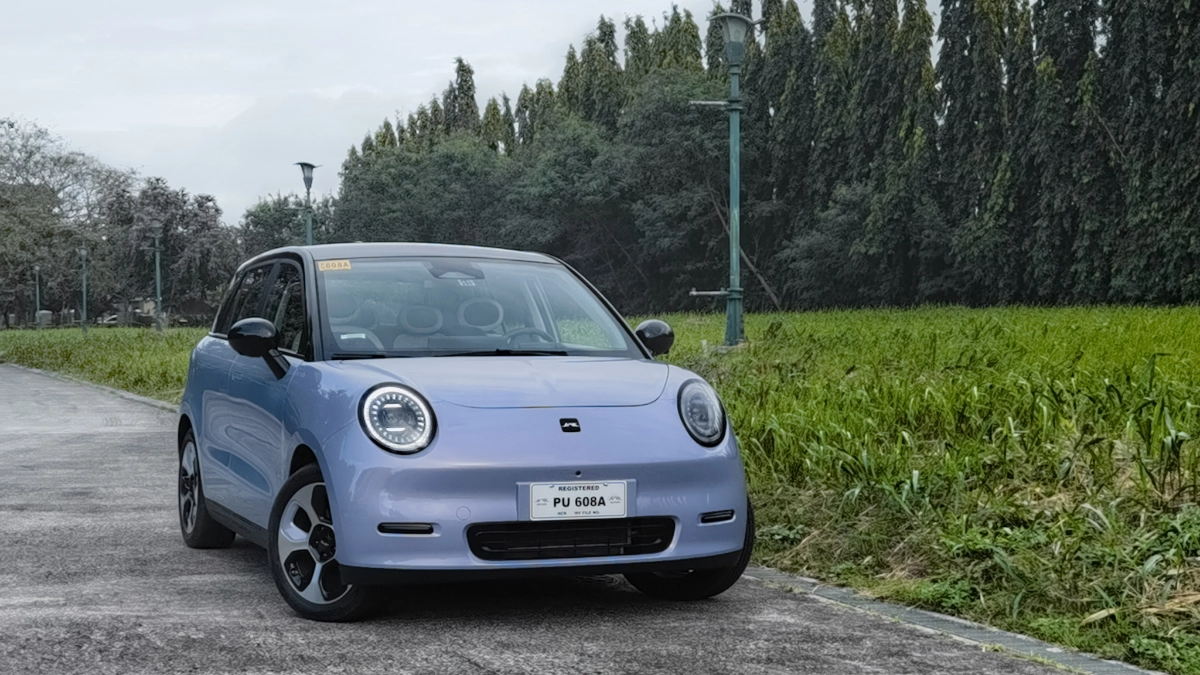
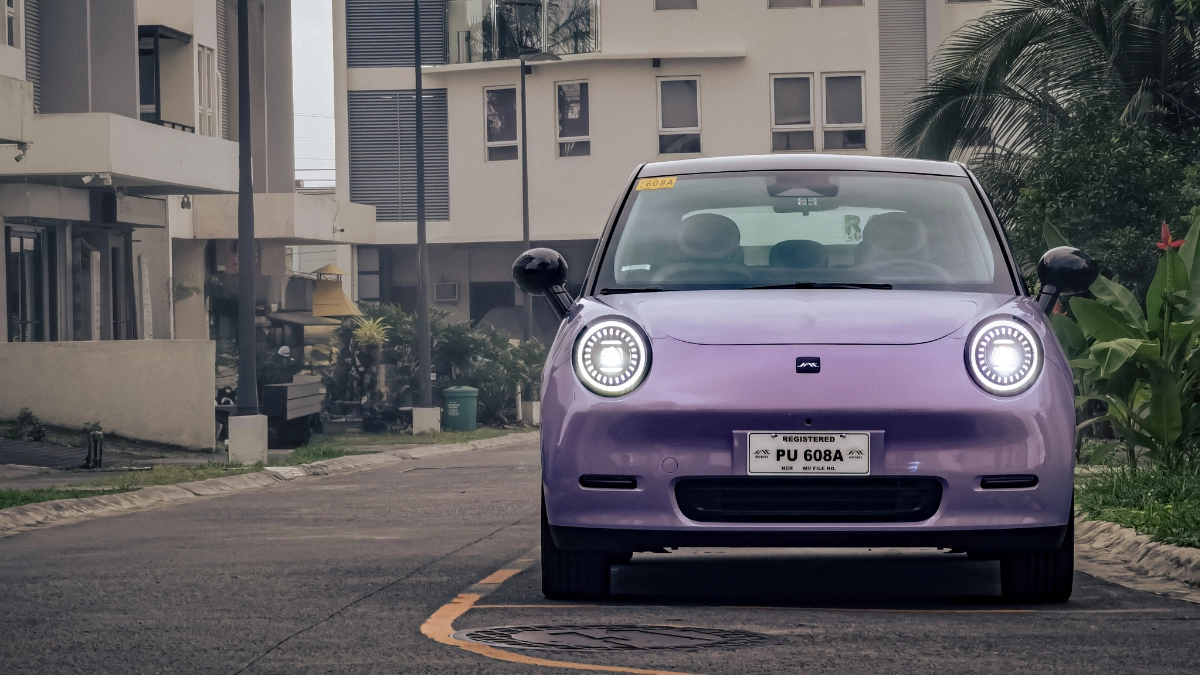
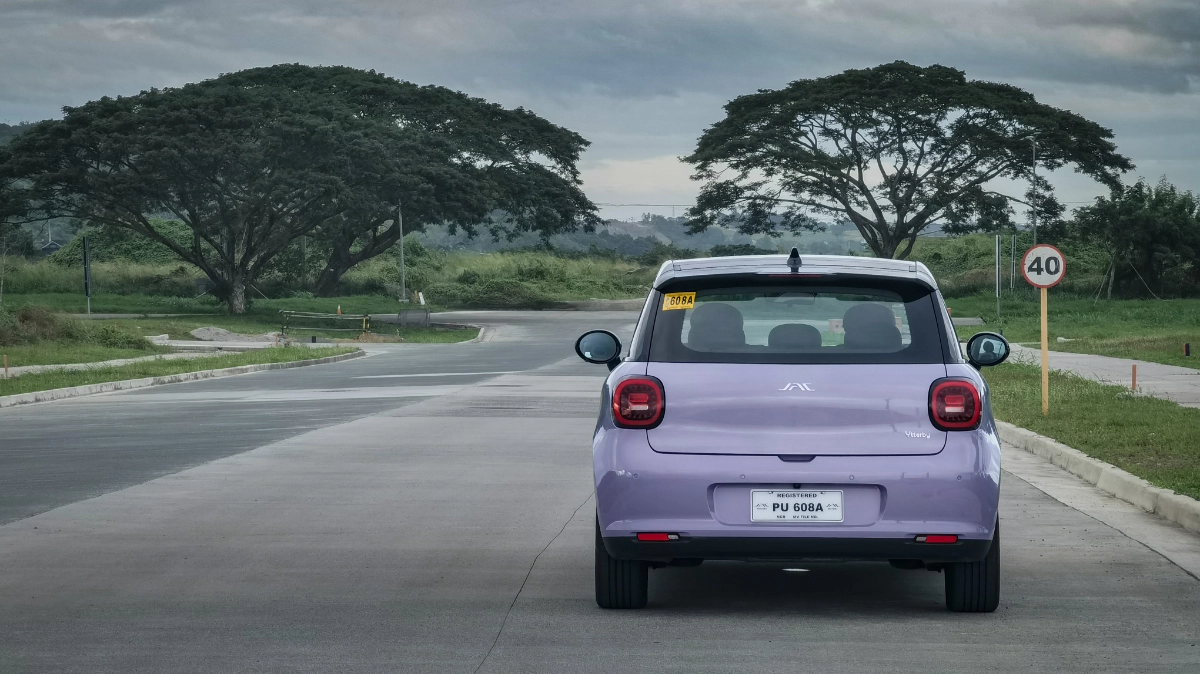
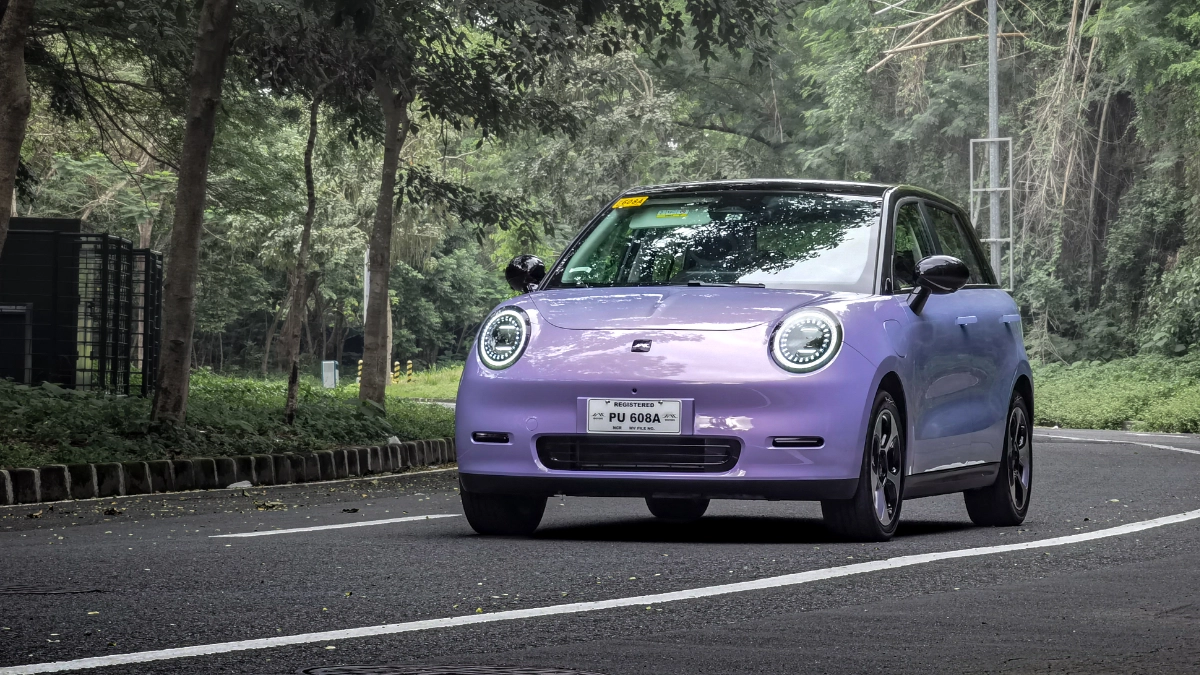
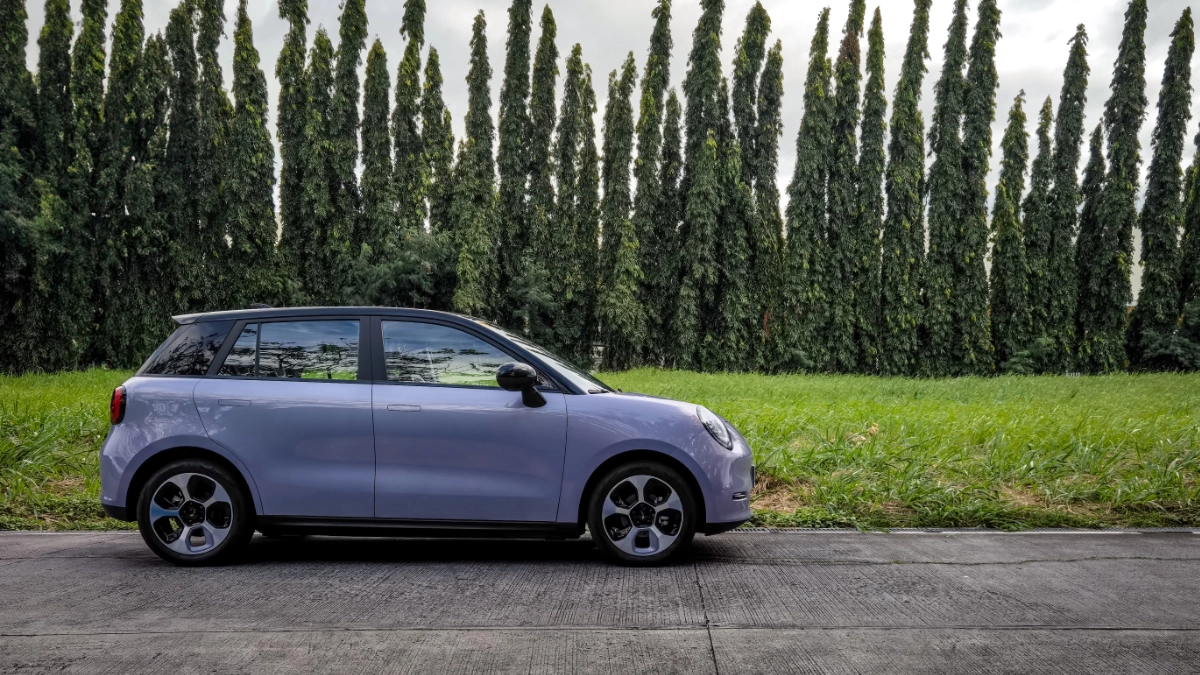
The Ytterby competes in a compact-hatchback segment that takes advantage of EV architecture to offer compact space in a subcompact footprint. Compared to the ultra-futuristic BYD Dolphin, the Ytterby features a more traditional retro-futuristic look that features shades of the Nissan Be-1 and the Mini.
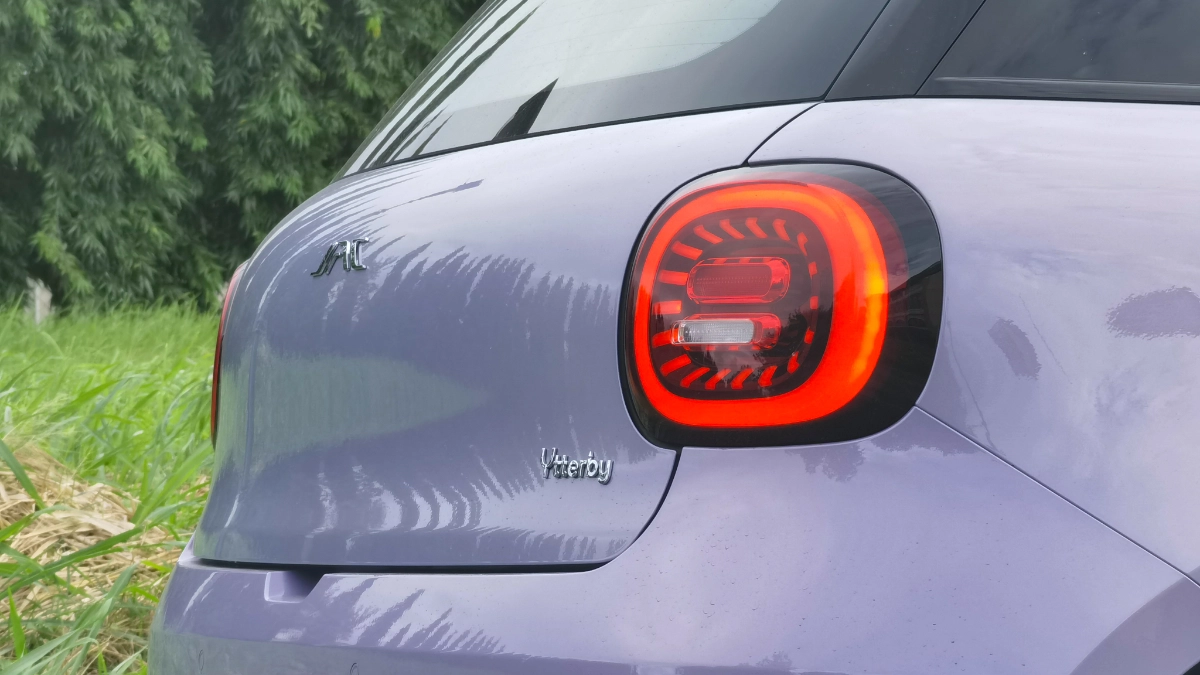
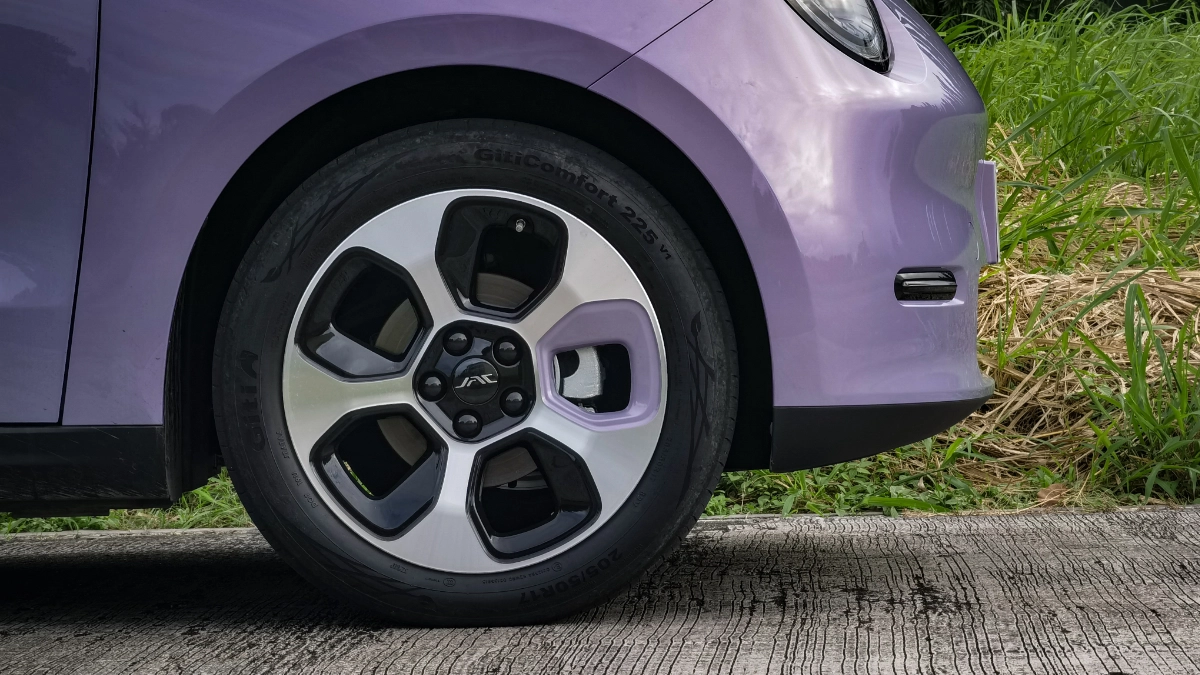
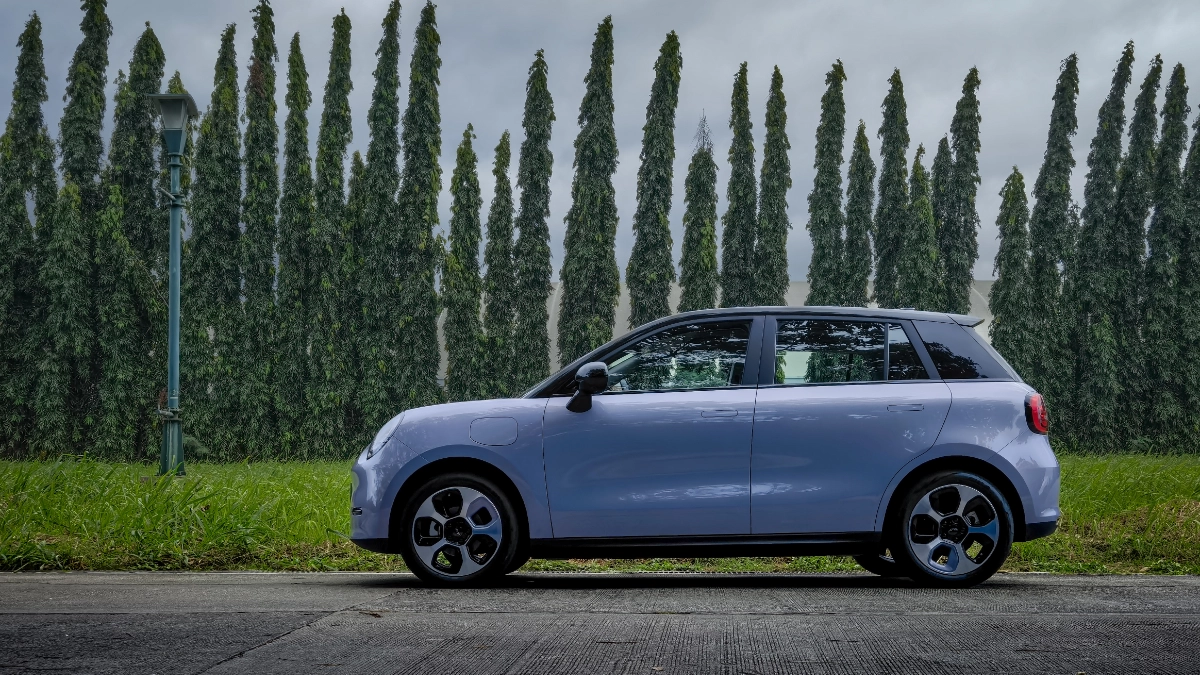
There’s more of a focus on maximizing cabin size and greenhouse here. While the Dolphin looks more compact, it’s actually the Ytterby with the smaller, boxier footprint. It’s a bit more slab-sided, but smooth body lines, hideaway door handles, retro-styled LED lights, tri-tone 17-inch wheels, and a blacked-out greenhouse give it a premium feel.
About the only sore note is the black plastic cladding on the rear pillar, which picks up scratches more easily than the textured cladding on the Dolphin. The color-shifting eggplant purple paint also looks subtly different between the metal panels and the plastic bumpers, but that’s about par for the course with these fancier colors.
ALSO READ:
The BYD Seal Advanced makes its debut with a P1.998-M price
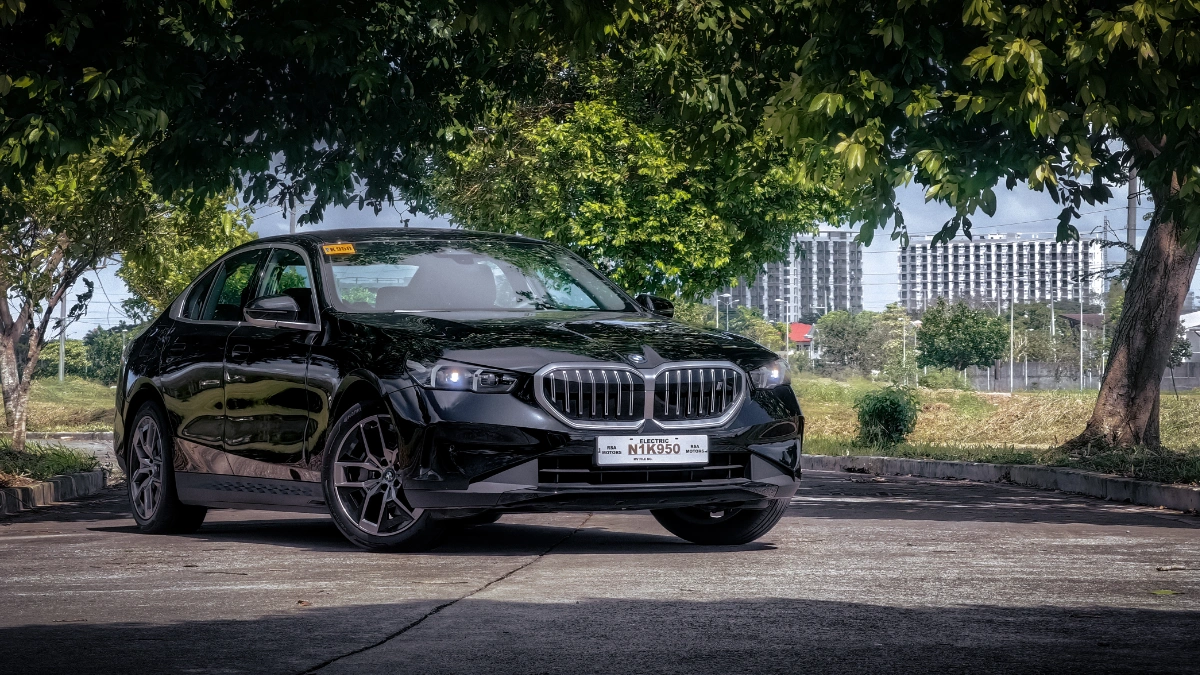
Review: 2024 BMW i5 eDrive40
Interior
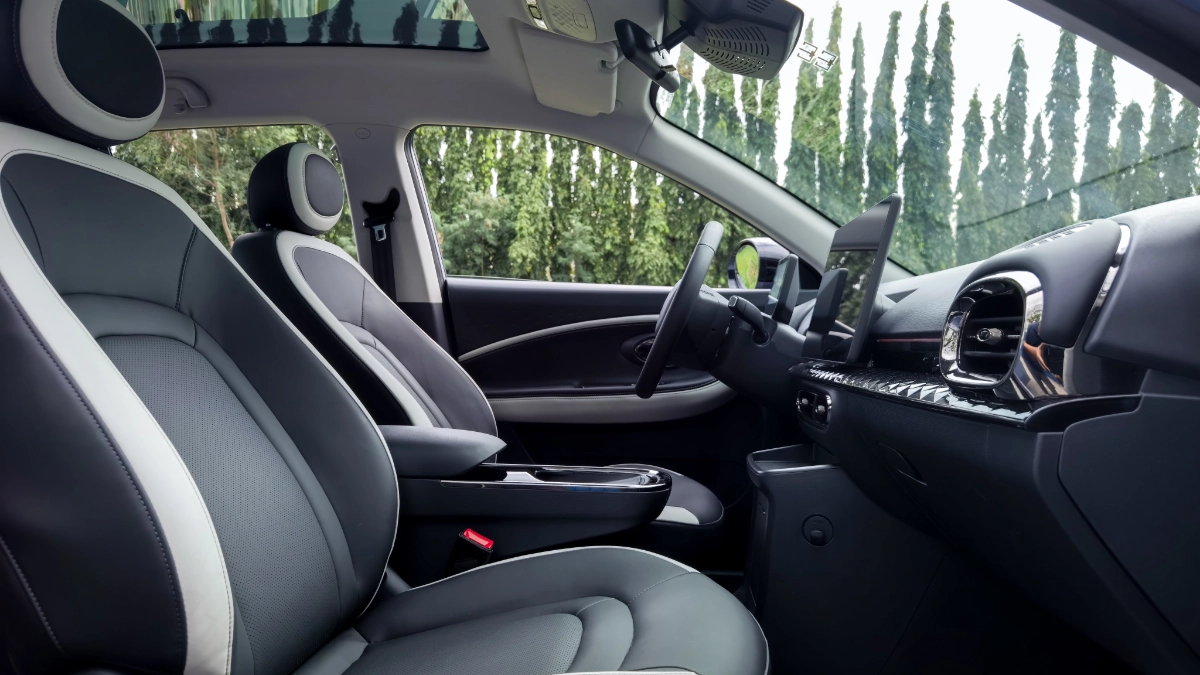
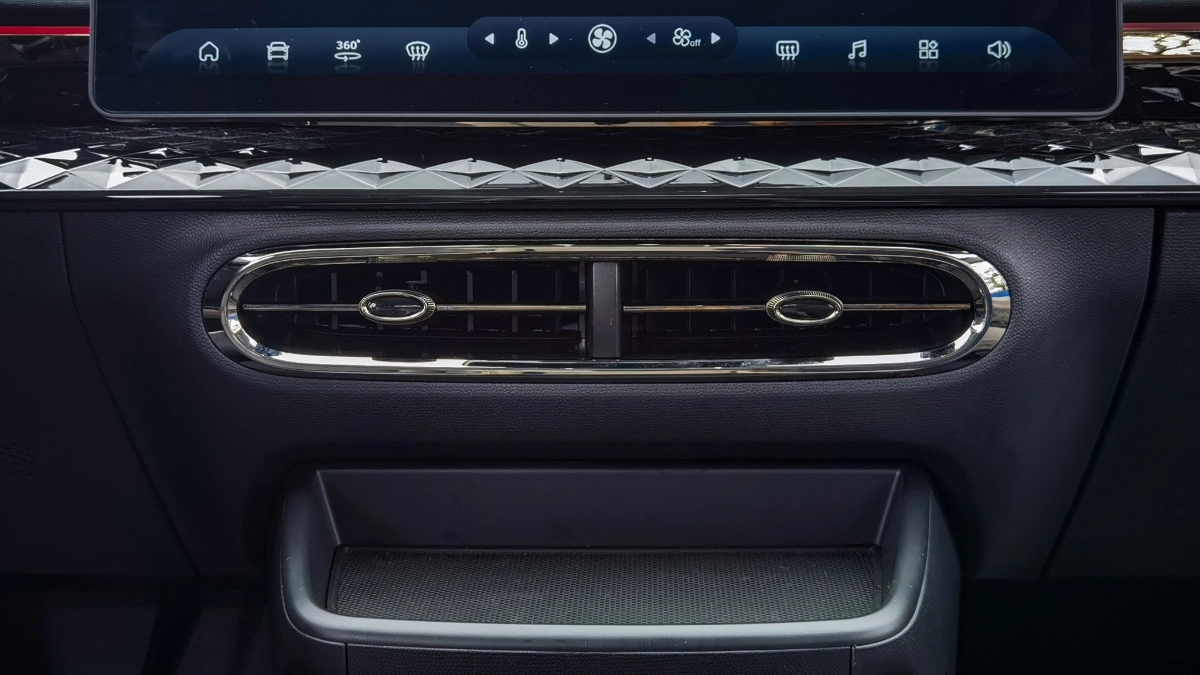
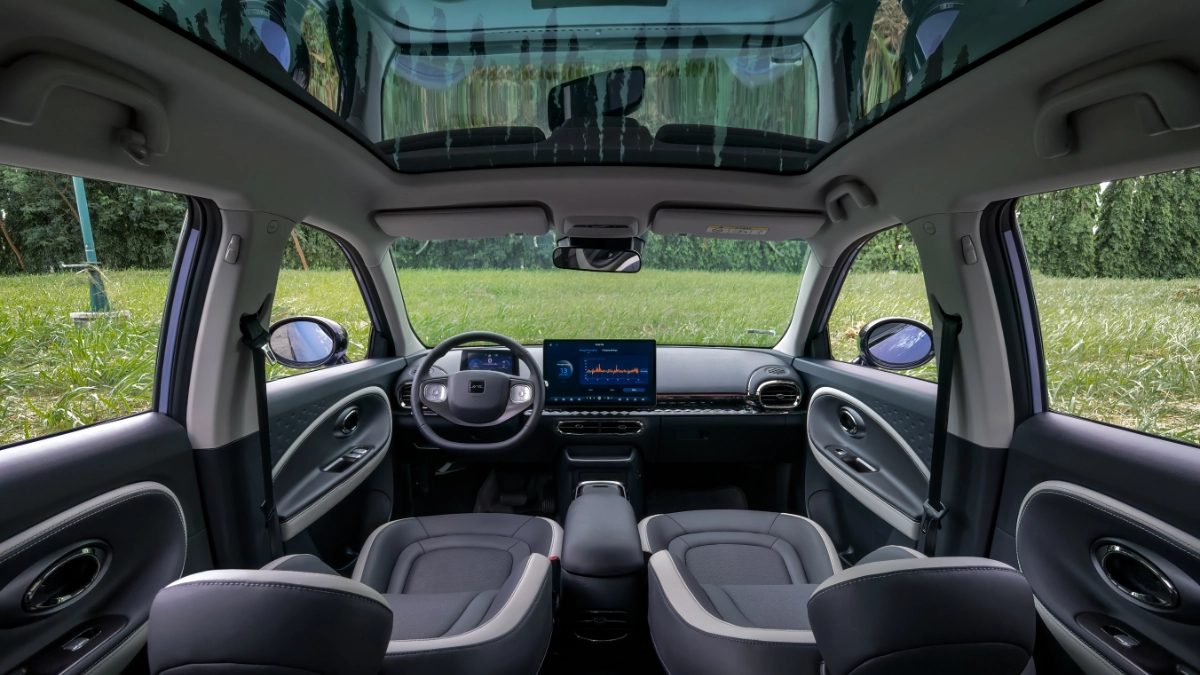
The interior styling feels like a riff on the older retro-styled Ora 03—the ‘Good Cat’—but with more of a focus on restrained minimalism. The cabin up and gets out of your way, with shelves and consoles pulled up and out of the way of your knees and legs, compared to the Dolphin. Even the single front cupholder is hidden under the dashboard, as is a single baggage hook.
There are no physical buttons at all on the dashboard, which is dominated by a single humongous 15.6-inch screen. All physical controls are on the steering wheel and two multi-function control stalks. Interior materials are par for the course: There’s lots of plastic here, but it’s well-screwed together. Tiny bits of chrome and piano-black accents dress up the cabin—though again, that piano black picks up scratches and lint like crazy. And slivers of silver dress up the leatherette on the doors and the seats.
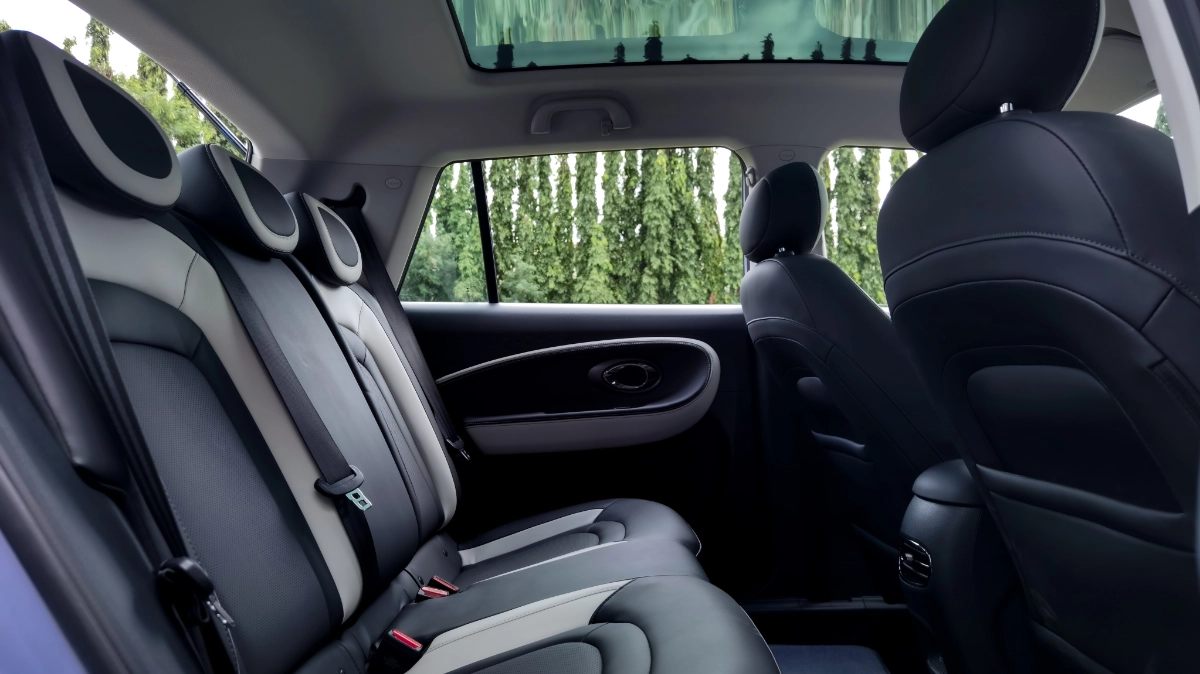
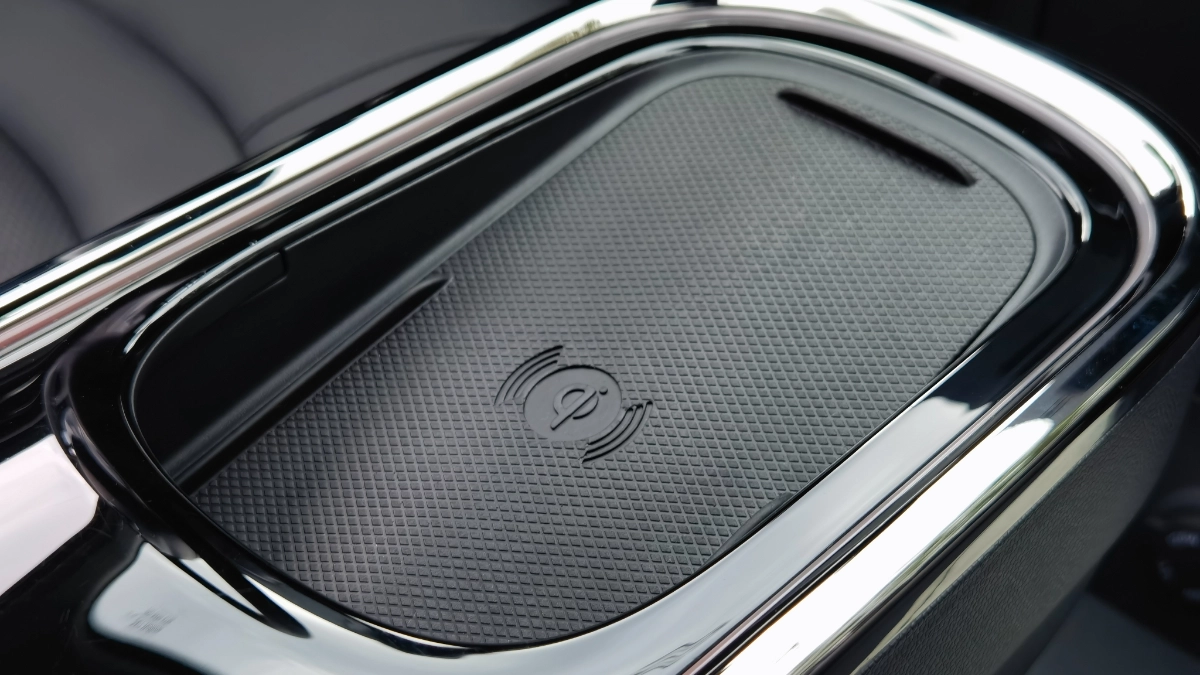
Cabin space is surprisingly good, the relatively square roofline giving great headroom front and rear, and despite the shorter wheelbase, legroom feels as good as or better than in the Dolphin or the Ora, thanks to thinner seat cushions. This doesn’t mean that those seats aren’t comfortable—they’re still good enough for hours of driving. Rear A/C and a cooled center box mean everyone is comfortable, though if you do need a drink, you need to finish it before putting it down, as there’s a dearth of accessible cupholders in-cabin, front or rear.
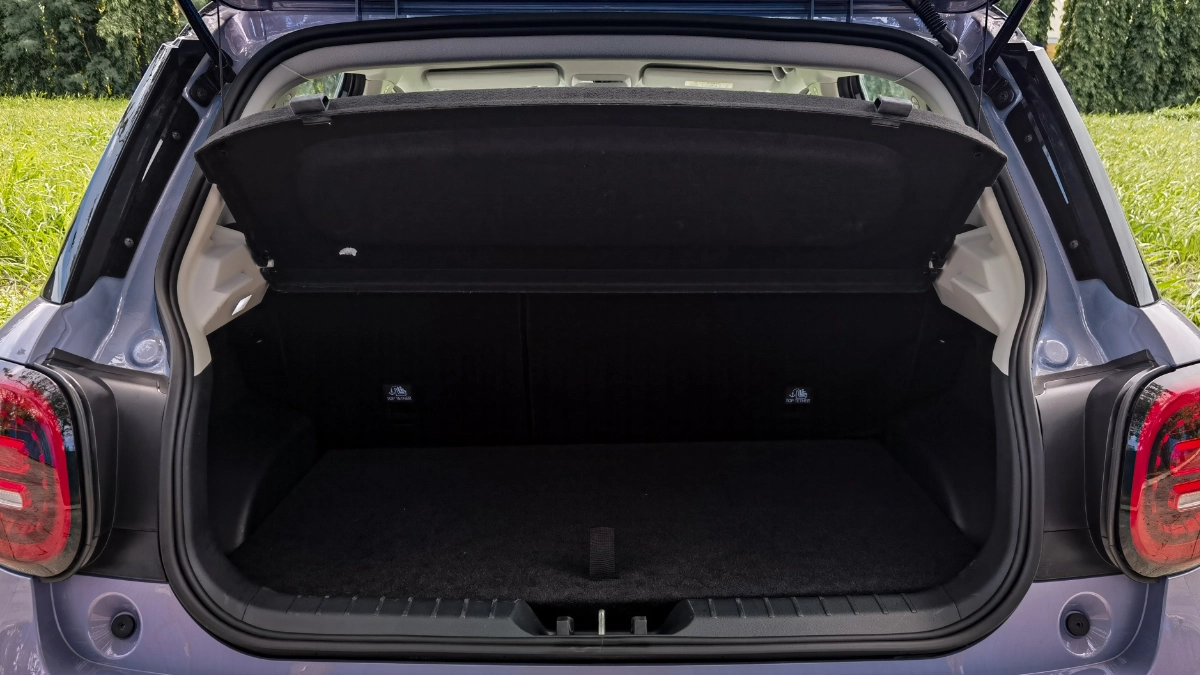
The cargo area has a combination tonneau cover slash cargo shelf, and 250 liters of space under the hatch. The underfloor compartment is taken up by emergency equipment, including a fire extinguisher, first-aid supplies, a heavy-duty portable charger, and a full-sized donut spare. A rare sight in a new EV.
Performance
The view under the hood is more conventional. There are hydraulic modules, fluid bottles, wiring, and a 12V battery cluttering up the top of the small engine bay. Buried underneath the bits, bobs, and covers is a 136hp permanent magnet motor driving the front wheels. With instant electric torque and no transmission losses, it is good for 0-100kph in just 8.9sec, faster than many 2.0-liter automatics. There’s no Sport mode, just Normal and Eco, though you can control the aggressiveness of the steering and the regenerative brakes in the Drive submenu. There’s no one-pedal mode, either, but with the regenerative brakes set to their most aggressive, you do get a similar effect.
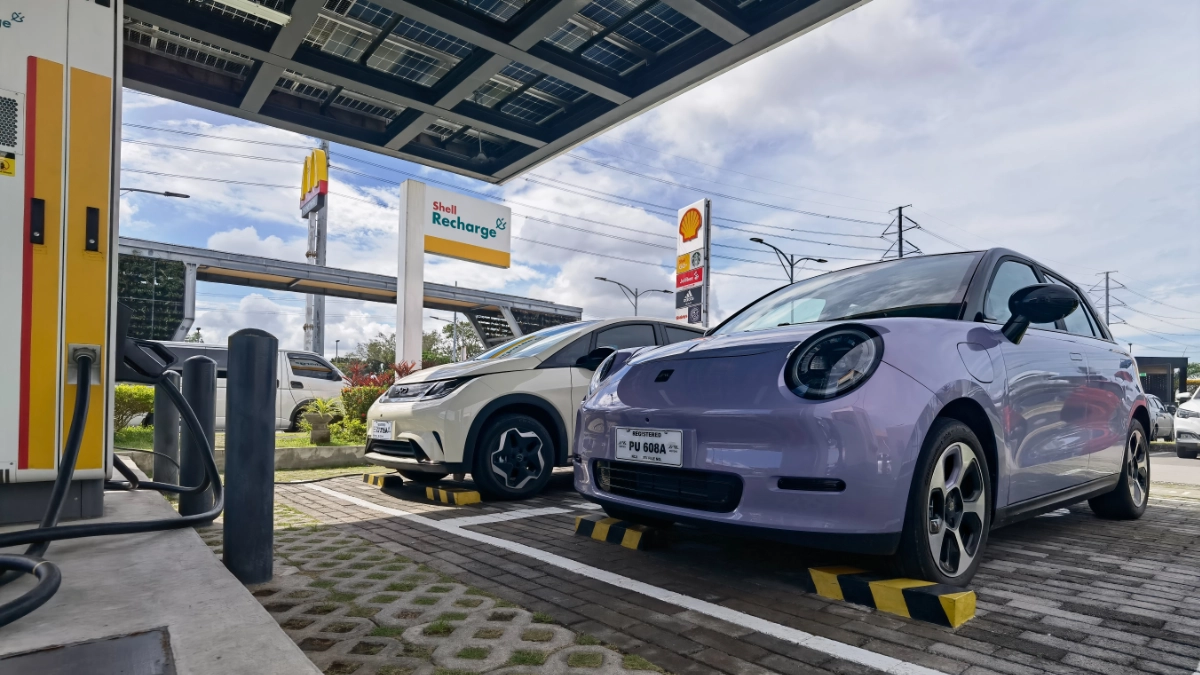
With conservative driving, we saw 7-8km/kWh in mixed conditions, and 9.5-12km/kWh on the highway. We achieved around 350-360km per charge over two full battery cycles. Even with the removable sun shade, that big glass roof really had the A/C working overtime in Manila traffic. We still think you can hit that 505km range, but only on a really flat highway in cool weather. With CCS2 charging, you have a choice of Level 2 mall charging or up to 66kW Level 3 charging at select stations—giving you an 80% charge from near empty in about half an hour.
Driving impressions
Though it looks small, the Ytterby is more like a compact sedan with the ends lopped off. And it drives like it. A 1,179kg curb weight and a wheelbase longer than a Honda City’s make it quite stable in high-speed turns, without the pointiness a similarly sized Suzuki Swift exhibits when you lift off the go-pedal. Despite this, the battery integrated into the floor gives the Ytterby a very stiff chassis, and it corners much flatter than you expect it to. The 205/50 R17 GitiComfort tires are relatively quiet and don’t provide much in the way of tactile feedback or excitement, but a stiff suspension, nicely weighted steering, and decent brakes hint at some potential with better rubber.
Dialed back, driving down the road is a mostly quiet affair, save for the buzz of motorcycles leaking through the windows. There’s some klumpfing over harsh bumps, as in most stiffly sprung EVs, but the weight tends to smother it out. The small size still pays dividends when threading through traffic or navigating Manila’s side streets. Just be aware that if you get into a tight spot, that long wheelbase and FWD layout make for a relatively wide turning circle.
It’s better than EV-specific competitors, but still not great. Oh, and you will want to avoid tall humps when you’re driving with a full load. There’s an automatic 360-degree camera with a transparent mode to help you while parking or going around tight corners at low speeds, but the manual toggle is hidden within the vehicle submenus.
Extra features
You also get full Level 2 assists, activated by double-flicking the right column stalk down to activate adaptive cruise control. There are no buttons to manually toggle the automatic braking or lane-keeping assists, though, and you have to wade through the menus to tailor these—plus the blind-spot and door-collision warning system—to your liking.
And this is the one major issue I have with the Ytterby: a reliance on that big, beautiful touchscreen. Yes, there are physical controls, but there’s a learning curve. The steering-wheel pads control HVAC and multimedia (up-down for temperature and left-right for fan speed), but recirculation control is only accessible through the touchscreen. The left control stalk behind the wheel integrates wiper and light controls. You can toggle high beams here, but can’t dim the headlights completely without going into the menus.
As stated, cruise control is integrated into the Drive control on the right stalk. If you drive multiple cars, I guarantee you will accidentally activate it every time you want to turn on the windshield wipers. And the only way to turn it off is to tap the brakes. Which can get annoying. You can’t accidentally shift into reverse while moving, but accidentally hitting neutral when going for a quick wipe at the stoplight also gets annoying.
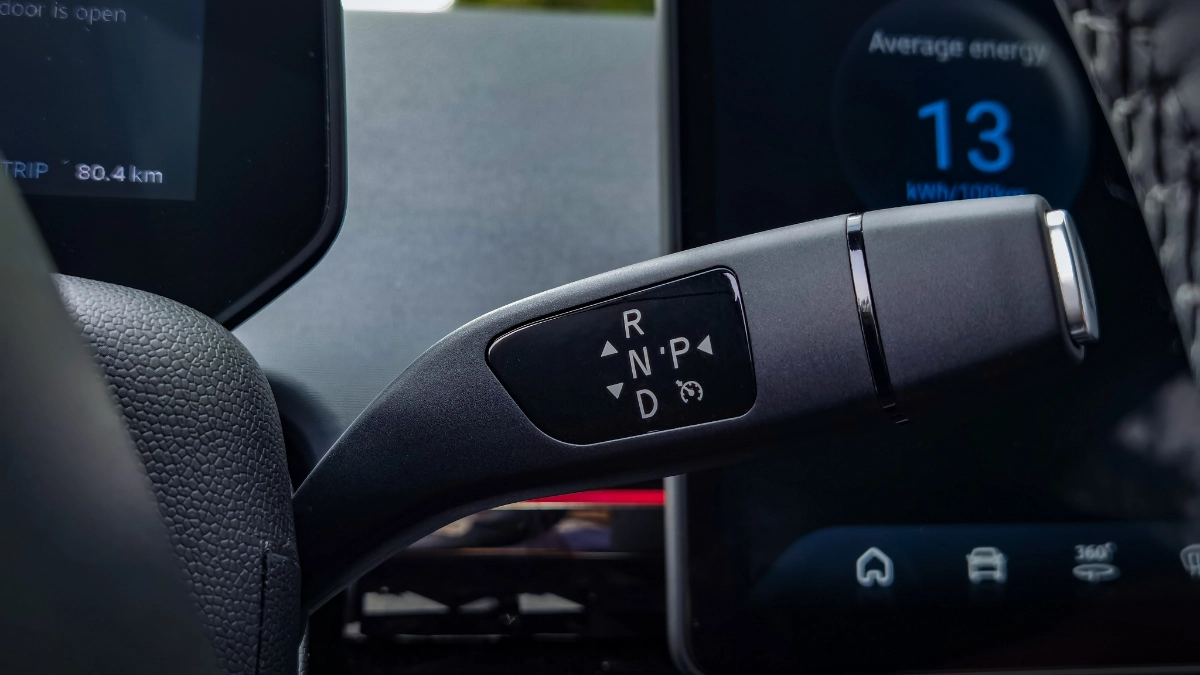
It feels like using your first iPhone after years of Android. It’s a clean and logical interface, but it isn’t logic you’re used to. For those content to leave everything on automatic—automotive iPhone users—the Ytterby manages to get you into the ‘drive and forget’ mode very well. Doors unlock as you walk up to the car and lock when you get inside, and you can unlock them again by simply flicking the driver’s door latch. The system boots up as you slide into the driver’s seat, and turns off when you walk away. There’s a kill switch on the ceiling beside the hazard-light switch, in case you want to shut off without getting out. Outside of the steering column, those are the only buttons in the entire car.
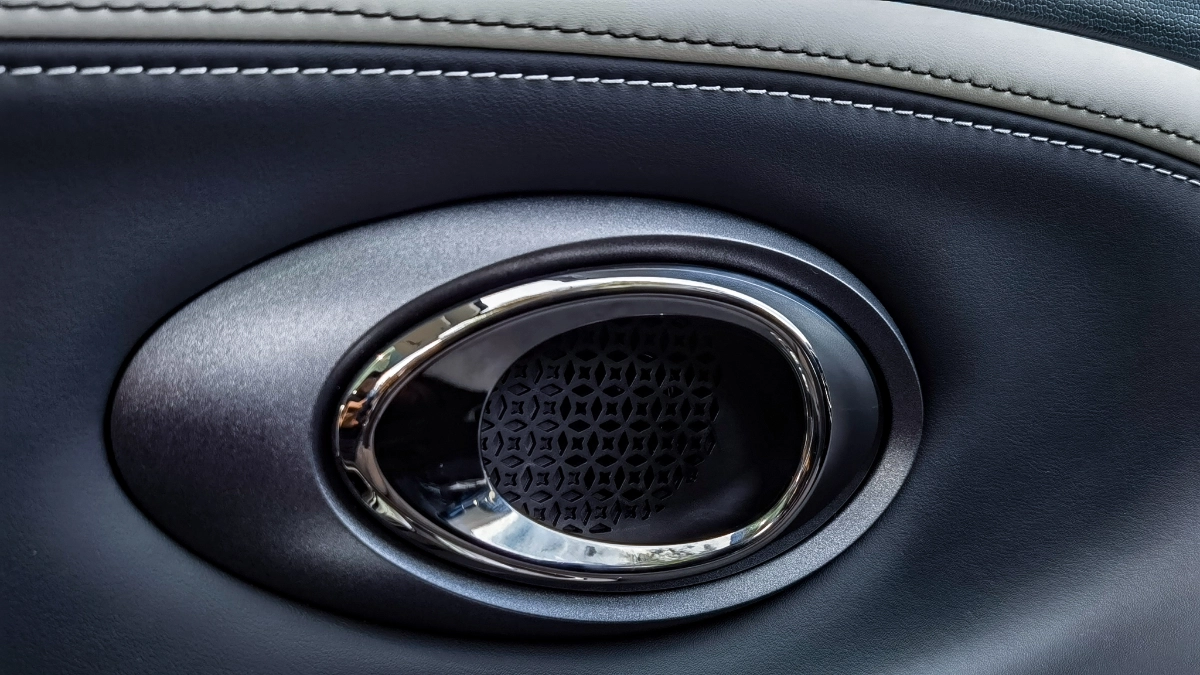
There’s an air deodorizer function that cleans the air inside the car after you park, and a ‘Pet’ mode that keeps the A/C on after the doors lock, allowing you to leave a pet inside in perfect comfort while you dash off to the grocery. That giant 15.6-inch screen offers Android Auto and Apple CarPlay, and is mated to surprisingly decent speakers. With a suitably quick USB drive, you can sit and watch a movie on that huge panel while parked, complete with popcorn, thanks to vehicle-to-load reverse charging.
You can also sit and enjoy stargazing through that giant, uninterrupted glass roof, but unfortunately, there’s no way to fold up the springy fabric cover to fit in the trunk, so if you really want some sun, you’ll need to leave it at home.
Verdict
The cost savings of not having a motorized sunroof or cargo hatch allows JAC to offer the Ytterby at a significantly lower price than the Dolphin or the Ora, with the range-topping 505 variant coming in below the base Ora or the outgoing Dolphin. While it’s doubtful you will ever see that full 505km range in regular use—unless you like driving with the A/C off at 50kph for hours on end—the fact that you get so much capacity and so many features at this price is remarkable.
But it’s a tough market. BYD has quietly sold off Dolphin stock in anticipation of a shift to Seal 5 DM-i sales before the release of the updated Dolphin later this year, and new competitors such as VinFast are coming to market with even cheaper cars. But the Ytterby makes a case for itself as a high-value alternative to other premium junior EVs—not just as an EV for people who don’t like EVs, but as a car for people who don’t actually like cars. Sure, there’s a learning curve to the controls for those old enough to remember choke levers and spark advance, but the smartphone-savvy social media set should pick it up, no problem.
This pares motoring down to its barest essence, and maximizes enjoyment of all the other things surrounding the motoring experience.
SPECS: JAC Ytterby Pro 505 2025
Price: P1,320,000
Engine: single permanent magnet motor with 51.5kWh battery capacity
Power: 134hp
Torque: 175Nm
Transmission: single-speed automatic
Drive layout: FWD
Seating: 5
Score: 8/10
More photos of the JAC Ytterby Pro 505 2025: