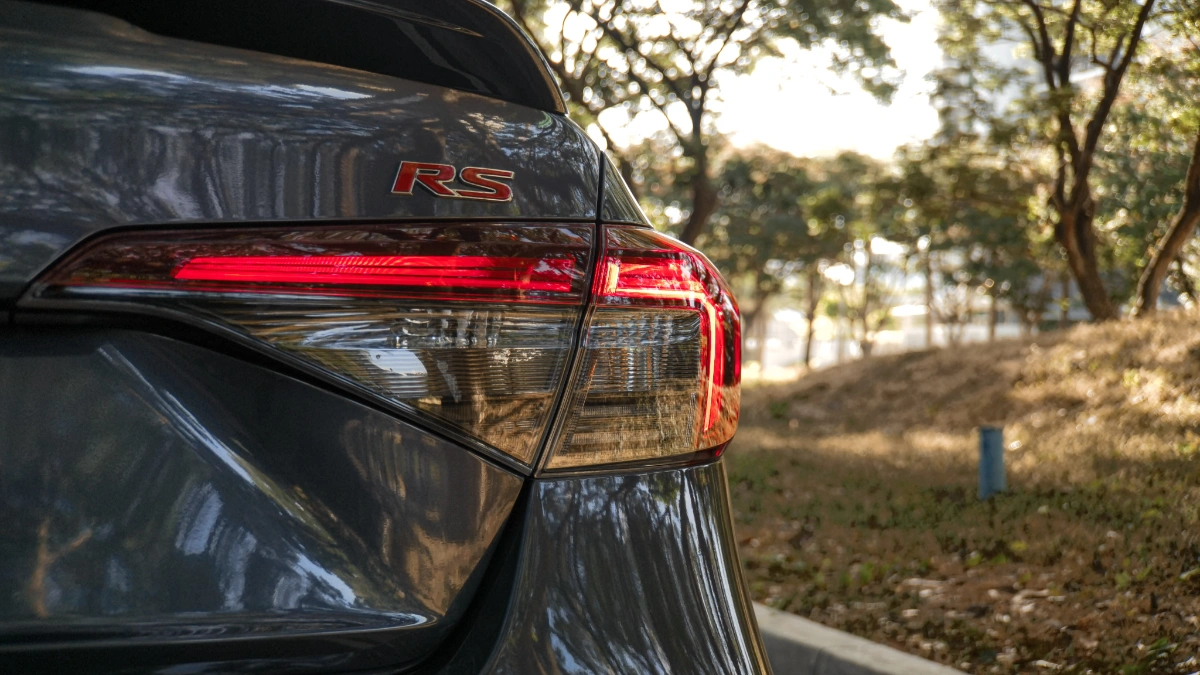
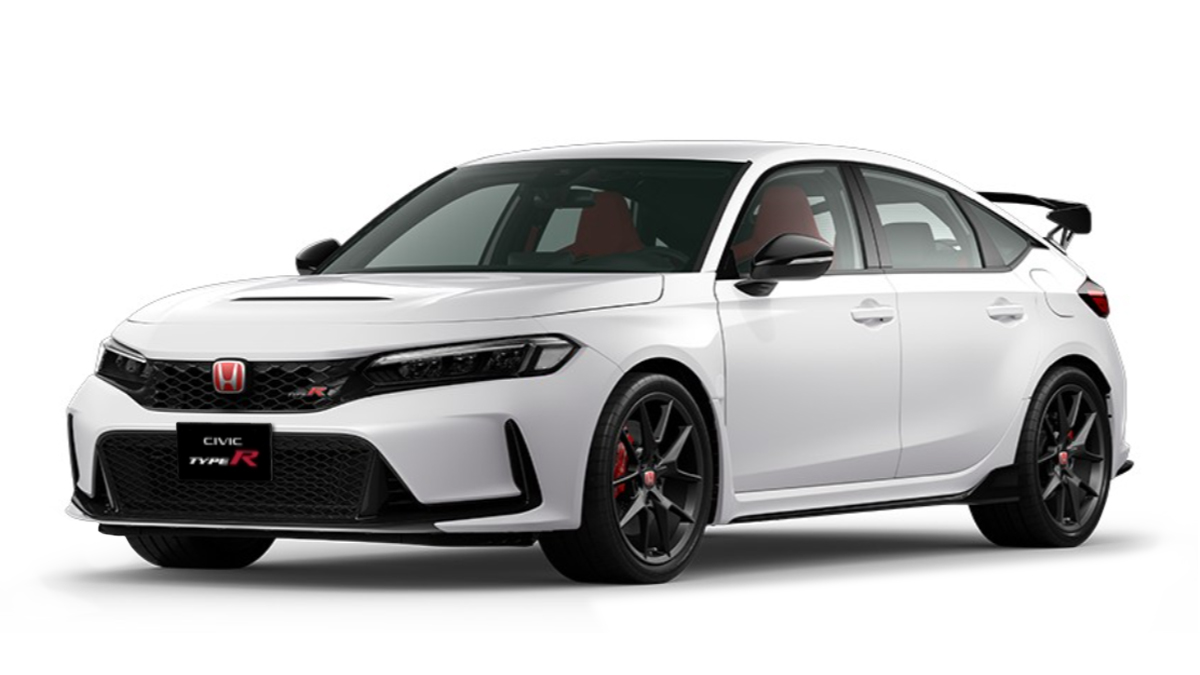
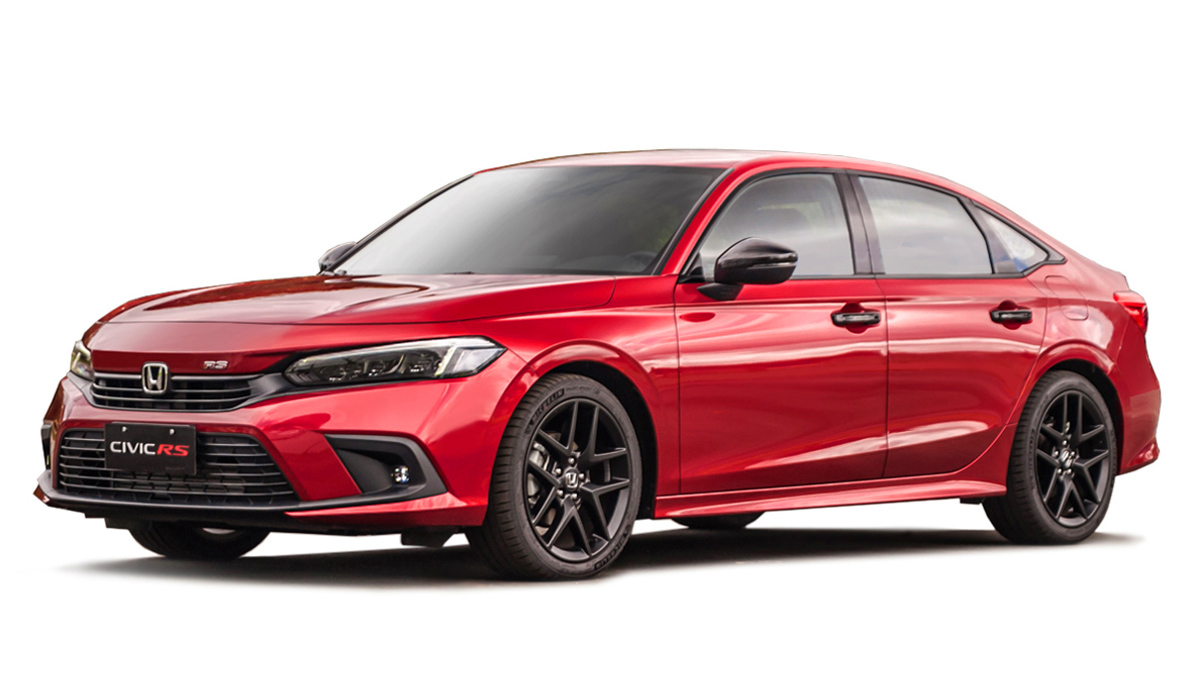
Once upon a time, the Honda Civic RS Turbo was the big dog. The first Civic RS Turbo, the FC, was Top Gear Philippines’ Car of the Year back in 2016, and then it was followed by the FK—‘F***ing Kwik’—Type R in 2017. Suffice to say, we’ve always held it in high regard.
Only now, the Civic RS Turbo is selling in a market chock-full of turbocharged competitors, from the GAC Empow to the Hyundai Elantra. Even worse, there are hybrid competitors in there, too, boasting even more power along with electric-boosted range.
But perhaps the biggest competition of all is the Civic RS itself. Namely, the Honda Civic RS e:HEV. A car that boasts incredible performance and economy. Set against this, can the ‘regular’ Civic RS still shine?
ALSO READ:
Review: 2025 Honda Civic RS e:HEV
Review: 2025 BYD Seal 5 DM-i Premium
Styling
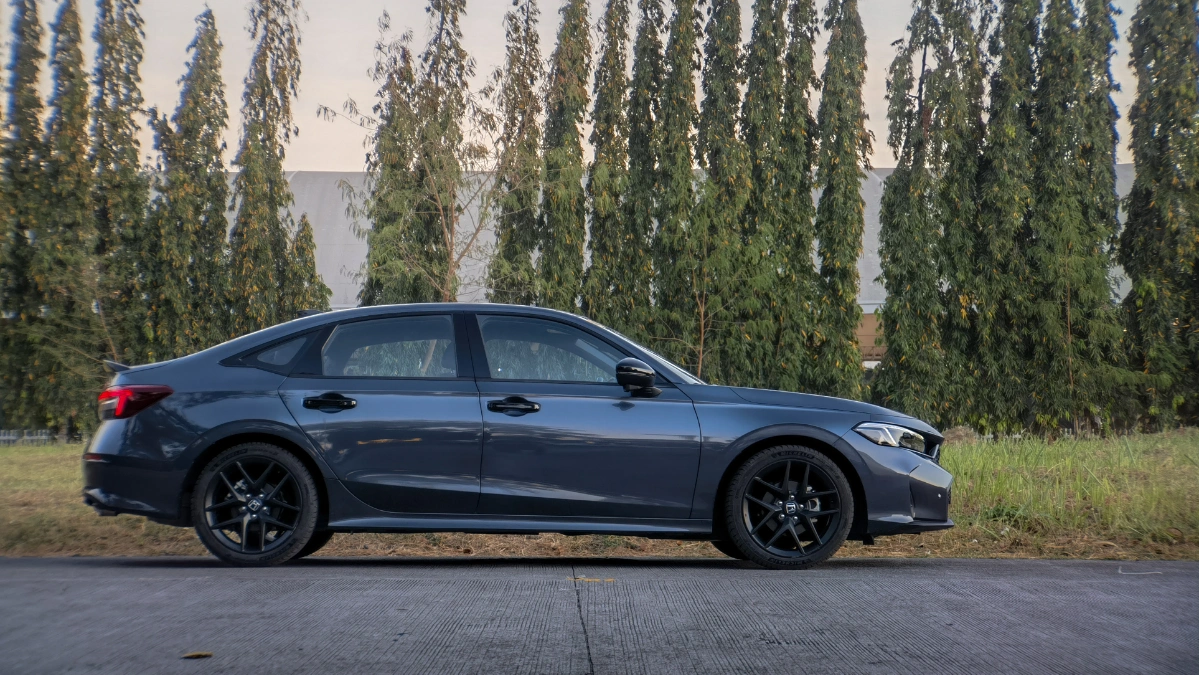
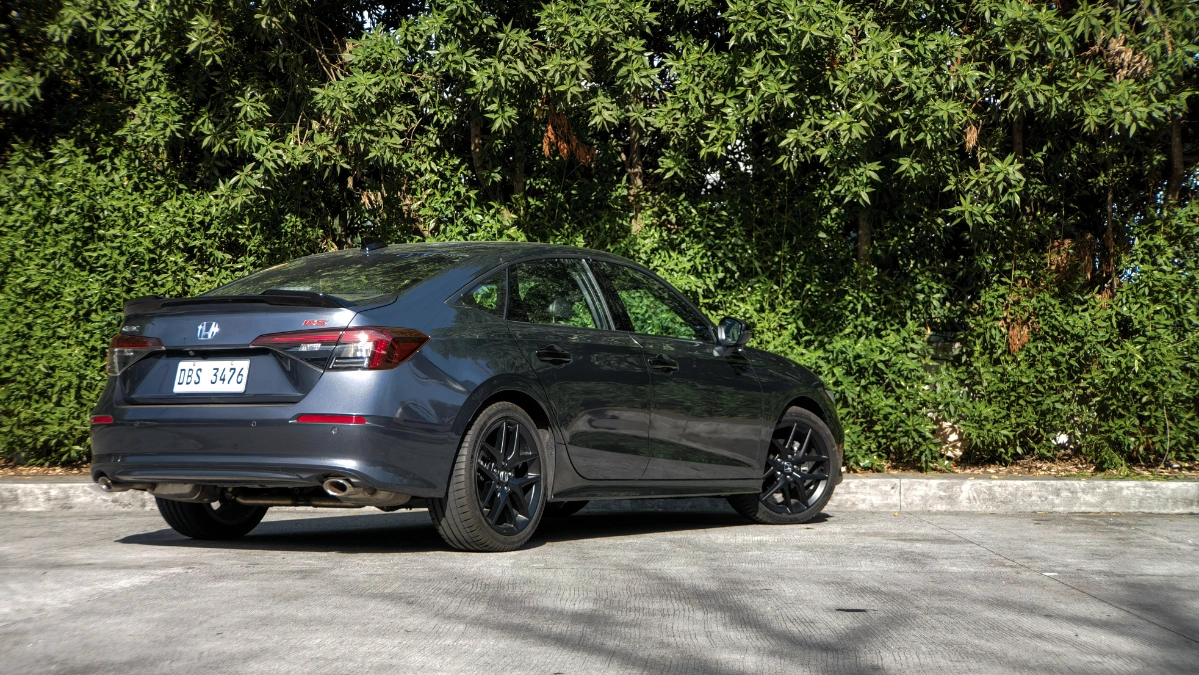
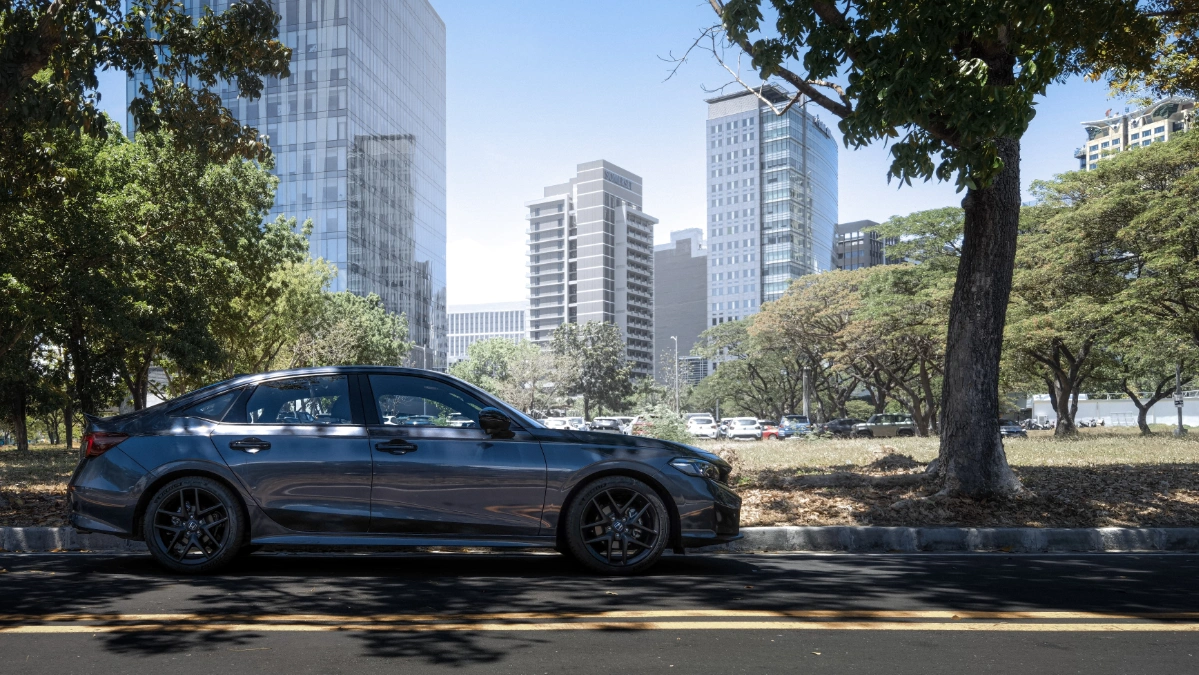
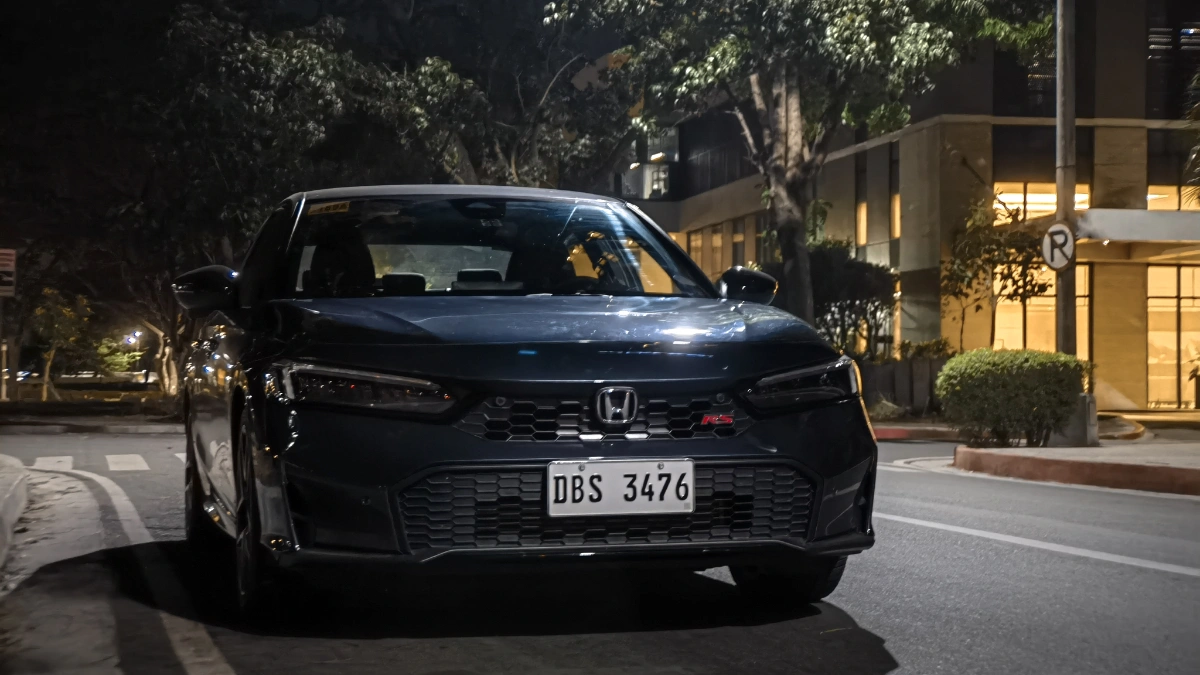
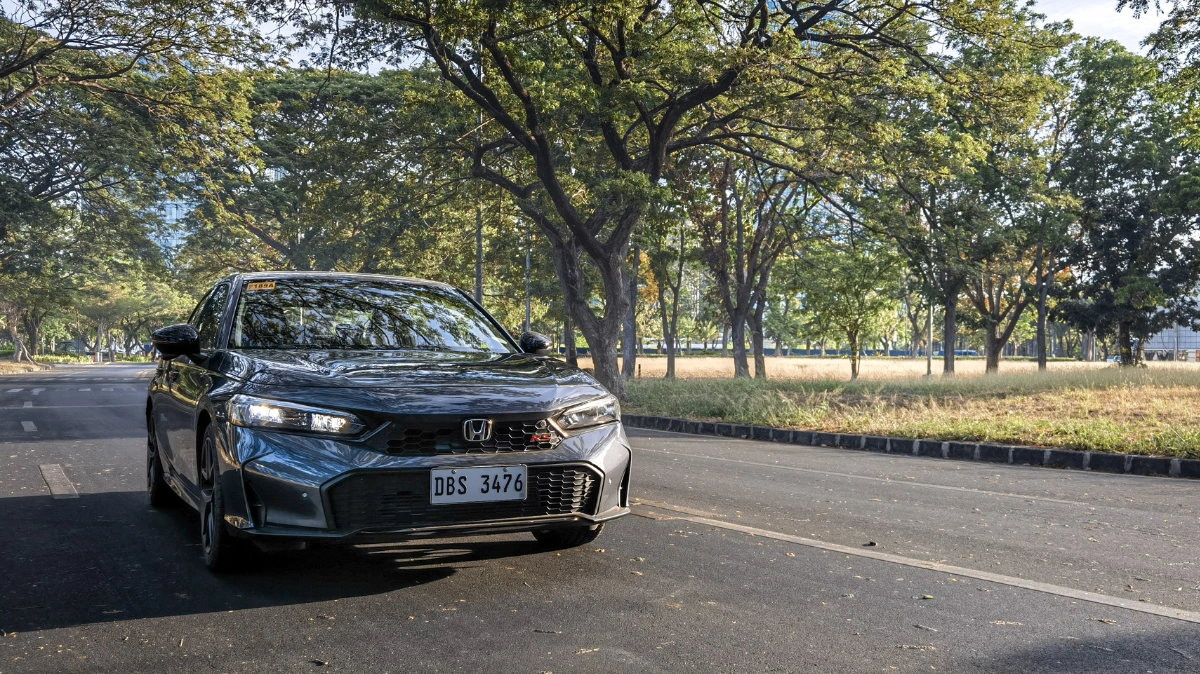
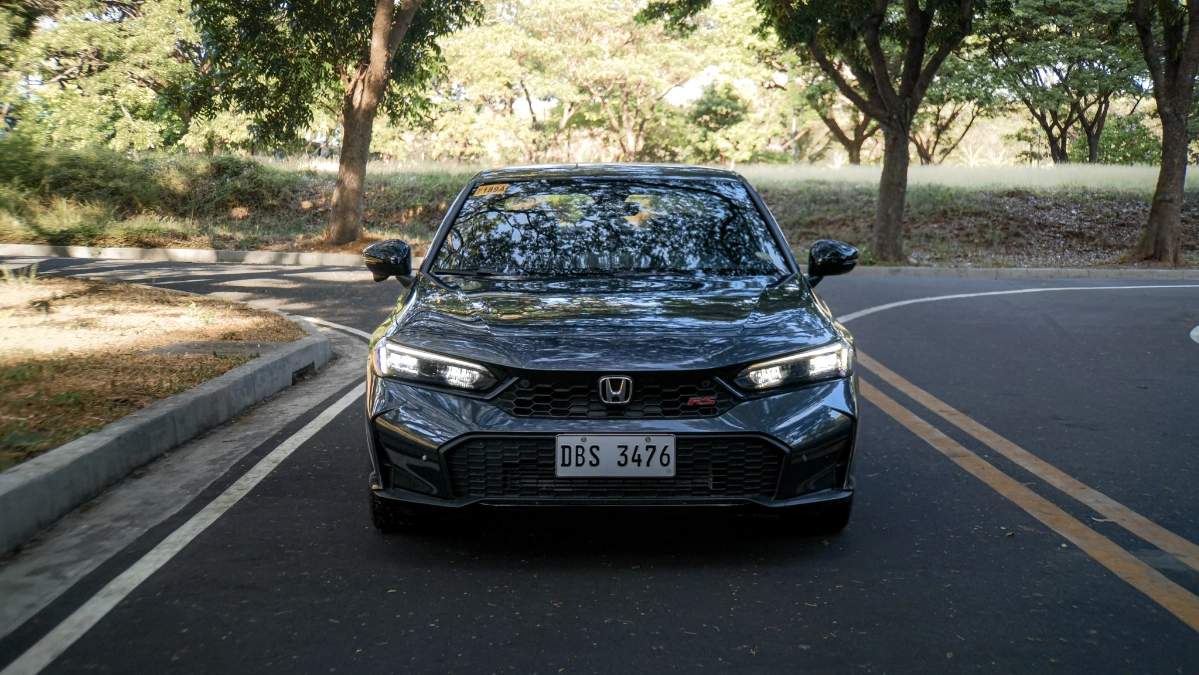
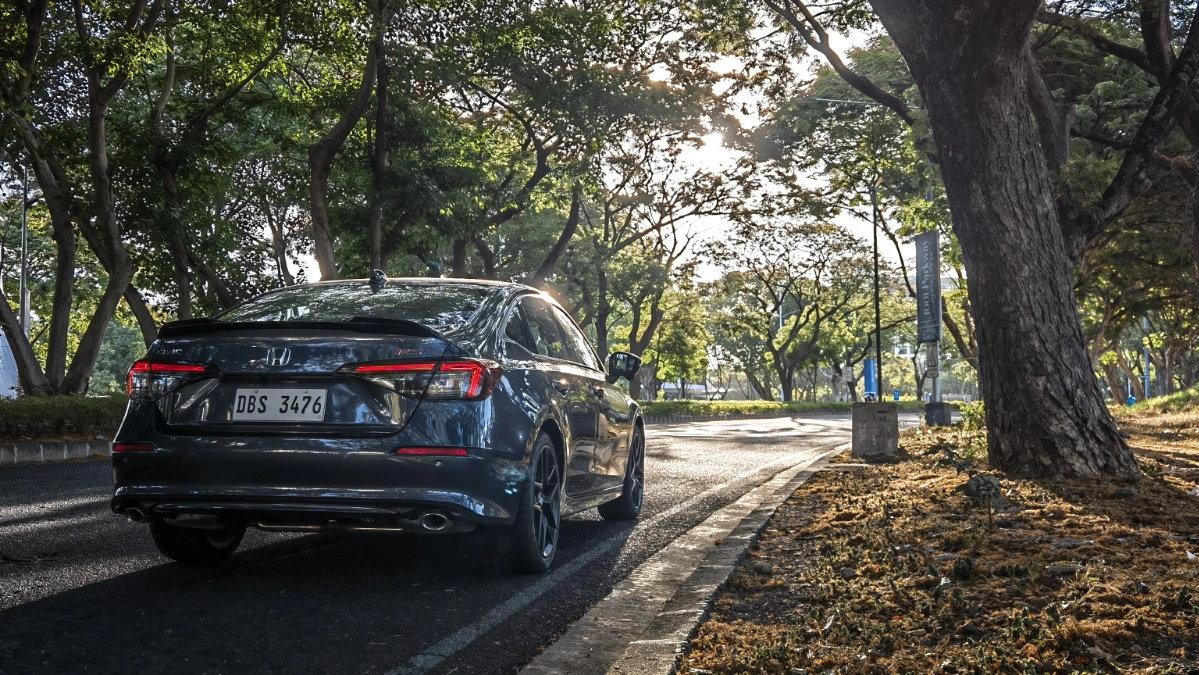
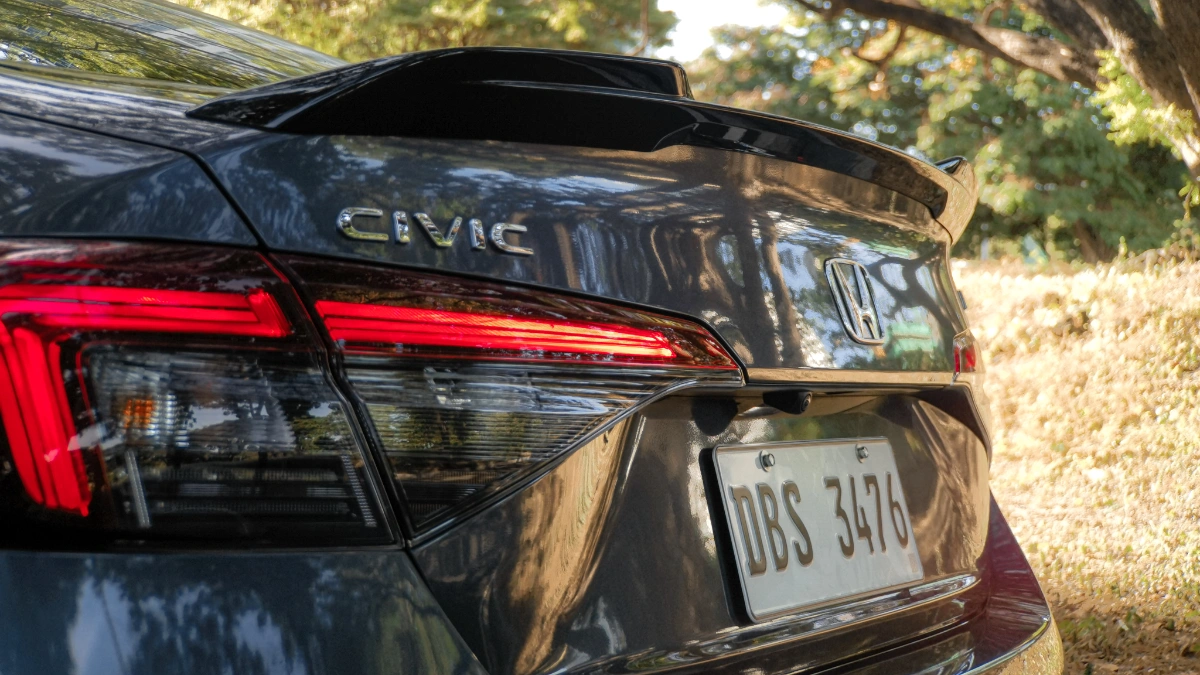
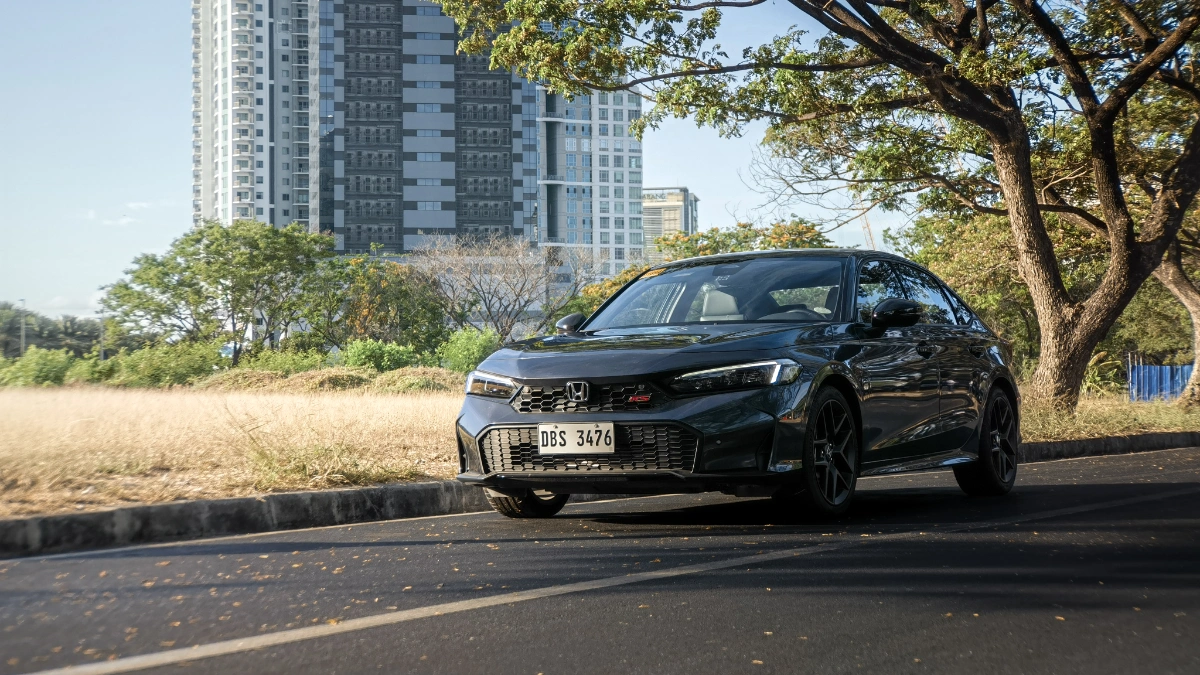
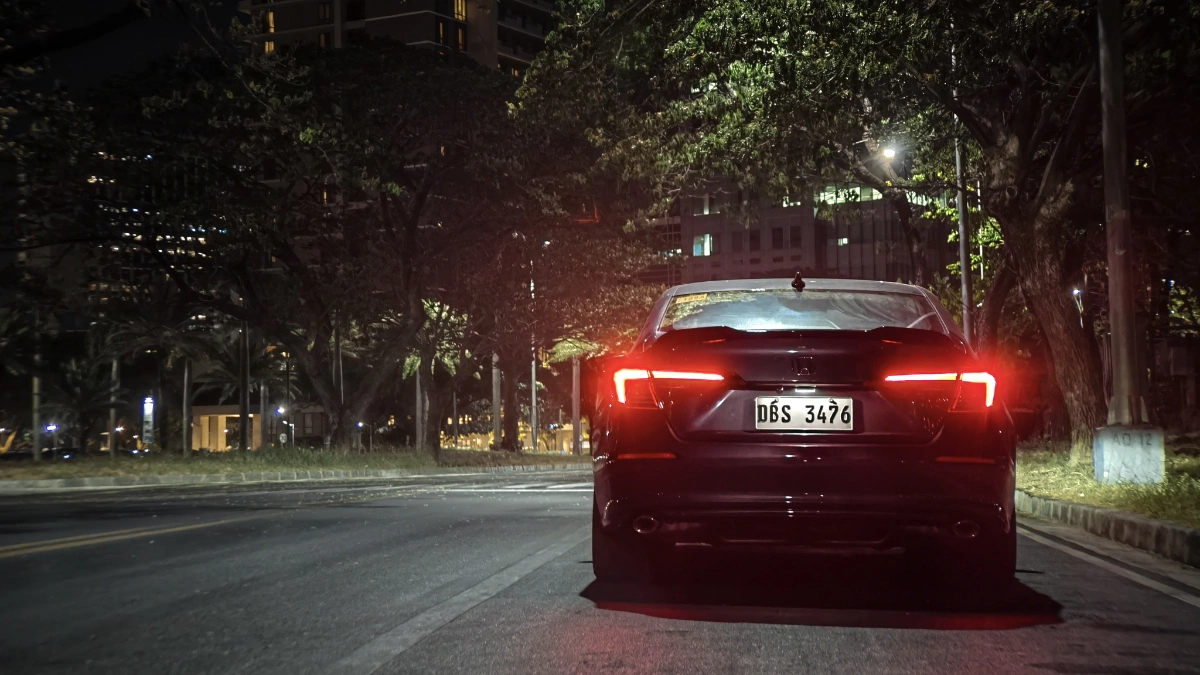
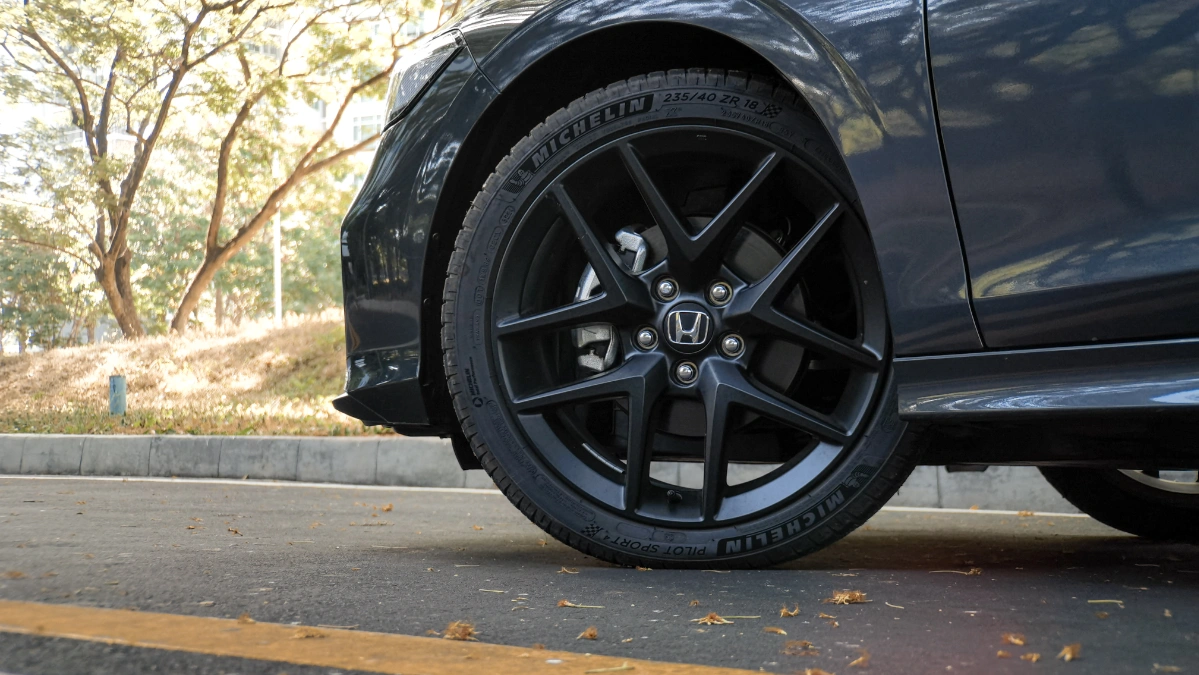
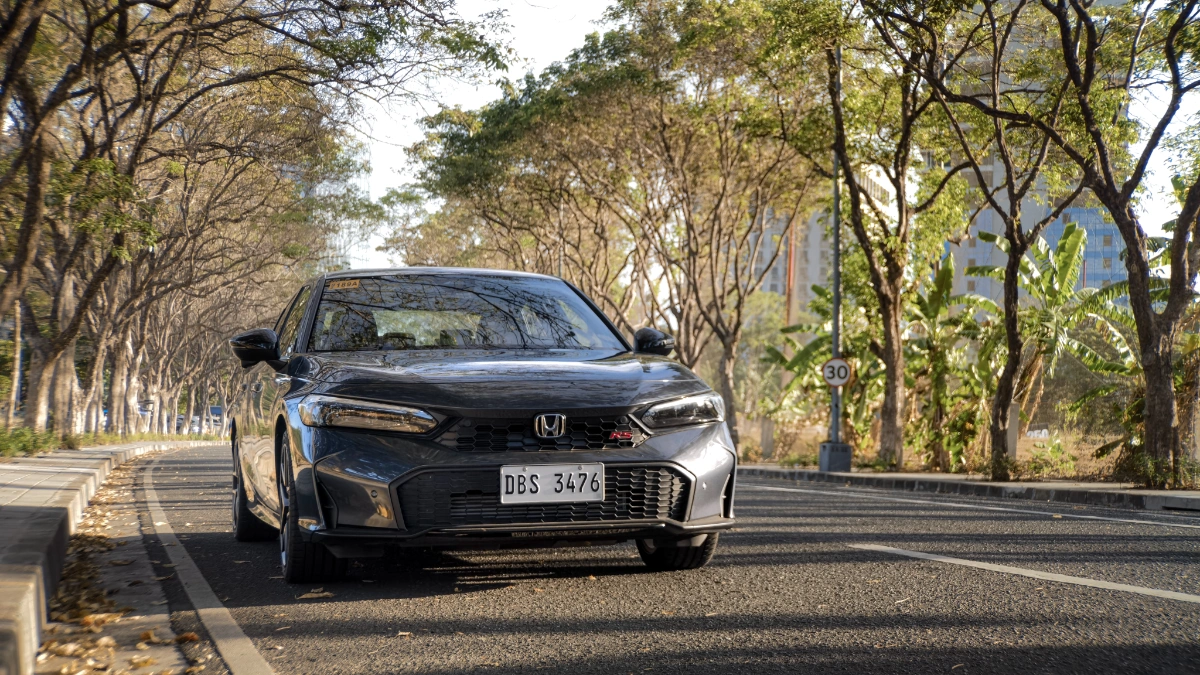
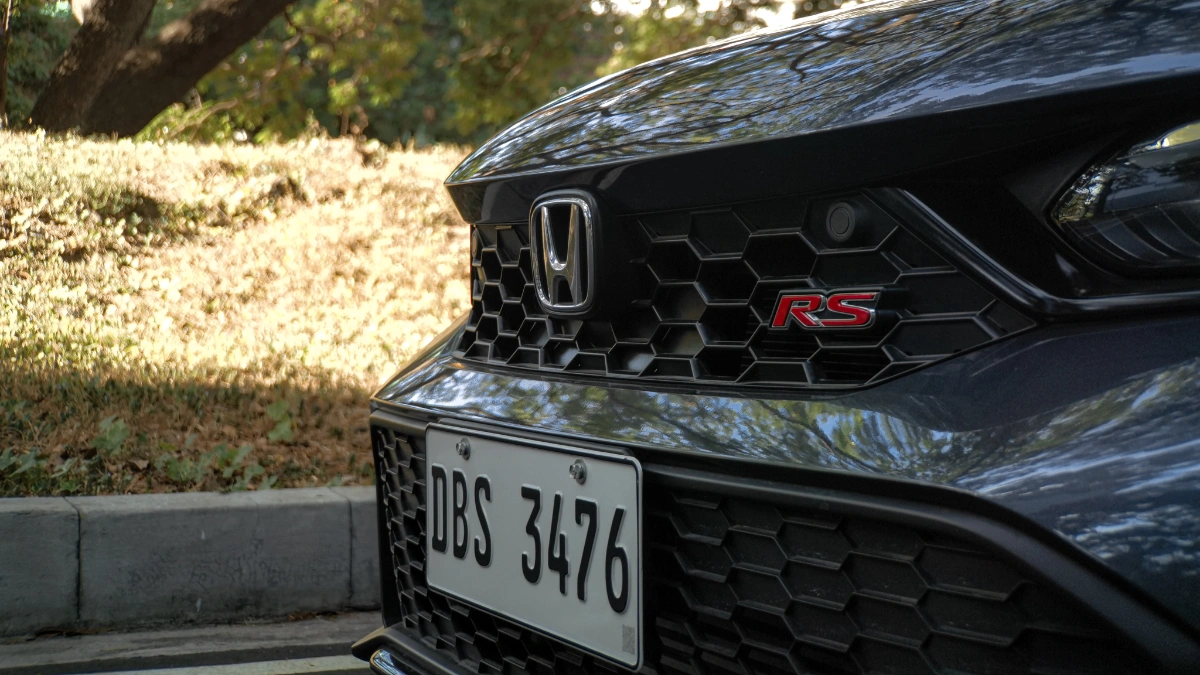
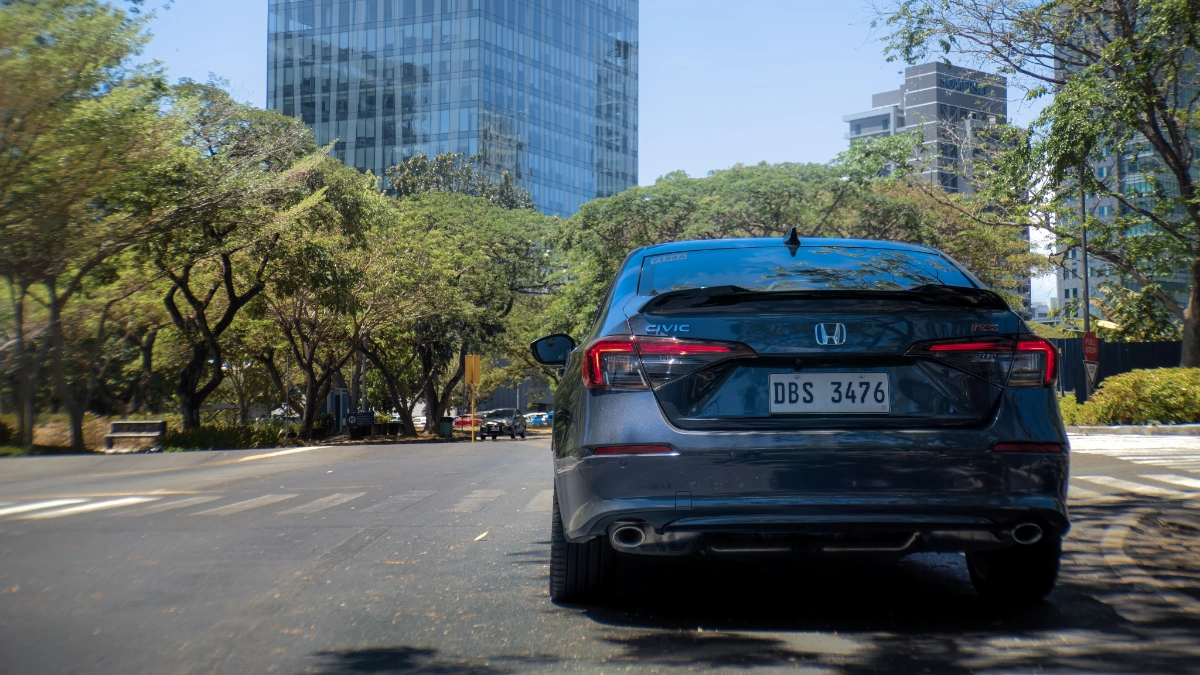
In contrast to the wild styling of the FC Civic, the current-era car is more conservative, with clean, unfussy lines. The mid-model update gives it a more sporting edge, with a sharper front bumper, a bigger hexagonal mesh grille replacing the half-grille on the launch car, and side air curtain vents where the foglights used to be. Other changes are more subtle, with the rest of the package largely unchanged, down to the split rear spoiler and sporty split-spoke 18-inch wheels carried over from the previous car. A more traditional choice than the ‘rocket’ spoked wheels on the e:HEV, and perhaps better suited to the overall design of the car.
Interior
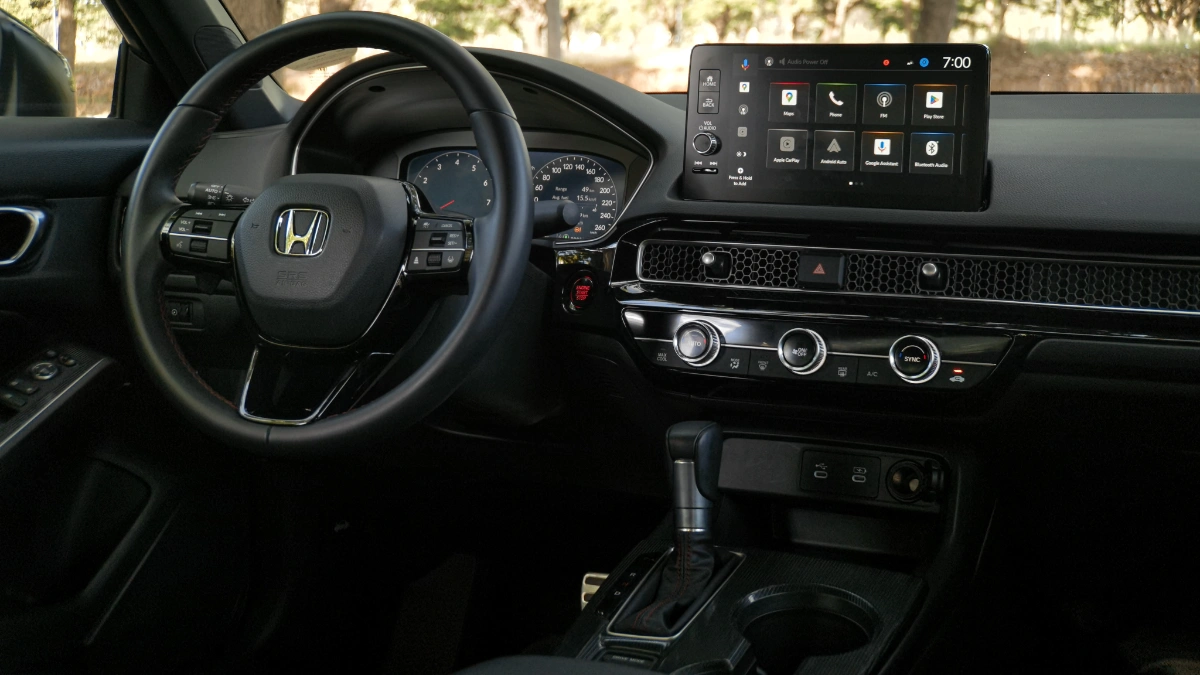
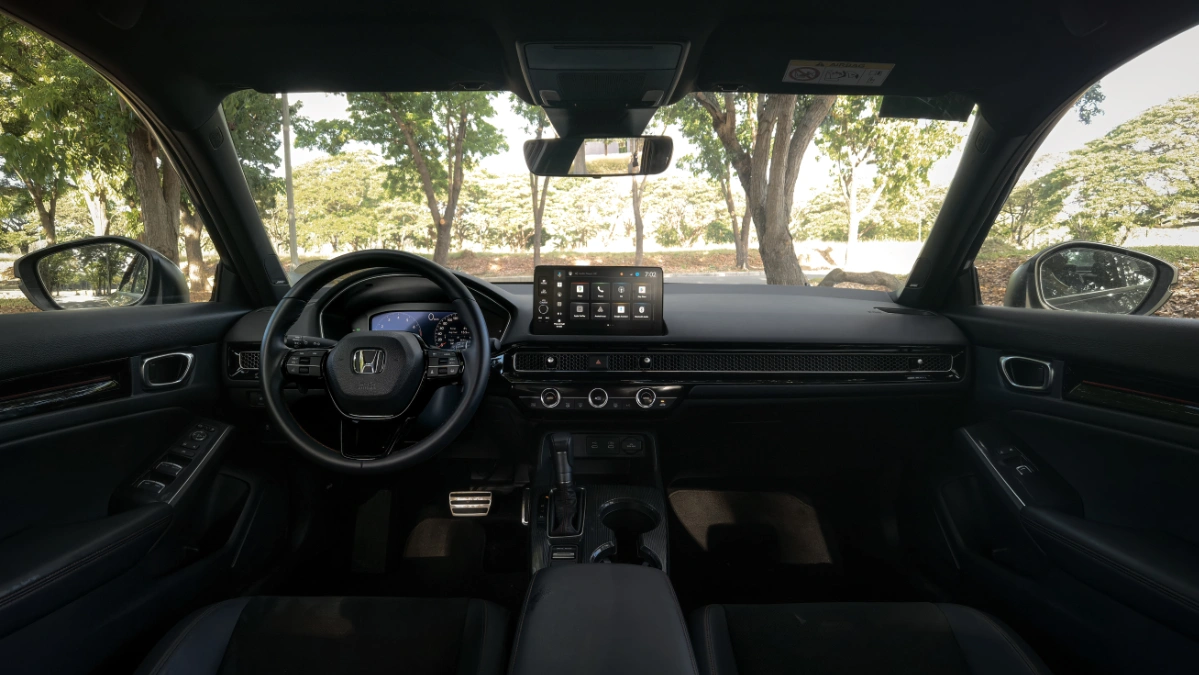
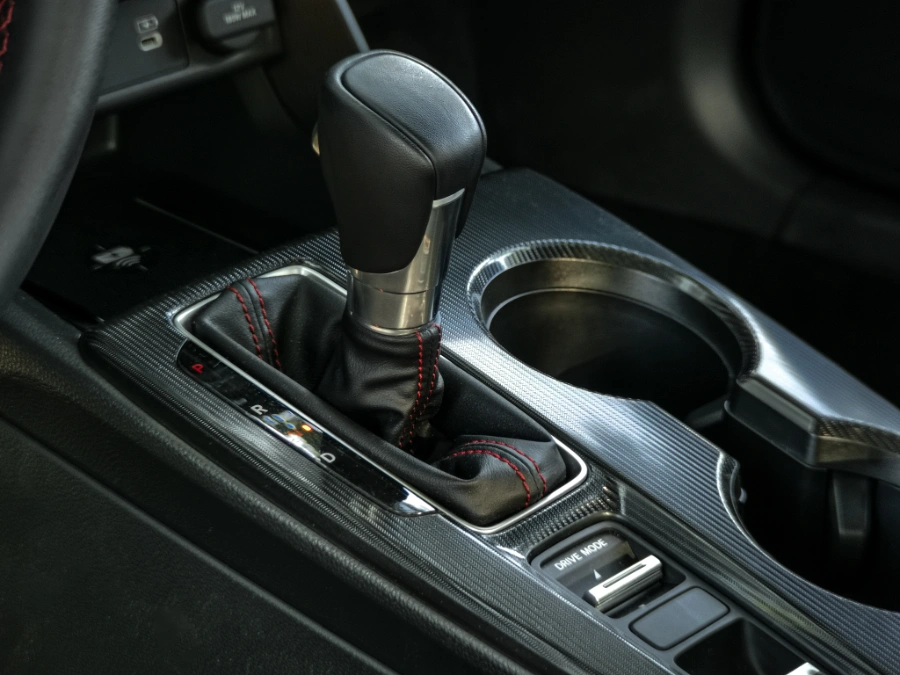
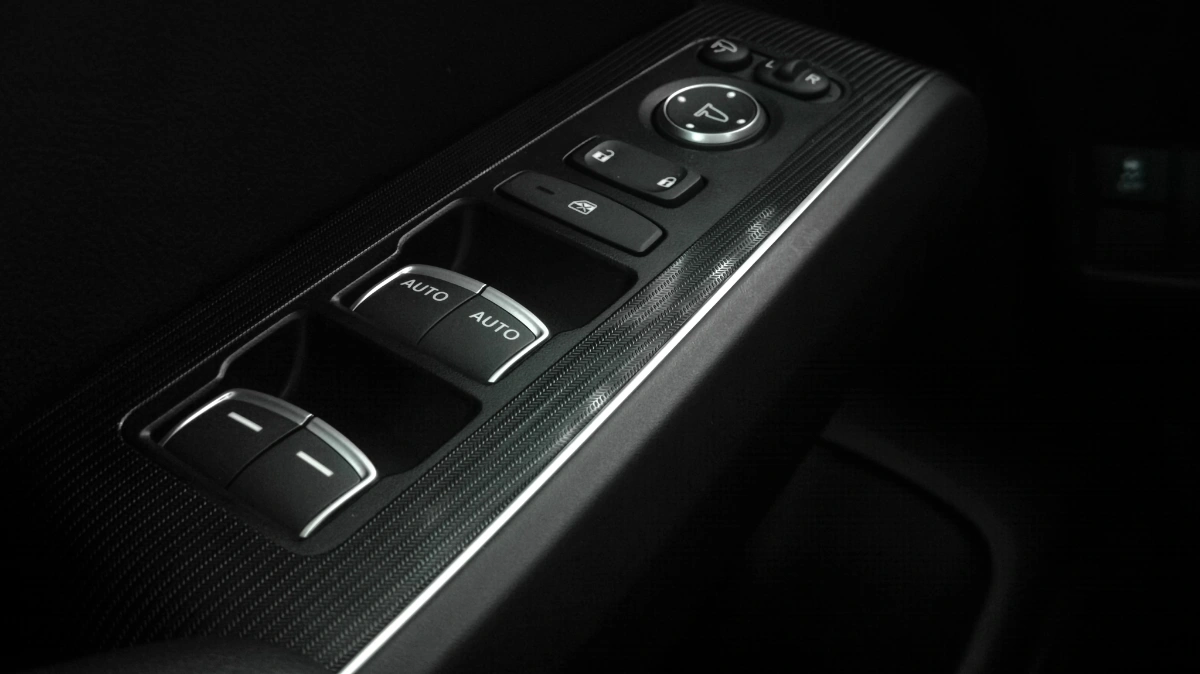
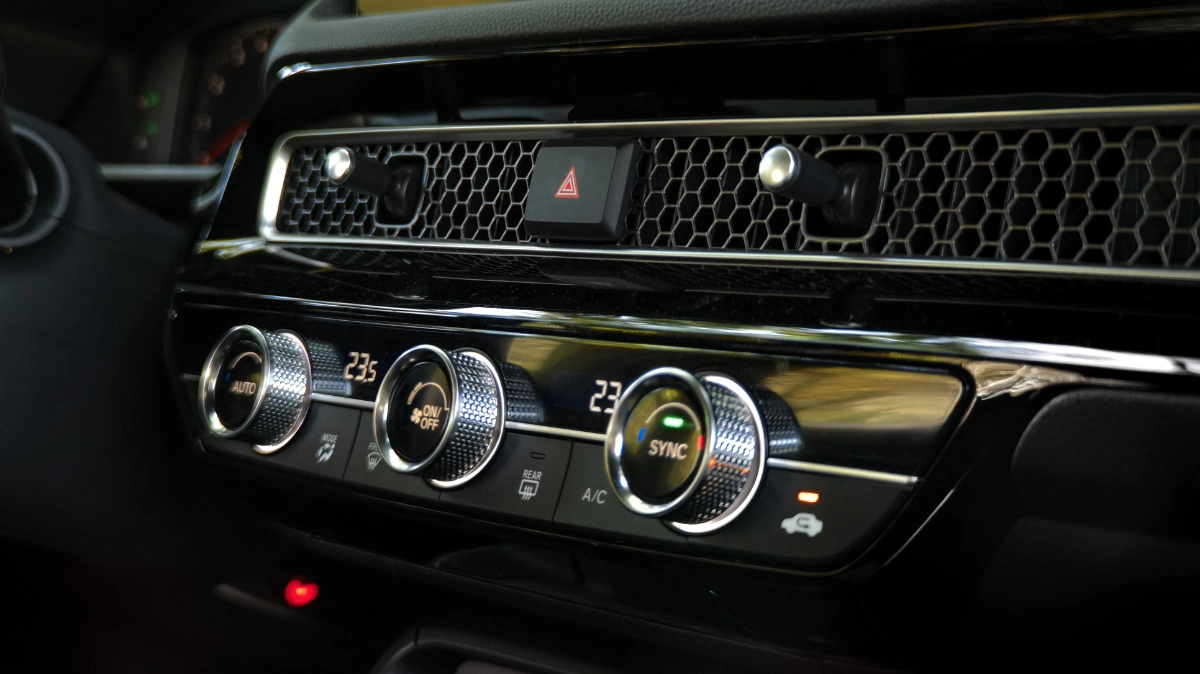
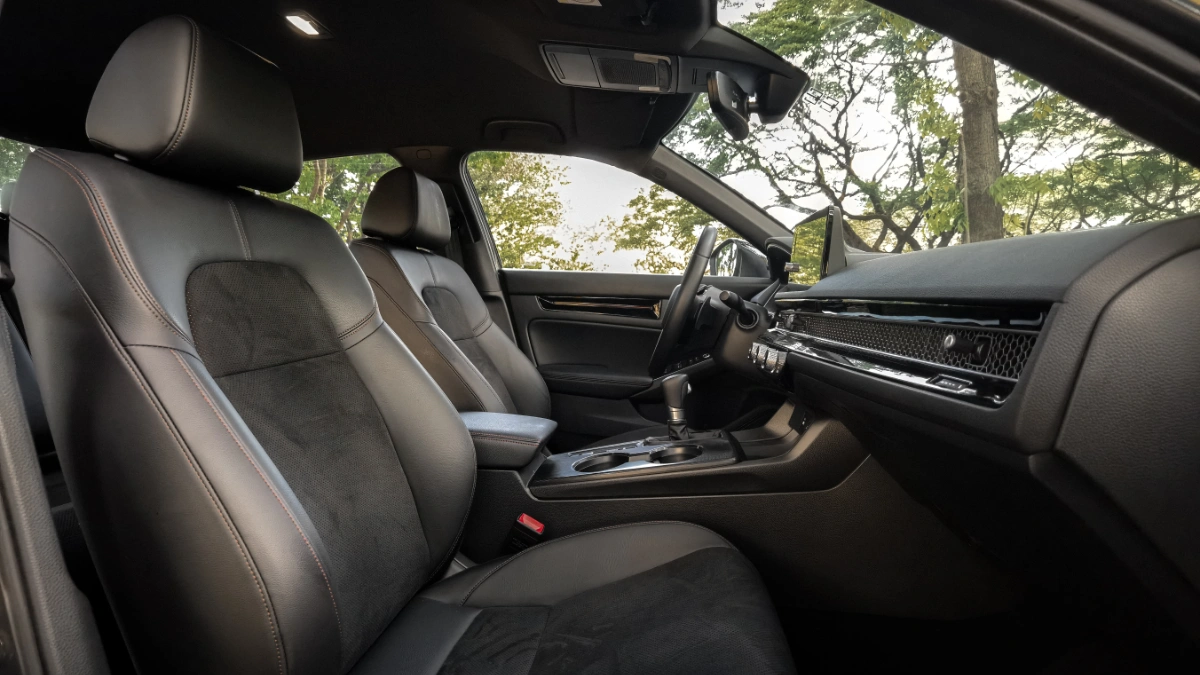
Inside, the cabin is largely identical to the e:HEV we reviewed a while back, minus the red surround on the AC vents. With or without the trim, the fancy grilles are an attractive design choice, until you have to dust them, that is. The flat dashboard, with minimal screens and ornamentation, makes for great visibility and gives a rather no-nonsense, old-school vibe. Fit and finish are excellent, and material quality, despite the preponderance of plastics, is very good. The plastic paneling around the shifter, in particular, has a nice grainy texture under your fingers.
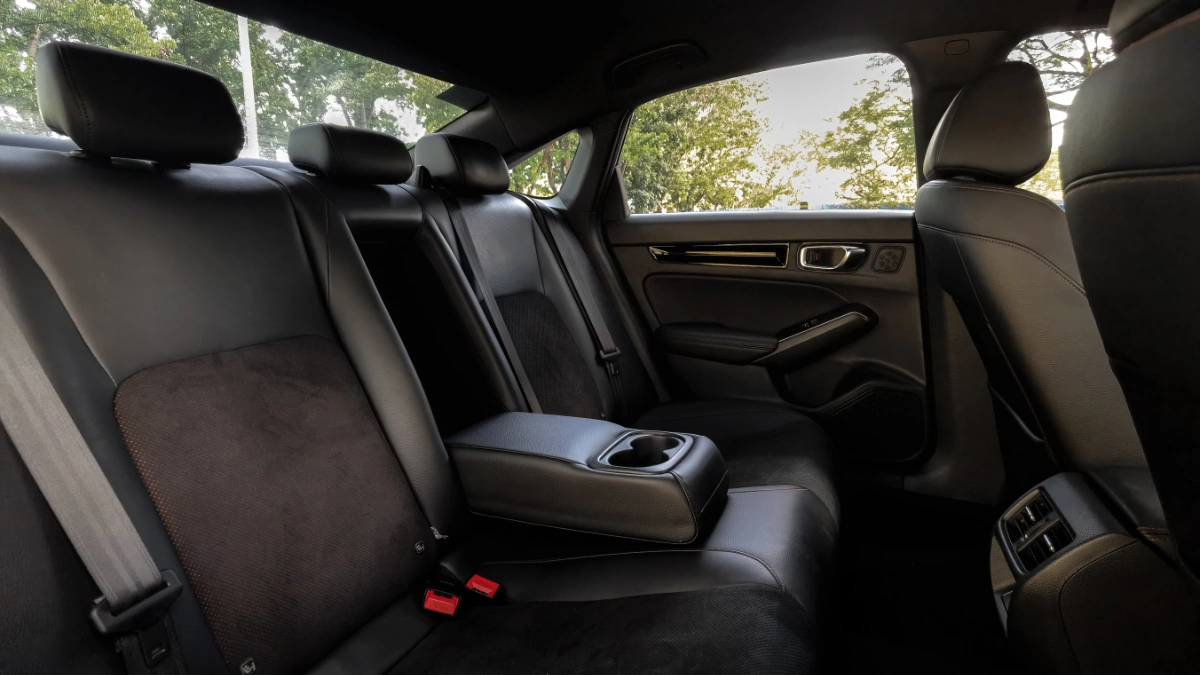
There’s a lot of passenger space, as we’ve come to expect, and copious amounts of legroom. The leather and suede seats combine durable side bolsters with breathable inners, a smart combination to prevent burned buns when parked in the sun. And to keep things even cooler, you get dual-zone climate control with rear AC vents, as you would.
In-cabin storage is good, though we do miss the hidden shelf under the shifter that debuted with the last generation. Honda was one of the first brands to feature this, and it’s odd they’ve abandoned the idea right as everyone else caught on. What they haven’t abandoned is the huge trunk, arguably one of the biggest in this class or any other.
ALSO READ:
Gallery: A closer look at the all-new Hyundai Elantra
Meet the Tourmaster, Honda’s odd and little-known collab with Isuzu
Engine performance
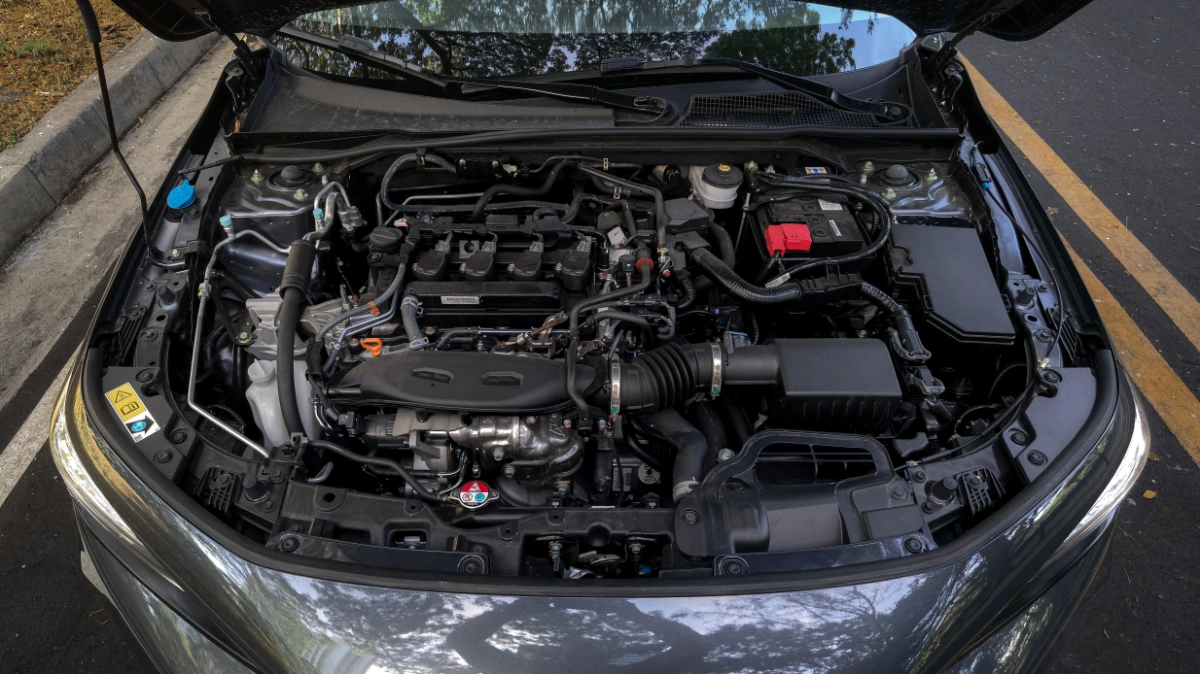
At the other end of the car, things are a tiny bit more disappointing. While the turbocharged 175hp 1.5-liter L15 is still impressive in 2025, it’s nowhere near as potent as the 2.0-liter hybrid. Mated to a continuously variable transmission, 0-100kph comes up in around 8sec. A tick slower than the V model we last tested, but that car had smaller, lighter wheels. A bit disappointing, then, but at least you get paddle shifters to speed things up when overtaking on the highway.
Yes, the ‘shifters’ are a conceit on a CVT, but they do help you lock the engine into a higher rev range for better response from the turbocharged engine. This combo, sadly, still won’t give you the same instant electric response as the hybrid, even in Sport mode. Fuel economy is also a few steps back, as well. While 21-22km/L is still achievable on the highway with a light foot, mixed economy hovered around 11.6km/L throughout our test, a far cry from the 16.5km/L Leandre got in similar traffic, driving around the same area.
Ride and handling
On the plus side, the RS is brilliant to drive, hybrid tech or not. Meaty 235/40R18 Michelin Pilot Sport 4 tires give it tenacious grip without cringe-inducing whine or judder over odd road surfaces and imperfections. While the leet 1,337 kg Turbo is a hundred kilos lighter than the hybrid or even the Type R, don’t expect this car to dance like one. It steers well and has great poise under braking and through quick switchbacks, but it lacks the ultimate adjustability and raw talkativeness of the FL—‘F***ing Looney’—Type R when you’re booking it through fast curves and switchbacks.
Still, it’s superior to the old turbo in terms of driving refinement. Where the FC might have felt like a baby Accord, this almost feels like a Japanese BMW 3-Series. The steadiness of the steering, the way it absorbs road imperfections and smothers outside noise, and the overall poise of the car make it a cut above the rest.
Extra features
Where it might falter against the competition is in the extras. For parking duties, you only get two cameras: A blindspot camera, hanging comically low off the right side mirror, and a rear trunklid camera with a video resolution like a Nintendo DS.
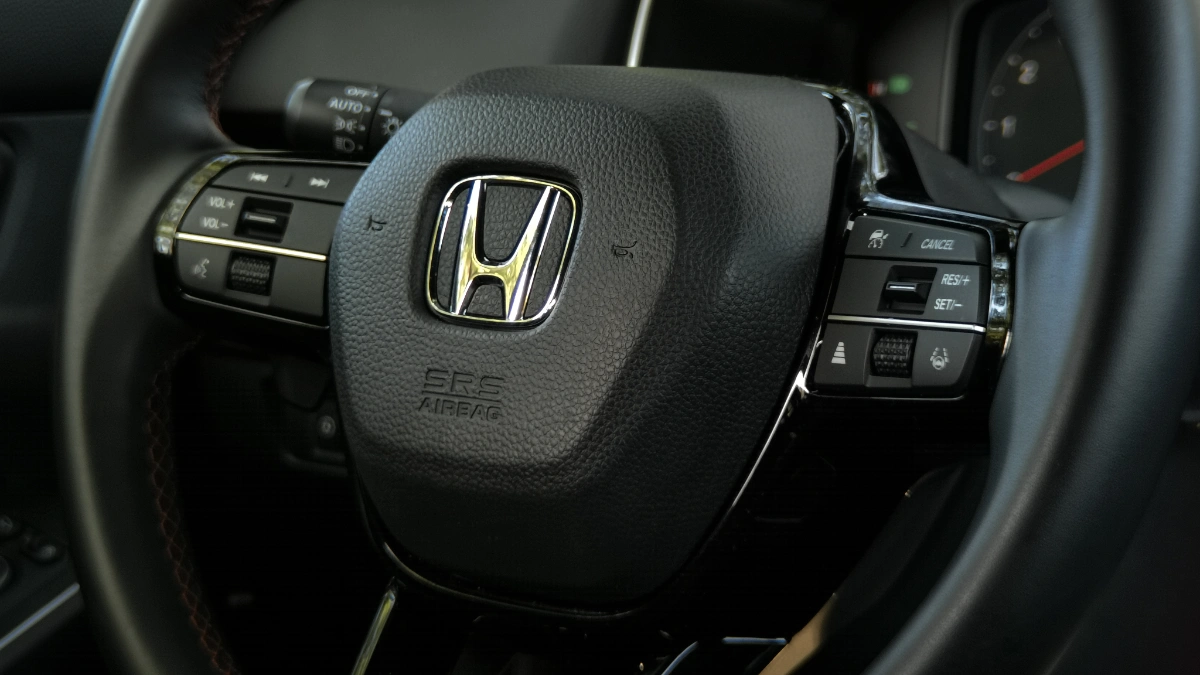
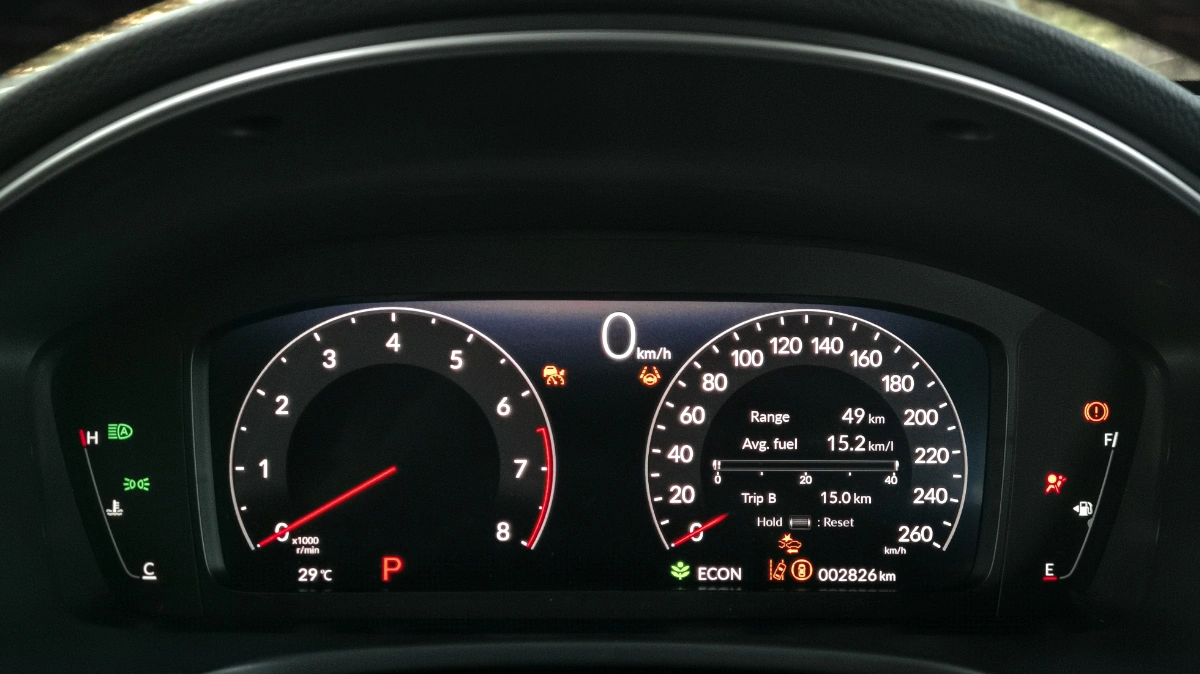
Thankfully, you do get Honda Sensing features like adaptive cruise control with low-speed follow and lane-tracing assist, which can be monitored through the digital instrument cluster at a glance. It does seem a little less sure on poorly marked lanes than some systems, though YMMV. No complaints about the adaptive cruise system, it works perfectly fine in most conditions.
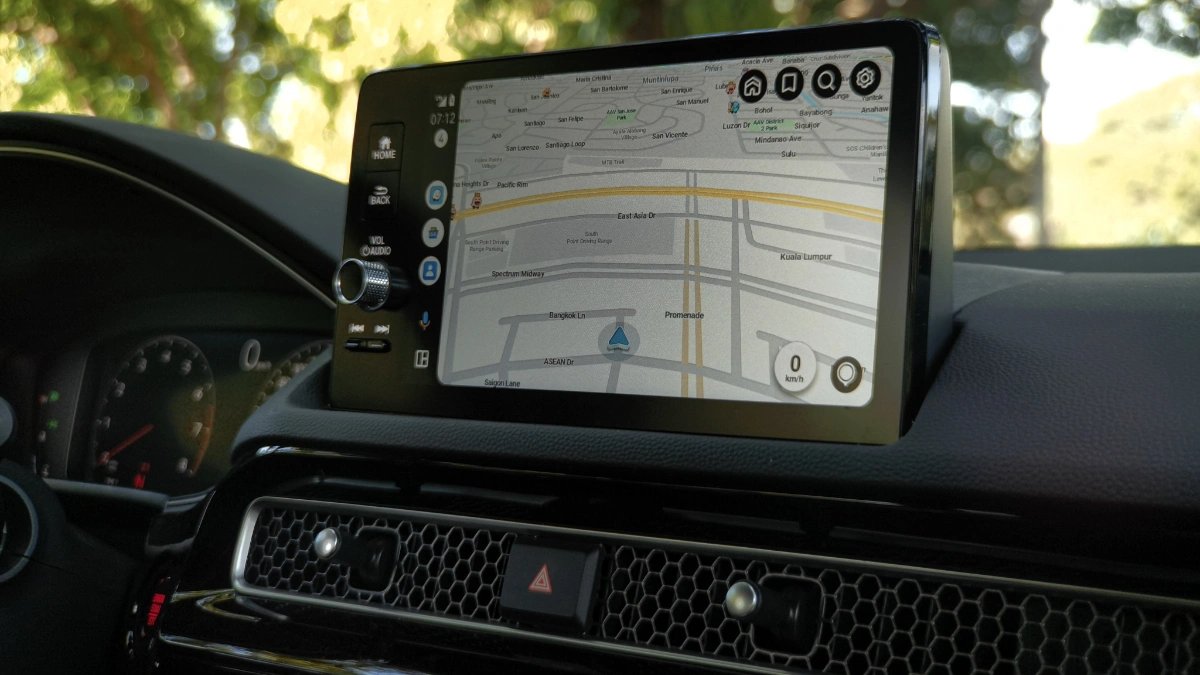
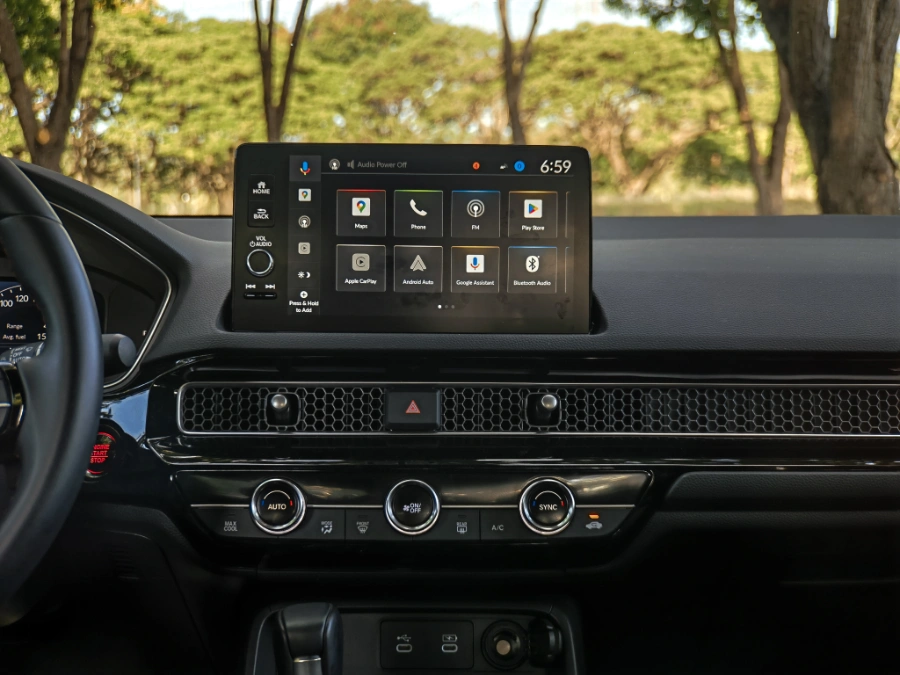
Honda’s touchscreen infotainment system is slightly less irritating than most, with a physical volume knob and shortcut keys on the side. Also note that the digital HVAC controls feature physical knobs, as well, giving you the best of both worlds. Apple CarPlay and Android Auto integration allow you to hook your Spotify playlist up to an exceptional Bose sound system. While it might not be the last word in power, it’s clear and nicely balanced.
Verdict
Once upon a time, the Civic RS was the only game in town. But now, there are a plethora of turbocharged and hybrid Chinese upstarts looking to woo sedan buyers. Not to mention the new Hyundai Elantra N Line, which really ought to be the subject of a Big Test against the Civic in the near future. So it’s a crowded market, but the solid build quality and driving dynamics of the Civic are still up there at the top. And Honda’s cabin packaging is second to none.
Perhaps the RS Turbo’s biggest competition, instead, is the better, faster, stronger RS e:HEV. But for those looking for a sweet driving junior executive sedan with few vices, the RS Turbo certainly fits the bill.
SPECS: Honda Civic RS Turbo 2025
Price: P1,790,000
Engine: 1.5-liter DOHC VTEC Turbo 4-Cylinder
Power: 175hp
Torque: 240Nm
Transmission: CVT
Layout: FWD
Seating: 5
Score: 8.5/10
More photos of the Honda Civic RS Turbo 2025: