
What was the first pickup by Honda? We understand if the Ridgeline was the first thing that popped in your head, but the real answer to that is the T360. It was a kei truck that was introduced in 1963 and was actually the company’s first four-wheeled production vehicle.
Of course, there were other kei trucks that followed after the T360. But if we’re talking midsize pickups, it seems that the Ridgeline is the only one that fits the bill…unless you live in Thailand.
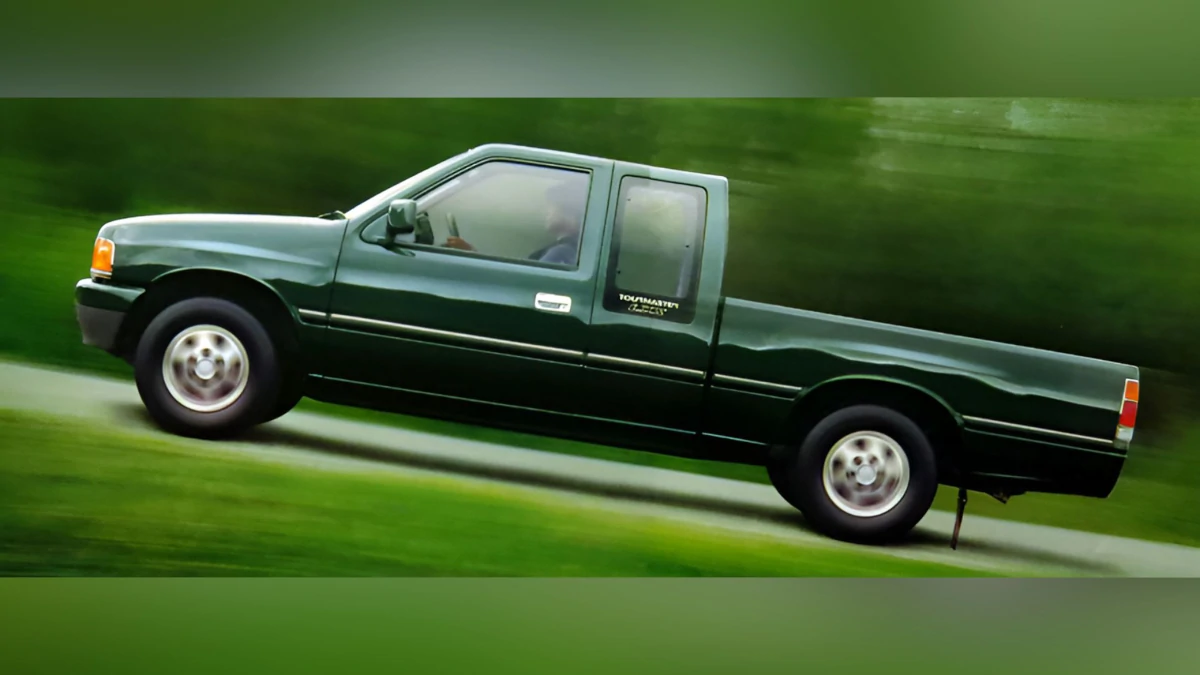
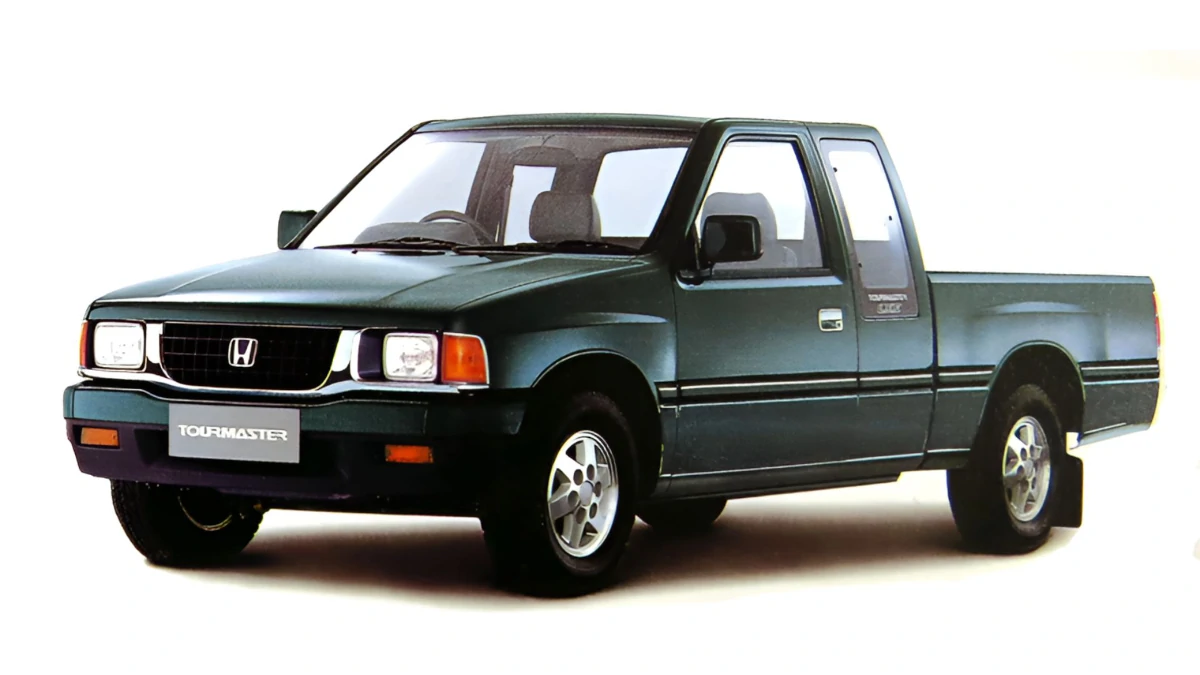
Back in the ‘90s, Honda sold a pickup specifically for the Thai market. It was produced from 1996 to 1998, and practically faded into obscurity after that. It was an odd blip in Honda’s history, but one that we think is worth a mention.
OTHER STORIES YOU MIGHT HAVE MISSED:
MPTC, DOTr in talks to waive NLEX Connector toll fees during EDSA rebuild
Angie Mead King and her crew just finished a gorgeous Liberty Walk A90 Supra
The Honda-Isuzu collab
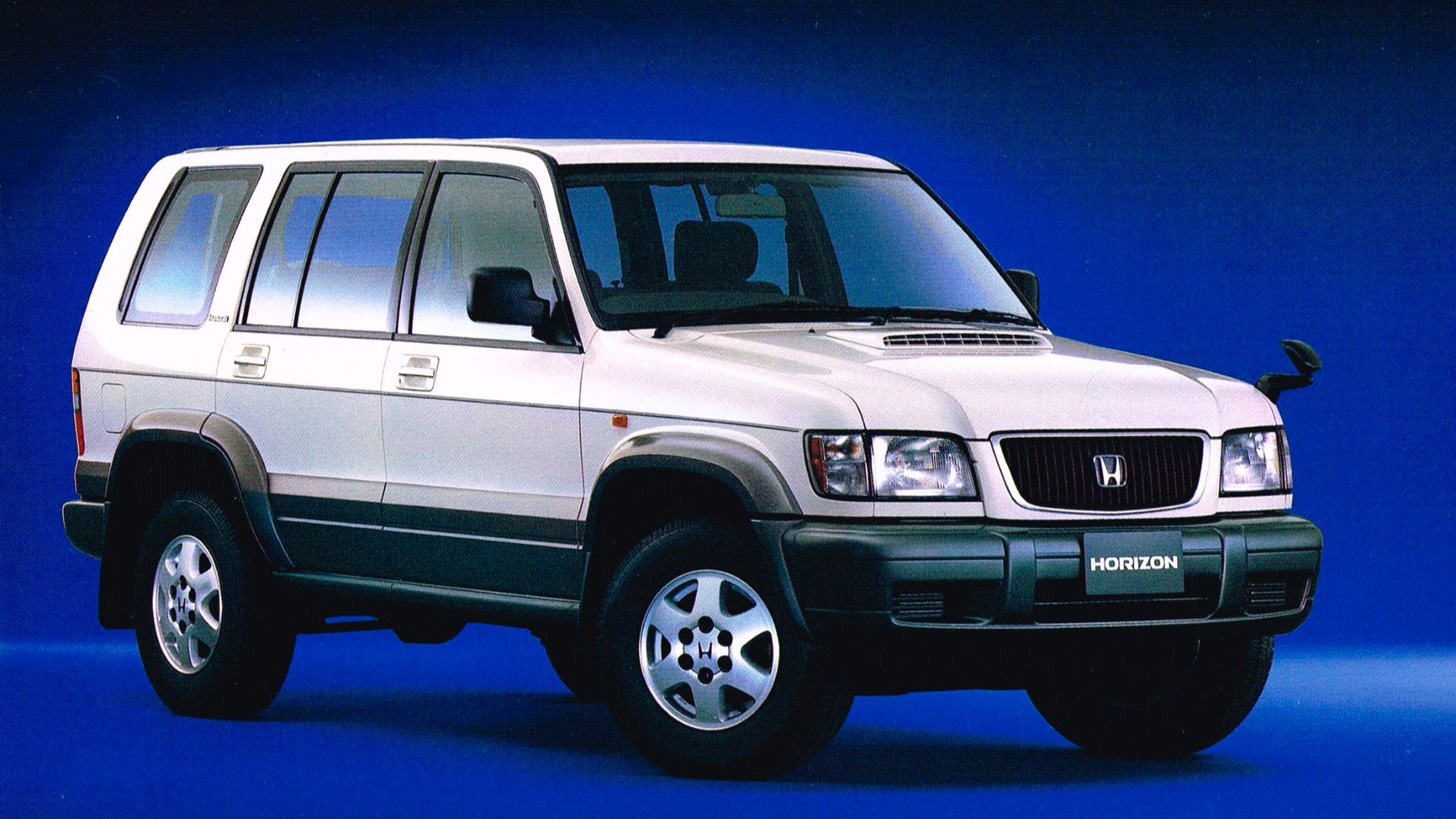
Now, the Honda-Isuzu collaboration isn’t huge news to Honda enthusiasts. The two swapped badges a number of times in the ‘90s with the exchange programe kicking off in 1993. Some models included the Honda Jazz (Isuzu MU), Honda Passport (Isuzu Wizard/Rodeo), Honda Horizon (Isuzu Trooper), and Acura SLX (also a rebadged Isuzu Trooper).
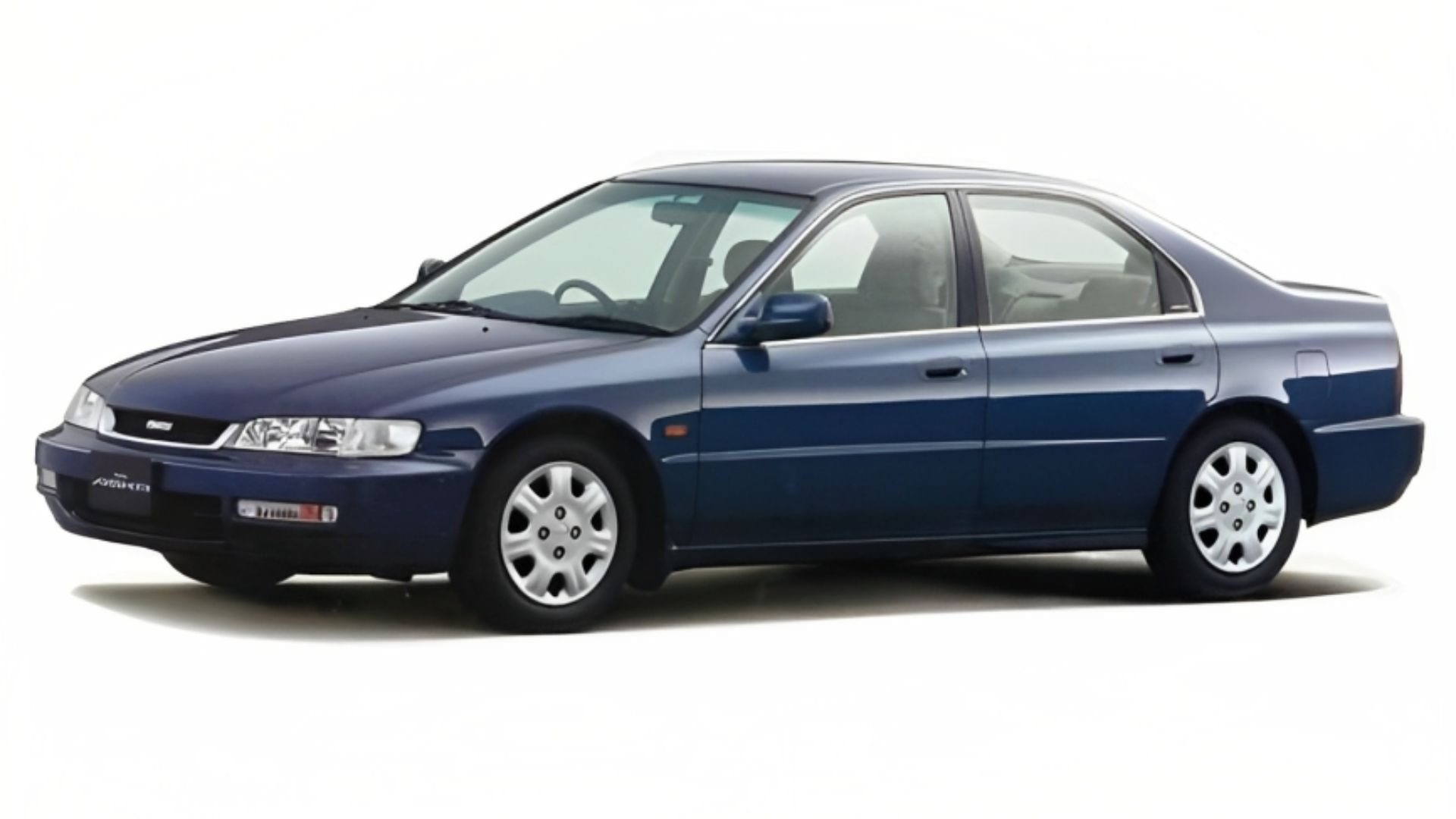
The relationship wasn’t one-sided though. Several Honda models bore Isuzu badges as well. Of course, Honda fanatics are well aware of this too. The first of the Honda-based product was the Isuzu Aska, a rebadged Accord. It was then followed up by the Isuzu Gemini, based on Honda Domani, and the same could be said about the Isuzu Vertex. Even the Odyssey was called the Isuzu Oasis at some point.
Honda Tourmaster: The stats
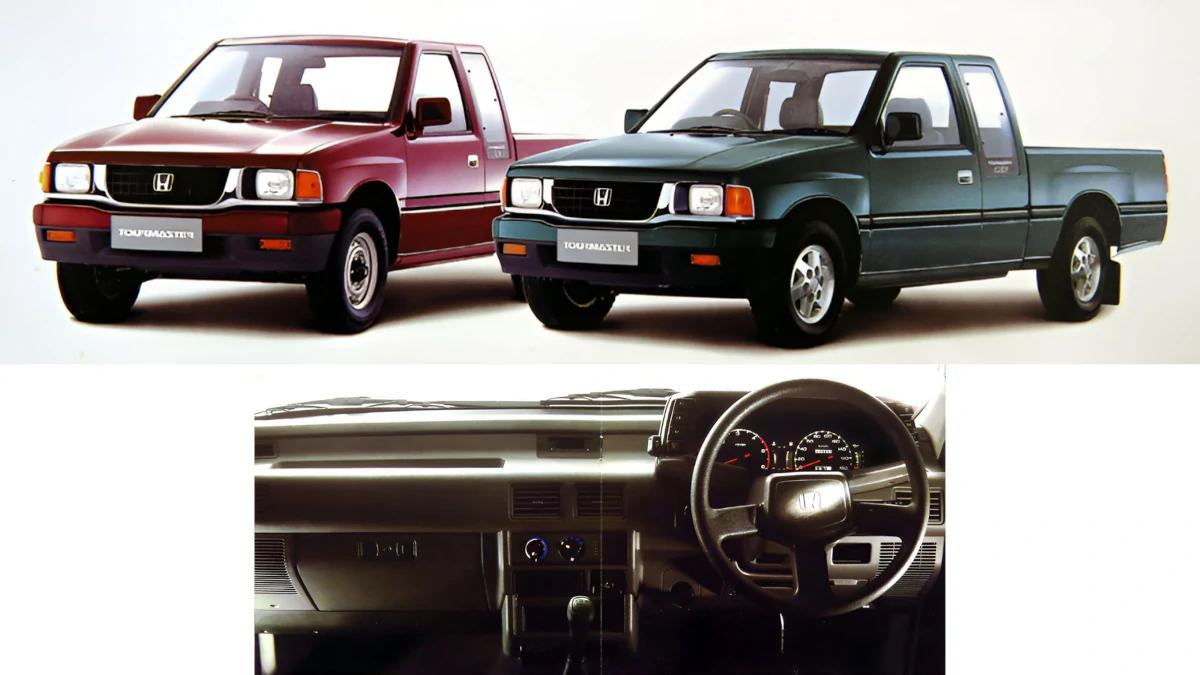
Brief history lesson done, what about the Tourmaster? If it looks too familiar, that’s because it’s literally an Isuzu Fuego with an upright H badge. It also said Honda and Tourmaster on the tailgate, and for a bit of flair, the doorhandles were finished in chrome. As for the interior, the only change was the H logo on the steering wheel.
The pickup only came in an extended cab body with two-wheel drive and a five-speed manual. Specs were exactly the same as the Isuzu LS, meaning a 2.5-liter diesel with 88hp and 171Nm. Not fast, but about on par with most pickups of the time.
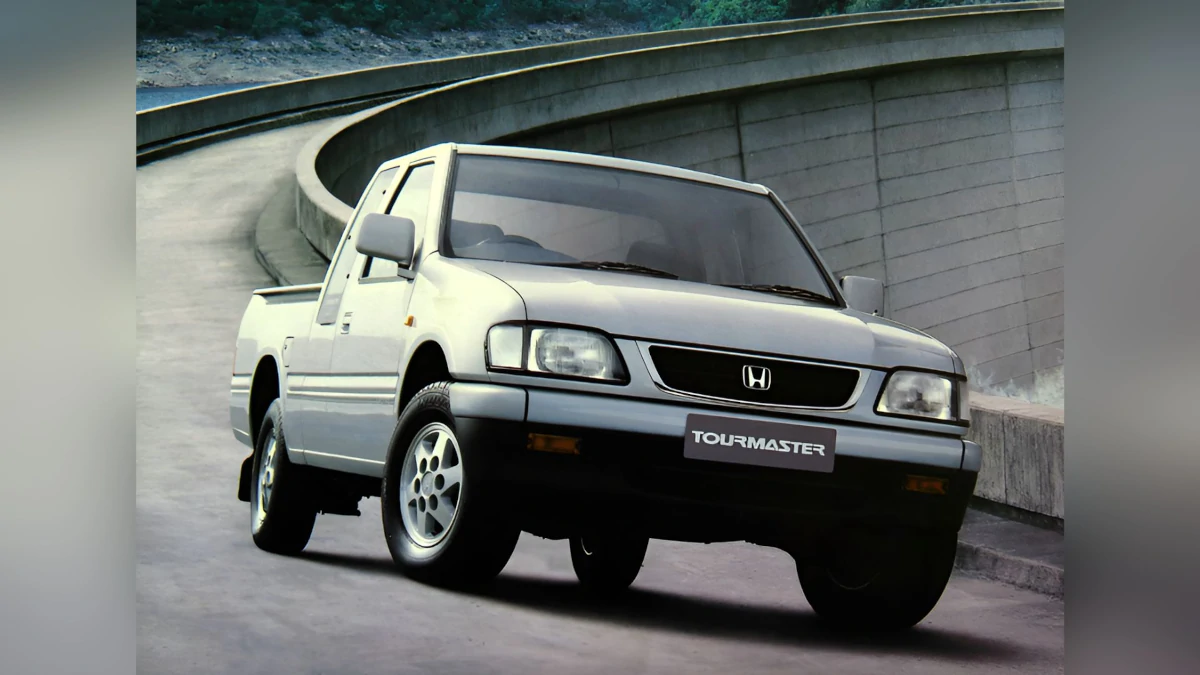
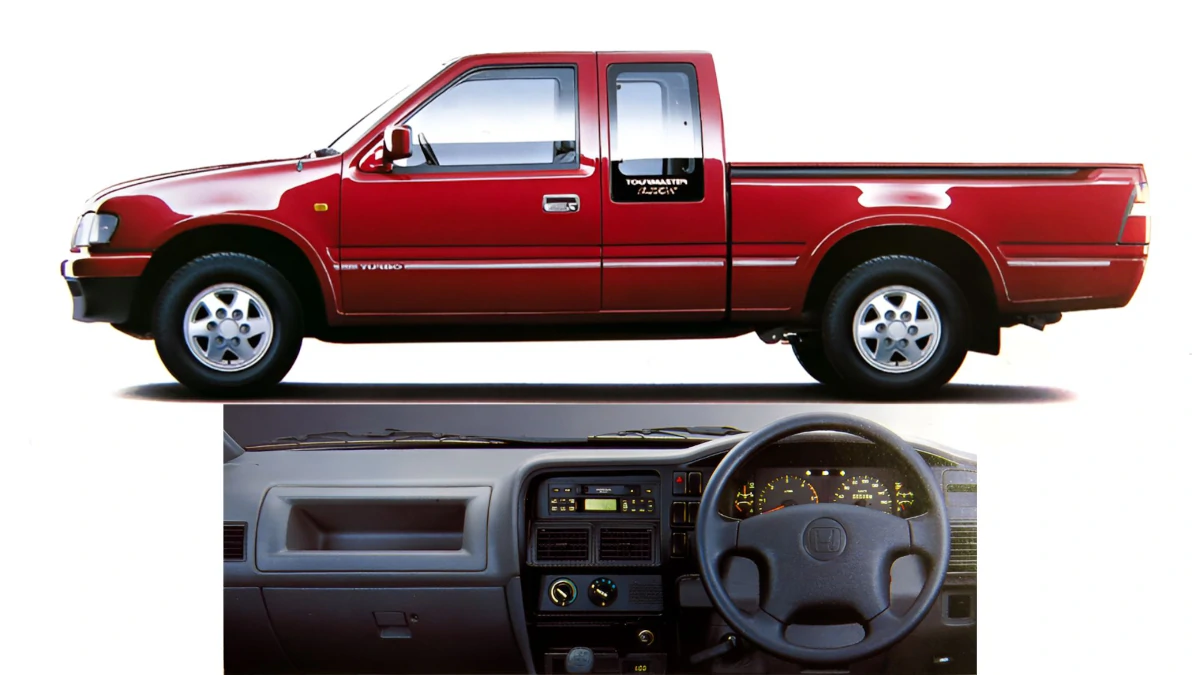
It was facelifted not long after it was launched, reflecting the update the Fuego received in 1997. The Tourmaster got the same new headlights, grille, bumper, and tail lights, while the interior got a major overhaul.
As one might have figured from its short production run, the Honda Tourmaster wasn’t a sales success. If anything, it was far from a runaway hit. It’s estimated that there were less than 3,500 saw new owners, and the Isuzu Fuego vastly outsold it.
Calling it quits
The whole Honda-Isuzu collaboration proved to be a sales disaster for both brands. With sales of all badge-swapped models at a freefalll, the two called it quits in 2002. Isuzu has since abandoned the sedan and minivan market, while Honda, boosted by the surprise success of the first-generation CR-V, doubled down on SUVs.
Today, Isuzu is pretty much down to two core models outside of its medium and heavy truck line with the D-Max and Mu-X. Meanwhile, Honda greatly expanded its SUV lineup, and the Ridgeline also proved that the company can, indeed, succeed in the pickup market.
As for the Tourmaster, it remains to have a small but loyal following in Thailand. Sure, it was a sales flop, but odd nuggets automotive history are always worth retelling.