
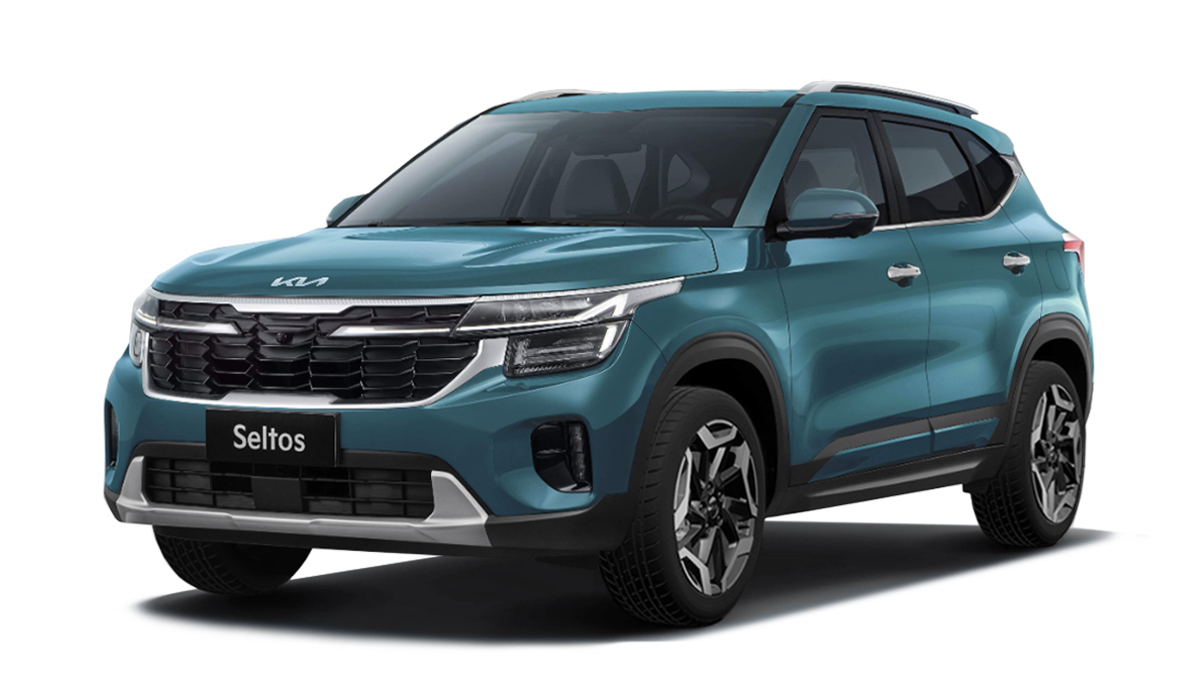
Well, that definitely looks all-new.
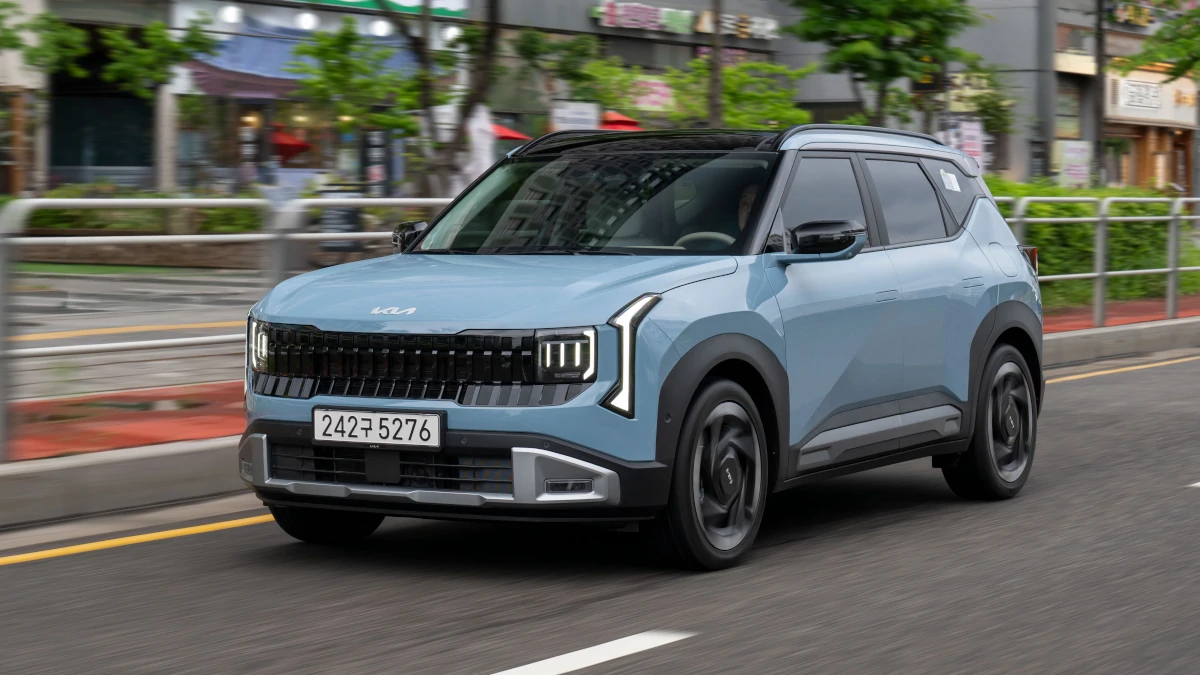
Yes—not just in appearance, but in everything else you can’t see. The second-generation Kia Seltos now looks much more in line with its stablemates, and that strong brand identity will make it easily identifiable as it expands its presence to new markets like Europe.
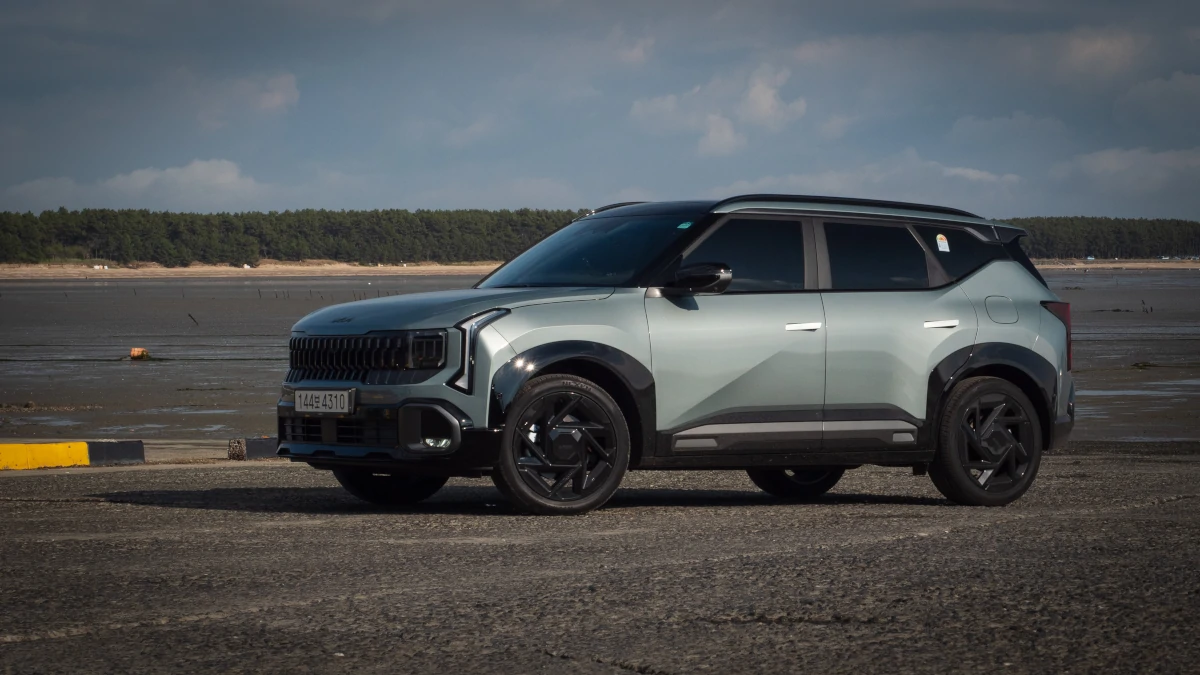
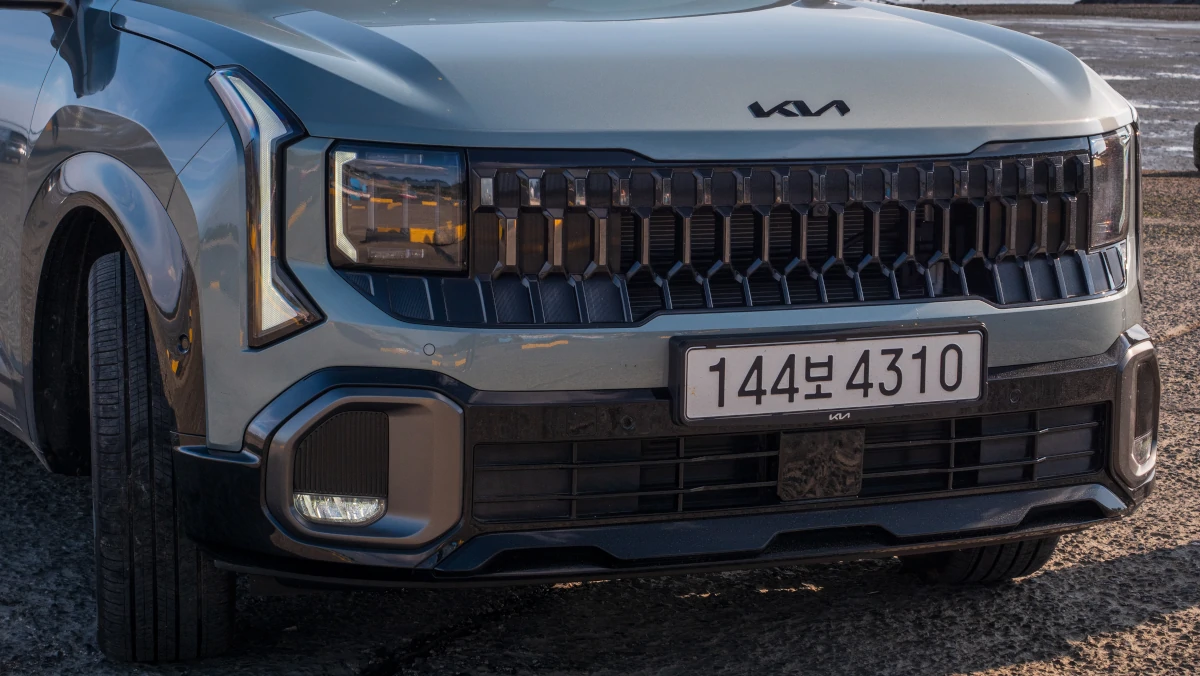
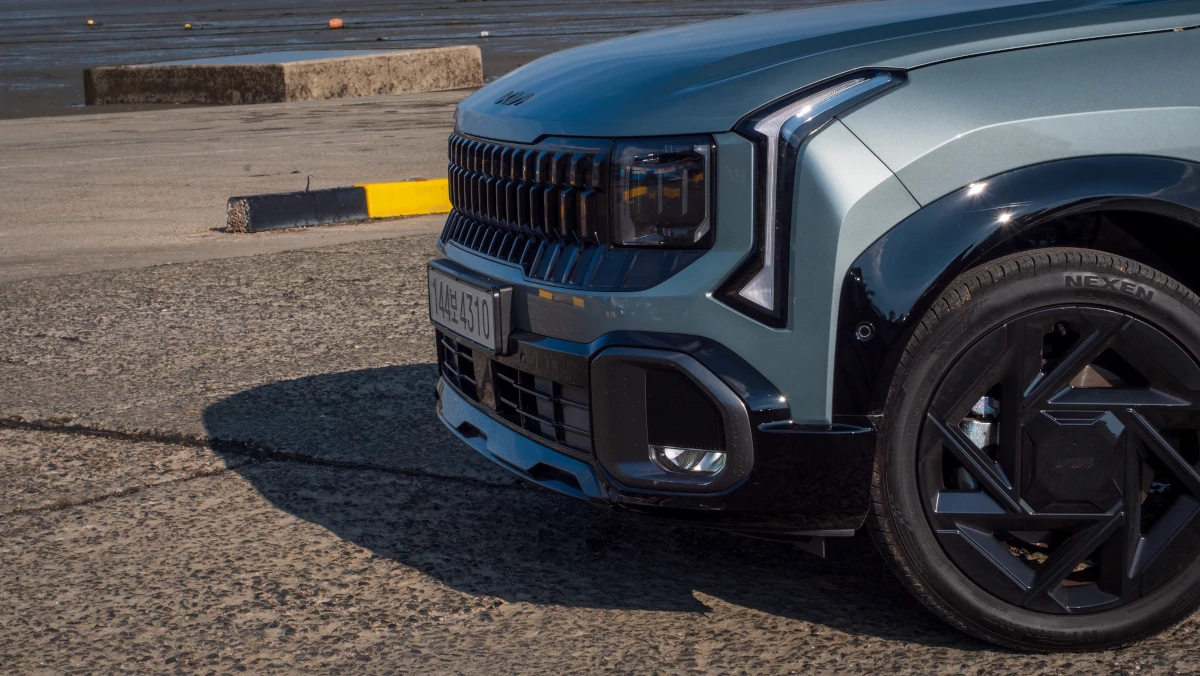
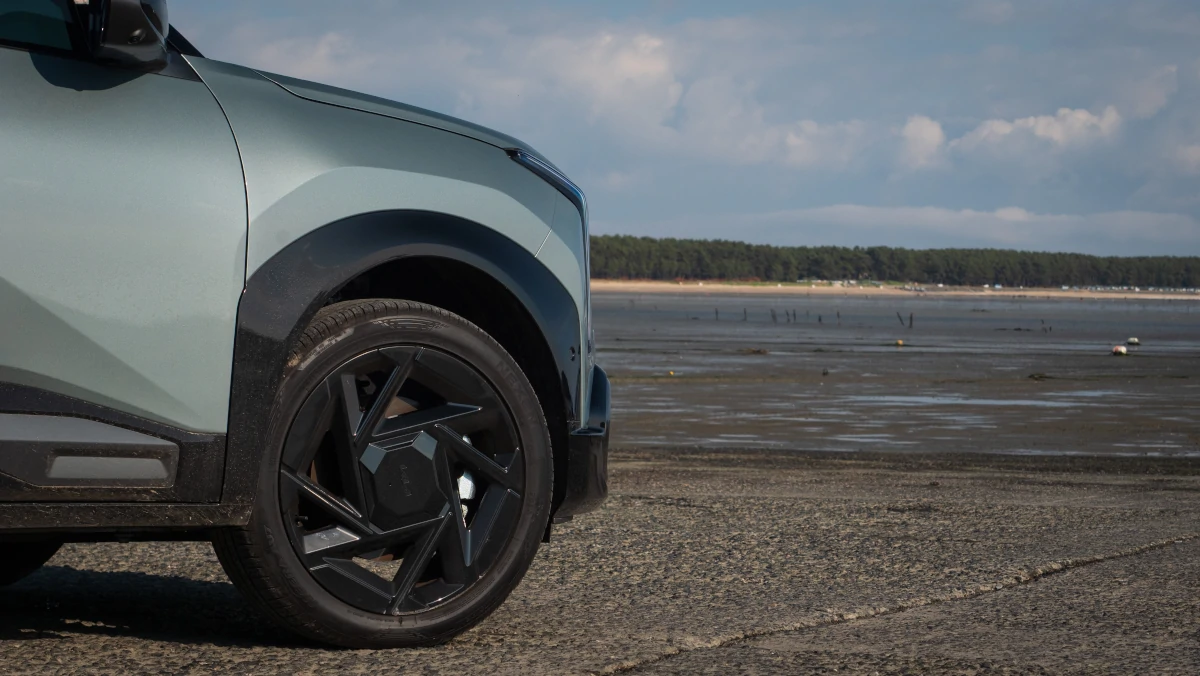
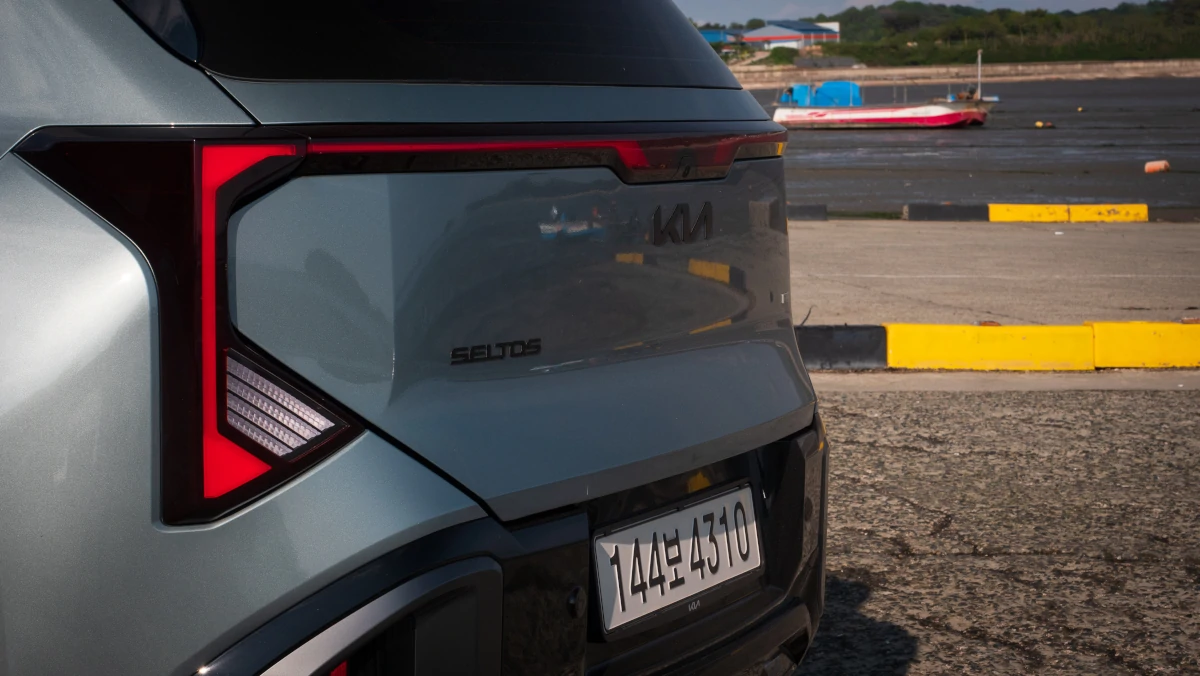
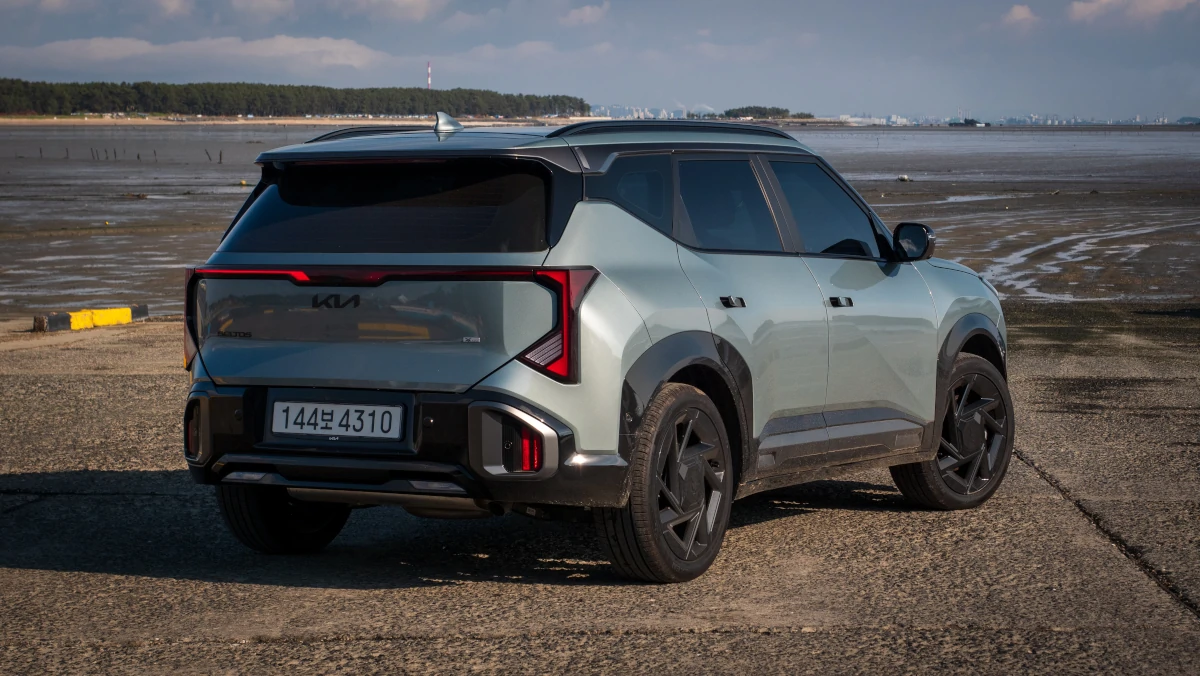
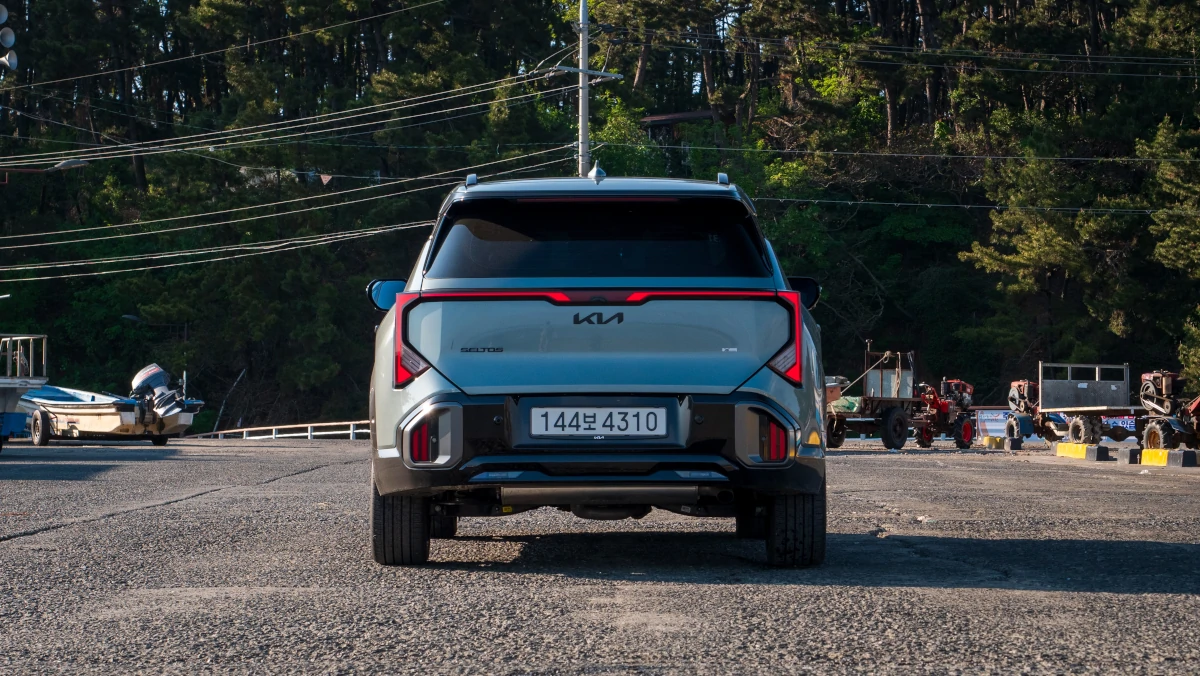
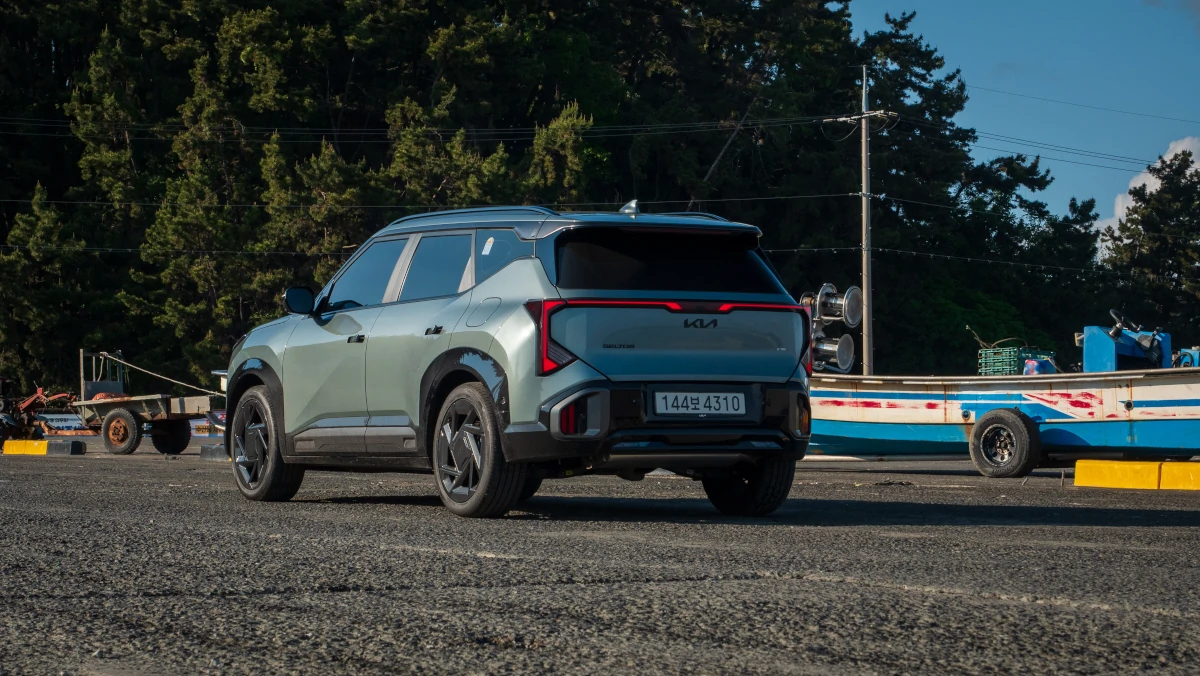
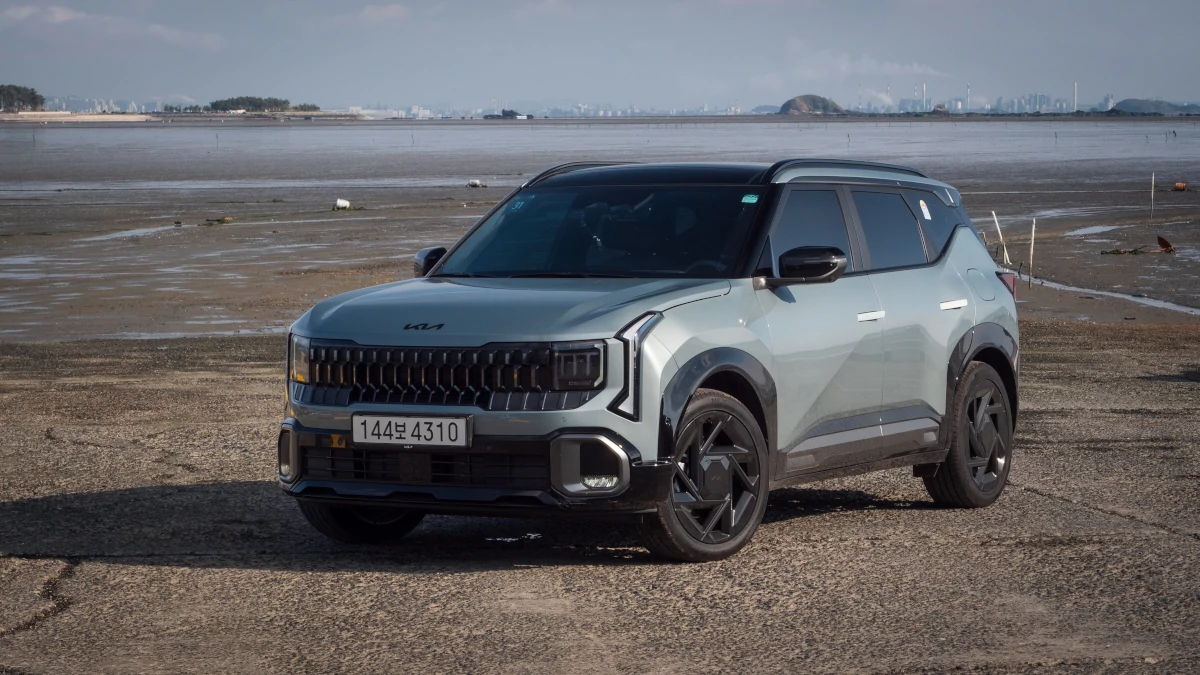
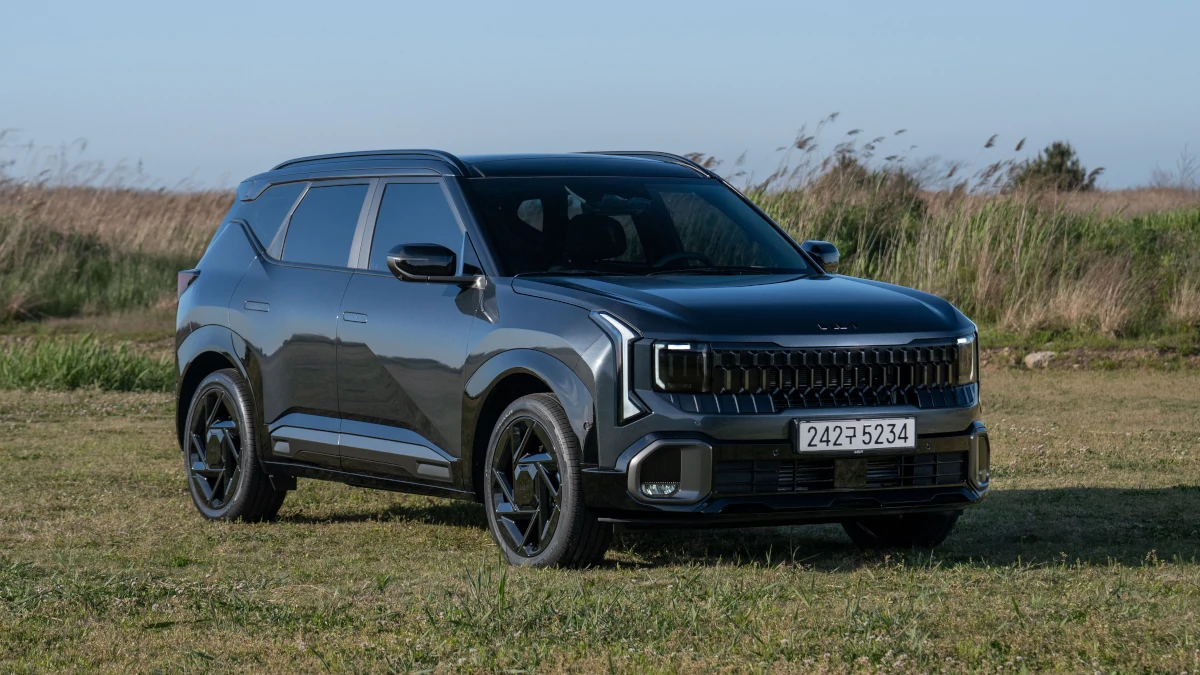
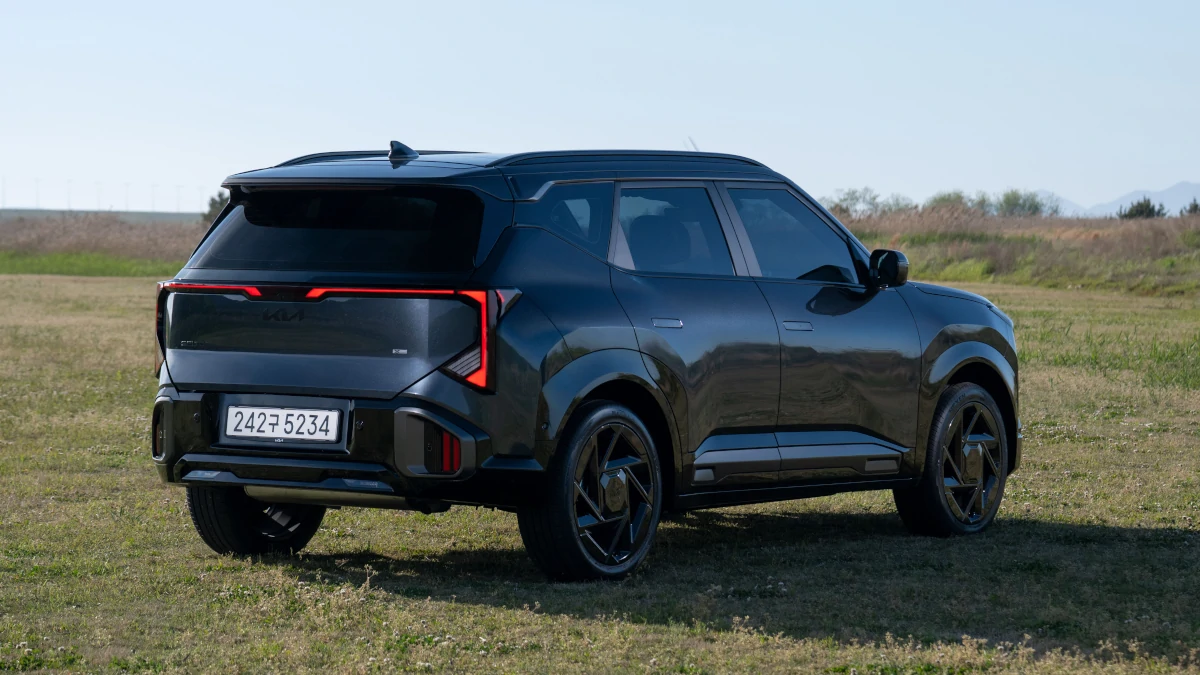
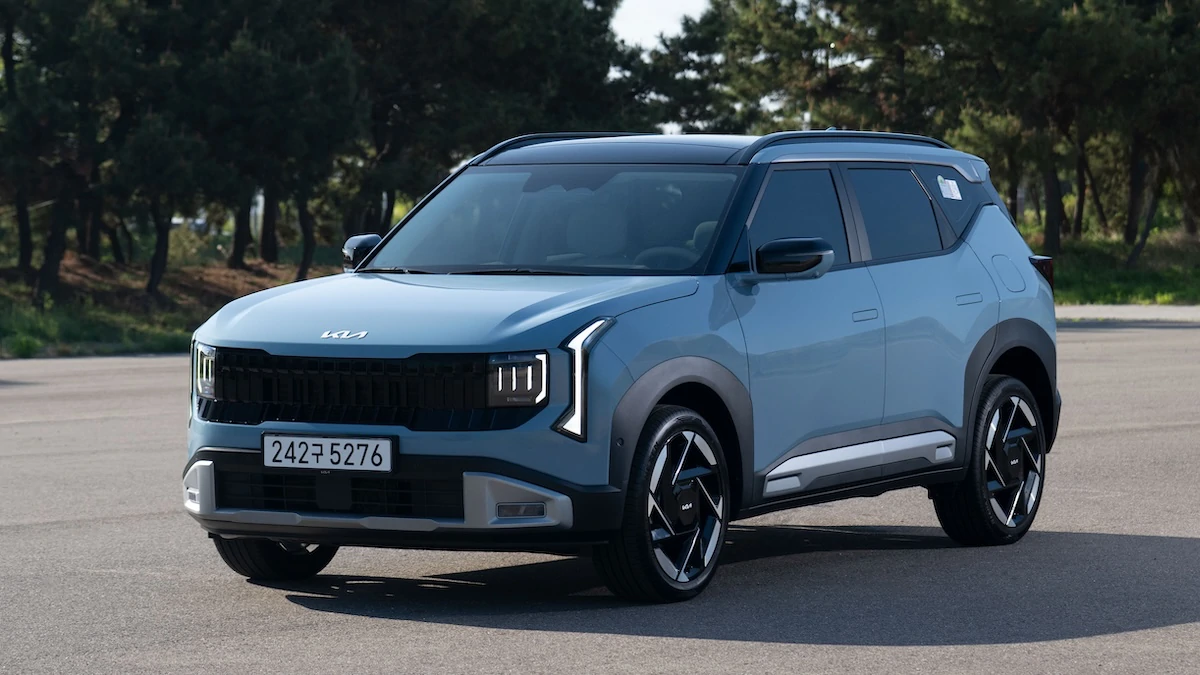
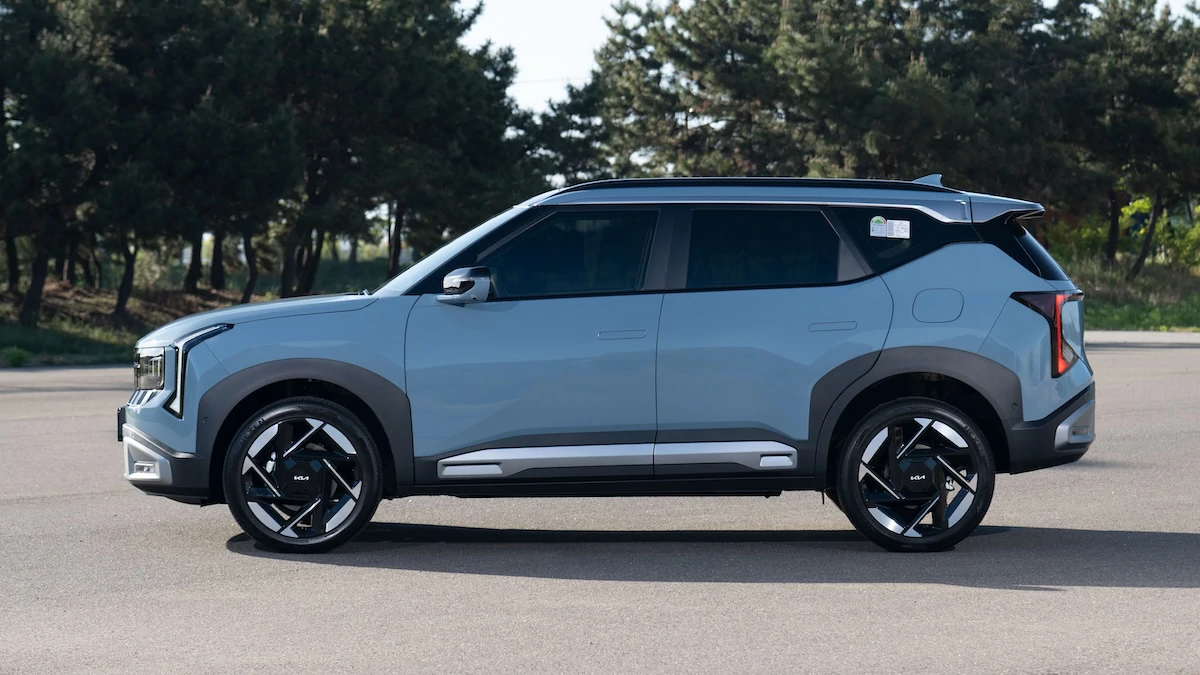
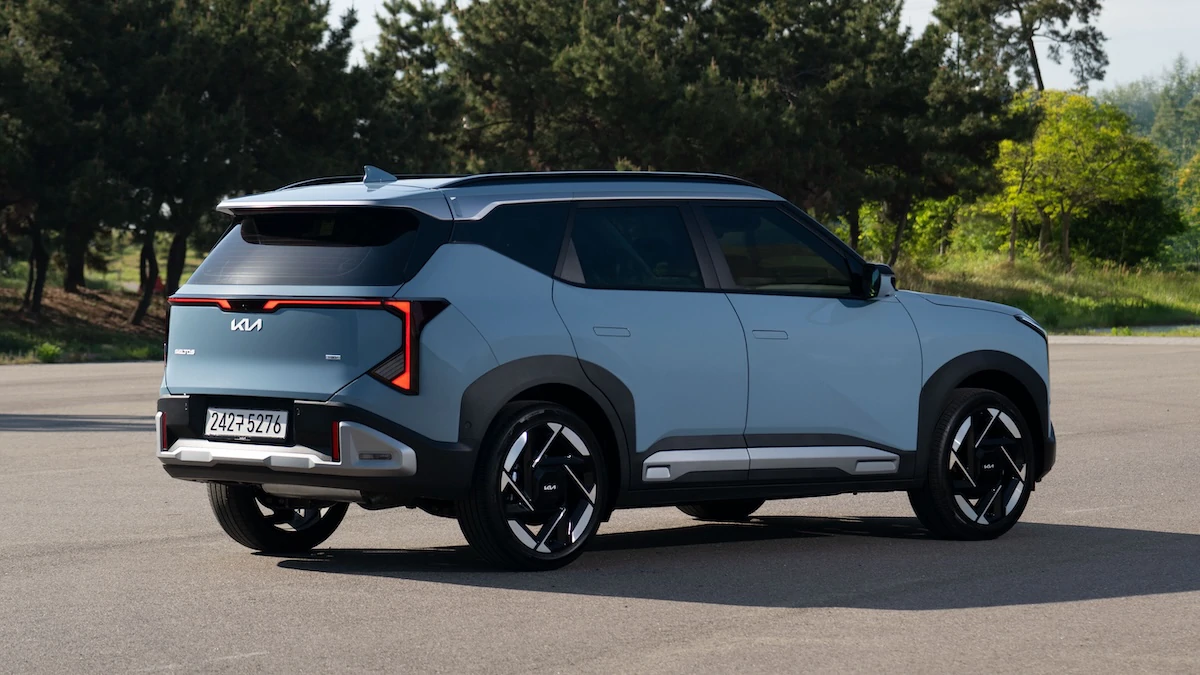
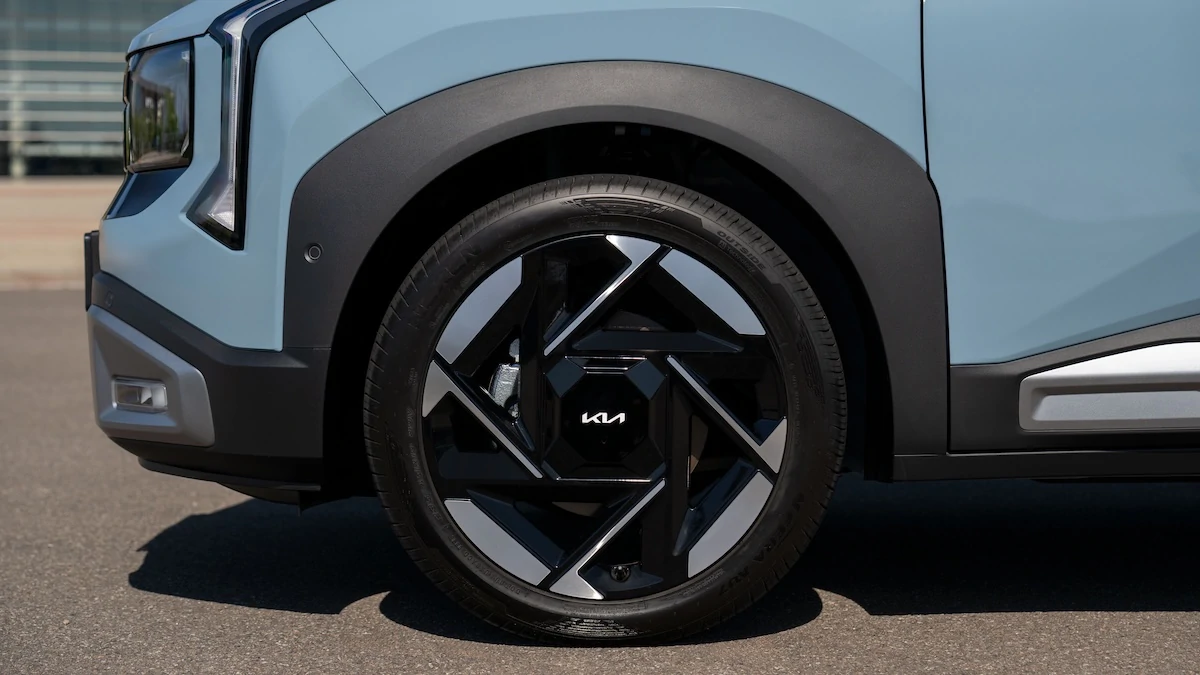
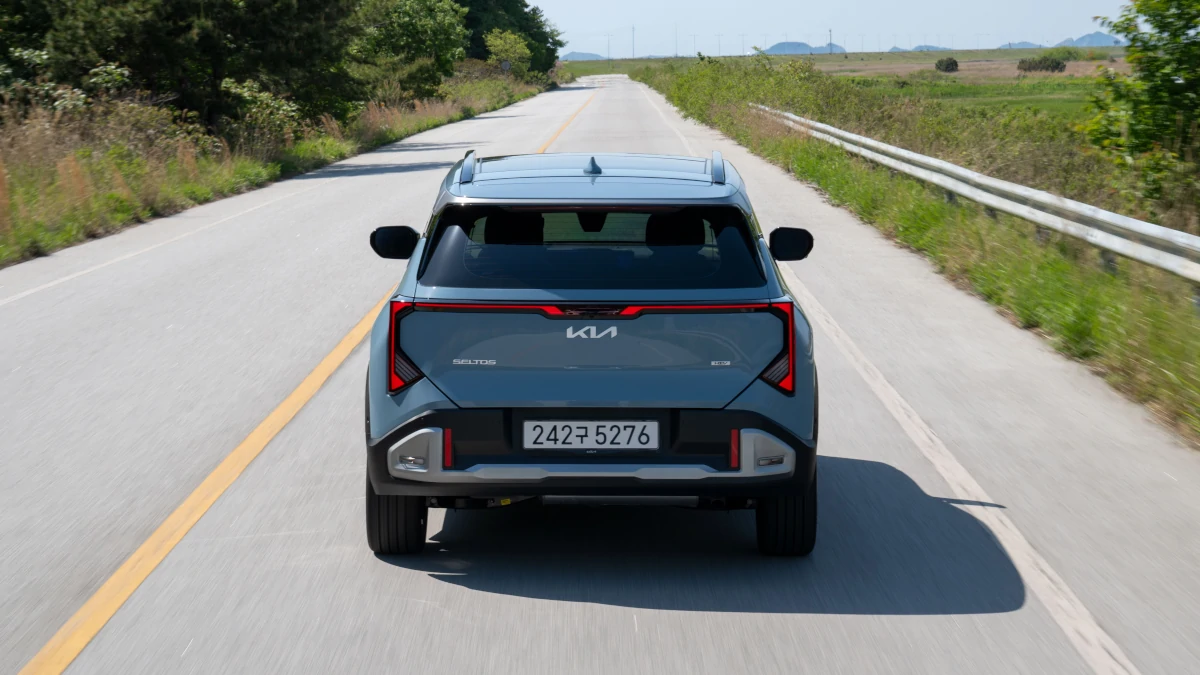
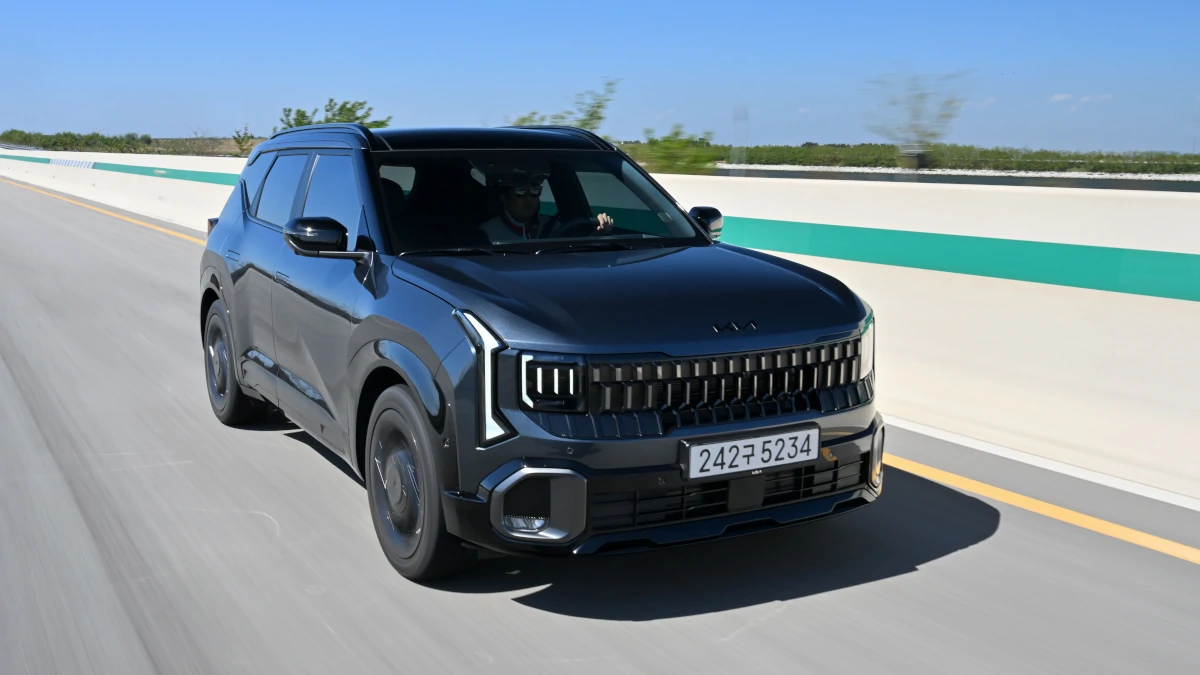
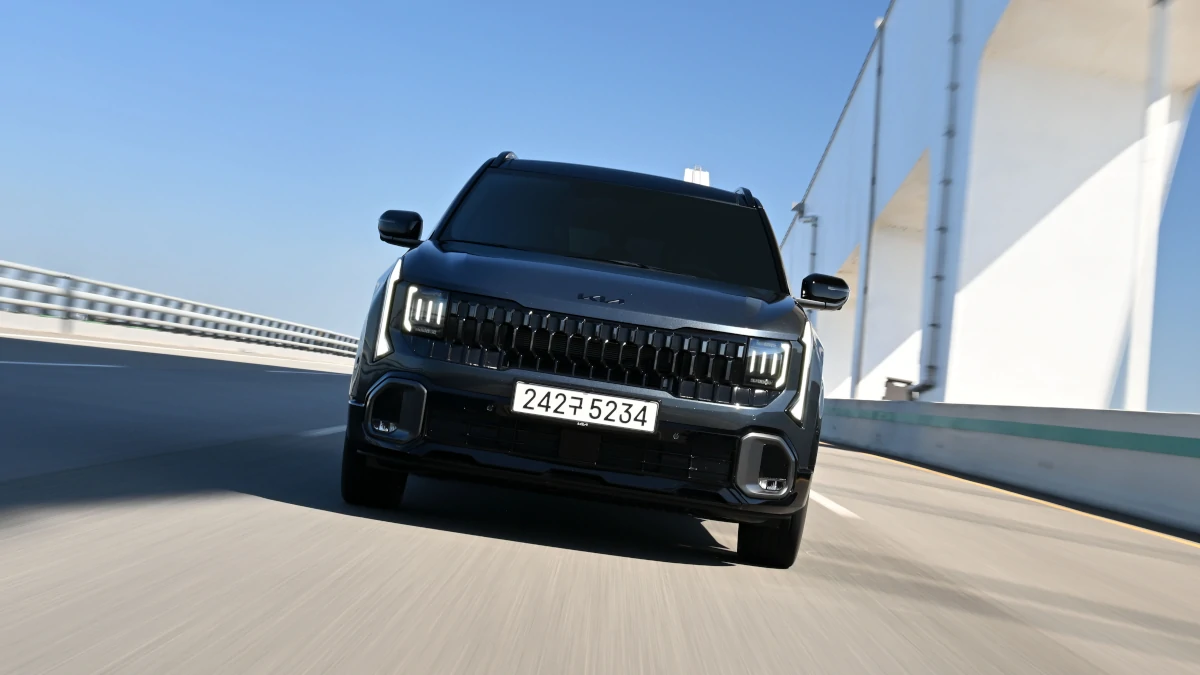
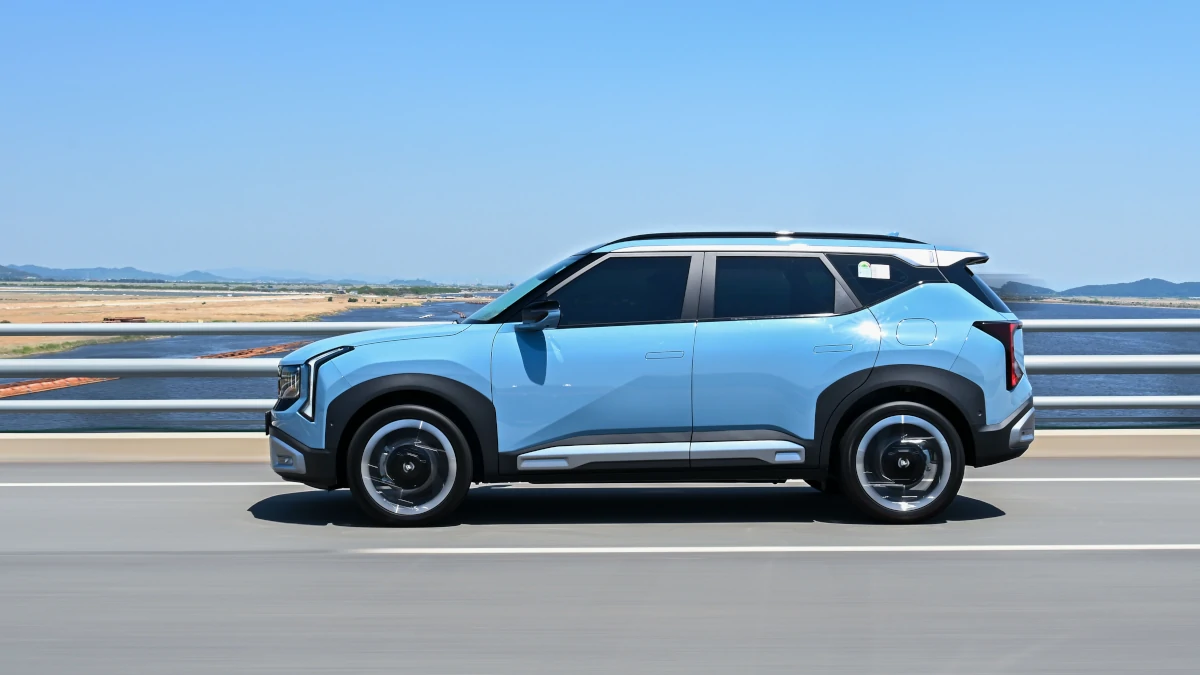
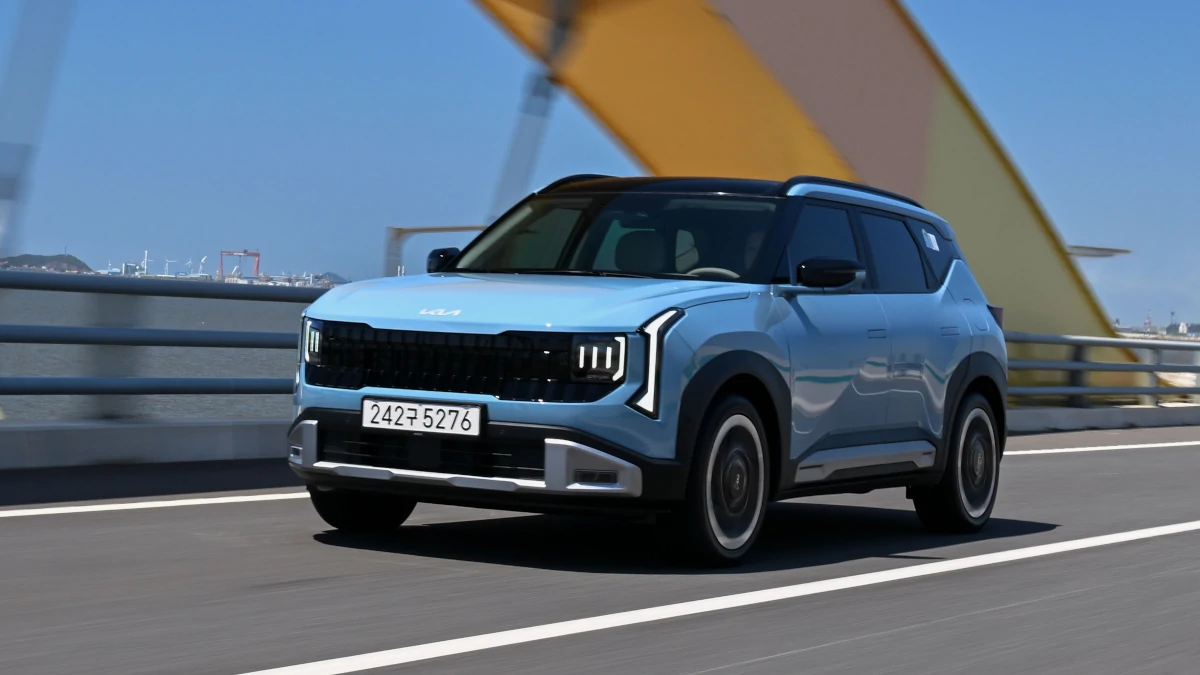
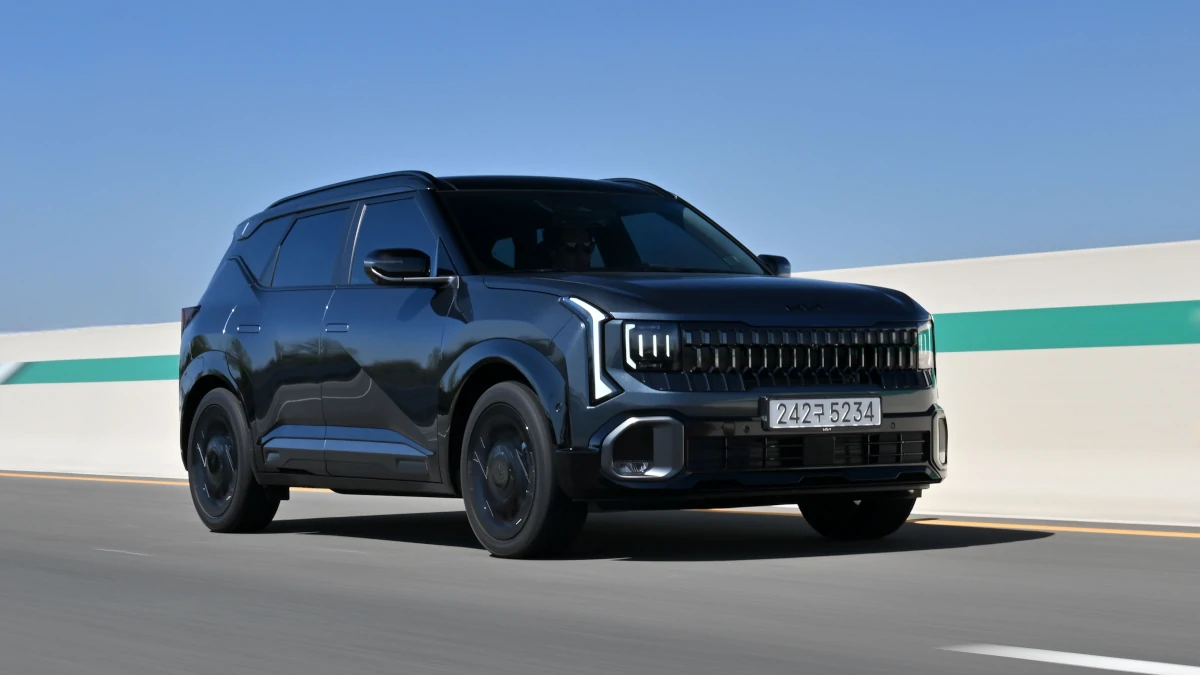
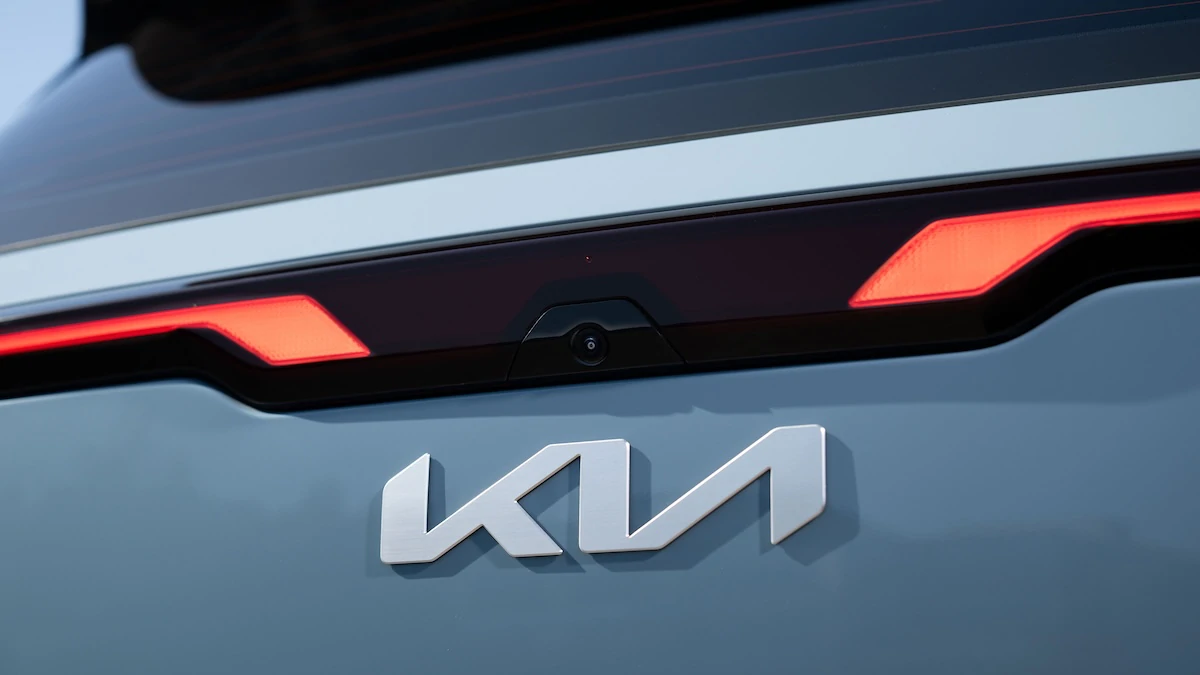
All the hallmarks of the ‘Opposites United’ design language are present here: vertical and diagonal body lines, geometric-pattern wheels, a wide tiger-nose grille whose outline is echoed by the notched horizontal light bar on the rear end, a floating roofline, and of course, those ‘star map’ DRLs placed on the outermost edges of the fascia, making the car look wider than its actual dimensions.
And those actual dimensions are?
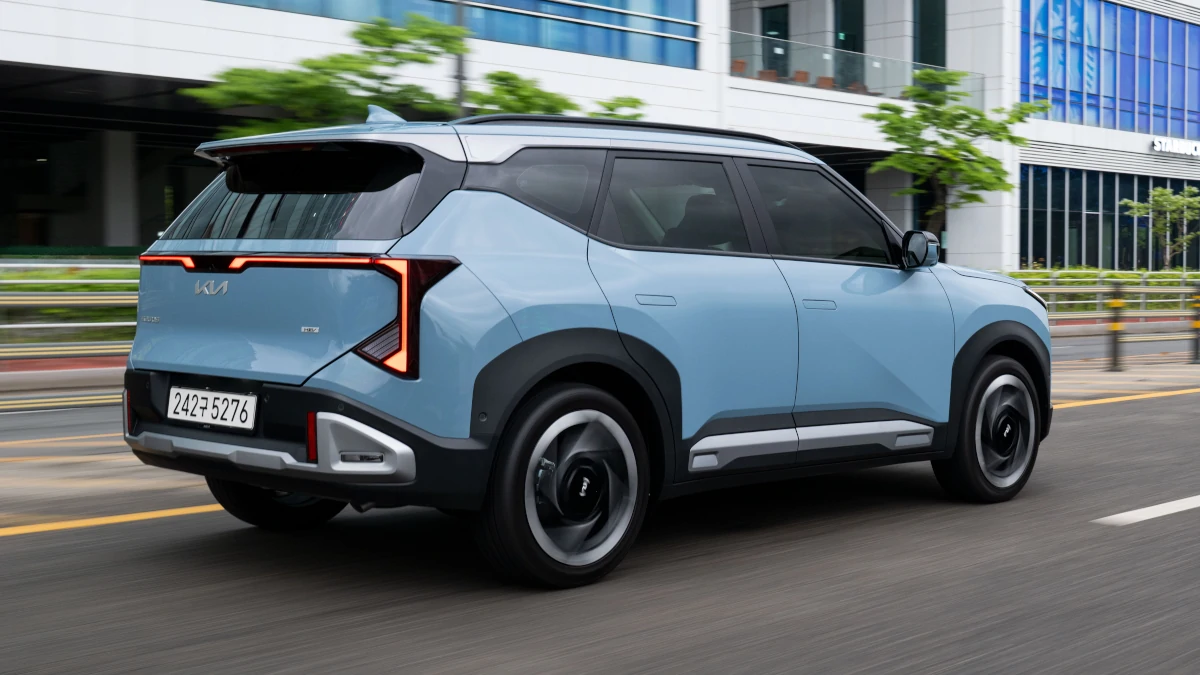
The Seltos has grown in this regard, too. For the wheelbase, it’s a substantial increase of 60mm (to 2,690mm). Overall, it stands 4,430mm long (+45mm), 1,830mm wide (+30mm), and 1,600mm tall (no difference).
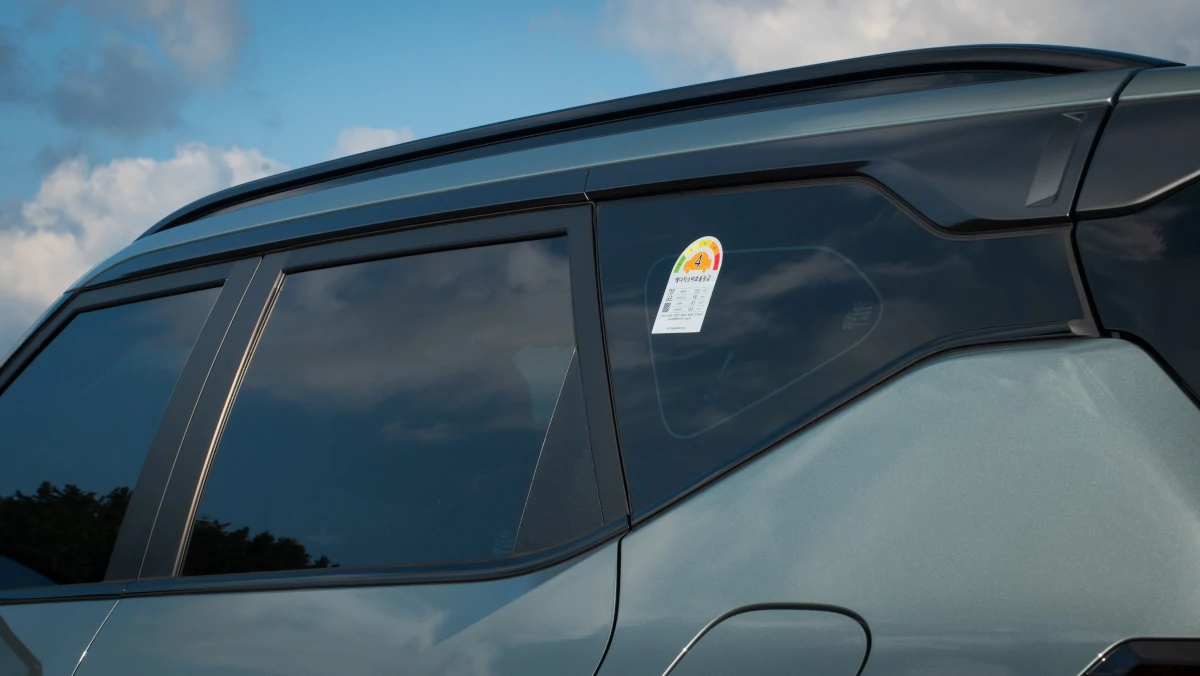
In terms of appearance, our convoy for this global media drive in South Korea had units in two trim levels. The higher X-Line is identifiable by its blacked-out emblems, all-black wheels, gloss-black panels, and sportier bumper treatment. Hybrids in this trim don’t get an HEV badge, so there’s no way to tell what’s under the hood. Meanwhile, the GT-Line wears two-tone alloys, the usual brightwork, silver bumper accents and side claddings, and matte-black wheel-arch trim.
So there’s now a hybrid option?
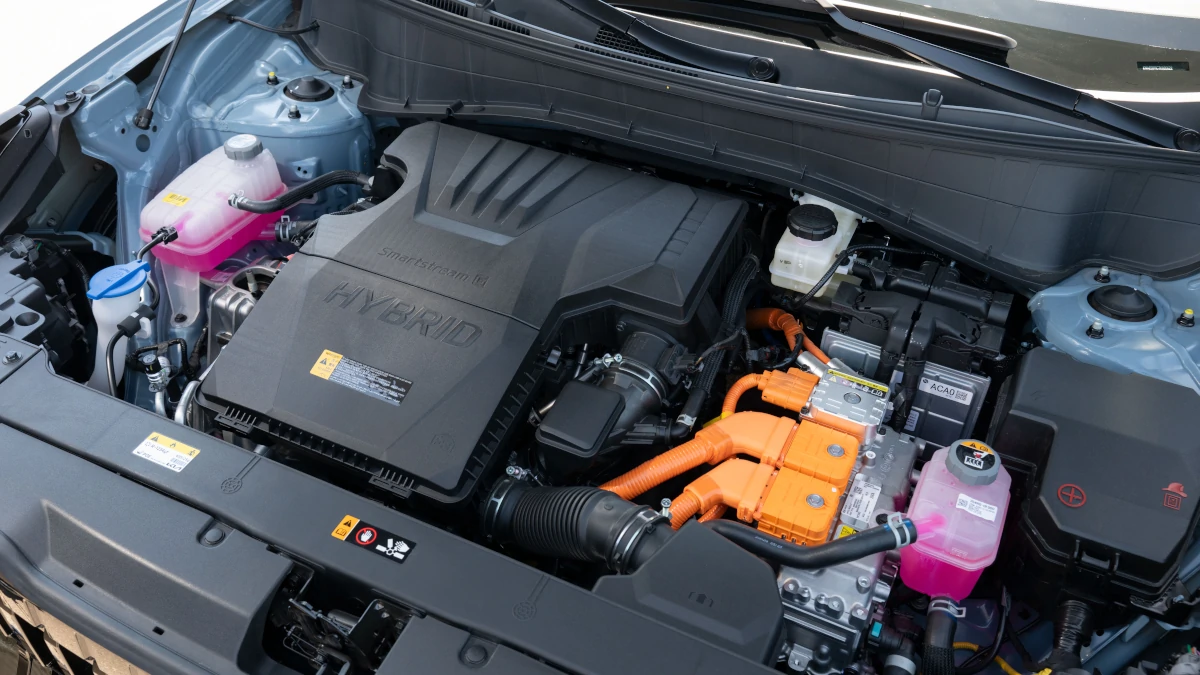
The powertrain lineup is…let’s just say extensive. The Korean-made units we drove were powered by either a 1.6-liter turbocharged gasoline engine or a 1.6-liter gasoline hybrid. The turbopetrol alone comes in two states of tune, while the hybrid gets either one or two electric motors (and thus two- or all-wheel drive) depending on where in the world you are.
India and China will also produce this crossover, but unlike the ones made in Korea, units from those countries will have 1.5-liter engines that are either turbopetrol, turbodiesel (India only), or nat-asp gasoline. Each type of engine comes with different transmissions to make things even more confusing.
Talk me through the differences between the gasoline and the hybrid.
Numbers first: The all-wheel-drive turbocharged gasoline variant we drove put out 190hp and 265Nm of torque, delivered to the wheels by an eight-speed automatic. The hybrid, meanwhile, made a combined 139hp and 265Nm courtesy of the engine and a single electric motor; the gearbox was a six-speed dual-clutch, and drive went only to the front wheels.
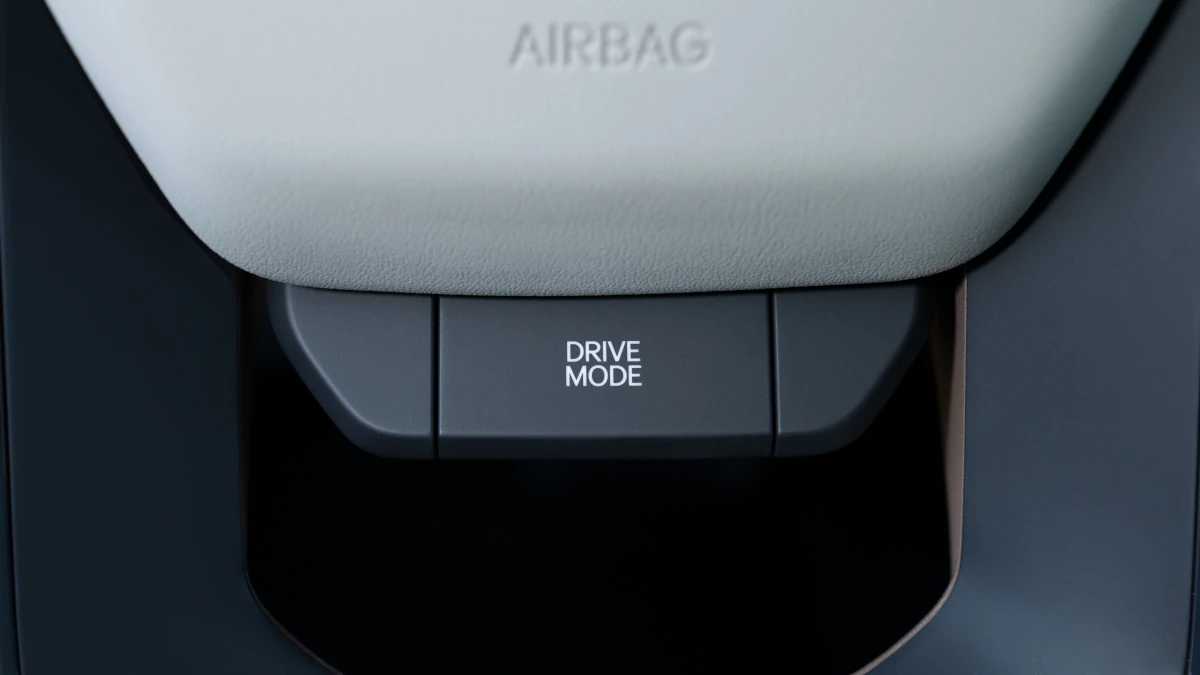
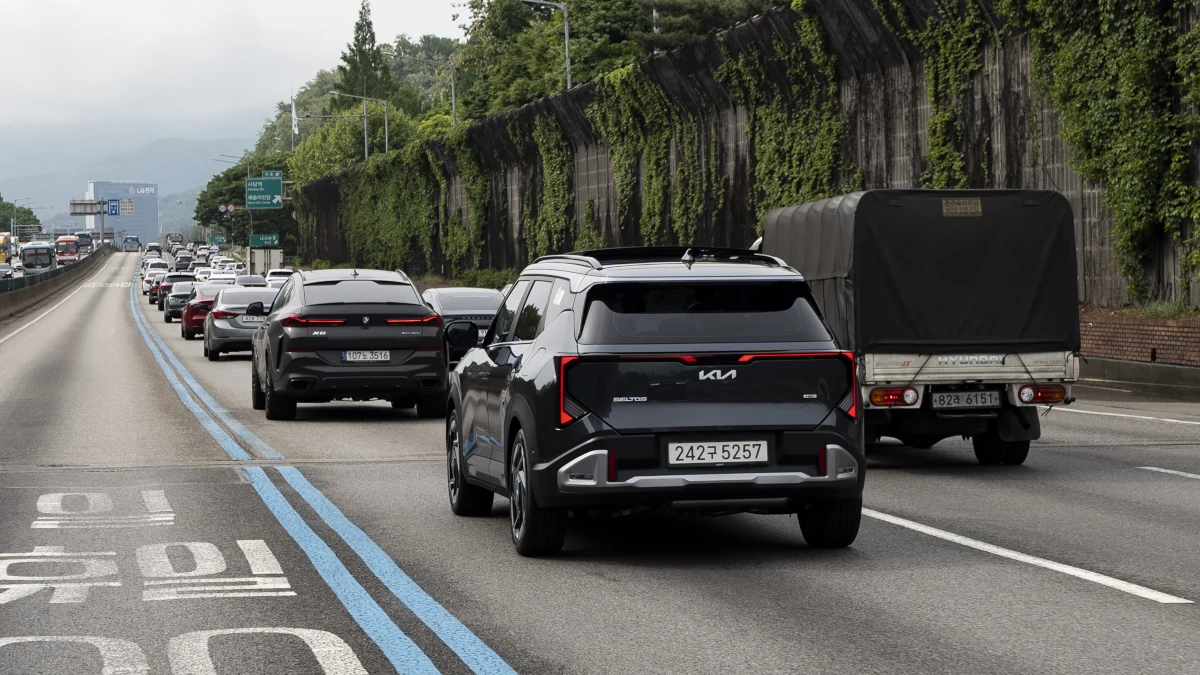
The major difference was apparent in stop-and-go traffic. I expected the hybrid, with its dual-clutch transmission, to have the characteristic jerkiness at low speeds, but oddly, it was the gasoline’s eight-speed auto that felt juddery in slow city driving, both when moving from a standstill and coming to a full stop. I was in the passenger seat for this part of our journey from Seoul to Gunsan, but it was still noticeable to me. It seemed to be due to the short first gear and the turbo still spooling up at that point; putting the drive mode in Eco largely solved the issue.
As for the hybrid, it felt more alert off the line versus its non-electrified twin, even if initial acceleration was not exactly urgent. It’s smoother in urban running, too, with Eco being the default drive mode; that and Sport are the only modes available in this variant.
Once up to cruising speed, power delivery on both the turbo and the hybrid was linear, direct, and ample with two passengers on board and overnight bags in the cargo. Except maybe for the highway portions, there were no sections of our road trip where Sport or Manual mode was really needed, so we just used the default setting most of the time. That yielded fuel-economy figures of 13.4km/L for the turbo-gasoline (mixed conditions) and 17.3km/L for the hybrid (mostly highway driving).
What’s the ride and handling like?
The ride of the gasoline variant we drove on day one was more supple than that of the hybrid on day two. Both cars are equipped with rear multilink suspension, so I wasn’t expecting a noticeable difference in ride quality, but the hybrid unit did have tire pressures above 40psi, which we didn’t get the chance to correct as we rushed from Gunsan to Gwangju. The hybrid is also roughly 100kg heavier and should have a different weight distribution due to the additional components of the powertrain.
The second-gen Seltos sits on the same Hyundai-Kia K3 platform as the Elantra and the Kona. I’ve enjoyed lots of seat time in three different Elantra variants, and I can say it’s got a great balance between ride comfort and athletic handling. Unfortunately, the twisty portions of our route were riddled with 30kph zones, but in the sections that allowed a bit of speed, the Seltos remained composed and planted through corners.
Body movements as you brake, turn, and accelerate are properly controlled, and the steering is reliably accurate, with the nose eager to turn in and the rest of the car flowing smoothly into the corner. The tiller also gets heavier as you pick up speed, and the brake pedal is very easy to modulate.
On the subject of brakes, one feature I wasn’t able to test fully due to our much shorter day-two drive was Smart Regenerative Braking 3.0. Before the hybrid Seltos, only full EVs in the Kia lineup had this feature. What it does is automatically adjust the level of brake regen depending on what various sensors are picking up—for example, your speed and the speed of the car ahead, or if an intersection is coming up based on navigation data. As you coast to a full stop, you can take your foot off the pedals, and the system can ease the car into a standstill.
It’s different from adaptive cruise control in the sense that once it stops the car, you have to get on the throttle to move forward, whereas ACC can stop and go for you based on the speed of the car ahead. Smart Regen is more for maximizing energy recovery whenever the car has to decelerate, which in turn helps fuel efficiency.
Any other noteworthy tech?
Yes, both on the hybrid. The first, which is e-VMC or electrification–Vehicle Motion Control, isn’t new. Locally, the Sorento HEV has it, as does the hybrid Santa Fe and Tucson within the Hyundai Motor Group (HMG).
The system continually monitors things like yaw, wheel speed, steering angle, weight transfer, and pedal input, and uses all the data to work out your intended path and the best way through. It then adjusts the torque and the regen applied to individual wheels, easing your progress through the corner and even controlling the body’s pitch and roll for better ride comfort. Again, I wasn’t able to push the cars hard enough to perceive the difference, so this is something to test some other time—and besides, the system is meant to be subtle and imperceptible.
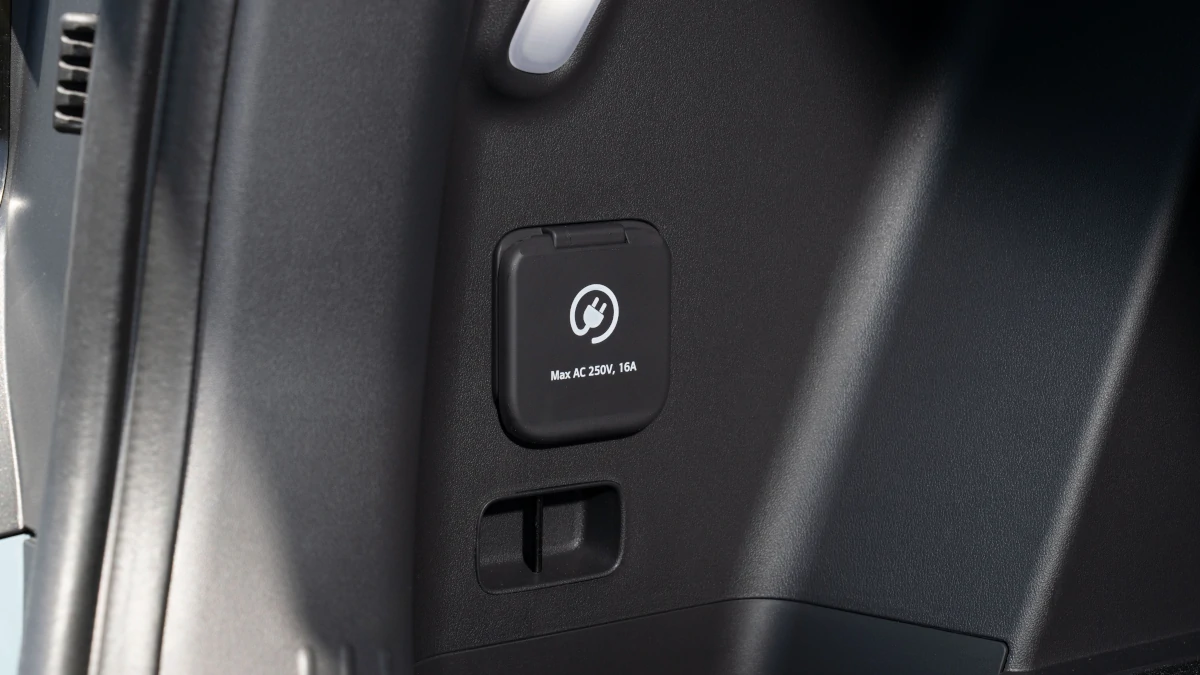
The other hybrid-exclusive feature: V2L functionality. The Seltos, in fact, is the first HMG hybrid to get this. It can put out up to 3.52kW to power electronic devices in emergency or outdoor situations.
And inside the car? What’s it like?
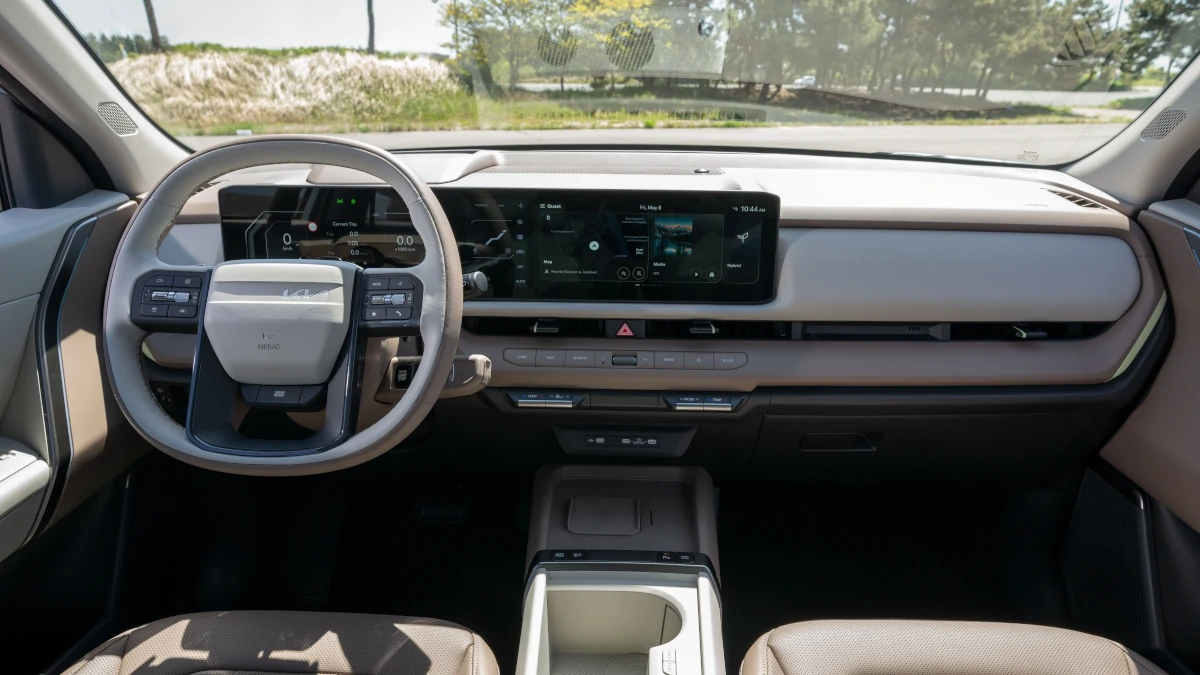
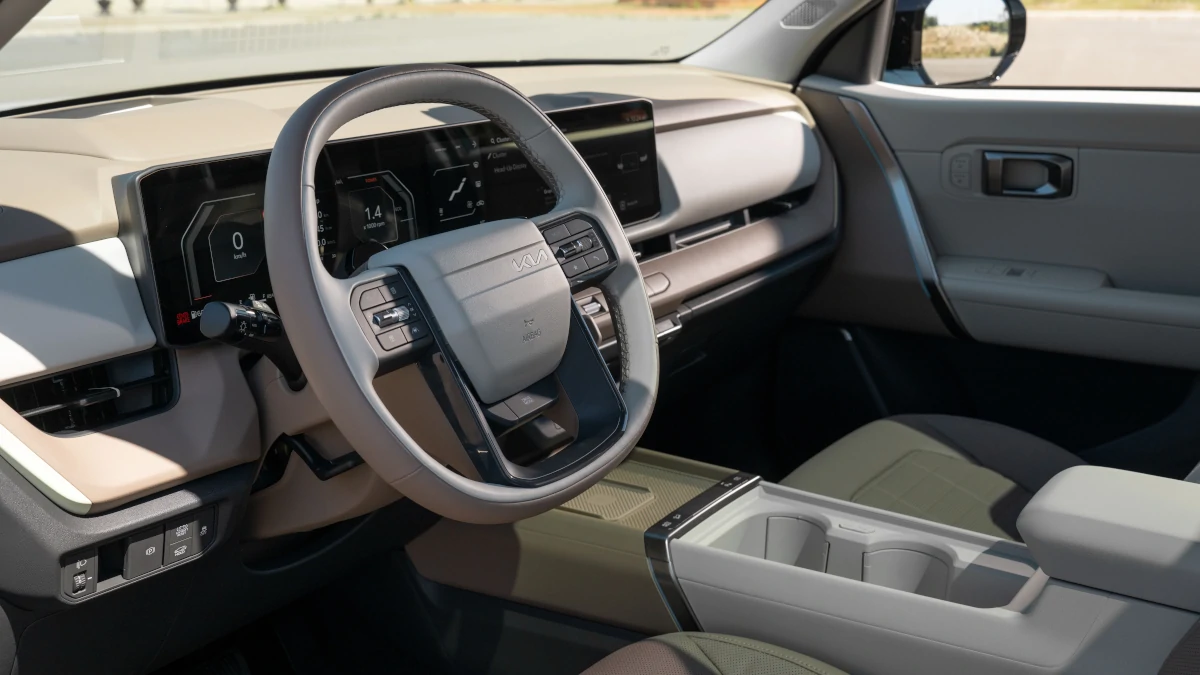
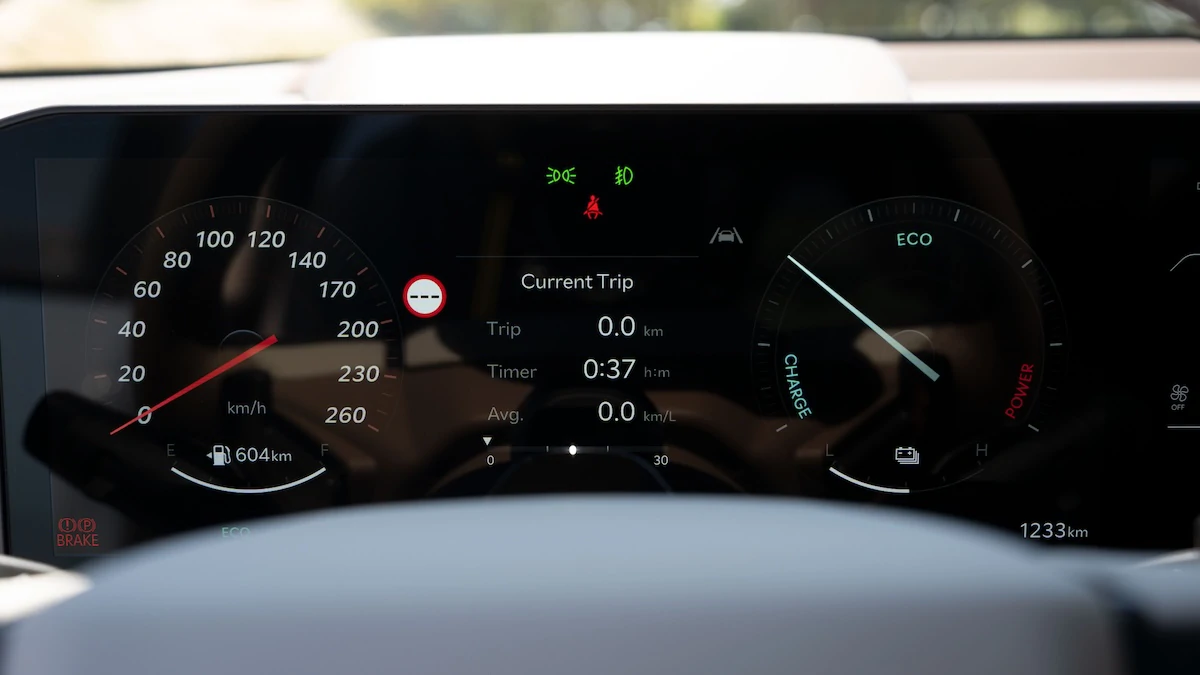
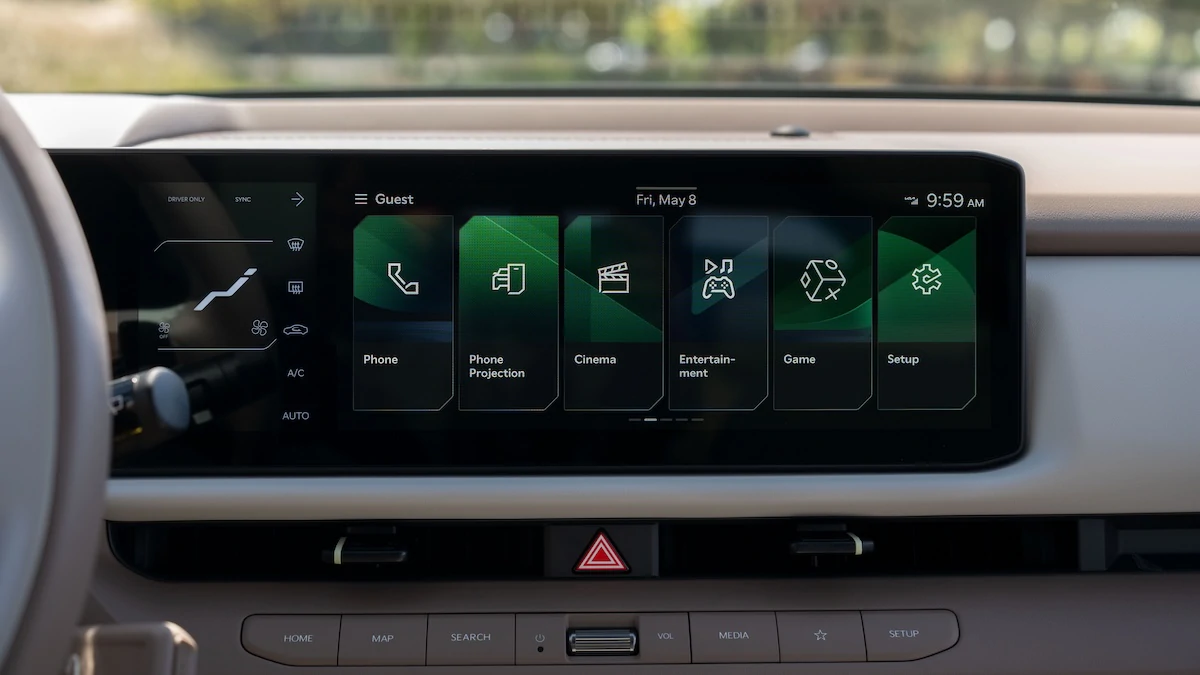
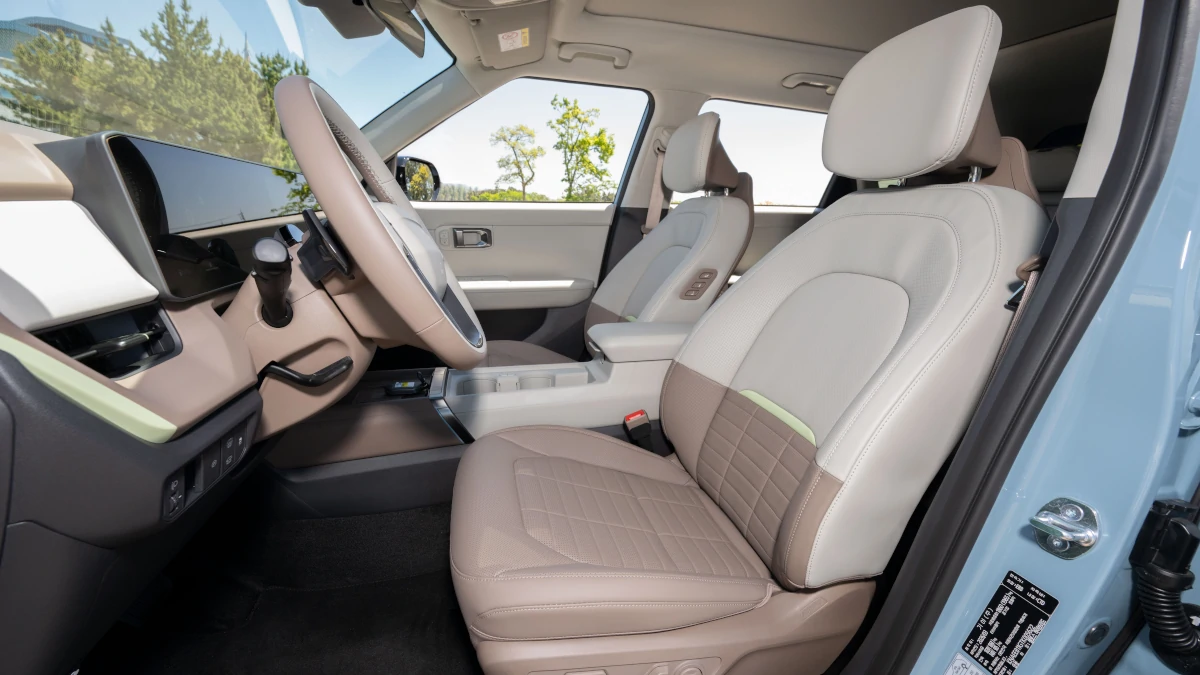
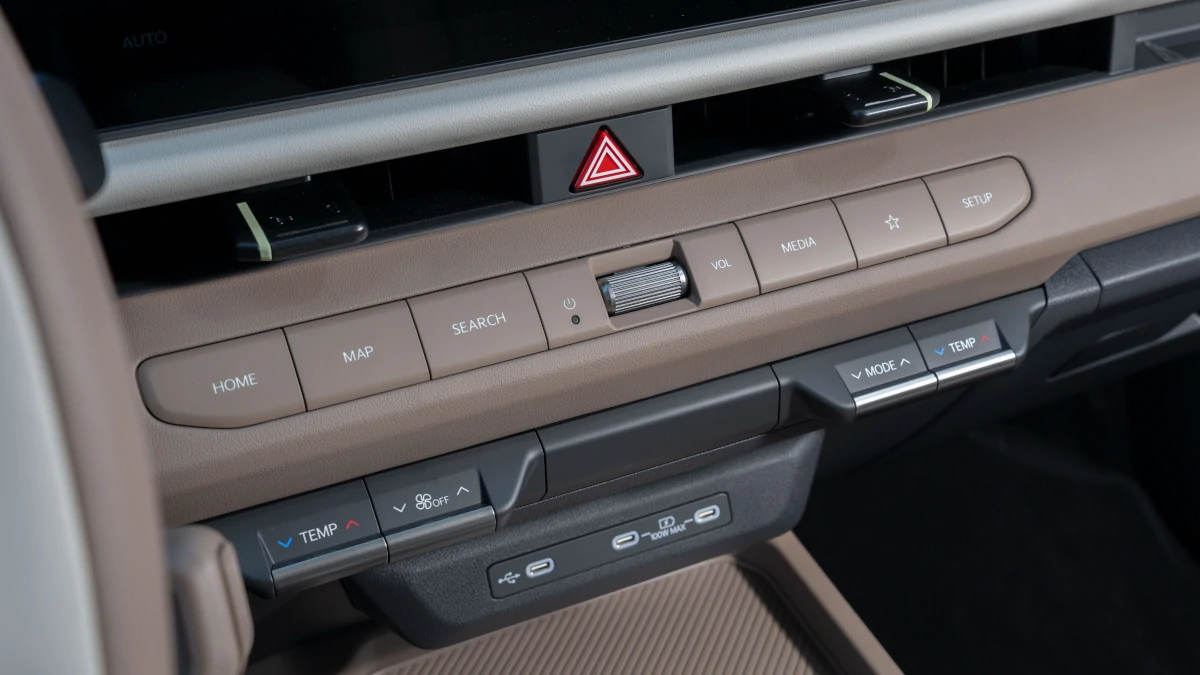
Spacious and thoroughly modern. The cockpit has the same flat dashboard architecture as Kia’s EV line, and it’s dominated by two 12.3-inch screens under a single panel of glass. The left screen in front of the driver serves as the instrument panel, while the one on the right is the infotainment touchscreen. There’s also a small five-inch screen between the two for A/C controls, but it’s obstructed by the squircle-shaped steering wheel, so I ended up using the physical buttons (for A/C and main infotainment menus) on the center console most of the time.
Higher-spec units get an extra screen for good measure in the form of a head-up display. Where built-in navigation is available, it can even show turn-by-turn directions and speed-limit warnings.
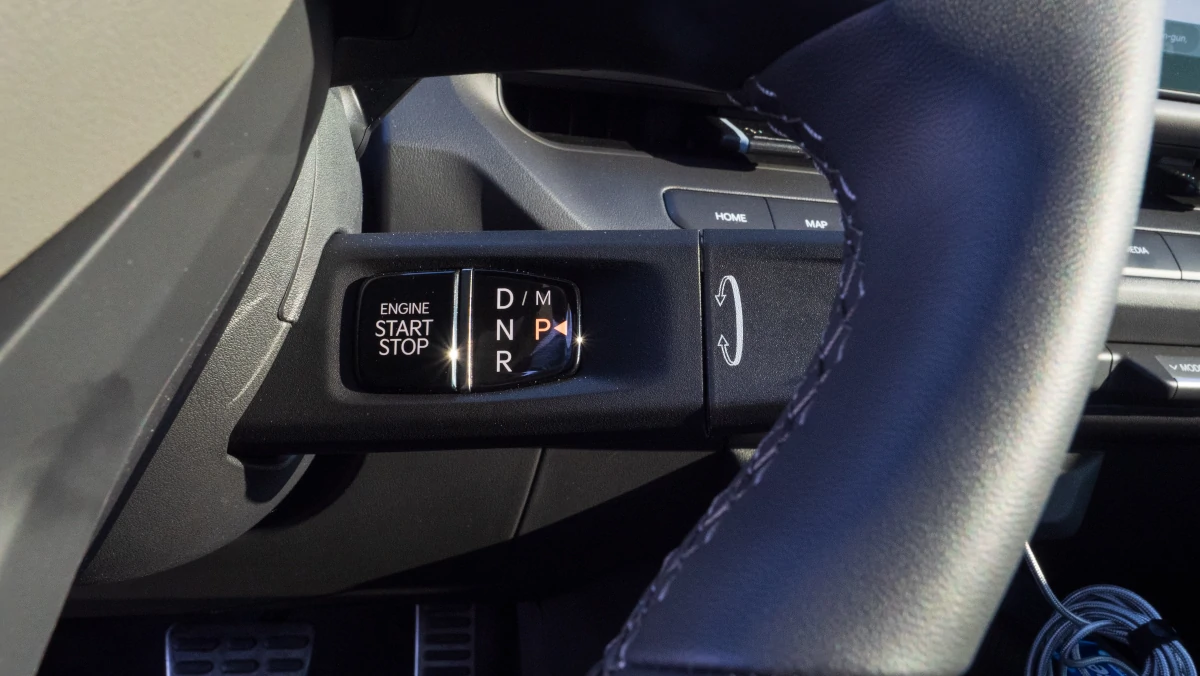
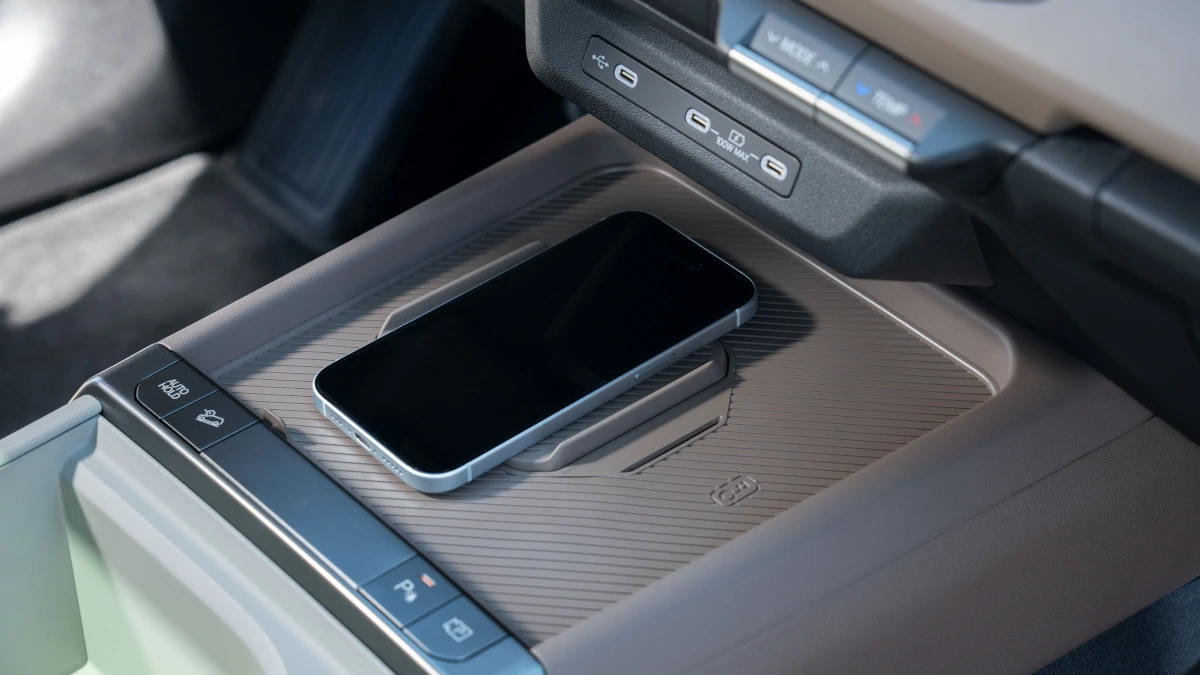
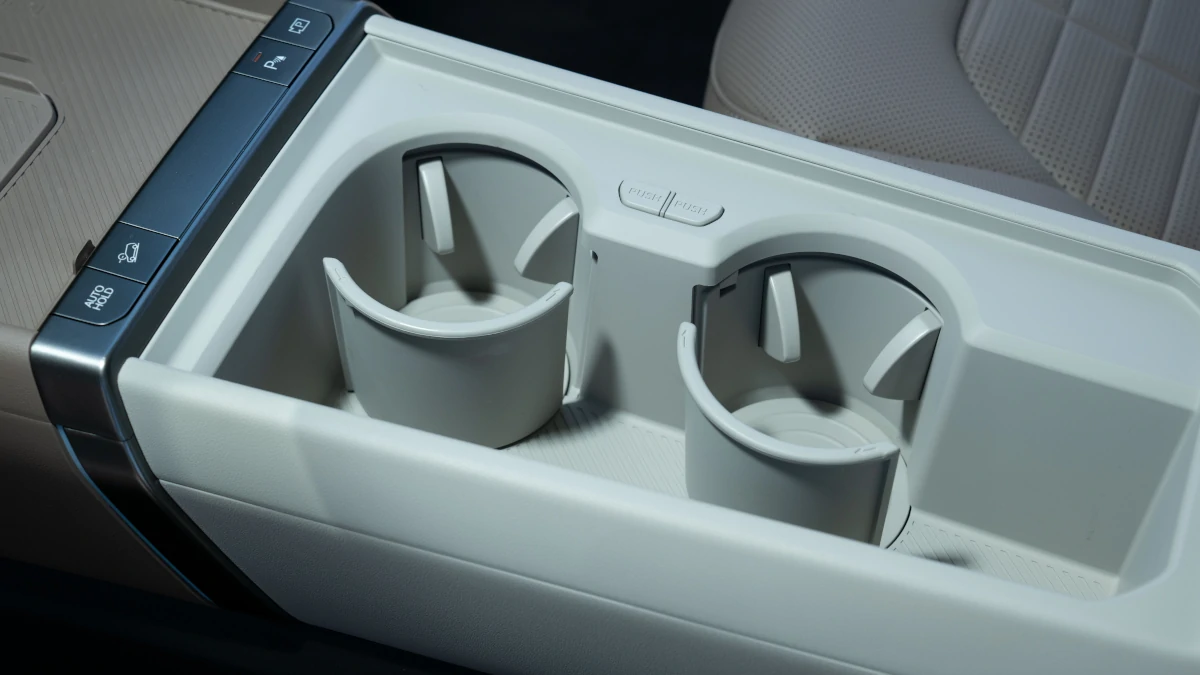
Moving the gear selector and the engine start/stop button to a column-mounted stalk has freed up space in the center console, which gets Kia’s party-trick cupholders, a shelf fitted with a wireless charger, and three USB-C ports. Two of the ports can push out 100 watts in total.
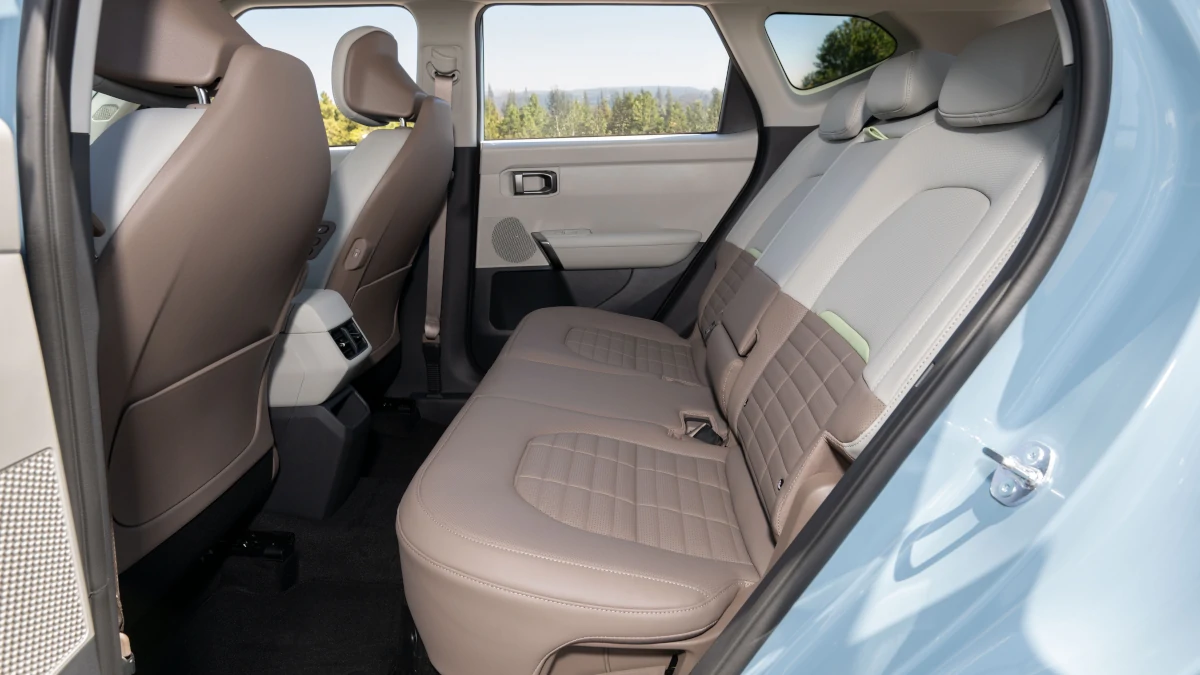
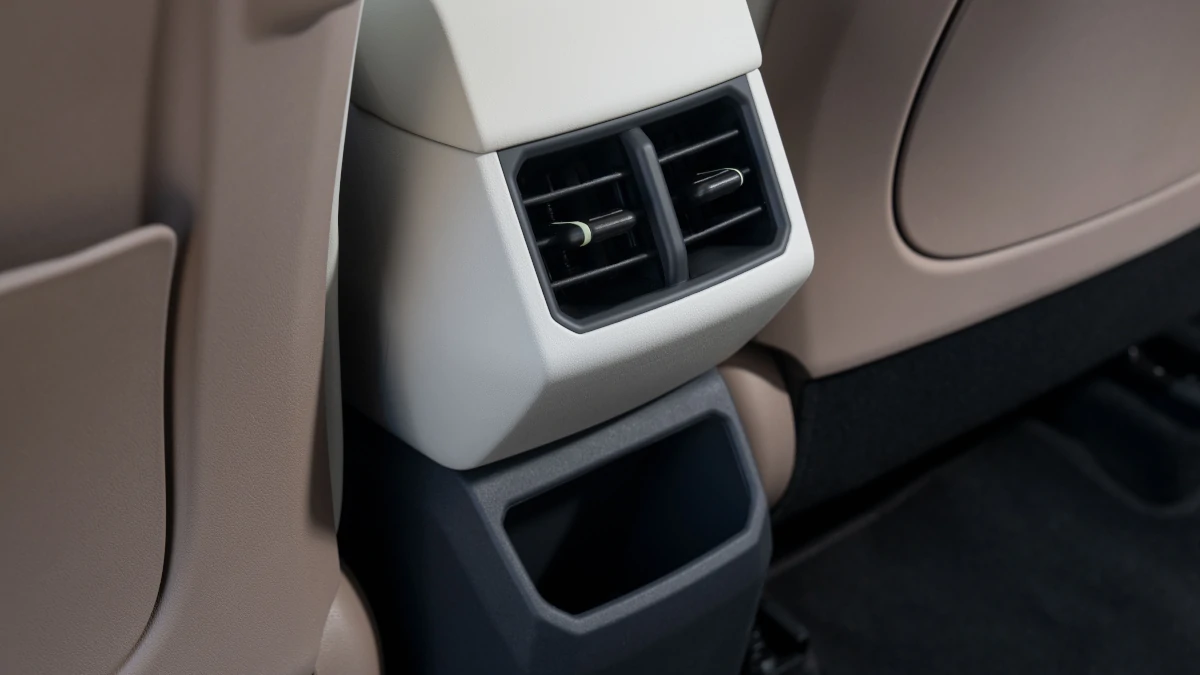
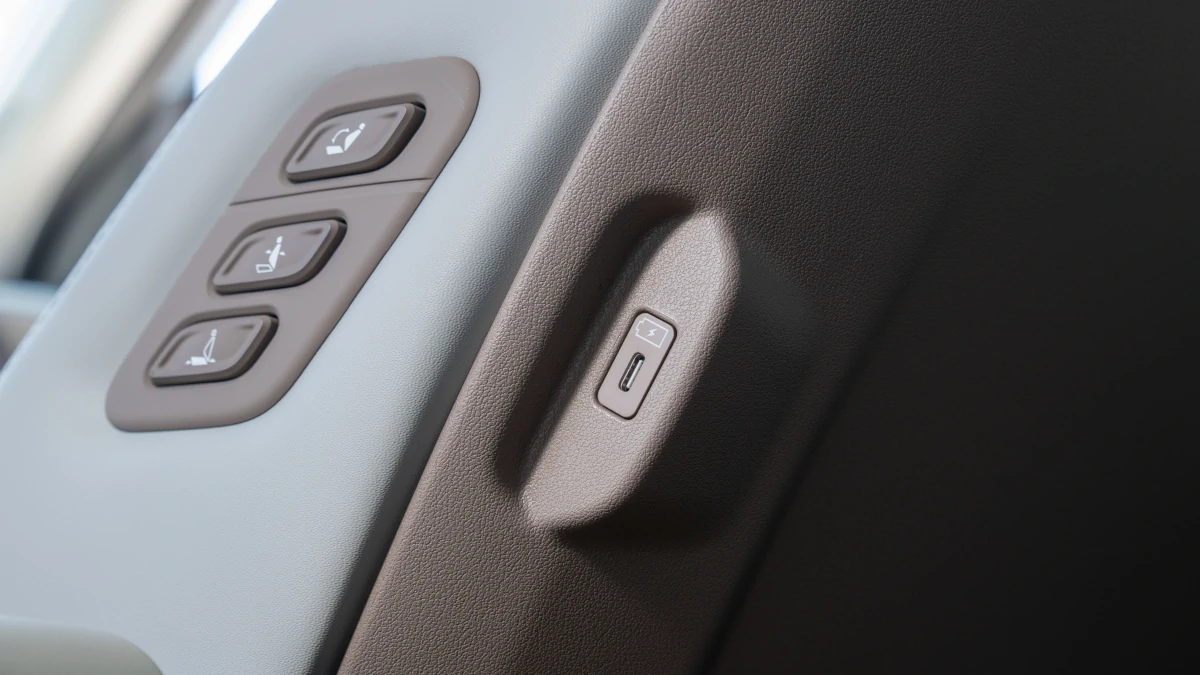
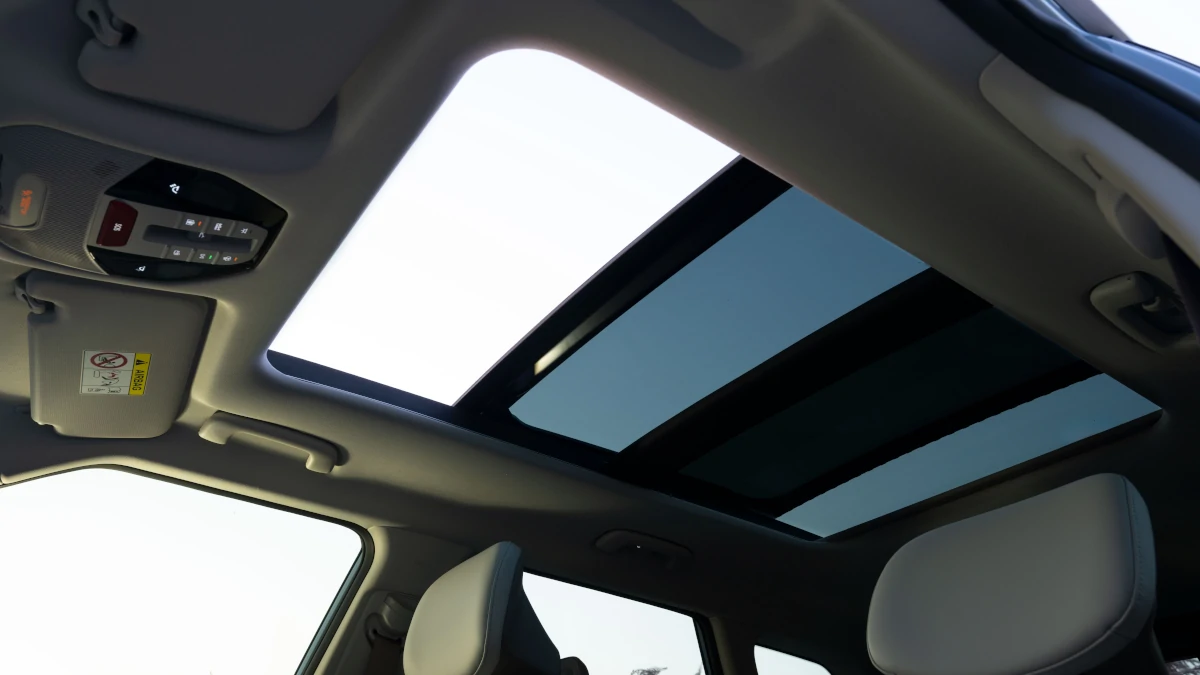
The seats are nicely supportive. Other members of the Philippine media contingent were satisfied with the mesh headrests on our units; I would’ve preferred something firmer, but that’s me and my cervical-spine issues talking. The USB-C ports for the rear occupants are mounted on the sides of the front seats; the shotgun seat also gets shortcut buttons for recline, forward, and backward adjustment as well as a relaxation setting that activates full recline and maximum legroom. Those in the back should have little to complain about, too, with the excellent NVH suppression, the generous degree of recline, and the ample legroom and headspace available.
Speaking of availability, when is this arriving in the local market?
It’s definitely coming, but here’s a bit of bad news: There’s no final date yet, with Kia Philippines confirming it’s the Sportage that will be launched here sooner. We may have to wait for the Seltos until early 2027, since there’s a greater number of markets now vying for allocation.
We still don’t know which powertrain options are coming or where our units will be sourced from. At the moment, the first-gen units sold locally come from China, and as mentioned earlier, the all-new model will also be produced there, but with powertrains different from the 1.6-liter turbopetrol and gasoline-hybrid we drove in South Korea.
And the hybrid powertrain is important for the Seltos, in my opinion. All its traditional competitors—B-segment staples like the Honda HR-V, the Toyota Corolla Cross and Yaris Cross, and the Hyundai Kona—come with hybrid options or are offered exclusively as a hybrid. Also, the outgoing model is currently priced at P1.688 million, and in that general price range, there are now so many electrified crossovers to choose from.
Taken by itself, the all-new Seltos is a strong product with an eye-catching design, a modern and functional interior, and lots of trickle-down tech. Against the top challengers in the subcompact-crossover class and the sub-P2-million range, it will need the right specs and price tag to stand a chance.
Watch: 2027 Kia Seltos driven in South Korea
More photos of the 2027 Kia Seltos: