
“Make ever better cars.” The mantra of Akio Toyoda sounds simple, but when a person like Toyoda-san says it, the world stands up and takes notice—especially given how much he loves cars and how his name graces millions of automobiles around the world.
Developing cars is not an easy business. For most brands, launching a new model is generally the end goal, but for Lexus, that isn’t the case. The luxury arm of Toyota claims that the launch is just the beginning of adding ajimigaki, or ‘flavor and polish,’ to a vehicle, with the ultimate goal of making it even better. It’s the ‘pursuit of perfection’ that the brand is known for.
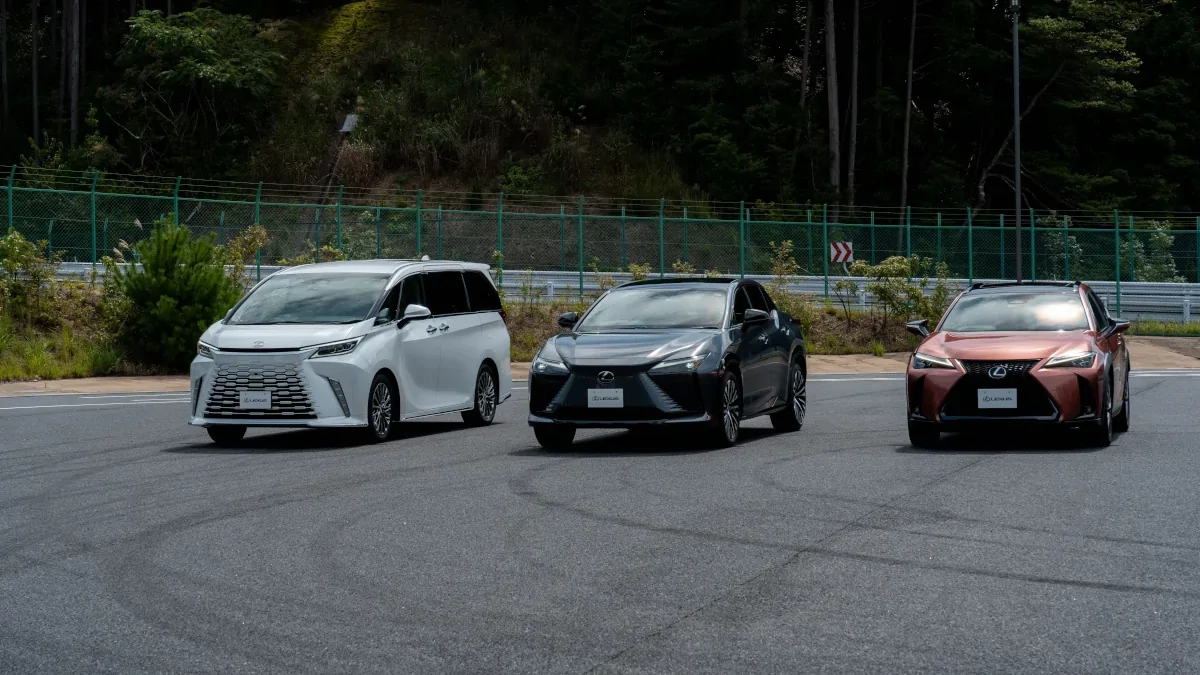
That being the case, how much of a difference does the practice actually make? All cars have full model cycles, with minor and major changes between each generational overhaul. Lexus says its continuous improvements apply even to model-year changes, so as with an iPhone update, you may not hear about any marketing on the specific updates to the cars, but these small tweaks are supposedly perceivable from the driver’s seat.
OTHER STORIES YOU MIGHT HAVE MISSED:
Next-gen Toyota Corolla to arrive by mid-2025
The 2025 Subaru Crosstrek for the US is far punchier than ours
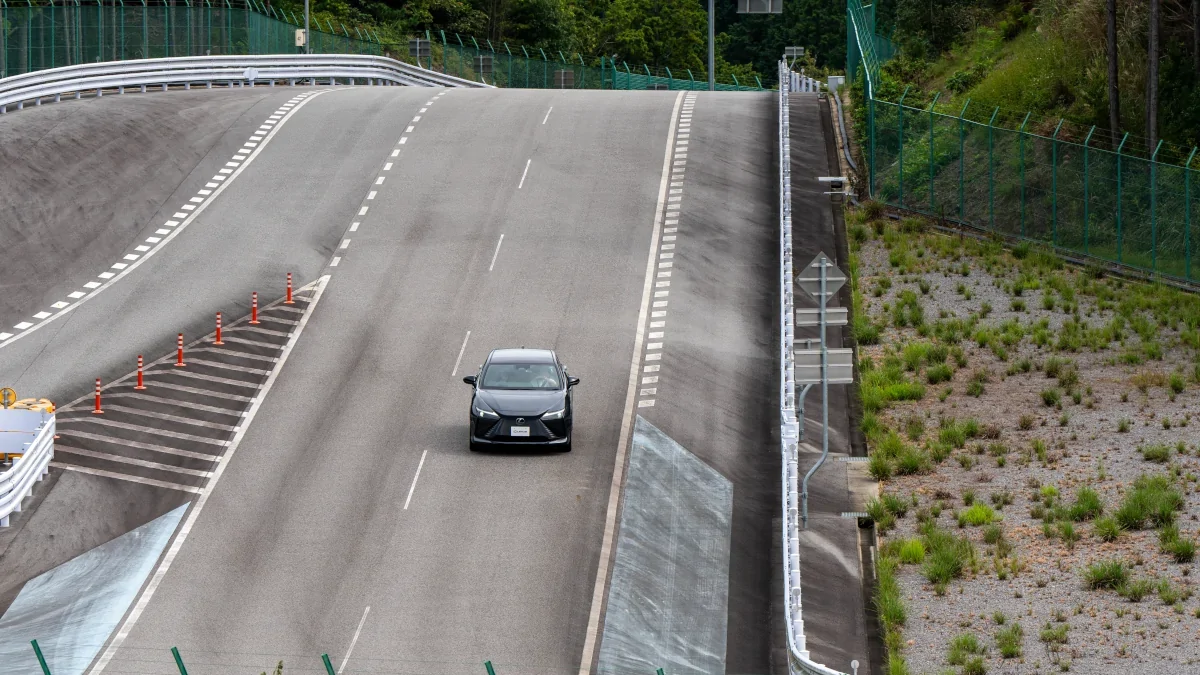
To find out if it could put its money where its mouth is, Lexus flew us to its Shimoyama proving grounds, an extremely grueling test track, to try out some models from the lineup and experience ajimigaki in action. Does the carmaker’s claims hold water? Read on to find out.
Lexus UX300e (2023 vs. 2024)
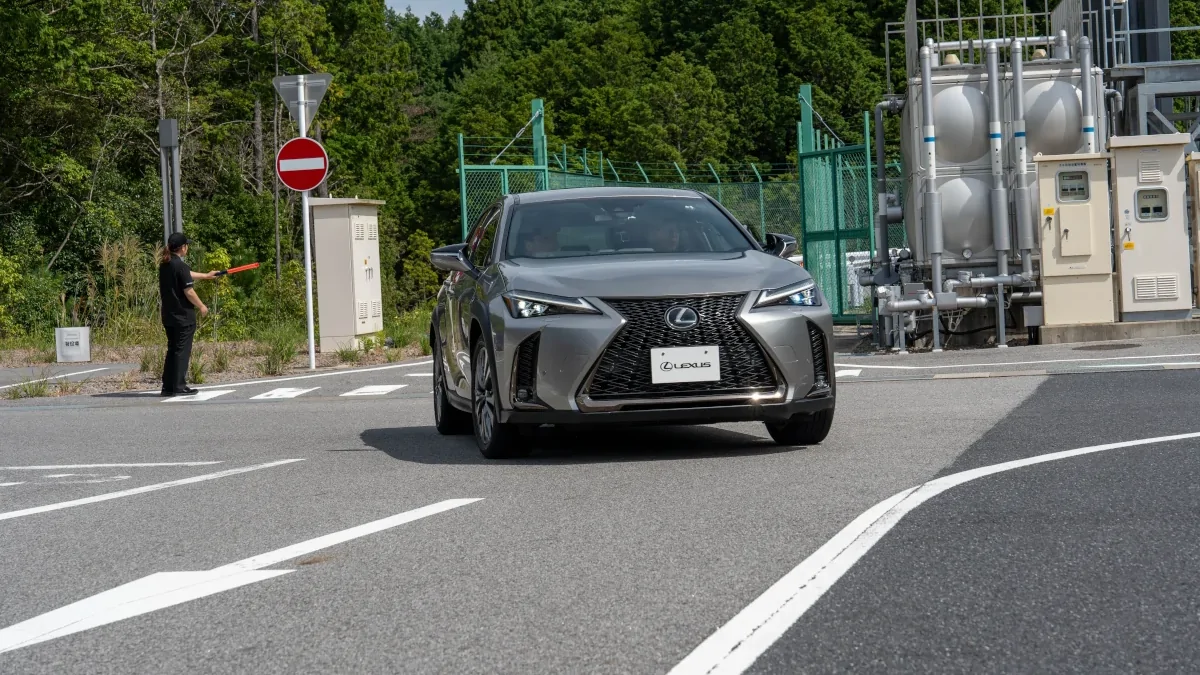
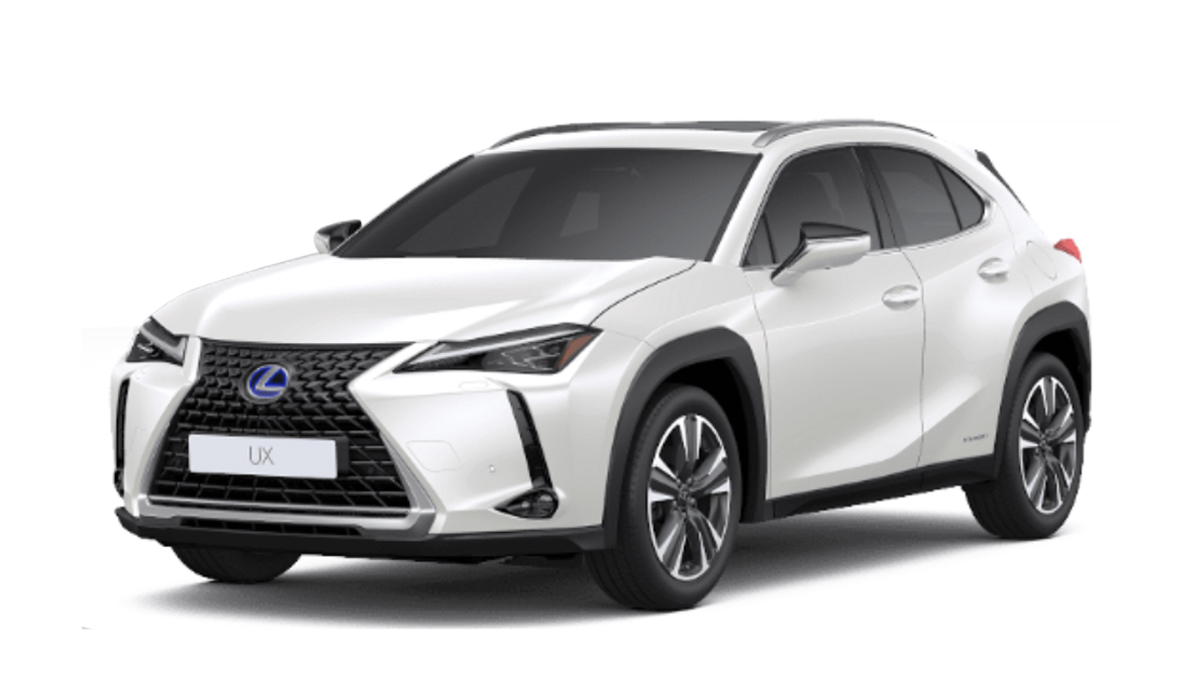
The first Lexus we drove at Shimoyama was the ‘old’ 2023 UX300e. While the UX was never the most exciting car to drive (it was simply the brand’s first foray into electric crossovers), I have to say it still acquitted itself pretty well on the purposely challenging track. It handled well through elevation changes, blind corners, and off-camber turns—a testament to Lexus’ focus on the driving feel of its cars since Toyoda-san took the reins.
At least I thought it was great...until I tried the 2024 UX300e, sprinkled with some tiny changes.
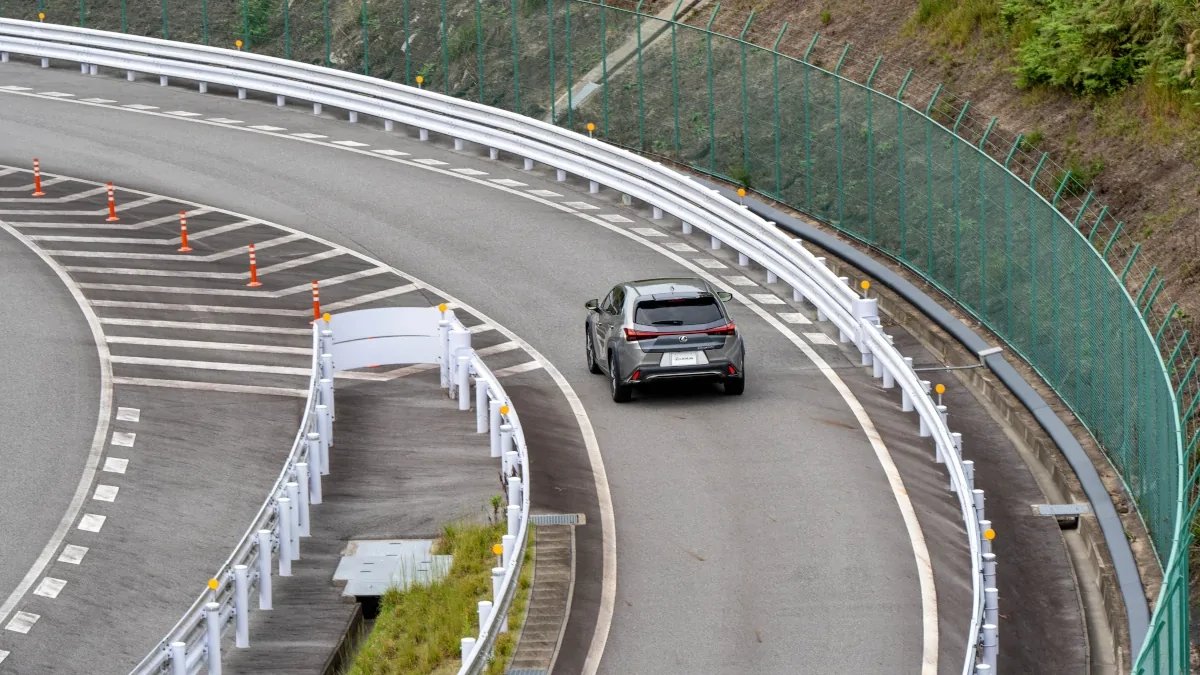
Now, it may just be a placebo effect, but the newer UX features some modifications to its chassis and suspension, including reinforcements to its frame. These tiny adjustments, however, dramatically changed how the car felt around the track. Everything felt more planted and put together. As I drove the car through the potholed section of the track, it felt more solid and made fewer creaks. Very impressive for what was just a model-year update.
This newer UX looks and is marketed exactly the same as last year’s model, but the ajimigaki implemented by Lexus’ takumi (master craftsmen) and engineers has resulted in a car that drives significantly better. The experience was eye-opening and gave me a better understanding of these continuous improvements that the carmaker takes pride in.
Lexus RZ450e
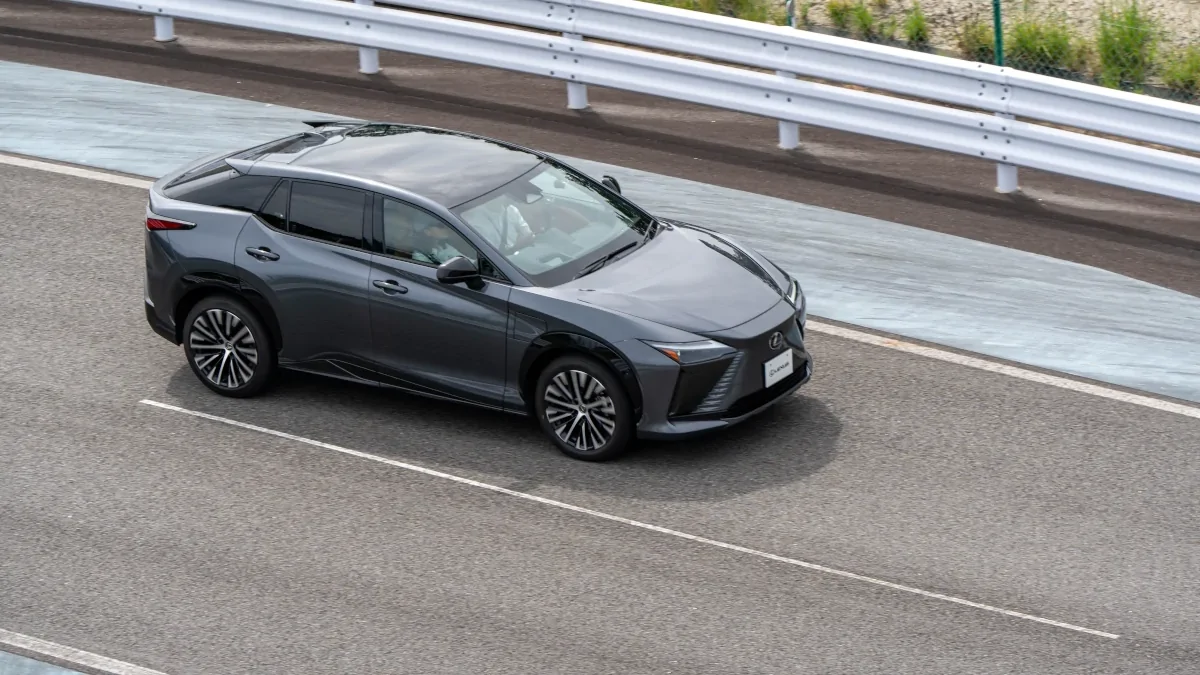
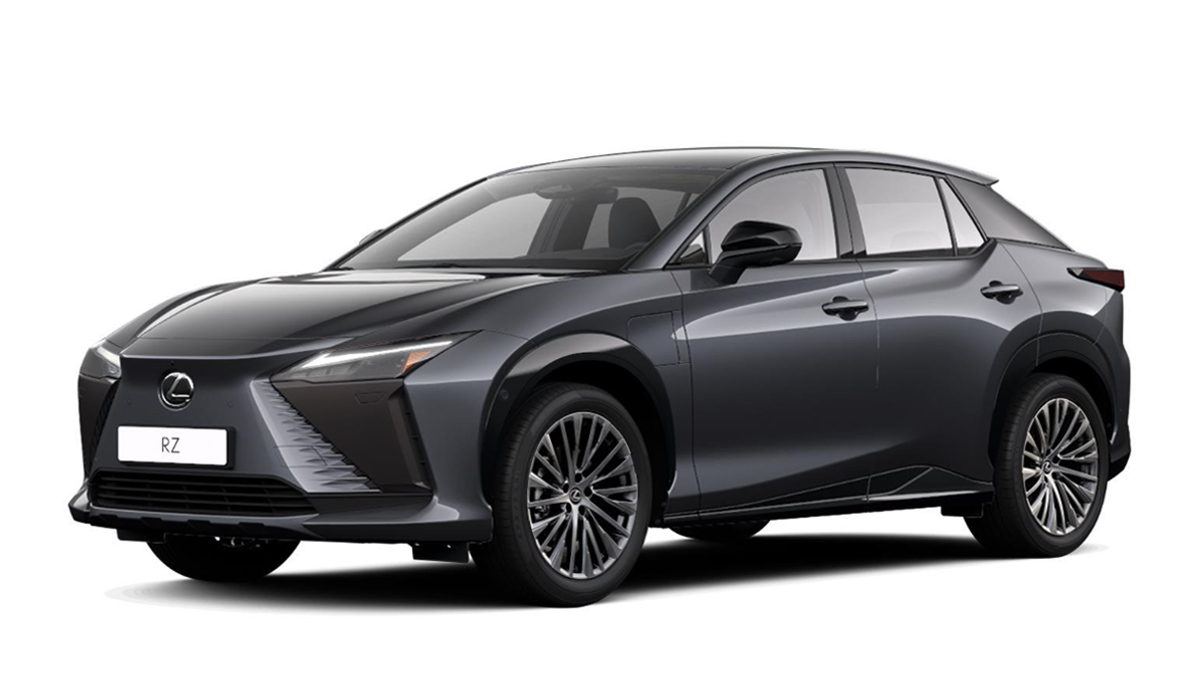
Lexus then allowed us to try out the RZ450e equipped with a yoke and drive-by-wire system. When it was first previewed in 2022, some automotive journalists complained about the difficulty of adjusting to the yoke, which had a variable steering ratio: At lower speeds, smaller movements made for larger steering output, while at higher speeds, the ratio favored stability and dialed down the steering output.
Apparently, the engineers took this feedback to heart: They adjusted the settings and increased the amount of steering lock to about 180 degrees. This being the first time I tried it, I had no point of comparison, but I was shocked at how quickly I got used to it. As I turned into corners and adjusted my driving line, the car went exactly where I intended it to. Low-speed steering response was also mind-bending, with the RZ turning lock to lock with very little input on the yoke. This made parking an absolute breeze—and sort of a mind trip when you try a very slow slalom.
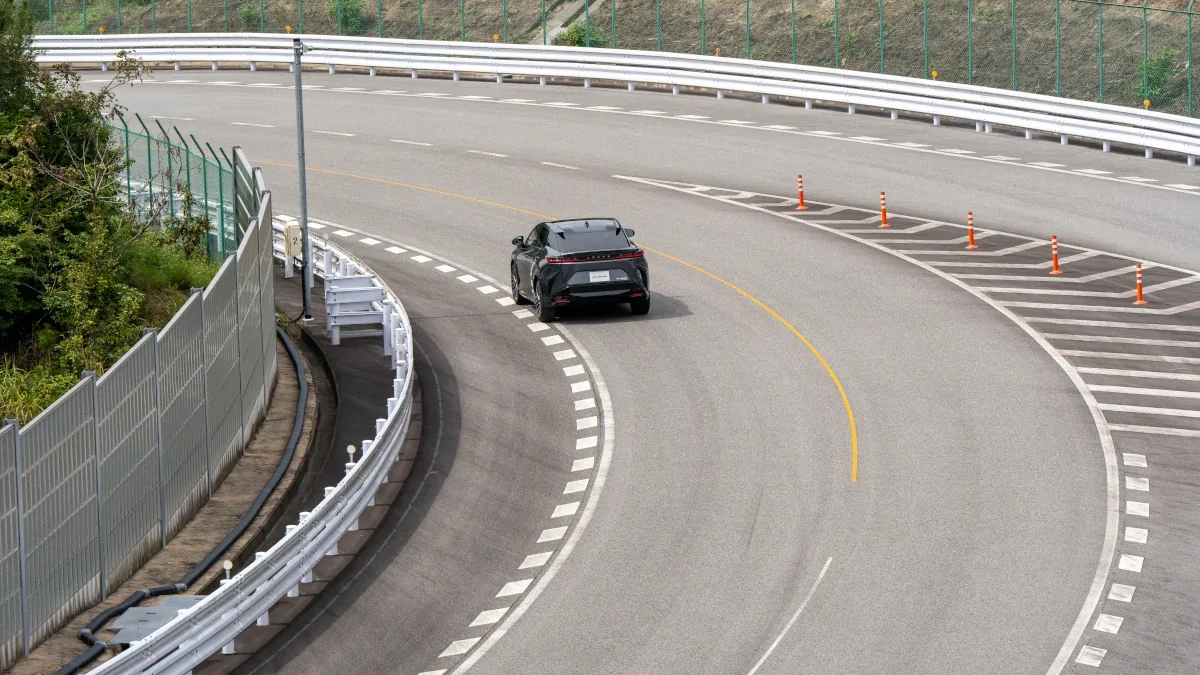
Lexus told us that the yoke is not yet ready for production cars in its current iteration since it’s still being refined (is there a thing as too much ajimigaki?). Honestly, though, I would love to see this tech in my daily driver. From my short time experiencing it on track, I think the system works great and it’s ready for primetime.
Lexus GX550
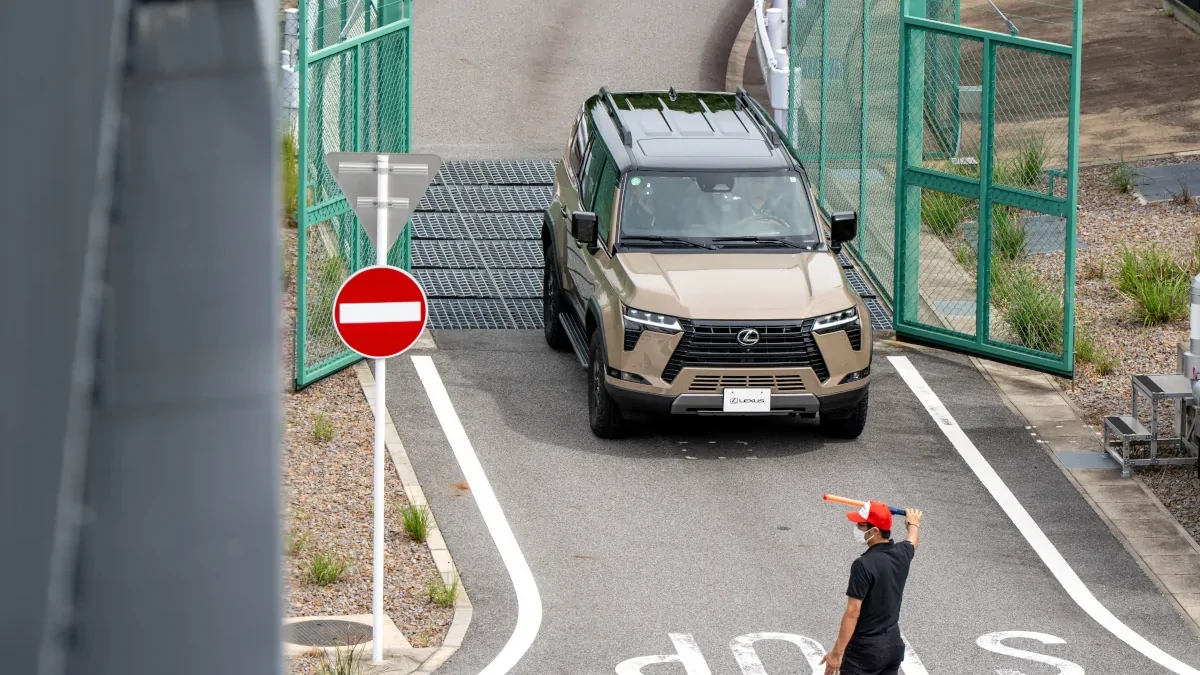
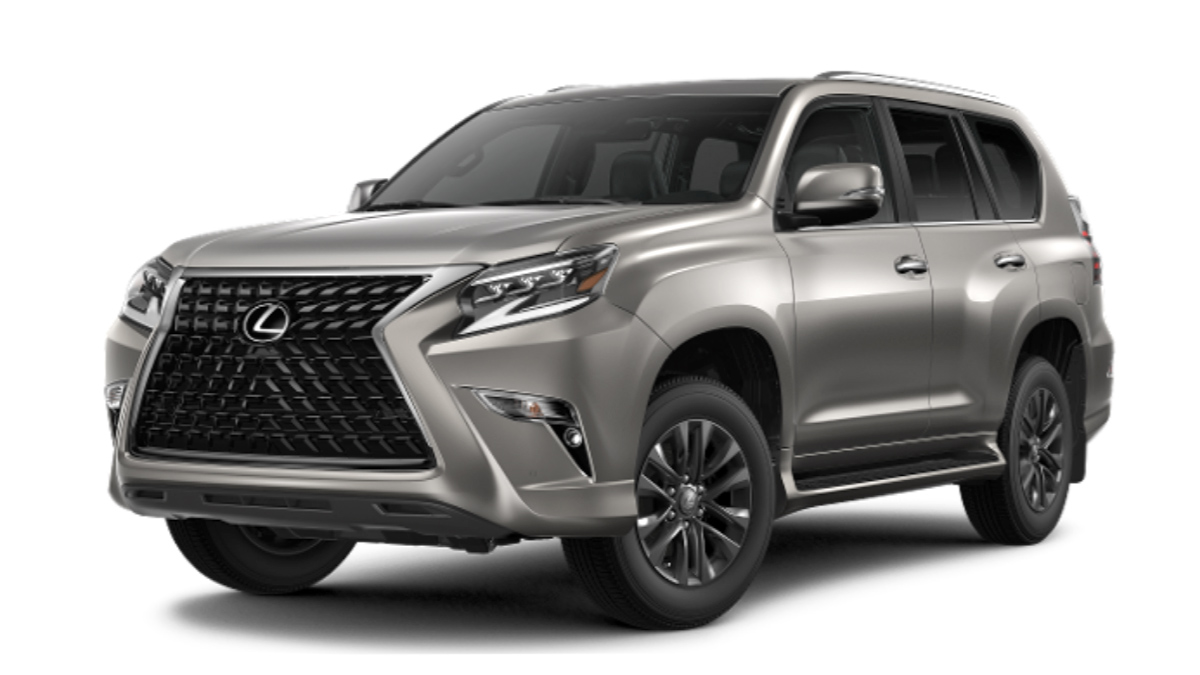
Overlanding is popular right now, so we couldn’t let this day pass without a go in one of the most sought-after SUVs in the country. We honestly didn’t know what to expect from the GX550 considering it’s designed for off-road use, but Shuichi Ozaki, the takumi in charge of vehicle dynamics, said this is one of his favorite trucks, and a few off-camber corners later, I could see why.
Yes, the GX is a bit top-heavy, as an SUV designed to go off the beaten path would be, but it remains planted through corners and exhibits minimal body roll through faster changes of direction. It effectively disguises its size and heft as it shifts its weight around its four corners.
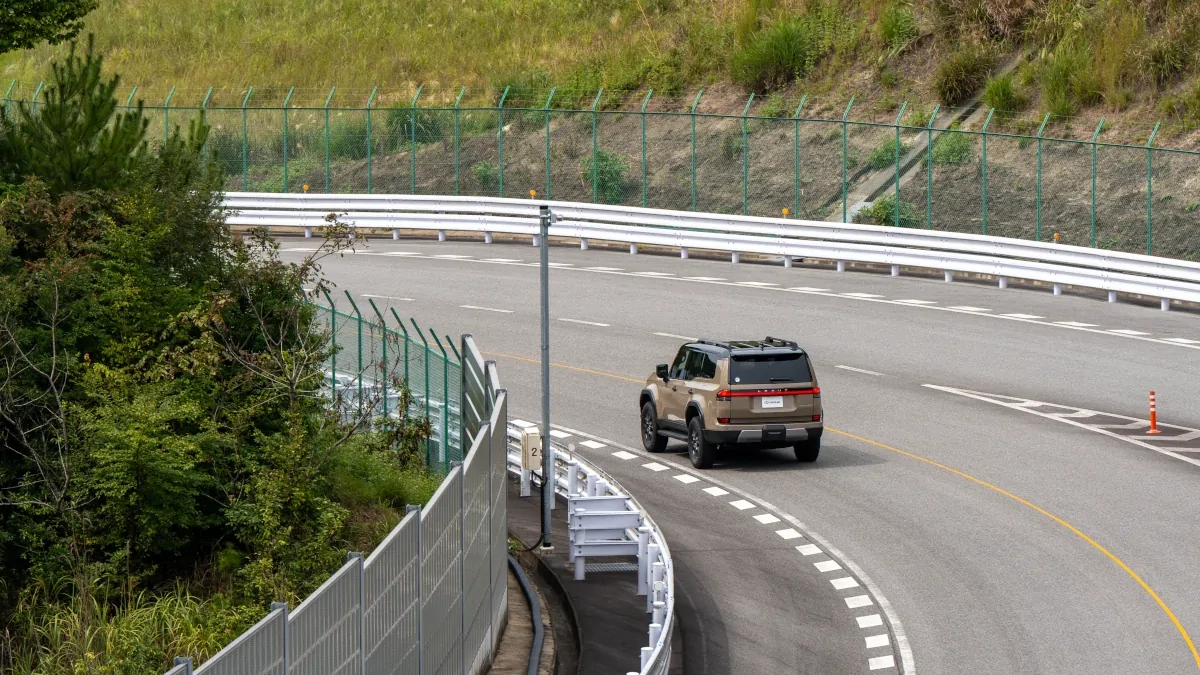
Sure, there was a bit more tire squeal compared with other cars as it made its way around Shimoyama, but this was down to its all-terrain tires and not a fault of the chassis itself. The GX handled well on track (better than most off-roaders), and the interior, while more utilitarian than the typical Lexus cabin, had some really nice-feeling materials and switchgear, making for a very impressive cockpit for the driver.
Lexus LM350h
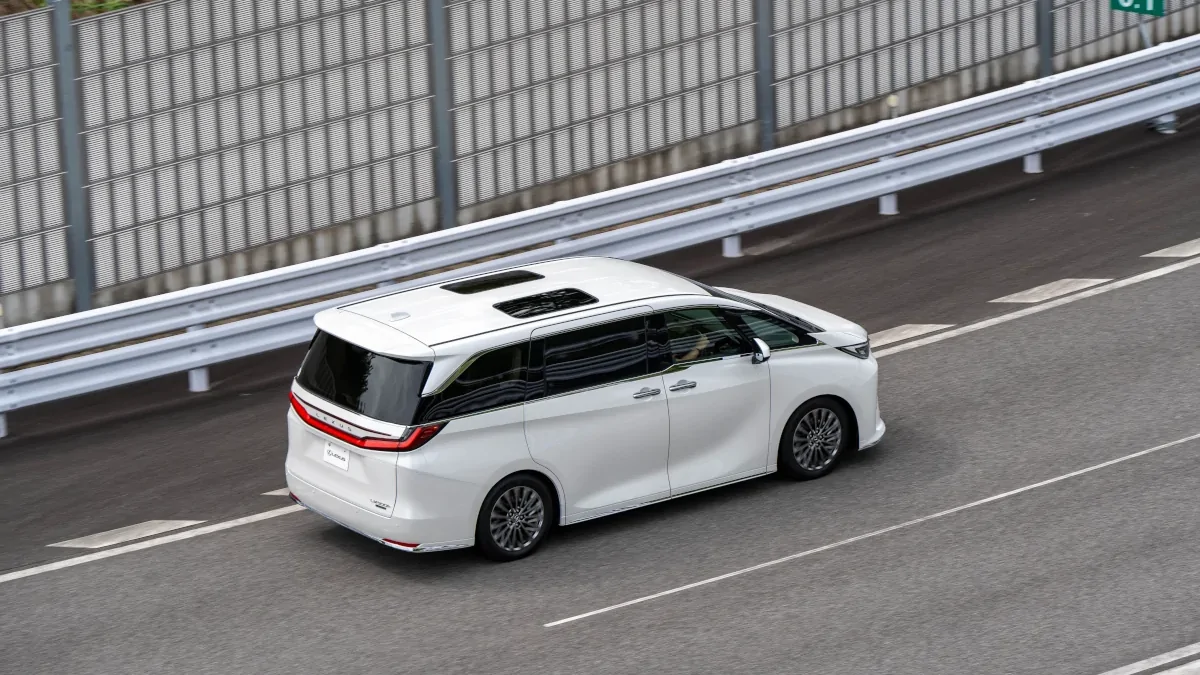
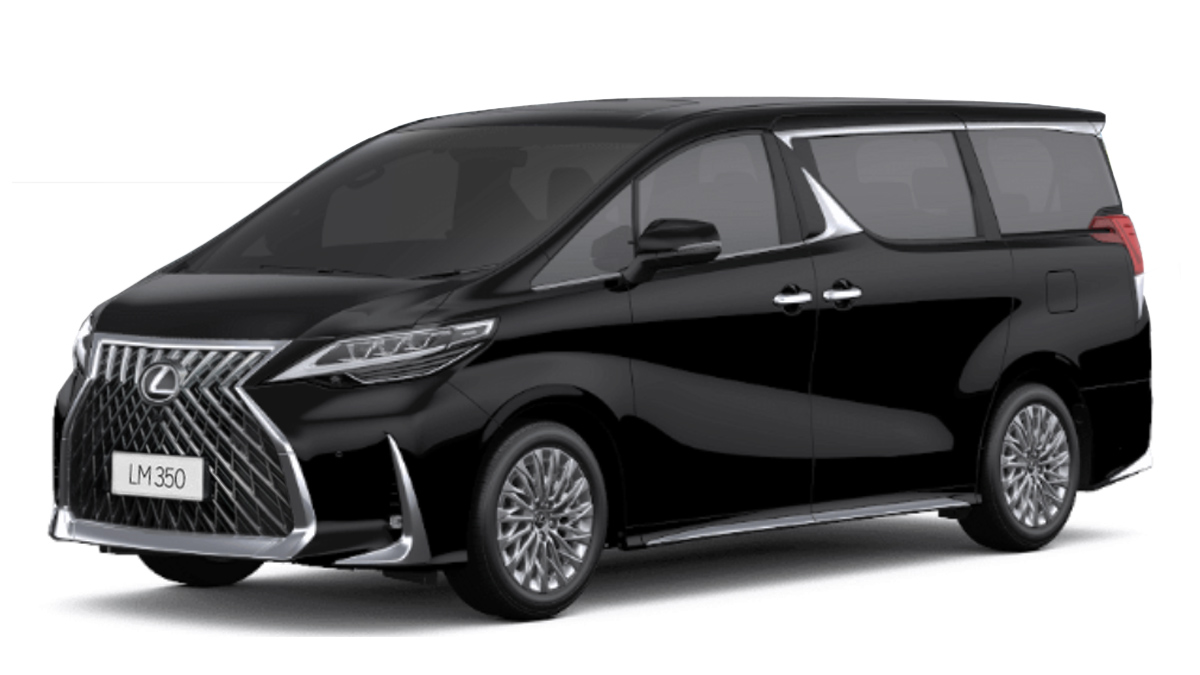
The surprise track car of the day was the Alphard-based LM350h. Now, MPVs aren’t top of mind when you think about cars to bring to the circuit, but its maker was adamant that the ‘Lexus Driving Signature’ applies to all the cars in its stable.
Don’t get me wrong: The LM is not a track car in any way shape or form, but it was surprisingly one of the most engaging of all the models we tested. I think you have to chalk it up to two things: the lower center of gravity with the higher weight of the vehicle, and the proven hybrid powertrain that allowed for good power delivery at corner exits. So yes, it was actually fun (to a point) on track, but looking back at the business-class rear seats sitting (pun intended) behind the isolation window, I knew which seat I would choose for my next go-around.
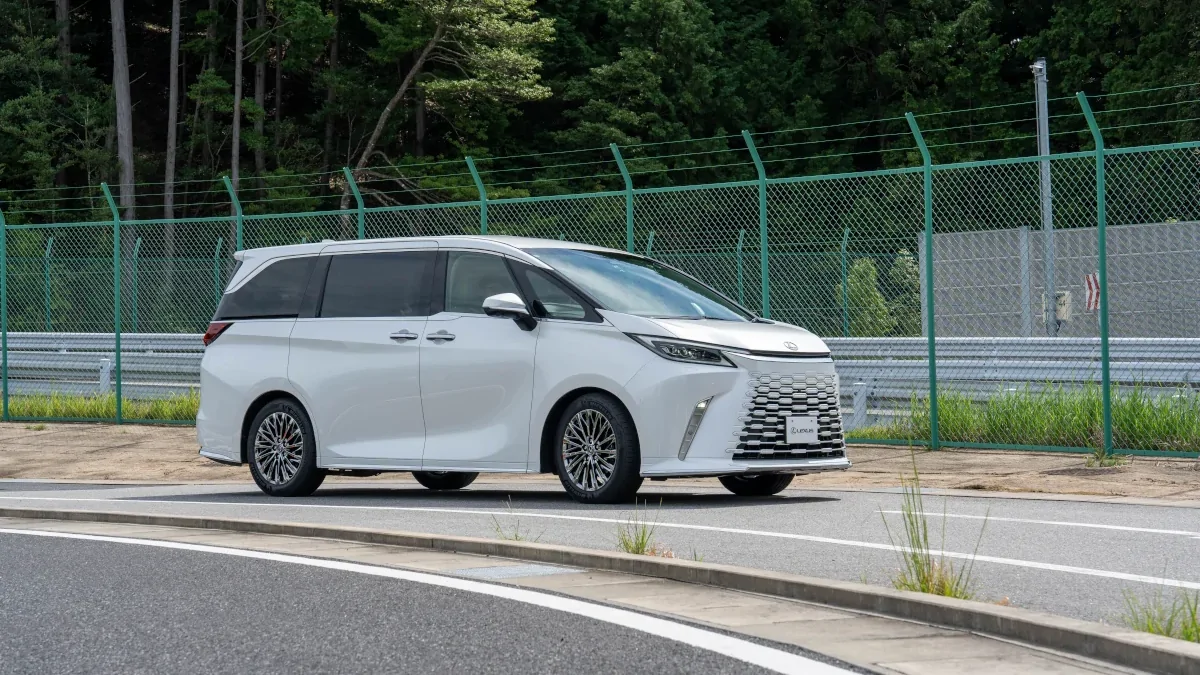
At the end of the day, ‘Lexus Driving Signature’ was more than just lip service. These cars embody the continuous improvements so central to the brand. Even small updates yield huge differences year on year, making full model changes even more exciting to the potential Lexus owner. Lexus is making strides, and while these may not always be huge strides, they are constant—always moving forward and defining the brand for the foreseeable future.