
Hold on, isn’t this EV from 2024?
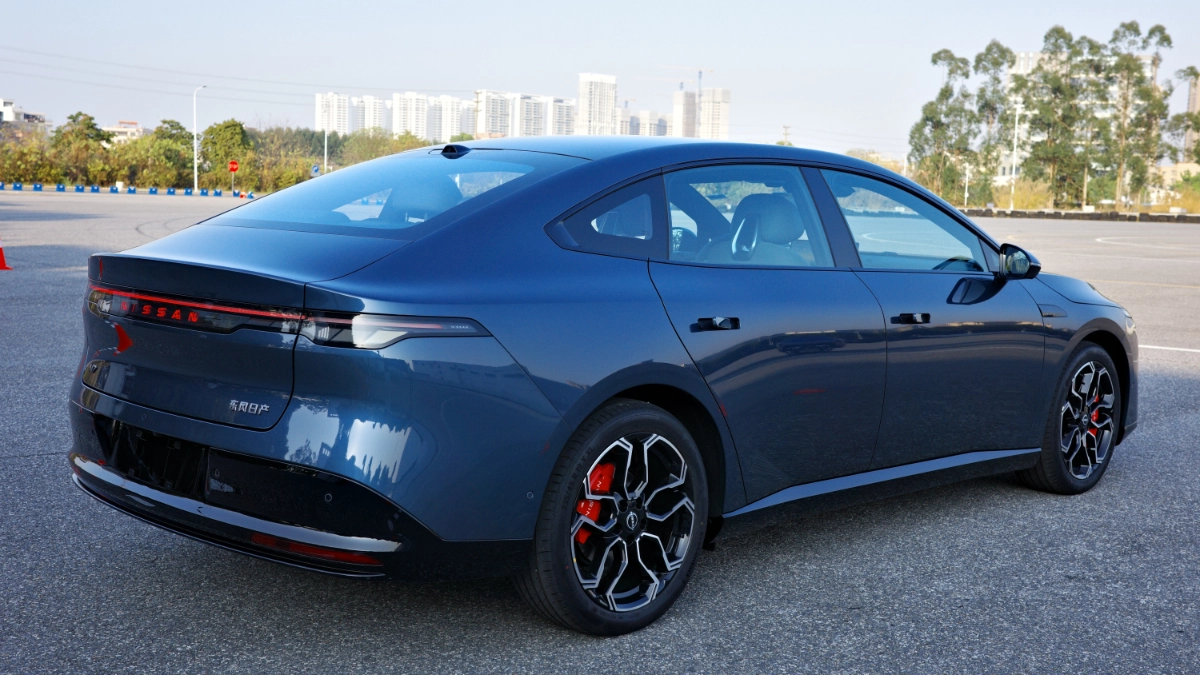
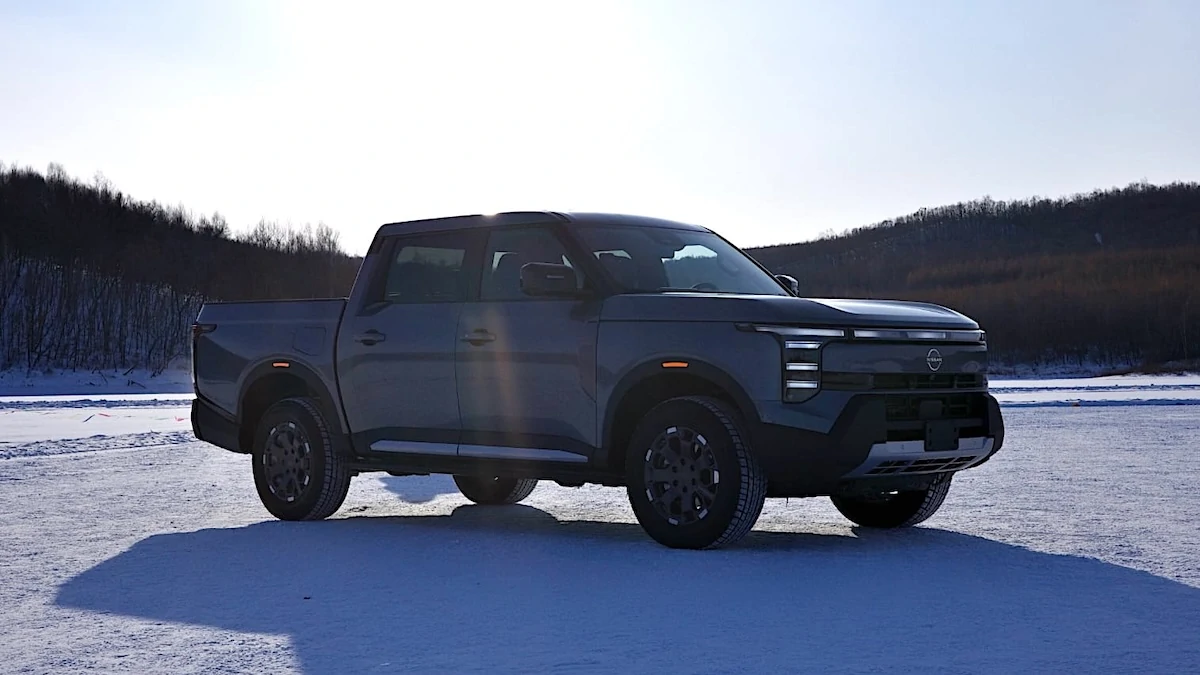
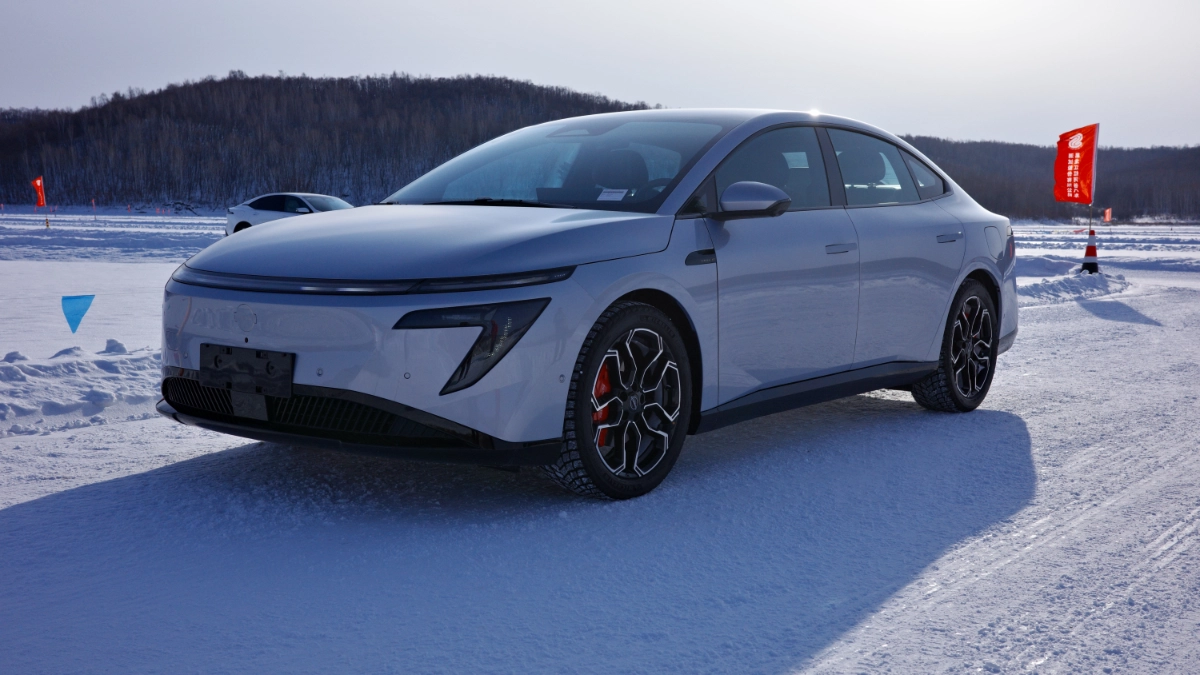
Good recall. Yes, the Nissan N7 debuted in November 2024, but only recently did we get the chance to drive it. Nissan China recently invited us to experience the N7 at its test track in Guangzhou, and then on frozen courses in Heihe.
Since its launch, the N7 has served as Nissan China’s flagbearer. It was the first new energy vehicle developed by Dongfeng-Nissan, showcasing an original product made specifically for buyers in China. Within that market, this is possibly Nissan’s strongest offering. But how will it fare internationally? We think it has potential.
Potential? In what way?
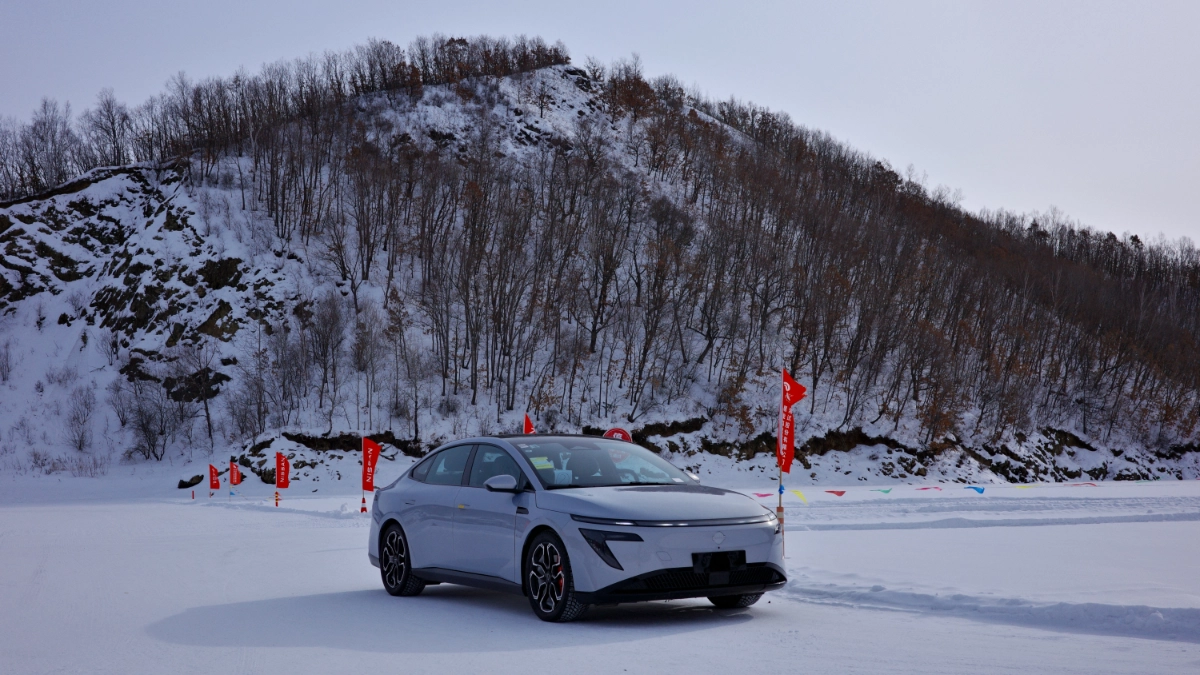
You see, Nissan China mainly designed the N7 for families. The car’s overall frame sits at around 4,900mm, ensuring that all five passengers have ample legroom and remain comfortable anywhere in its leather-wrapped cabin. It was also engineered to deliver a simple drive so that any family member could operate the N7 with no issues. And in China, it was also priced for young families, which suggested some kind of affordability.
There could be something for everyone in the N7. It’s easy, but punchy if you’d like to be, and it has more than enough range for city dwellers—more on these later. Not to mention its comfort and premium feel. If priced right, it could go against electric sedans in mid- to upmarket segments.
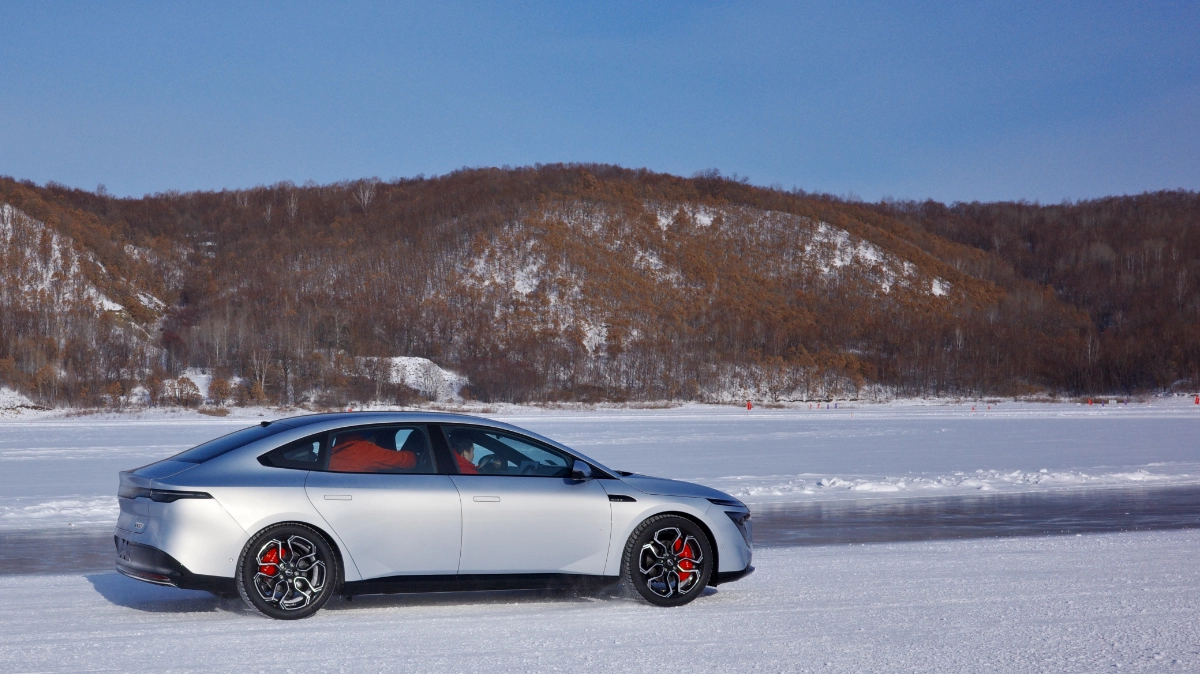
If all of those aspects can be translated into a family-oriented market like the Philippines, then Nissan may have a solid competitor against the likes of the Tesla Model 3 and the BYD Seal.
OTHER STORIES YOU MIGHT HAVE MISSED:
Honda cancels three EVs, expects ¥2.5 trillion in losses as it rethinks electrification strategy
Size comparo: How big is the 1981 Toyota Starlet versus the current Wigo?
What do you mean by ‘easier drive?’

For a rather long sedan with a large 73kWh battery pack onboard, the N7 remained light on its feet, with great responsiveness and braking. It even reminded me of the Ford Mustang Mach-E in terms of its weight management. And that was a surprise, considering that the N7 has its motor up front, while the Mach-E has a rear-wheel-drive system.
The steering is hefty, but it isn’t overly heavy—this delivers better control and maneuvering, especially while we were cornering on ice. At some sharper turns, the N7 began to spin out, but perhaps our tires weren’t suited for winter weather. A quick pull on the steering wheel and a light tap on the brakes quickly got us back on track.
With 635km of range, the N7 should be a comfortable companion for city drives and long road trips. Nissan even loaded a legit Sport Mode for those who prefer more spirited cruises. Once engaged, it lightens the steering, loosens the pedal, and washes you in torque for a more substantial acceleration.
How comfortable are we talking?
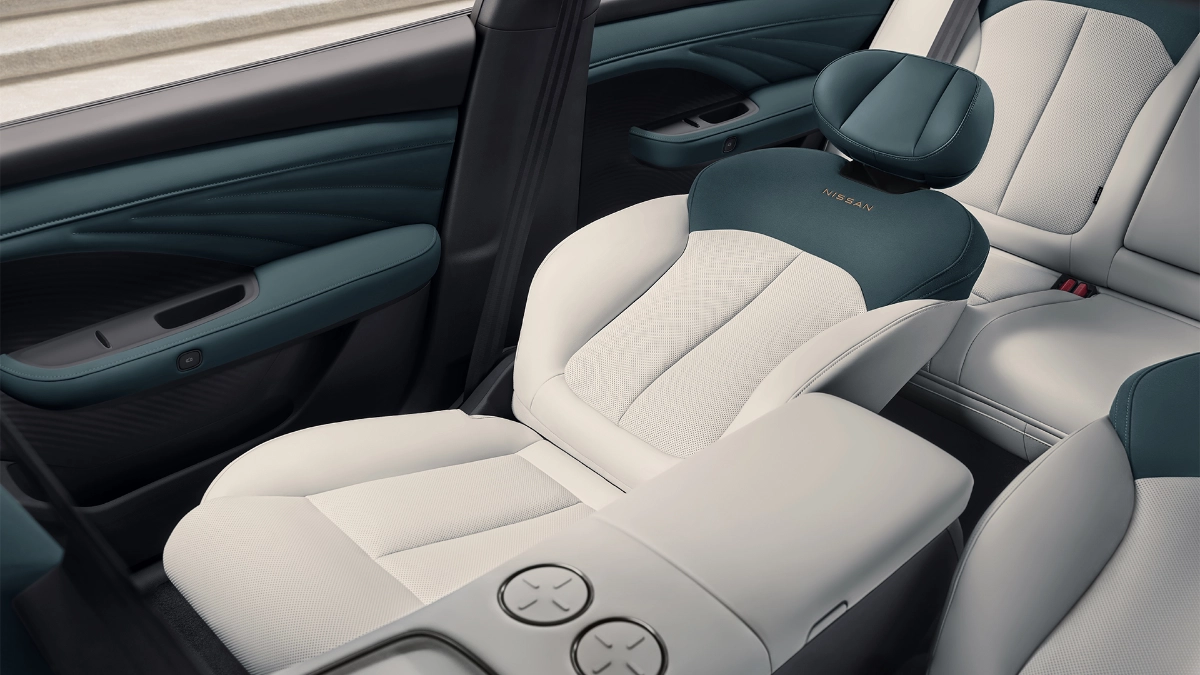
As mentioned, the cabin is very plush. Legroom is abundant, and the Nappa leather seats offer great support. There are also touches of suede throughout the interior for added softness.
If you’ve ever been inside a BYD or a Jetour, then it should all feel very familiar—especially when you start using the large 15.6-inch screen up front. While the materials are nice, the layout and overall user experience felt homogeneous with other vehicles of the same region. Nissan seemed to have followed the Chinese formula of big screens, lots of speakers, and wireless charging pads by the center console. Granted, this is what Tesla cabins look like as well, but its choice of materials sets it apart.
So, is the N7 more of a Chinese car or a Nissan?
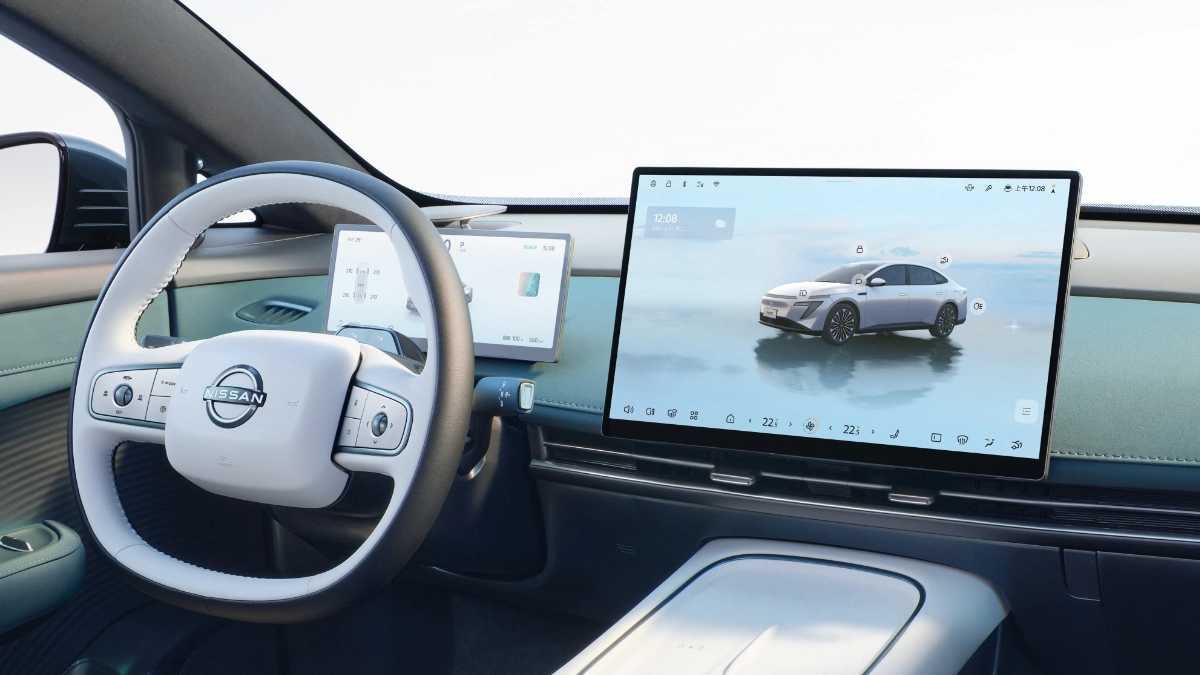
The Japanese brand has stressed that its Yokohama-based DNA has been woven throughout the N7. In the limited seat time we had with the car, its drive does feel more refined than other China-made electric vehicles.
Aesthetically, it adopts the triangular headlights and other styling cues from newer Nissan models like the current-generation Leaf and Ariya. However, from the look of its cabin, the brand may need to make some adjustments in order for it to keep its ‘Nissan-ness.’