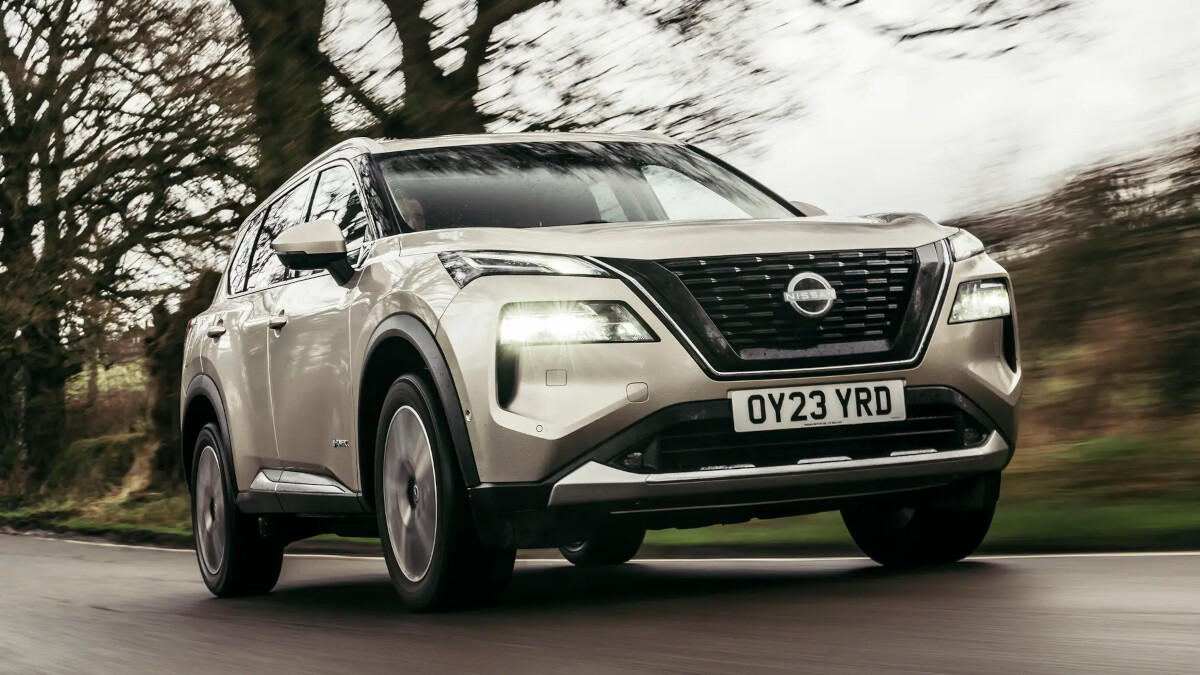

I’ve been threatening it for a while now, but I’m finally getting around to talking about how the Nissan X-Trail drives.
You won’t be surprised that this isn’t going to be some great revelation about how it actually handles on rails...because it doesn’t. From a handling perspective, it’s pretty bland and very light to drive around in urban and rural environments—almost too light sometimes. The four-wheel-drive version has much more feedback through the wheel. It’s more the engine/battery technology that’s important here.
OTHER STORIES YOU MIGHT HAVE MISSED:
Review: 2024 Honda BR-V S CVT
Review: 2024 GAC M6 Pro GL
A quick recap: In Nissan’s ‘e-Power’ setup, the 1.5-liter gasoline engine doesn’t actually power the wheels—that’s all down to a 201hp electric motor. The engine just acts as a generator and has fancy tech that enables it to vary its compression ratio to burn gasoline more efficiently at different loads. Confused? You should be, because it’s quite confusing to drive. On the one hand, it bongs, whirrs, and drives like an electric car, yet on the other, it sounds just like a gasoline-powered car.
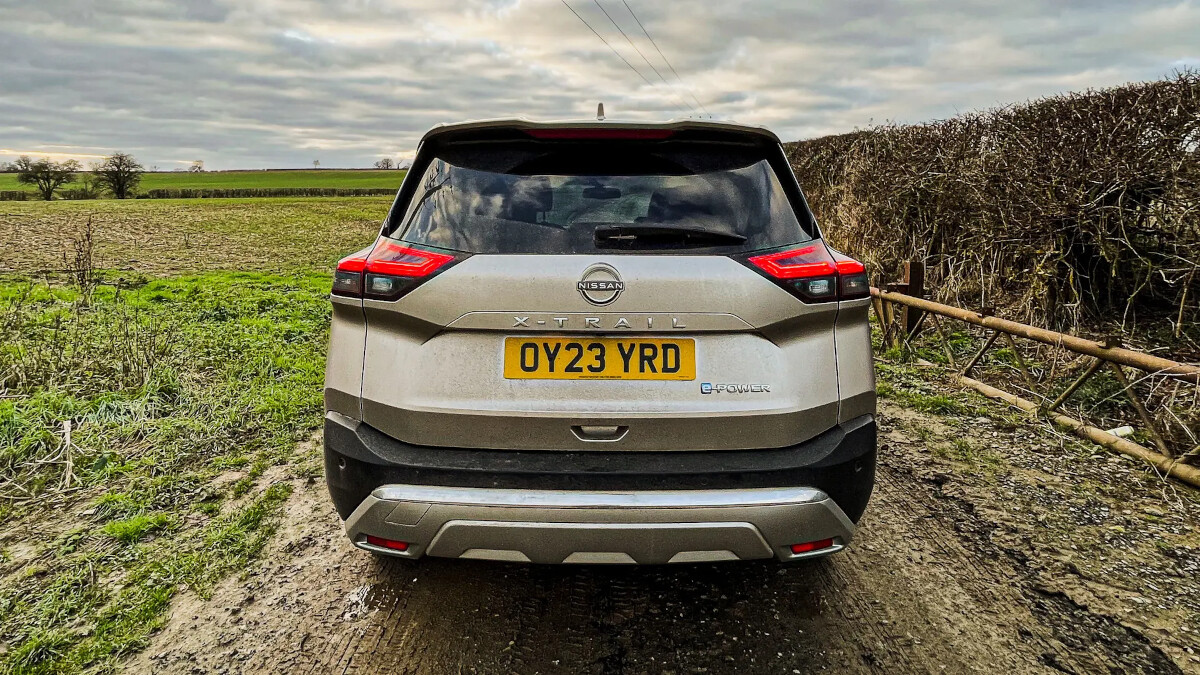
Every so often, the engine kicks in, whirring like a generator (which effectively it is) and with overruns sounding like those drivers that can’t quite get the throttle and clutch balance right. It’s an odd experience, if I’m honest, and one that I can’t quite get my head around after 30 years of driving.
But here’s the thing: It really works in a bizarre kind of way, and (shock horror) I think I might prefer it to a traditional engine in these types of family cars. I might not be the world’s biggest fan of electric cars, but for me, the one thing EVs do well is make driving easy. And the one thing gas- or diesel-fed cars do well is range. So, it’s like taking all the best bits of either one and putting them together. Everyday family cars need to be effortless—family life is hard enough as it is.
There’s a battery- and gasoline-level dial that only adds to the confusion because the former is pointless. If you run out of fuel, you’re still done for, so you switch it into EV-only mode, but this rarely lasts long before the engine kicks in, and sometimes it won’t let you go into EV mode at all. So why have a battery level? Concentrating on the fuel level is still the most important part. I switch the regen on all the time as it’s really strong and helps with the braking and contributing to the ease of driving.
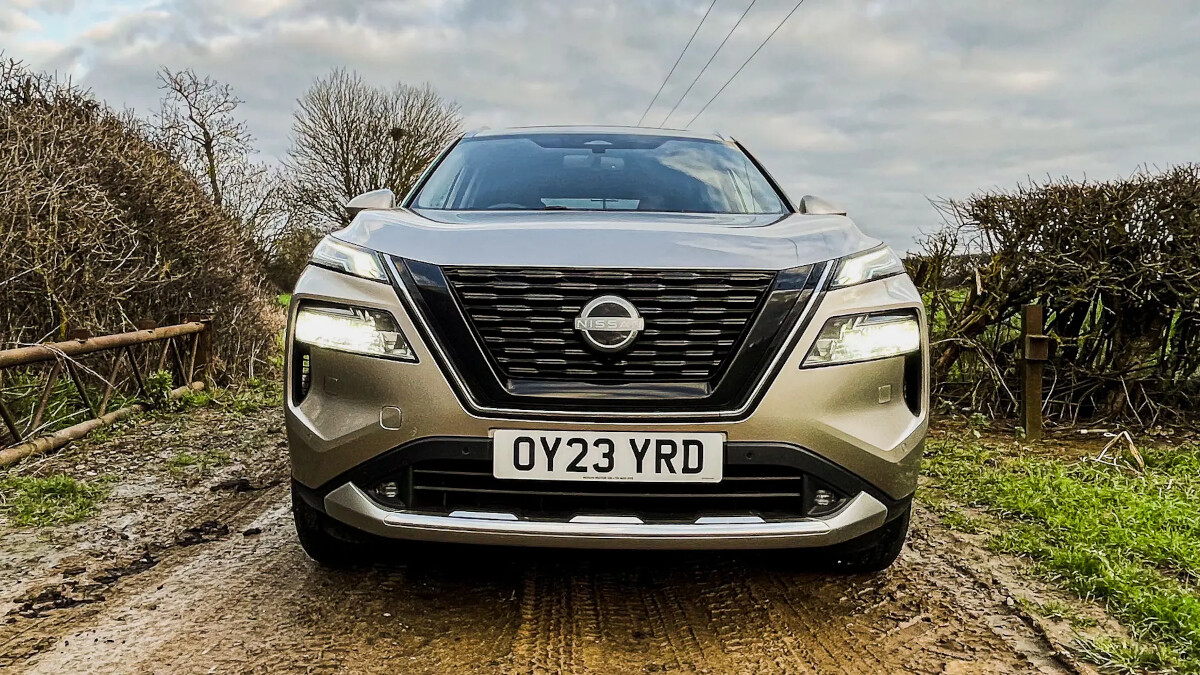
The X-Trail feels powerful, too, for an SUV—sometimes too powerful for the front wheels, giving way to torque steer, and I bet that’s not what you expected to read in this report. Again, this disappears in the 4WD version. But with all that clever technology, does it have a fuel-economy advantage? Unfortunately, it does not. I’m averaging about 19km/L, which compared to some traditional gasoline cars is quite low.
Is this the future? It’s certainly a technology that’s gaining traction, and while the jury might be out on its environmental impact, combining two technologies works for me. I just wish it sounded better on the inside.
NOTE: This article first appeared on TopGear.com. Minor edits have been made.