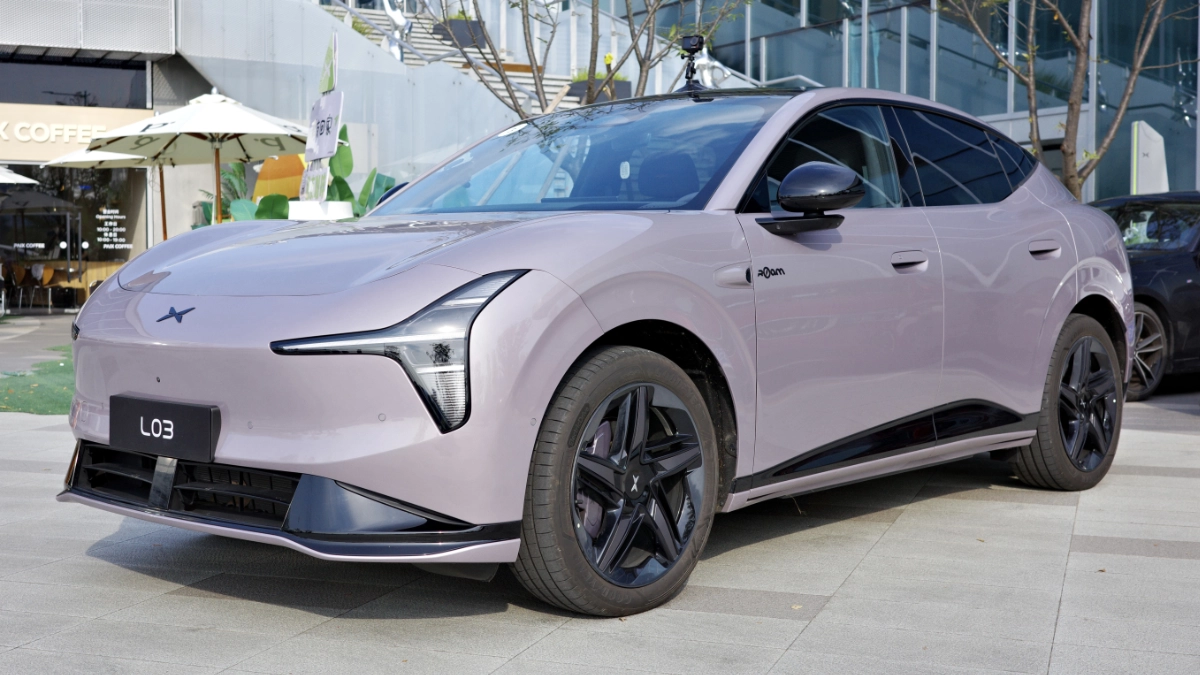
Wait—Xpeng? The flying car company?
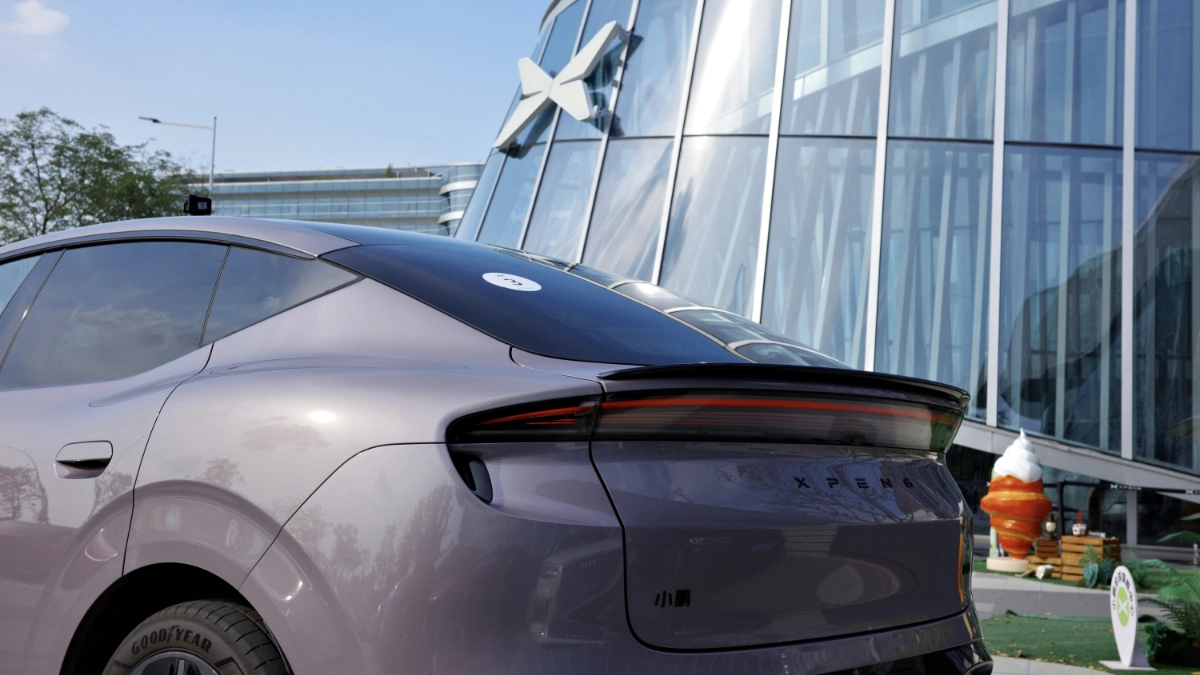
Yes, Xpeng: The Chinese brand responsible for that flying car you heard about in 2022, and the Land Aircraft Carrier you might have seen on our social media pages. But Xpeng is much more than just eVTOLs.
First and foremost, Xpeng prides itself on being a full-stack software company. All of its systems are made in-house, and it even created a proprietary processor to run its artificial intelligence technology—aptly called the Turing AI Chip.
To Xpeng, that chip is just as important as engines, motors, and batteries. Without it, Xpeng cars cannot drive autonomously, and that is a central feature across its entire lineup.
So, Xpeng is now a self-driving car company?
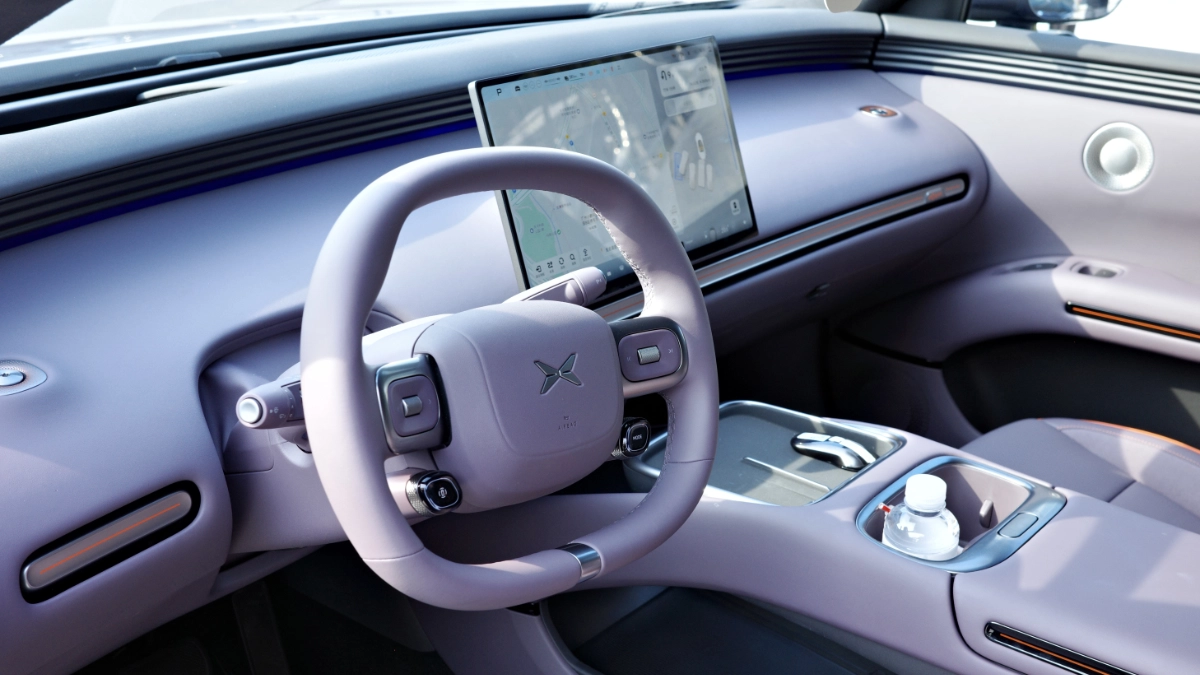
Until those flying cars go into production, that is probably the case. Ahead of its Philippine launch, the brand flew us out to its facility in Guangzhou, China, to experience its Vision-Language-Action 2 autonomous driving tech for ourselves. And no, we didn’t fly in an Xpeng car—we took a normal airplane.
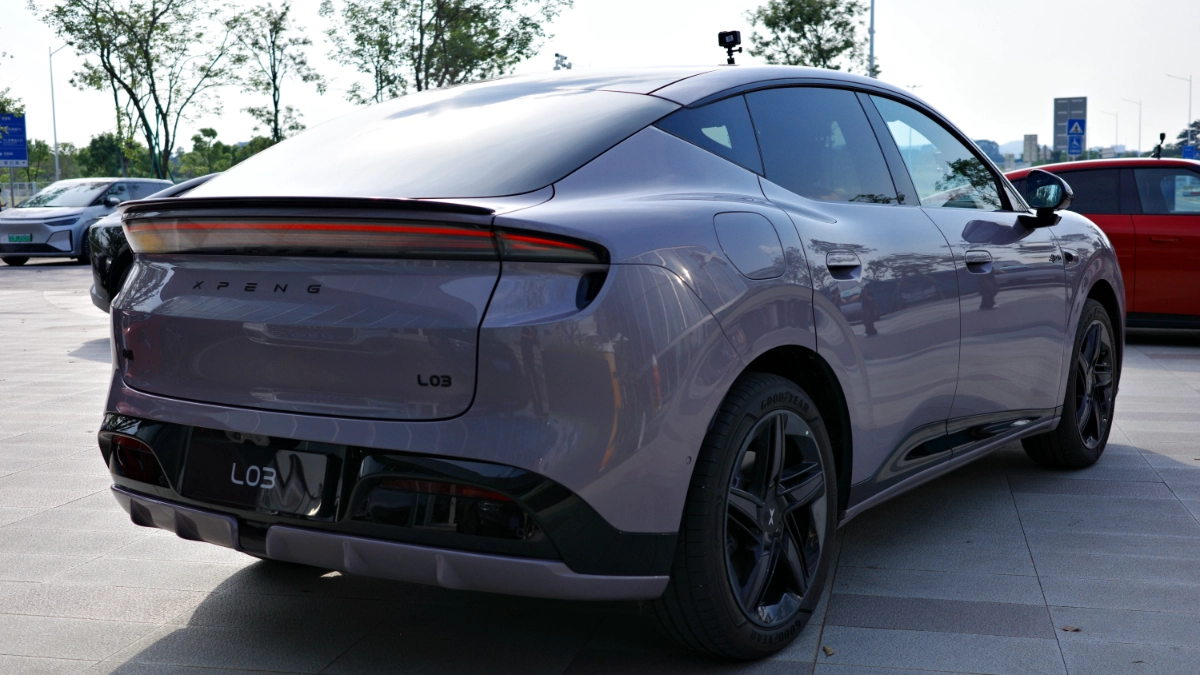
In September, the brand will officially bring the L03 and X9 to the local market, both equipped with AI chips and self-driving capabilities. However, at launch, the cars will only be offered with Xpeng’s Next Generation Pilot Level 2 driving assistance. That means no autonomous motoring, and just adaptive cruise control and other familiar features. However, the company says that because each car already has the necessary components, simple over-the-air updates can unlock more advanced features.
Given how capable Xpeng’s technology is, it may be time for lawmakers and the local automotive industry to begin thinking about self-driving cars in the Philippines. To up the ante, Xpeng is not the only player in this arena—Tesla can offer similar features, accessible through software updates as well.
OTHER STORIES YOU MIGHT HAVE MISSED:
PH fuel price update: Increase of P2.49/L for gas, P3.84/L for diesel effective August 18
How to deal with rainy day ride-hailing problems
Huh. Is Xpeng’s self-driving tech really that good?
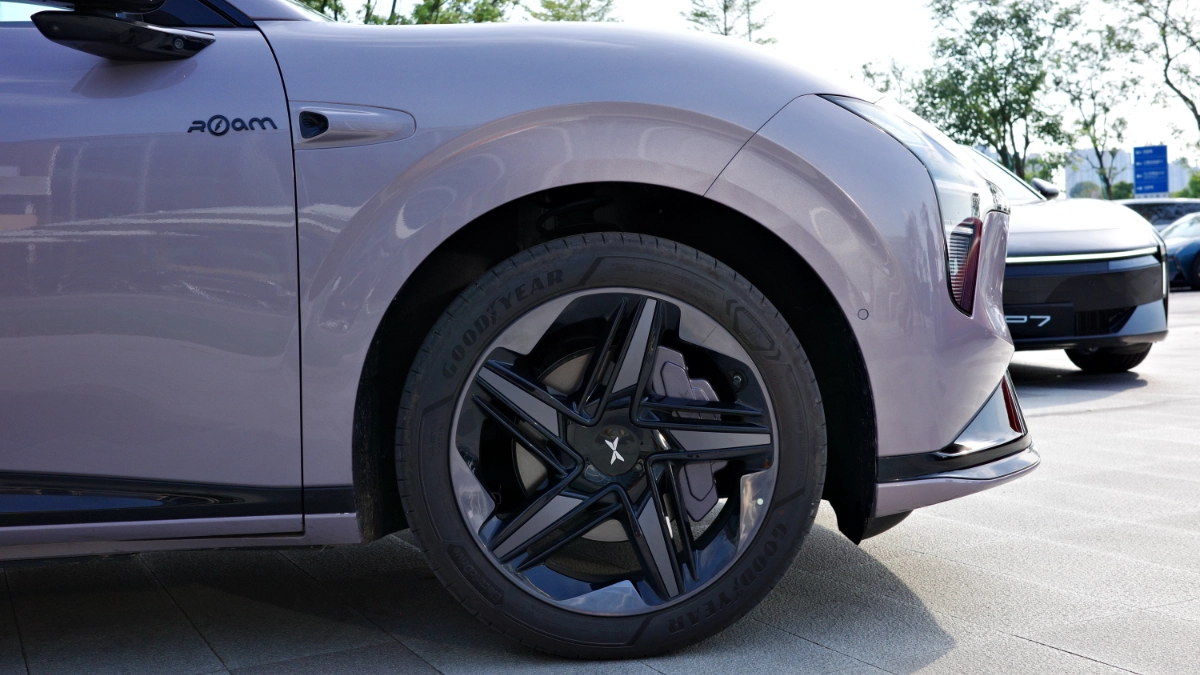
Admittedly, it was my first time in a self-driving car, so I really don’t have a baseline of what is good and what falls behind. However, from my experience, I can tell you that Xpeng inspires confidence in this technology.
Off the bat, it is unusually simple. A driving instructor sent directions from his phone to the car’s onboard navigation system, and after a single push of a button we were off. I would’ve thought that something running on autopilot would’ve required a few more steps, but from a parked stance, the L03 could drive itself to an assigned destination.
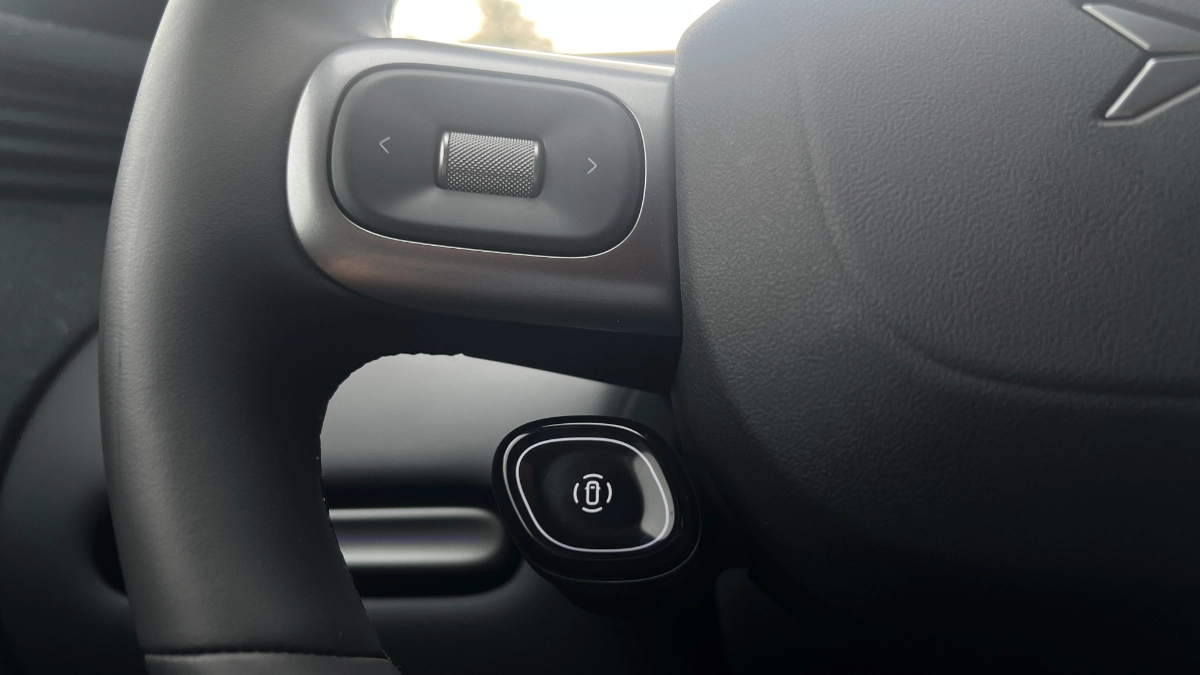
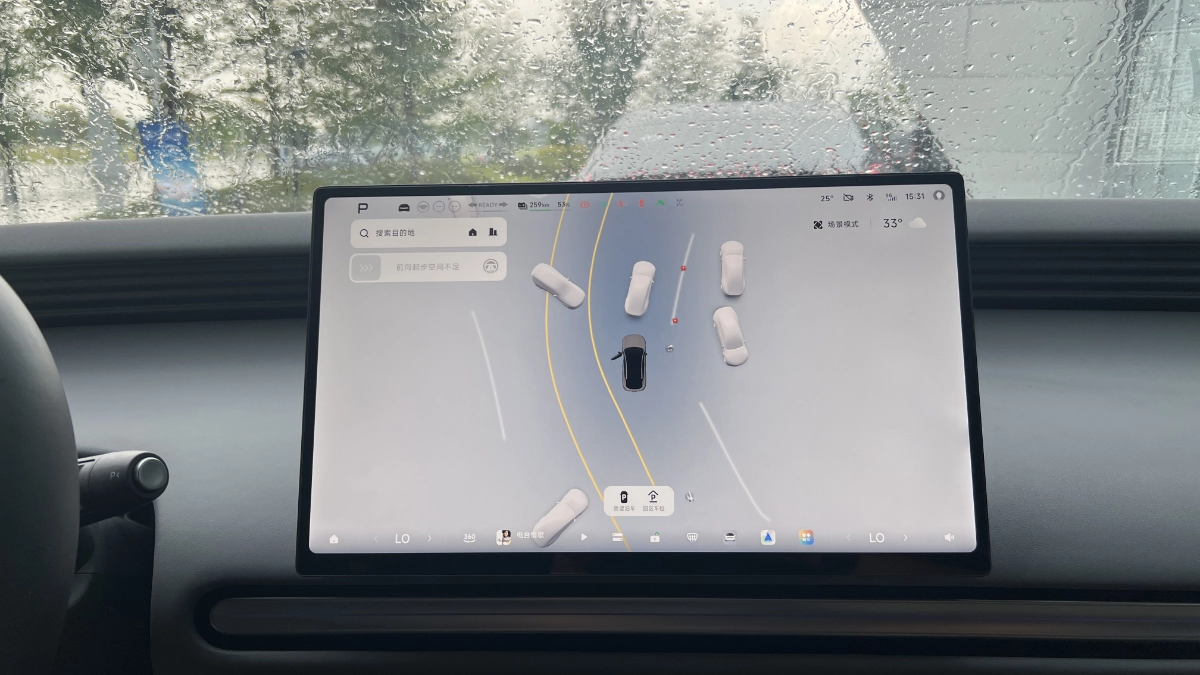
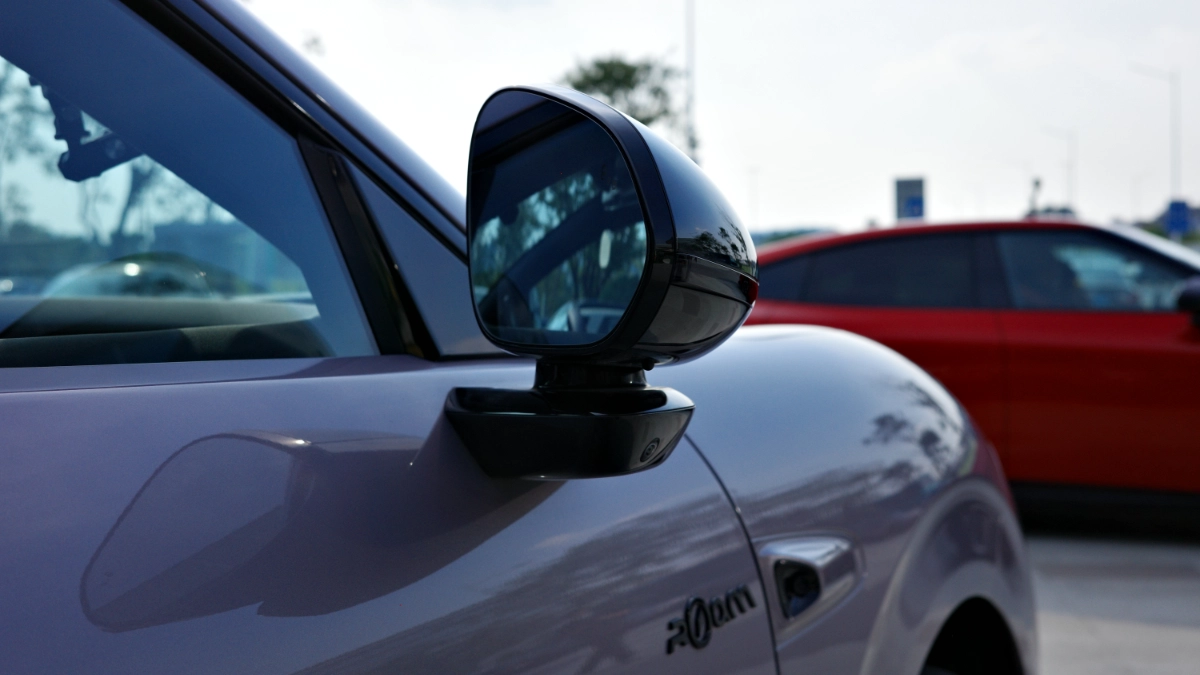
Along with the AI chips, Xpeng cars use several cameras and a radar system to track present road conditions and make the necessary adjustments. It doesn’t rely as much on maps, which, according to Xpeng, gives it a leg up against other self-driving software.
With its cameras and other equipment, it should recognize street signs, potholes, and even hand signals from traffic enforcers. While we didn’t have an MMDA officer on public roads in Guangzhou, the GX and the L03 I was in were able to adjust to various traffic conditions. It slowed down and sped up when cars and motorcycles would weave in and out of the road, adjusting accordingly to maintain the speed limit and a safe distance.
Undoubtedly, it was scary at first. It was as if I was on a plush and well-supported rollercoaster, going as fast as 60kph on a public highway. But the car was able to calm me down with proper pacing—braking was almost elegant, and acceleration was conservative.
We saw the video, but why were you in the driver’s seat?
Good question. While the words ‘self-driving’ and ‘autonomous’ are frequently thrown around, another term that is integral to this technology is ‘driver-assisted.’ That essentially means that the driver will still need to intervene and, at times, take control.
During our test drive, the rain started to come down, and visibility worsened. As the street markings got muddled behind some light flooding, the car needed some guidance on where to turn and merge. That meant a pull on the steering wheel and a shift on the turn stalk. After its course was corrected, it was hands-off until our destination.
With that, the car will also ask drivers to put their hands on the wheel at certain times and will sound a light alarm if their eyes are off the road. While the car drives itself, I need to be awake and alert for it to actually operate. During a parking exercise, a protruding parked truck got in the way of the car’s path, which led to it stopping. After sensing this, it needed a light tap on the accelerator to be prompted to continue parking. It’s not completely autonomous, and that shared accountability on road safety is most welcome.
Did you try driving the cars for yourself?
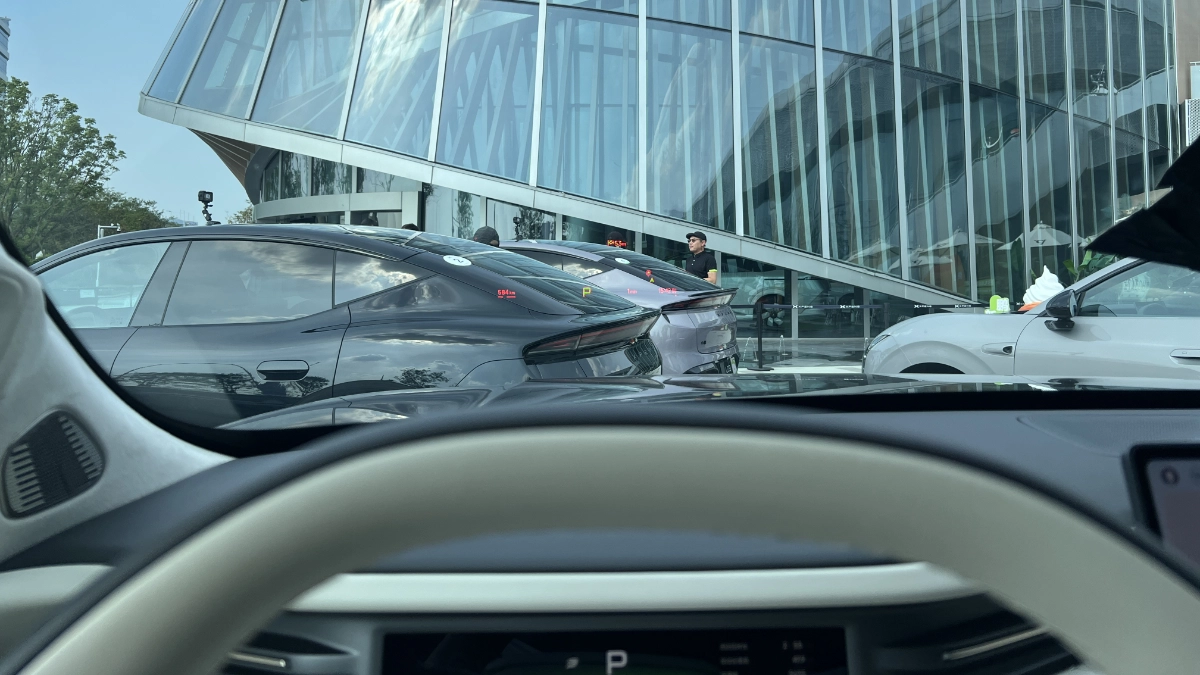
Another confession: We probably spent 90% of our seat time in self-driving mode, so I’ll probably need more a few more old-fashioned laps before I make any final comments. However, while I did assume control for a bit, I noticed that the braking on the L03 was pretty harsh.
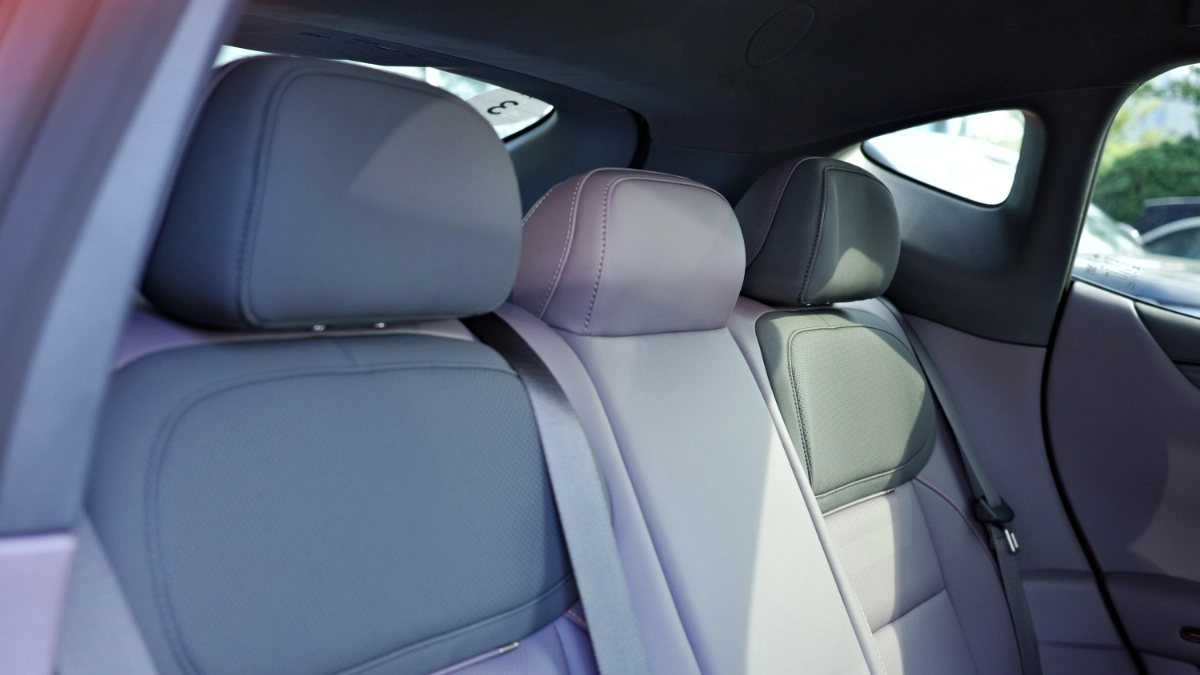
That is likely due to its regeneration setting and is probably not the case in everyday driving. Steering also seemed decently light, and acceleration was prompt. It was properly comfortable as well, with great support on the seats and soft leather upholstery.
Notably, after engaging the autonomous driving mode, braking felt significantly softer. Xpeng has really dialed in its self-driving technology to create the most comfortable driving experience it can. In the driver’s seat, you’ll notice that there aren’t many buttons—even by Chinese car standards—and the main 15.6-inch screen is taken up by a navigation page. As the driver, your duty now becomes to keep an eye on the road and monitor your vehicle through the massive head-up display. Everything else can be taken care of by your voice and the AI-powered voice assistant.
It is a completely different driving experience, and one that requires a separate critique. While shifting between self-driving and human control is impressively seamless, there is still much to be discussed in terms of safety and accountability. It is hard to be overly excited about the idea of AI-powered mobility, as it forces us to reevaluate the responsibility of being behind the wheel. This is still very much a human-centric vehicle, and a lot of learning still needs to be done.