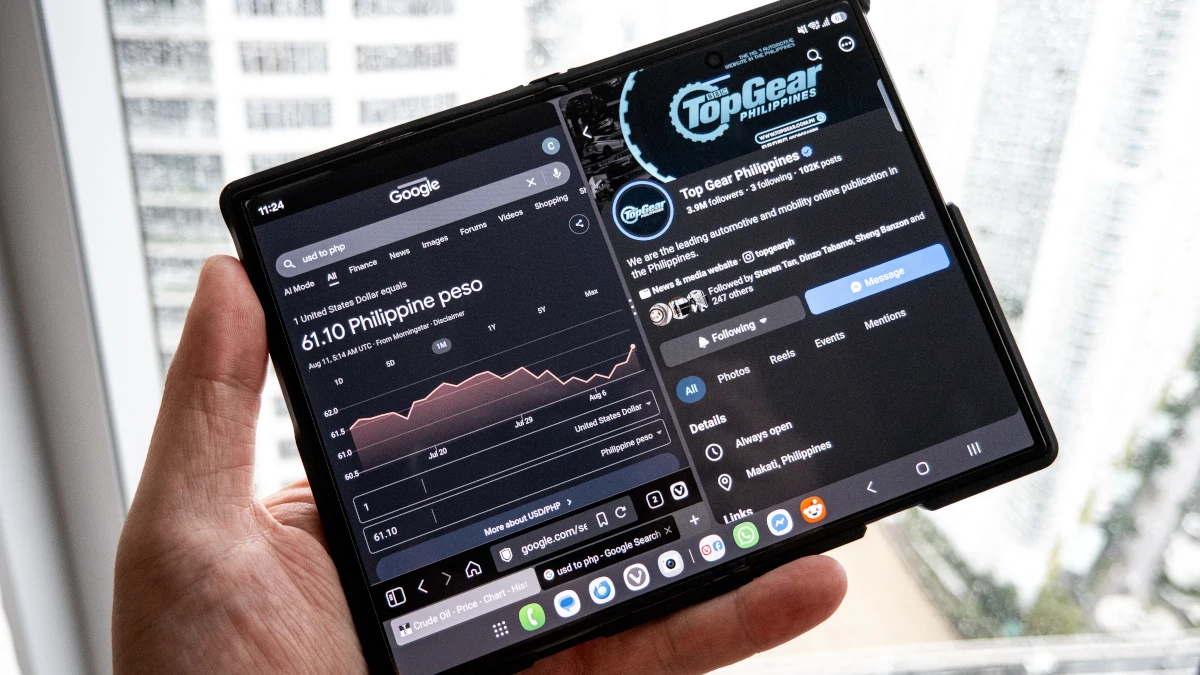
When it comes to commuting around Metro Manila, rainy days come with many struggles for commuters. Walking to transit stops can be downright miserable, traffic sucks, and travel time takes much longer. Those who choose to book rides on ride-hailing apps for convenience and comfort often find that not only is it harder to book rides, but fares also skyrocket even for short distances due to surge pricing.
It can be incredibly frustrating to shell out P400 instead of P100 for a mere 4km ride to get to the nearest train station. Based on recent Grab estimates, getting from Quezon City to Parañaque on a rainy day can cost P1,300 (plus an additional P300+ if you use Skyway). For the record, you can get regular round-trip bus tickets from Cubao to Baguio City or a one-way overnight sleeper bus to Bicol for roughly the same price as this 30km city trip.
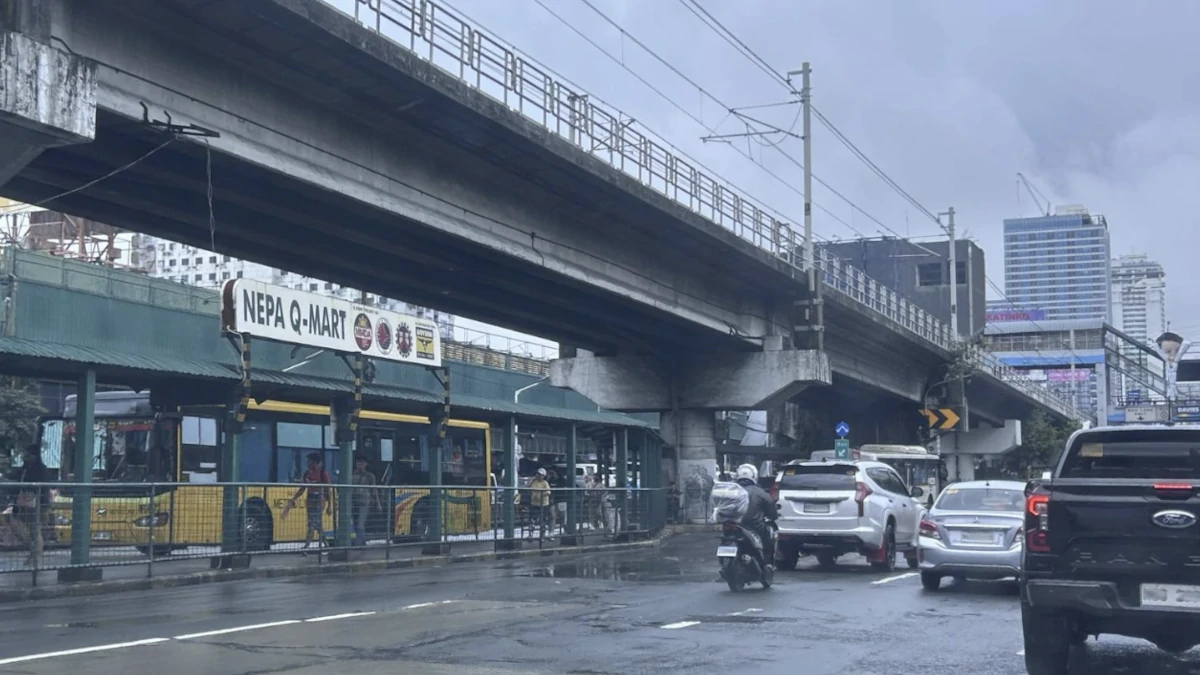
Many commuters turn to ride-hailing and transport-booking apps to avoid the stress of driving or getting soaked or stranded from using mass transport during rainy days. However, increased demand leads to higher fares, making these services significantly more expensive than usual. While some people can afford or are willing to pay extra for the convenience, we could all use ways to cut transport costs, especially during the rainy season.
Here are some tips and hacks for using ride-hailing services this rainy season.
1) Leave extra early.
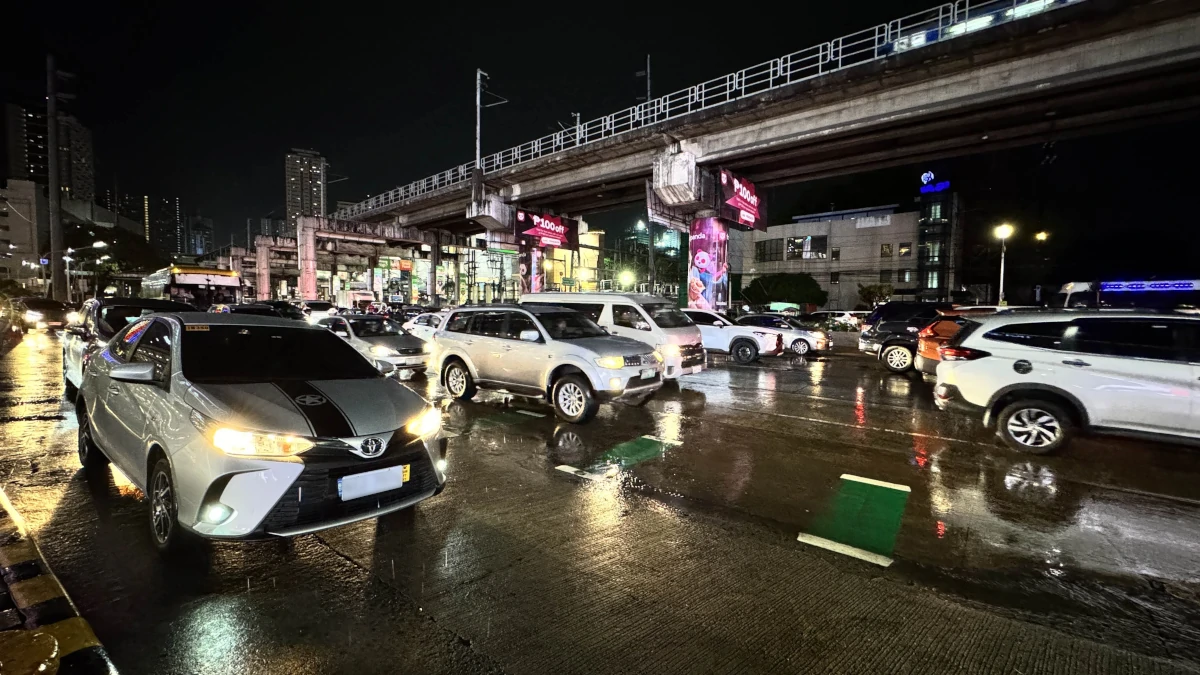
If rain is forecast for the day, you’ll want to leave significantly ahead of schedule before the weather causes total gridlock. This is vital if you’re headed to the airport to catch a flight or if you’re attending an event with strict entry times.
OTHER STORIES YOU MIGHT HAVE MISSED:
NAIA Inter-Terminal Shuttle guide: Route, schedules, and more
A first-timer’s guide to motorcycle-taxi apps in Metro Manila
If you’re unfamiliar with Metro Manila traffic, it’s been ranked among the most congested in Asia and worldwide. Heavy rain and flooding can typically add one to three hours (or double to triple the usual duration) to regular travel and commute times, especially during rush hour and the ‘ber’ months. Downpours can cause flash floods, stalled vehicles, slower traffic due to poor visibility and potholes, and long queues at public transport terminals, so be warned.
2) Delay your departure.
If you’re headed home, it makes sense not to book rides during rush hour. If you can, delay your departure and wait for the traffic to subside. Stay at a workplace, a coffee shop, or the mall for 30 to 60 minutes after a downpour starts to let the initial demand spike and wait for extreme traffic congestion to ease and surge prices to subside.
If you’re coming from places like Makati or Bonifacio Global City, try to schedule your travel within the midday lull from 10am to 3pm, and avoid traveling during peak rush hour from 4:30pm to 8pm.
3) Take a pause.
Some malls and transport hubs are making it more comfortable for commuters to rest, lounge, and share resources, with common areas that don’t require extra spending.
In Makati, The Stacks at One Ayala is a mini-library and book-swap station where anyone can rest and read for free. It’s a good spot to wait for traffic to die down or if you can’t book a ride.
‘Our Common Space’ at One Ayala provides flexible spaces with open tables, charging stations, small-group seating, board games, and quieter corners designed to accommodate a range of needs throughout the day.
The transport hub also runs a community pantry that accepts contributions on behalf of the Makati PUV community. We really hope to see similar initiatives that think of commuter comfort across major transport stations and terminals.
4) Compare costs on ride-hailing platforms.
Always check the cost estimates on multiple ride-hailing apps before you book a ride. Some operators like InDrive, JoyRide, Green GSM, and regular taxis offer significantly lower fares (almost half the price) than Grab, if you have cash on hand or don’t mind the extra step of manually paying by GCash. Since it’s hard to book rides, it’s best to have all the services installed, anyway.
When using Grab, the GrabTaxi option is usually lower than the default four-seater GrabCar. Be sure to toggle down to check other options and make sure your ride isn’t set to six-seater or the premium options. GrabCar Saver also offers slightly lower fares for those willing to wait longer.
If you’re traveling solo and willing to don a raincoat, motorcycle taxis can help you avoid traffic and cost much less than four-wheeled ride-hailing options.
5) Make use of subscriptions and promo codes.
If you use Grab for food and transport multiple times a week, it makes sense to avail of promos like GrabUnlimited. Costing around P88 a month (with cheaper annual promos), the subscription will pay for itself in just one to two uses through waived delivery fees and an 8% discount on rides. In-app vouchers can also help slash transport fares.
6) Try carpooling and group rides.
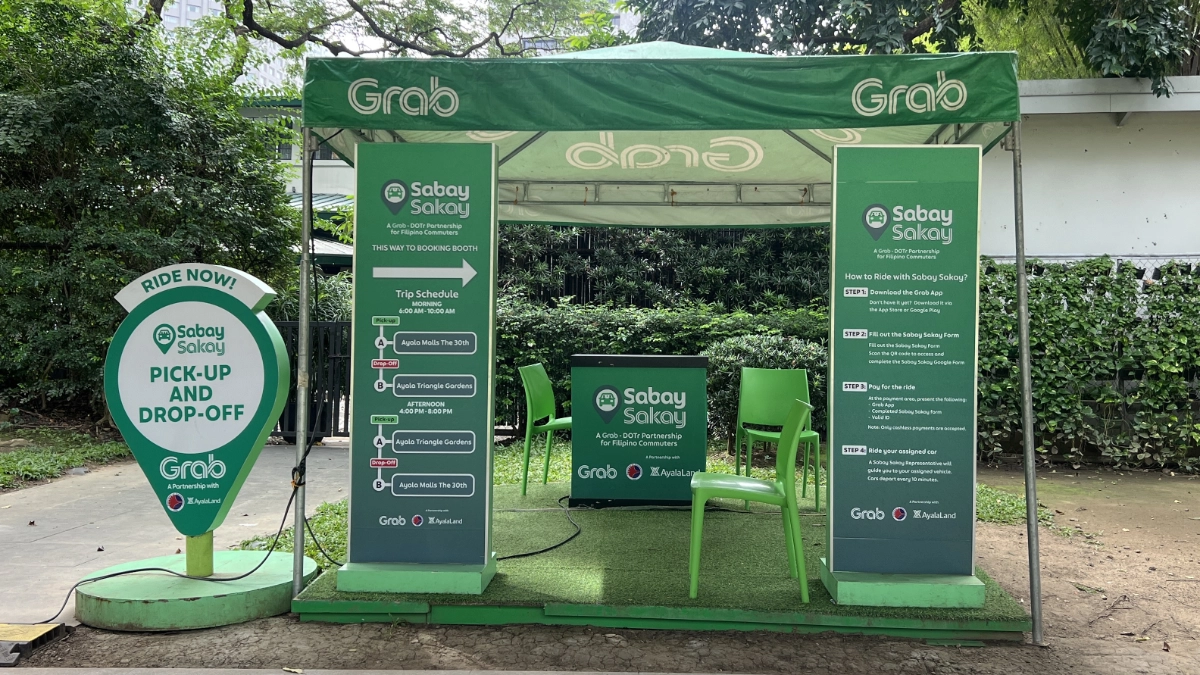
If you’re traveling with family or friends to the same destination from different pickup points or heading home after work, the Group Ride option on Grab helps passengers split the bill.
In case you didn’t know, Grab also has a Sabay Sakay point-to-point (P2P) carpooling service for shared GrabCar rides for a flat fare of P80. It operates from Mondays to Fridays along major business districts like Pasig, Makati, and BGC to help ease rush-hour commutes.
7) Do a multimodal mix with mass transit.

Another option to offset costs or avoid long waiting times is to use a mix of mass transit and ride-hailing services. If you can, adjust your ride to the nearest mass-transit stop. Walk or use more affordable services to the nearest train station (like the LRT or the MRT) or designated EDSA Carousel or P2P Bus routes, and book a ride-hailing service for the last leg of your trip, choosing places where it’s easier to book rides.
Public transit fares are much cheaper and can help you avoid traffic gridlocks. Take note that some areas near MRT and LRT stations are designated as ‘no pickup/drop off’ zones, so choose safer pickup and drop-off points nearby instead.
Got any other rainy day tips for using ride-hailing services to share? Let us know in the comments section.