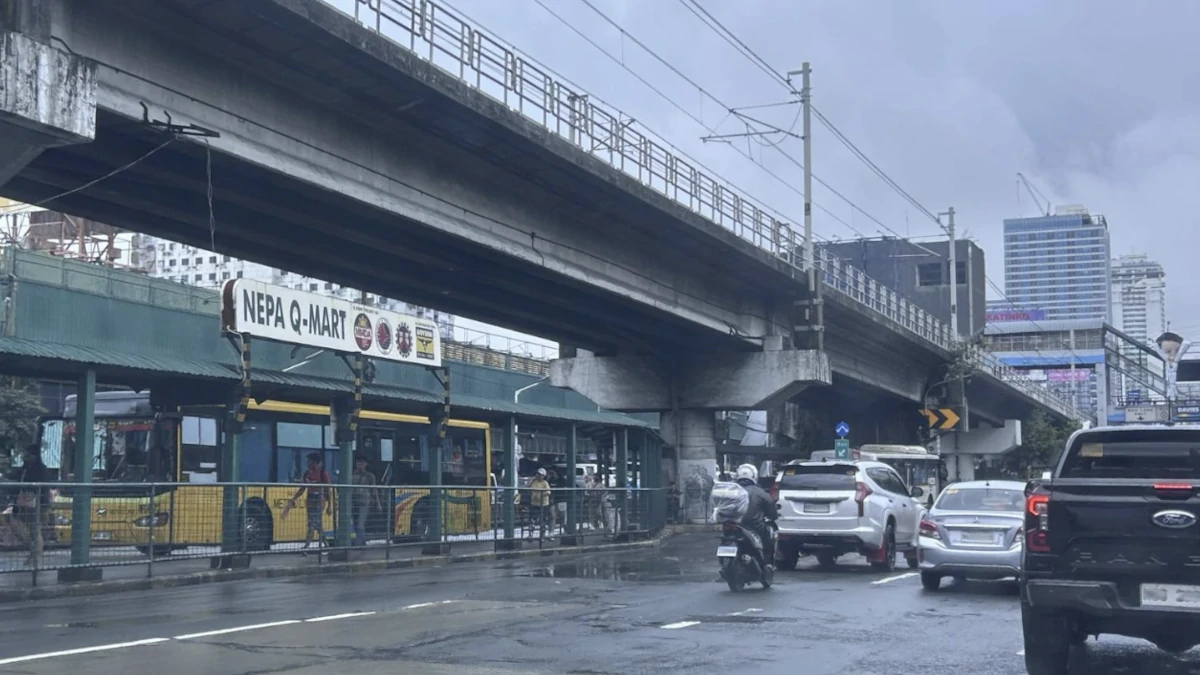
We all know that commuting in Metro Manila has been stuck on a default hard setting for decades. The rainy season takes it to nightmare/insane levels.
Long queues, horrific traffic jams, and disjointed public transport options are just a few of the many challenges that Filipino commuters face daily. The downpours and frequent floods worsen commuting woes.
This isn’t limited to those who rely on public transport. Bike commuters, motorcycle riders, and private-vehicle owners aren’t spared. Exposure to harsh elements? Check. Hazardous driving conditions. Check. Gutter level floods? Yup. Bumper-to-bumper traffic? Of course. Expensive repairs due to flood damage? What don’t we have to deal with?
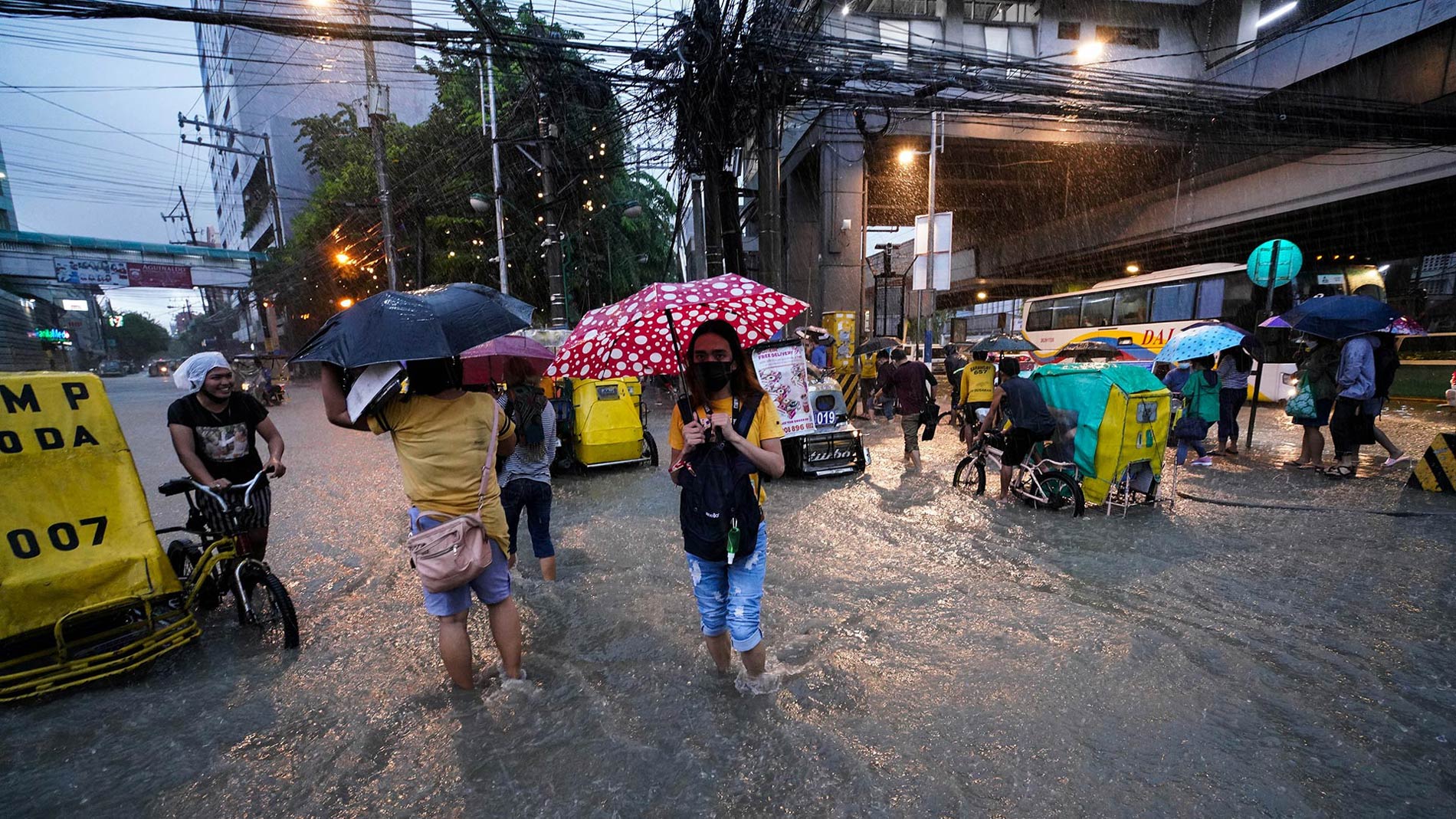
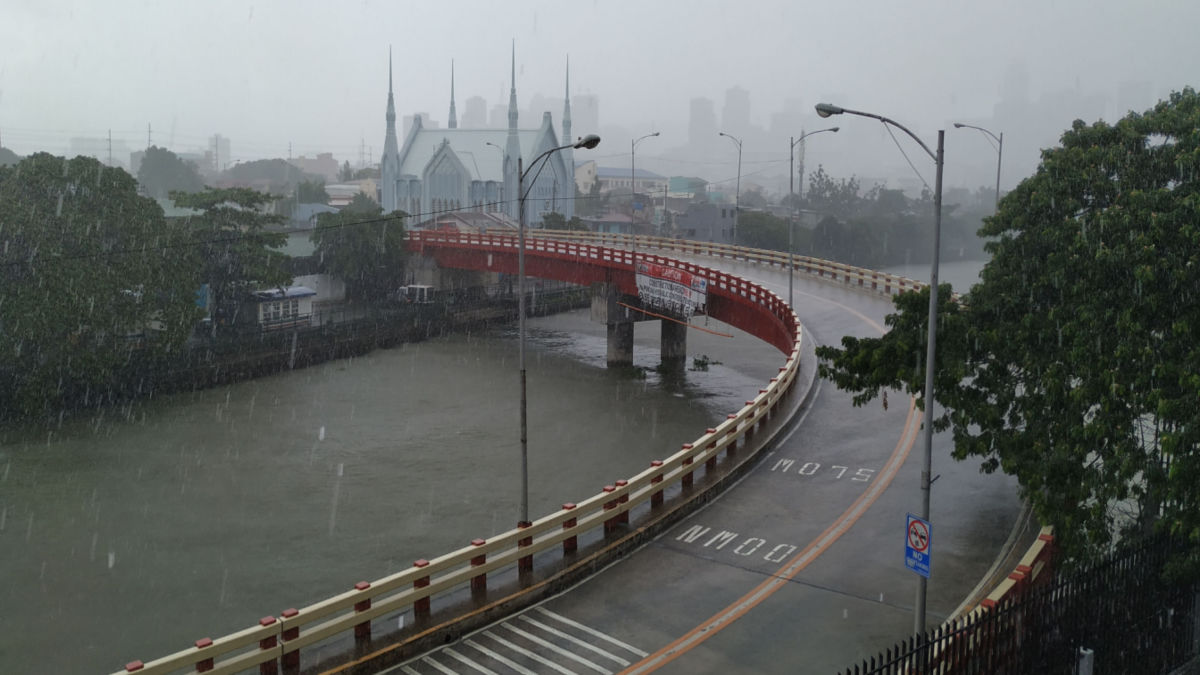
It’s only July, and we’re already dreading the next few months of the monsoon season, which is expected to last until November. Weather bureau PAGASA estimates that an average of 19 tropical cyclones (depressions, storms, and typhoons) enter the Philippine area of responsibility every year.
This gloomy weather has us reflecting on some of the extra challenges and costs that Filipino commuters and motorists have to deal with during the rainy season.
ALSO READ:
Quick guide: How to protect yourself from vog or smog during your daily commute
5 Safety tips for motorcycle-taxi commuters
1) Longer wait times
Taking public transportation is still the cheapest way to reach your destination. Sadly, it’s not a stress-free journey due to the long lines, high volume of passengers, and disjointed intermodal connections, and the situation feels way worse on rainy days.
Heavy downpours equate to lines snaking longer than usual at the three major train lines. Likewise, you can expect longer waiting times outside PUV stations and thicker crowds in a rush to catch the limited buses or jeepneys.
In a news article by ABS-CBN News, passengers noted that “the rainy weather adds an hour or two to their already taxing commute during the rush hour.” Many are forced to walk long and tiring routes home instead of wasting hours trying to get a ride. This takes precious time away from productive work and rest.
2) Reduced reliability of public transportation
Heavy rain can disrupt public transportation schedules and routes, making these less reliable. Floods can render some roads impassable and cause route disruptions for buses and jeepneys. Stalled vehicles can block other vehicles, so routes get rerouted, and delays and trip cancellations spike.
Commuters often report train platforms and queues “paralyzed” even in light rain, doubling or tripling travel time. Since they have no choice, commuters often seek alternative modes of transport, including private transportation, which in turn can lead to heavier traffic.
3) Lack of walkable areas and shelters
Those who walk are already at a disadvantage because of the lack of decent and walkable areas. Walkways usually aren’t covered. Sidewalks are typically narrow and footbridges are unusually high in our cities, making them inaccessible to persons with disabilities (PWD) and senior citizens. The rain can make certain passages and footbridges even more slippery and hazardous for pedestrians. Some underpasses tend to get completely flooded. PWD elevators in some areas are shut off when it rains to prevent damage.
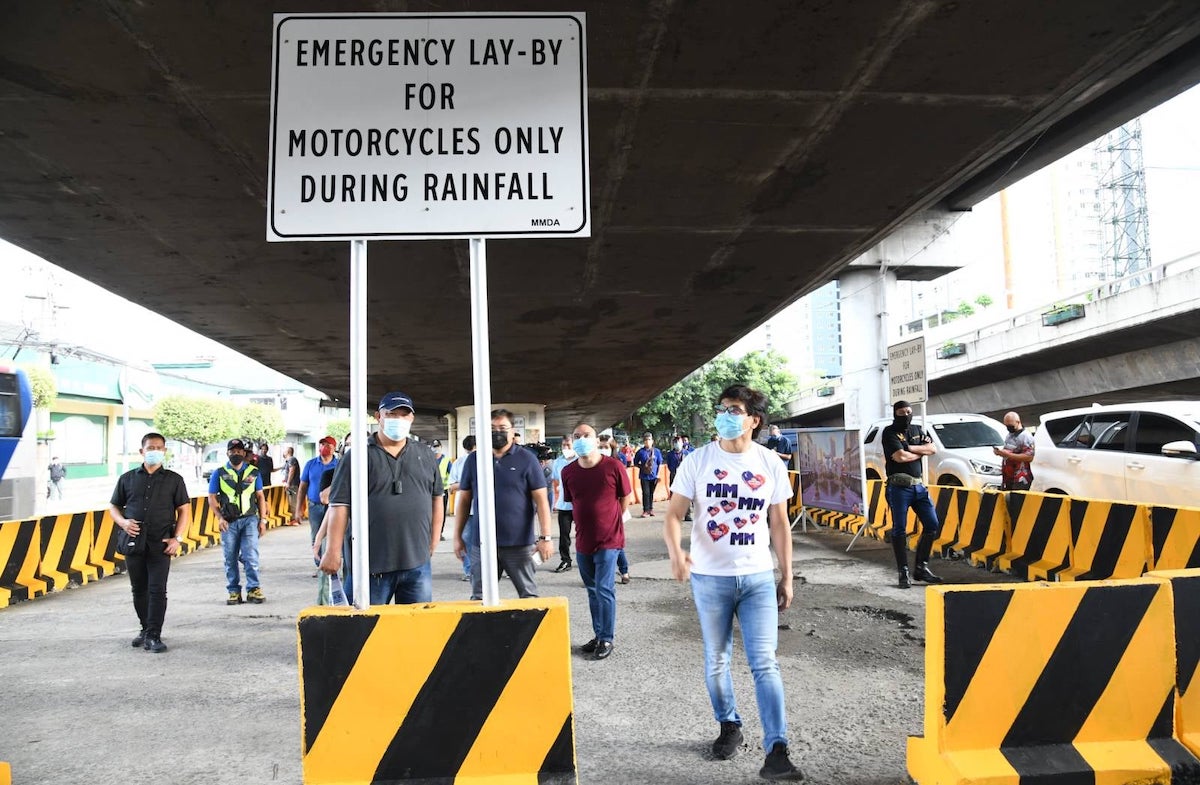
Incidents of motorcycle riders huddling under flyovers and underpasses spike during heavy rainfall. While the solution has been to impose fines for their “obstruction,” we can’t help but wish for better emergency lay-by areas and sheltered, covered parking areas for motorcycle riders, and decent waiting sheds for cyclists to wait out the rain. No one wants to get drenched on their way to work, and all road users and pedestrians deserve decent places to take shelter.
4) Having to navigate around floods
Every year, the headlines seem to be the same during the rainy season, especially when it comes to flood-prone areas in the metro. Waterlogged roads often force commuters into longer detours or wait times to avoid deep pools.
According to the 2025 journal study, Flood-induced effects on vehicular traffic in Metro Manila, “flood-related issues significantly disrupt transportation infrastructure even with minimal rainfall.”
After analyzing video clips from MMDA of flooded roads, the study found that: “Flood depths over 25cm consistently caused lane closures, leading to a significant reduction in vehicle flow, which decreased by 40-70% per lane kilometer as lane closures increased.”
Heavy rainfall can cause flooding, which forces vehicles to slow down or change lanes, which leads to a gridlock. The reduced visibility and slippery roads brought about by inclement weather can also contribute to slower speeds and accidents, further impacting traffic flow.
Infrastructure issues like poor drainage aggravate the problem, with heavy rains shutting down key arteries and making platforms and tracks risky.
5) Route disruptions
Aside from floods, other obstacles on the road caused by strong winds and rain can wreak havoc on public transport. Amid Typhoon Crising, a billboard collapsed and a concrete post toppled due to heavy rains and strong winds along the southbound road of C5 Katipunan-Ateneo in Quezon City, hitting three vehicles and causing heavy traffic on the thoroughfare.
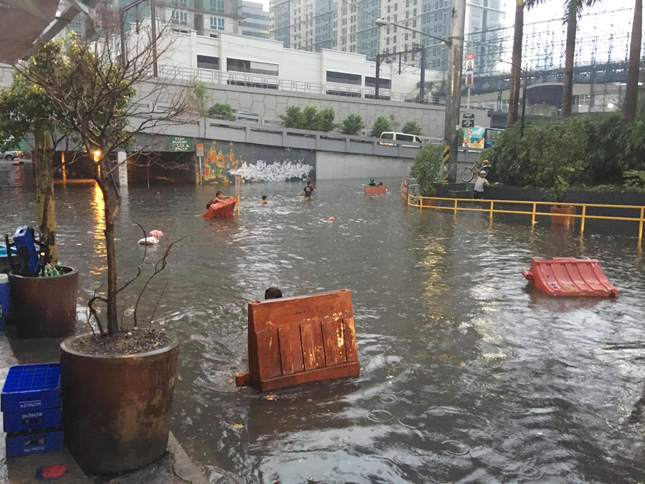
Motorists face hazardous driving conditions, which are magnified during the rainy season, when visibility decreases and roads become slippery. Deep floods can cause cars to stall or lead to an increase in accidents.
6) Heavier traffic
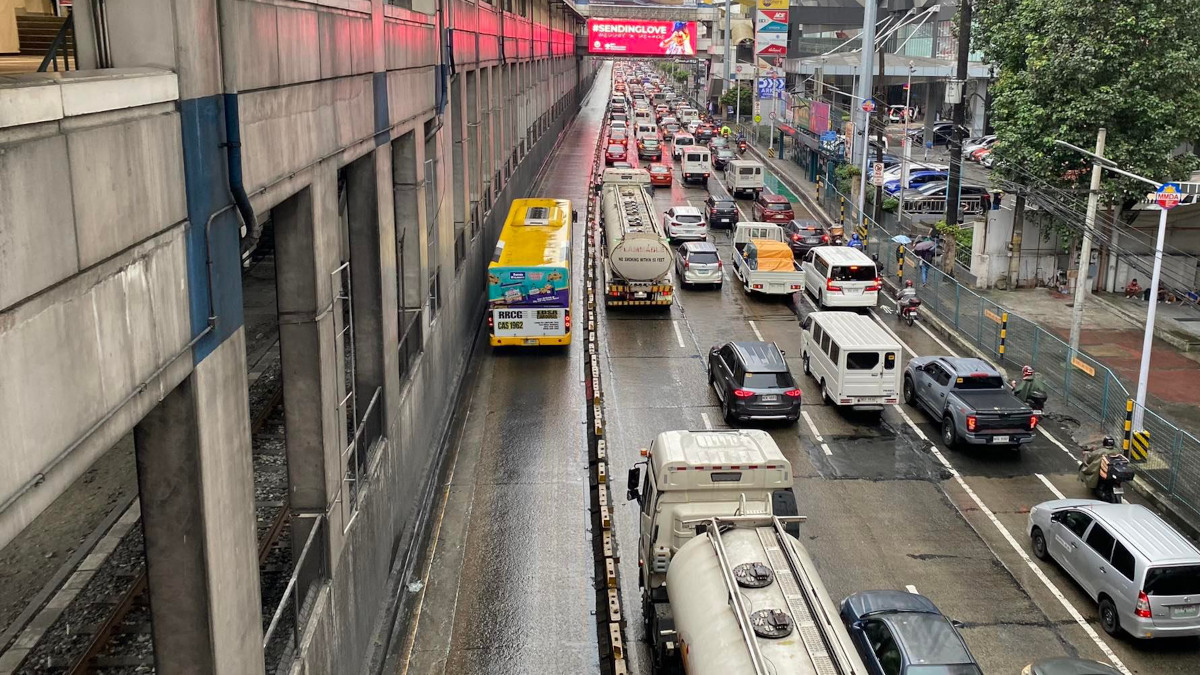
Metro Manila regularly tops lists of metro areas with the worst traffic in the world, according to a transportation data specialist. Based on the 2023 TomTom Traffic Index, it takes an average of 25 minutes and 30 seconds to drive 10 kilometers in Metro Manila on a normal day. On average, the study shows that a motorist in Manila spends 240 hours driving in a year, with 117 of those hours stuck in traffic. That’s almost 5 days lost to traffic every year.
This travel time could easily double or triple during heavy rain due to increased traffic congestion, floods, and poor visibility. On a very bad rainy day, the same 10km could take well over an hour.
Rainy days usually equate to higher vehicle congestion and traffic jams on the road. Even those who would normally take public transportation may choose to drive or hail a ride-share to avoid getting drenched or facing delays, leading to increased traffic.
While the situation was said to have improved by 14 spots in 2025 based on the latest TomTom traffic index, frankly, we don’t really feel it. It seems to just have gotten worse everywhere. In fact, figures show that congestion levels are higher, travel times are longer, and average speeds are slower.
7) Higher fares on cabs and ride-hailing apps
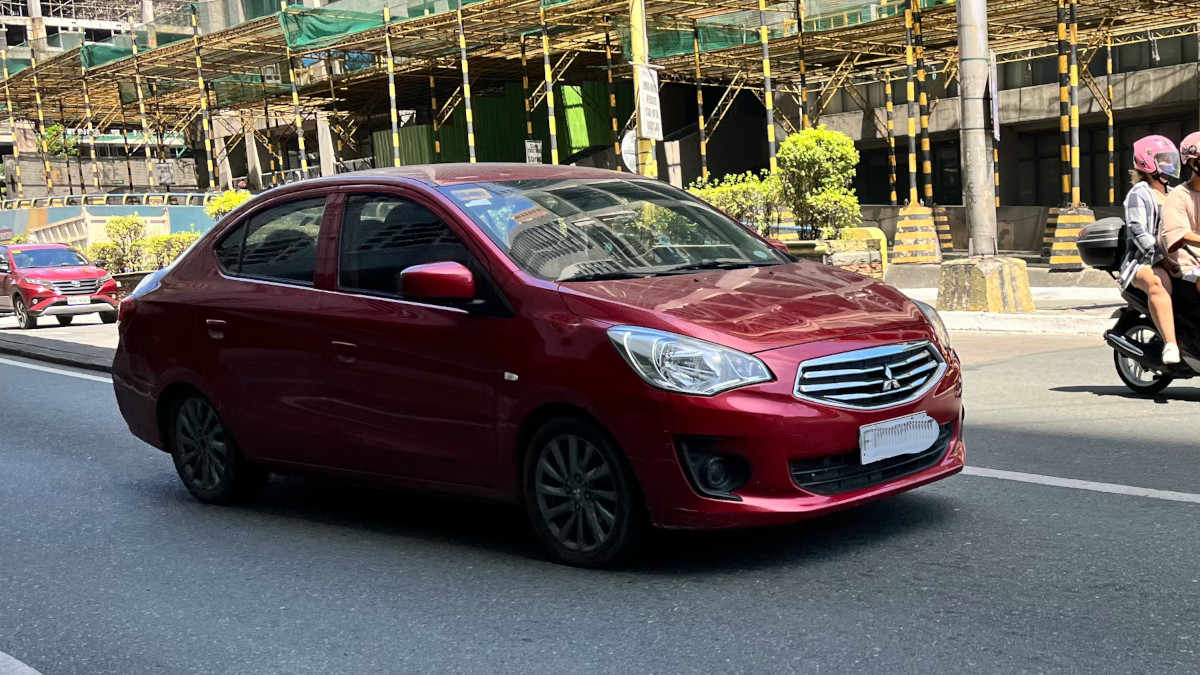
If you regularly use ride-hailing apps, you’ve probably noticed how much more expensive it is to book rides on rainy days. By now, we’re all familiar with surge pricing during rush hour.
On a recent ride from Quezon City to the airport on a rainy night, I had to shell out almost P1,000 due to surge pricing. The driver suggested passing Skyway and NAIAX to avoid the flooded roads, which also tacked on additional toll fees.
Of course, this isn’t just limited to the Philippines. An editorial piece by Grab Singapore explains why fares go up when it rains, citing the higher demand for rides than driver partners available in the vicinity. When it rains, more people opt to use ride-sharing services over other options like walking, public transport, or even motorcycle taxis.
The dynamic pricing model is also influenced by other factors such as route distance and estimated journey time, which we all know are worse whenever it rains.
Meanwhile, if you use traditional taxis, you’ll encounter instances where drivers demand tips just to agree to take you on as a passenger, which can feel like downright highway robbery, especially for short distances.
8) Health risks and medical costs
There are many other indirect costs that result from commuting during the rainy season. At first glance, it may seem limited to extra costs for waterproof gear, alternative transport (like expensive tricycle rides to avoid flood zones), emergency first aid, and the like.
But the stress and health risks of regular long commutes in wet conditions can take a toll on people’s well-being and pose serious health risks.
As pointed out in a Manila Bulletin article, the rainy season also brings a surge of illnesses and corresponding medical costs. Cough and colds are common, but the Department of Health warns of serious risks, including waterborne diseases, influenza, leptospirosis, and dengue, which can be worsened by weather conditions, for commuters exposed to floodwaters. Flooding creates ideal conditions for the spread of leptospirosis, a bacterial infection you can get through contaminated water.
Daily wage earners are the most vulnerable, as they are the ones who have no choice but to take public transportation. Catching illnesses could lead to lost income, steep medical treatment costs, and hospitalization in severe cases.
Commuting during the rainy season in Manila isn’t just about inconvenience. In the long run, it translates into time wasted, money spent, health risks, and even massive economic losses.
What can we do? Well, for one, offering remote work options, flexible hours or rainy day shift schedules to employees during adverse weather, is one solution. More shuttles and P2P bus systems with direct connections to key areas and efficient mass transit options could help reduce car dependency.
We also hope that infrastructure improvements can take into account the needs of all road users, with safe, accessible and weather-proof infrastructure for walking, cycling and using public transport, and not just private vehicle owners.
What other solutions can you suggest to deal with rainy season travel woes? Sound off below and stay safe on the road, folks!