


Rebadging, or badge engineering as some folks would call it, happens more common than you think in the auto industry. Even in the early days of the automobile, companies have been trading badges to stick on each other’s cars. Case in point, BMW’s first car, the 1928 Dixi, was a licensed version of the Austin 7.
So, why does badge engineering exist? It’s all down to sales, branding, and marketing. Some brands perform better than others in certain markets, so for some car companies under the same conglomerate, it only makes sense to swap the logos from time to time.
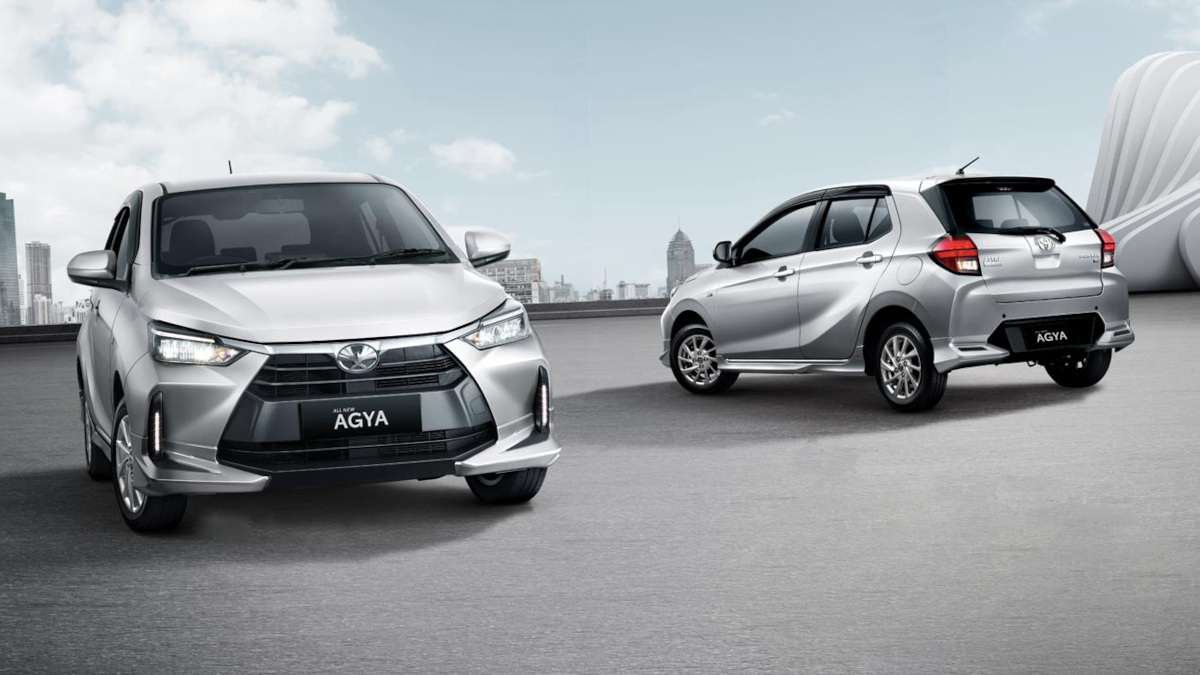
A good example of this is Toyota and Daihatsu. Daihatsu doesn’t have much cache in the Philippines, but Toyota wants to sell low-cost models in the country. The result are models such as the Wigo (Daihatsu Ayla), Raize (Daihatsu Rocky), and Rush (Daihatsu Terios), to name a few.
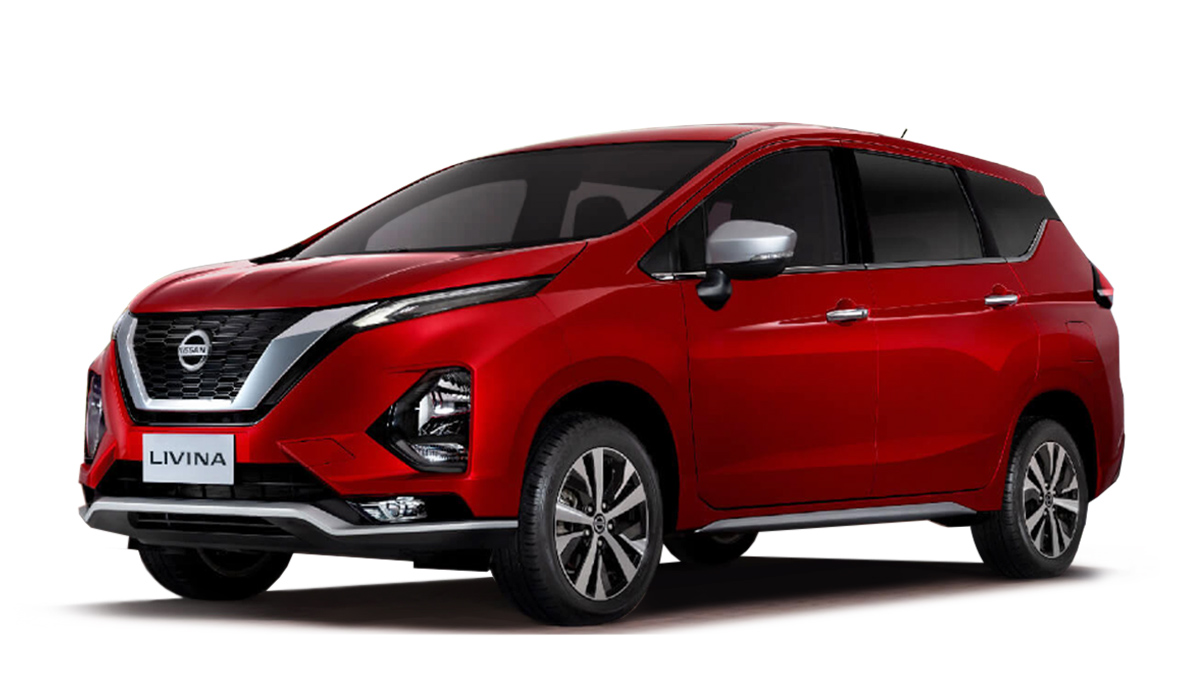
You also have the Mitsubishi Xpander and Nissan Livina as part of the Renault Nissan Mitsubishi Alliance’s bid to jack up sales figures in Southeast Asia. Then there's the Isuzu D-Max and Mazda BT-50 as another example for the Asian market, as well as the Toyota Hiace and Mazda Bongo.
Those are just a couple of well-known examples of rebadging. But what about those that flew under the radar for most people? Here are some badge swaps we found that genuinely surprised us.
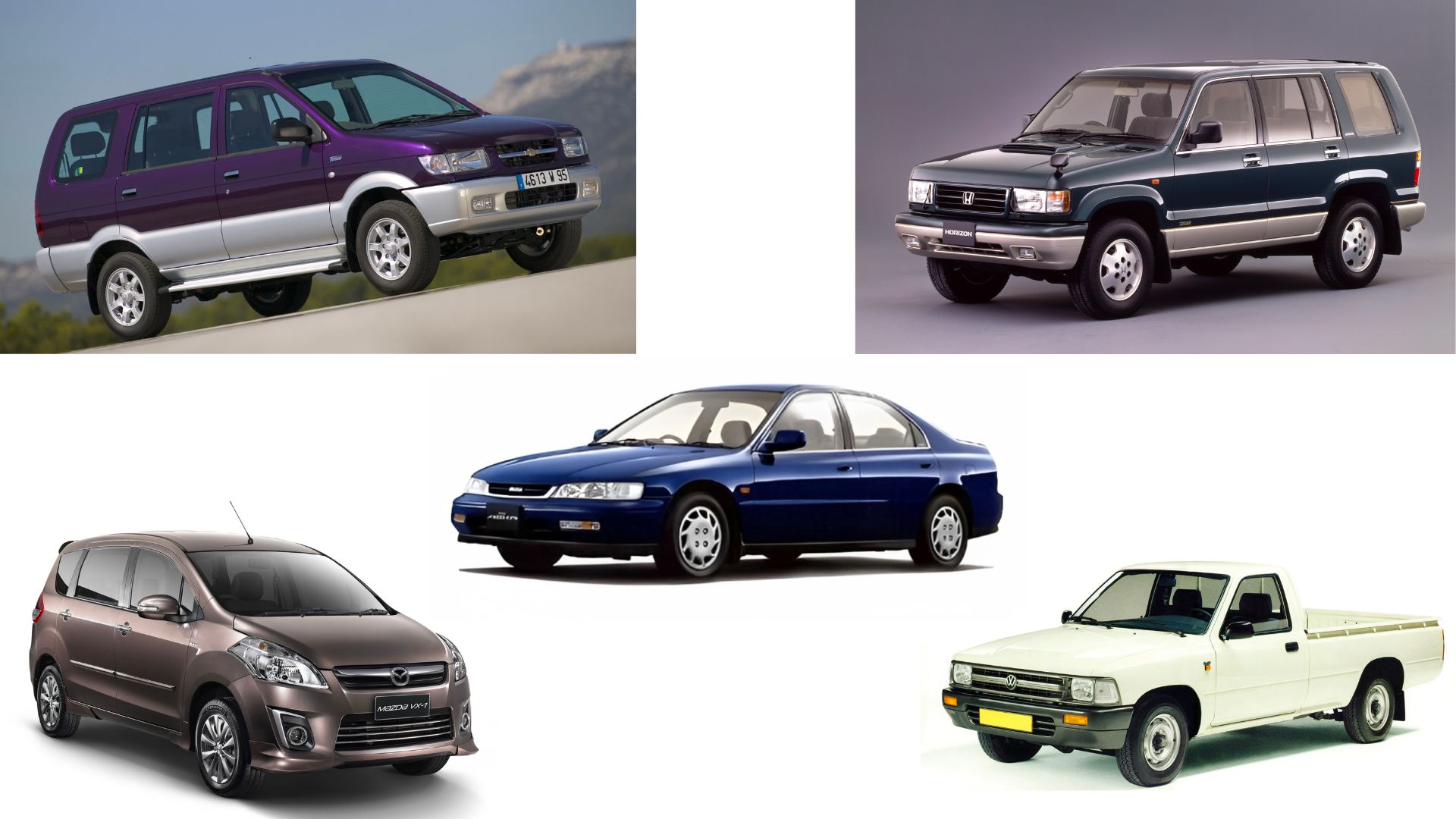
Chevrolet Tavera – Isuzu Crosswind (2001-2017)
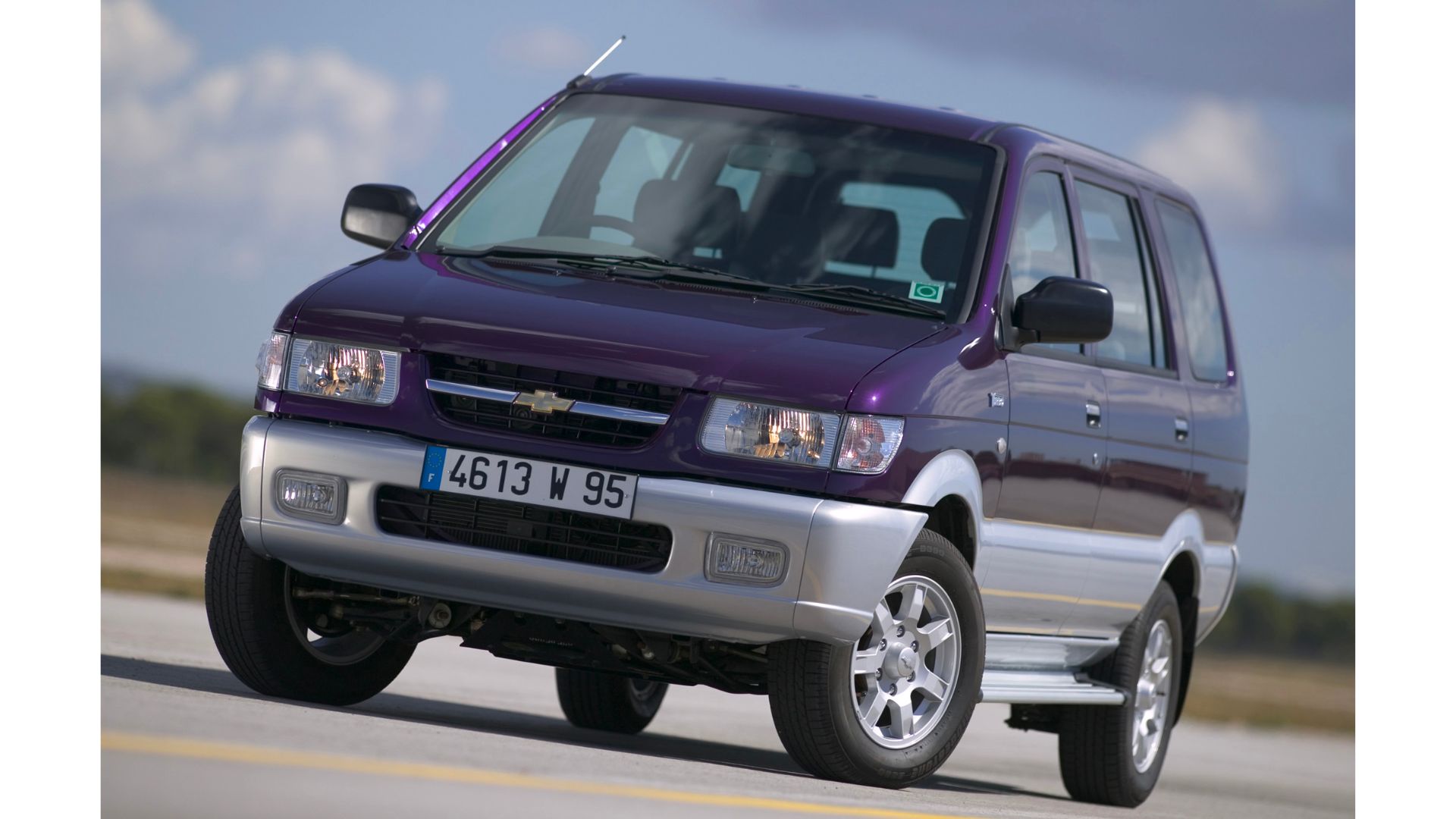
Believe it or not, the Isuzu Crosswind had Chevrolet badges at some point. That’s because General Motors has a stake in the Japanese brand, and it needed some representation in India. The result is the Tavera, and its transition from Isuzu to Chevrolet was interesting. For starters, it had a more powerful turbodiesel engine. Whereas the Crosswind’s 2.5-liter lump made 85hp, the Tavera’s had 105hp, 20 more than ours. Even more amusing is the fact that it was offered with a gas engine. Shocker.
Honda Horizon – Isuzu Trooper (1994-1999)
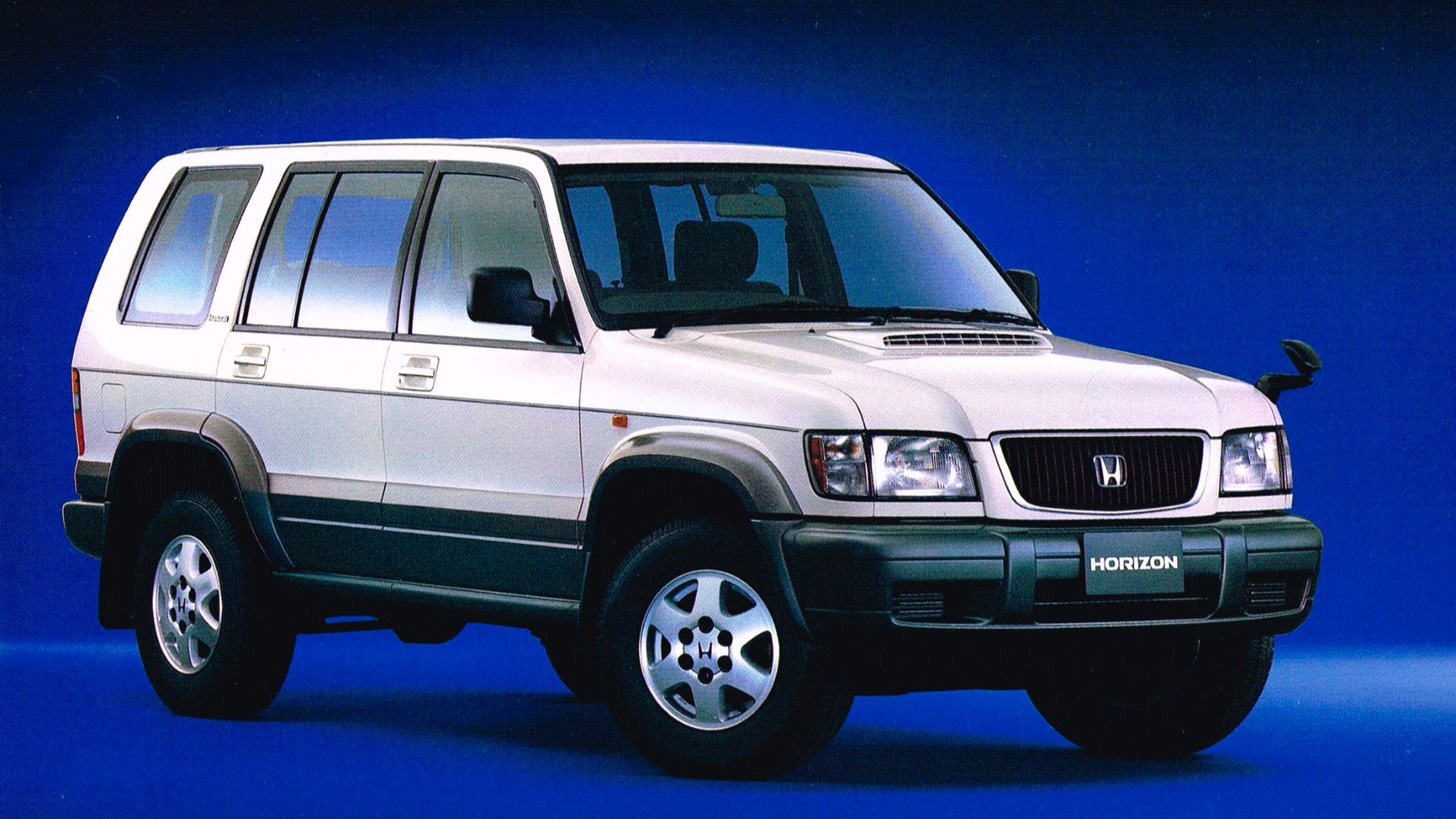
Even before the CR-V, Honda has in the business of selling SUVs...with a little help from Isuzu. There was the Honda Passport (Isuzu Rodeo) and Honda Jazz (Isuzu MU, and unrelated to the much loved hatchback). Honda even sold the Land Rover Discovery as the Crossroad in the early ‘90s. But there’s another forgotten model from the Honda-Isuzu partnership.
From 1994 to 1999, the Isuzu Trooper was also sold as the Honda Horizon in Japan and the Acura SLX (1996 to 1999) in the US. You might be surprised to know that Honda even had a hand in the development of the Trooper. Of course, the partnership also meant that Isuzu could borrow a few cars from Honda and slap their badges on it, which brings us neatly to our next car.
Isuzu Aska – Honda Accord
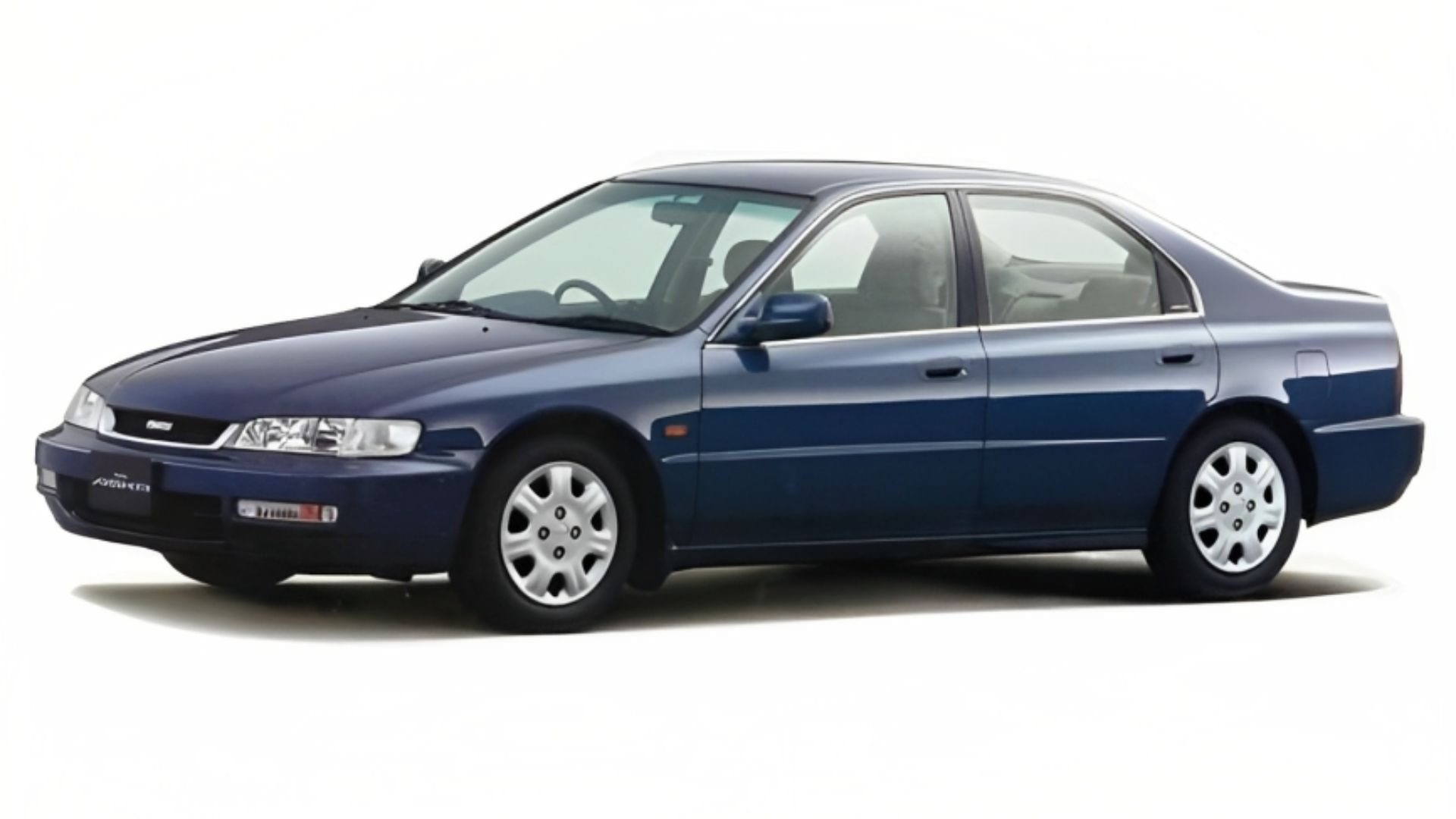
Honda needed an SUV in the early ‘90s, while Isuzu needed to sell sedans too. Honda fans know that the Domani and the Gemini are closely related, but few know that the Accord was also sold through Isuzu dealers as the Aska. That said, the history of the Aska is colorful to say the least.
The first generation was a rebadged Opel Ascona, while the second generation was a Subaru Forester. The third and fourth gen Askas were based on the fifth and sixth generation Accords. The Isuzu versions of the Accords were pitched as entry level versions of the Honda, and no, there was no diesel option available. Still, it makes for an amusing story.
Mazda VX-1 – Suzuki Ertiga (2013-2017)
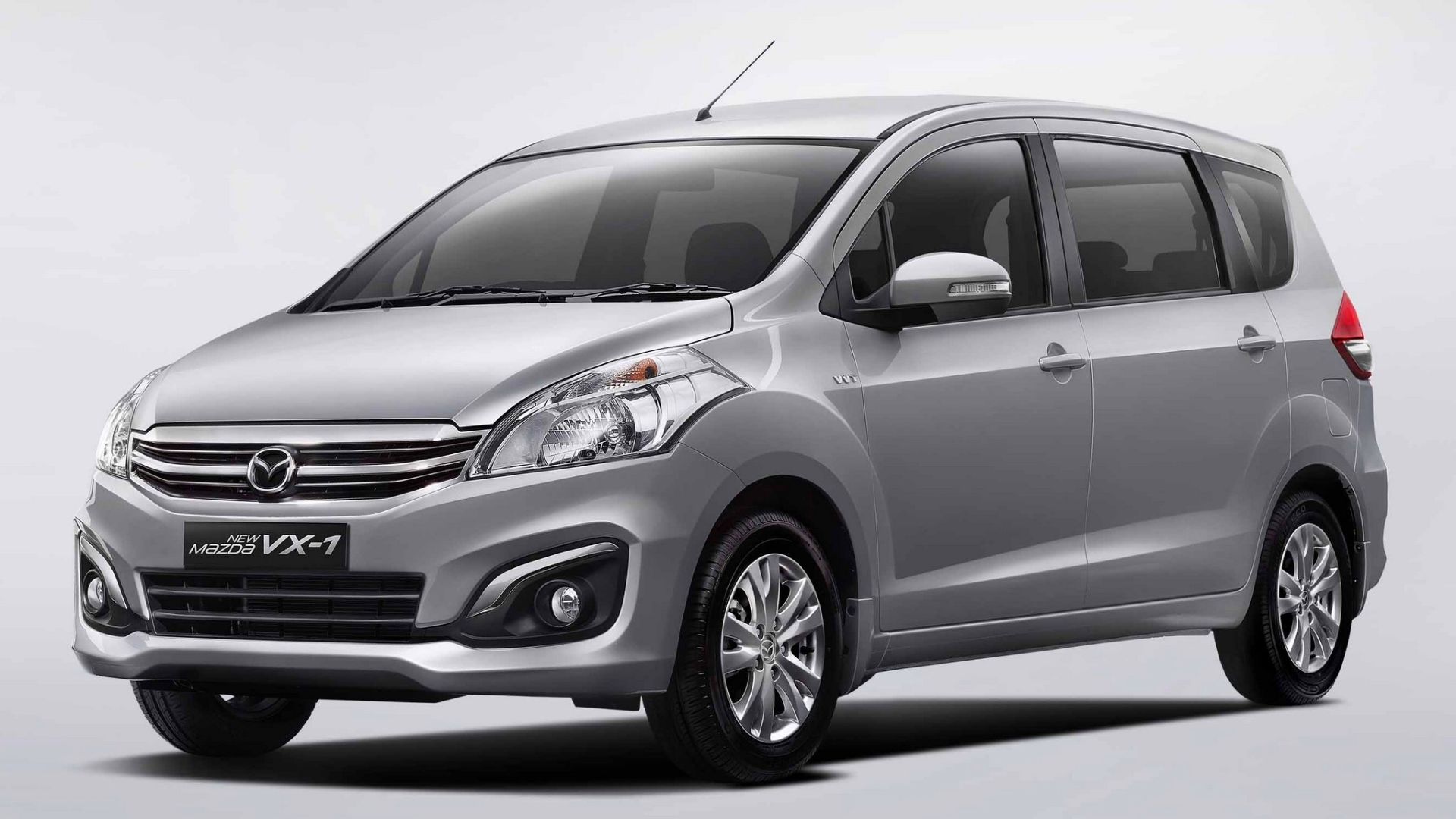
Okay, enough of the Honda and Isuzu rebadges now. This time around, we turn our attention to Mazda and Suzuki. In a bid to boost sales, Mazda reckoned it could partner up with Suzuki to sell the Ertiga as the VX-1. After all, MPVs are all the rage in Indonesia, so it was a sensible business move.
Well, it wasn’t exactly a huge seller, and Mazda’s upmarket ambitions killed off the VX-1 after just four years. With the discontinuation of that model, it marked the end of Mazda’s brief stint in the subcompact MPV market. Mind you, Mazda and Suzuki still swap badges from time to time over in Japan with their respective kei cars.
Volkswagen Taro – Toyota Hilux (1989-1997)
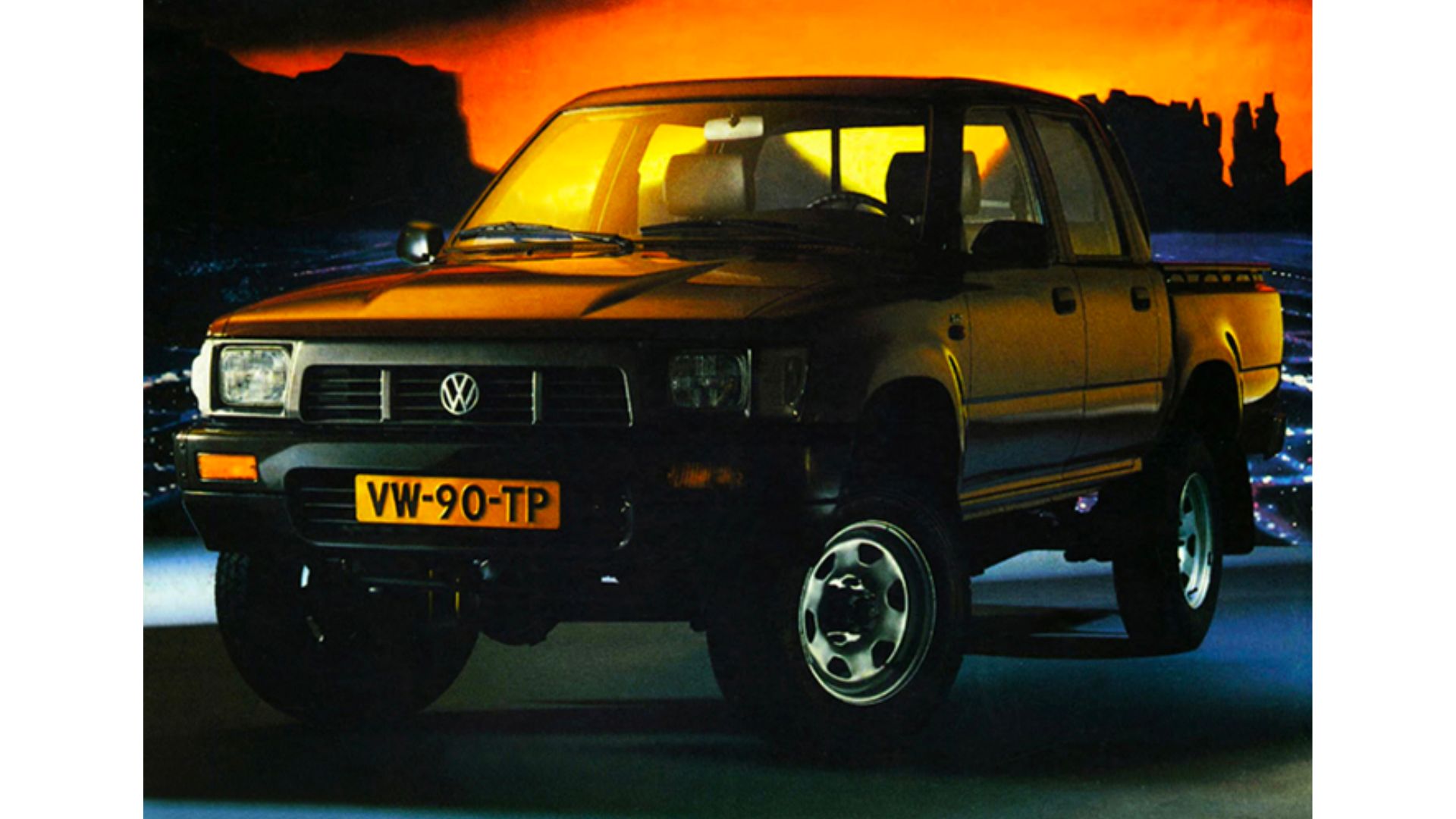
You might be surprised to know that BMW isn’t the first German marque Toyota has worked with. If you wind back the clock to the ‘80s, you’ll see that Toyota and Volkswagen once had a deal for pickup trucks. Volkswagen asked permission from Toyota to build Hiluxes since it didn’t have a pickup at the time.
Toyota agreed to the deal since the brand wanted a greater market share of the pickup market in Europe. The result of the deal was the Volkswagen Taro, and it was made in both Germany and Japan. The Germanized Hilux used the same engines as the Toyota, along with other parts and components. The joint venture ended in 1997 and the two brands compete against each other with the Hilux and the Amarok.