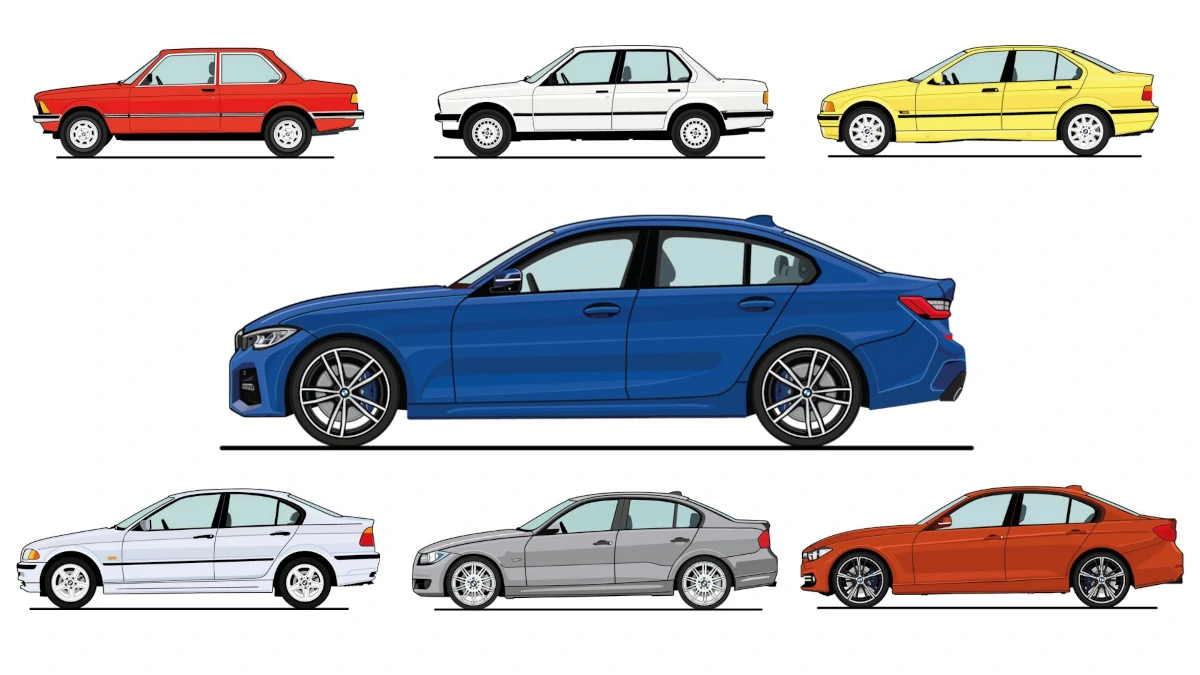

Sometimes, it only takes a single car to define a brand. For BMW, it’s safe to say that it’s the 3-Series. While it isn’t the first sport sedan even within the brand’s ranks, it remains the benchmark in which all other cars in its class are measured against.
Launched in 1975, the car that made BMW what it is today celebrates its 50th anniversary in 2025. What started out as a rather simple economy model has become one of the world’s most-loved cars and remains one of the brand’s top-selling models.
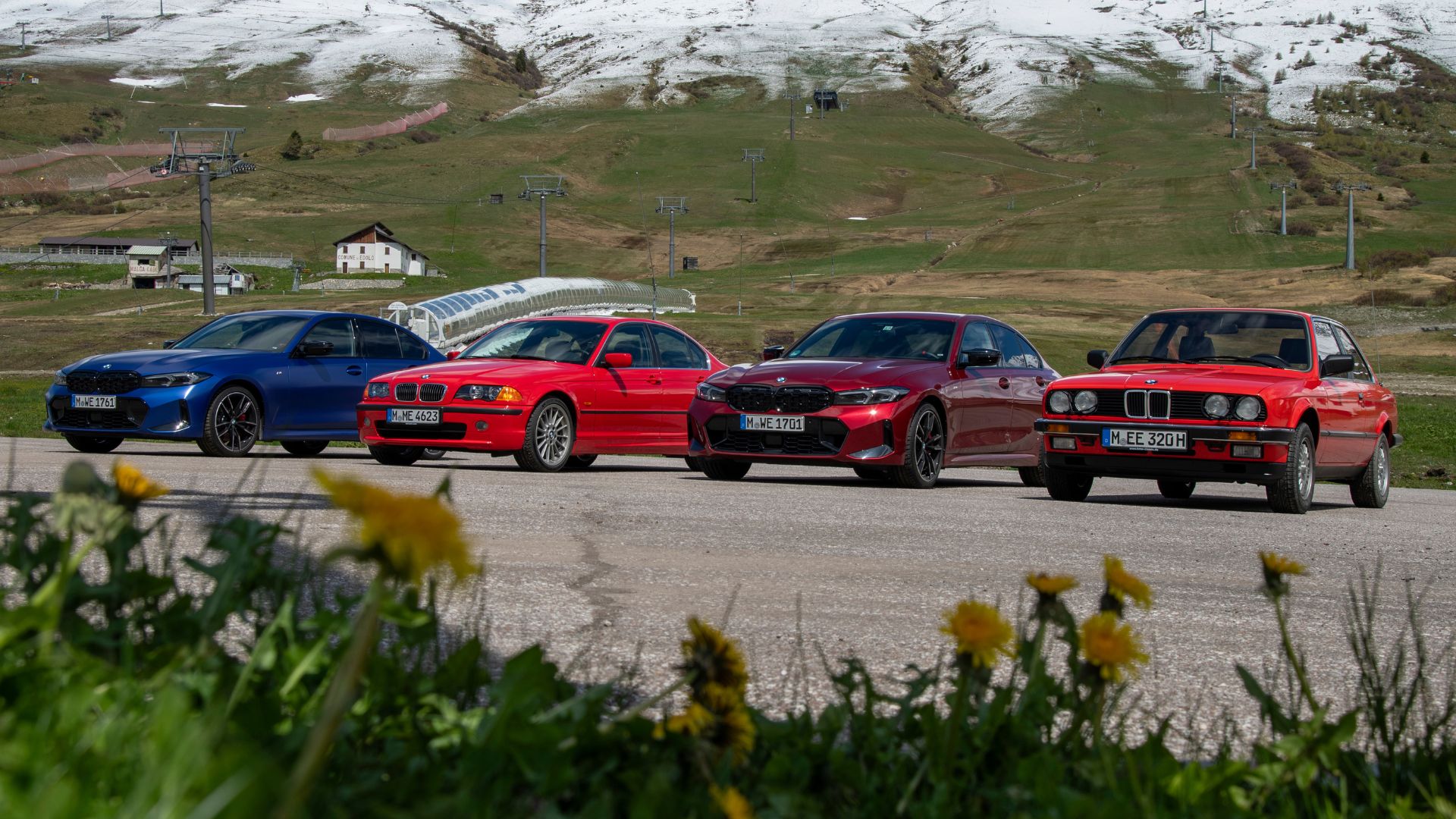
We at Top Gear Philippines have grown rather fond of the BMW 3-Series. So, for its birthday, we reckon it’s a good time to take a look at the car’s colorful history. Let’s get cracking.
OTHER STORIES YOU MIGHT HAVE MISSED:
Drivers caught racing in Tagaytay have been summoned by the LTO
All dual-cab models of the Toyota Hilux get hefty price increases from P103k to P308k
Before the 3er: The E10 02-Series (1966-1977)
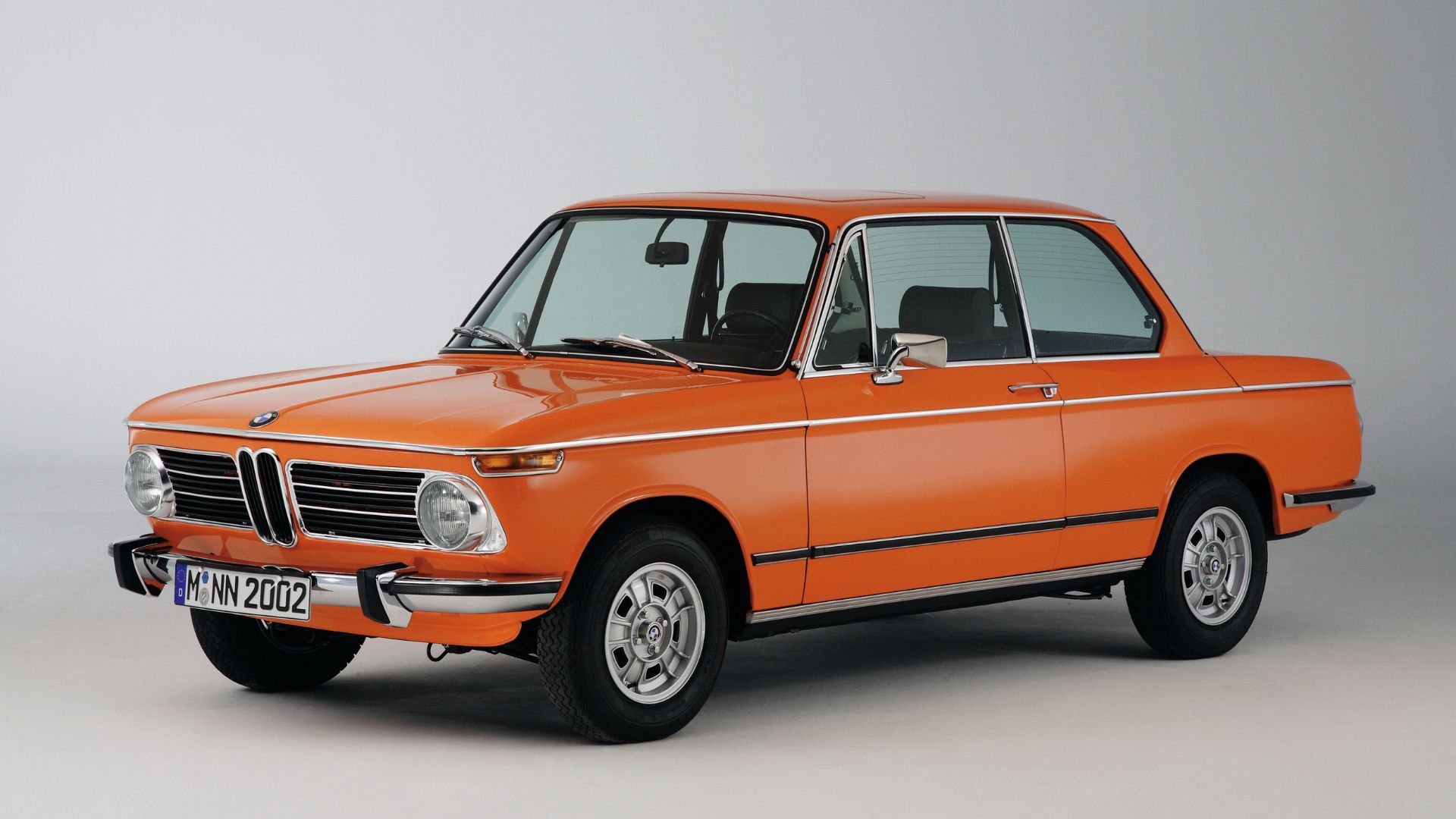
We mentioned that the 3-Series wasn’t BMW’s first compact executive sport sedan. If we were to trace the roots of the car, we begin our story with what’s now collectively known as the 02-Series. Introduced in 1966, it was penned by Italian designer Giovanni Michelotti along with Georg Bertram and Manfred Rennes. At the time, it was simply known as the 1600 and 1600-2, with the name evolving to 1602 in 1971. The designation represented its engine size, hence models such as the 1502, 1802, and 2002.
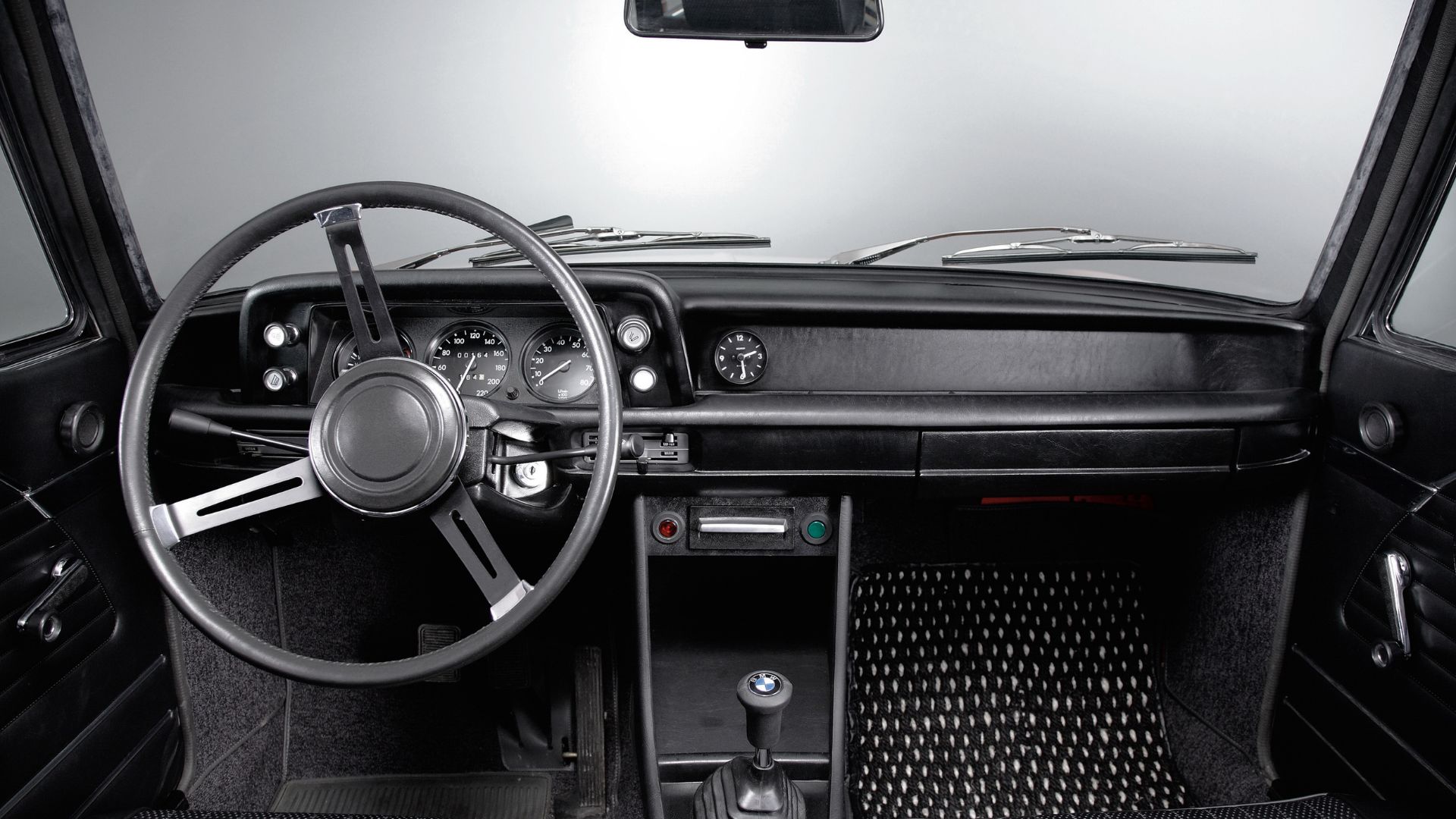
The 02-Series was part of BMW’s Neue Klasse line that was meant to save BMW from financial ruin at the time. At launch, it was only offered as a two-door sedan with a convertible and two-door wagon added later on. The 02-Series was also a staple in motorsports with the 2002 Ti and Tii models, and was topped off by the 2002 Turbo.
Laying the framework: E21 (1975-1982)
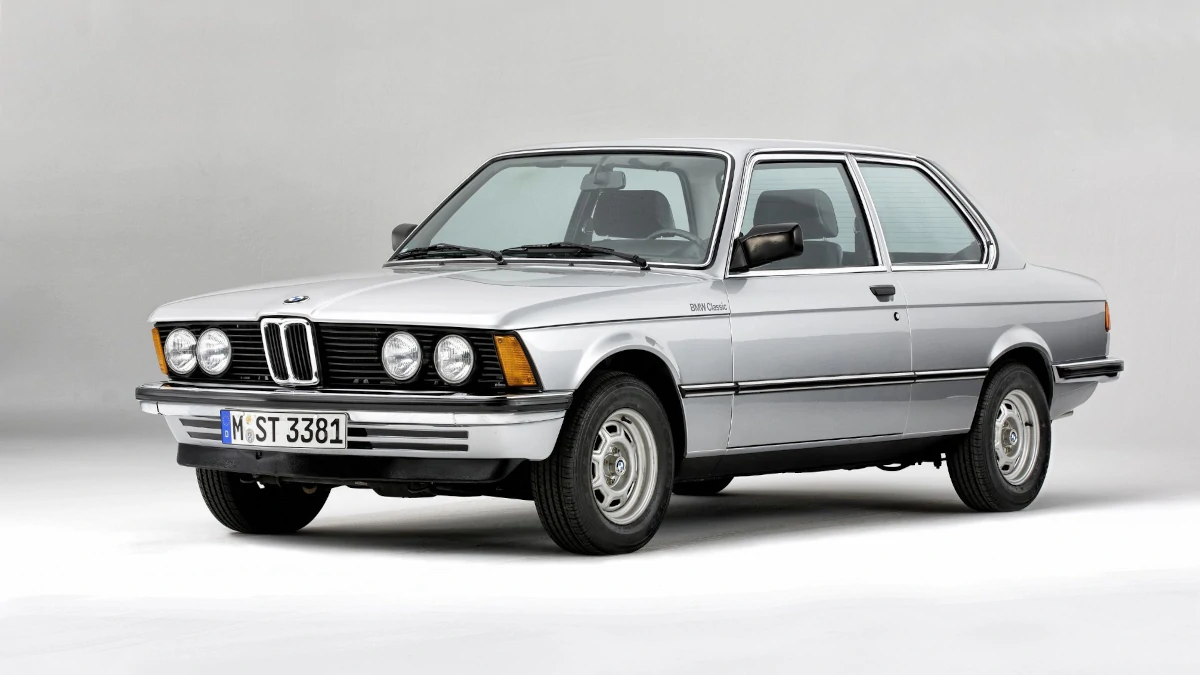
Buoyed by the success of the Neue Klasse line, BMW soon started adapting the nomenclature we know today. It started with the 5-Series in 1972, followed by 3-Series in 1975, the 6-Series in 1976, and the 7-Series in 1977. The first 3-Series was designed by Paul Bracq who also did the first-generation 5-Series.
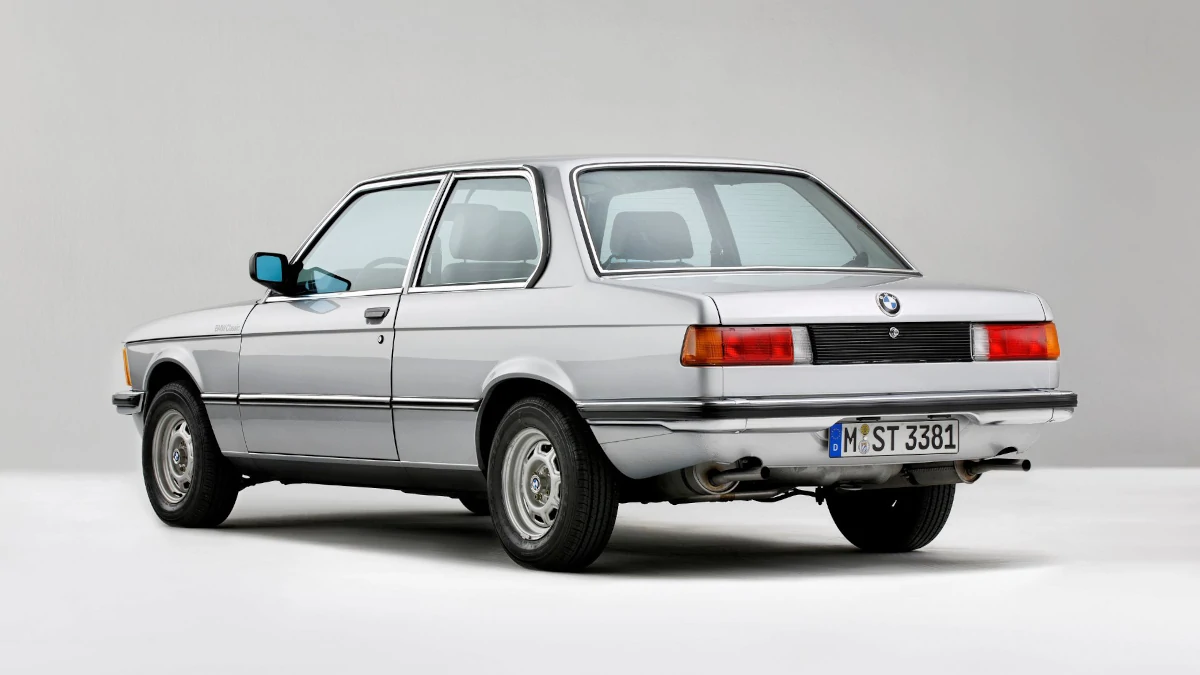
Internally known as the E21, it was almost exclusively offered as a two-door sedan although about 5,000 units of the Baur cabriolet conversions were also built. Longer and wider than the 02-Series, the first 3-Series also brought with it BMW’s driver-oriented cockpit design, a philosophy it still follows to this day. The E21 was also the first compact BMW to be offered with a six-cylinder engine in the form of the 323i.
New heights: E30 (1982-1992)
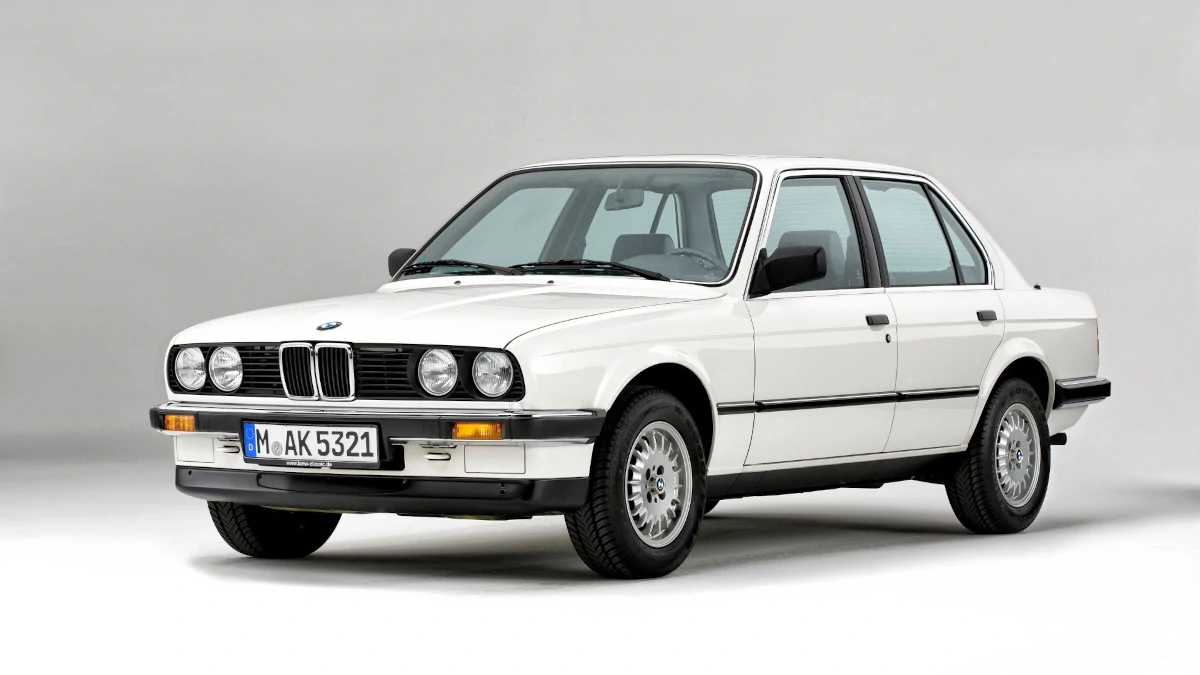
A new decade meant an all-new 3-Series, and the E30 would bring the model to the next level. The E30 further expanded the 3-Series line to what we know today, offering a wide variety of body styles to fit every need. Its design was the brainchild of Claus Luthe, building on Bracq’s E21 and molding it for the ‘80s.
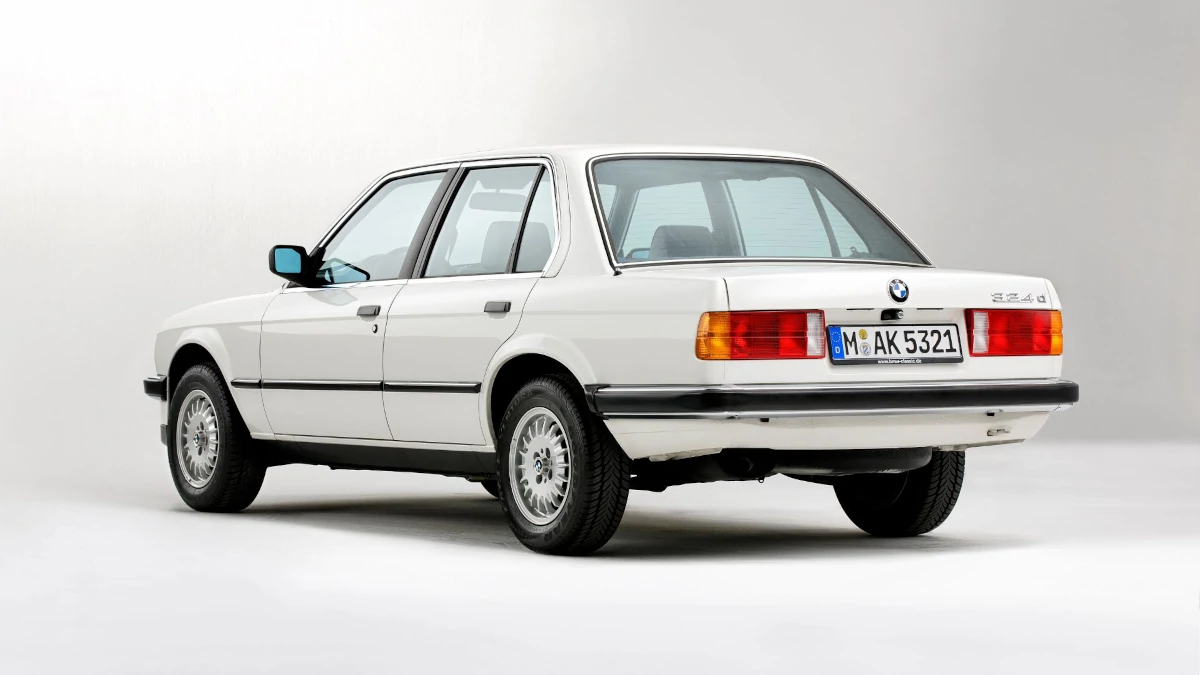
The four-door sedan was much needed addition to the range, boosting its appeal and practicality. It was sold alongside the two-door upon launch with the convertible joining the lineup later on. Then, in 1987, the first 3-Series Touring rolled out after the prototype that BMW engineer Max Reisböck built three years prior was presented to the company’s bosses and greenlit for series production.
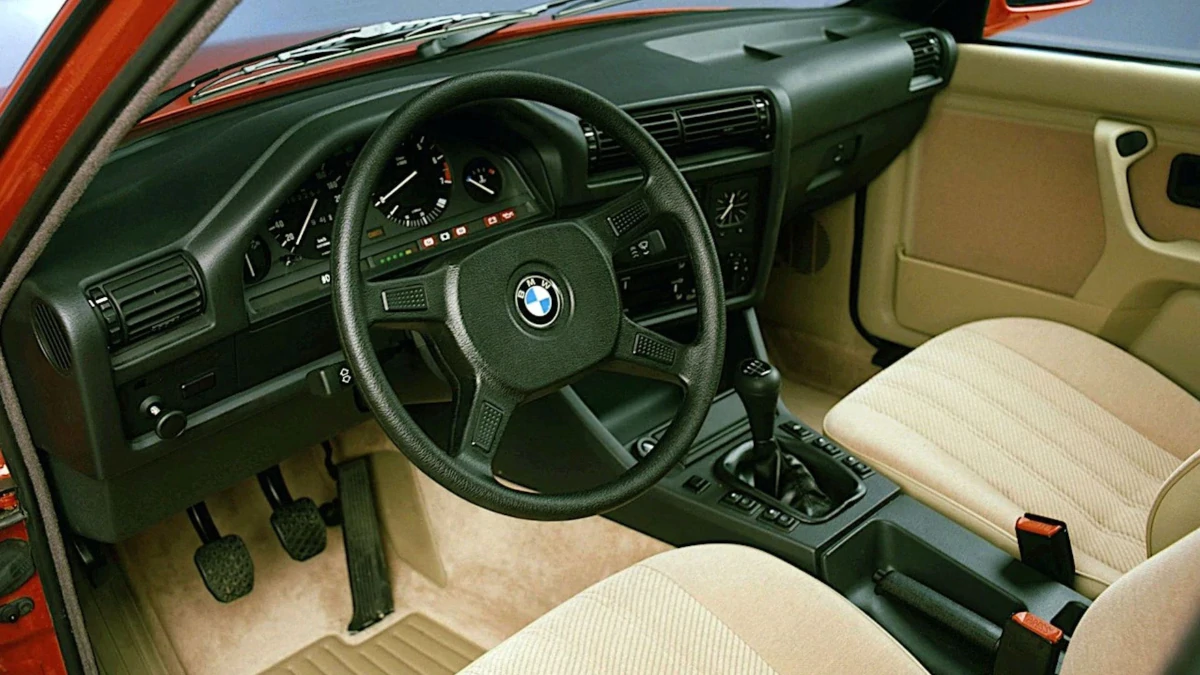
Aside from the Touring wagon, the E30 also had many firsts for the 3-Series. All-wheel drive was available in the form of the 325iX. This generation also ushered in diesel power with the 324d and, later, the turbocharged 324td. And let’s not forget that the E30 gave the world the very first M3, a formidable car on and off the race track.
Greater success: E36 (1990-1999)
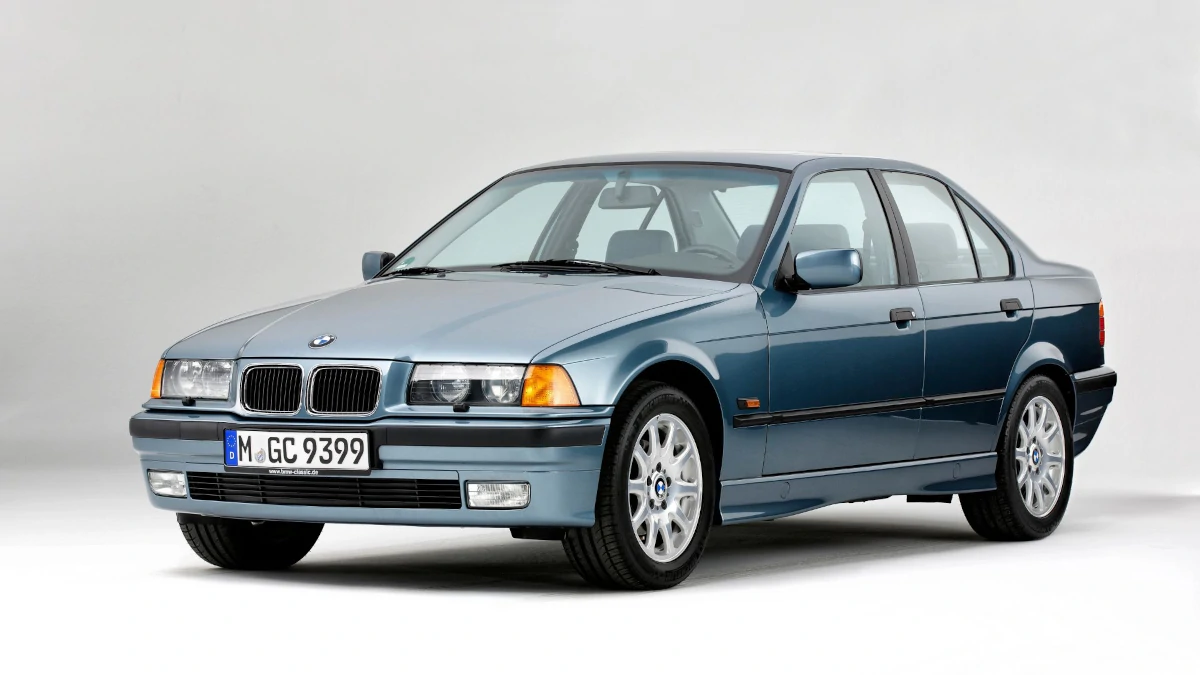
The ‘90s presented a new challenge for the 3-Series. The critical acclaim of its predecessor meant the new generation had a lot resting on its fenders. It’s why, for its third generation, the car underwent a seismic shift in terms of design, engineering, technology, and even its environmental aspect.
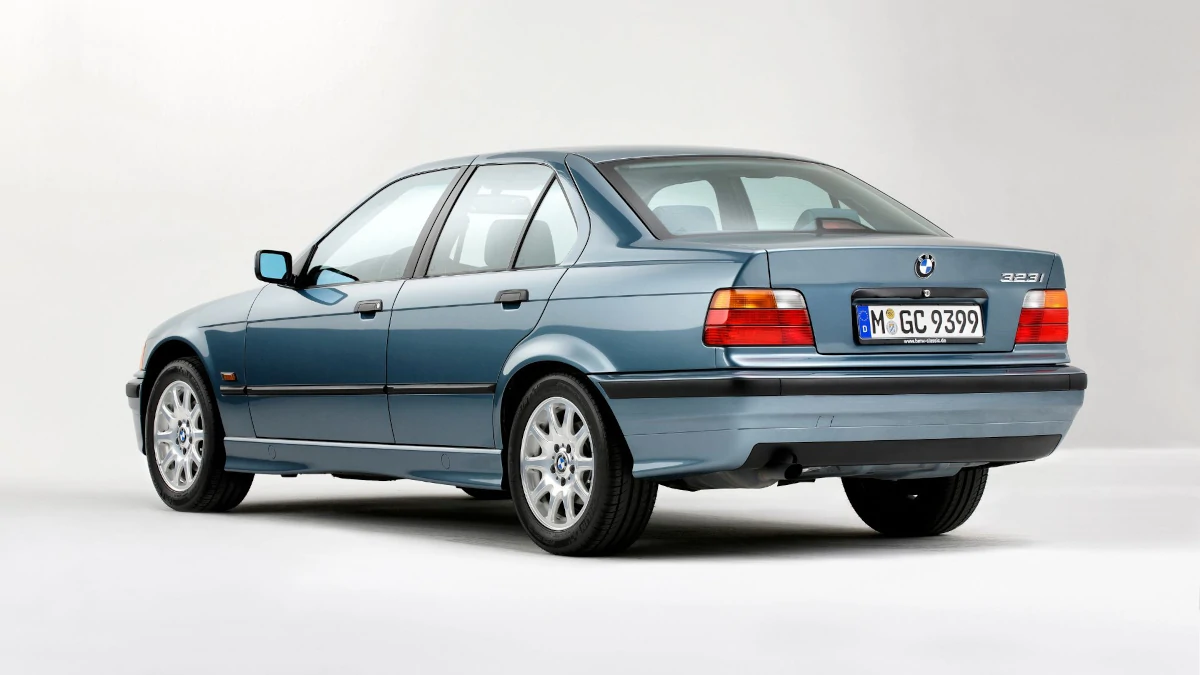
The result was a sleek, forward-facing and aerodynamic design by Pinky Lai (under the lead of Claus Luthe) that featured a host of innovations under the skin. It was the first 3-Series to be available with a five-speed automatic (for six-cylinder models), and the clever Z-Axle rear suspension made it the dynamic leader in its class. 24-valve six-cylinder engines joined the mix, driver assists such as stability control became available.
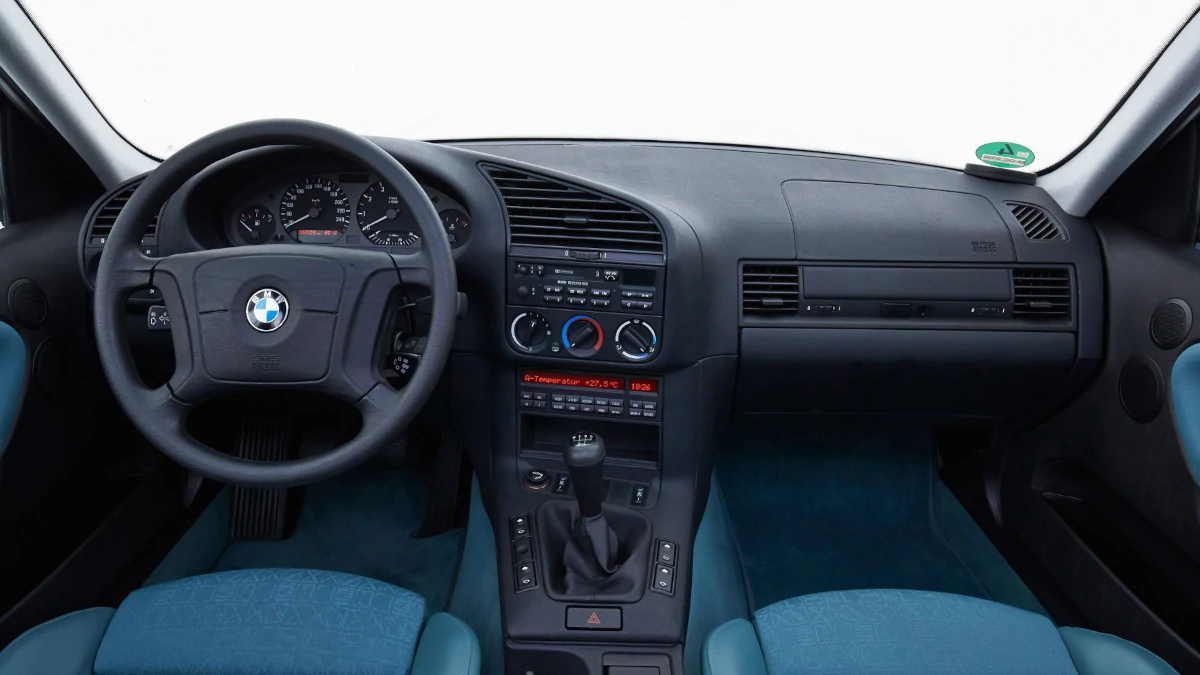
The E36 also has a significant part in Philippine automotive industry. The 316i and 320i models sold here were locally assembled from complete knock-down kits, and a good chunk of its components were made in the country. So yes, buying a 3-Series at the time was actually a bit of a patriotic purchase.
Cementing the legacy: E46 (1998-2005)
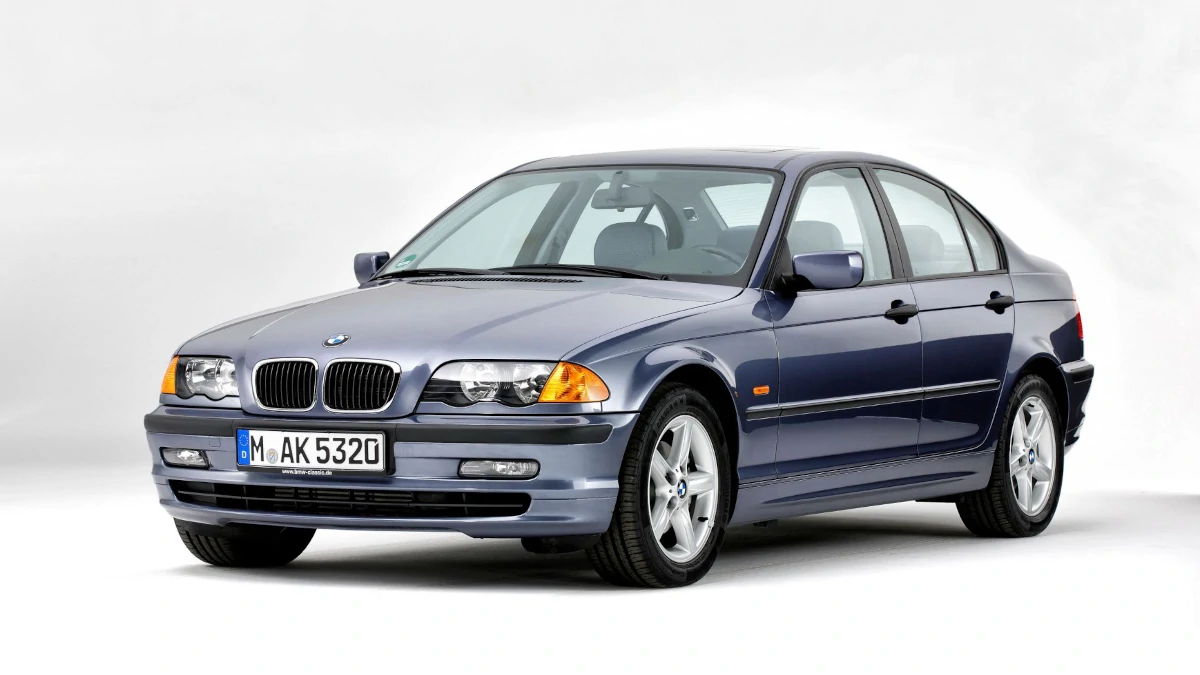
Ask any 3-Series enthusiast what their favorite generation is, and you’re likely to hear the E46 as the common answer. We can’t blame them, though, as this model was, perhaps, the peak of BMW’s chassis knowhow. On the outside, it looked more like an evolution of the E36, but on the inside and from behind the wheel, it was a different story.
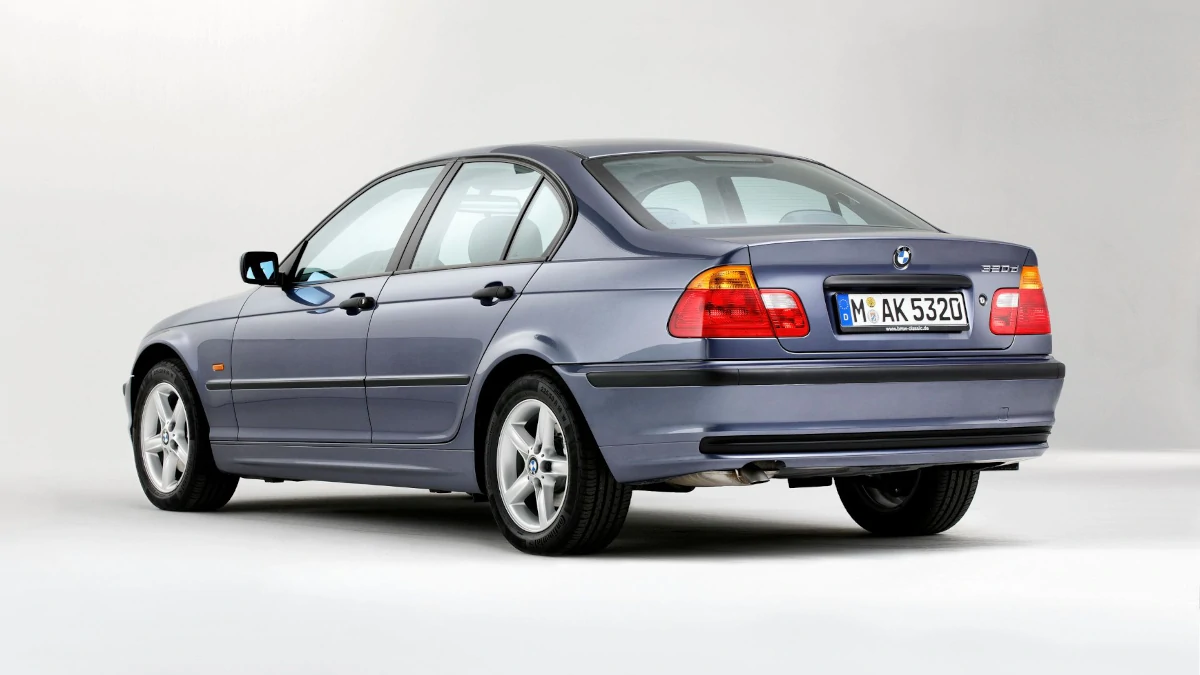
It was a car designed by engineers, literally and figuratively. The styling was a joint effort between Wolfgang Reitzle and Chris Bangle, with Reitzle being the chief of product development at BMW at the time. The result was a car that drove as well as it looked, striking a brilliant balance between comfort and dynamics. The E46 was a subtle evolution on paper, but a revelation for those who drove it.
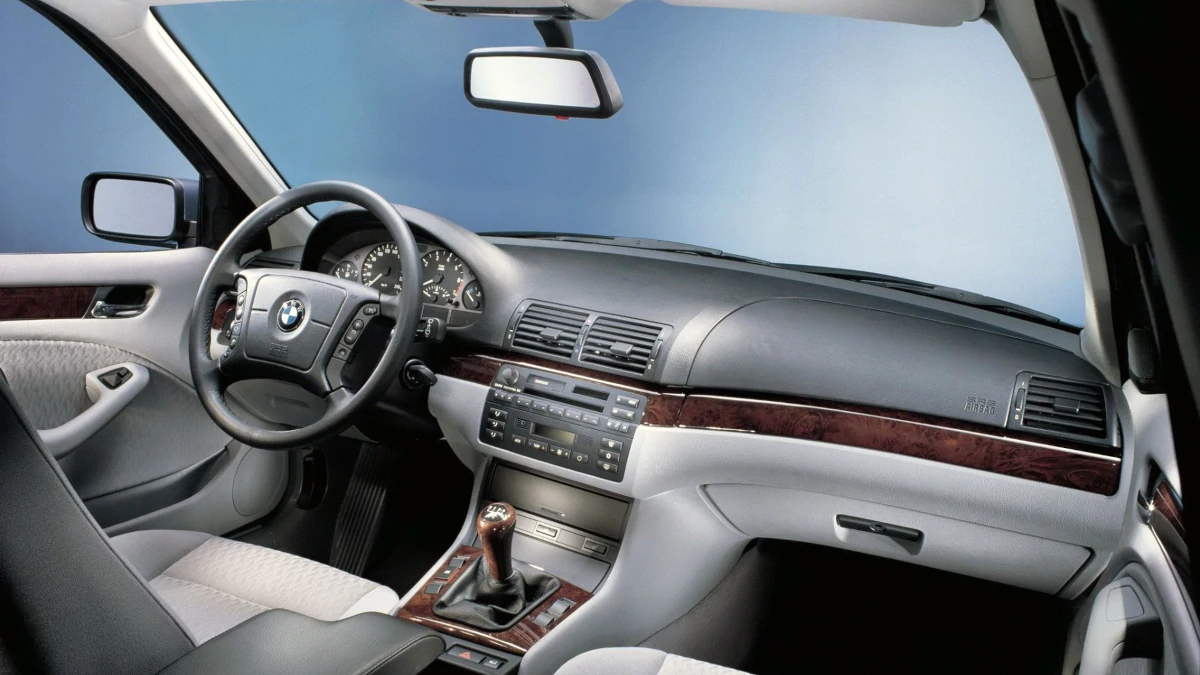
And let’s not forget that, like the E36, this generation was also assembled in the Philippines. This time around, it would only be the four-cylinder models that would be made here, namely the 316i and 318i, although the six-cylinder 325i was still available but as an imported model. It would also be the first time the wagon would be offered in the Philippines with the 325i Touring – a must-have for BMW fans here.
A new dawn: E90/91/92/93 (2005-2012)
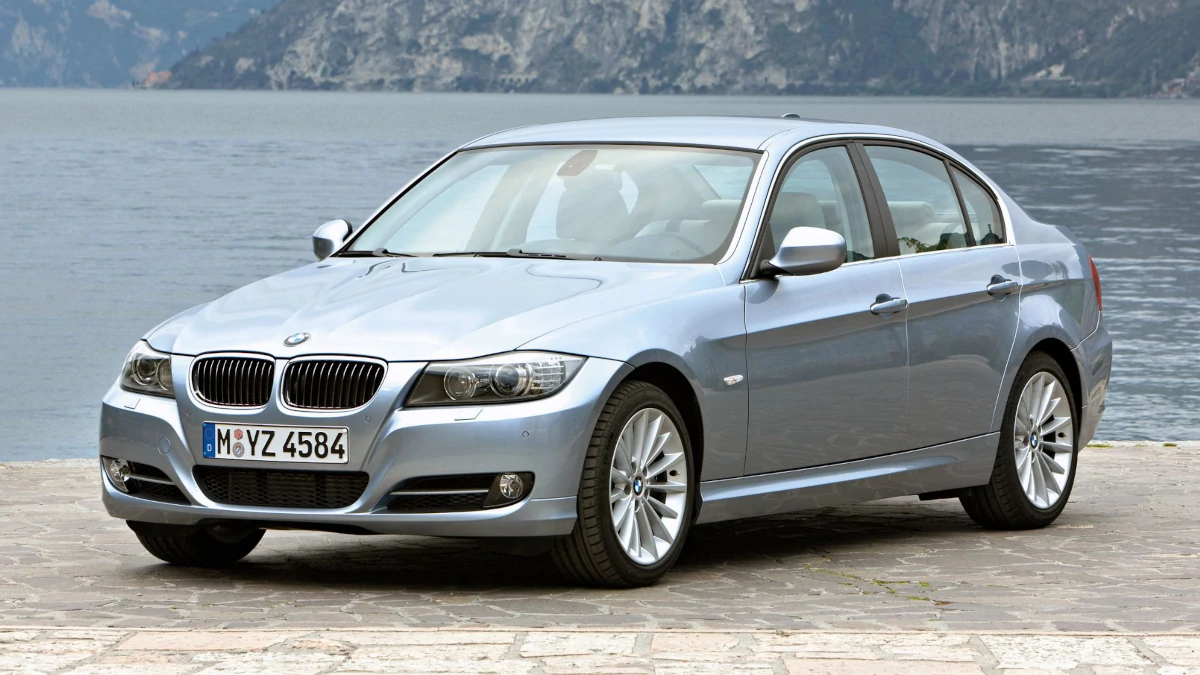
The hits just kept coming for BMW, but it was time for a seismic shift. BMW needed to bring the 3-Series to the new millennium, and it was Joji Nagashima who was responsible for styling the future of the popular model. The car was in good hands, though, as Nagashima is no stranger to making timeless and elegant designs. After all, he was also the stylist behind the E39 5-Series.
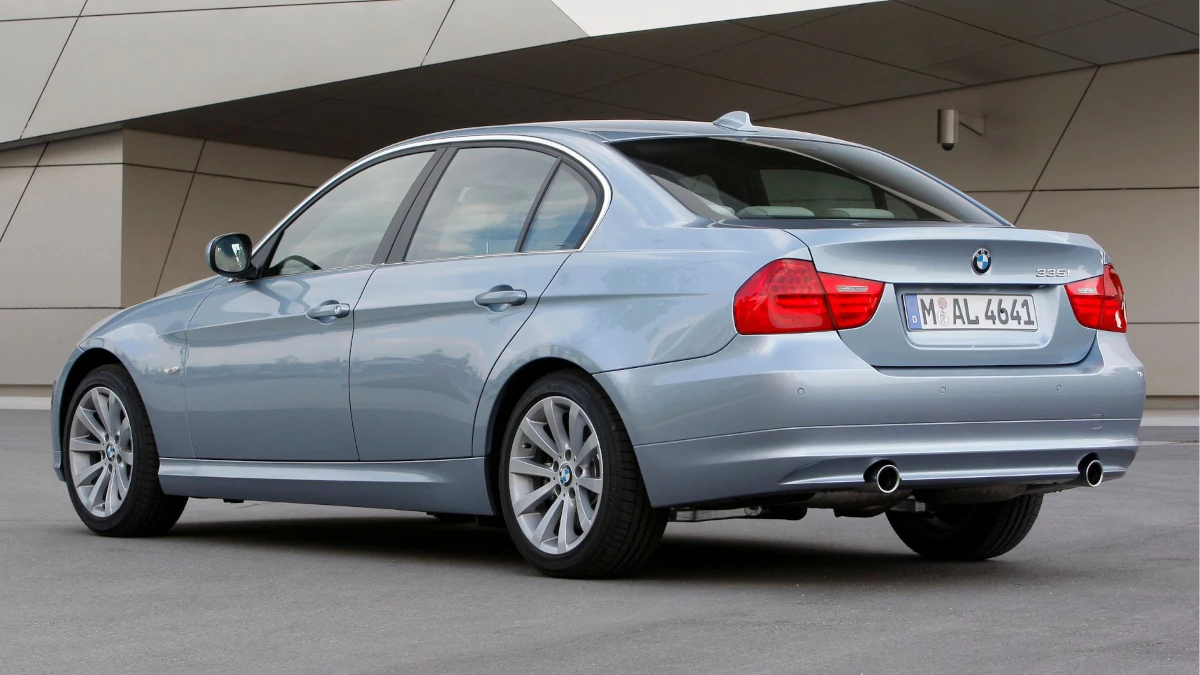
The E90 3-Series, along with the new 5-Series and 7-Series at the time, would revolutionize what we know today as the infotainment system. This was the first of its kind to come with iDrive, allowing an even greater range of personalization for both vehicle settings and entertainment options.
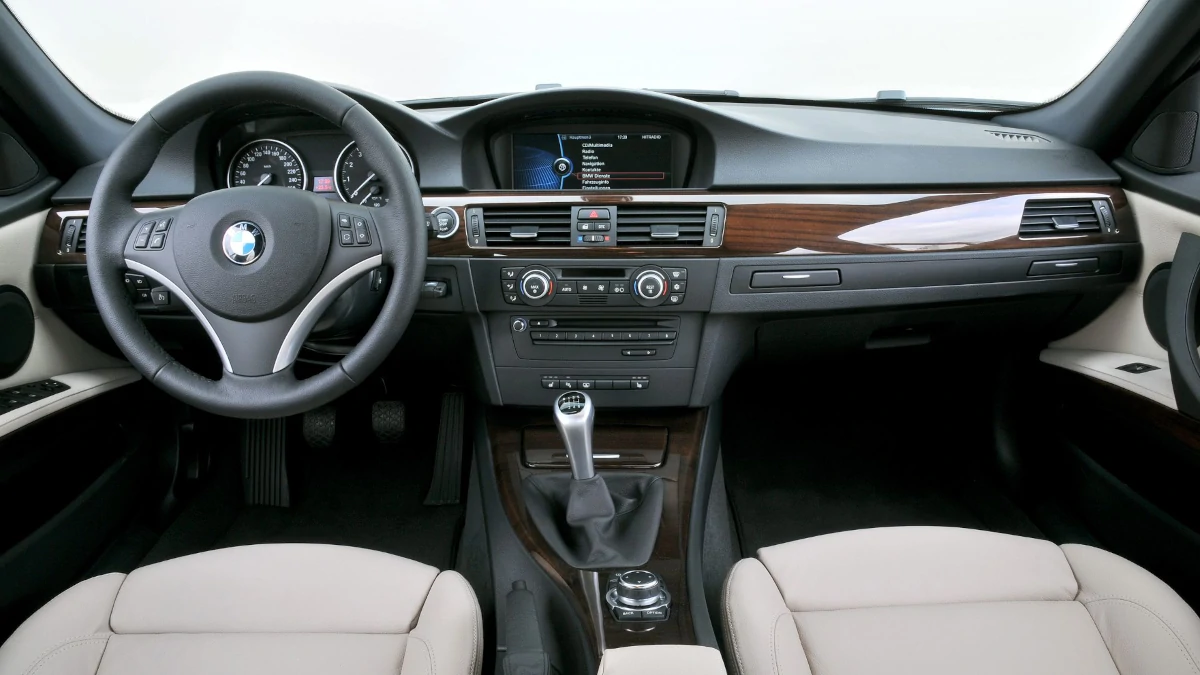
While it was festooned with technology, the E90 remained faithful to its ethos of delivering an engaging driving experience. By this time, BMW had also nailed diesel power, and this generation would also introduce turbo petrol power in the form of the 335i later in its life. Locally, it was initially offered as the 316i, 318i, 320i, 320d, and 325i, but later on, it was simplified to the just the 318i and 320d when it was facelifted.
Sustaining momentum: F30/F31/F34 (2012-2019)
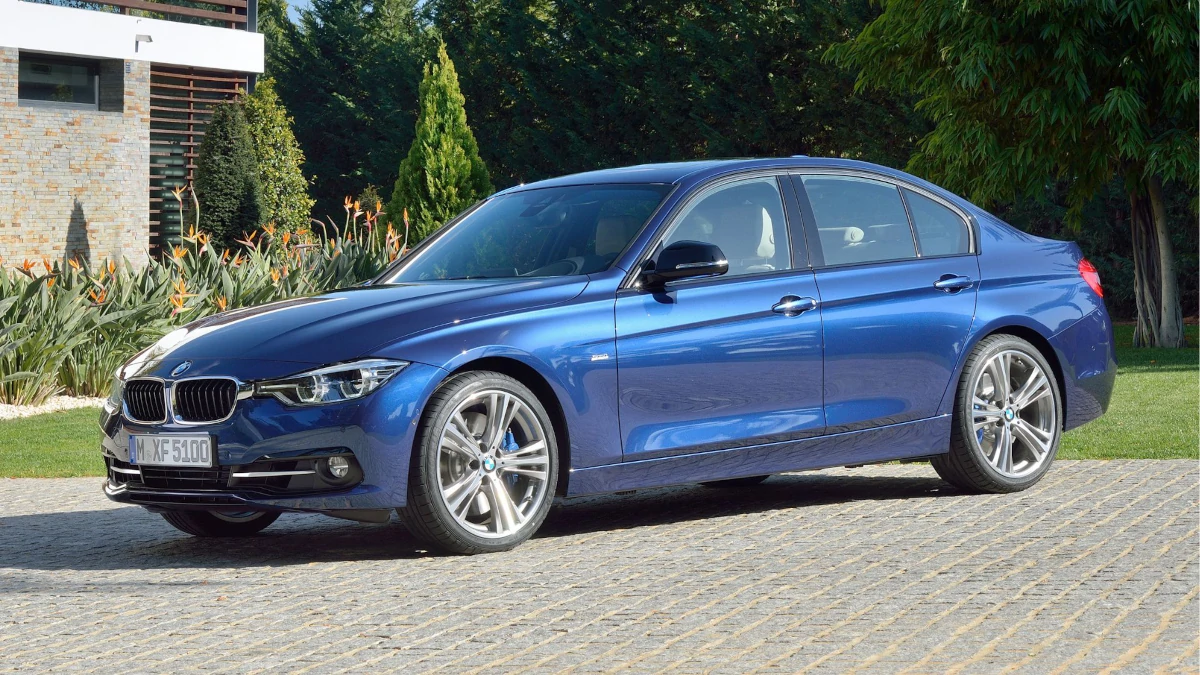
Perhaps a nod to the E30, the F30 3-Series was a model of many firsts. For starters, the sedan and wagon lines were split from the coupes and convertibles, the latter now being called 4-Series. There was also the quirky but practical 3-Series Gran Turismo, combining the elements of a wagon and a sedan.
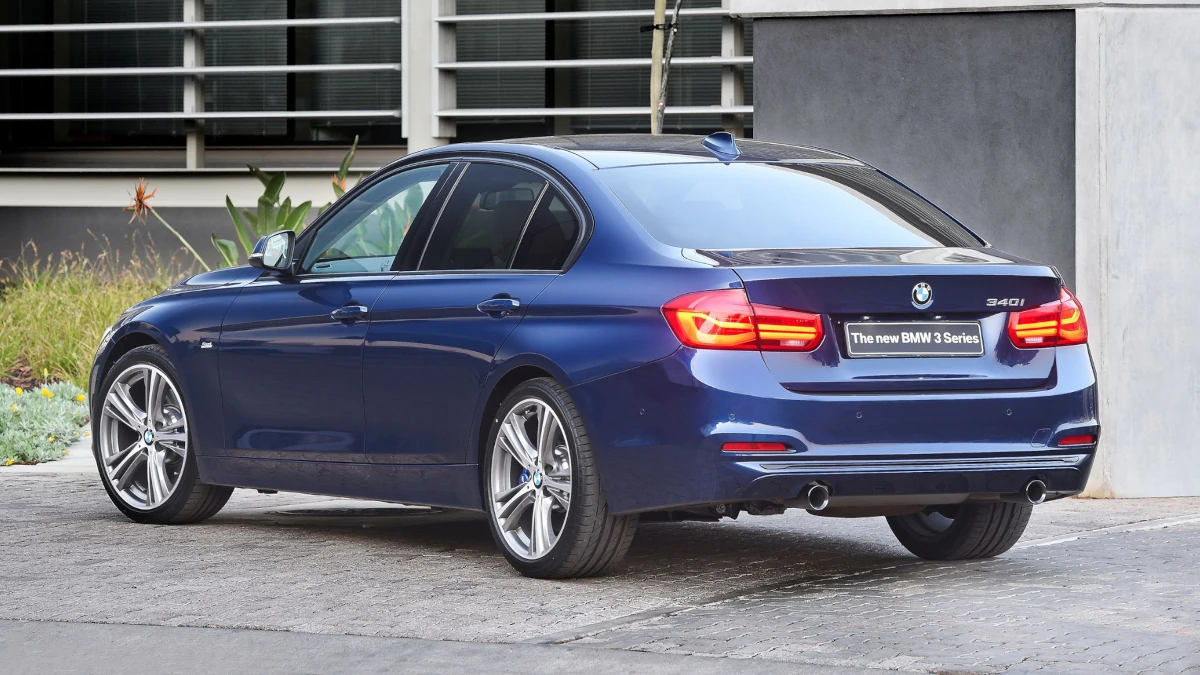
Because of the many body styles, there were many designers involved in its design process. Christopher Weil penned the sedan, while Michael de Bono did the Touring. As for the Gran Turismo, that was designed by Page Beerman.
Other firsts? It used an electric power steering arrangement, along with an eight-speed automatic transmission. It would also be available with hybrid power, first as the ActiveHybrid 3, but was replaced by the plug-in hybrid model when it was facelifted in 2015.
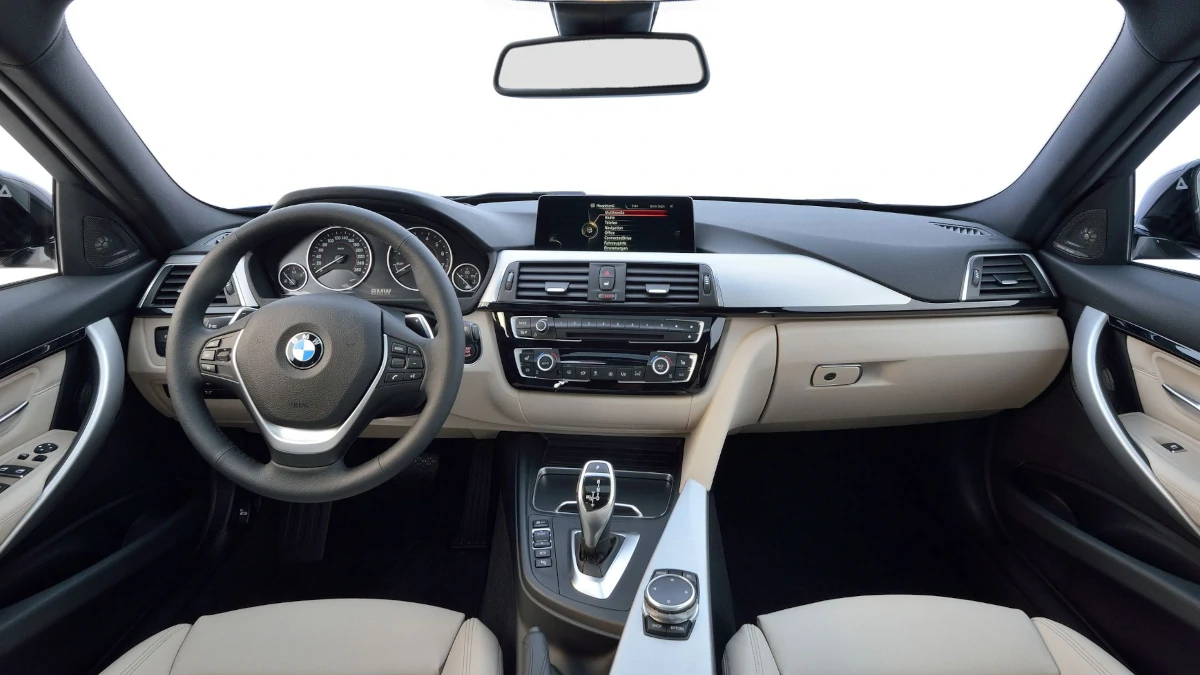
For the Philippine market, the initial range consisted of the 320d and 328i with the 320d offered in three design lines, Luxury, Modern, and Sport. The 328i was offered only as a Sport model. The 318d was added later on and, when it was given a facelift, it gained the Luxury line package. The 320d carried on with a Sport and M Sport line, and the punchy 335i M Sport was also offered for a limited time.
The BMW 3-Series today: G20/G21 (2019-present)
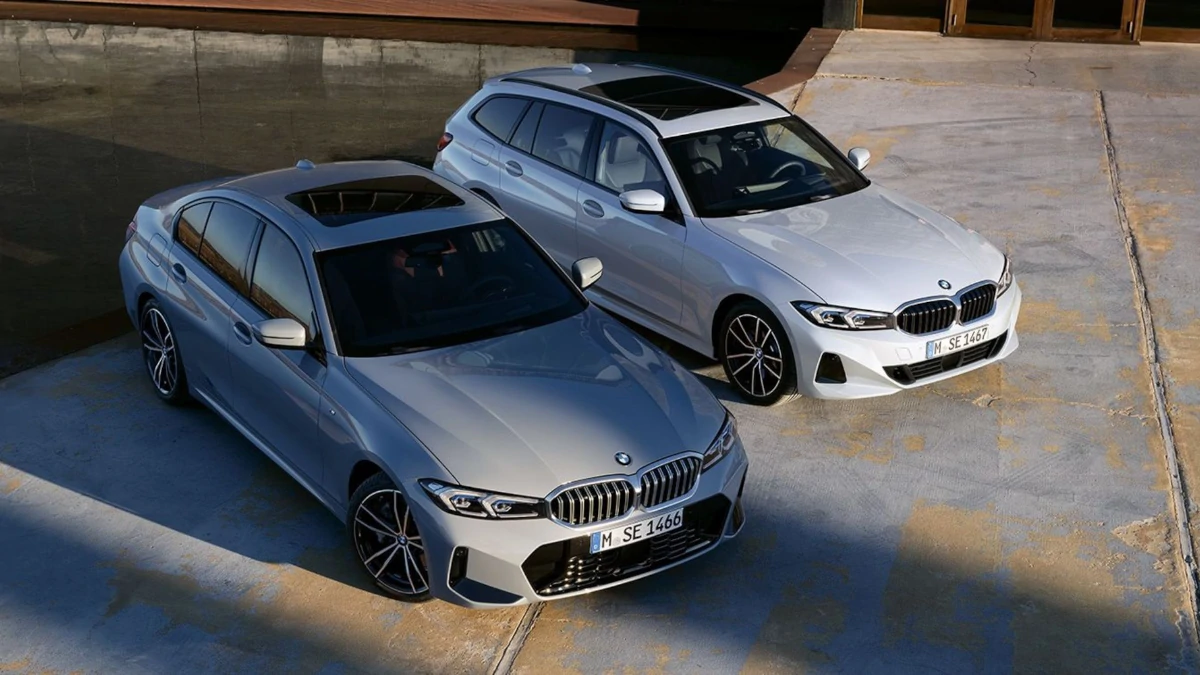
It could be said that the G20 3-Series is an evolution of the popular F30. Designed by Mark Michael Markefka, it looked sharper than the model it replaced, all while retaining the elegant lines of its predecessor. And here’s an interesting factoid about the designed, he was also the person behind the E92 3-Series Coupe and the G30 5-Series.
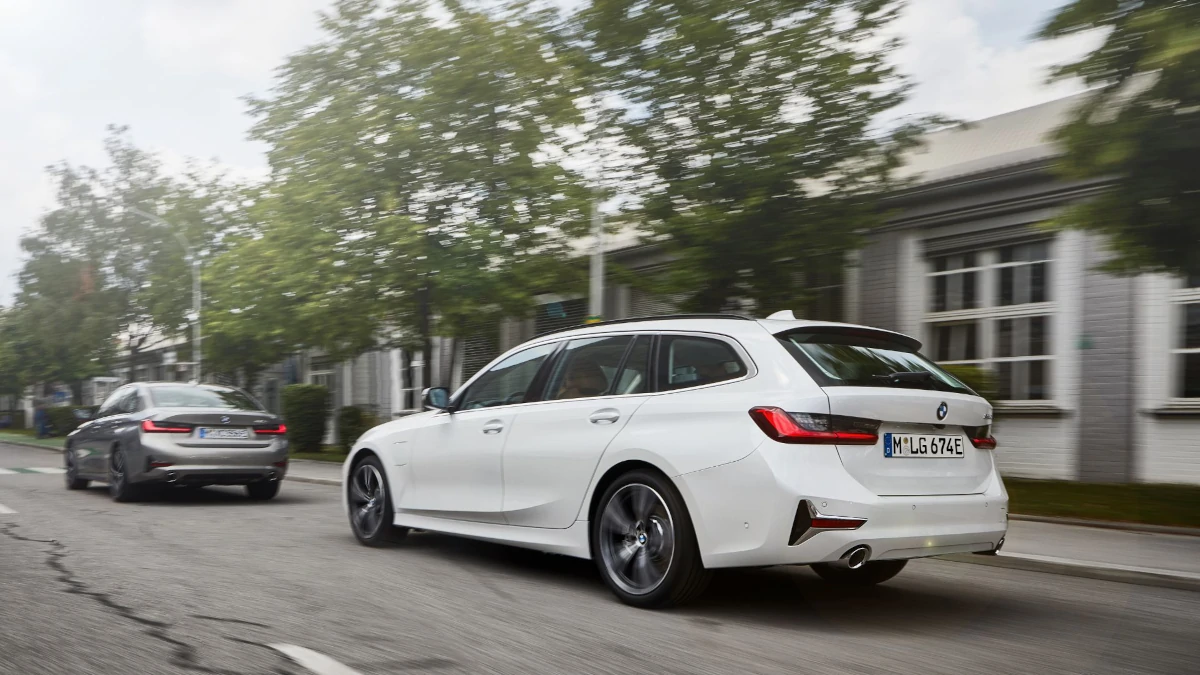
This time around, BMW doubled down on the electrification of the 3-Series. There were now two plug-in hybrid models, namely the 320e and 330e. In China, there’s even a full electric version sold as the i3. All but the base petrol engine feature mild-hybrid technology.
Whereas the F30 was criticized for losing a bit of its sporting edge, the G20 regained some of it back. That’s thanks to a recalibrated electric power steering arrangement, as well as the lighter chassis. This generation is, by far, the most mature-feeling 3-Series to date, feeling more like a mini 5-Series than sport sedan. That’s not to say it’s no longer a pleasure to drive, as it still delivers on that front.
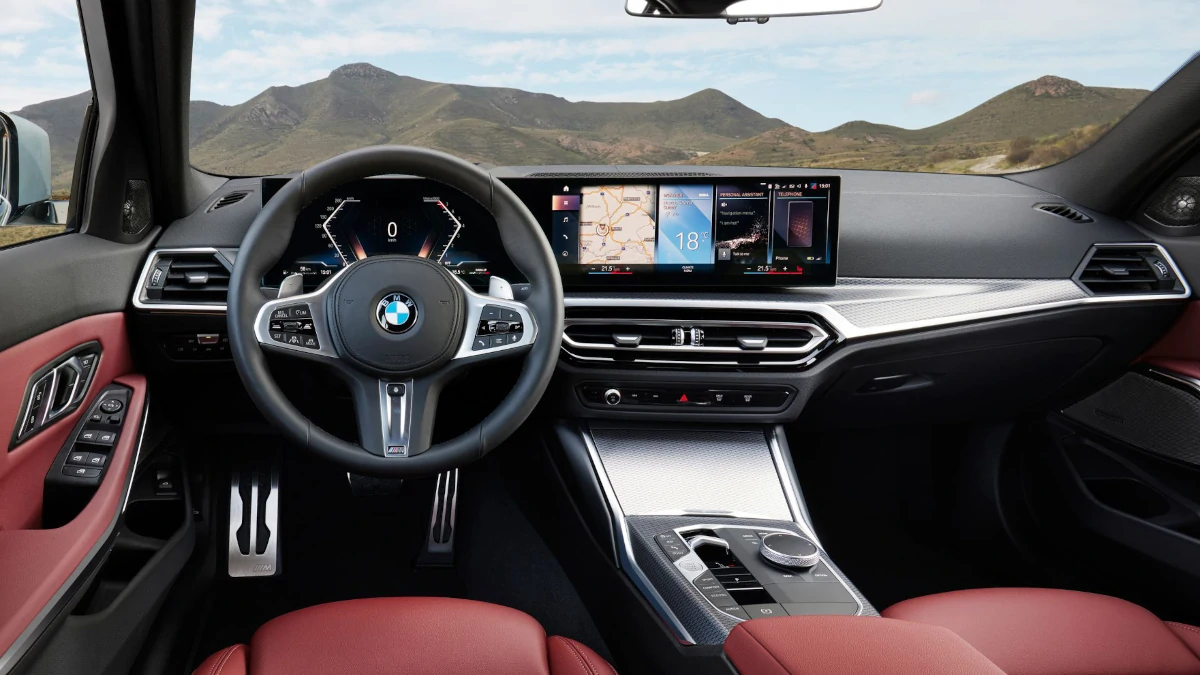
Launched in the Philippines in 2019, the first models sold here were the 320i Sport and 330i M Sport with the 318i Sport added later on. A little while after that, the mighty M340i joined the local lineup, but things got even better when the facelifted 3-Series landed in 2023. That year, the 3-Series Touring made its local comeback, and the best part was, it was offered with a wide variety of engines identical to the sedan. That meant both body styles were (and still are) available as the 318i, M340i, and of course, M3.
The next chapter
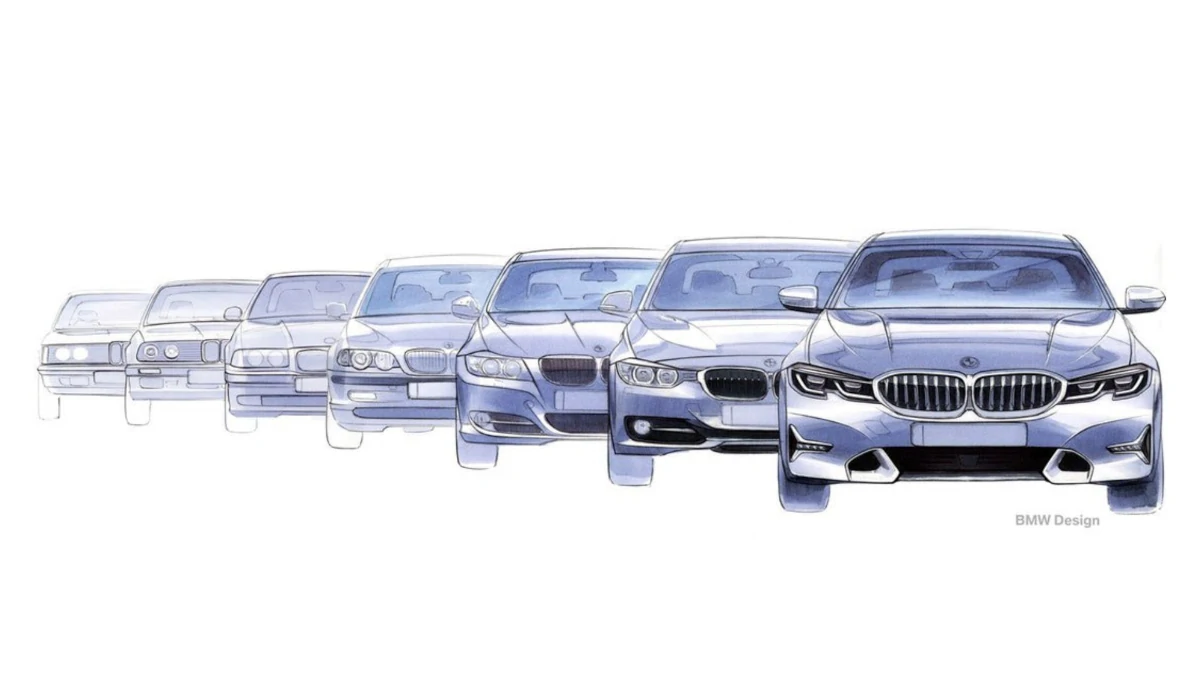
The BMW 3-Series has come a long way in the last 50 years. But while it has grown substantially (literally and figuratively), the sporty and dynamic spirit of all the generations that have come and gone is still present, albeit in a different way. It’s gone from having just four cylinders, later gaining six and even a V8 at one point, and it’s evolved from adding diesel power to electrification. Through the decades, the 3-Series has adapted in ever changing times.
So, what’s next for the 3-Series? A new generation, soon to carry the G50 chassis code, is set to arrive in 2027 and feature the Neue Klasse design language. Like before, expectations are high for the future model, as it has half a century worth of ancestors looking at it. Until then, we wait and celebrate what is still the definitive sport sedan of the last 50 years.