A new vehicle financing scheme offered by third-party entities has taken off in recent years, only to bog down as fast as its client base grows. They offer financing ‘programs’ that supposedly enable clients to acquire new vehicles at prices below suggested retail prices, and low amortization plans at zero-interest rates spread up to 60 months.
Sounds too good to be true? It is.
Companies offering these so-called financing programs call themselves brokers, traders, dealers, or merchandisers. But the one thing common among them is their objective: to reduce the burden of the heavy monthly amortization to buyers. So, how do they do it? Let’s find out.
ALSO READ:
DTI: Dealerships can no longer sell vehicles on an ‘installment-only’ basis
5 Things you definitely don’t want to hear from your casa
How does the car-buying process go?
First, the client must pick the brand and model that they like. It can be a sedan, an SUV, a motorcycle, a truck, or even a rice combine harvester. The client must then visit the dealership offering the selected unit and get in-house financing approval for the lowest down payment possible—bonus points if the dealerships offer zero down payment (DP) promos. At this stage, the client is instructed by agents to never mention the third-party entity to the dealership to avoid possible ‘conflicts.’
Next, the client avails the financing ‘program’ from the third-party entity with down payments of at least 30% to 50% of the SRP of the unit, less the down payment given to the dealership. The balance is then distributed over periods of 12 to 60 months at zero interest.
But wait, there’s more.
These third-party entities would even throw in a further 10% discount on the remaining balance, which further reduces the monthly amortization.
To put the dubious financing program into perspective, a P1-million car would cost you P15,196 monthly for 60 months, at a down payment of 30% from a legitimate major bank, with a total cost (including interest) of more than P1.2 million. Availing of the financing ‘program’ will only cost you P10,000 over 60 months with the same down payment. By availing yourself of the program, you would have fully paid for the car after five years at a cost of only P900,000.
What about the actual monthly amortization with the dealership?

The third-party entity will shoulder the difference between actual monthly amortization and the monthly amortization offered by their program. Going back to our previous example, assuming a zero-down promo was acquired, the actual monthly amortization will be around P20,300. Every month for the next five years, the client will shell out P10,000 to the third-party entity. After which, the third-party entity shall deposit the full amount of P20,300 to the dealership. That’s P10,300 out of the pocket of the third-party entity monthly for the next 60 months for one client.
ALSO READ:
All-in DP, cash discounts, zero-interest, chattel mortgage fees: What do these mean?
Would you finance a car when you can afford to pay in cash? Our readers chime in
How do third-party entities make money?

Third-party entities claim that the down payment they receive from the client is invested to grow funds, which are then used for fulfilling the monthly obligations of the client. If you press about the investments made, you’ll be told they’re from stocks, cryptocurrency, or whatever trade secret they cannot share. Whether these investments truly exist or not is irrelevant, but one thing is for certain: Investments in such financial instruments never guarantee returns.
How is it a scam?

The initial transactions might lead clients to believe in the legitimacy of such entities. You roll out your car from the dealership with legitimate papers under your name. But in reality, your transaction with the dealership and the third-party entity will last for another 60 months, and if the latter cannot fulfill their obligations, remember it is your name written on that paper.
Once the third-party entity stops depositing the monthly amortization to the dealership—which is usually the case—it is your door that the repo man will knock on. At this point, you will have two choices: Give up the car and lose out on your down payment, amortization, and credit reputation, or pay the full actual amount of your monthly amortization. Most can only afford to choose the former.
To sum it all up, these financing programs have the stench of Ponzi schemes all over them. The client’s down payments are most likely used as contributions for previous clients. The growth of their client base is only proportional to the growth of their obligations, but not vice versa. If there are no new clients, obligations remain the same and the financial commitments fall apart.
If you’ve saved enough for a down payment, consider just buying a secondhand unit. A few major repairs may ruin your bank account, but it’s harder to repair a credit reputation.
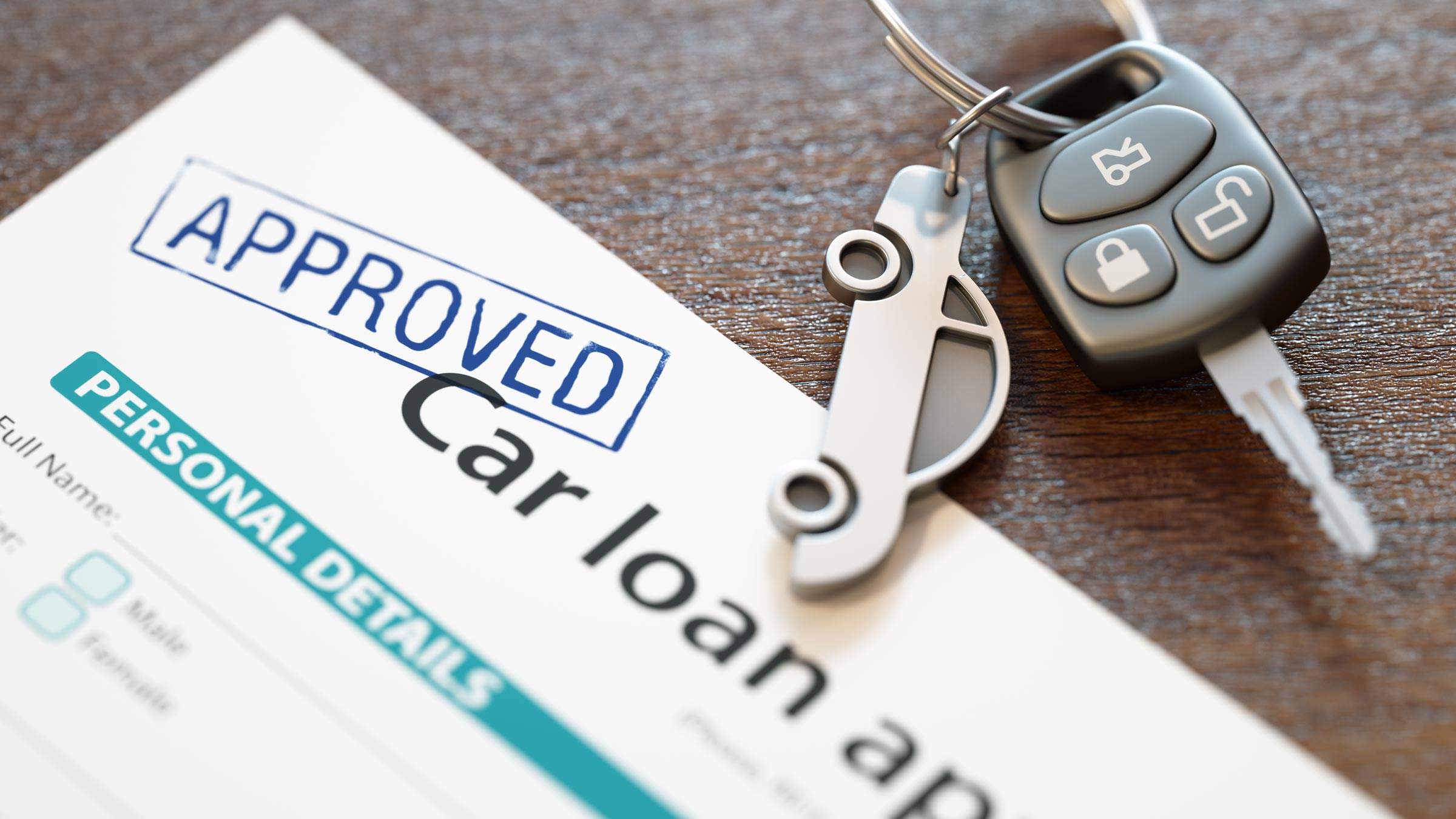
NOTE: The main image was generated with the assistance of AI.