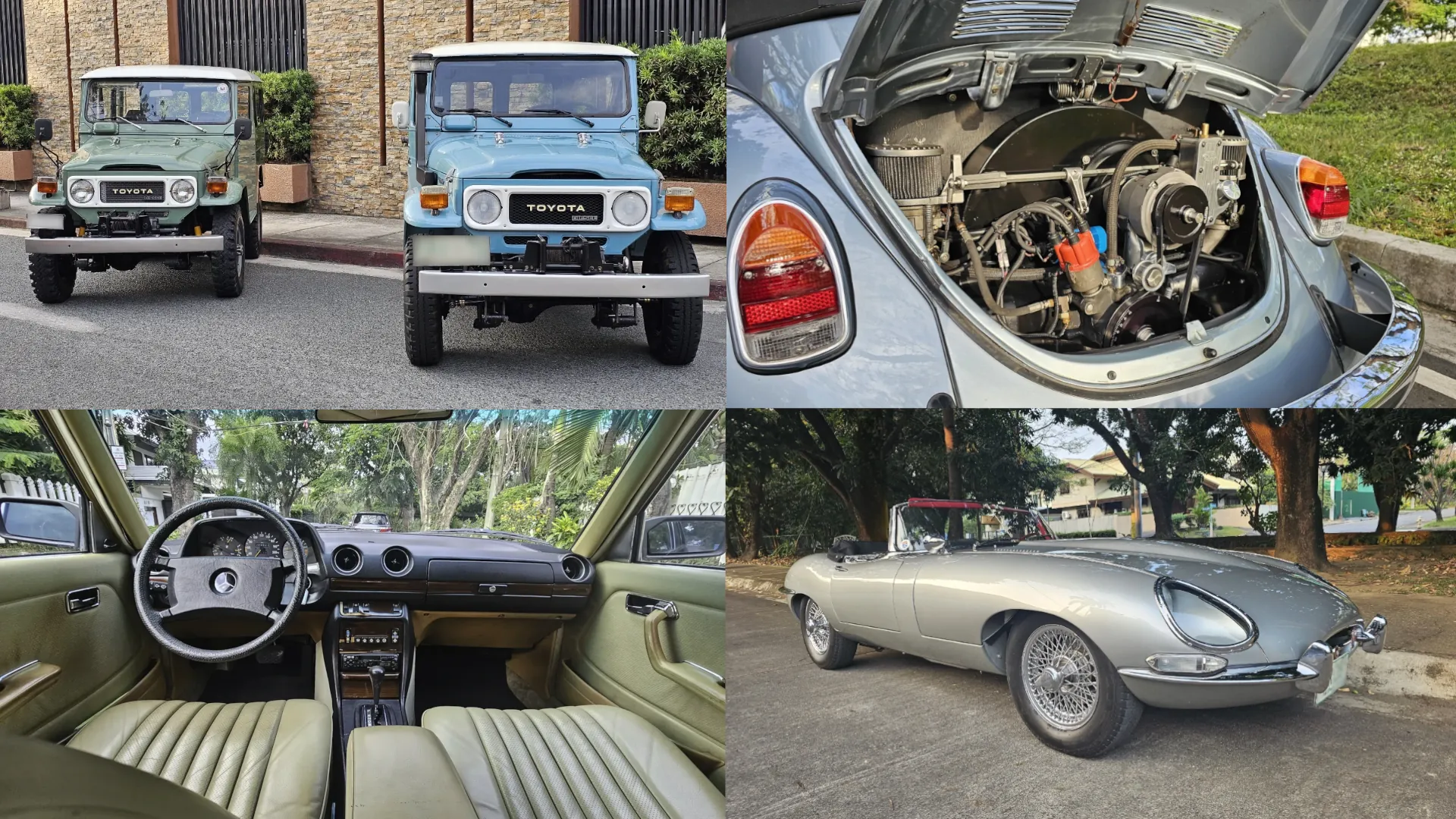
In my last six months of contributing to Top Gear Philippines, I have featured a number of specialty cars—some vintage, but mostly modern classics. I have not reviewed any new cars yet, but I can imagine that a classic car feature is a different, and dare I say, more challenging matter.
When a brand lends out a test unit of its latest model for a journalist to review, it comes with the full support of the public relations team. Access to information like model history, detailed specifications, and other interesting data are readily available. With an older car, you are basically on your own: no press materials, no product geniuses to call, and no spec sheet. In some cases, even getting information from the internet can be difficult. But for me, this is the fun part—sometimes more fun than driving the cars themselves, actually.
This challenge is something I look forward to. Researching about the featured model, its history, and the groundbreaking technology of the era. And as someone who grew up in the late ’70s and eventually entered (and stayed in) the auto industry, I am also very interested in learning how different brands operated in the Philippines at that time.
OTHER STORIES YOU MIGHT HAVE MISSED:
How a true-blue car guy learned to appreciate Chinese cars
The human side of buying cars: Why a strong dealer-customer relationship matters
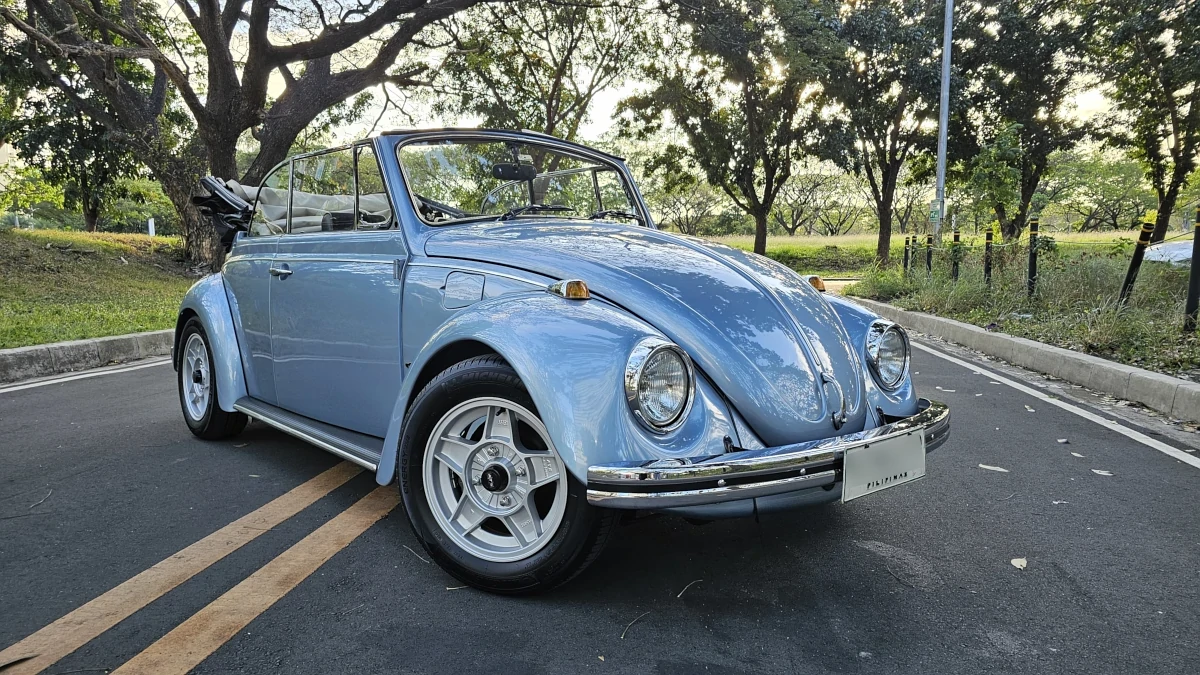
I find it fascinating to discover facts like today’s California Garden Square complex in Mandaluyong was once where VW Beetles were assembled, and how difficult it was to actually buy a new car in the mid-’80s when the automotive industry collapsed and almost every brand pulled out of the country.
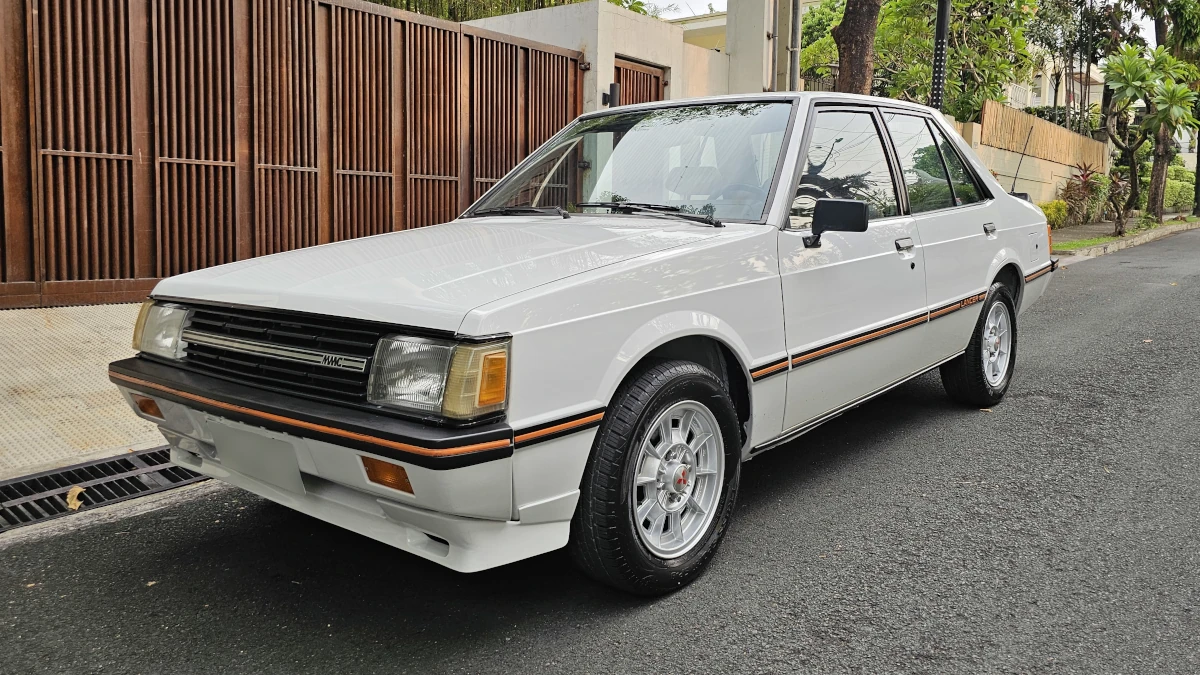
During the course of my research, I have had opportunities to meet the kindest people who have been extremely helpful in providing the needed information to complete the articles. I’ve sat down for a lengthy discussion on Volkswagen’s history with Boy Guevara himself, the son of DMG. He also introduced me to Vic Feliciano, who worked as a salesman for Tropical Distributors in the late ’70s, and is currently an active member of the Cam Wreckers in Los Angeles. I’ve reconnected with my fellow industry veterans Froi and Arlan, who were the pillars of Mitsubishi’s success for decades and a valuable source of information on the Lancer box-type.
And then there are the car owners themselves whom I have to be very grateful to for giving me time and entrusting me with their precious metal. They are all extremely passionate about cars, especially about the ones in their garages. More importantly, they are all willing to share this passion with people like you and me. During the course of a shoot, we would spend hours taking about the car itself, its ownership history, how it was acquired, and what work had been done to that car. This chat continues during the drive where I am shown more unique features about the vehicle. On one occasion, I was even driven around by the owner himself while I sat in the back so I could experience the car’s superior ride quality!
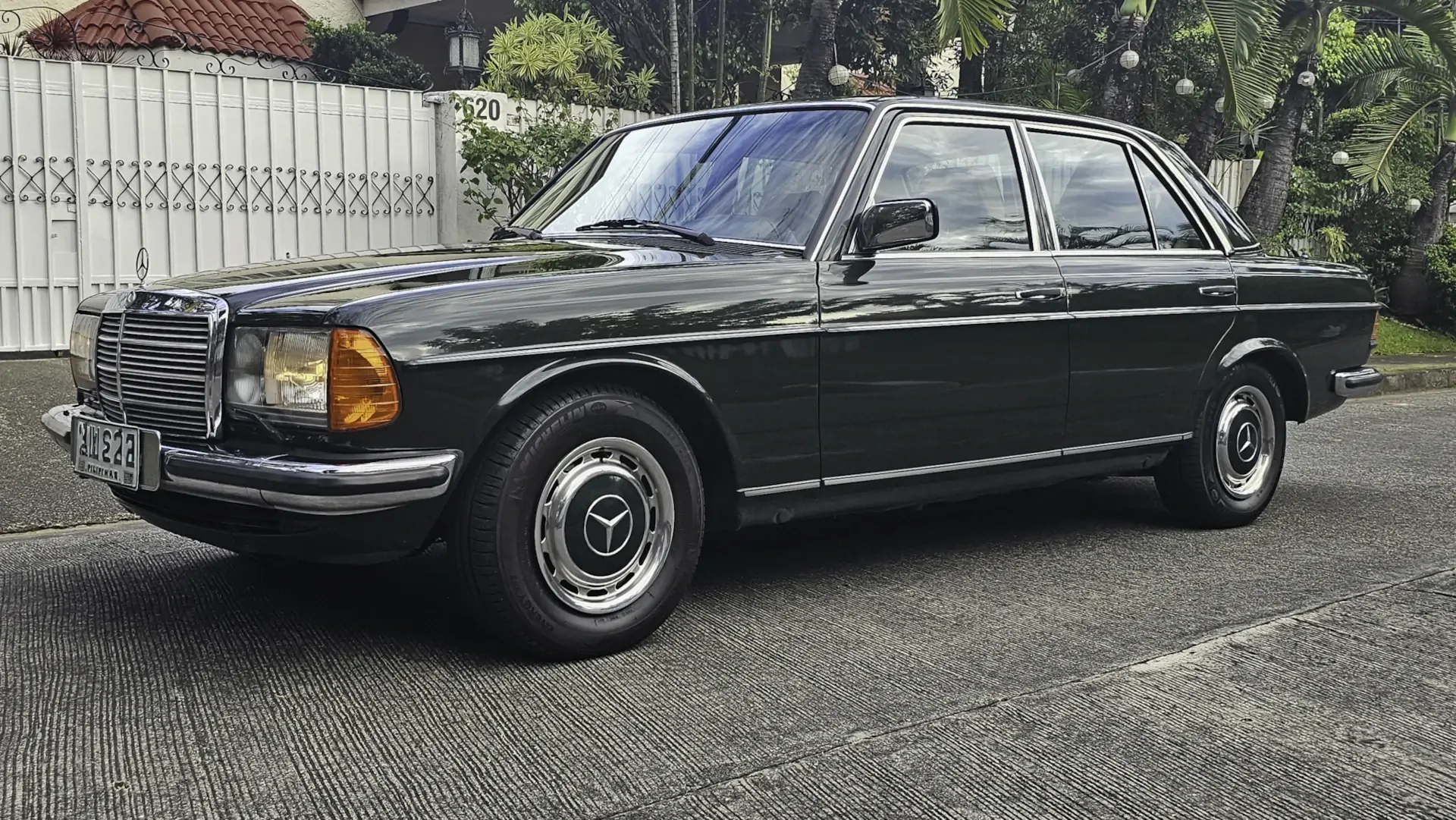
In the cars I have featured so far, I’ve learned how far we have come in terms of automotive technology. Cars today are safer, more comfortable, more ergonomic, and in general just drive better. Don’t get me wrong, these older cars are really fun to drive, but only for short distances like going around the village or taking a short cruise up and down the expressway for a coffee. The lack of air conditioning, manual steering, and the occasional smell of petrol make these impossible to drive daily.
But while new cars are better in so many respects, there are also some things that history can still teach us. For example, the value and simplicity of having physical buttons and switches instead of embedding them under layers of menus in a center screen—something that brands are slowly coming back to.
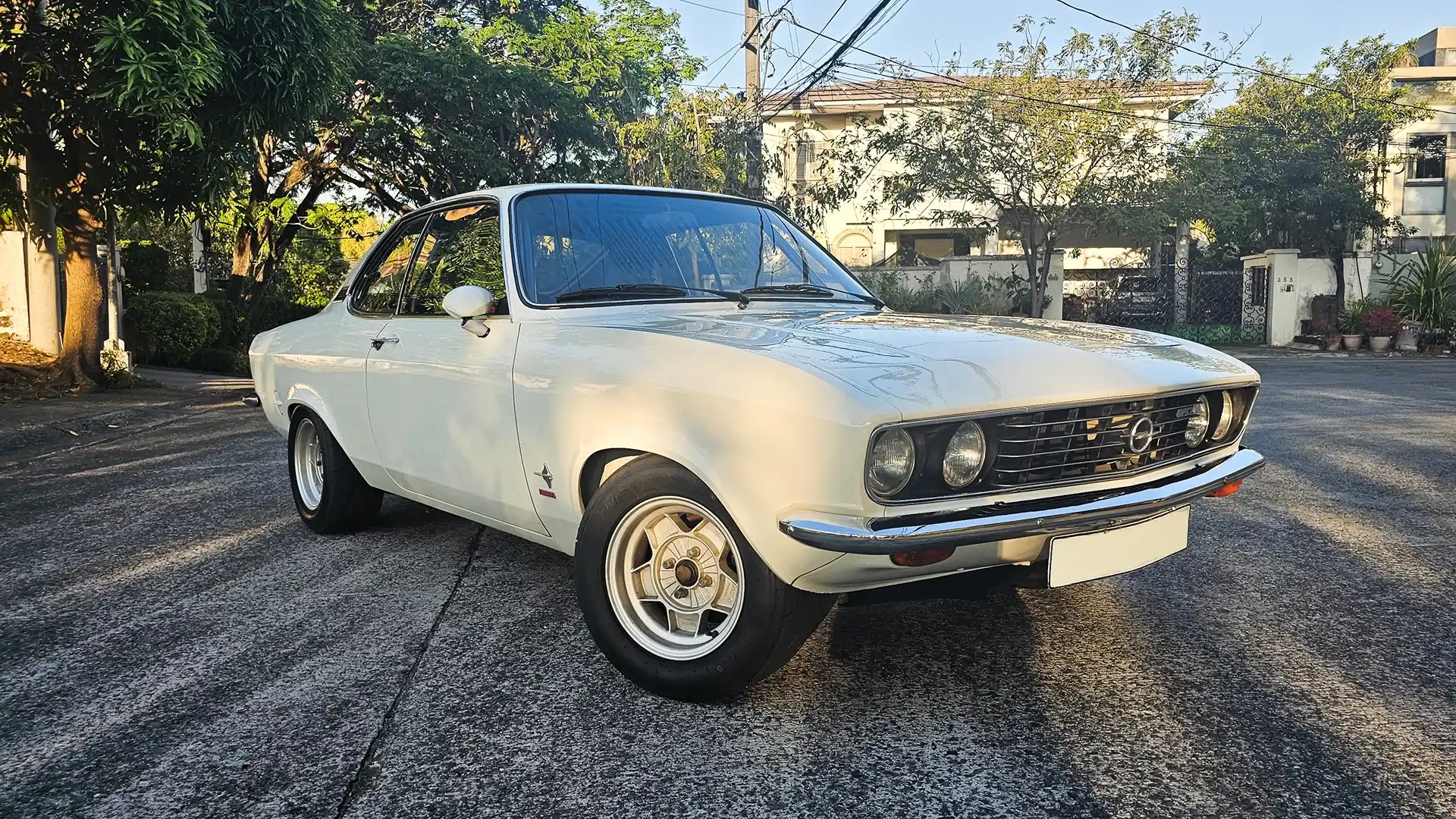
I’ve also learned that classic cars have a lot more character, be it the ’old car smell,’ the rawness of the controls, or the sound of the carburetors. It is this character that allows the driving experience to be more emotional—something missing in a lot of new cars.
Emotions are what make a car special, and most people I have spoken to always point to some sort of nostalgia. A car could be the same one they drove in college, or perhaps it’s the model they’ve dreamt about in their youth but could not afford until now—both bring out fond recollections of simpler, happier times.
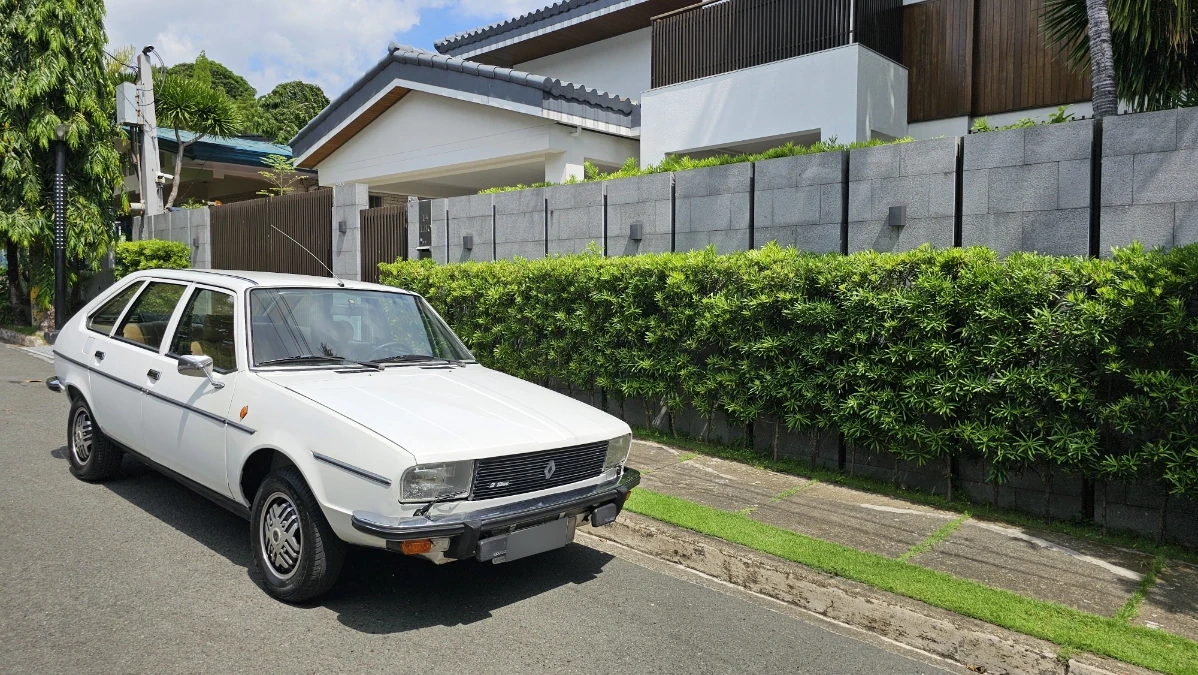
Getting a lot of great feedback from Top Gear Philippines readers on this topic has also been amazing. Just like the owners, most of them tell me that the reviews bring back memories.
Just check some of the comments on the Opel Manta A and Renault 20 features: One commenter shared “I learned to drive in one,” another added “my late father had a red one,” and there was even a reader who found me on Facebook and sent me a rather long message on how I brought him back to the late ’70s, which was the best time of his life.
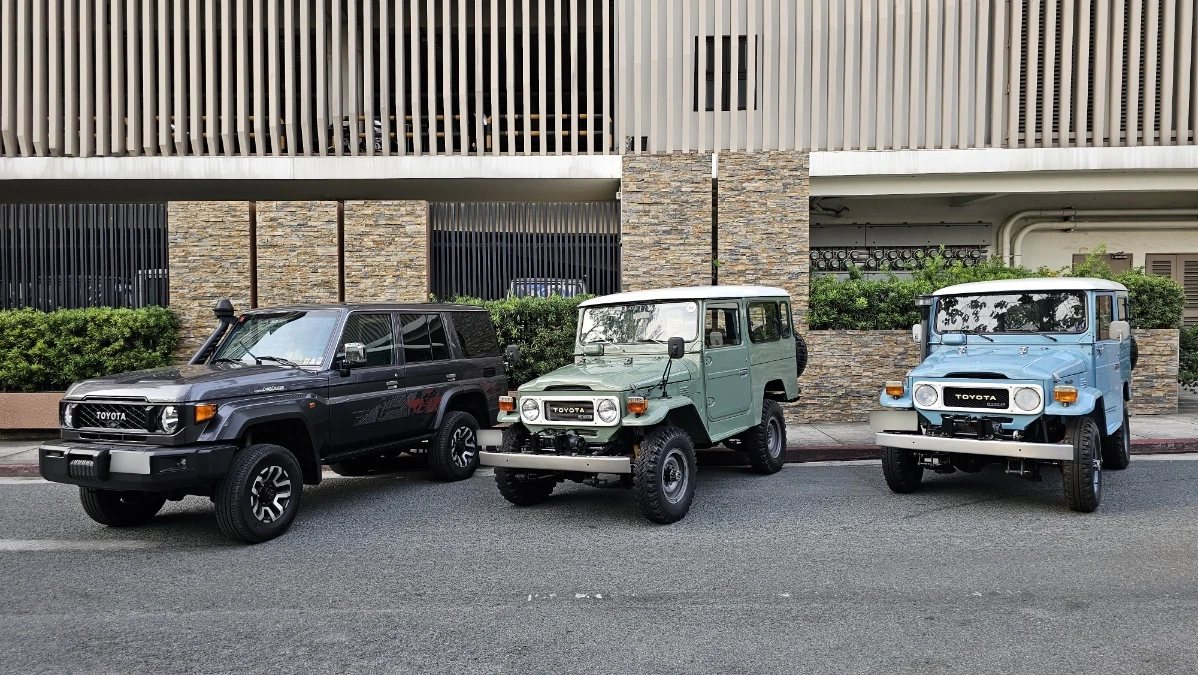
The selection of cars we have featured has been based on personal taste, as well as what is available to us. We know that you readers out there would like to see your personal favorites here. So why don’t you tell us if you would like to see a particular brand or specific model featured here? We promise to try our best to find a nice example.
Better yet, if any of you would like to have your own cars featured here please let us know. The comment section is waiting.