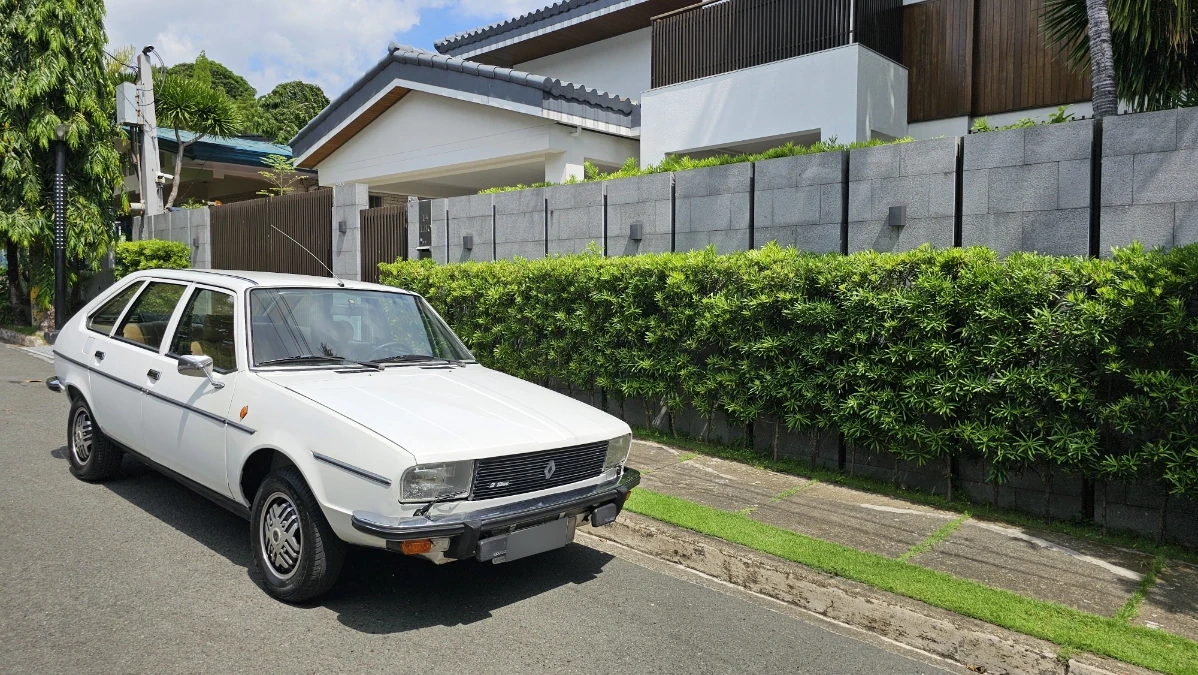

I barely got a chance to really know my Uncle Alex. He was a tall gentleman with a big voice; I was actually scared of him. Sadly, he fell ill and passed away when I was just six years old. But I have two distinct memories of Uncle Alex during this short period of time: his fondness for fine wine (French, I suppose), and for Renaults.
Uncle Alex and his family had two white Renault 20s in the garage. I learned from my cousins that Uncle Alex bought the first Renault 20, but it met an unfortunate accident while driving down from Baguio during a rainstorm. He felt so bad that he bought himself another Renault R20 in the same color, and gave the first car to Auntie Diana after it had been repaired. I remember my very young self being so amazed by this French car because it had a speedometer that would go all the way to 220 kph!
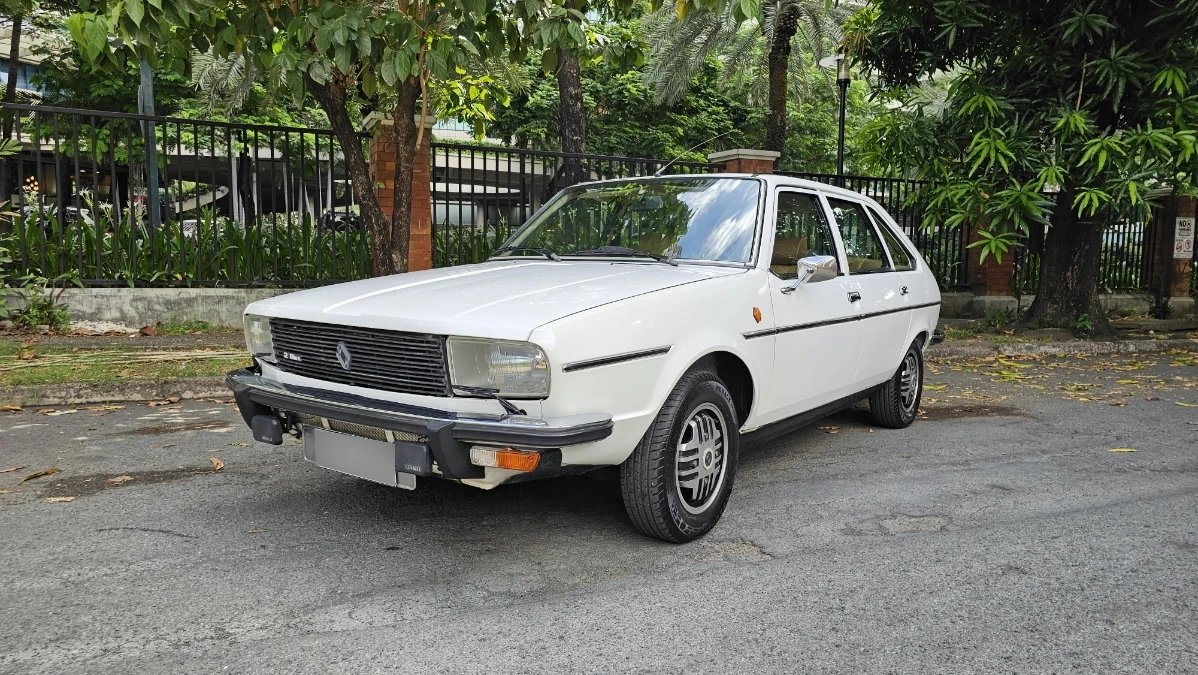
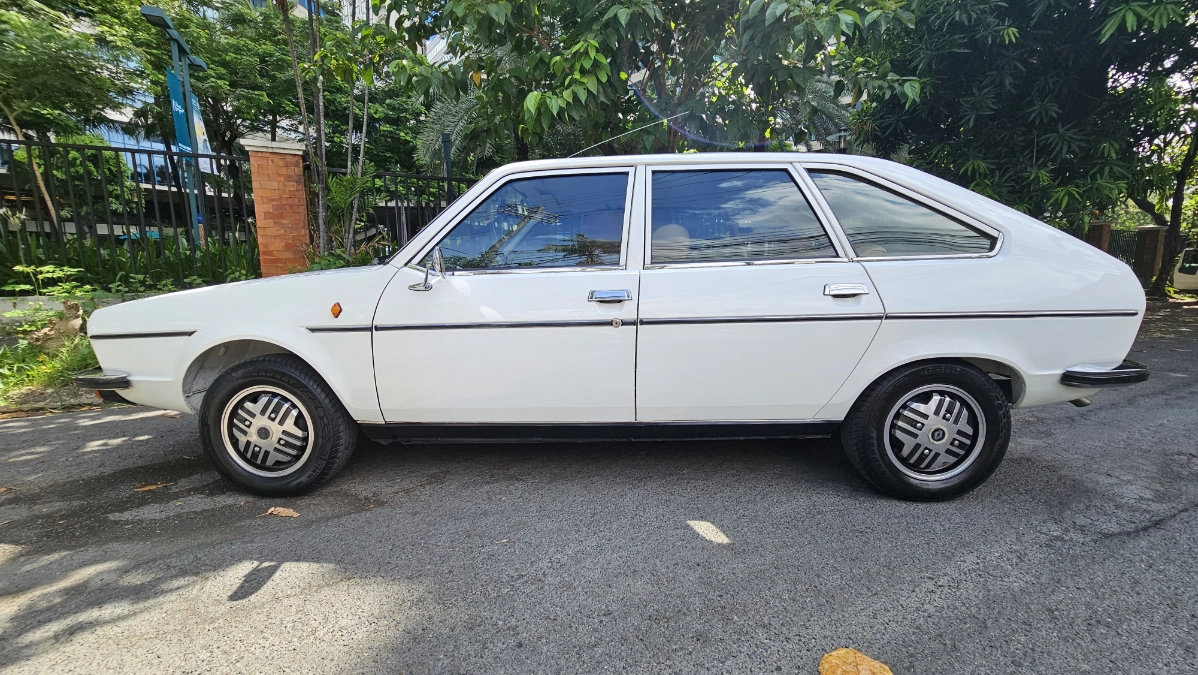
The Renault 20 was presented at the Paris Motor show in November 1975, and was positioned as a more economical alternative to the six-cylinder Renault 30, which was introduced in Geneva earlier that year. Penned by Renault head of design Gaston Juchet, the 20 and 30 shared exactly the same practical five-door hatchback styling which was a derivative of the highly successful Renault 16 of the ’60s.
ALSO READ:
Gallery: Groundbreaking cars that changed the industry, part 1
Auction finds: One of the weirdest cars from ‘Gran Turismo’ is up for bidding
The car featured simple presentation and was marketed for busy managers and entrepreneurs. It had a large tailgate which included a wide rear window complemented by smaller triangular windows past the C-pillars. The safety features, which included front and rear crumple zones as well as side impact protection in the doors, could be considered ahead of their time.
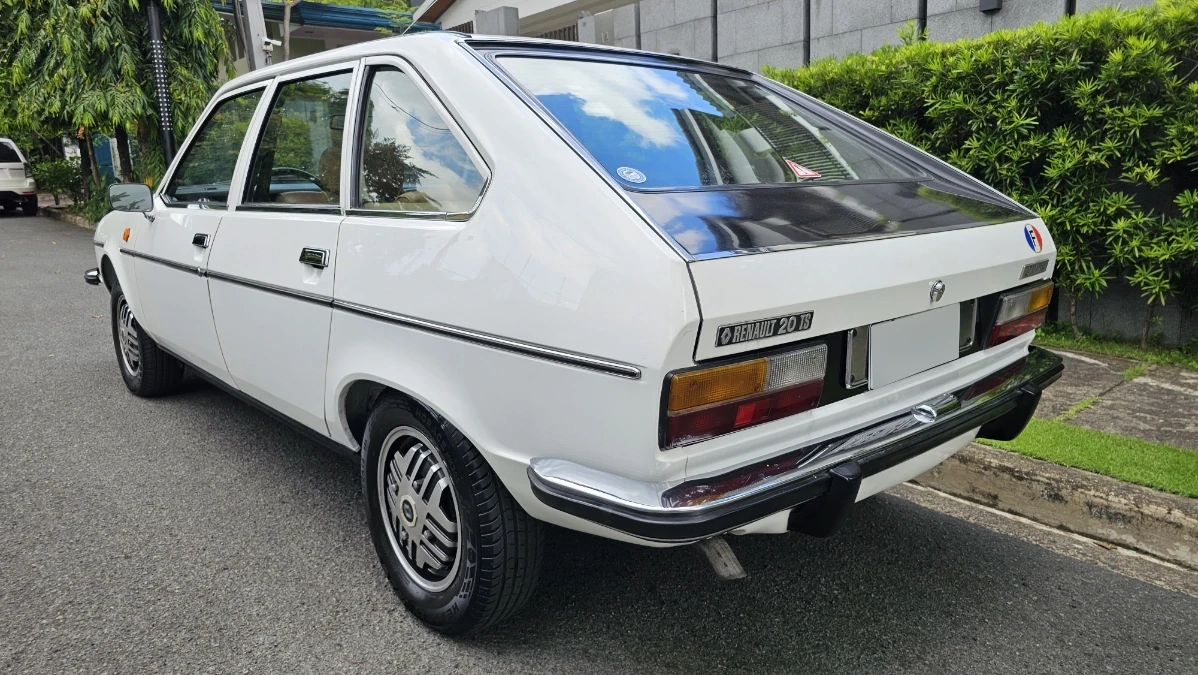
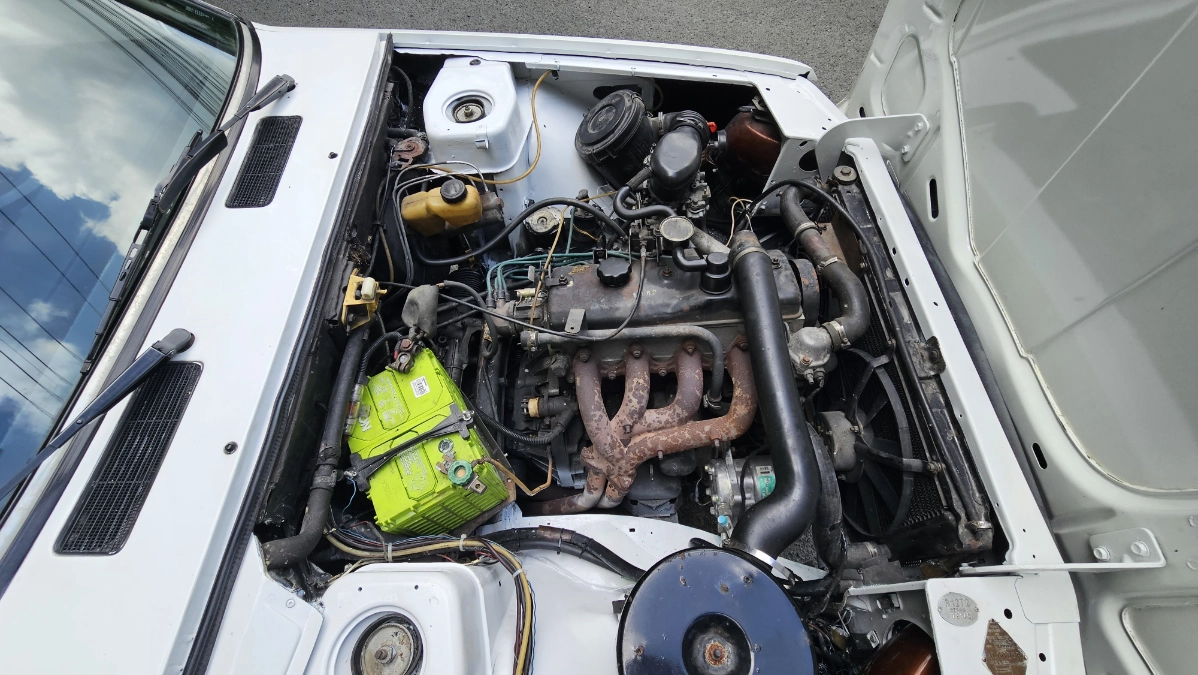
It was launched with the 90hp 1.6-liter four-cylinder which was carried over from the Renault 16 series. It became apparent that this engine was underpowered for the Renault 20’s larger, heavier body, so a new 109hp 2.0-liter four-cylinder engine was then introduced to the lineup in July of 1977.
The Renault 20 was also available with a 2.0-liter diesel engine from November 1979 onwards, marking the first time the company offered a diesel engine in its lineup. All Renault 20s were front-engine, front-wheel-drive cars that had the engine mounted longitudinally ahead of the front wheels. Power was sent exclusively to the front wheels via transaxle (think VW Beetle, but in reverse) and could be paired with either manual or automatic gearboxes.
Renault 20s were known for their soft and ‘old-school French’ ride quality that provided maximum comfort for its passengers. This was achieved by offering a fully independent suspension in all four corners—two superimposed triangular support arms and a stabilizer bar up front, paired with longitudinally and transversely arranged wheel support arms at the rear.
Both front and rear suspensions were supported by coil springs while tubular shock absorbers handled the damping duties. A soft, cushioned ride was prioritized over sportiness in order to reduce the stress of long-distance driving.
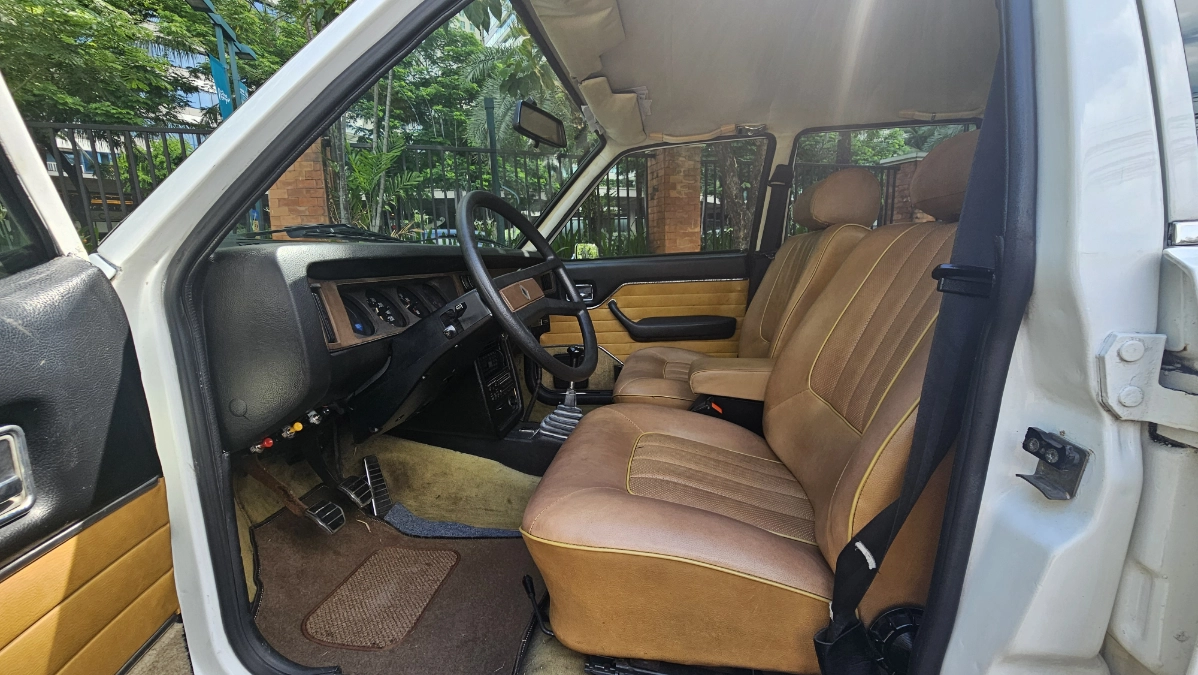
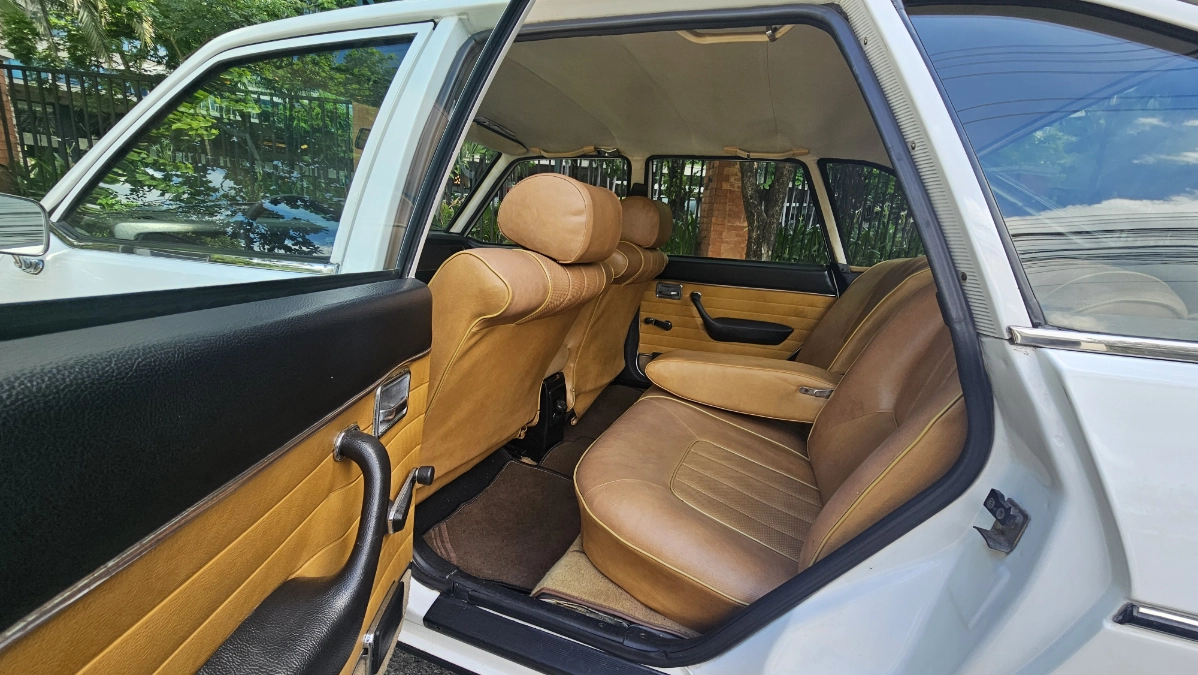
The prioritization of comfort and practicality is clearly evident in the interior of this large family hatchback as well. The large and airy cabin has plenty of room for four passengers, with large cushy seats and soft vinyl upholstery comparable to rolling sofas.
The dashboard features four round gauges that offer a lot of driving information, set back against a flat faux wood dashboard highlighted by chrome accents. In the center, you will find different switches that activate the door locks, windows, and air conditioning, as well as the radio. This being built in the era before the domination of shiny black plastics, the dashpad, upper portion of the door handles, and door cards are wrapped in molded black vinyl giving it a more upscale feel.
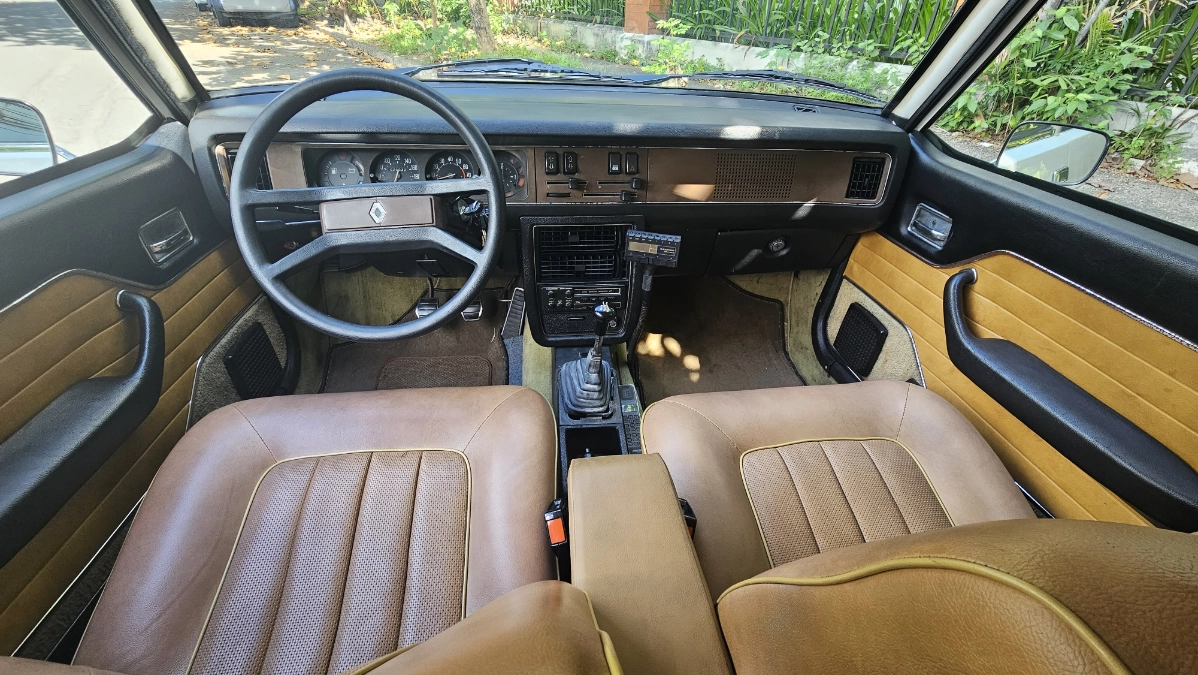
Renaults in the Philippines were imported and sold by Tropical Distributors Inc. At its peak, it had three showrooms: one along Pasong Tamo, another in Canonigo in Paco, and the third in Pandacan, Manila. At that time, anyone considering the purchase of a Renault 20 would have also looked at its competitors in the market like the Ford Granada, the Opel Rekord, or the Mercedes-Benz 200.
Buyers who finally decided on the Renault 20 were probably looking for a more avant-garde alternative to the traditional sedans. All Renault 20s sold in the Philippines came with the 109hp 2.0-liter engine, and most came with a four-speed manual gearbox (although a three-speed automatic and a small number of five-speed gearboxes were also available). The cars imported in the country were also quite luxurious and well-optioned, with features like air-conditioning, central locking, power steering, front power windows, and a stereo system as standard equipment.
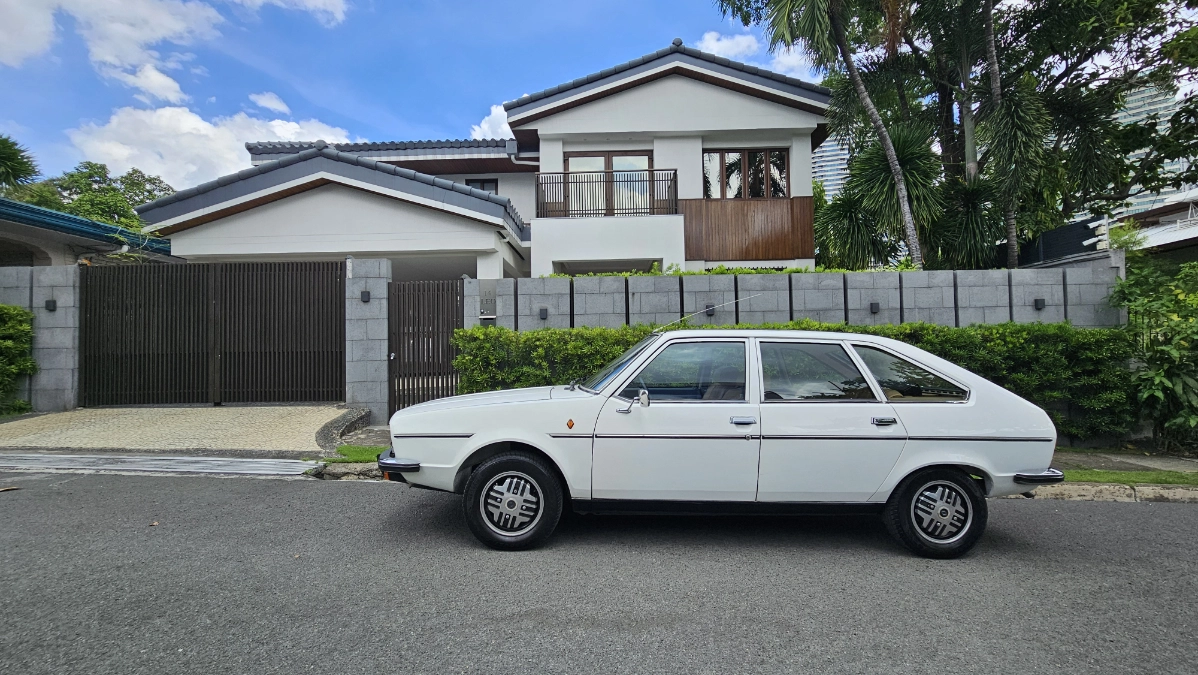
The Renault 20 we have today is a survivor that has stayed with its original owner since driving off the Tropical dealership in 1979. In 2023, it was sold to the current owner who chanced upon a one-year old Facebook Marketplace listing for the Renault. Despite being posted quite some time back, the buyer took a chance to message the seller; lo and behold, the car was still available.
A quick inspection in the basement of a Makati building showed the car to be in complete condition with the engine still running, albeit quite rough and smokey. The car still wears its original paint with very minimal rust in isolated places. Because it was not exposed to sunlight, the interior is in immaculate shape; the seats are still protected by their covers, while the dashpad and door cards show no signs of fading or cracking.
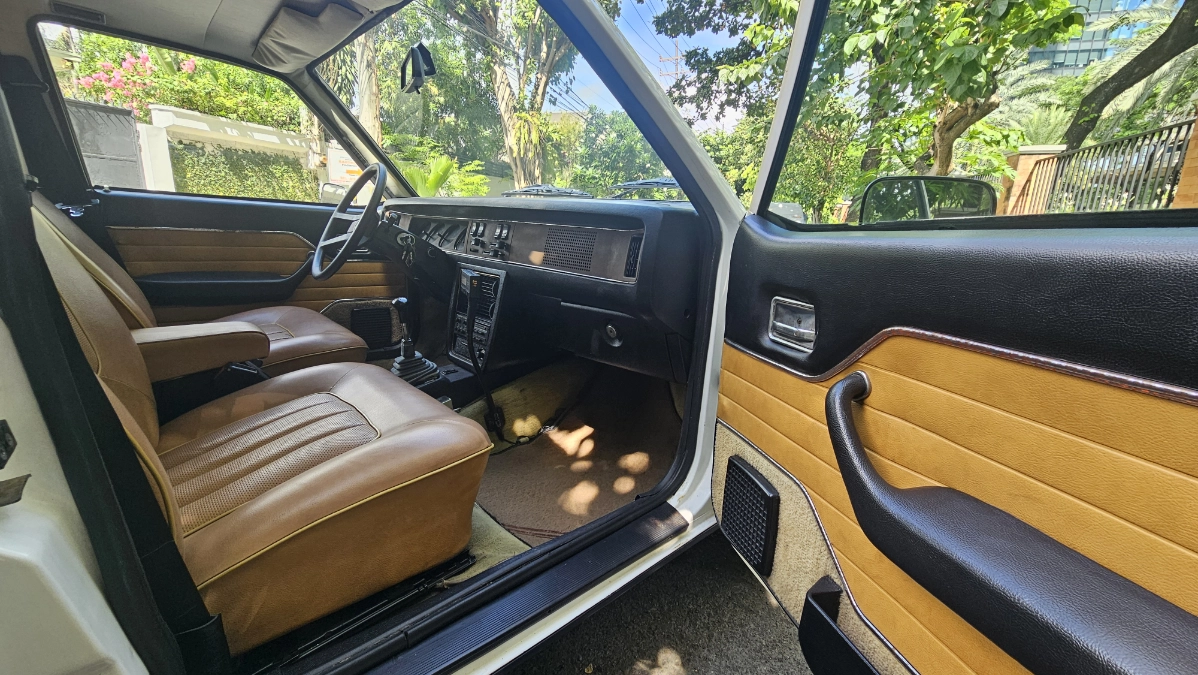
The buyer has chosen to preserve the car in its original state. Most of the work was limited to mechanical and electrical fixes, plus a set of factory Gordini wheels replaced the pressed steel rims.
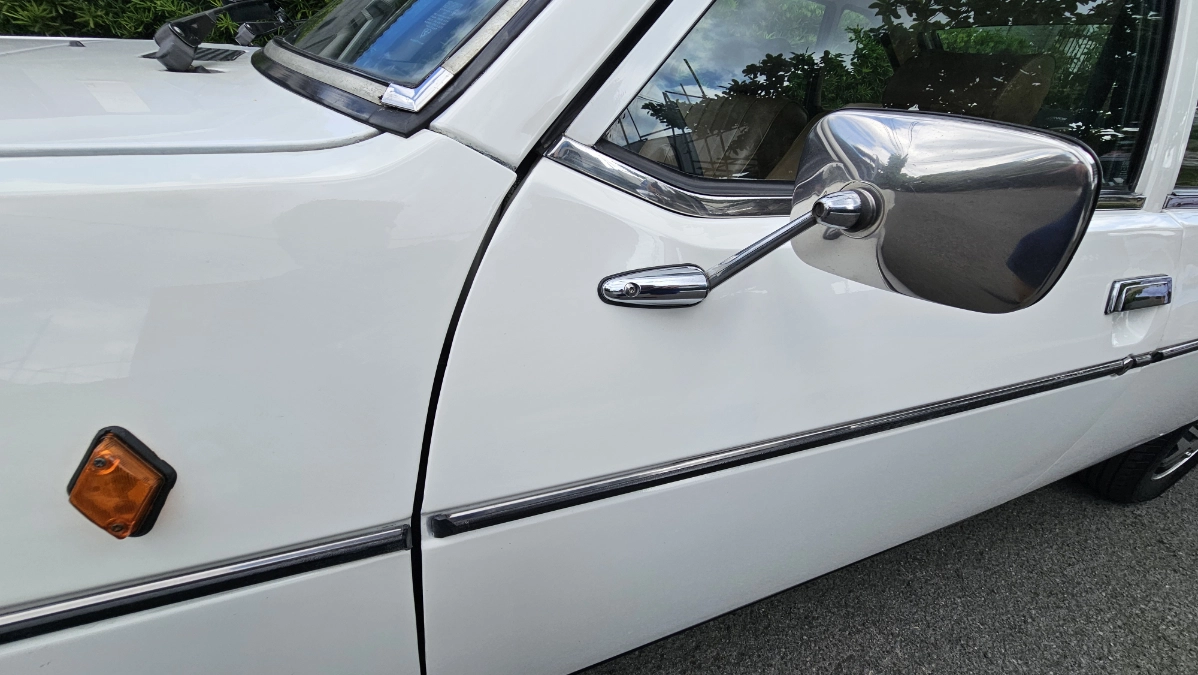
Driving the Renault 20 is as French as it gets. First of all, you have three keys that come with the car from the factory: one for the doors, one for the ignition, and one for the tailgate. Then you have the odd placement of the switches for the door locks (in front of the gear lever), the electric windows (high up on the dashboard), and the air conditioning (beside the center vent). Finally, you have other touches like the side mirrors which pivot in two places, and the very soft ’70s sofa-like seats.
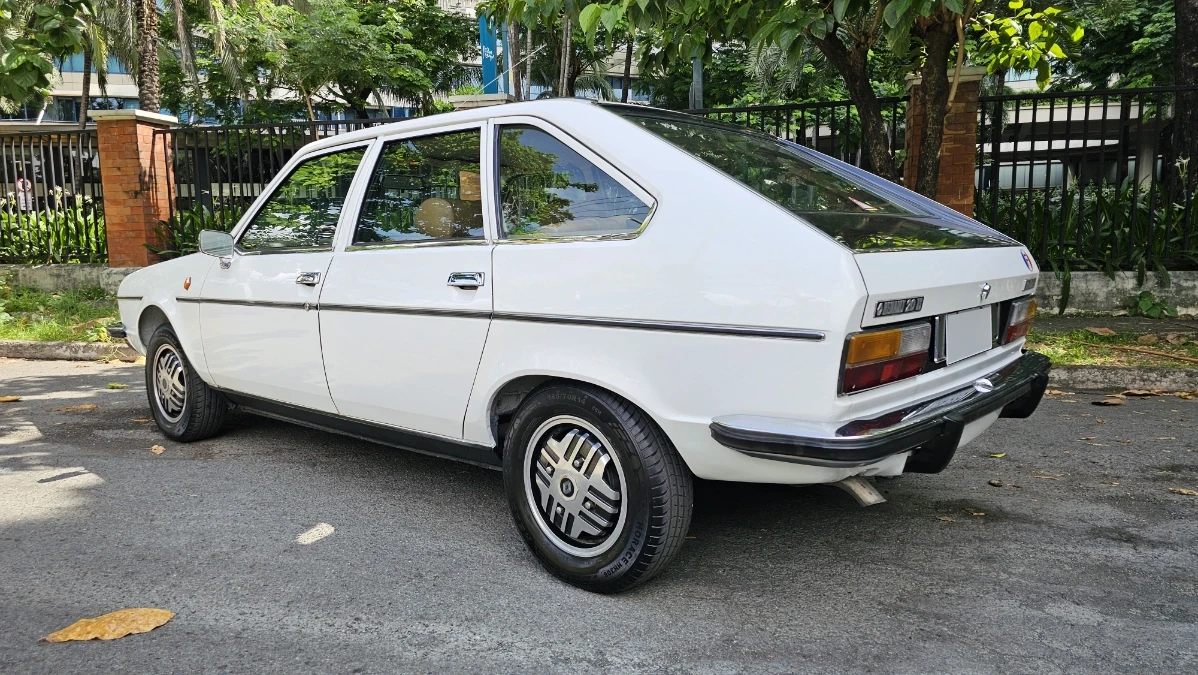
Typical of cars of the era, glass is abundant here. The outward visibility is excellent, giving you a refreshing feeling. The 2.0-liter engine comes to life easily and settles with a very European rumble: smooth and low. Slipping the four-speed manual gearbox into first gear requires little effort from the clutch pedal, and the shifts have a very positive feel to it. Even with just 109hp available, the 167Nm of torque makes this 1,200kg vehicle feels very nimble and solid.
The power-assisted steering produces a hissing sound when turning; this seems to be standard with all Renault 20s, but it is not overly assisted and gives you good feedback like any hydraulic system should. The legendary ride is as good as they say it is—driving around Makati, the car absorbs the humps and bumps with ease, insulating the occupants from the harshness better than some modern cars.
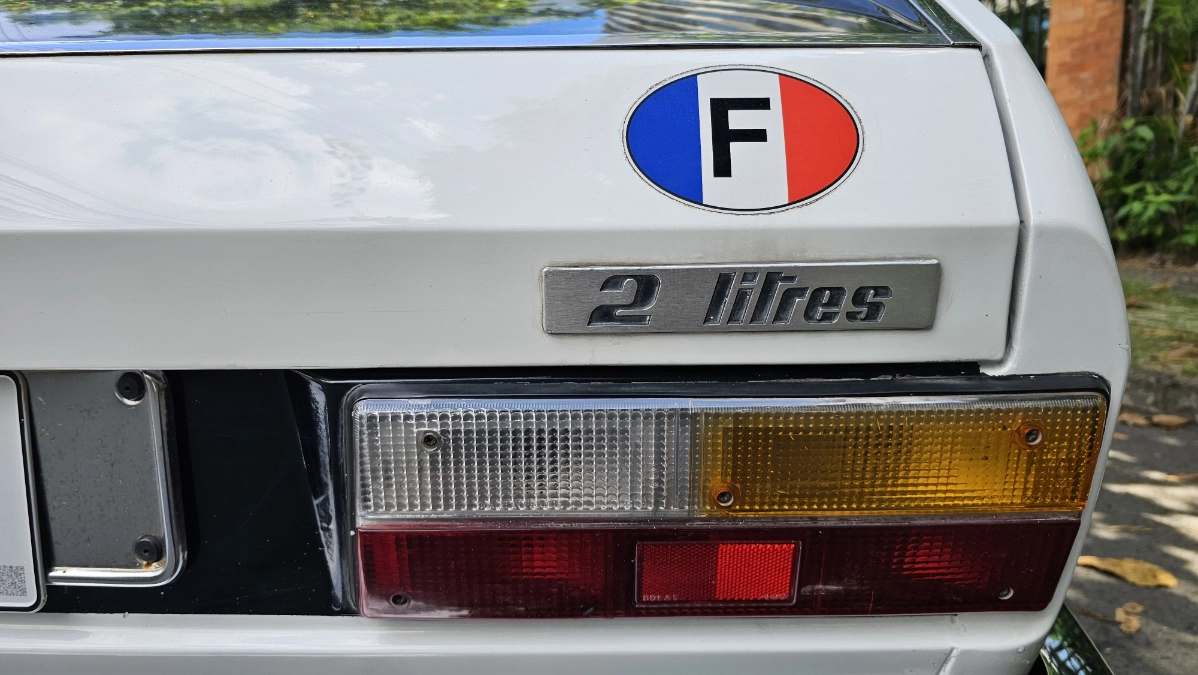
And even after 47 years, the body felt very solid with no play or knocking sounds in the suspension. I would even stick my neck out a little bit here and say the ride is as good as a Mercedes-Benz W123 here. I was able to speak to a few Filipino Renault owners, and they all gave similar positive feedback about the French hatchback: it was a fantastic car, very solid and very comfortable, but it was also very expensive.
In the late ’70s to the early ’80s, a brand-new Renault 20 was being sold for about the same price as a Mercedes-Benz W123. The main issue, however, was aftersales. Spare parts availability was difficult, and prices were higher than what most people were willing to pay. The same holds true today. The owner of this Renault 20 needs to source most of the parts from France, and even before freight and taxes, scarcity of stock jacks up prices even further. Upkeep for a quirky car like this can be quite a challenge, evident by the fact that less than 10 examples are known to still be running in the country today.
Sometime in the early ’90s, Tropical Distributors moved their last remaining showroom and service center from Pasong Tamo to a smaller facility along Quingua Street in Makati behind Forbes Park subdivison. A last ditch effort to revive the brand was made in 1998 with the import of a handful of Renault Lagunas, but poor timing (Asian financial crisis), high prices, and lack of proper aftersales support never really allowed the effort to take off.
This would be the final nail in the coffin for Tropical Distributors. In the early 2000s, the Quingua facility would eventually be taken over by Willy Soong to be used as a Ferrari, Maserati, Jaguar, and Land Rover service center—sadly, this would be the last we would hear of Renault in the country.
So it’s good to see charming examples still driving around, a well-preserved time capsule from another era.
SPECS: 1979 Renault 20TS
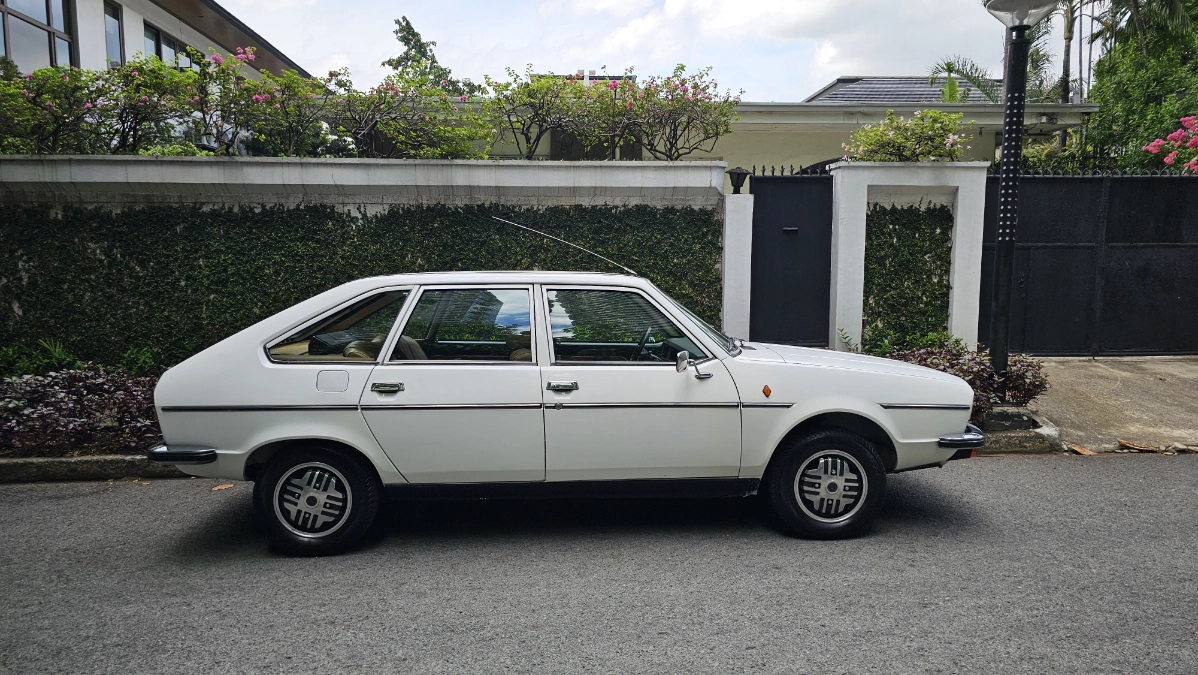
Engine: 1,995cc four-cylinder eight-valve SOHC with one Weber dual throat carburator
Transmission: Four-speed manual transmission
Power: 109hp @ 5500rpm
Torque: 167Nm @ 3000rpm
Drivetrain: Front-engine, front-wheel drive
Front suspension: Superimposed triangular support arms with coil springs, tube shocks and 24mm stabilizer bar
Rear suspension: Multilink with longitudinal and transverse support arms, coil springs and tube shocks
Seating: 5