
It’s safe to say that 1982 was not a very good time for the Philippines. A major economic crisis was just around the corner, which itself was triggered by political instability, bringing the country to the brink of bankruptcy.
It was not a very good time for the car industry either as interest rates were skyrocketing, and the Progressive Car Manufacturing Program (PCMP) was still in place, which basically restricted choices of cars available in the country. Only five brands chose to participate in this government program; this “Magic Five” was made up of Canlubang Automotive Resources/CARCO (Mitsubishi), Delta Motor Corporation (Toyota), Ford Philippines, General Motor Philippines (GM/Isuzu), and Pilipinas Nissan.
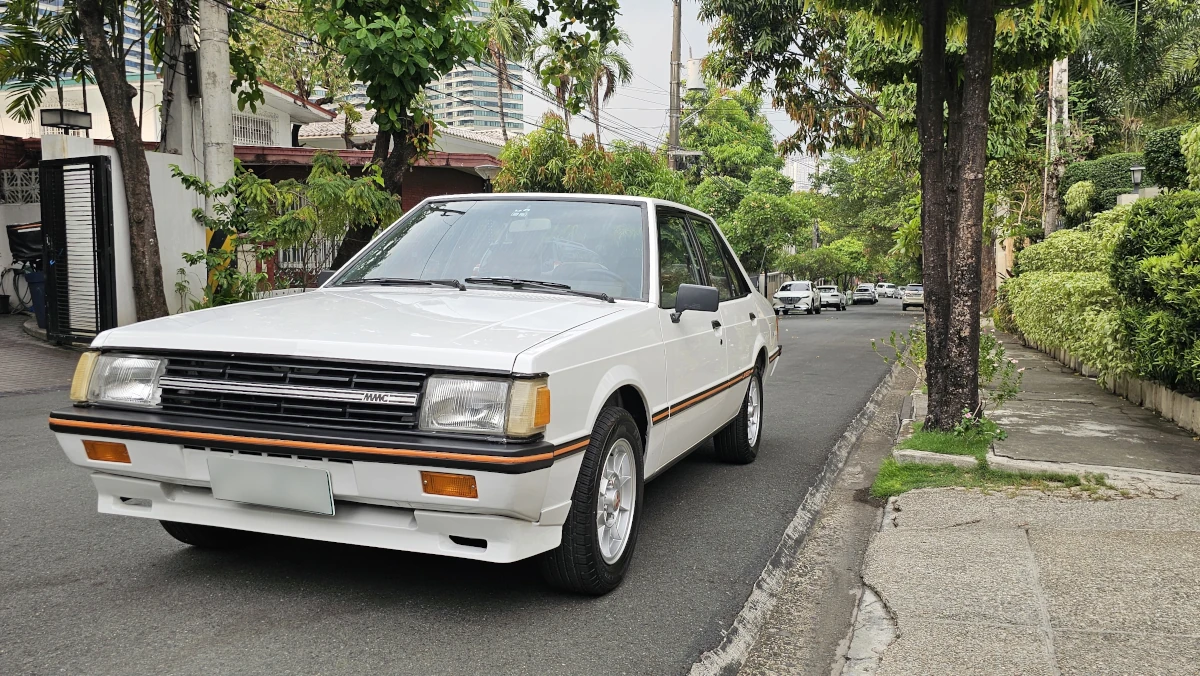
If a brand was not part of the PCMP, it could not legally sell mass-market cars in the Philippines—very different from today’s market where approximately 70 brands are free to compete for a space in Filipino homes.
ALSO READ:
Retro review: The Toyota Land Cruiser BJ40 is a relic from simpler times
Retro review: What’s all the fuss over the Toyota Corolla AE86 about?
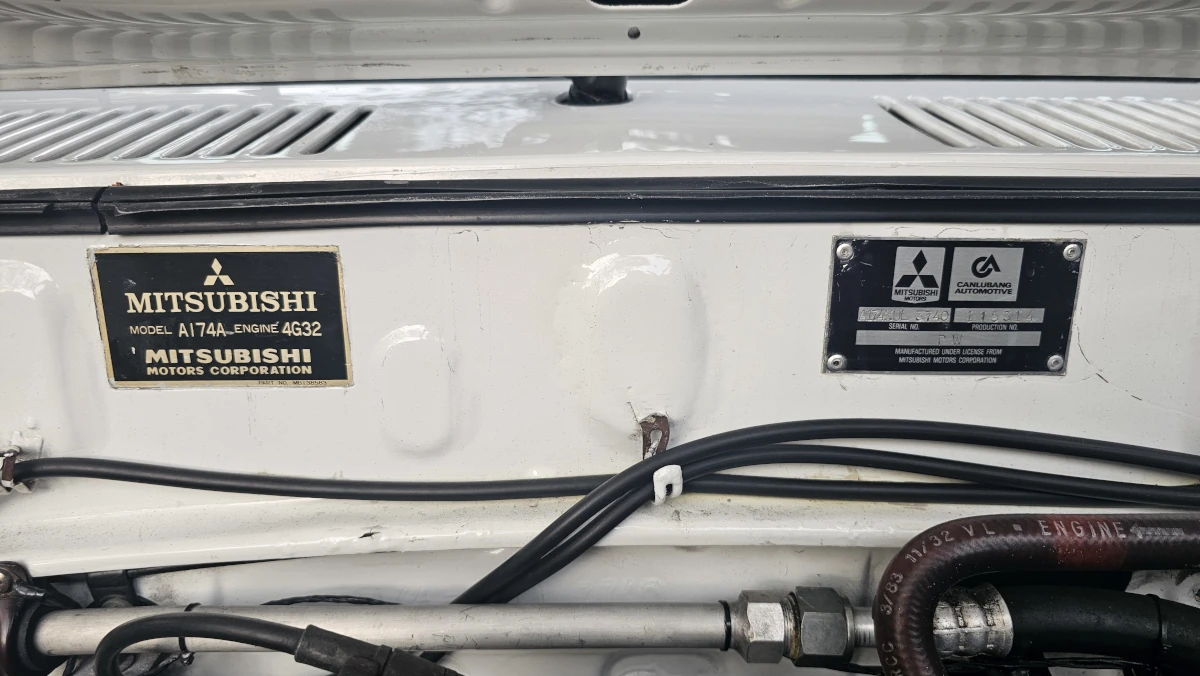
From the “Magic Five” manufacturers of the era, Mitsubishi would lead the way with the second-generation A170 Lancer, or what is better known as the “box-type”. Produced at the Yulos’ CARCO assembly plant in Cainta from 1979 to 1987, the A170 Lancer was available locally in either SL or GSR trim and came with a 1,400cc 4G12 ‘Orion’ engine in the SL, while a 1,600cc 4G32 ‘Saturn’ engine was fitted to the GSR model.
Urban legend even has it that a small number of 1,800cc 4G62 ‘Sirius’ engines were erroneously shipped to the Philippines. Rather than return them to Japan, local executives decided to produce a small batch of Lancer 1800 GSRs, even fitting a few units with a three-speed automatic transmission instead of the manual gearbox that was standard across the range.
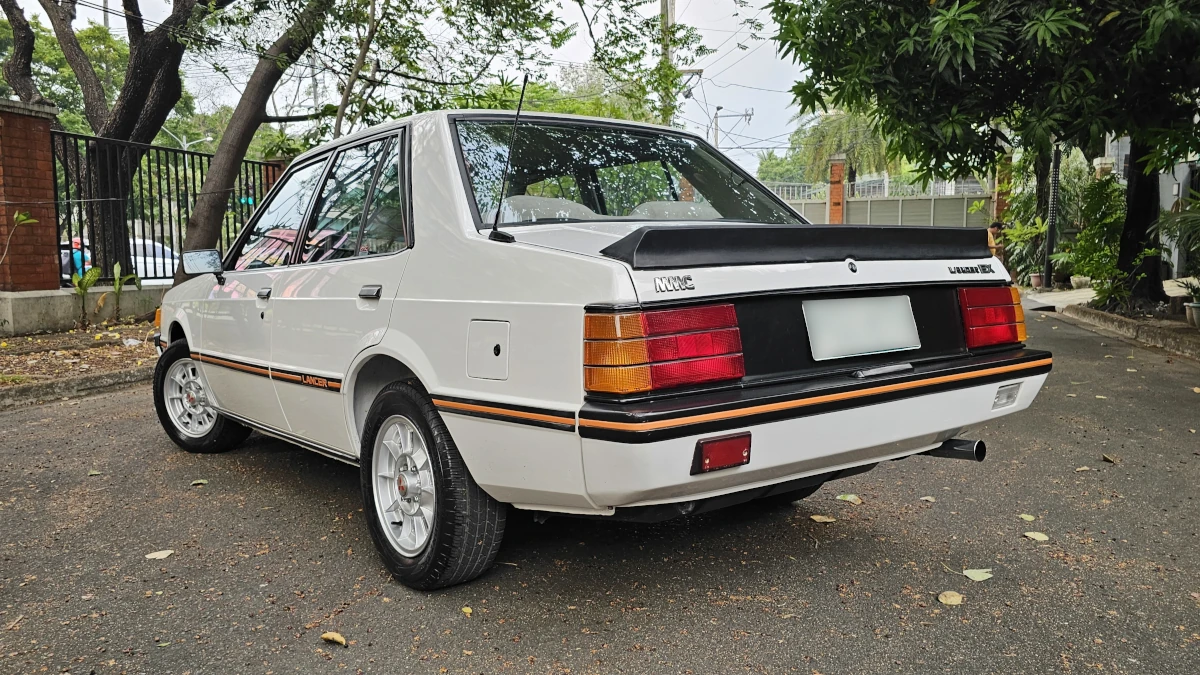
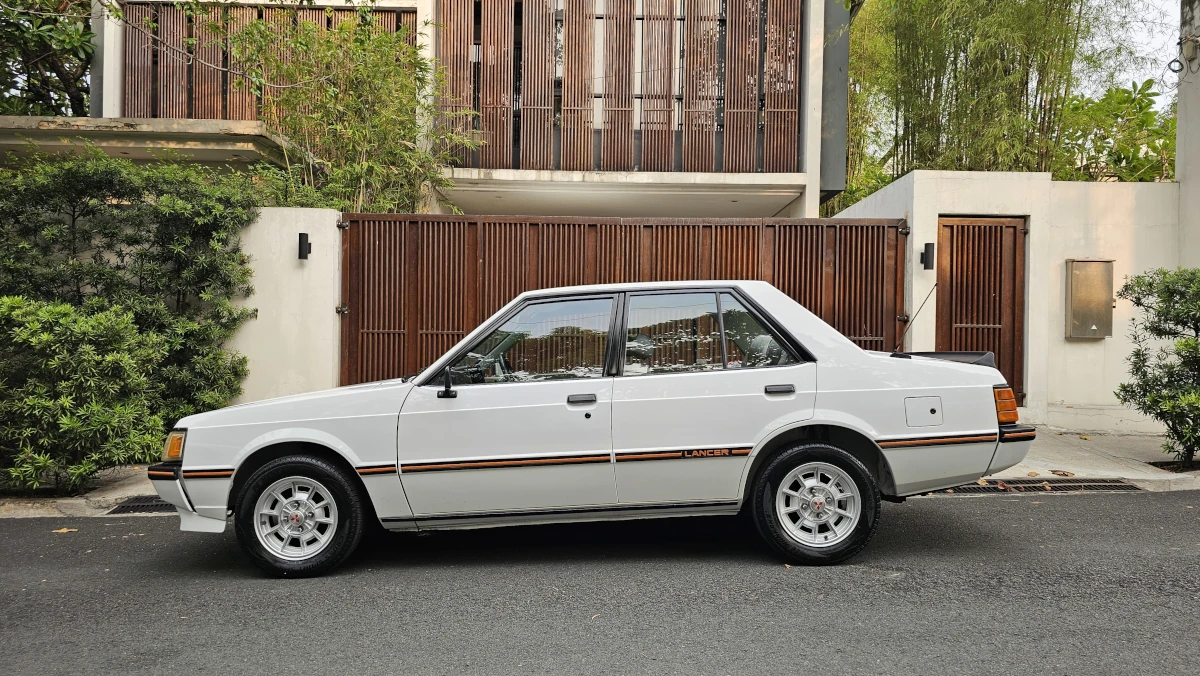
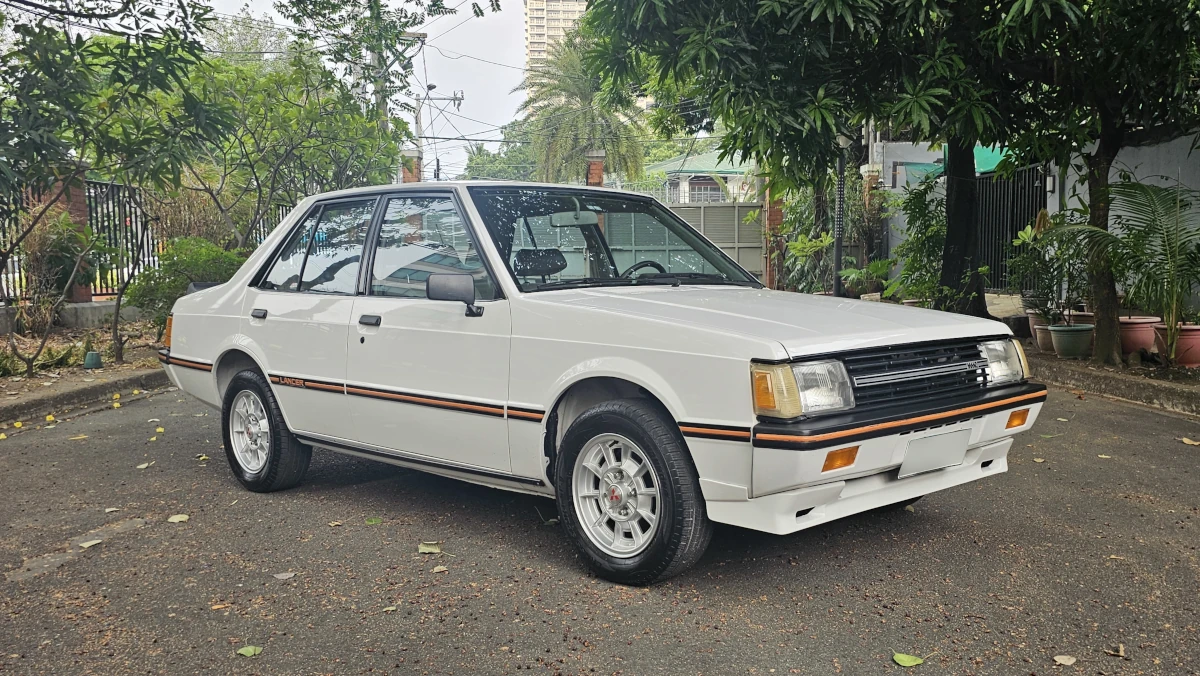
The A170’s boxy shape was surprisingly penned in Italy by designer Also Sessano of Carrozzeria Fissore from Savigliano, near Turin. The classic three-box design with the wedge-shaped silhouette, sharp lines, flat surfaces, and smooth profile veered away from the curves of 1970s American cars.
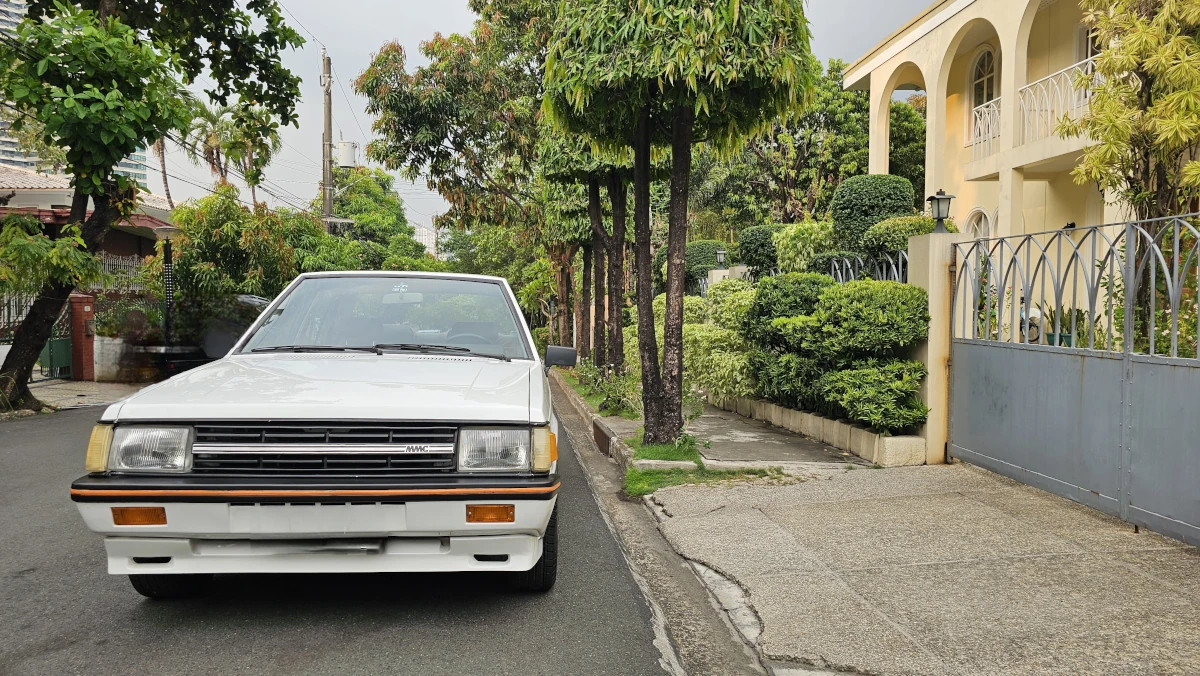
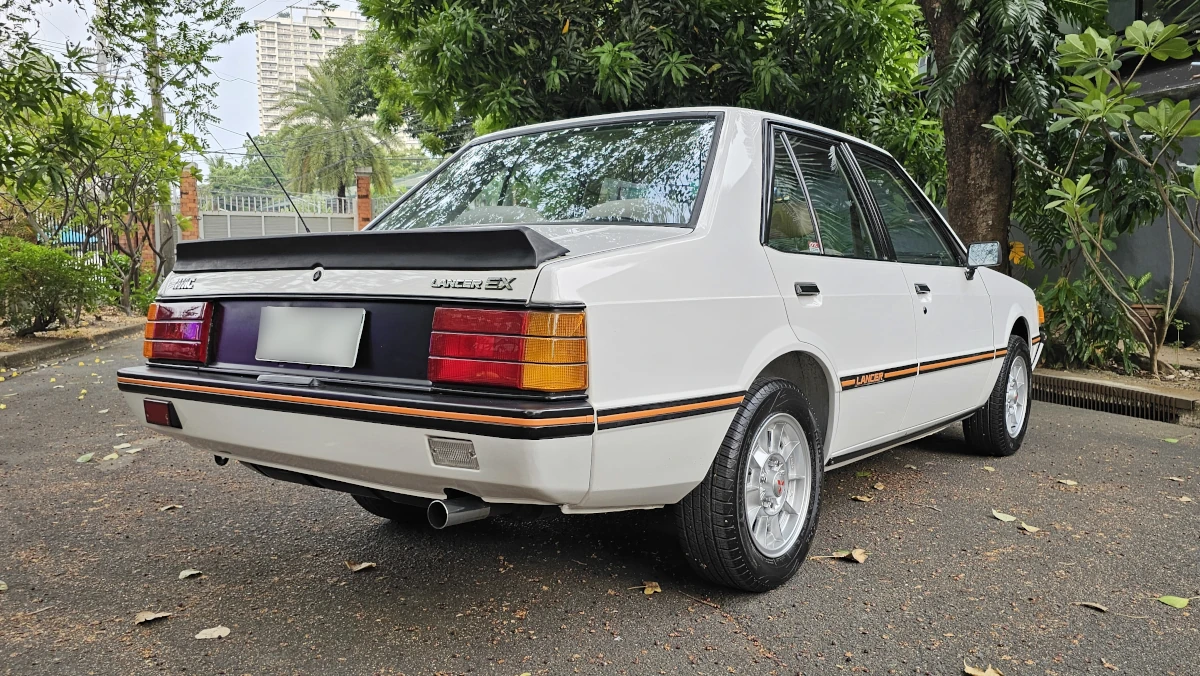
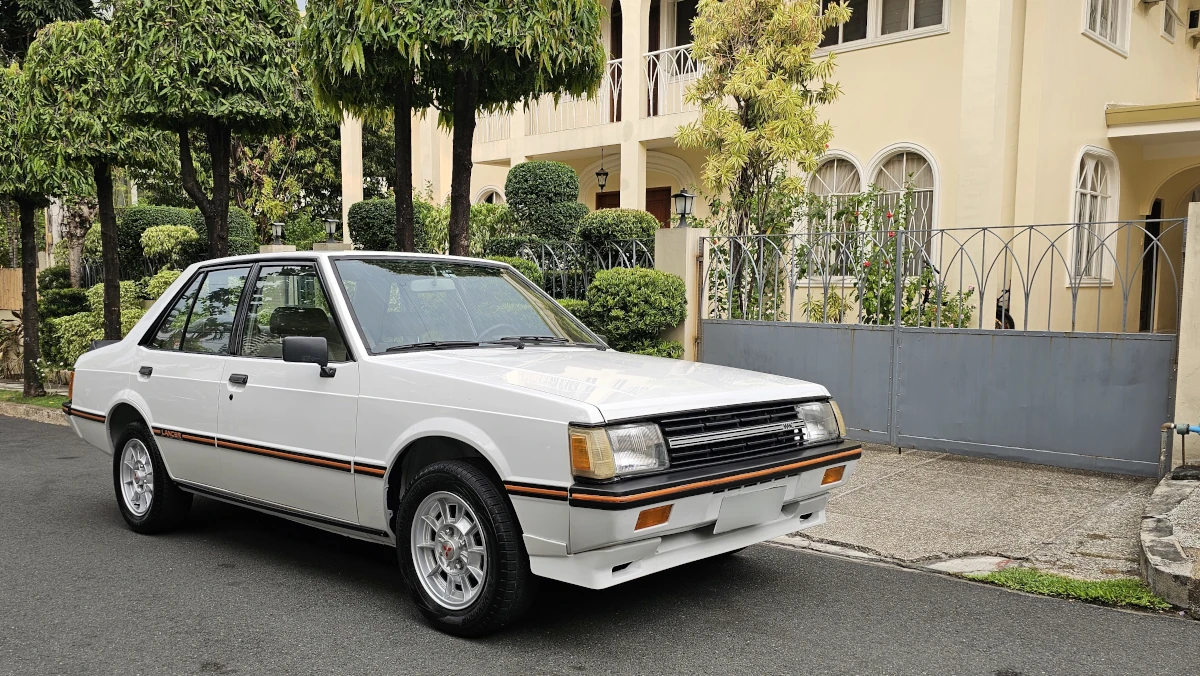
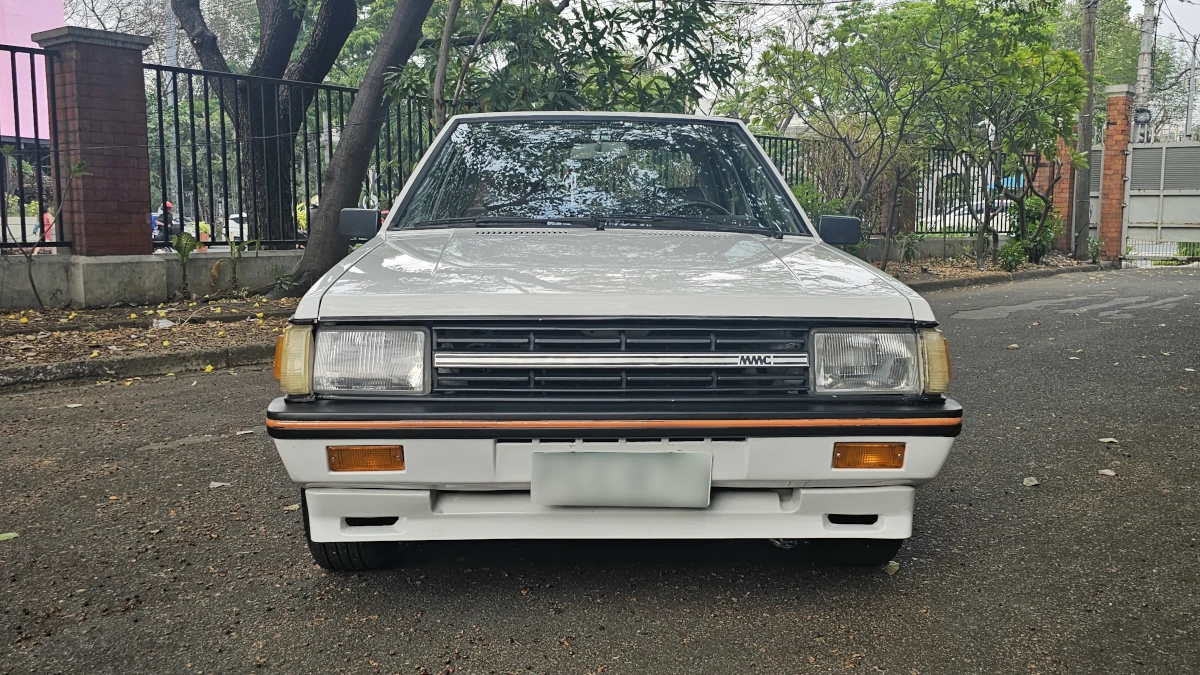
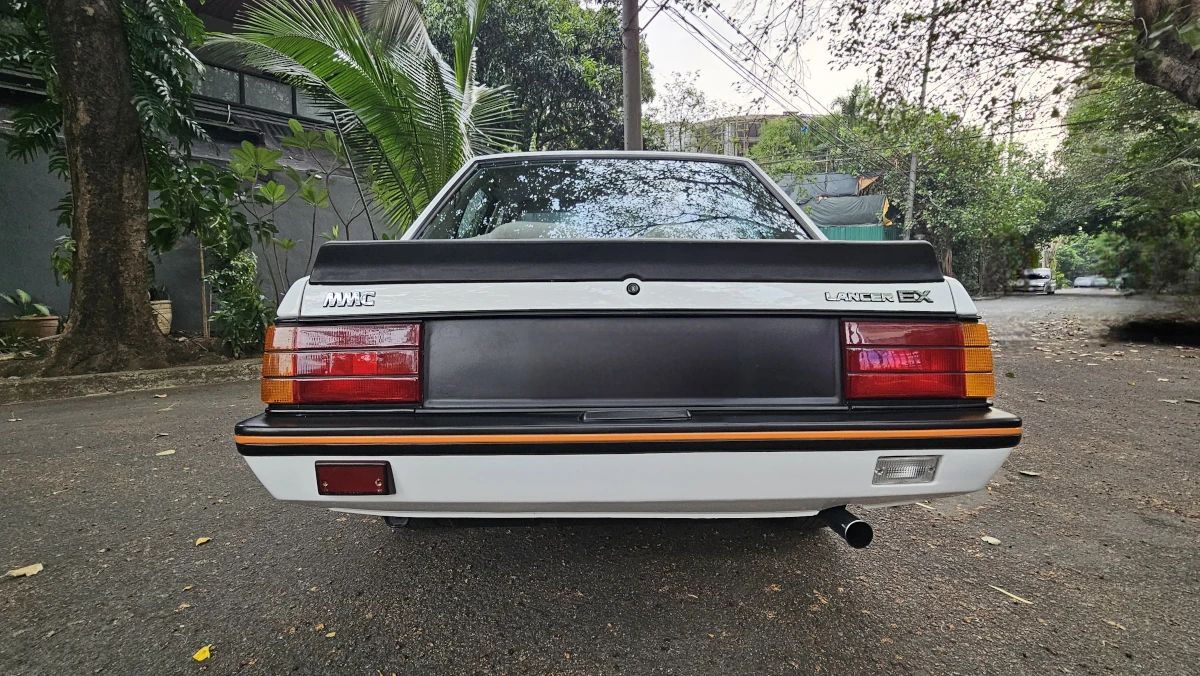
In an attempt to improve aerodynamics, the A170 Lancer was the first Mitsubishi model to feature plastic bumpers integrated into the body, moving away from the heavy chrome units found in the A70 Lancer and A120 Galant. The front slant nose and rectangular headlights gave the car a solid and well-sculpted appearance, while the rear profile mirrored that of the front with a flat trunk lid and squared off tail lights that gave it the iconic “box-type” name.
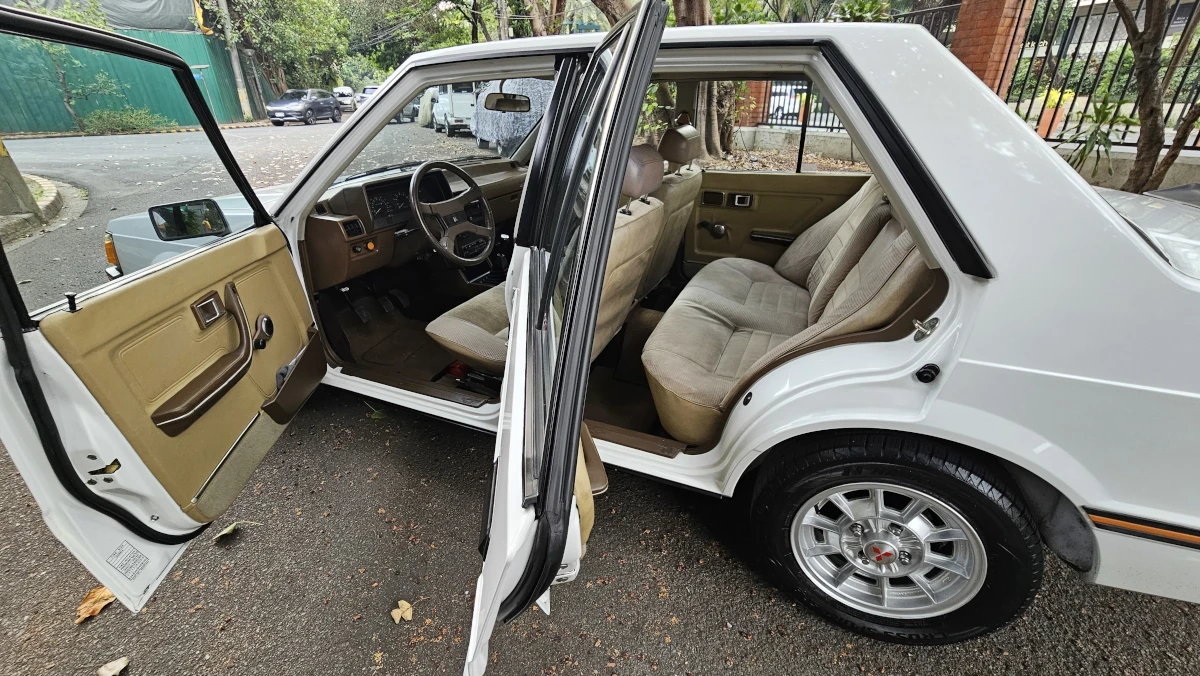
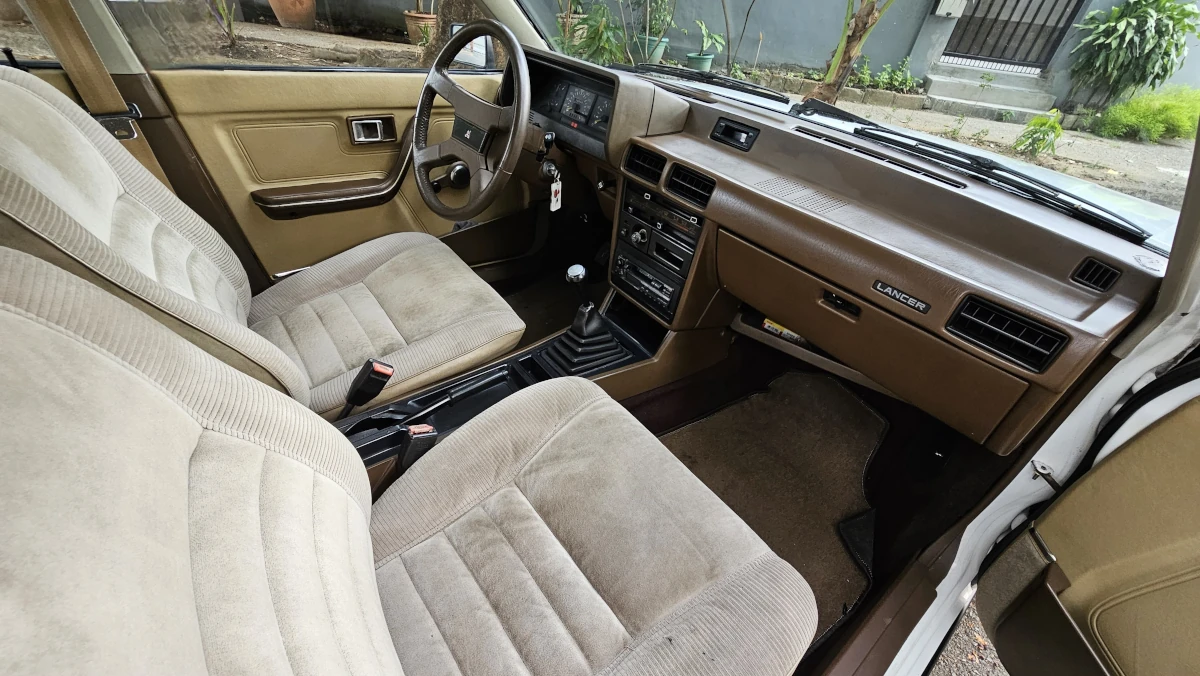
The second-generation Lancer’s body was enlarged by 125mm compared to the original model to be able to provide added space and comfort. Design wise, the boxy theme continues inside with angular lines dominating the dashboard. The instrument cluster is well laid out with easily readable gauges and a lot of information available—speed, RPMs, fuel level, engine temperature, oil pressure, and voltage.
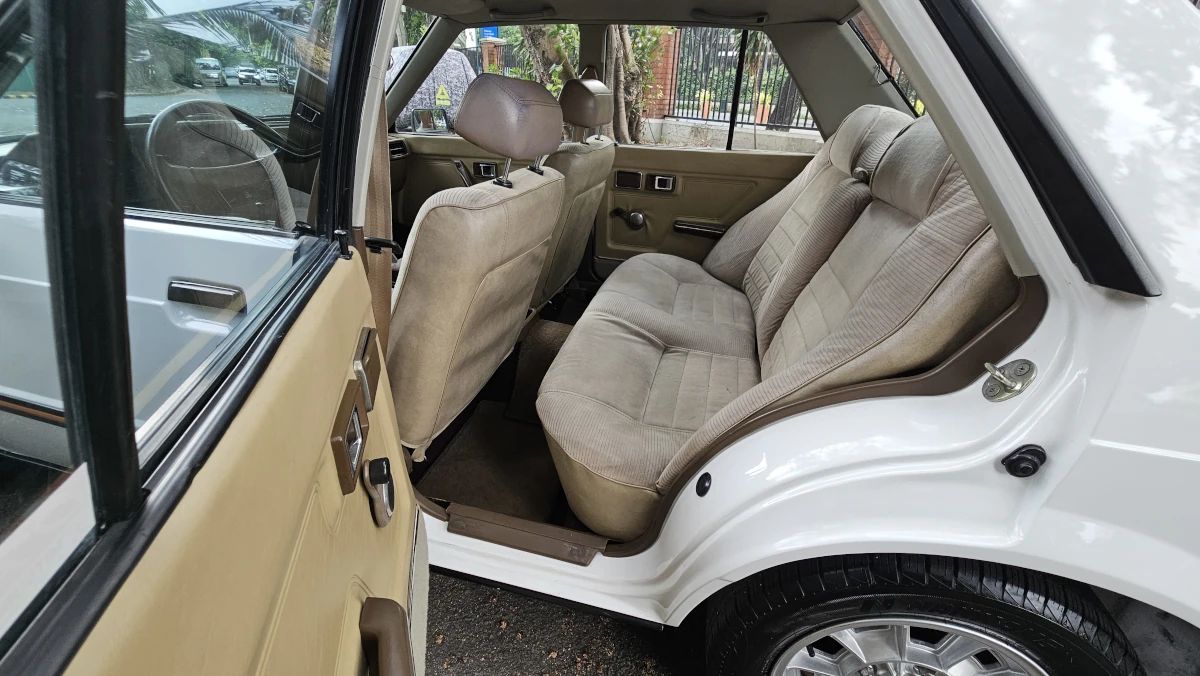
The center stack consists of air conditioning controls, a single-DIN radio head unit, and something you no longer see today: a cigarette lighter and ashtray. Front seats can be considered comfortable even by today’s standards, but do not expect much support for your sides and lower back. Rear seat room can best be described as adequate, especially if you compare this to a Toyota Corolla or Nissan Sentra of the same era. This is no doubt a compromise of the rear-wheel drive layout.
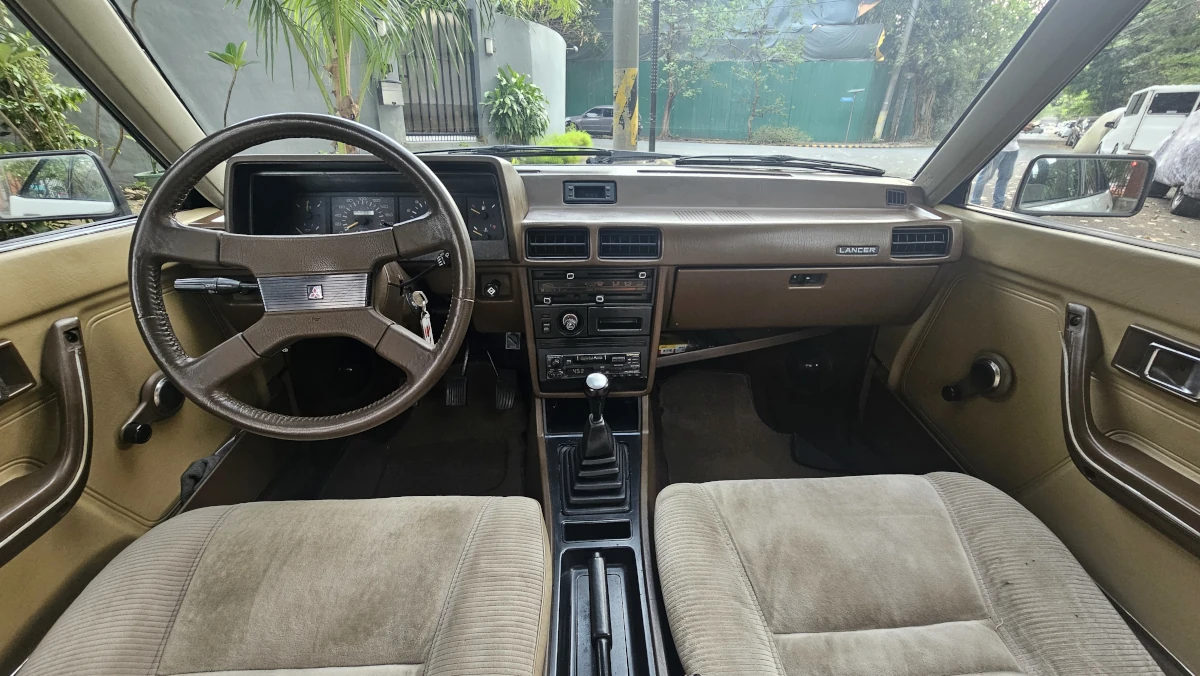
At the time of the global launch, the Mitsubishi Lancer A170 was offered with two engines: the 67hp 1,400cc 4G12 or the 85hp 1,600cc 4G32—the same engines offered by CARCO in the Philippines. These engines were equipped with the new ‘MCA-Jet’ or ‘Mitsubishi Clean Air’ system for reduced emissions, as well as Mitsubishi’s ‘Silent Shaft’ technology that provided a smoother driving experience by reducing engine noise and vibrations.
Later versions of the Lancer were available with the 1,800cc ‘Sirius’ engine which had an output ranging from 100hp for the carbureted model up to 160hp for the turbocharged and intercooled model with fuel injection.
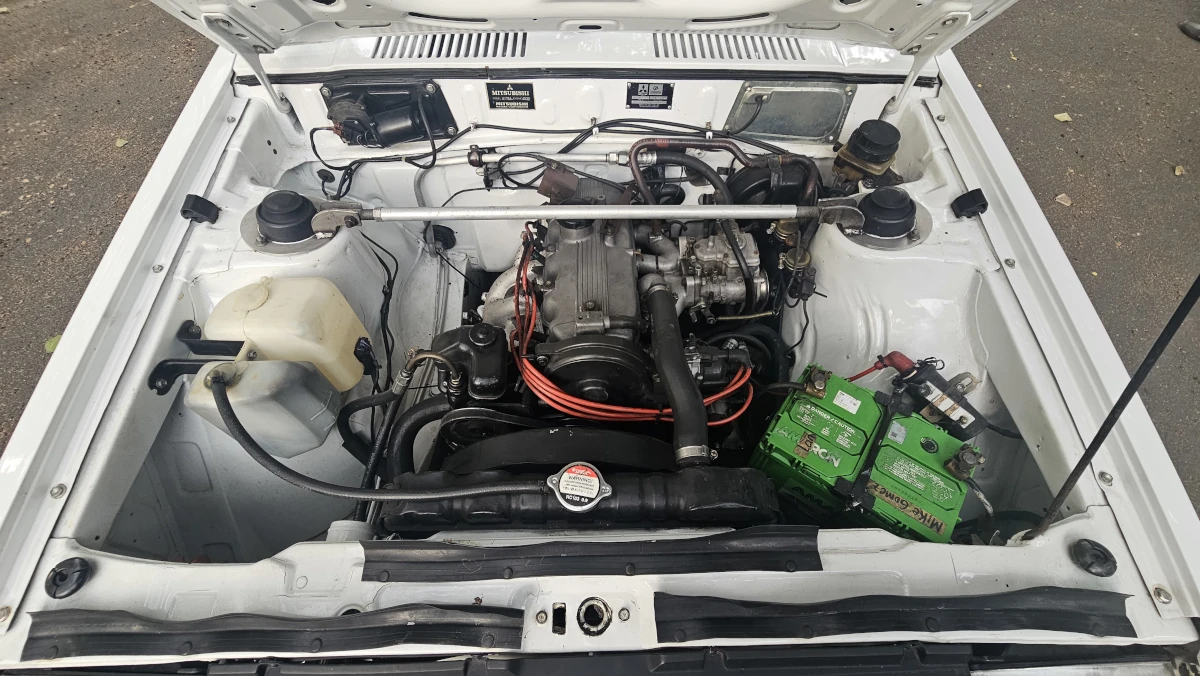
During this era, many cars in the segment began switching to a front-wheel-drive layout; the Lancer A170 maintained its front-engine rear-wheel-drive layout which made it more dependable and robust, while also providing lively handling. The front suspension consisted of MacPherson struts with coil springs, lower control arms, and an anti-roll bar; the rear setup consisted of a four-link solid-axle system with coil springs, with a panhard rod to keep the axle in place.
Steering is done courtesy of a mechanical recirculating ball system, while brakes were power-assisted front discs paired with rear drum units. Rear discs were available for higher trims like the GSR, GT, and Turbo.
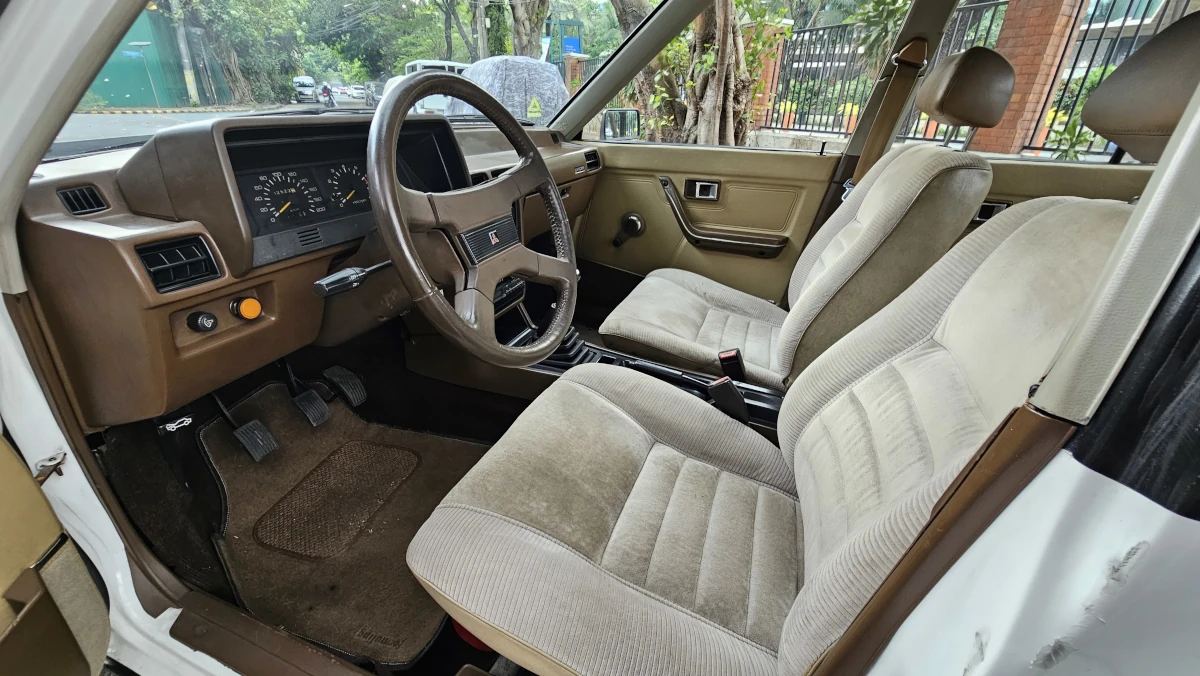
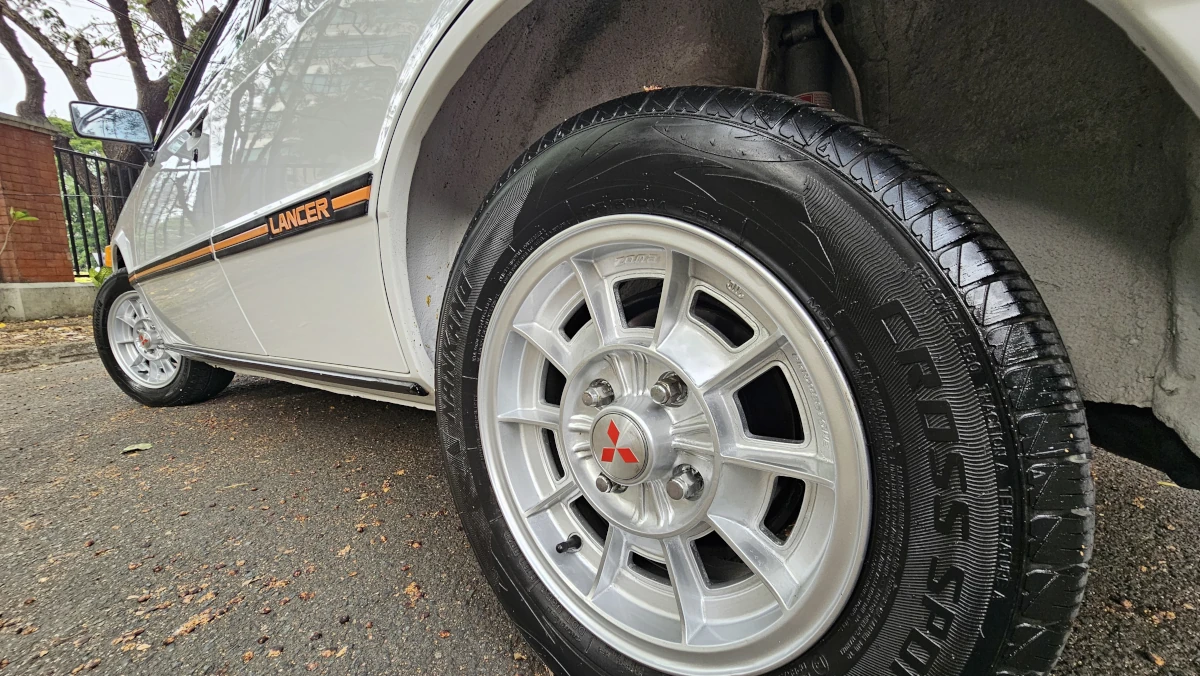
The Lancer we have today came of the CARCO assembly line in 1982, and is a 1,600cc GSR model. Currently with just its third owner, the exterior was given a refresh in 2022, keeping its original white color. During the refresh, the current owner took the opportunity to make the car his own by adding period correct accessories: aerodynamic parts from a Turbo model, a factory MMC front grille, a factory rear fog lamp, as well as a set of rare Murakami side mirrors, plus a set of equally rare Bridgestone Zona aluminum wheels.
The engine was lightly tuned with factory ‘No. 6’ profile camshaft and a single Weber 40 sidedraft carburetor flowing through a Lynx aluminum manifold. To make city driving more bearable, power steering was also retrofitted. Inside, genuine Mitsubishi JDM switches were added to fill out the empty slots, and the rare brown/beige interior with the genuine GSR velour seats were preserved in their original state. During the refresh, the owner chose to restore the car to a more driveable level instead of giving it garage queen treatment. So while this Lancer may not be a show winner, the owner takes pride in driving the car to and from his office on a regular basis.
Older cars possess a certain charm and sense of nostalgia which can mask some of the shortcomings that come with operating them, but I was actually pleasantly surprised by how easy it was to drive the Lancer. The velour seats were plush and comfortable; the driving position excellent and very comparable to today’s compact cars with the controls like the pedals, steering wheel, and gear shifter being where they needed to be.
The 4G32 fires up easily—a sign of how well-sorted the tuned engine is. Getting the car moving is very easy as the steering and the clutch are quite light, and offer a positive feel with very easy take up in first gear. The Weber carburetor and fast-road camshaft make their presence felt by providing brisk acceleration for this 1,000kg car.
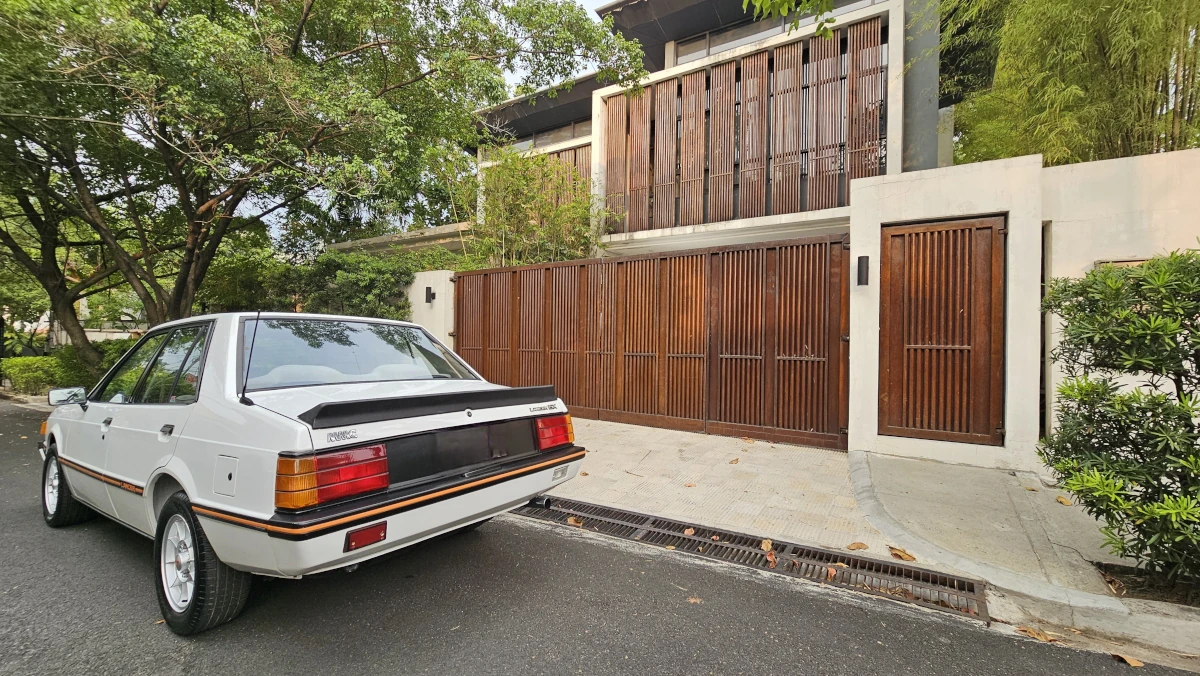
Sitting in traffic, you start to feel how small the Lancer A170 is compared to today’s newer cars, especially when parked beside a newer Montero Sport. At 4,230mm long, 1,545mm wide, and 1,385mm tall, it is significantly smaller than the Mirage G4 on sale today.
The small size, light weight, and rear-wheel-drive layout does mean that it handles with agility and liveliness. The suspension provides good communication, and so does the power-assisted hydraulic steering—this car tells you exactly what it is doing.
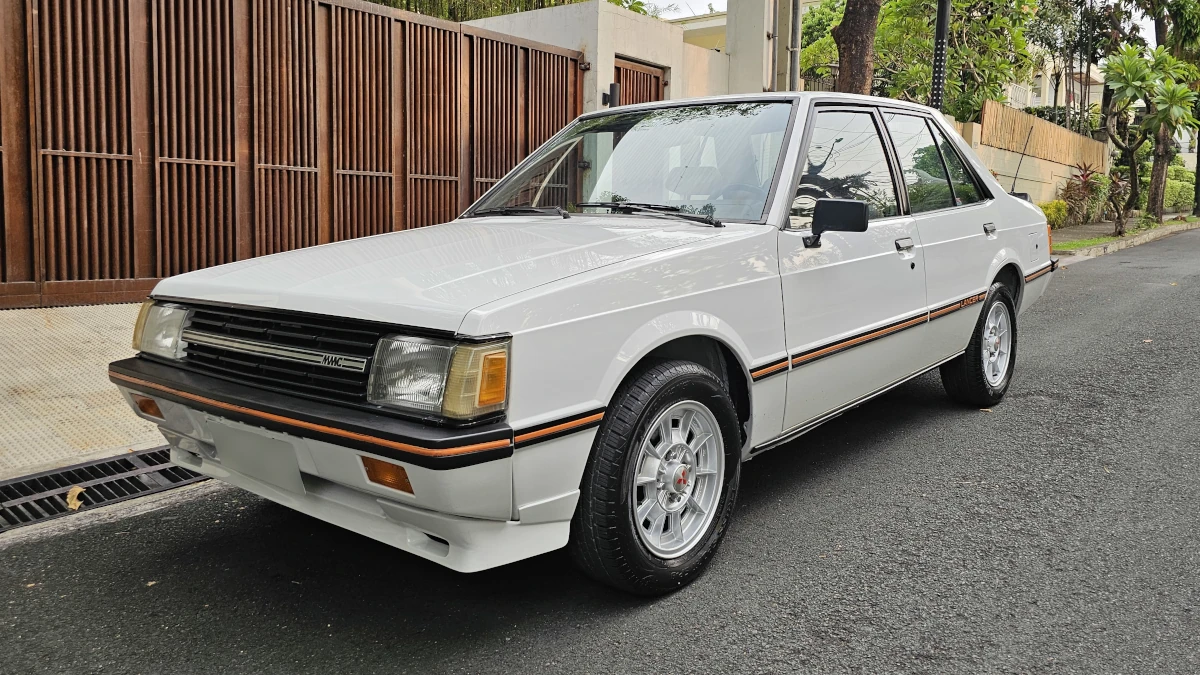
The Mitsubishi A170 Lancer has become an icon in the Philippines. It was the epitome of 1980s cool, and was one of the most popular cars during a period when the PCMP limited buying options. Its simple front-engine rear-wheel-drive layout made it easy to maintain and provided a rugged platform that favored longevity. This layout also made them easy to modify—swapping in high performance engines and gearboxes from Japan was pretty common at that time.
Another factor which helped make the Lancer a status symbol in the Philippines was Mitsubishi’s successful return to motorsport activities with its participation at the 1981 Acropolis Rally with two Group 4 Lancer EX 2000 Turbos powered by the mighty 4G63 engine. This is the same engine that would power future generations of Mitsubishi rally cars that came after the Lancer A170 like the Starion AWD, Galant VR4, and the famous Lancer Evolutions—all legends that owe their existence to the Lancer A170 “box-type.”
SPECS: 1982 Mitsubishi Lancer GSR
Engine: 1,597cc four-cylinder SOHC with Weber 40 DCOE carburetor
Transmission: Five-speed manual transmission
Power: 100hp (estimated)
Drivetrain: Front-engine, rear-wheel drive
Front suspension: MacPherson struts with coil springs, lower control arms, and anti-roll bar
Rear suspension: Four-link solid axle, coil springs, and panhard rod
Seating: 5
More photos of the 1982 Mitsubishi Lancer GSR: