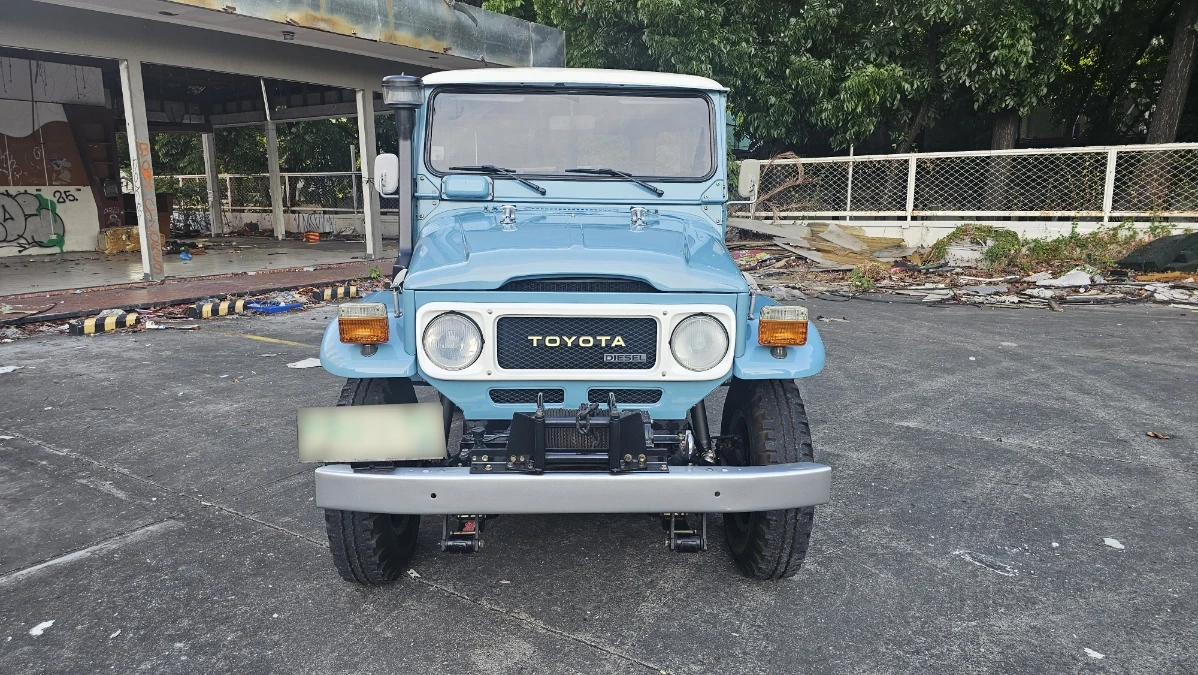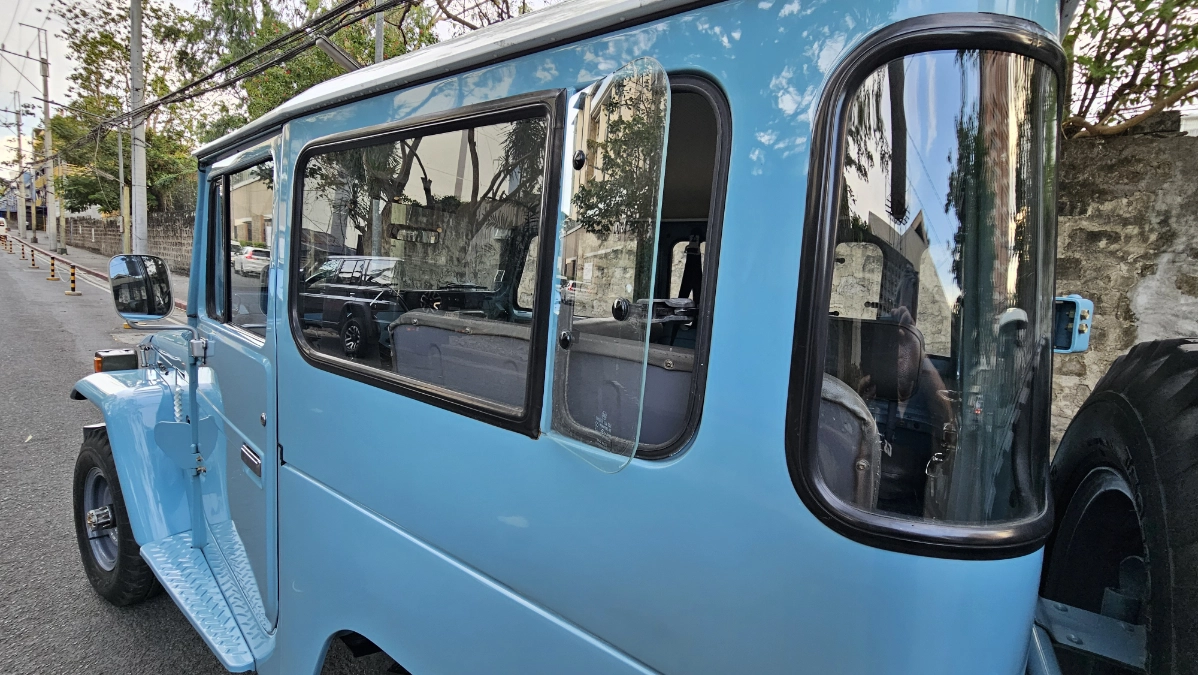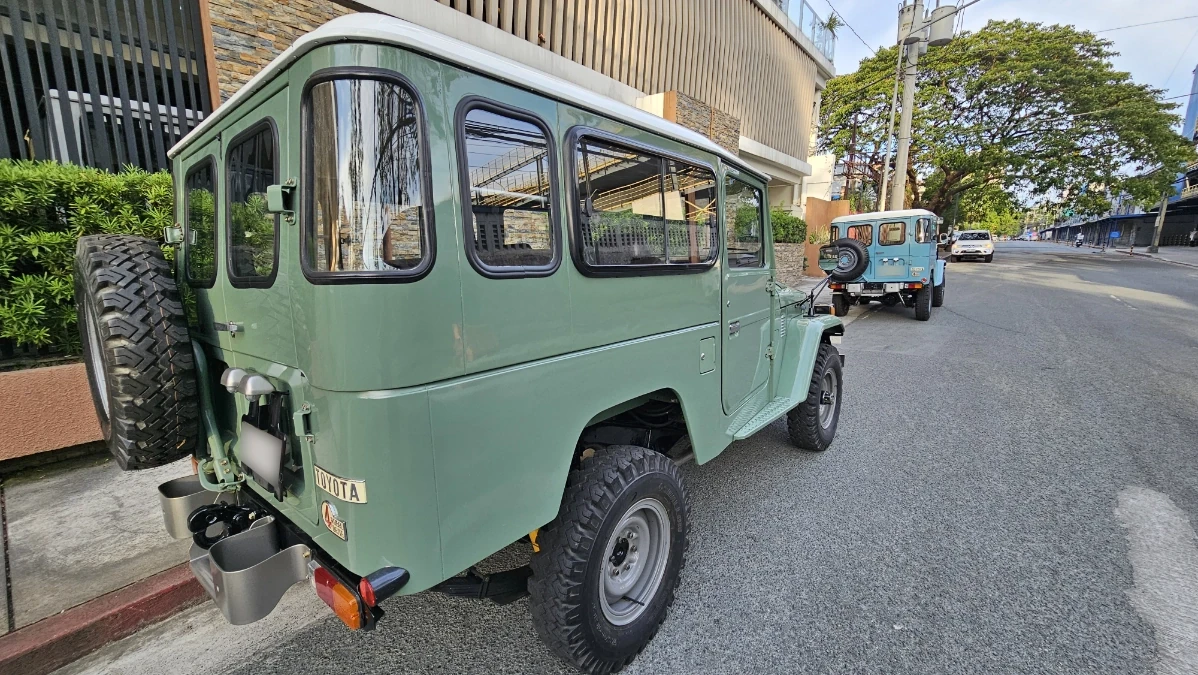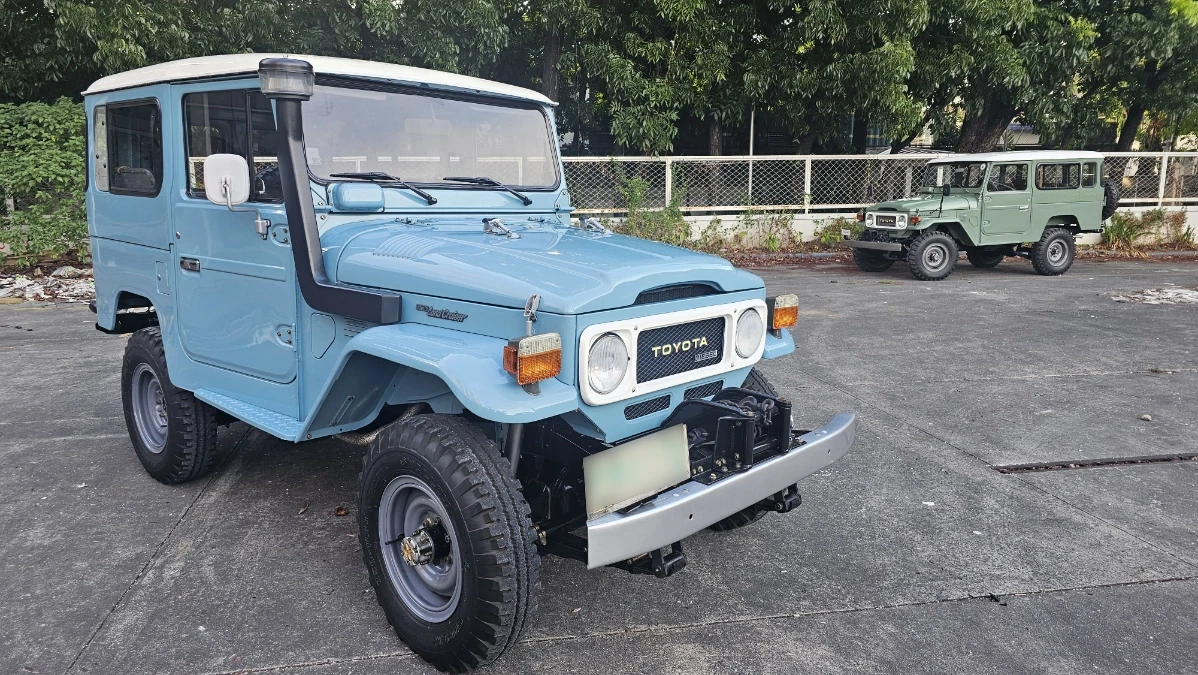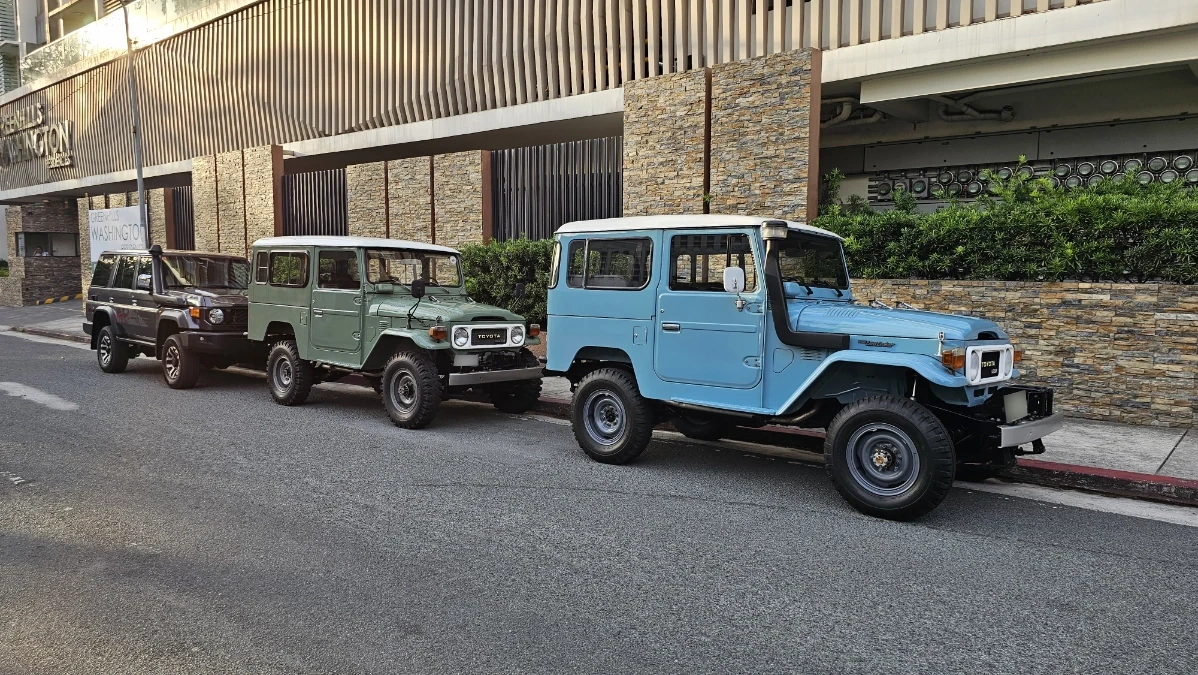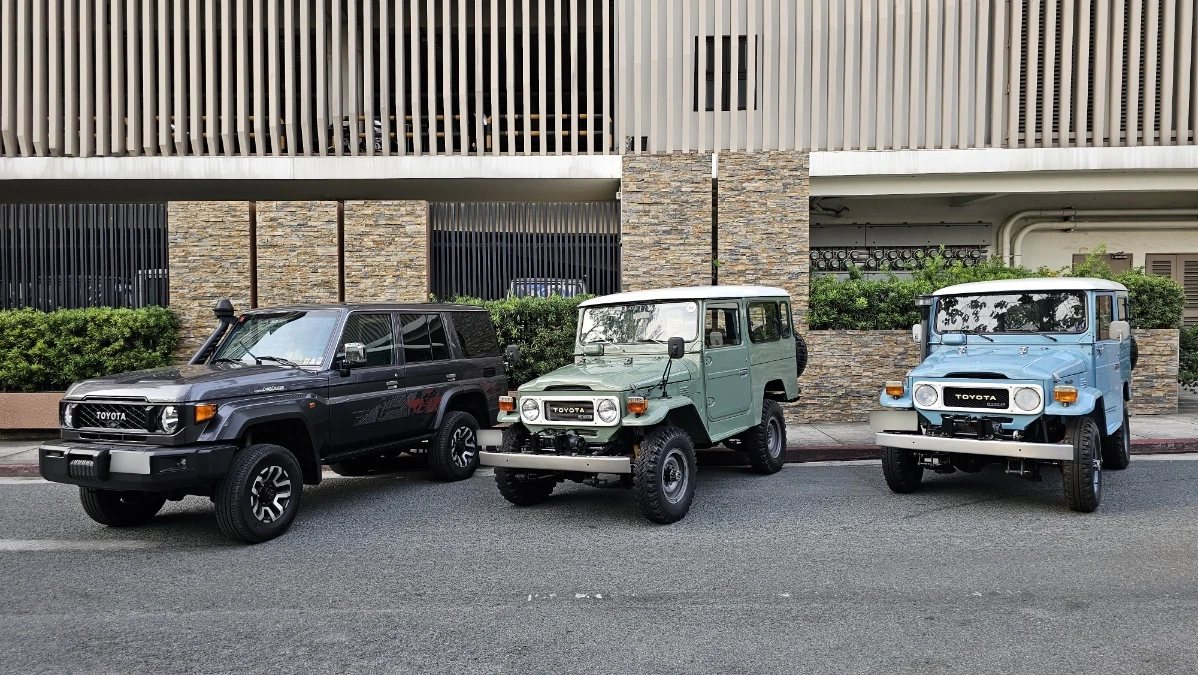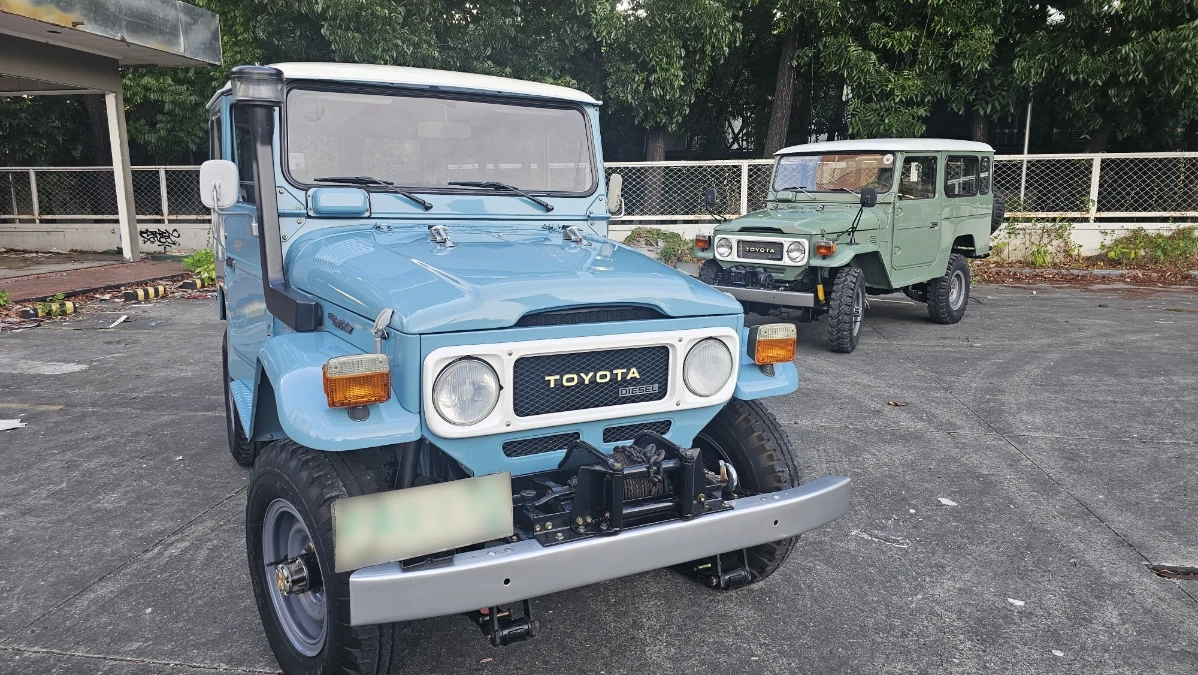

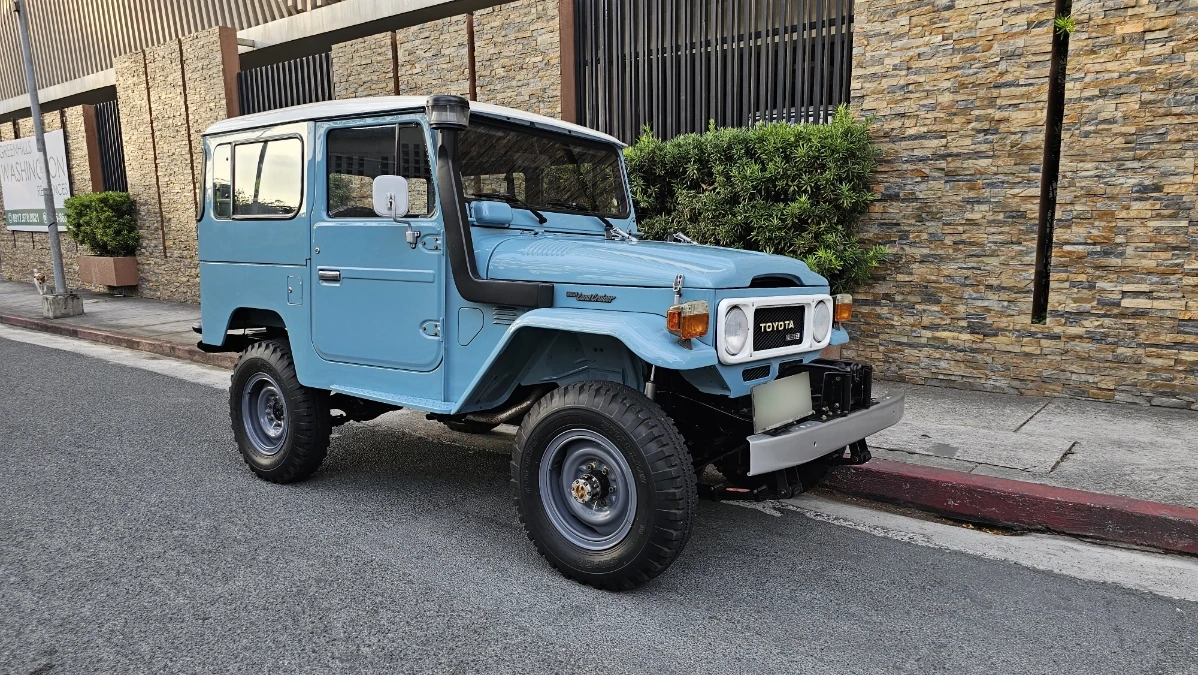
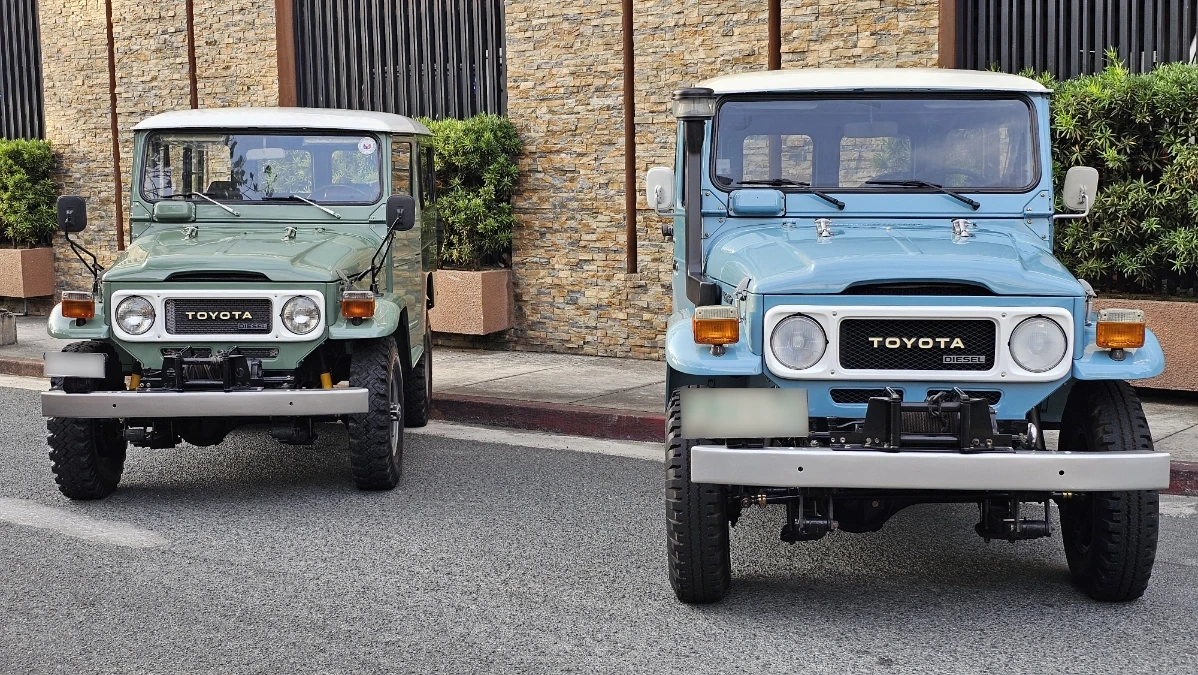
In September of 2014, the Sky Blue 1982 Toyota Land Cruiser BJ40 pictured here was what greeted visitors to the Philippine International Motor Show. It was (and still is) one of the finest examples of the model at the time, and it landed the pages of Top Gear Philippines in February the following year.
During that period, four-wheel-drive trucks and SUVs were special interest vehicles that were enjoyed and appreciated by a select group of enthusiasts...then came COVID-19. Limited human interaction plus lots of disposable income spurred the growth of outdoor activities like camping, off-roading, and overlanding, which piqued global interest in four-wheel-drive vehicles and eventually drove up their prices.
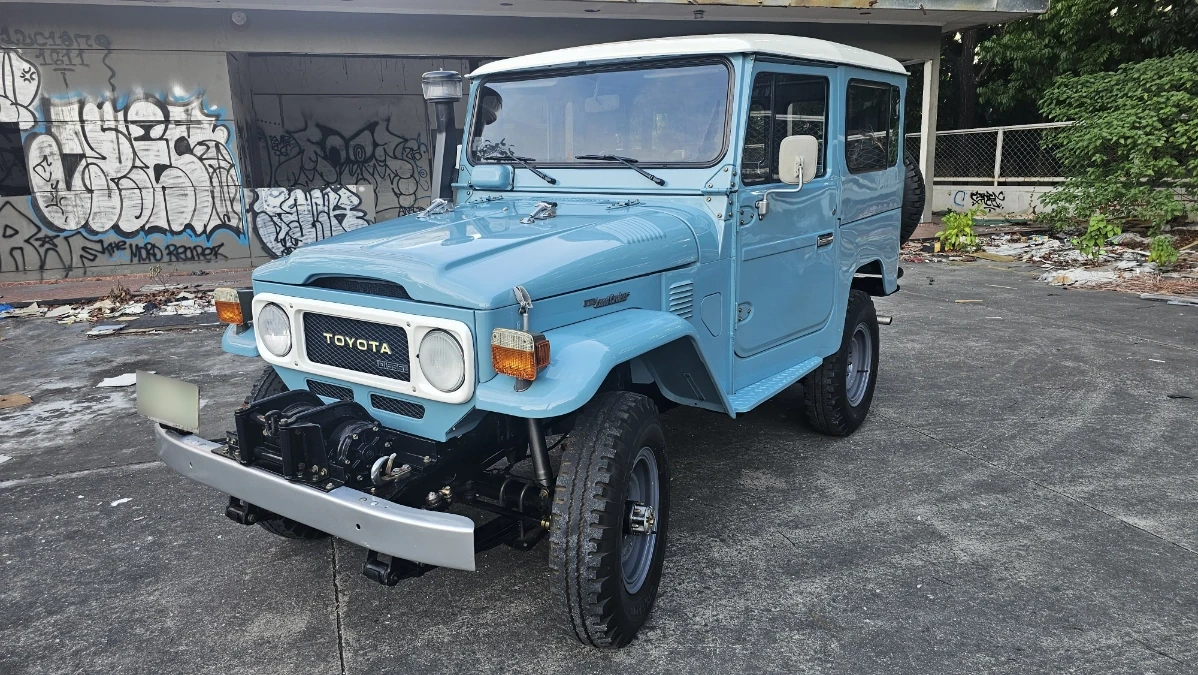
Three to four years after the end of the pandemic, values of classic Land Cruisers have remained on the high end with fine examples of the 40-series trucks hovering around the P2 million mark, further cementing their collectability and legendary status.
ALSO READ:
Retro review: The 1973 BMW 2002tii was a proper driving machine
Retro review: The Jaguar E-Type remains one of the most beautiful cars ever made
A vehicle as legendary as the Toyota Land Cruiser deserves an equally legendary backstory, so let’s go back to 1950 when the United States Army invited Japanese car manufacturers for a bid to produce a four-wheel-drive truck. Toyota for its part submitted the Jeep BJ prototype. Although it did not win the bid, Toyota continued to develop the prototype and further proved its capability by climbing up 2,500 meters to the sixth checkpoint of Mt. Fuji—higher than any motor vehicle had gone—in 1951 with test driver Ichiro Taira at the wheel.
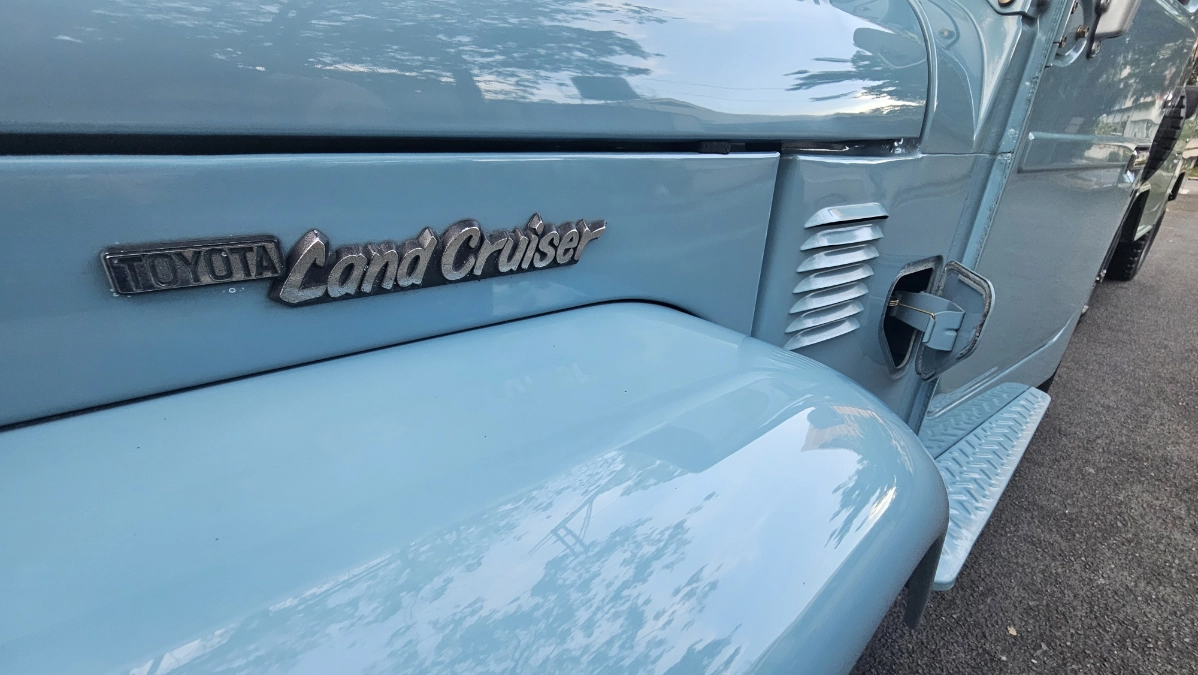
In 1954, mass production of the Jeep BJ officially began. After a claimed trademark violation made by the Willys Corporation (makers of the original Jeep), Toyota would rename it the Toyota Land Cruiser—a name specifically chosen to compete with the Land Rover from the United Kingdom.
In 1955, the ‘J20’ second-generation Land Cruiser was introduced with ‘J’ as the model code for all Land Cruisers built, a homage to the original Jeep BJ. The intention was to make it less agricultural and more appealing to civilians, so it had a more stylish exterior, better ride quality, a more comfortable interior, and astonishingly optional air-conditioning in 1951, opening a whole new export market.
In 1956, the Land Cruiser was the first mass-produced Toyota car to be exported to world markets beginning with Brazil and Saudi Arabia, where it developed a reputation for toughness and go-anywhere capability which it still carries until today.
The now-classic third-generation Land Cruiser J40 was introduced in 1960 along with more modern production techniques, diesel engines, and a low-range transfer case for improved off-road performance. During its 24-year production run, the 40-series was available in three wheelbase options: short (J40/J41/J42), medium (J43/J44/J46), and long (J44/J47). It was also sold with a variety of petrol and diesel engines.
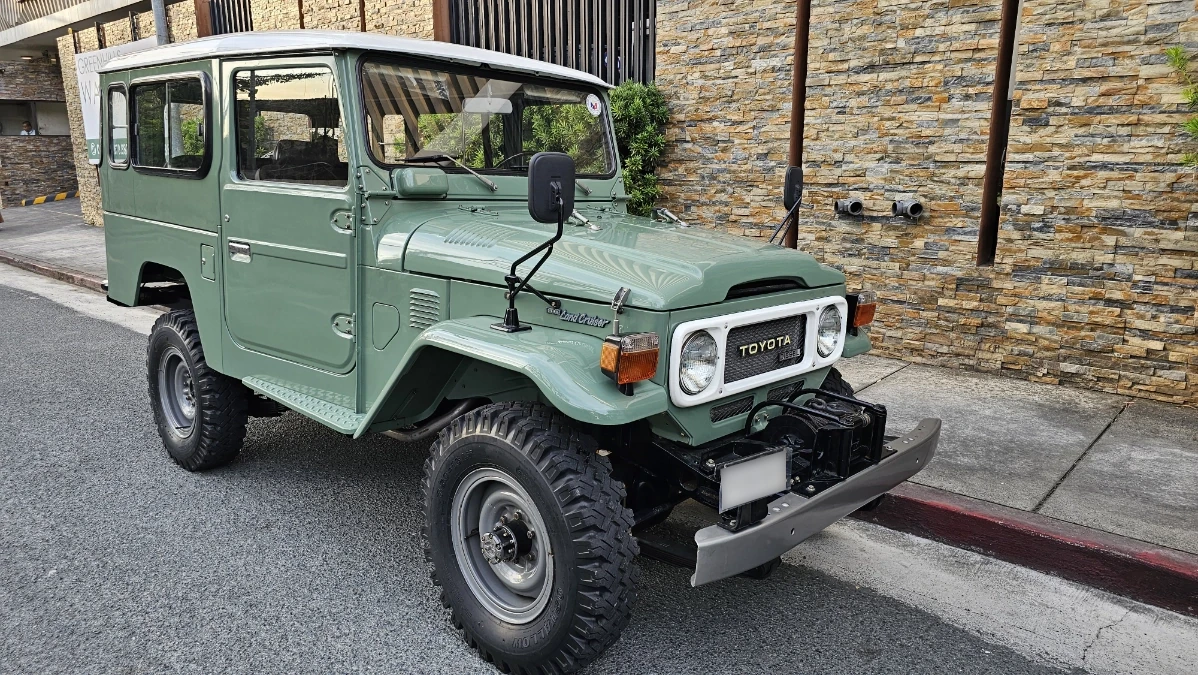
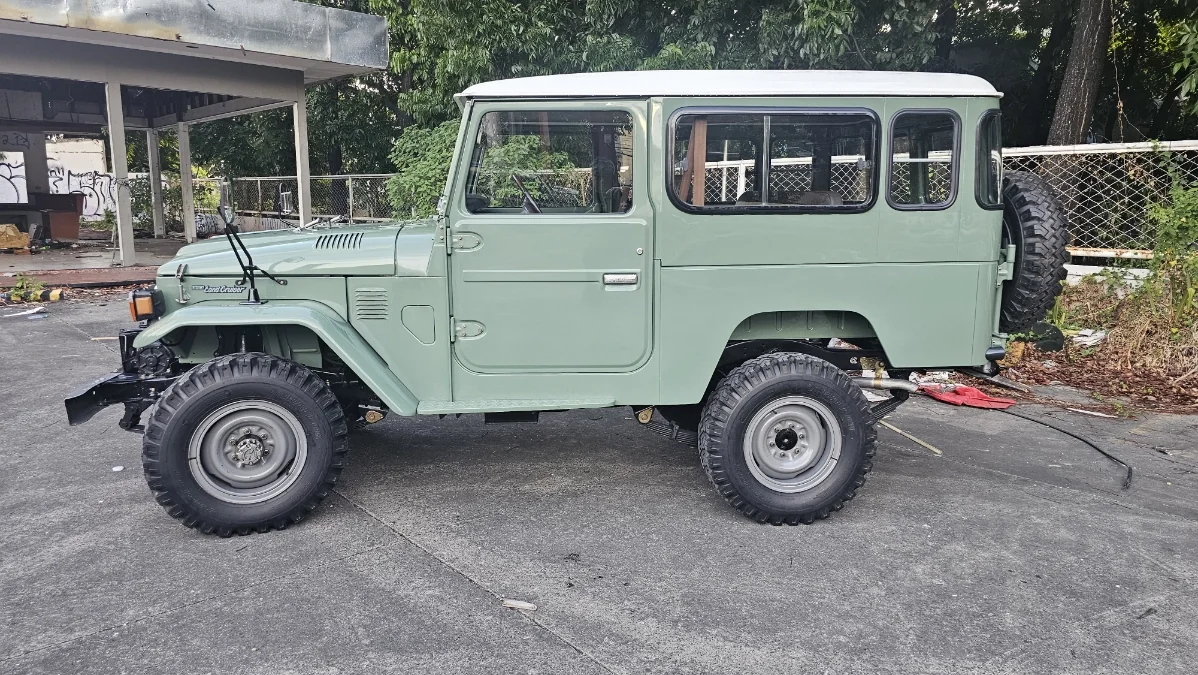
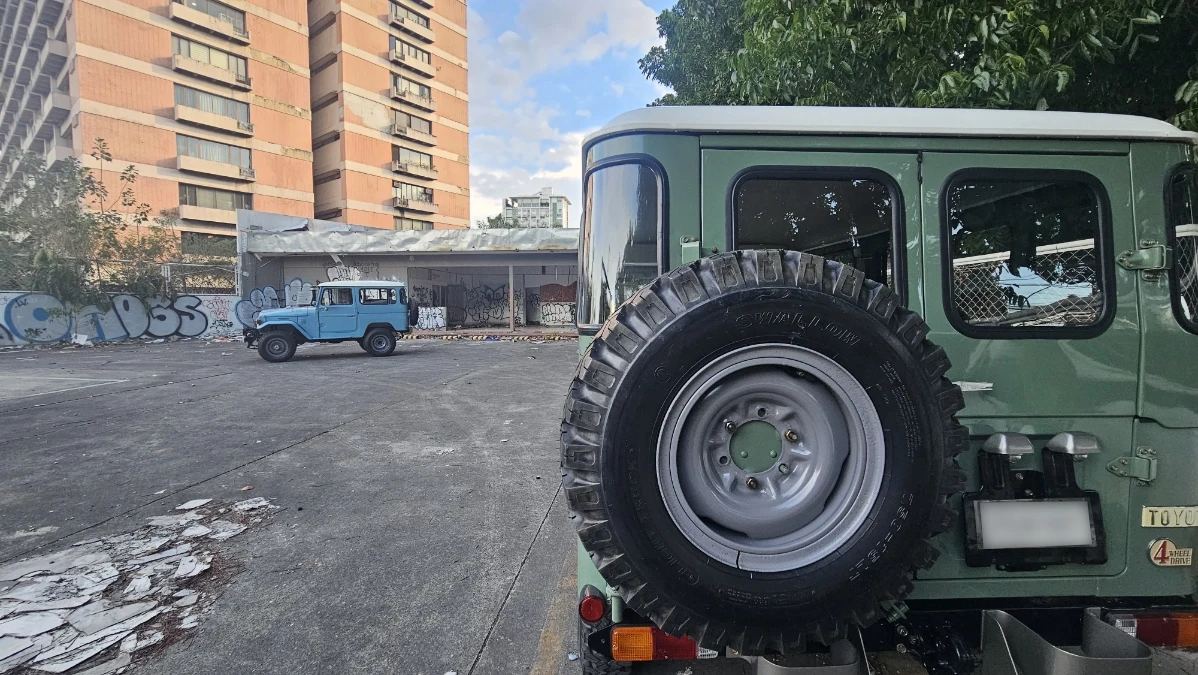
The J40 has now become one of the most iconic Land Cruisers ever built and was the design inspiration for the FJ Cruiser that was introduced in 2006. One look at the Land Cruiser 40 and you know it means business from the boxy Jeep-style silhouette, massive steel bumpers and the ambulance type doors with a chunky swing out spare tire carrier.
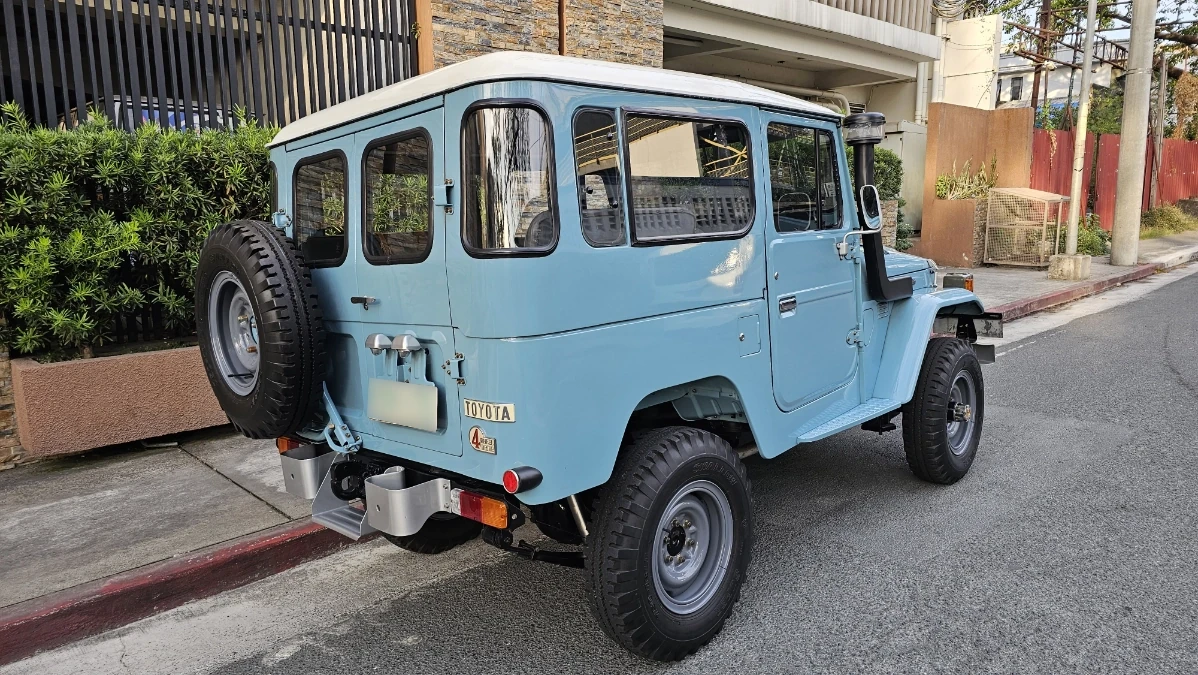
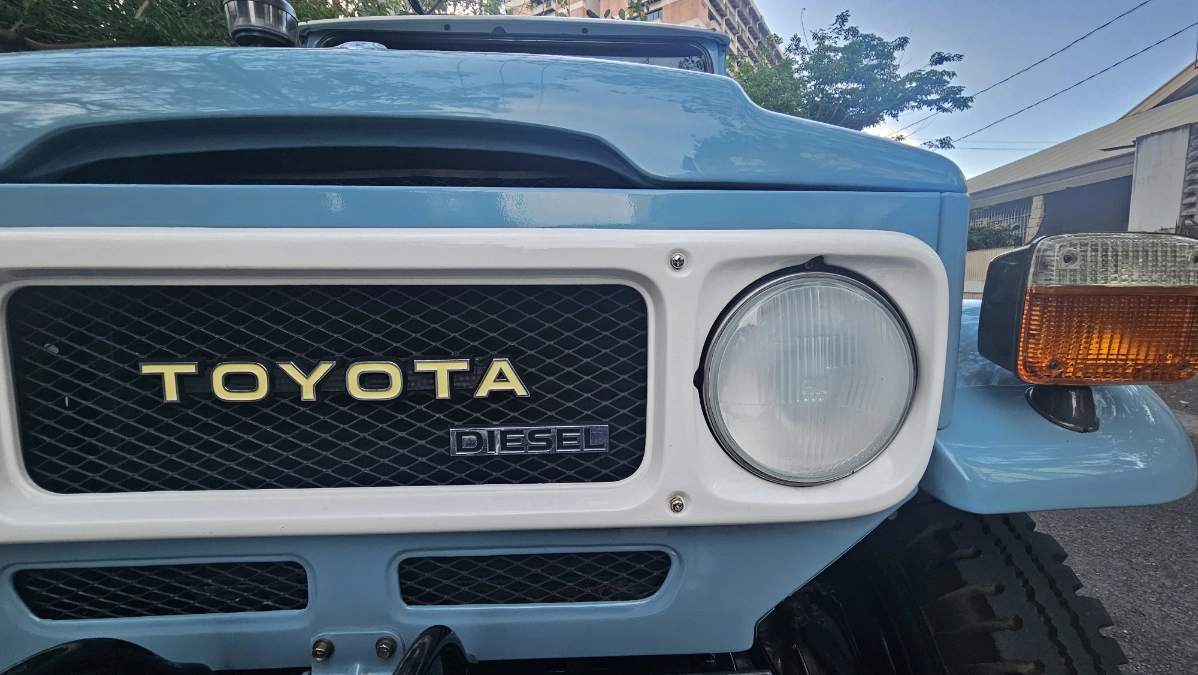
The roof was raised from the previous J20, but made of fiberglass to reduce center of gravity. Distinctive features include the curved corner windows and the one-piece fold-down windscreen that gave excellent visibility. The iconic front end features headlights positioned within the grille flanked by large orange rectangular indicators, which until 1969 were actually round units.
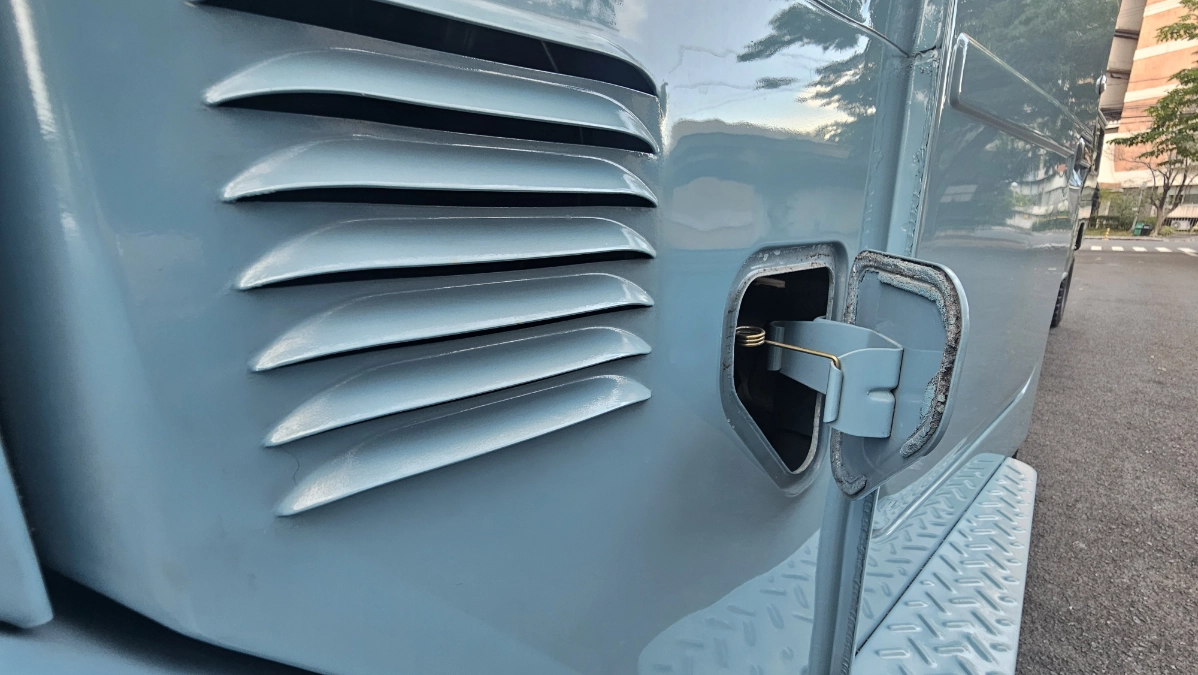
The rest of the exterior is just filled with utilitarian details like rubber caps on the hood for holding the windscreen when folded, the external hood hold-down latches, and the heavy-duty exposed door hinges.
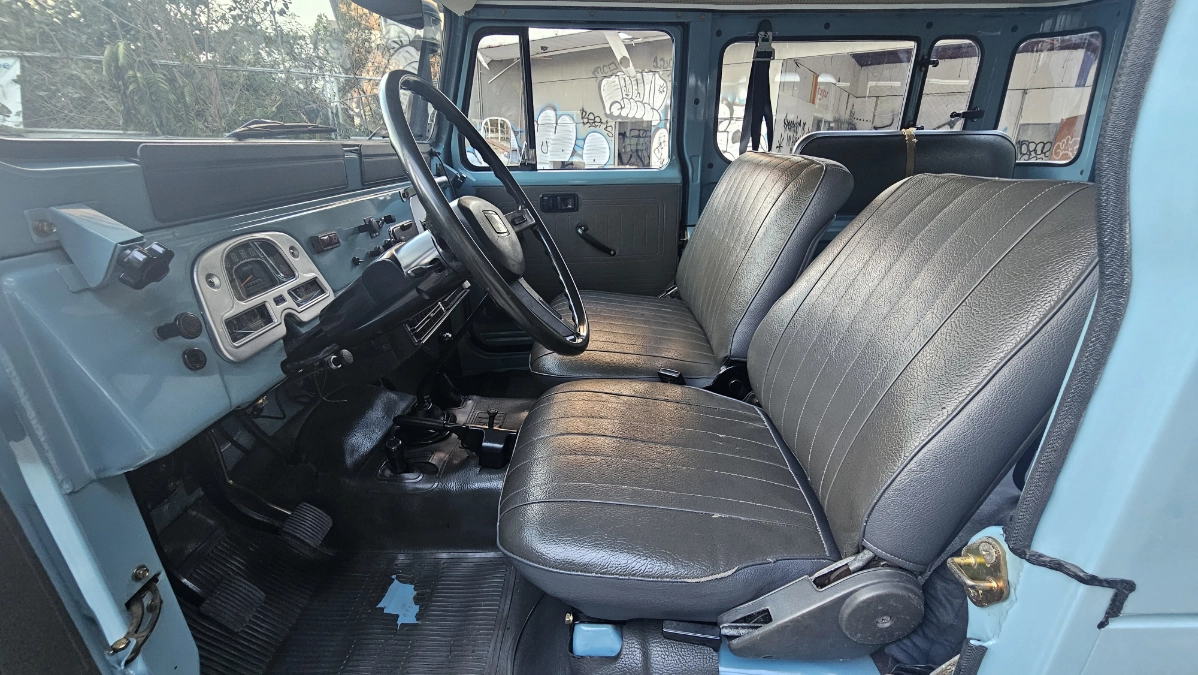
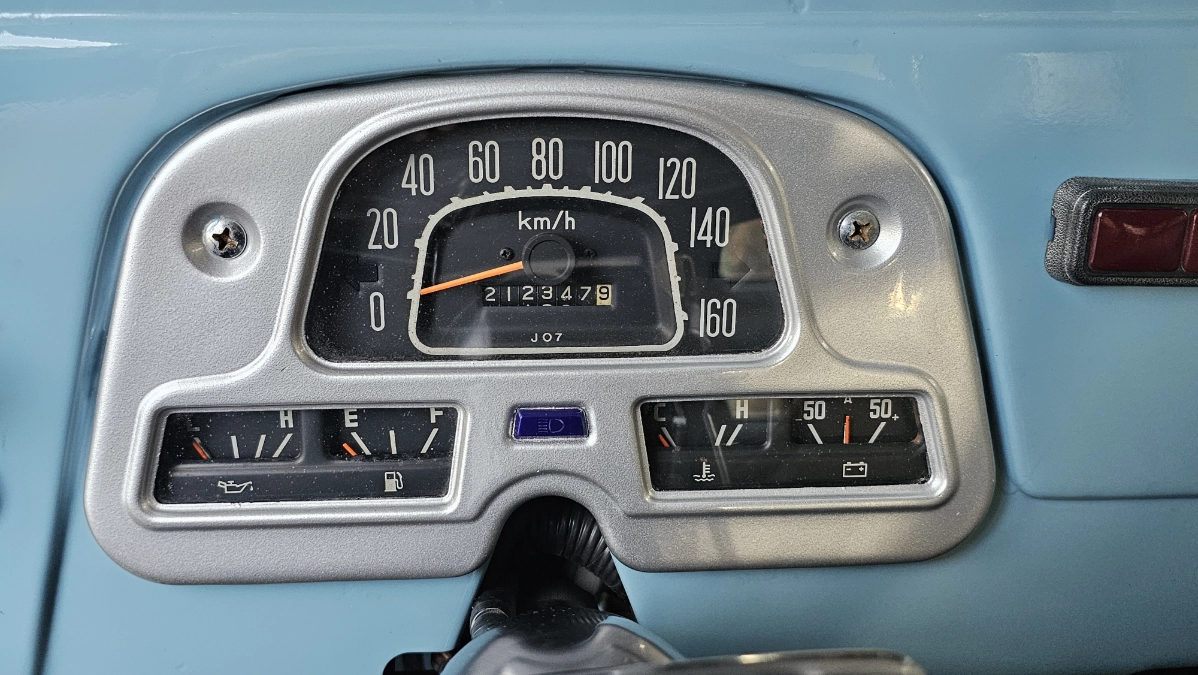
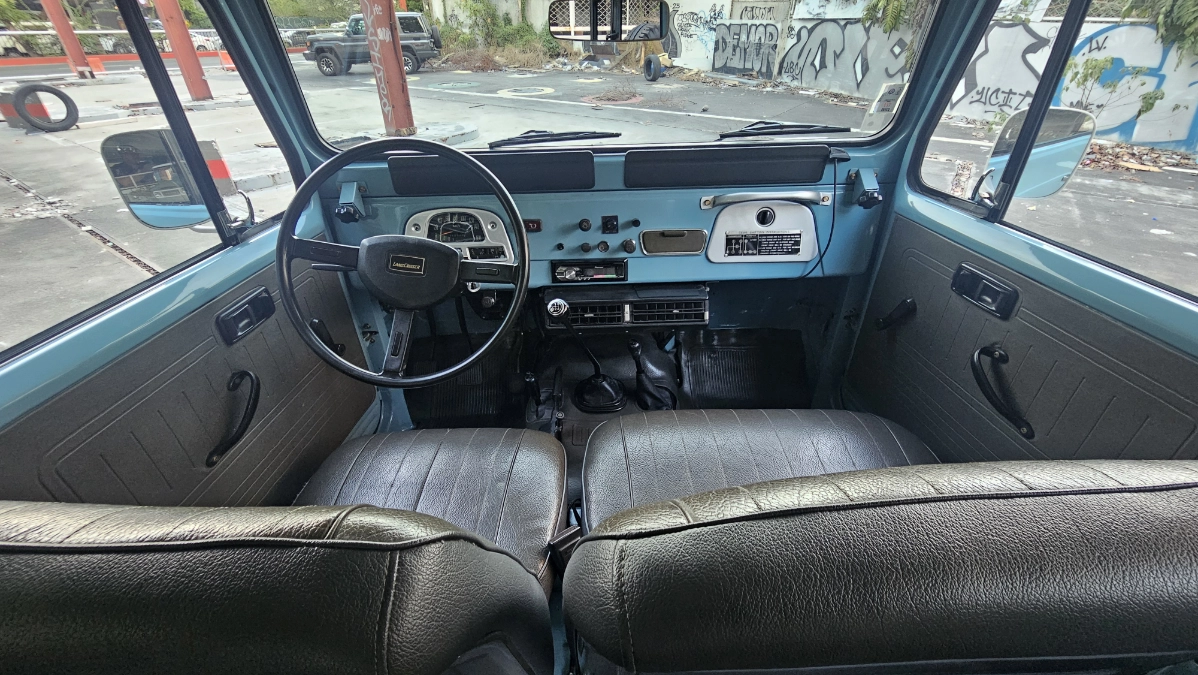
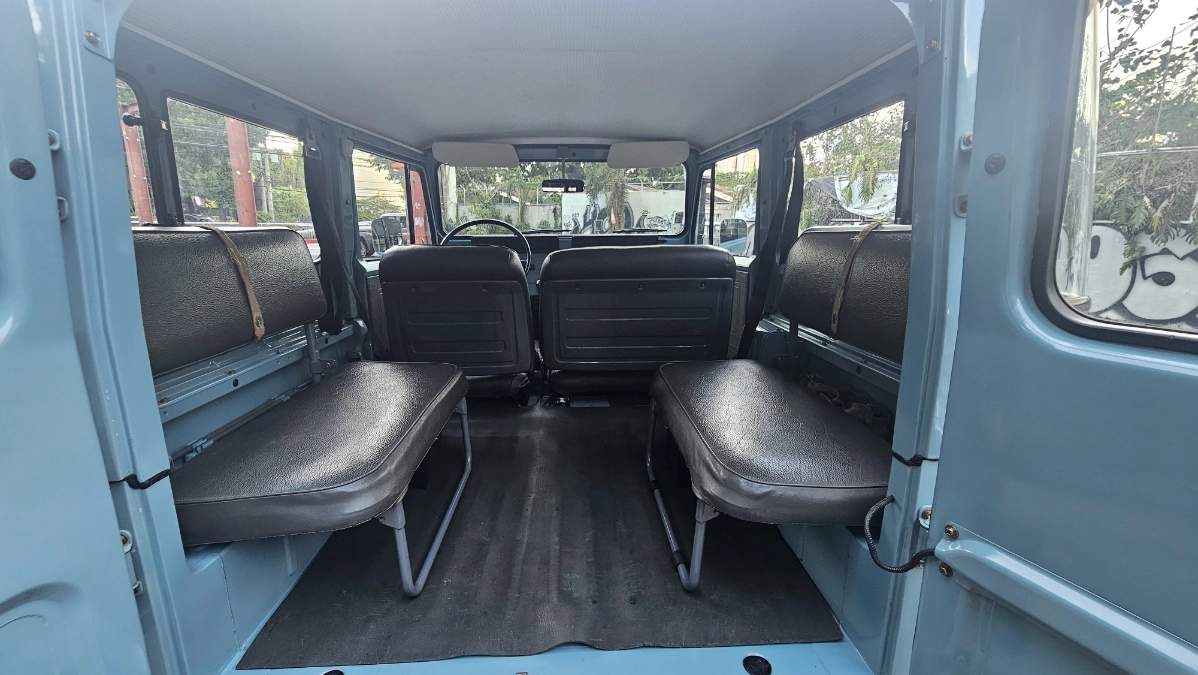
The utilitarian theme continues inside with a focus on practicality and durability. There is a lot of exposed metal and vinyl—no soft-touch materials here. Even the floor is covered with a sheet of vinyl allowing for a simple ‘hosing down’ of the interior after a day out off-roading. The layout of the instrument cluster is fairly simple with everything designed to be within fingertip reach, and control knobs are all located on the center of the dashboard for ease of use.
One unique feature of the J40 is the flow-though ventilation to keep the cabin cool. There are two kick-vents by the passenger footwell that allow fresh air in, and the rear pop-out vent windows allow the warm air to escape. While the Land Cruiser 40 interior may be more refined compared to its competitors at that time, there is no mistaking its cabin for anything else but a serious go-anywhere off-roader.
All Land Cruisers from the Jeep BJ until today’s 300 Series all utilize the traditional body-on-frame construction, one of the contributing factors to its toughness. The J40 sports front and rear heavy-duty live axles supported by semi-elliptical leaf springs, greasable shackles, and tubular shock absorbers while steering was done via a mechanical recirculating-ball system with power assistance as an option or a popular retrofit.
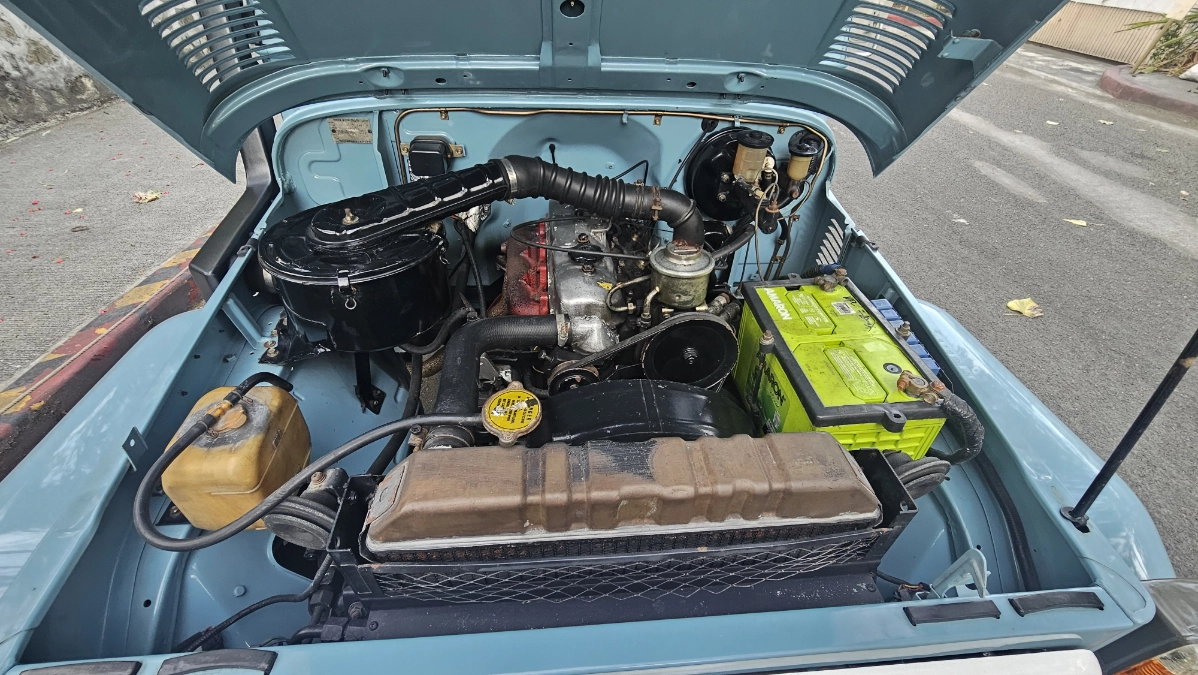
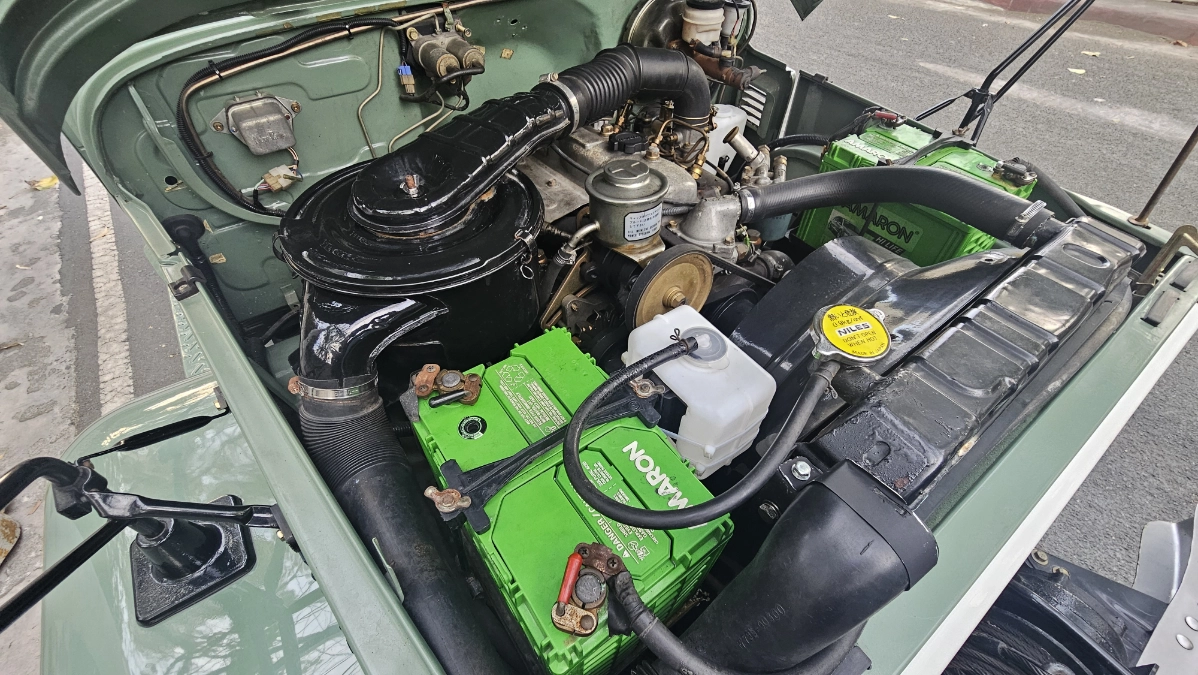
There were multiple engines that powered the 40 Series Land Cruisers in its 24-year lifespan. Options for petrol engines were the six-cylinder units from the F-family, while diesel engine choices were mainly from the family of ‘B’ or ‘H’ series engines. Versions of the Mercedes-Benz OM314 or OM364 diesels were also exclusively available in Brazil. Power ranged from 80hp to 135hp through manual gearboxes with three, four, or five speeds; safe to say speed was not the selling point here. Stopping these trucks (which weighed approximately 1,500kg) were vacuum-assisted four-wheel drum brakes which were upgraded to discs in later year models.
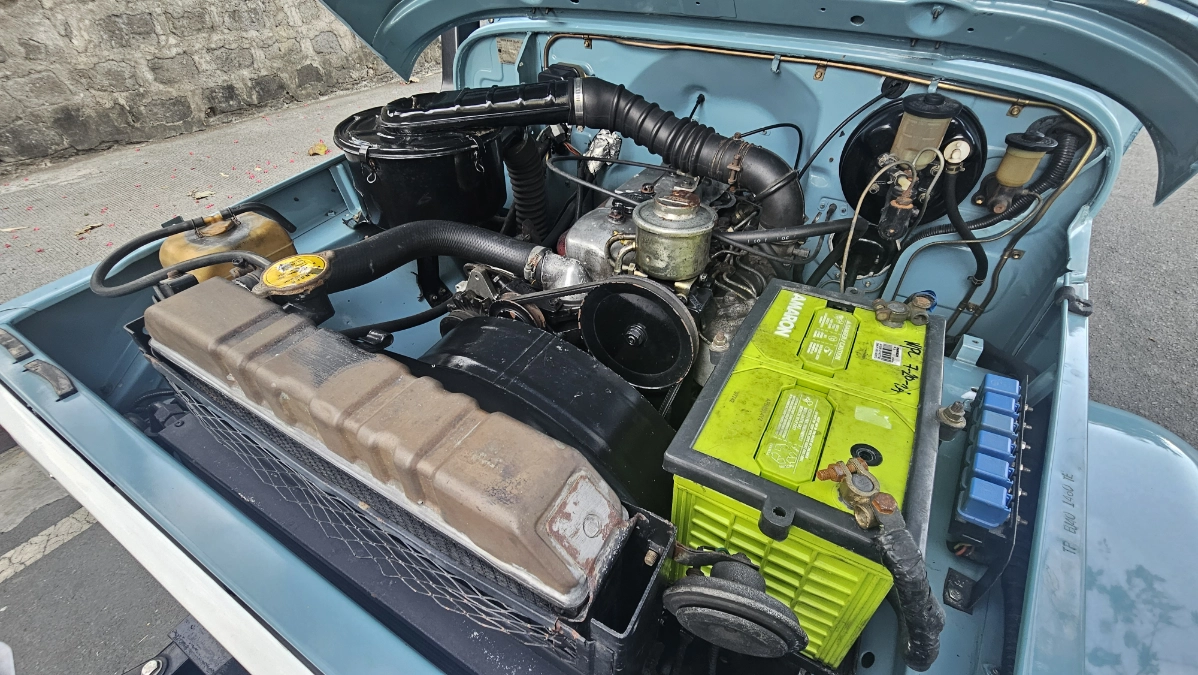
The BJ40 and BJ46 Land Cruisers we have here today are part of a seven-car Land Cruiser collection owned by my schoolmate Chris—with the ‘B’ in the model code indicating that these J40s were equipped with the ‘B’ diesel engine. It is a one-owner car having been purchased by Chris’ father brand new from Delta Motors for a princely sum of P175,000 back in 1982. This was the same car that took Chris and his siblings to and from school, and it would eventually be used to navigate the floods of Taft Avenue during his collegiate days.
After graduating, Chris continued to use the J40 for a few years until he decided that something more comfortable with an automatic transmission was better suited for Manila traffic, so the Land Cruiser was handed down to his younger brother who continued to use the car on a daily basis before the family decided to start restoring the car in 2012.
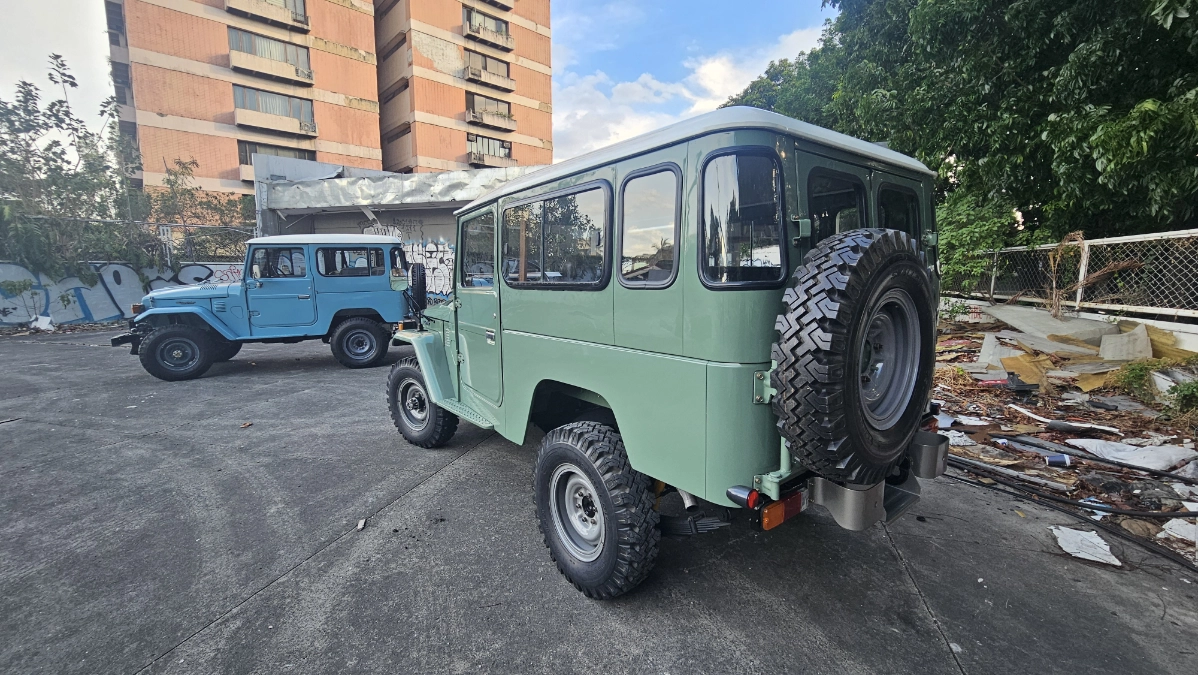
The green BJ46 is a medium wheelbase model; at 2,430mm, its wheelbase is exactly 145mm longer than the J40 models. This car is fitted with a 2B engine that had its displacement increased to 3.2 liters and produces 93hp and 215Nm of torque. It was an unfinished restoration project acquired in 2017 as part of a four-car package of Land Cruiser J40s found in Tarlac.
Chris was able to get two of the four cars and began the simultaneous frame-off restoration of both cars, which were completed in 2020. Both the BJ40 and BJ46 are in immaculate condition as they have been kept as garage queens since being restored and are used mostly on the show circuit or Land Cruiser Club events.
Climbing into the trucks can be a bit challenging given the height and the lack of anything to grab on to. Once seated, the large-diameter steering wheel dominates the view with the seating position being so upright, despite having a lot of room for adjustment. The seats themselves are practically flat, offering little to no support—without even just a head rest.
Starting the J40 brings a sense of nostalgia and is something that today’s generation will probably never experience—turn the ignition to the ‘ON’ position, press the button to heat the glow plugs, turn the key once the glow plug’s indicator turns red, and the big diesel engine comes to life.
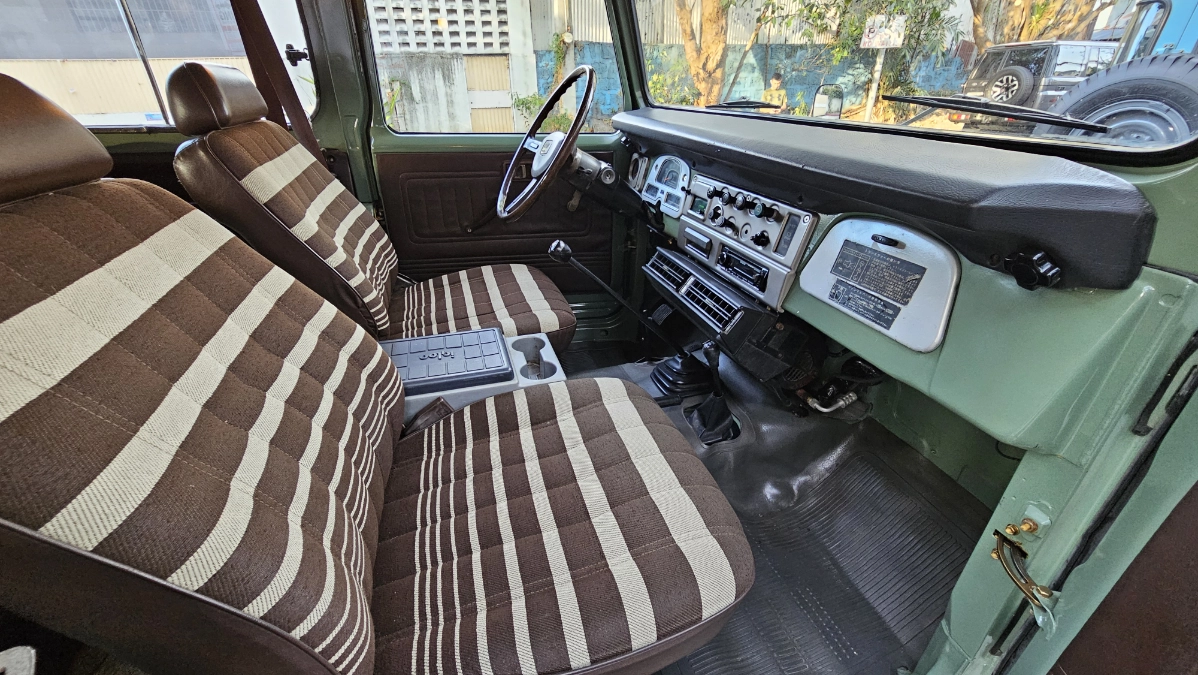
The clutch is surprisingly light for an old truck, and finding gears with the shifter takes some getting used to. The power assisted steering is very light, and has a lot of steering wander or ‘wego.’ The suspension on both cars were upgraded with newer Old Man Emu and Rancho units, so it was no surprise that the ride quality was decent for a leaf-sprung short-wheelbase truck.
While power may be decent for city driving, the term ‘relaxed’ comes to mind when on the highway. I can only imagine the wind noise at speed. Coming to a stop and turning off the ignition does not shut down the engine; one will need to turn the ‘engine stop’ knob on the dashboard to close the air inlet and kill the motor. Again, very old school.
Both the BJ40 and BJ46 are noisy, bumpy, and warm. Even Chris wonders how he survived driving these cars on a daily basis for years, but I stepped out of the Land Cruisers with a kind of satisfaction one can only get from driving a classic car.
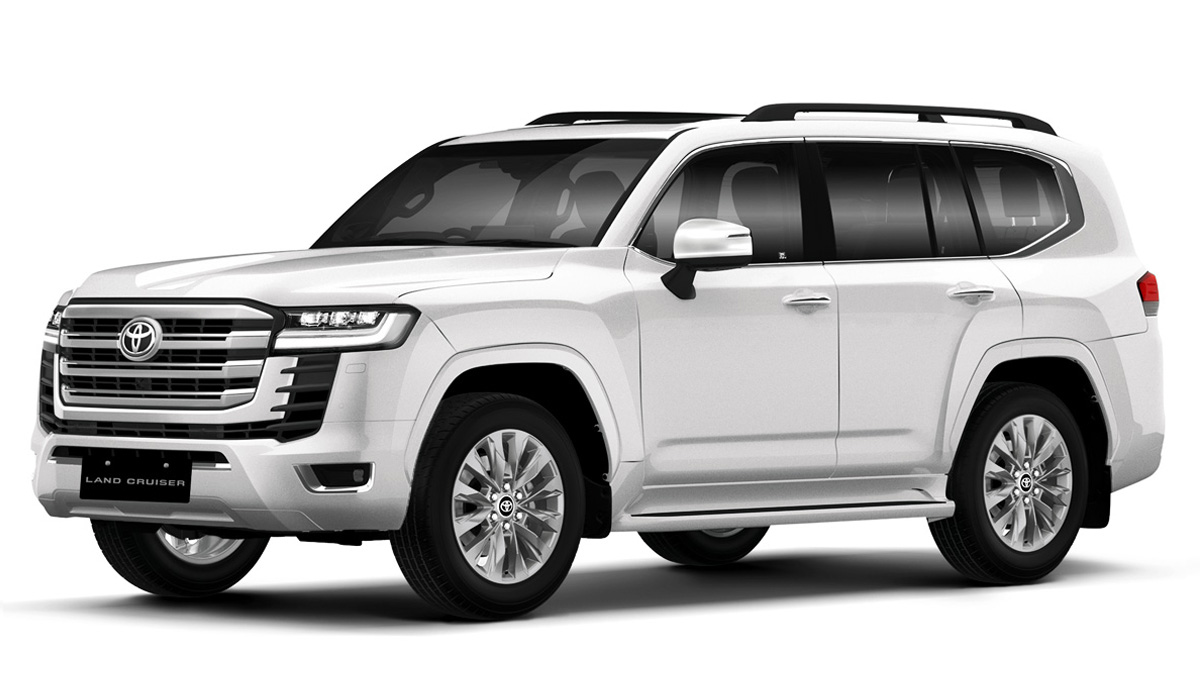
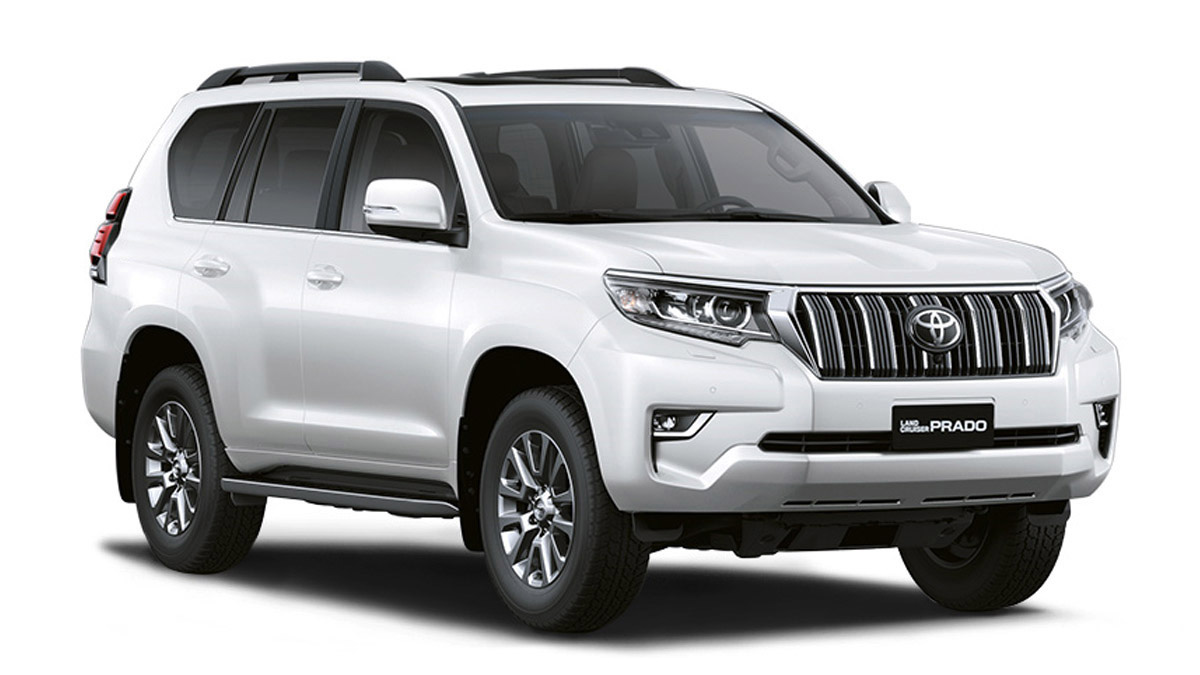
Toyota Motor Philippines has always had the Land Cruiser in its lineup since the ’90s with the J80 Series, and today offers the 250 Series Prado as well as the 300 Series. Soon, they might be joined by the J240 Series Land Cruiser FJ. An interesting fact: the Philippines is one of the largest markets for the Land Cruiser globally. With enthusiasts like my buddy Chris keeping the legacy going, it is clearly a sign that this model will continue to be loved by generations to come.
SPECS: 1982 Toyota Land Cruiser BJ40
Engine: Overhead valve 2,977cc 4-cylinder diesel
Transmission: H41 4-speed manual transmission
Power: 80hp at 3,600 rpm
Torque: 191nm at 2,200 rpm
Drivetrain: Part time four-wheel drive with manual transfer case (hi/lo range)
Suspension: Front and rear heavy-duty solid axles with semi-eliptical leaf springs
and telescopic shock absorbers
Seating: 7 passengers
More photos of the 1982 Toyota Land Cruiser BJ40: