Ben Dimson. Wini Camacho. Randy Rodriguez. Those are the names that come up when you ask someone to name Filipino automotive designers. It’s great to know that our kabayans have found success in that field, but what’s even greater is when we find out about another one.
So, what’s his name, you ask? That would be Ben Salvador, and he was a key designer from General Motors from back in the day. Salvador has since retired, but he had left quite the imprint within the halls of the American automaker.
He worked for General Motors for 35 years, and retired in 2016. Over the years, he played a key role in shaping the cars for a good chunk of GM’s brands, Cadillac included. But perhaps one of his most iconic designs came out in mid-1990.
OTHER STORIES YOU MIGHT HAVE MISSED:
Entry-level Hyundai Santa Fe GL launched with P1.998-M price tag
DOTr: License plates, OR/CR of new cars will now be released within 72 hours of purchase
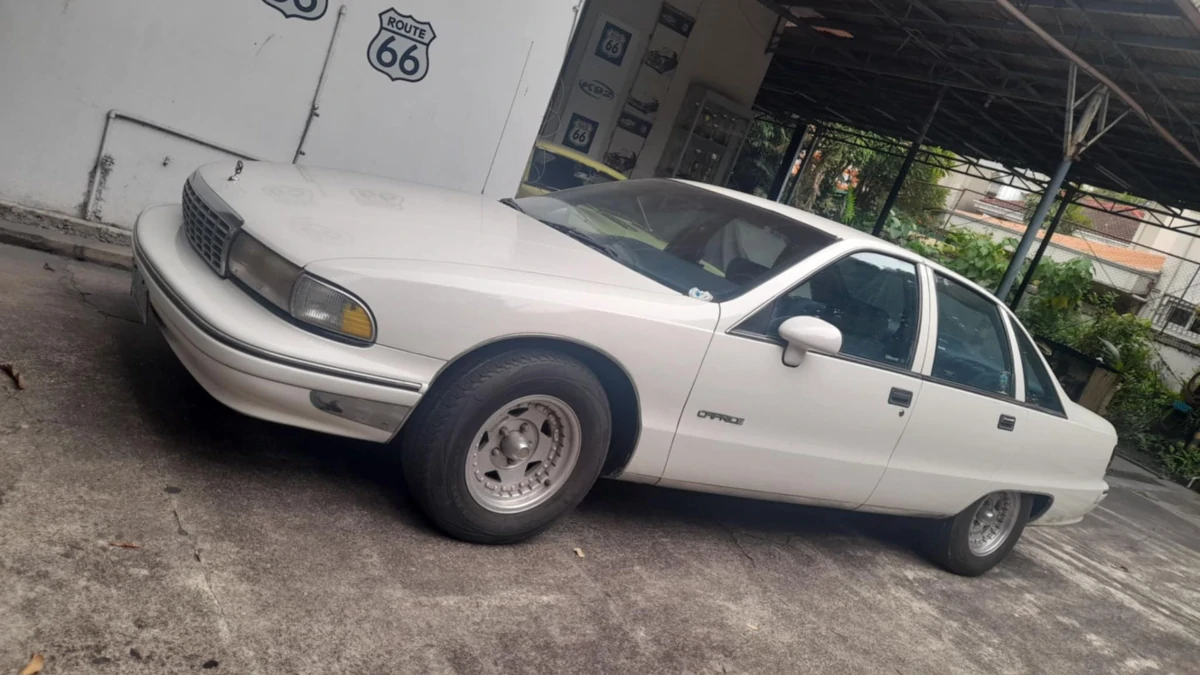
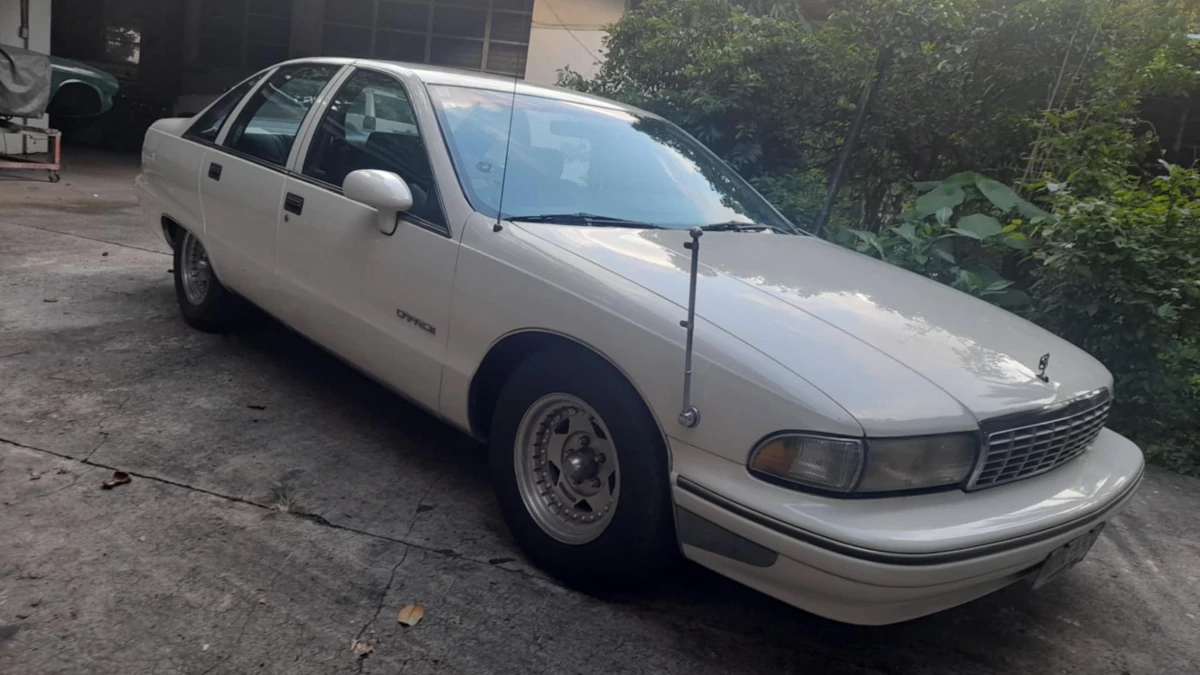
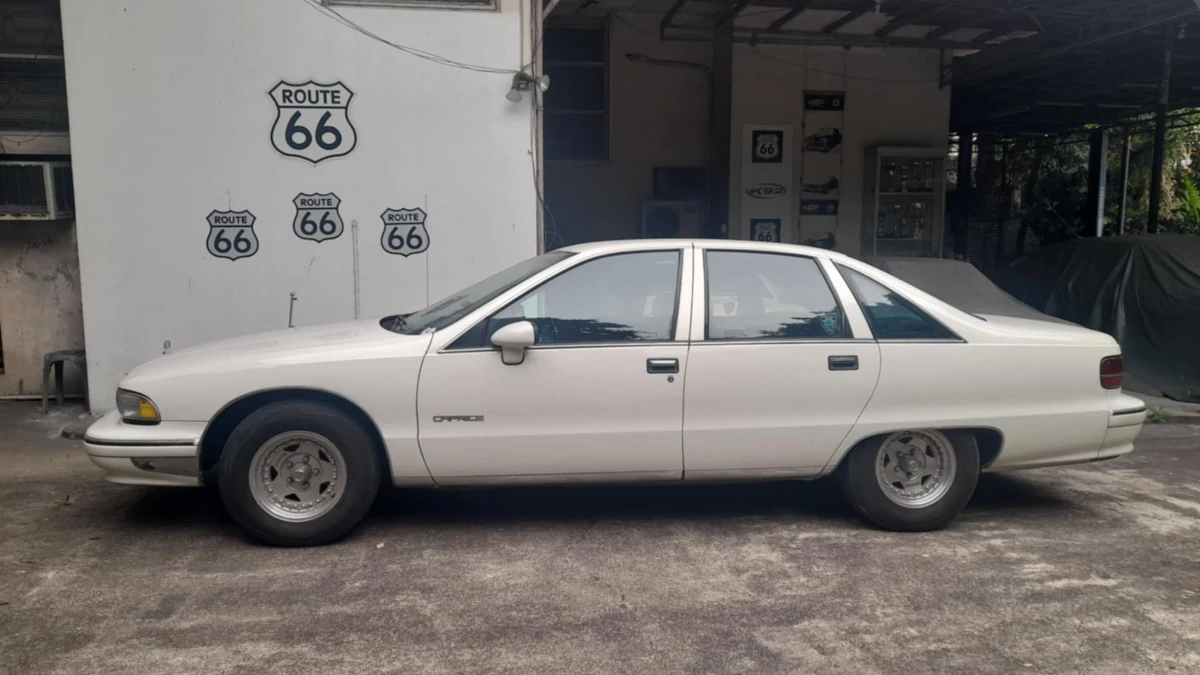
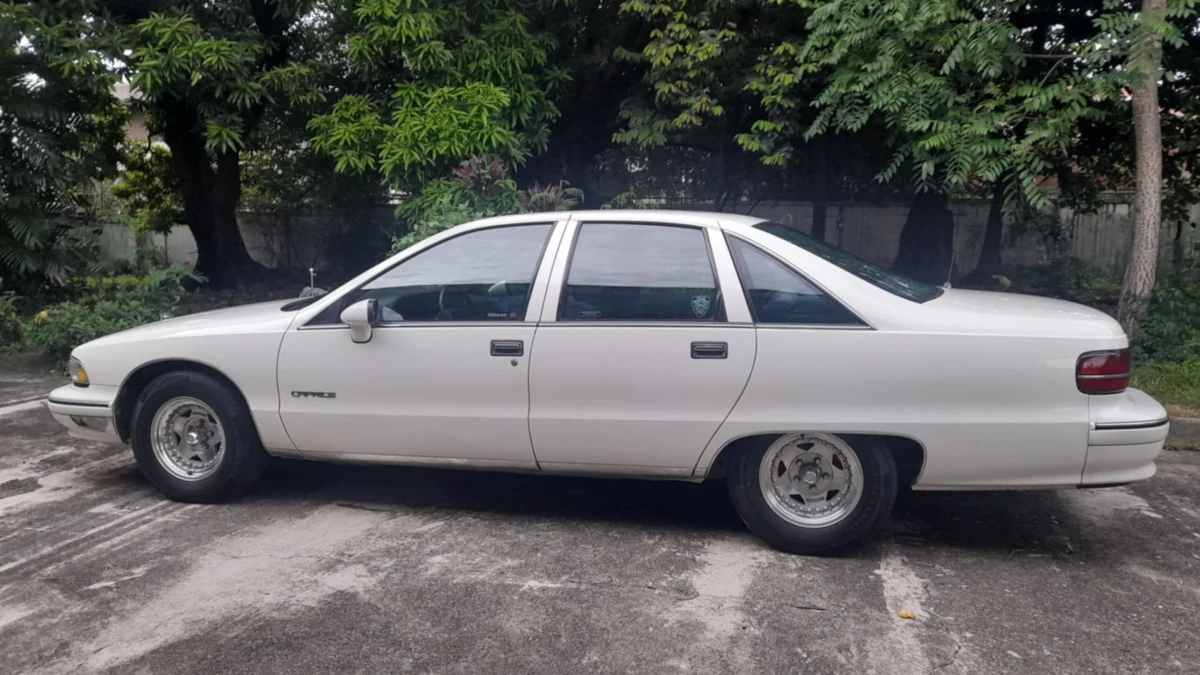
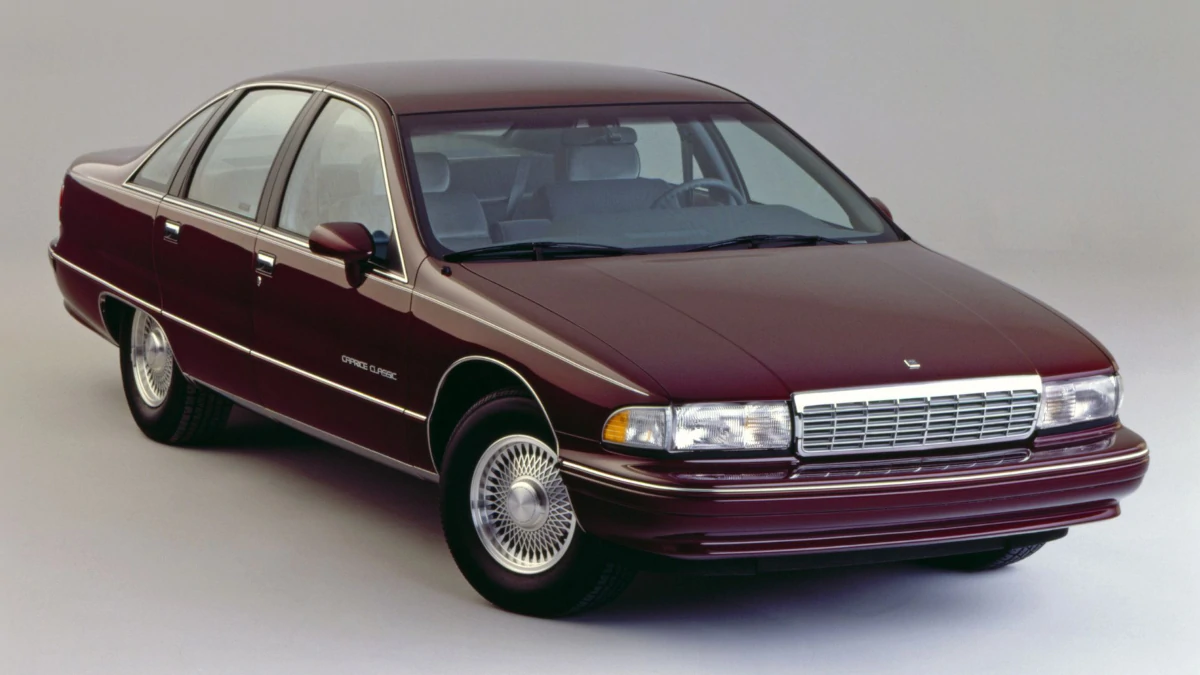
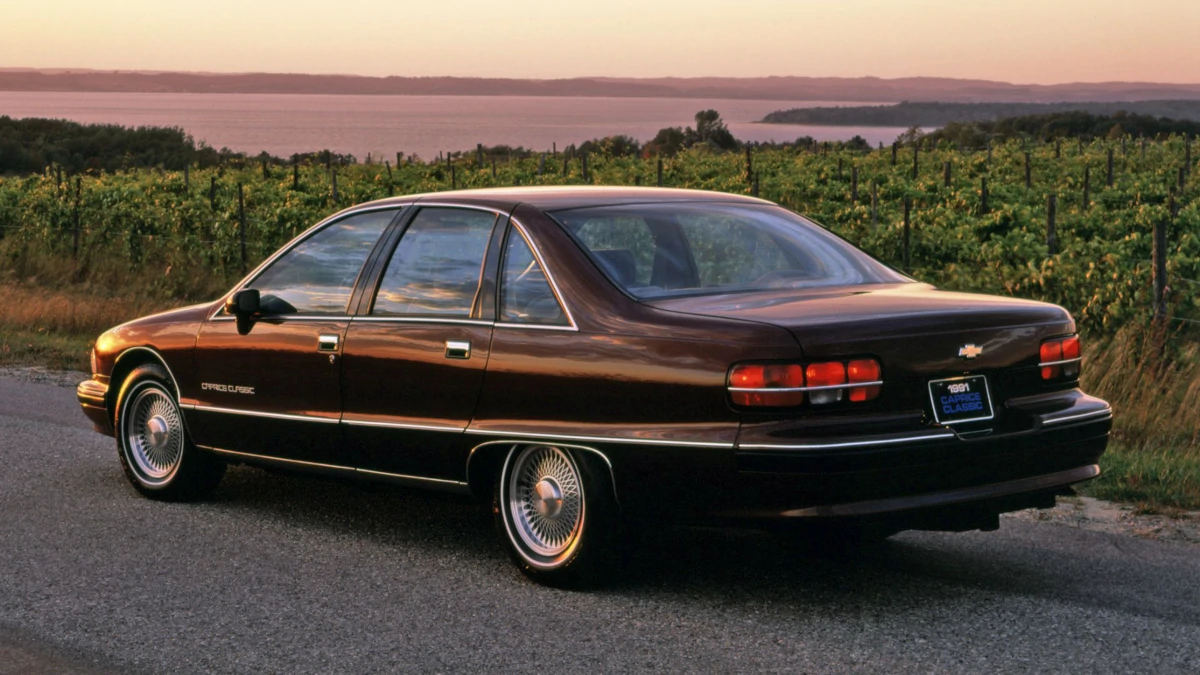
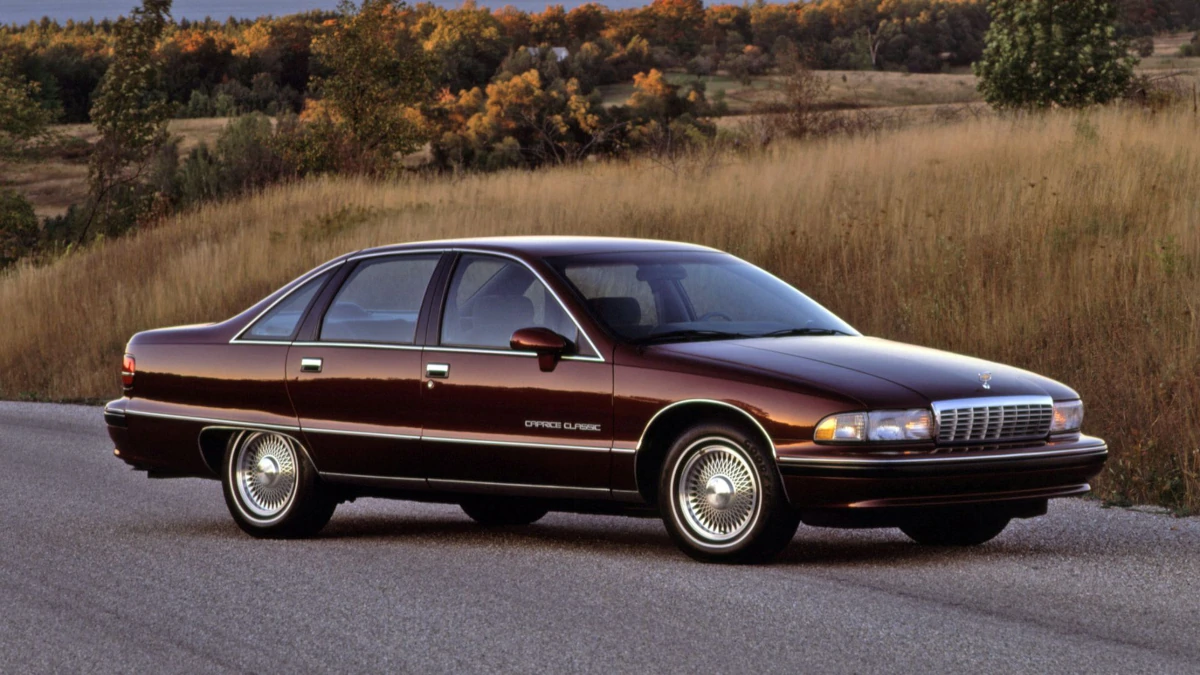
That car was the Chevrolet Caprice, the final traditional model, to be exact. And while it’s a model that doesn’t necessarily resonate with a lot of Filipinos, that car is often revered as one of the greatest full-size sedans that the US had ever produced. If anything, it’s also one of the best police cars to ever enter service in America.
In an interview with Super Sport Dreams, Salvador shared his journey to becoming a car designer, and he came from humble roots. Oh, and the following quotes you’ll see here came from that interview, so a huge shout out to the channel.
“I am a first-generation immigrant from the Philippines. When I moved to the United States at the age of 17 with my family, I knew nothing about the history of cars in America. All I knew was, we were in the middle of L.A (Los Angeles). There were cars all around, all the different nationalities and vintages.”
Salvador actually started out in the field of computers, far removed from the world he would eventually enter. The thing is, he was always into cars, a passion that never disappeared into adulthood. He was also handy with a pencil, something his boss in the computer industry at the time noticed. It would be that boss that would change the course of Salvador’s life.
His boss gave him a stack of industrial design magazines and he stumbled upon an article on automotive designs. From there, he was inspired to pursue the path to car design and enrolled in the ArtCenter College of Design. He graduated in 1980, took an interview with Volkswagen of North America and General Motors, eventually choosing the latter. He was interviewed by Chuck Jordan, one of the legendary designers at GM. Some of his most memorable designs include the Opel Manta, the 1959 Cadillac, and the Chevrolet Silverado and Suburban from the ‘90s, to name a few.
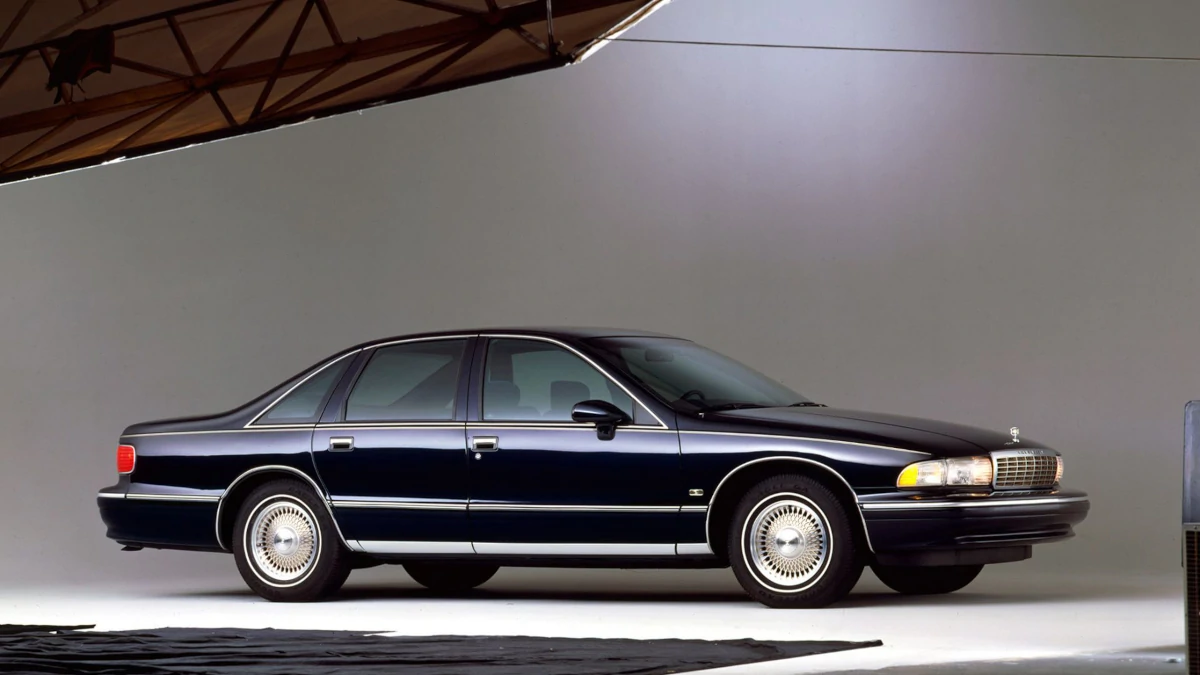
So, where does the Chevrolet Caprice enter the picture? By the mid-‘80s, there were already plans to discontinue the big sedan by 1989. However, it was still a strong seller, and General Motors decided to give it one more generation before its production line would be given up for pickup and SUV production. Salvador had spent a few years in the GM design studios by that point, but he was about to get his big break.
His boss at the time was Richard ‘Dick’ Ruzzin, the design director for GM in those days. Chuck Jordan, on the other hand, oversaw the design department. He chose a young Ben Salvador to come up with a few proposals for the next Caprice. ‘Nothing fancy,’ said Jordan to Salvador, and the junior designer went to work. He ended up with about six sketches, but the one selected for full-scale modeling was, in his words, a very rough sketch.
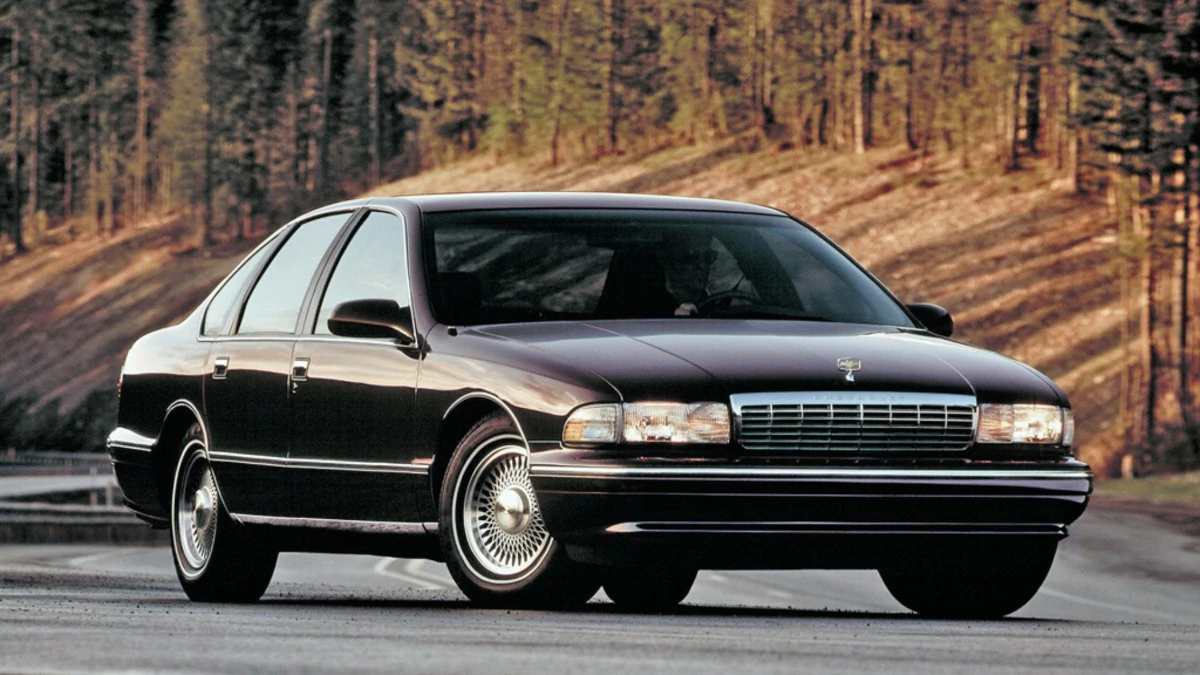
But it was that drawing that would define the Caprice of the ‘90s. You have to remember that it was first drawn up in 1985, so Salvador had to think as far forward as possible. The result was a sleek, aerodynamic body that was revolutionary in the typically traditional full-size American sedan market.
Aside from Jordan, Salvador credits Ruzzin for his big break. “Throughout the development, one thing I appreciated so much, Dick Ruzzin offered me the opportunity was being hands on.” Salvador noted that most design studios don’t give that chance to young designers, with the design bosses usually stepping in and interpret the apprentice’s work and take over from there.
“He actually had me work with the sculptors (of the clay models), interact with them, give them direction. And throughout that interaction, I was learning. I learned a lot by being involved in every single phase, every single step of the program. Dick also gave me the feeling of ownership over the design.” When Salvador eventually moved up the ranks, he applied the lessons learned from Ruzzin to empower a new generation of designers.
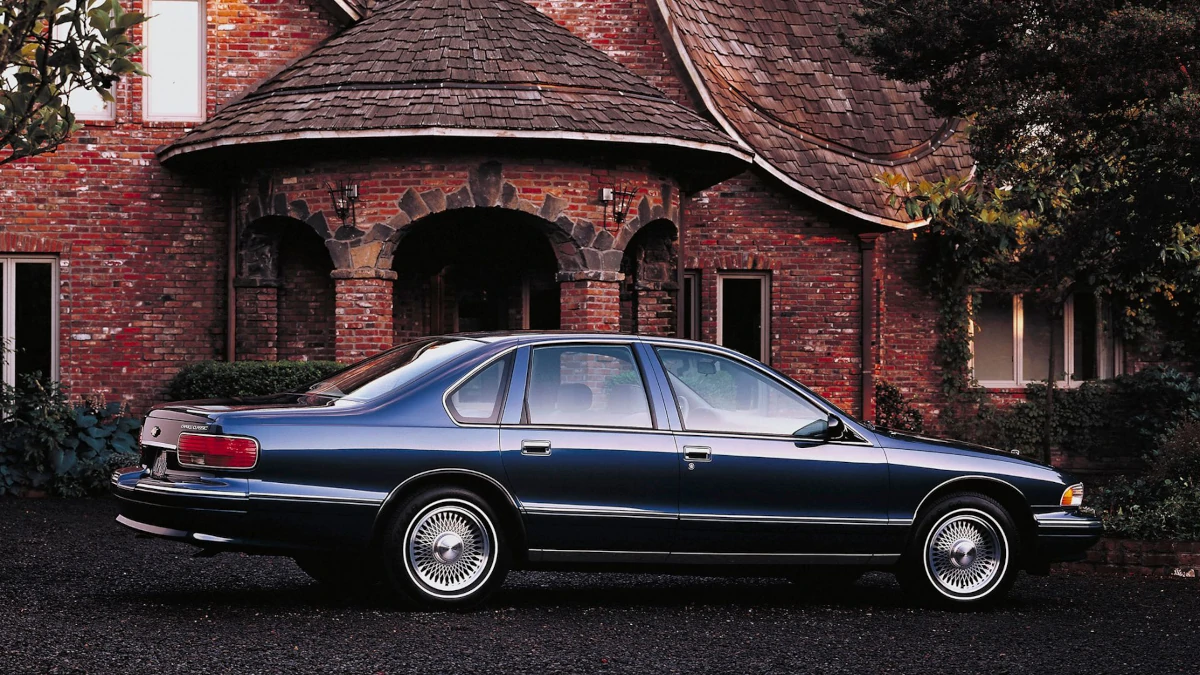
It took five years for that rough sketch to turn into reality. The fourth-generation Caprice made its premiere on April 1990 for the 1991 model year. To say the design was a huge departure from the previous model is a massive understatement. From its boxy shape chiseled in the ‘70s, the new Caprice had an ovoid and aerodynamic design that bore zero resemblance to past models. Salvador did a great job turning the Caprice from a relic from the ‘70s to a truly modern design. It’s to the point that it actually hid the fact that the chassis actually dated back from 1977.
The final ‘real’ Caprice was sold from late 1990 to 1996. There were three versions of the car, with the initial release models coming with skirted rear fenders. The first update opened up the rear wheel arches, while the last facelift saw new door mirrors and a reshaped rear quarter window.
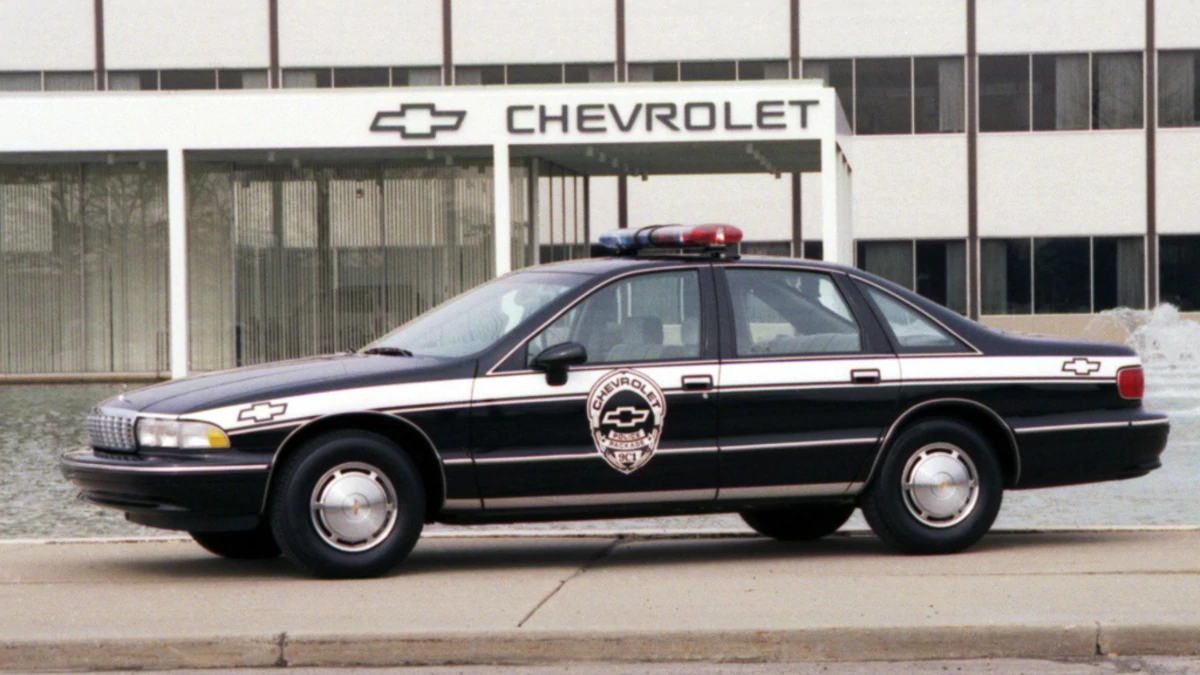
While successful, its sales weren’t enough to keep it hanging around for longer. The SUV boom had started, and Chevrolet wanted all hands on deck for it. The Caprice had to be sacrificed for that, but not before it became the darling of traditional buyers, taxi fleets, and of course, police departments.
It helped that the underpinnings of the Caprice were solid. Underneath that shapely exterior was a full frame, similar to what you’d get on a truck. Dubbed the B-Body, it was the backbone of General Motors from as far back as the late-‘30s. Then there was the option of a 4.3-liter V6 for taxis, 4.3-liter V8, 5.0-liter V8, and two iterations of the 5.7-liter V8. The later version of the 5.7-liter, known as the LT1, was the engine that police forces wanted in their cruisers, further cementing the Caprice’s legacy in American automotive history.
The Caprice would live on as a different car altogether. It was based on the Holden Caprice, itself based on the Holden Commodore. With that, the final American Caprice went off on a bang and not a whimper, and Ben Salvador was a key figure in making that happen.
Makes you proud to be Pinoy, yes? Also, if you have about two hours to spare, you can also check out Super Sport Dream’s full interview of Ben Salvador below.
Bonus: The only running Chevrolet Caprice in the Philippines: