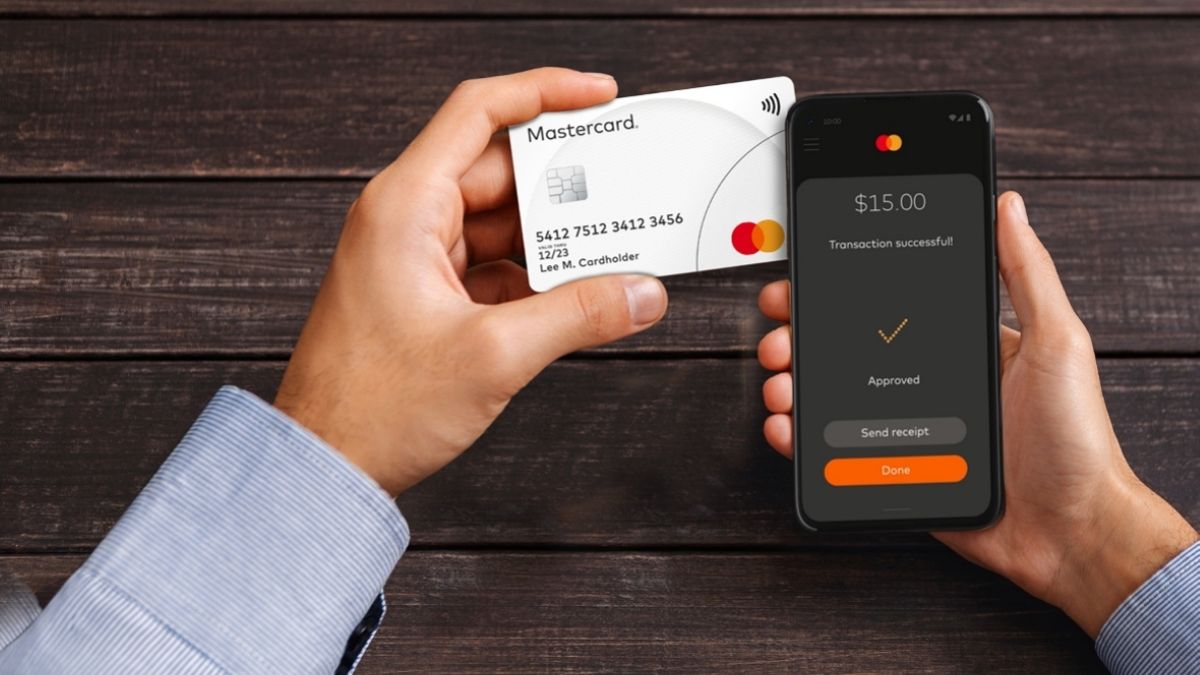
Heads up, commuters. In case you missed the news, you’ll soon be able to simply “tap & go” on public transport and use your credit cards to pay for fares on select MRT-3 and buses.
While it may not seem like a big deal, this move marks the first time that debit and credit cards will be made a payment option in public transport in the Philippines.
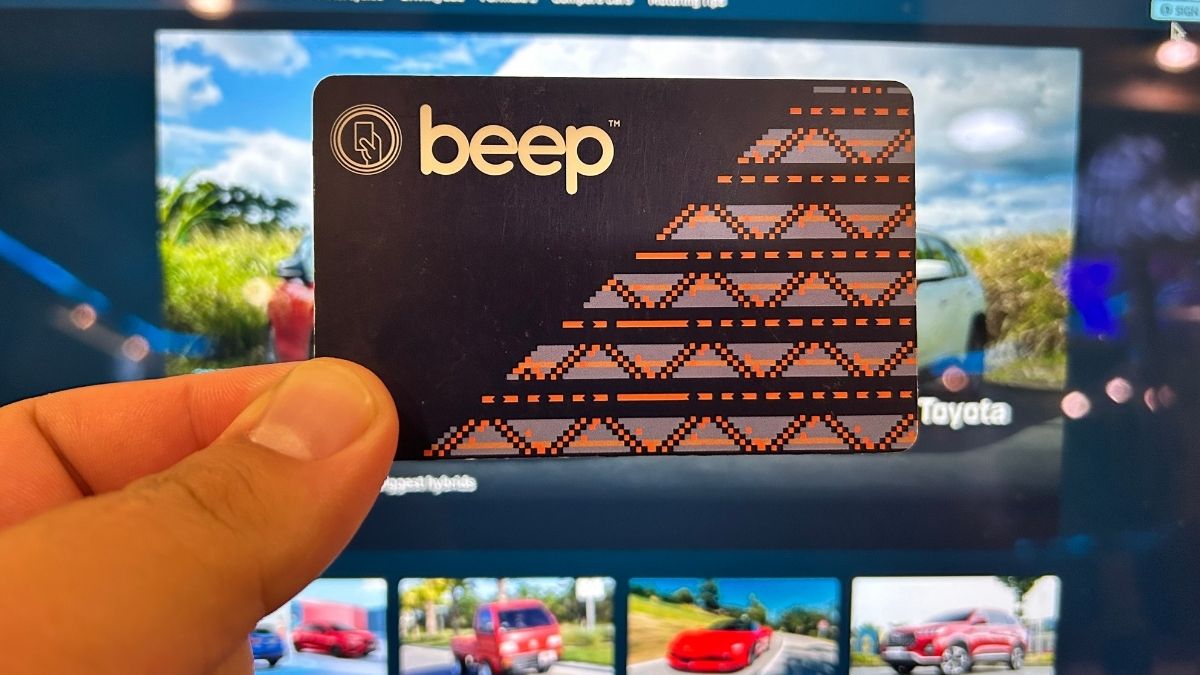
As reported by Philstar.com, Mastercard and AF Payments Inc.—the company behind Beep cards—announced the strategic partnership to make the commuting experience “more convenient for passengers,” something we all know is badly needed.
Passengers will be able to use just one card for transportation as their regular purchases. This means less of your precious time wasted waiting in line to buy separate tickets to board trains and buses in case you don’t have a Beep card.
Here’s what we know so far about the contactless payment option in the Philippines, along with a roundup of some other systems around the world for your revenge travel public transport reference.
OTHER GUIDES YOU MIGHT WANT TO READ:
Guide: How to avoid getting scammed by airport taxis
‘Bawal Bastos’: What commuters need to know about harassment in public transport
What type of cards can be used for what transport lines?
Mastercard cardholders will soon be able to use prepaid, debit, and credit cards for fare payments on the MRT-3. The 16.9-kilometer modern rail system has 13 stations that stretch along EDSA from North Avenue in Quezon City to Taft Avenue in Pasay City.
Additionally, contactless payments can be used to pay for fares in selected bus services that support contactless transactions such as those along EDSA and Bonifacio Global City as part of its pilot program.
While the pilot program will be rolled out in phases across MRT stations and BGC and EDSA buses, the intention, according to MasterCard and Beep, is to eventually “scale this type of payment system across ferries and other modes of transportation in the future,” and hopefully across the country. Let’s keep our fingers crossed.
How does it work?
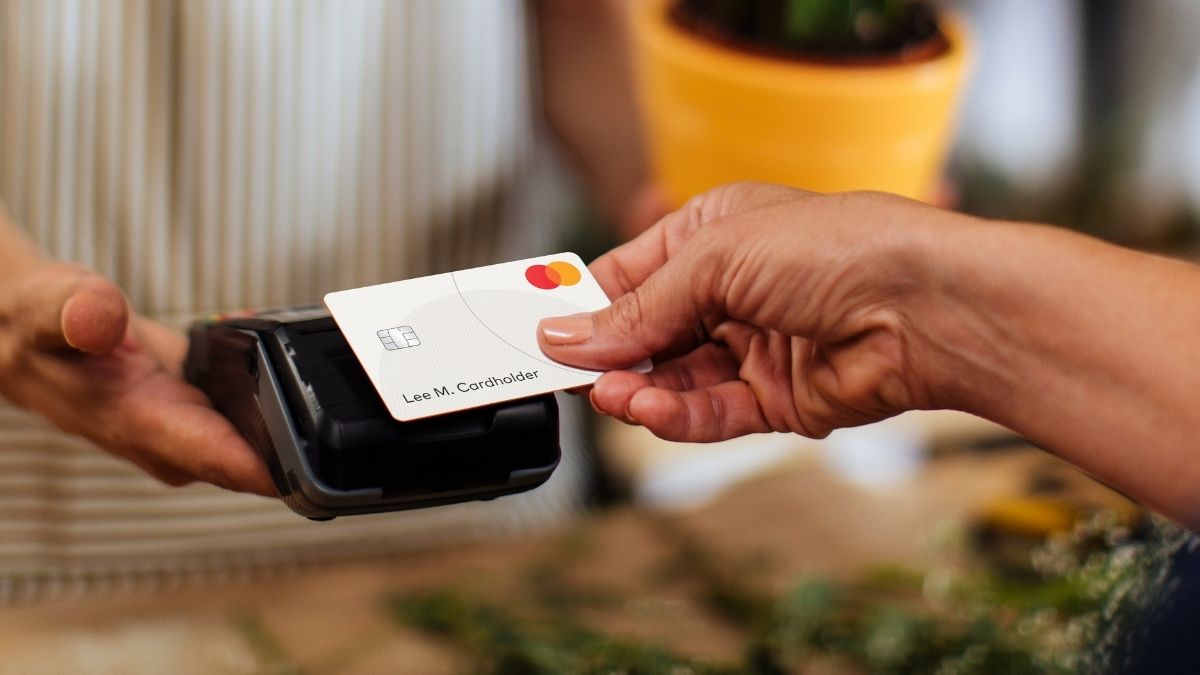
Using Mastercard’s technology, Filipino commuters will be able to tap their debit and credit cards at the turnstiles of MRT-3 to enter, just like they would using Beep cards. The same goes for tapping their card on readers inside buses to pay for fares on select routes. Simply tap, and your fare will automatically be deducted.
AF Payments will host the use of Mastercard through its network and will add more Open Loop Transit Systems powered by Mastercard Gateway.
How will contactless payments be beneficial to Filipino commuters?
JJ Moreno, Beep president and chief executive officer, said in an official statement that the tie-up with Mastercard seeks to expand the use of contactless transactions in the country and offer Filipinos more convenience in public transport through a seamless payment experience.
“This is expected to benefit millions of Filipino commuters in Metro Manila, enhancing smart mobility through initiatives that bring our transit systems in line with global transport standards,” Moreno said.
Mastercard country manager for the Philippines Simon Calasanz said that the use of debit and credit cards in public transport would make payments “safe, simple, smart, and accessible” by reducing lines at ticketing stations once available.
“From reducing queues during peak hours, to removing the need to carry multiple transit tickets or cash, cardholders will be able to use the same payment methods that they already use for their everyday spending,” Calasanz said.
The long-term objective is to broaden the acceptance of contactless options in mass transport to support digital adoption.
What other countries use contactless systems for public transport?
Mastercard manages the Open Loop Transit systems in several major cities around the world, including London, Singapore, and Sydney. Under this system, commuters can travel seamlessly from one point to another and on various modes of transport all using a single payment mode like debit and credit cards or QRs generated in phones, without the need for separate cards or cash. Imagine being able to take the subway, hop on a bus, rent a bike, or pay your taxi, with just the same card for all your travel needs!
Having experienced using trains and buses extensively during recent trips to Singapore and Japan, contactless cards that work across transport modes can be a real game-changer for travelers, and much less of a hassle than having to top-up or exchange cash at ticket machines for single-journey tickets every time you need to take a ride.
Contactless payments using prepaid cards that work across various modes of public transport are available in different countries, including Seoul’s T-money card, Tokyo’s PASMO & Suica cards, and Bangkok’s Rabbit card. Using a credit card to pay for public transport is also becoming increasingly common in many cities around the world.
Here are just a few other cities and regions where credit cards can be used to pay for public transport as compiled in the popular Q & A forum Quora:
- Singapore: Singapore’s SimplyGo system accepts contactless payment cards, including credit cards, debit cards, and mobile wallets for payments on public transport, including buses and trains.
- Hong Kong: Hong Kong’s Octopus card allows commuters to use contactless payment cards, including credit cards, for fares on the MTR (Mass Transit Railway), buses, trams, ferries, and more.
- Sydney and Melbourne, Australia: Sydney’s Opal card system and Melbourne’s Myki card system accept contactless payment cards, including credit cards, for public transport payments.
- London, United Kingdom: London’s Oyster card system allows commuters to use contactless payment cards, including credit cards, to pay for fares on the London Underground, buses, trams, the Docklands Light Railway (DLR), London Overground, and some National Rail services.
- New York City, United States: New York’s Metropolitan Transportation Authority (MTA) accepts contactless payment methods, including credit cards, for subway and bus fares as part of the OMNY (One Metro New York) system.
- Toronto, Canada: Toronto's Presto system accepts contactless payment cards, including credit cards, for fares on the Toronto Transit Commission (TTC) and other transit agencies in the Greater Toronto Area.
- Dubai, United Arab Emirates: Dubai’s Nol card system accepts contactless payment cards, including credit cards, for fares on the Dubai Metro, buses, trams, and water buses.
- European cities: Many cities across Europe, including Paris, Berlin, Amsterdam, and Stockholm, accept contactless payment cards for public transportation fares.
Take note that some countries may only accept credit cards issued by local banks, so be sure to check specifics beforehand. You’ll also have to check if your credit card is enabled for contactless payments and that it’s compatible with the local payment system.
Is the contactless payment system already available in the Philippines?
Nope, it’s still not available for use by the public just yet. While no official date has been set, the contactless mode of payment will reportedly be rolled out in phases later this year. We’ll update readers on this once specific dates are available. Now if only we had enough trains on the MRT to handle the sheer volume of the commuting public.