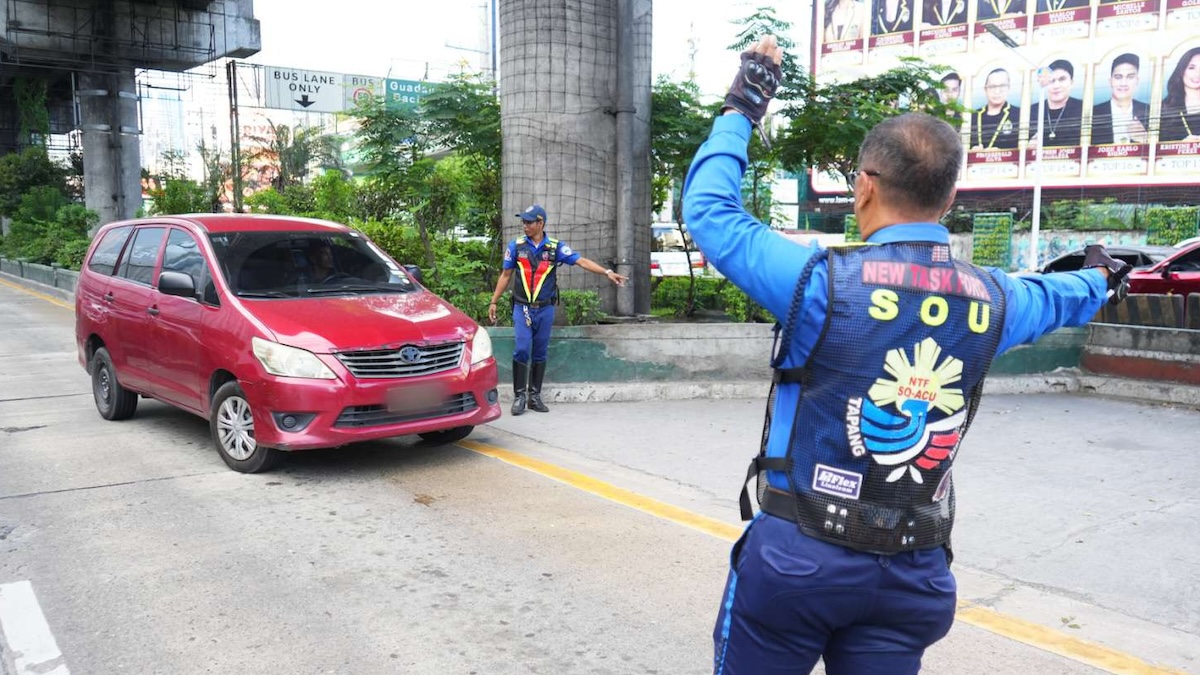
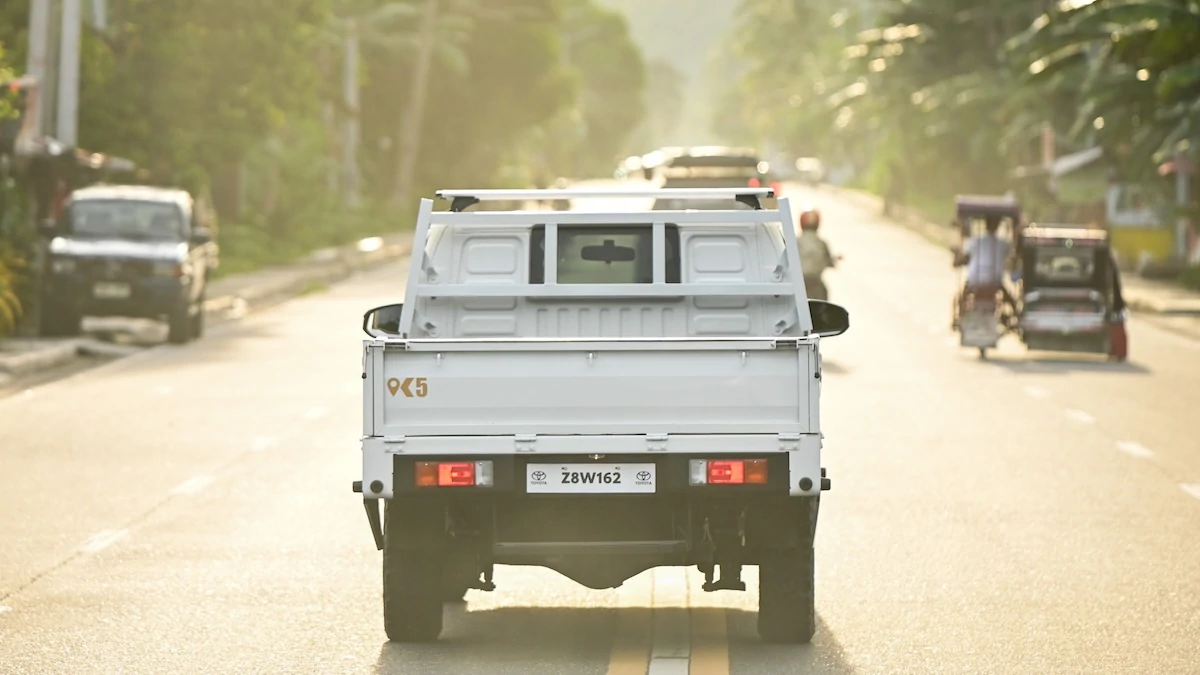
I’m sure you guys have seen that viral video of an MMDA traffic enforcer and a Toyota Tamaraw owner going at it, and I’m sure (like us) you asked yourself: Do all privately owned pickups—or at least Tamaraws—actually need to have a ‘not for hire’ sign on them to be used on public roads?
As always, my answer as a lawyer is, it depends.
Let’s go into the nitty-gritty of the issue. First of all, we really can’t condone the attitude of the video uploader. It’s aggressive, almost to the point of threatening, and borders on abusive. I wouldn’t be surprised if this were something that could have been talked out had cooler heads prevailed.
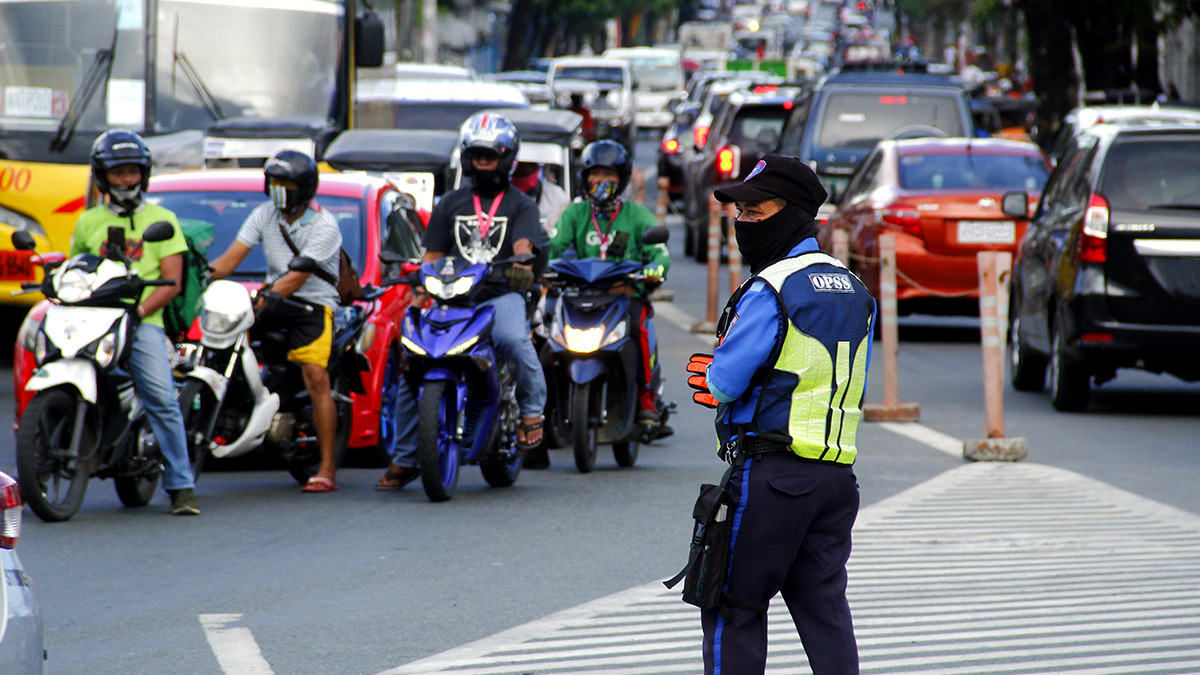
Secondly, we don’t know what happened before the start of the video. When the video started recording, the uploader and the MMDA traffic enforcer were already in the middle of their discussion, so we don’t get the full picture.
OTHER STORIES YOU MIGHT HAVE MISSED:
Mitsubishi customers can now pay for parts, maintenance in advance to avail of discounts
PH fuel price update: P0.70/L rollback for gasoline, P0.10/L for diesel effective July 8
The question is, did the Tamaraw need a ‘not for hire’ sign?
To be honest, it gets a bit more complicated than a simple yes or no. Republic Act No. 4136, otherwise known as the Land Transportation and Traffic Code, provides a general description of what constitutes a ‘for hire’ vehicle. Chapter II, Article I, Section 7 states that it is one used to “solicit, accept, or be used to transport passengers or freight for pay.”
What is missing from the law, however, is any requirement to affix a ‘not for hire’ sign or sticker on privately owned vehicles like a Tamaraw or even a Mitsubishi L300. We may be mistaken—and if we are, please send us a copy of the relevant resolution—but from a reading of the law, there is no requirement for a ‘not for hire’ sticker on vehicles that are, well, not for hire. Our research also could not turn up any IRR or memorandum that specifically requires such signage.
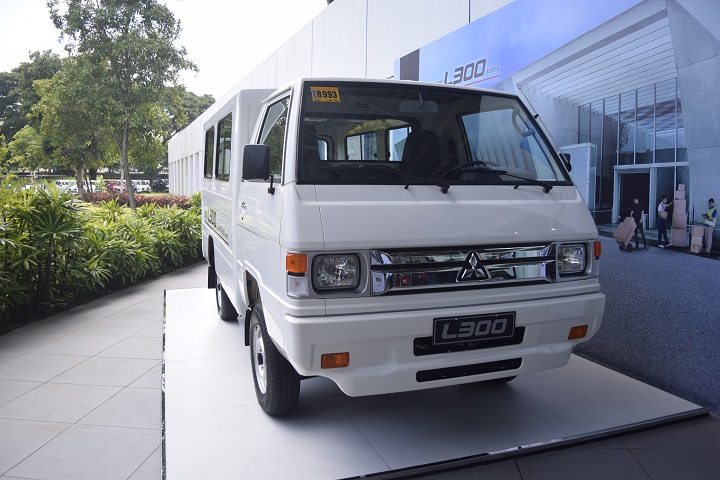
So does that mean the driver, arrogant as he may be, was right? Well, not quite: The MMDA includes a violation of the “no ‘not for hire’ sign” on its list of traffic violations, so this is where the confusion lies. That said, you would expect the traffic enforcer to know and follow his agency’s prescribed fines, so he was also just doing his job.
UPDATE, 8 July 2025: Atty. Romando Artes, chairman of the MMDA, has stated in a press conference that private vehicles do not need ‘not for hire’ stickers. According to the official, the traffic enforcer in the viral video was also in the wrong, explaining that the Tamaraw owner instead committed a colorum violation. Read the full story here.
The law actually provides a conclusive presumption to define whether a vehicle is for hire or not. This has nothing to do with the signage, and everything to do with the actual use of the vehicle: Section 7 of the same law provides that if a vehicle is “habitually used to carry freight not belonging to the registered owner thereof, or passengers not related by consanguinity or affinity within the fourth civil degree to such owner,” that vehicle shall be conclusively presumed to be ‘for hire.’
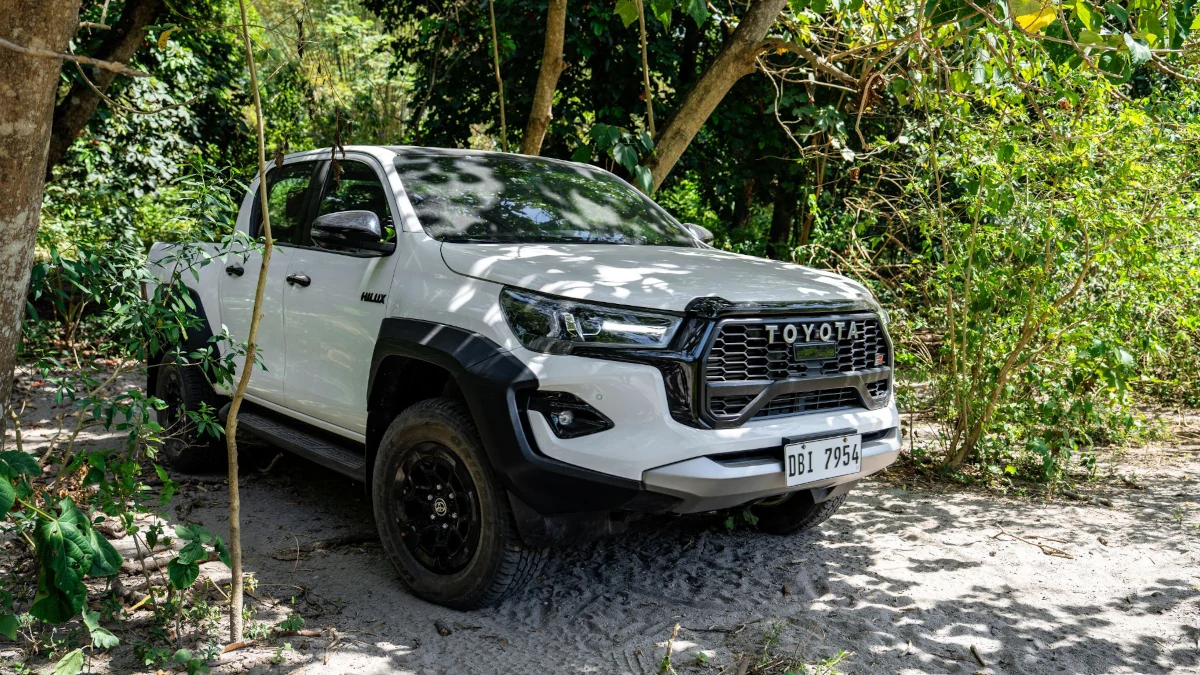
But this conclusive presumption must be proven by the apprehending traffic enforcer or relevant agency first. This is not something a mere glance at the cargo can tell. After all, if my vehicle is registered as private, I should be free to carry items in it without having to prove that the presumption does not apply. The burden is on those who allege it.
So, do you need to put a ‘not for hire’ sign on a Tamaraw or a privately registered and used vehicle? It is in our opinion that, provided the vehicle is used strictly and only for private purposes, you should not be required to put a ‘not for hire’ sign. Additionally, the burden of proving actual use should be on the apprehending officer, and merely loading up your pickup with goods does not automatically convert it into a for-hire vehicle as defined in the law and the conclusive presumption contained within it.
However, since “no ‘not for hire’ sign is listed as an MMDA violation, there is clearly confusion on this matter, and we feel it would be best that the Land Transportation Office, the MMDA, and the Land Transportation Franchising and Regulatory Board—as the agencies responsible for the enforcement of our traffic laws—provide clarification as soon as possible.
And less shouting and fighting, please.