Starting April 2024, all e-bike and e-trike users in Metro Manila will be banned from using major thoroughfares and will be required to have a driver’s license and register their electric-powered motor vehicles.
According to the Metropolitan Manila Development Authority (MMDA) Resolution No. 24-022 series of 2024 passed and approved on Tuesday, February 28 by the Metro Manila Council (MMC), it will be prohibited to use e-vehicles, such as e-bikes and e-trikes, along national roads in the metro.

This includes at least 19 national roads, circumferential and radial roads in Metro Manila under the jurisdiction of the MMDA, including EDSA, Elliptical Road, Shaw Boulevard, Taft Avenue, Roxas Boulevard, and more. Check out the full list here.
OTHER STORIES YOU MIGHT HAVE MISSED:
How to get rid of bed bugs in your car
PH auto industry off to a strong start with 34,060 units sold in January
What types of vehicles are covered by the ban?
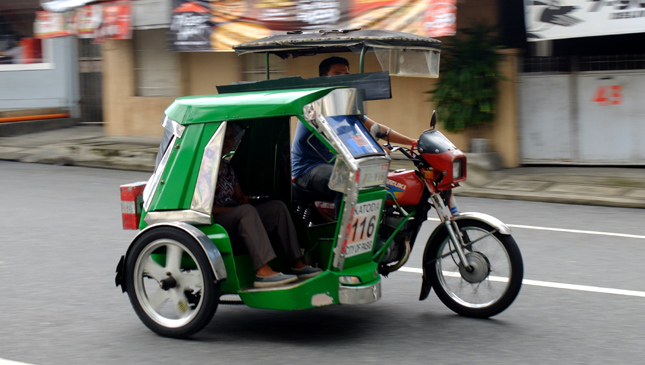
The new road restrictions cover e-bikes and e-trikes, as well as tricycles, pedicabs, pushcarts, and kuligligs.
Before the MMDA resolution was approved, e-vehicle use was guided by the Land Transportation Office’s (LTO) Administrative Order No. 2021-039 issued on May 11, 2021. The “Consolidated Guidelines in the Registration and Operation of all Types of Electric Motor Vehicles” categorized where e-vehicles could travel based on their maximum speed.
Under previous LTO classifications, e-vehicles falling under the category L1a (E-bikes, E-Moped 2W which can be ridden without pedals with a maximum of 25 km/h), L1b (Light E-scooter and E-Moped 2W, which have a maximum speed of 26 to 50 km/hour) and L2a vehicles (three-wheeled powered vehicles with a top speed of no more than 25 kph) did not require a driver’s license and registration to operate.
Now, LTO is eyeing mandatory registration for all light electric vehicles regardless of the maximum speed, and will require drivers to get licenses if they are to use e-vehicles on any type of public road nationwide. Typically, light e-vehicles are used by individuals for short rides to markets or as a family service to school. In some areas, e-bike use has become an alternative mobility solution because of the inefficient mass public transport and transport infrastructure.
“Our proposal is very simple. As far as the LTO is concerned, all light electric vehicles used on public highways, which means all roads maintained by the government, must be registered with the LTO and the driver must be licensed,” LTO chief Vigor Mendoza said in a consultation meeting with stakeholders, adding that minors should not be allowed to drive these vehicles.
What are the penalties for violations?
Those who violate the prohibitions on road use will now be slapped with a P2,500 fine, whether or not they have a driver’s license.
The e-vehicles could also face impounding if it’s found that drivers do not have a valid driver’s license. Thus, all drivers of any electric-powered vehicles and tricycles should have a valid driver's license.
Why are new restrictions being implemented?

According to MMDA Acting Chairman Atty. Don Artes, the prohibition was decided in consideration of “the safety, not just of e-vehicle users, but of other motorists as well.”
“We are not totally banning the use of e-vehicles; we just want to regulate it since it has been a common cause of traffic and road crash incidents,” he said during the press conference Tuesday.
The surge in popularity of e-bikes came about during the pandemic when commuters and motorists were looking for more compact, reliable, and budget-friendly vehicles as a viable alternative to limited public transportation.
MMDA pointed out that it registered 554 road crash incidents involving e-vehicles last year alone.
What do transport advocates have to say about the issue?
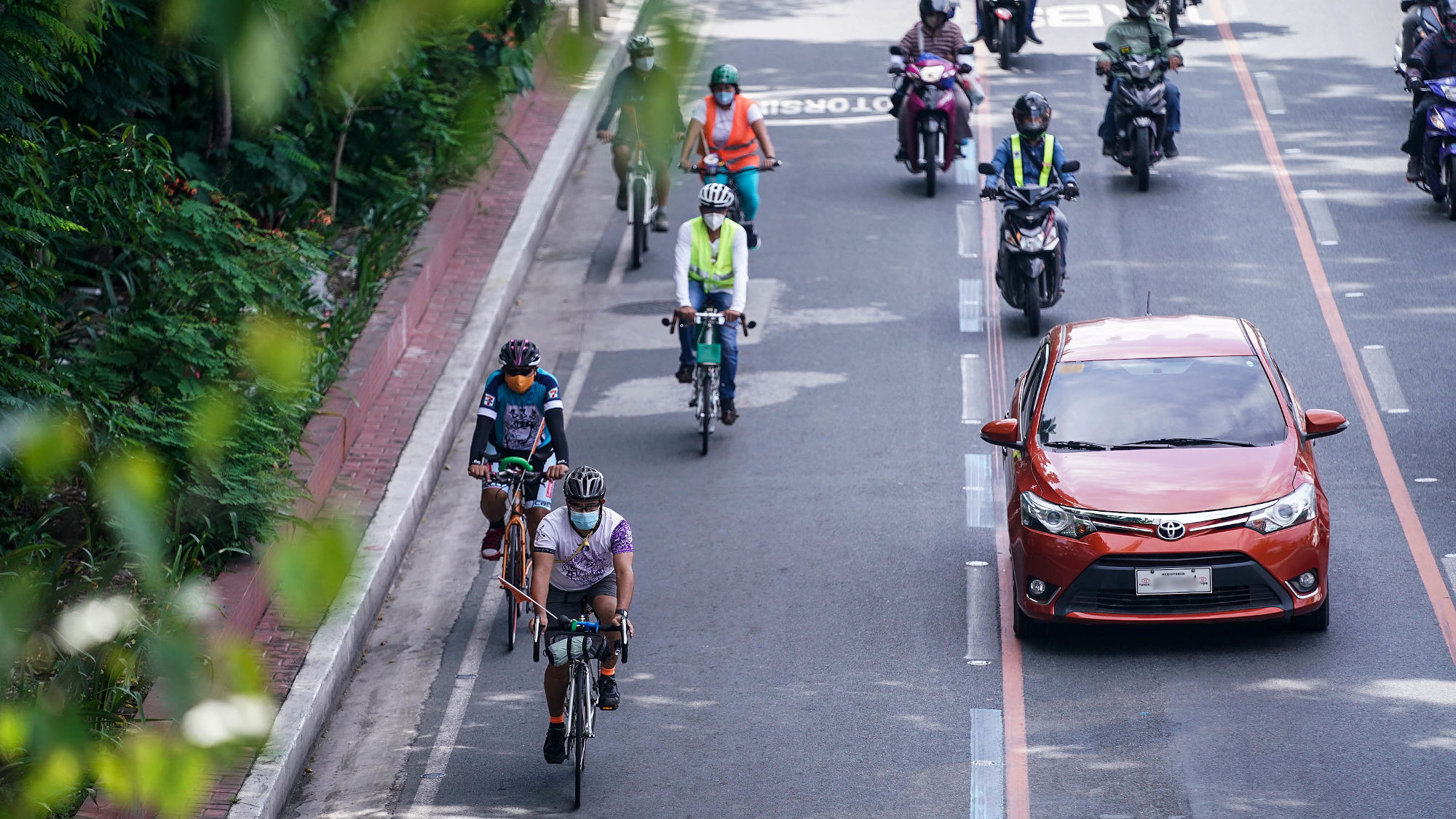
While “safety of motorists” is cited as the main concern, mobility advocates stressed that the number of accidents should be taken into context, as it only accounts for a small percentage of the number of total road crashes. The Move as One Coalition (MOAC) challenged the MMDA to release the 2023 data on road crashes involving cars that resulted in fatalities and non-fatal injuries.
In a detailed statement, the coalition questioned the legality of registration of private e-vehicles and the supposed dangers posed by e-vehicles that MMDA should address before imposing new restrictions. As reported by The Philippine Star, e-bike and e-trike users were excluded from the consultation.
A brief look at MMDA’s data for the first 7 months of the year cites a total of 44,493 road crashes versus only 554 incidents involving e-vehicles.

Previous data from the police Highway Patrol Group (HPG) also cites “speeding, using mobile phones while driving, overtaking, and drunk driving” as the most common causes of road accidents, which are not directly linked to the use of e-vehicles, which travel at slower speeds of 25 to 50 kph.
When will the prohibitions take place?
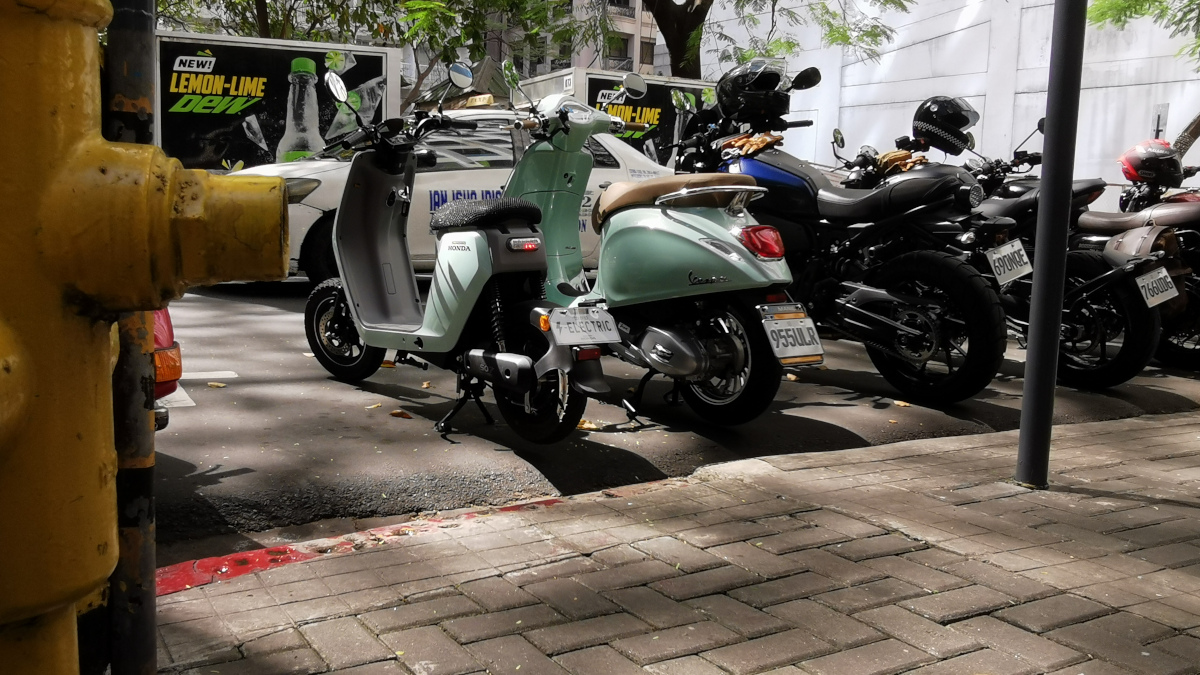
The new restrictions governing e-bike use are set to be implemented starting April 2024, following an information and awareness campaign that will be rolled out by various agencies.
Each Metro Manila local government is also expected to craft their respective ordinances for secondary and other inner roads under their jurisdiction. According to MMDA, local executives will ensure that the ordinances to be passed will be unified to “avoid confusion.”
Are e-vehicles allowed to use the bicycle lanes?
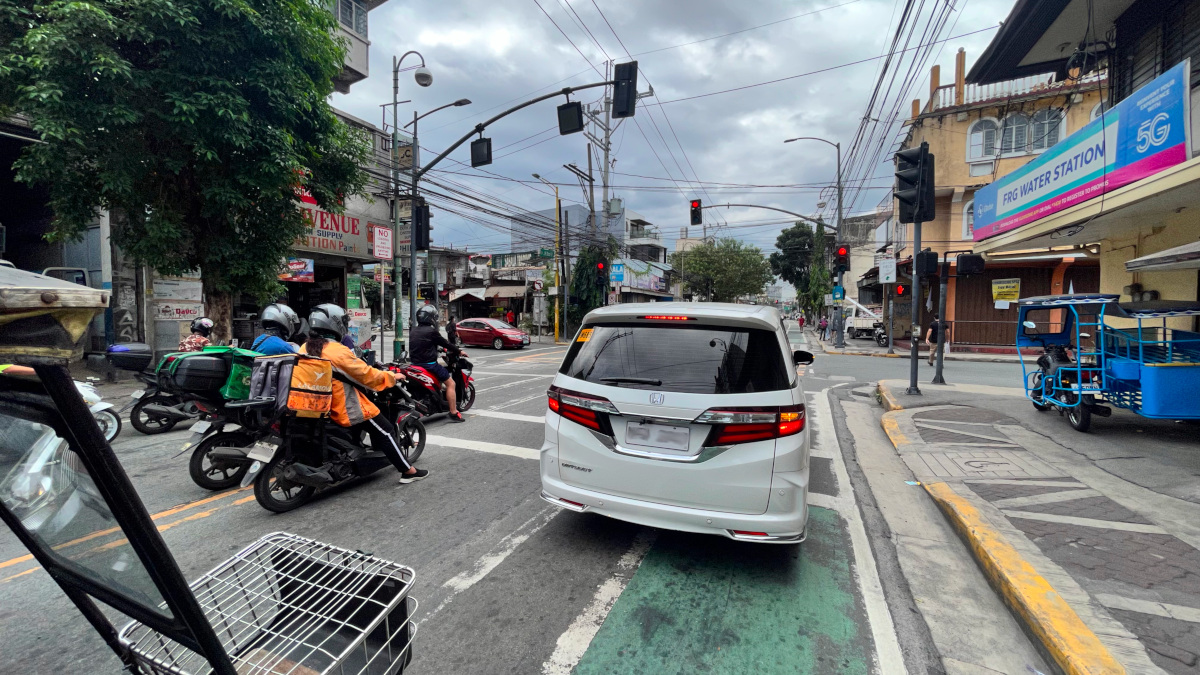
During the Consultative Meeting of the LTO regarding e-bike and e-trike use on national roads, Atty. Victor Nunez of MMDA confirmed to TV Patrol that two-wheeled e-bikes will still be able to make use of designated bike lanes, such as those along EDSA. However, he stated that three-wheeled e-tricycles, which take much more space because of their width, will not be allowed, as tricycles fall under a different category from bicycles.
This somewhat contradicts the initial list of roads from the MMDA, but rest assured, once we get our hands on more (and clearer) information, we’ll give you updates.
So where can e-bikes be legally used?
Based on previous LTO guidelines, L1 and L2 vehicles were allowed to operate on designated bike lanes as well as within barangay roads, private roads, and barangay roads. Vehicles could also cross main thoroughfares and national roads adjacent to allowed roads if the driver yields the right of way to oncoming traffic.
Take note that e-bikes and e-trikes can not be used for public transportation.
NOTE: This is a developing issue. Expect more specific guidelines and updates to be released before the new road restrictions and penalties take effect in April 2024.