There’s been a lot of noise lately that electric vehicles, because they’re heavier than cars powered by internal combustion engines, wear out their brakes and tires faster. And tire and brake-pad particulates are like exhaust particulates—very bad for health.
But in cities, where people are breathing the air and where they’re closer to the traffic, vehicles move slowly and hardly wear their tires. So tire particulate emissions matter less than on faster roads—at least from the point of view of lung health. And brakes? EVs hardly use their brakes, because most of the slowing down is done by the motor, in regeneration.
OTHER STORIES YOU MIGHT HAVE MISSED:
Even car safety orgs want carmakers to bring back buttons
Driving your newborn home will be the most anxious and fulfilling drive of your life
So, in places where the biggest number of people are breathing the biggest amount of poisoned air, EVs definitely help. In short, they remove from the equation tailpipes that squirt particulates at the height of the nostrils of toddlers in pushchairs.
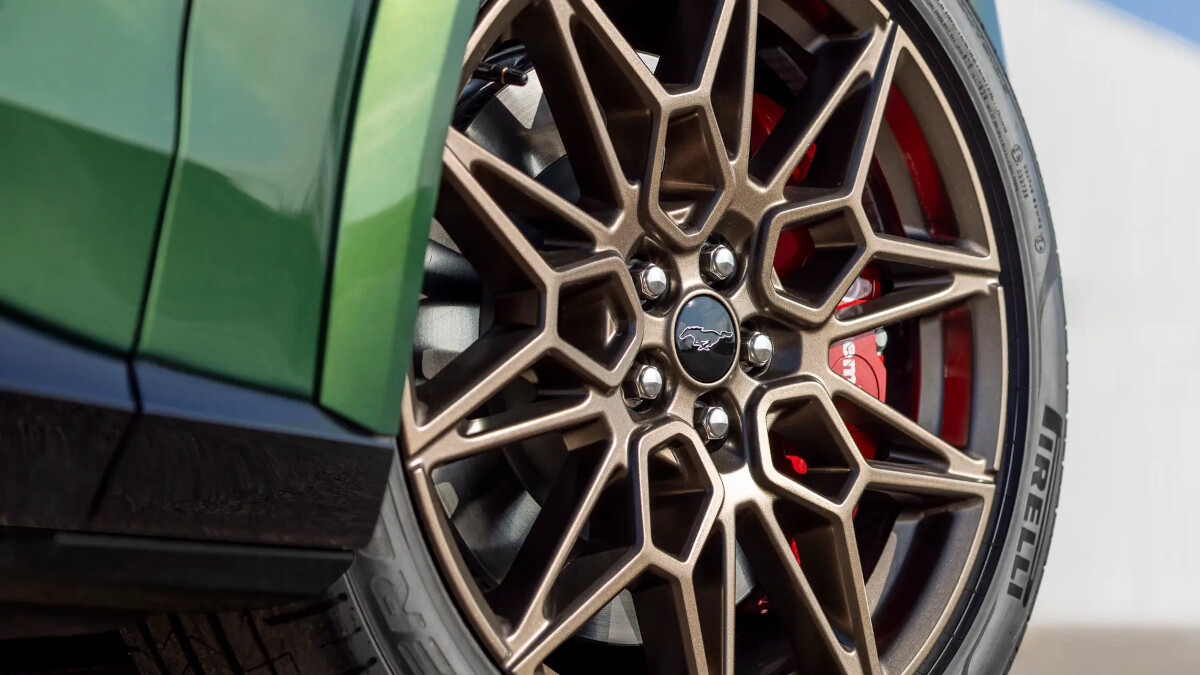
The tire thing isn’t thoroughly understood right now. But think: A brand-new car is allowed to put out 4.5mg of particulates from its exhaust per km. Over 30,000km, that’s 135g. I pick that distance because it’s the typical length of a tire’s life, during which your tires will lose maybe 4kg of rubber between them—30 times as much as the exhaust. We just don’t know where that goes—air? Soil? Drains? All bad things.
But crucially, there is little evidence that EV tire life is less than those on increasingly heavy combustion cars.
NOTE: This article first appeared on TopGear.com. Minor edits have been made.