
Admit it or not, we all have our biases and preferences. For me, I’ve always preferred cars of European descent, even if they’re not necessarily better than their Japanese or Korean contemporaries. That said, I do like my Japanese compacts and full-size American SUVs.
But American muscle cars? Those are the kinds of cars that I admit have limited knowledge of and never really looked forward to trying out. It’s not that I don’t like them, but rather, they scare me a little. Perhaps it’s because of the preconceived notion that these cars have wayward handling. Ironic, given that I personally prefer cars with a playful rear end.
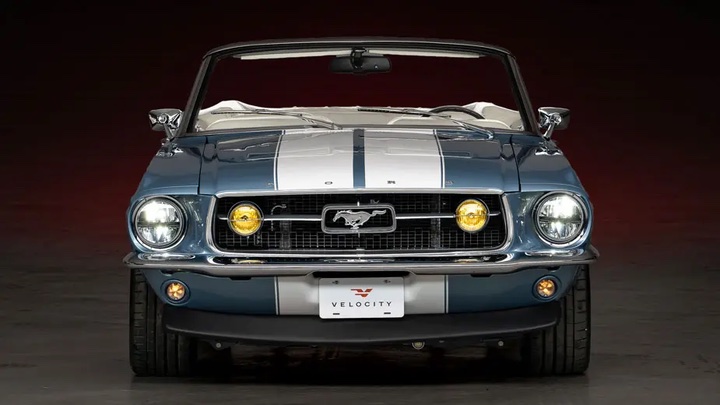
Still, I respect and appreciate muscle cars, especially since a good friend of mine has a fantastic collection of these old-school beasts. The man even let me ride shotgun in one of them, and that was quite an experience.
But because of my fear, I’ve actively avoided muscle cars. Again, ironic given that I’ve driven my fair share of potent sports cars. But in this line of work, it was bound to happen. So, after nearly a decade on the job, I got behind the wheel of a Ford Mustang.
OTHER STORIES YOU MIGHT HAVE MISSED:
Motorist caught on camera making an illegal U-turn across an island on EDSA
Top Gear PH Podcast Episode 9: NAIA’s new parking rates and our team’s recent trips
Originally not a muscle car
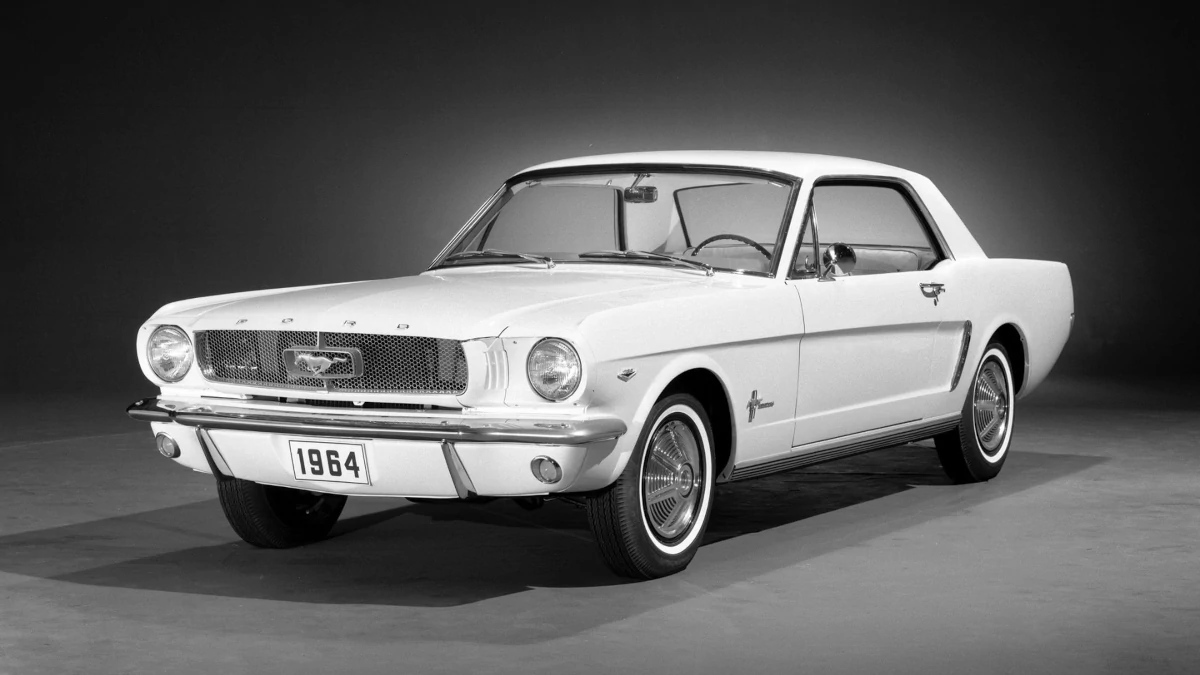
Launched in mid-1964, the original Ford Mustang was a smash hit right out of the gate. It was based on the humble Ford Falcon of the era, but its simple roots meant it was affordable to buy. The baby boomers who were hitting driving age at the time couldn’t get enough of it, and within less than two years, it had sold over a million units.
But here’s the thing about the first Mustang: It was never intended to be a muscle car. Sure, there was a V8 engine, but so did most American cars at the time, and you wouldn’t call everything equipped with an eight-cylinder powerplant a high-performance vehicle.
It was aimed at the thriving baby-boomer market that wanted a stylish and affordable coupe. Heck, even renowned tuner Carroll Shelby derided it as a ‘secretary’s car.’ That statement wouldn’t be very PC today, but that was the ’60s. A different time, you see.
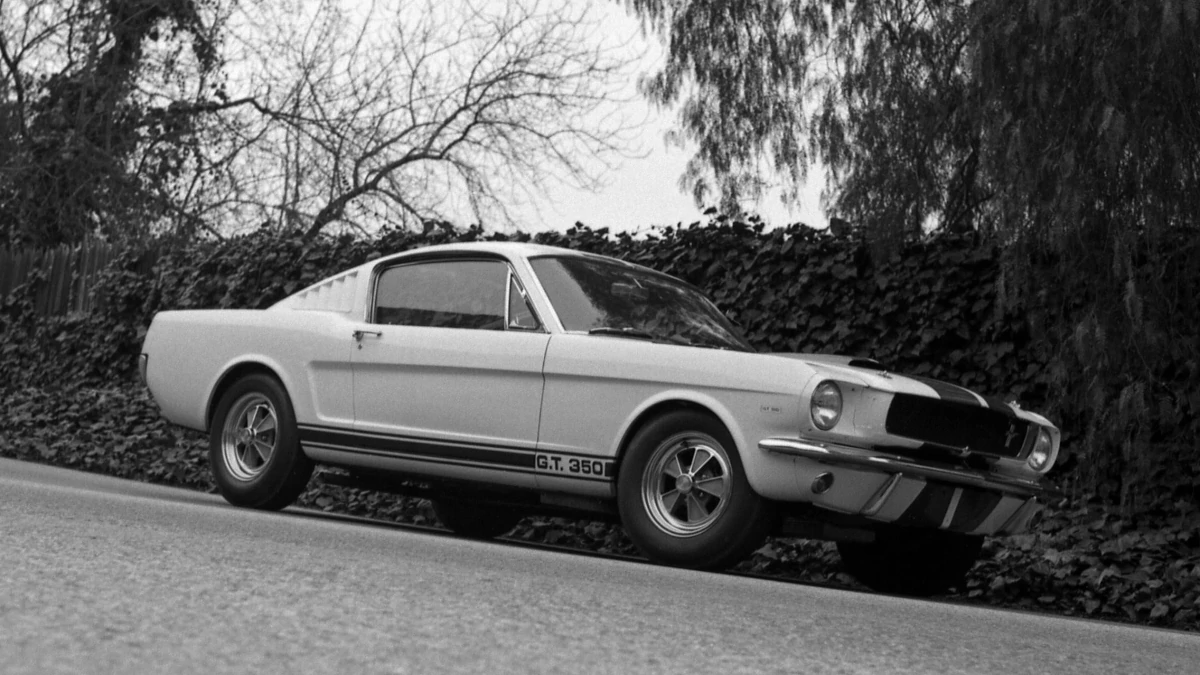
Ironically, it was Shelby who helped change the trajectory of the Mustang into what it has become today. His first Mustang-based creation was the GT350 of 1965, turning it into a capable and successful race car. It was followed by the GT500 a few years later in 1967.
The Malaise era
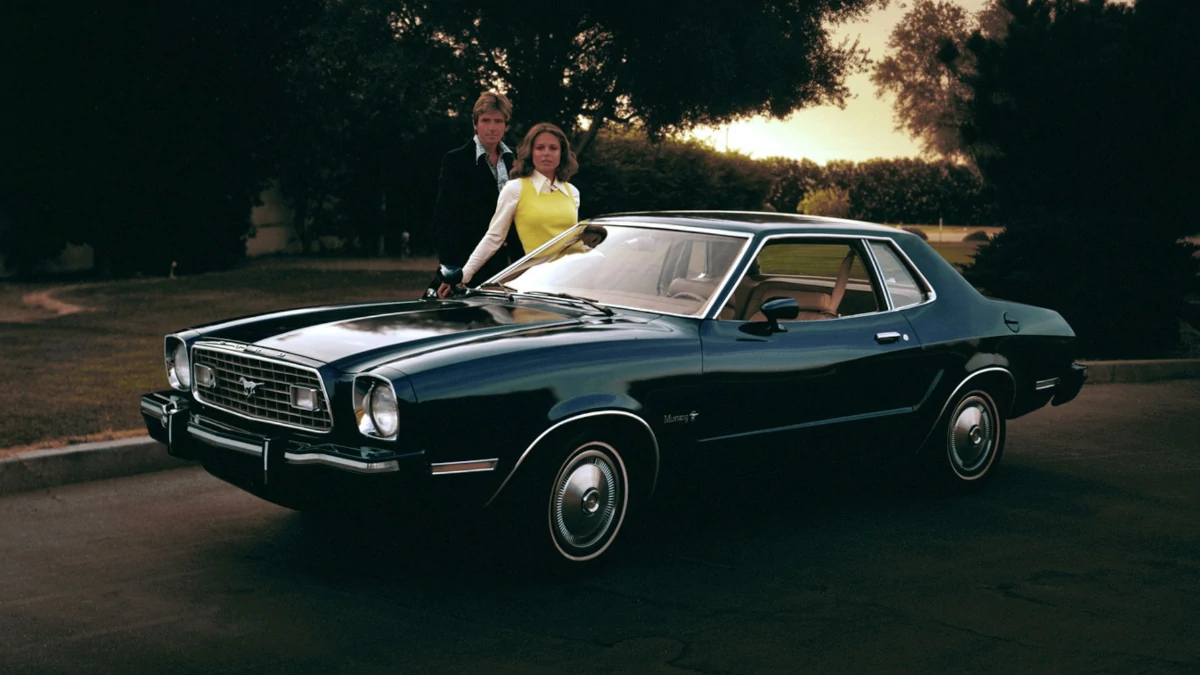
The good times were rolling for the Mustang, right up until the oil crisis of 1973. The Mustang that followed was slow and ungainly, and was even based on a car that Ford would rather forget: the Pinto. Despite that, it still sold relatively well, but any performance aspirations were thrown out the window thanks to emission controls. The optional 4.9-liter V8 it had made a measly 140hp, which was downright pathetic by the standards of the time.
Thankfully, things started to turn around by the late ’70s with the third-generation Mustang. The Fox body brought back some zing into the model range, with horsepower figures finally breaching 200hp once again. Throughout the ’80s, the Mustang regained its mojo, but Ford had other ideas.
We almost lost the ’Stang in the ’80s
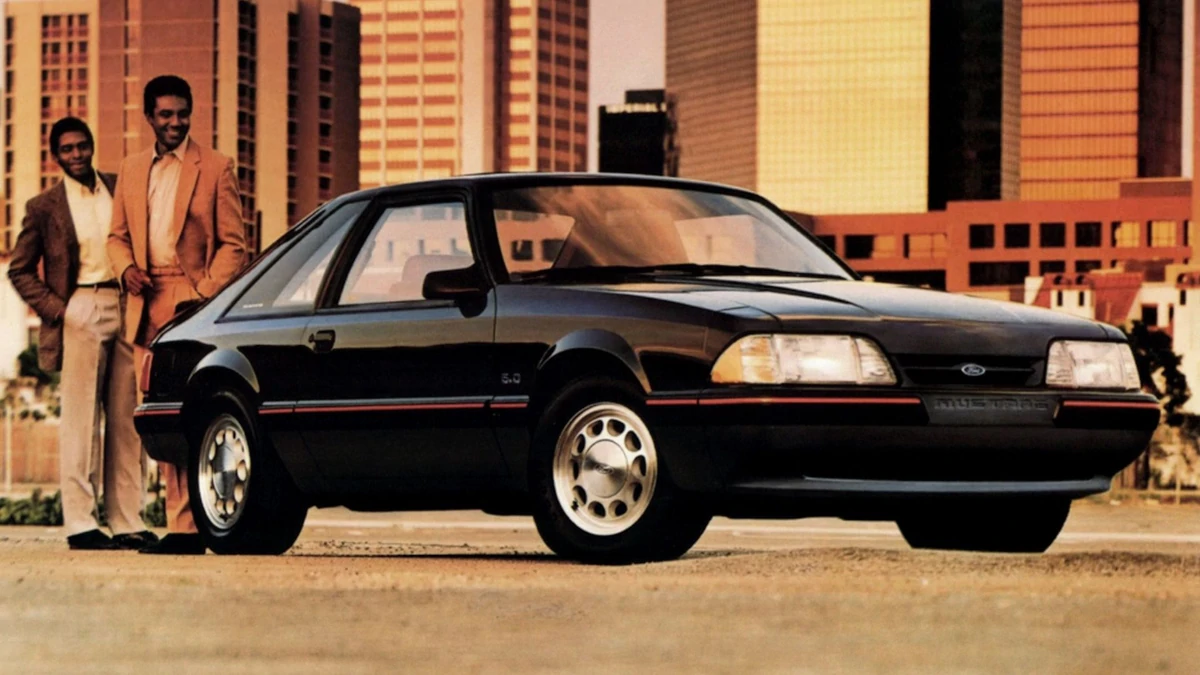
Despite the much improved performance, sales were slumping, leading executives to believe the Mustang was no longer relevant. Their proposed replacement? A front-wheel-drive, Mazda-derived design. When fans caught wind of this, they flooded Ford with letters, demanding the Mustang remain true to its roots. Fortunately, the execs listened.
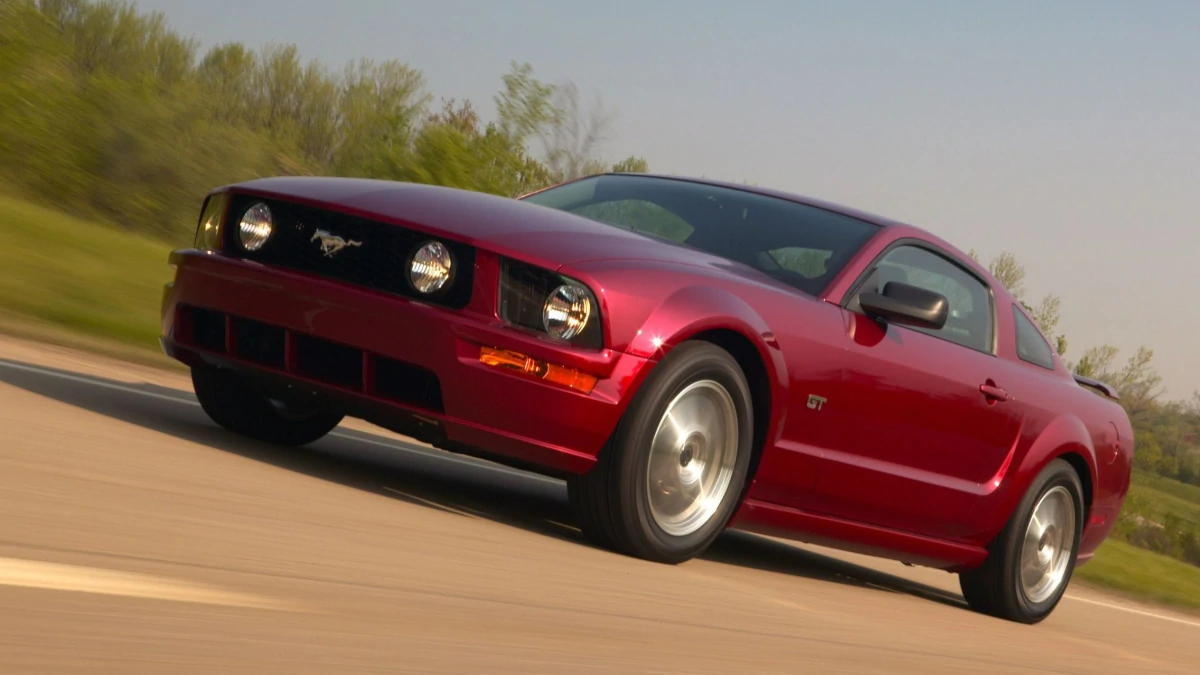
In response, fans bought Mustangs in droves and gave Ford enough reason to keep building them. The ’90s and early 2000s brought the good times back, and it was only going to get even better. The Mustang of 2005 saw the return of ’60s-inspired styling—a theme that has continued since. Oh, and there have been loads more powerful versions that came along over the last couple of decades.
The Ford Mustang now
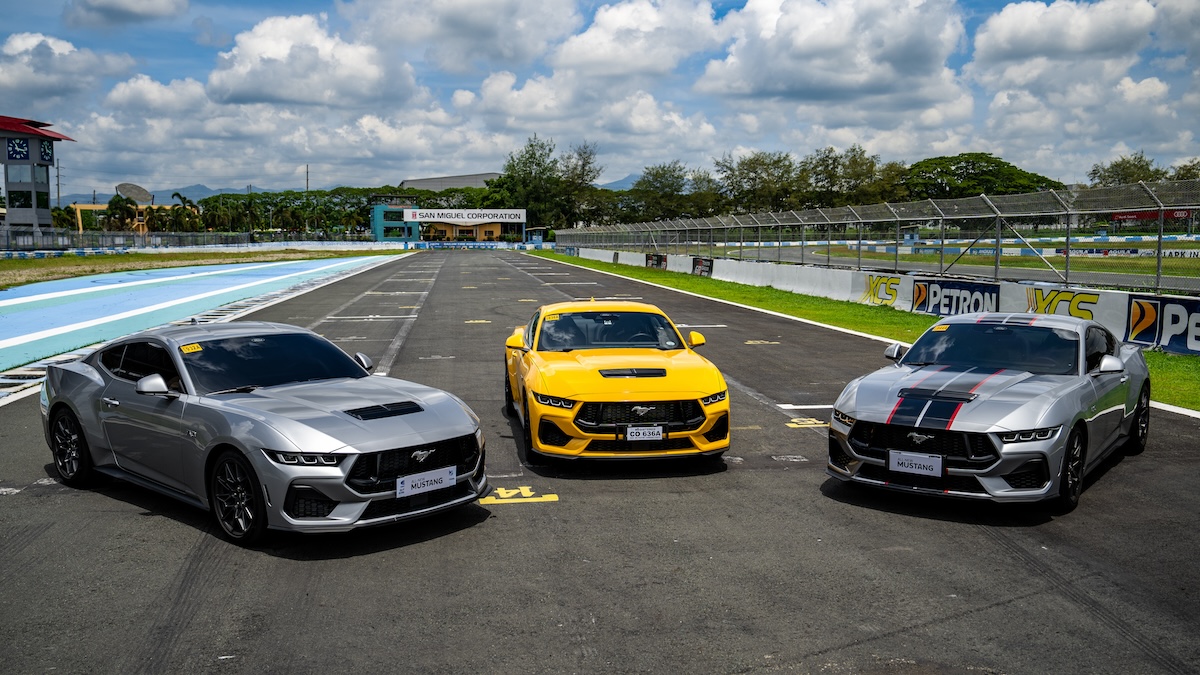
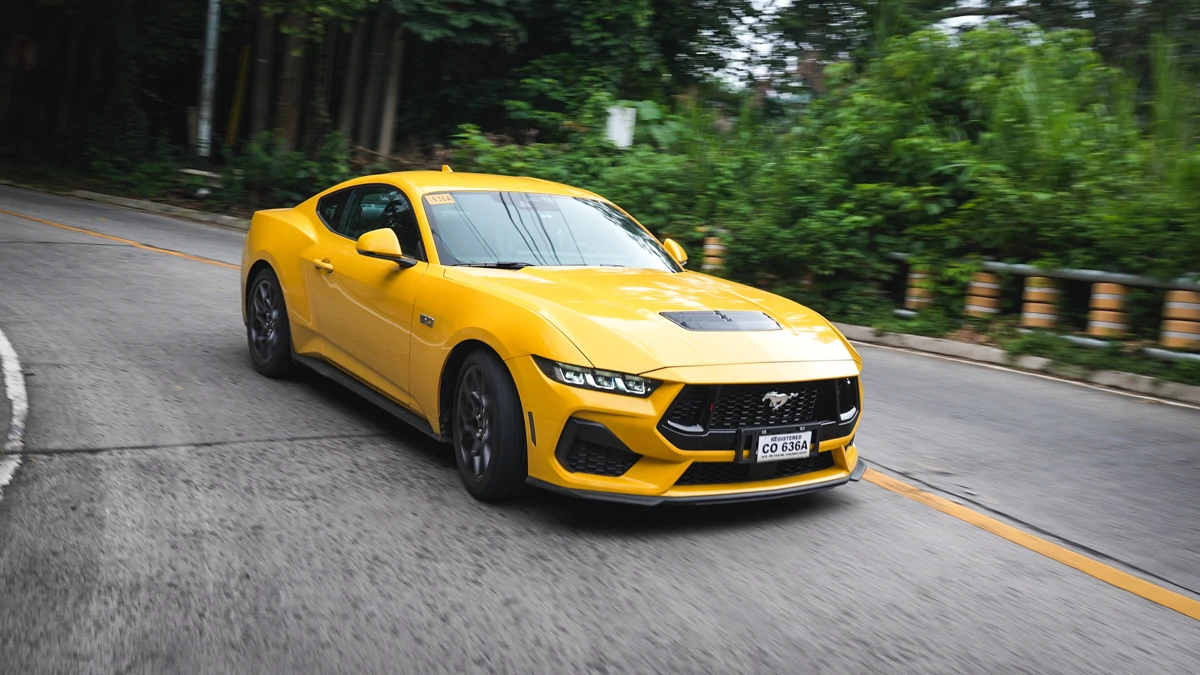
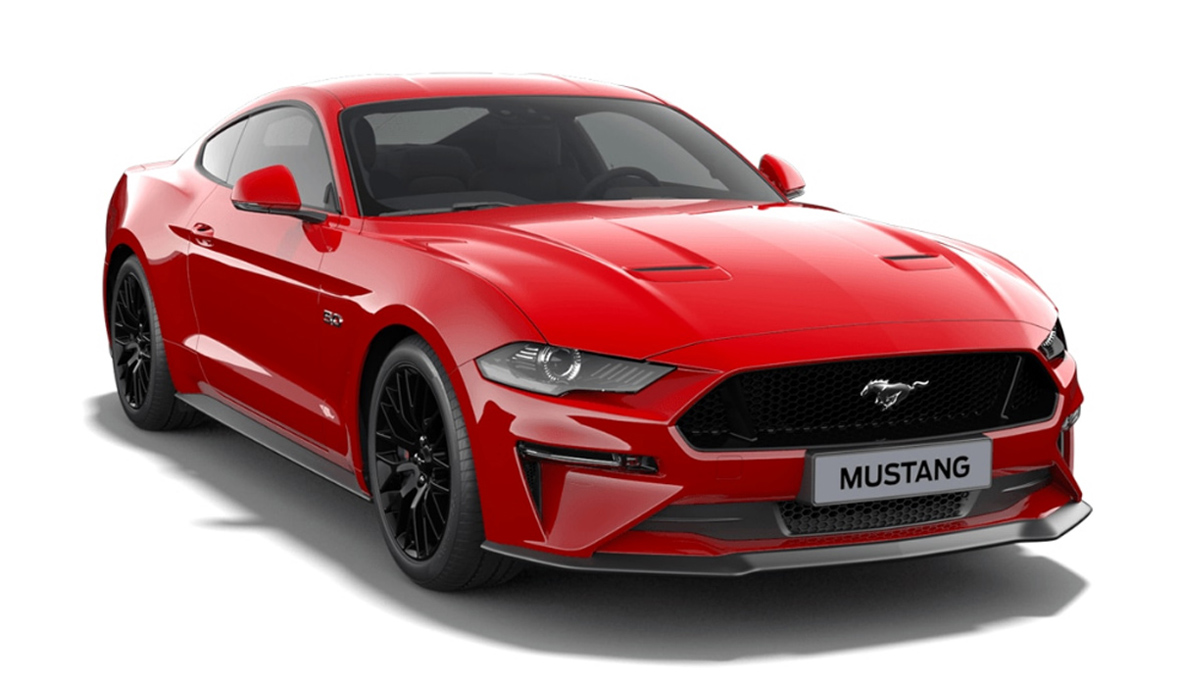
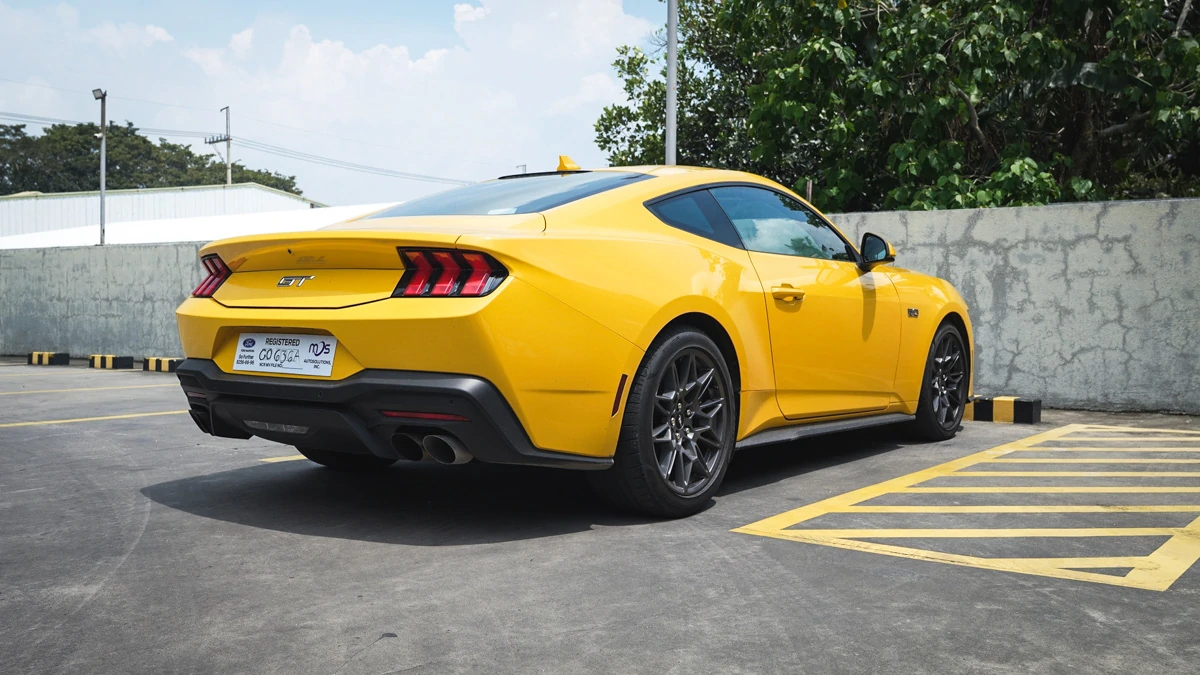
History lesson over. What about the Mustang of today? It has truly established itself as a muscle car now, so you won’t find any, well, un-PC comments about it anymore. It still follows the look of the 2005 model that pays homage to the 1964 original. It looks cleaner and refined now, but it hasn’t lost any of its aggression. I daresay the sleeker, smooth design almost makes it look European.
Hop inside and there’s a good mix of classic and modern touches. The dash is, again, inspired by the Mustangs from 60 years ago, but the wide touchscreens and panels bring it into to the 2020s. Admittedly, some of the cabin materials don’t feel particularly premium, but I doubt those dead set on buying one will mind.
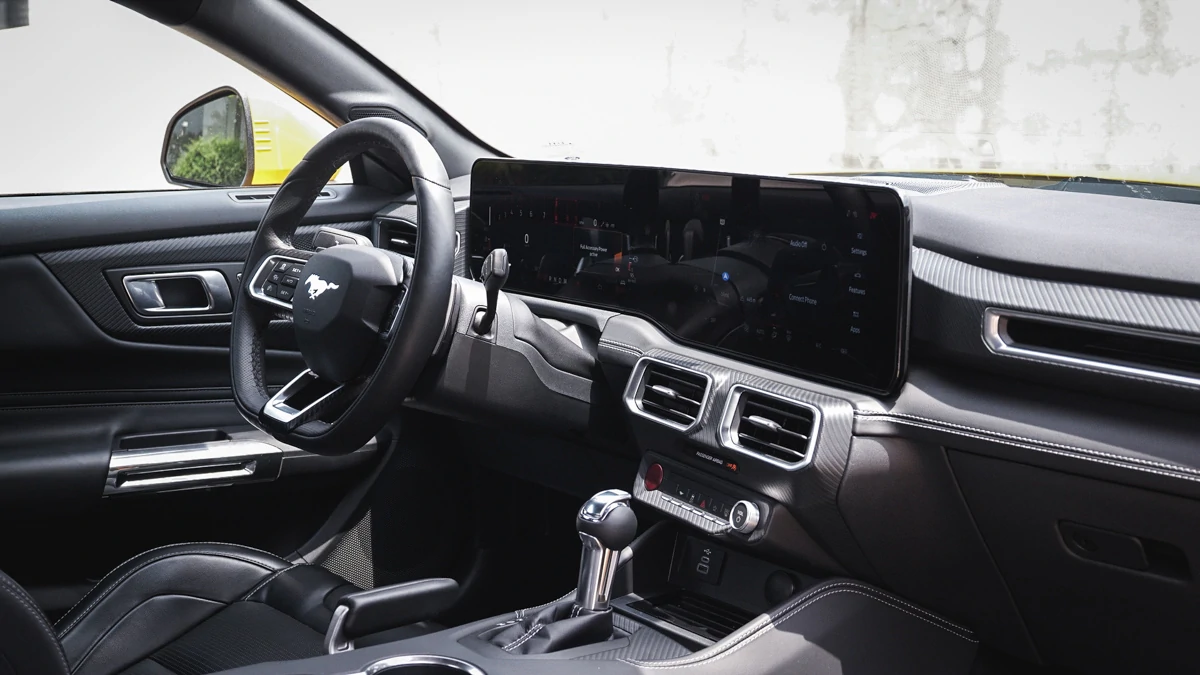
You sit low in the Mustang, and the slim windows make it feel like you’re looking through a gun slit. It’s not great for visibility, but this is a sports coupe, not a family shuttle. That said, it’s surprisingly practical. You can squeeze two adults into the back provided they have short legs, and there are child seat mounts there, too. I actually have a friend who occasionally uses a Mustang to drive his daughter around. Cool dad.
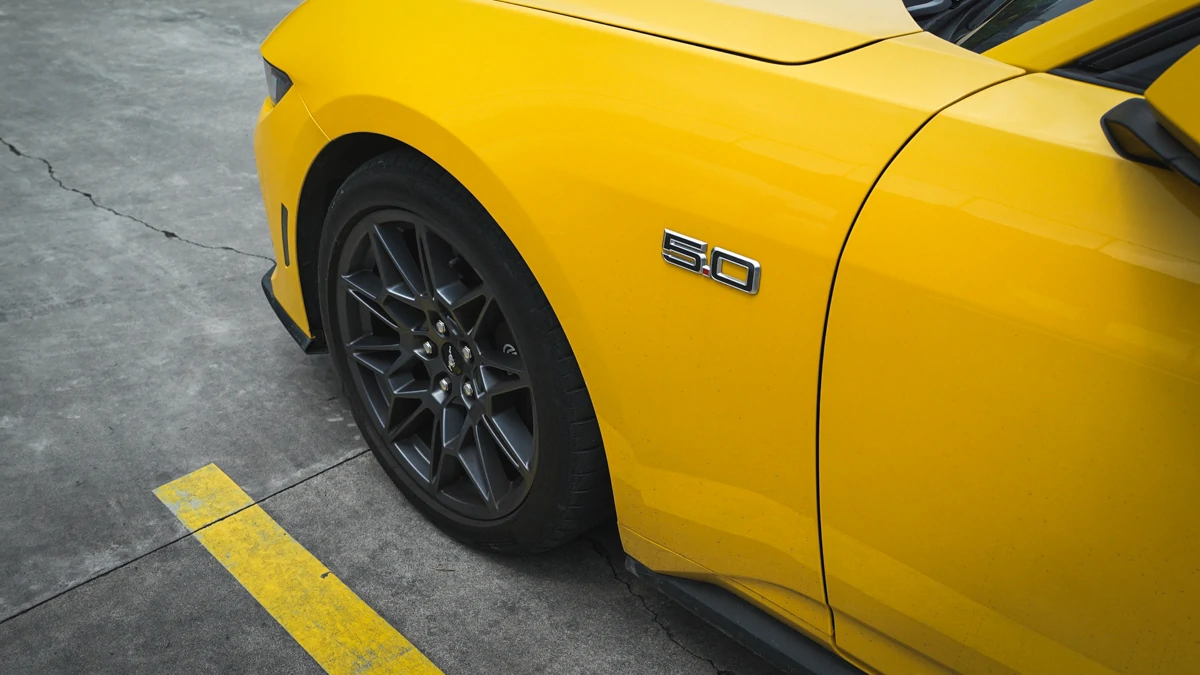
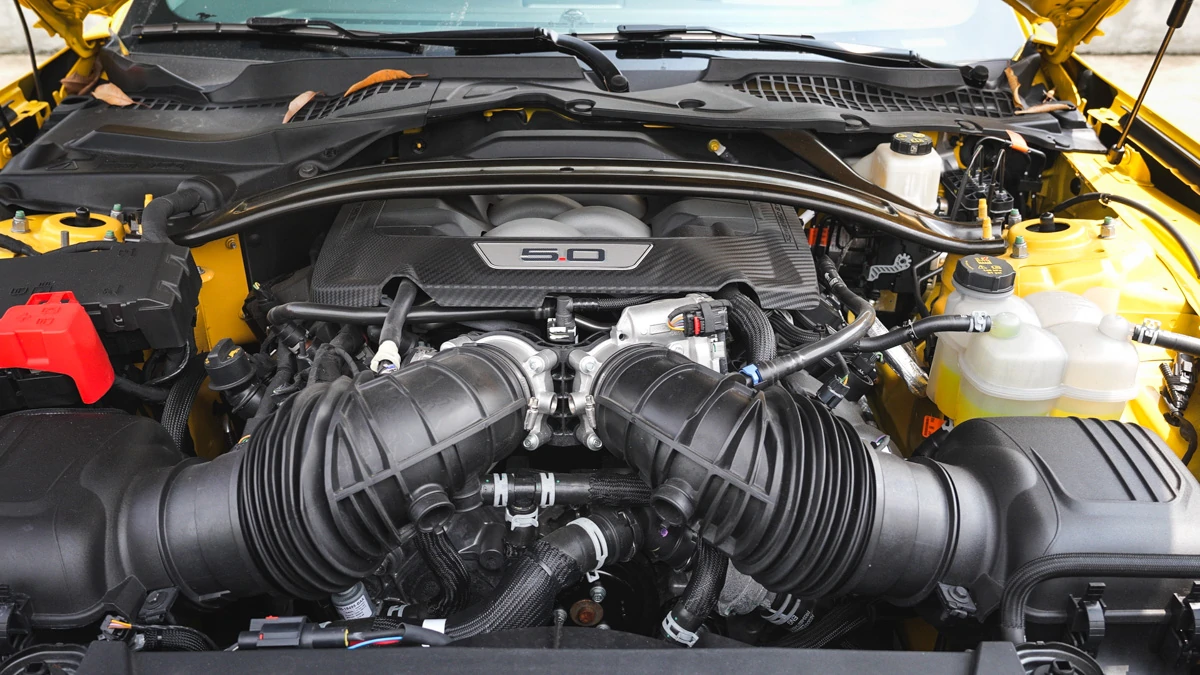
It’s dripping with appeal, the new Mustang, thanks in part to the 5.0-liter V8 sitting under the hood. You get 486hp and 567Nm of torque out of it, and this isn’t even the hardcore Shelby version. The ’Stang has made great strides in power output over the years, and we’re all here for it.
A solid cruiser
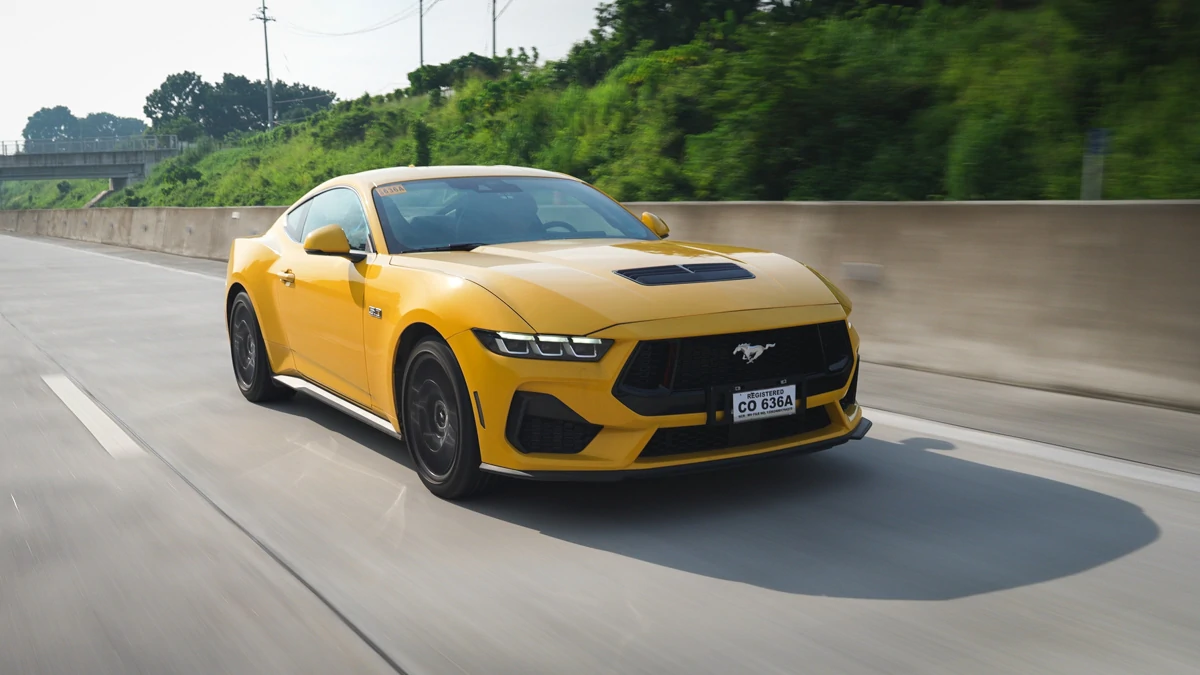
It’s safe to say most of America’s road network helped make the Mustang a solid long-distance companion. For what it is, it’s comfortable on long stretches of highway. Obviously, it doesn’t ride like an Expedition or an Explorer, but considering it sits on fat, low-profile wheels, you have to wonder if there’s suspension trickery involved.
And there is. The Philippine-spec Mustang comes with magnetic dampers, which give it a ride that’s supple when you want it to be and firm when it’s needed. The variety of driving modes helps, too. Set everything to Comfort mode and it does exactly what it says. Even the steering, while weighty, feels effortless to twirl, and points straight and true with no waywardness
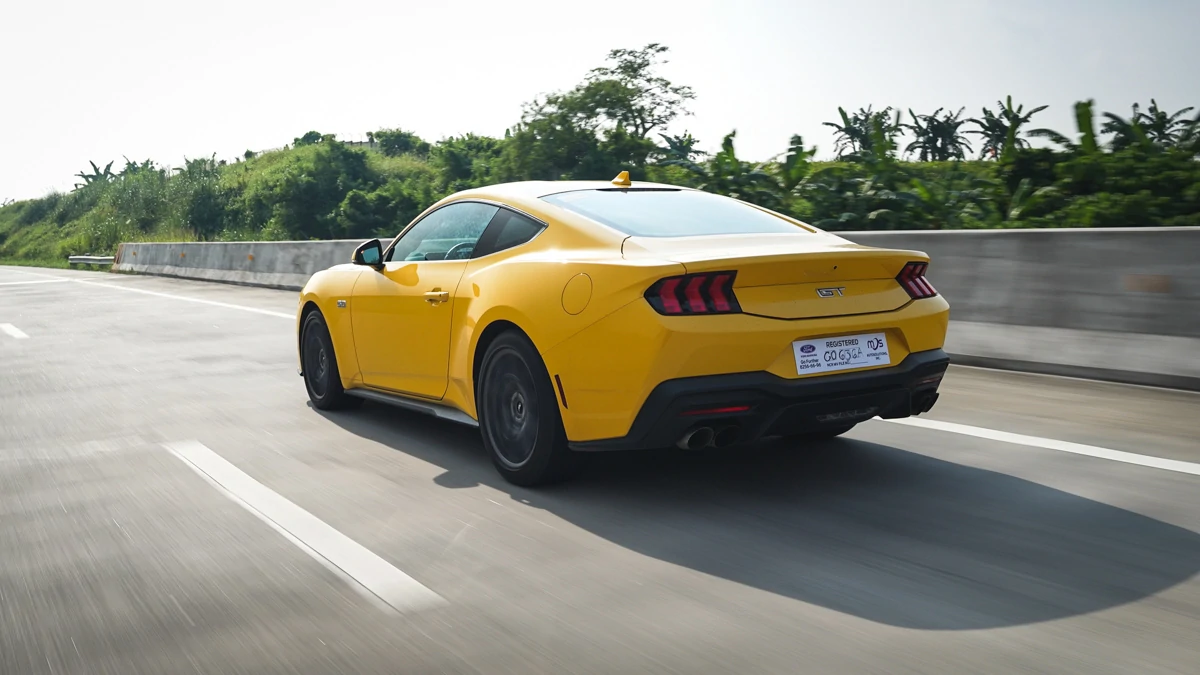
Jab the accelerator and the Mustang lunges forward with gusto. Then again, you’d expect that from anything with over 480hp. But what makes it charming is the V8 soundtrack burbling in the background. I did like a little more noise out of it, but you can set the exhaust flaps to race mode to solve that. On the flip side, you can prowl (relatively) quietly in the quietest setting.
So, while it looks like an aggressive bruiser, it’s more a steady cruiser, at least in a straight line.
Corner carving
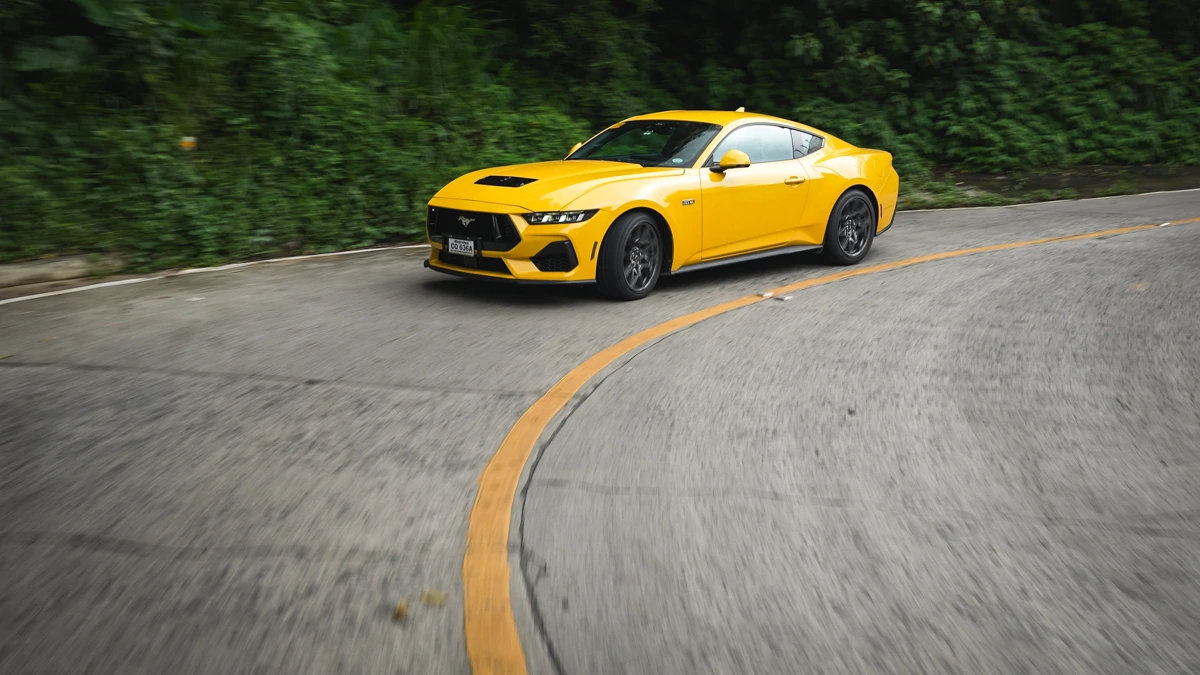
The stereotype is that muscle cars can’t turn. Frankly, it’s an outdated mindset, but as they say, stereotypes are often grounded in reality. In the case of the Mustang, let’s just say it dispelled my fear of muscle cars.
Show it some corners and the Mustang feels buttoned-down and composed. It’s unruffled by bumps and cambers on the bends, and there’s loads of grip. Even if you’re playful with the gas pedal, it doesn’t light up the tires and send you into the nearest guardrail. Instead, the rear wheels push you out of the corner without any noticeable loss of traction. If anything, the accelerator helps you steer through turns, not spin out.
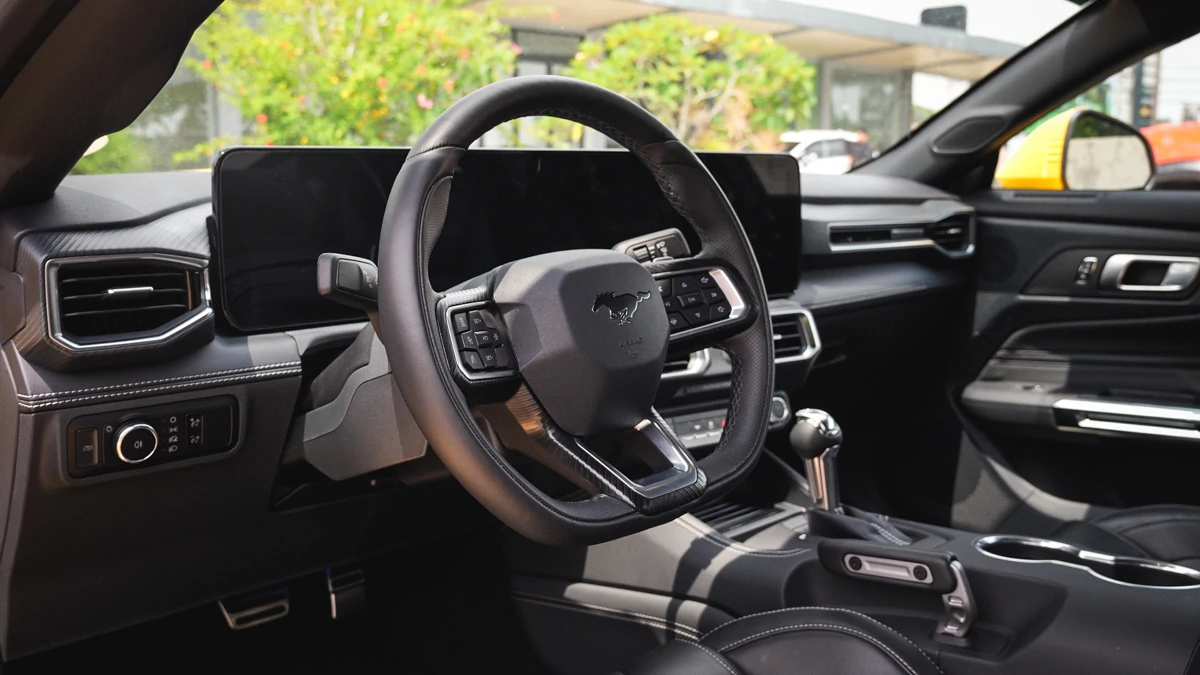
It also helps that the steering is wonderfully communicative. You know when the tires are grabbing more traction, and you feel steering weight building progressively along the way. What’s shocking is that it uses an electric power-steering system—a setup that usually results in numb steering feel. Ford clearly did its homework in the steering department.
Yes, it’s a long car, but the handling makes the Mustang feel smaller than it really is. The chassis is playful when you’re in the mood for a spirited drive, and obedient when you want to be more serious. The only way you’ll get in trouble is if you’re being irresponsible with it.
Perfectly imperfect
Is the Mustang really that good? Well, there are one or two things we need to point out. We’ve mentioned that some interior materials don’t exactly feel upmarket, and we’ve also said that most customers might not mind it. Regardless, we’d like to see richer-feeling materials in there to at least match the price tag that’s attached to the car.
Then there’s the automatic transmission. It’s not jerky or anything, but with 10 speeds to play with, you find yourself constantly shifting because of the short gaps between gears. It’s fine when left to its own devices, but you might find yourself shooting straight for the redline in the extremely short first gear at 60kph. That’s something to take note of when you’re out on the track.
Of course, the fuel economy isn’t great, but you expected that already, didn’t you? Heavy traffic yielded 1.9km/L, but you can actually get over 10km/L on the highway if you’re careful.
Sole survivor
I’m glad to report the Mustang has made me less afraid of muscle cars. In my experience, this is probably the friendliest near-500hp, rear-wheel-drive car I’ve ever driven. It doesn’t try to bite your hand off all the time, but it’s still a fun car to hustle around winding roads.
I never thought I’d say this, but I actually enjoyed my time with it. I’ll admit it’s still not my favorite genre of car out there, but my respect for the Mustang—and other muscle cars in general—has shot up immensely.
Unfortunately, there aren’t many of these cars left to try. The Mustang is the only car of its kind left. The Chevrolet Camaro has been axed, and the same goes for the Dodge Challenger. The Dodge Charger was reimagined for the 2020s, but it comes with either electric power or an in-line-six.
That pretty much leaves the Mustang as the only choice you have for a muscle car. It’s the sole survivor, and it deserves to stick around for much longer. That’s not just because of its iconic name, either. It deserves to stay because of pure merit.
Not bad for something that was once called a secretary’s car.