
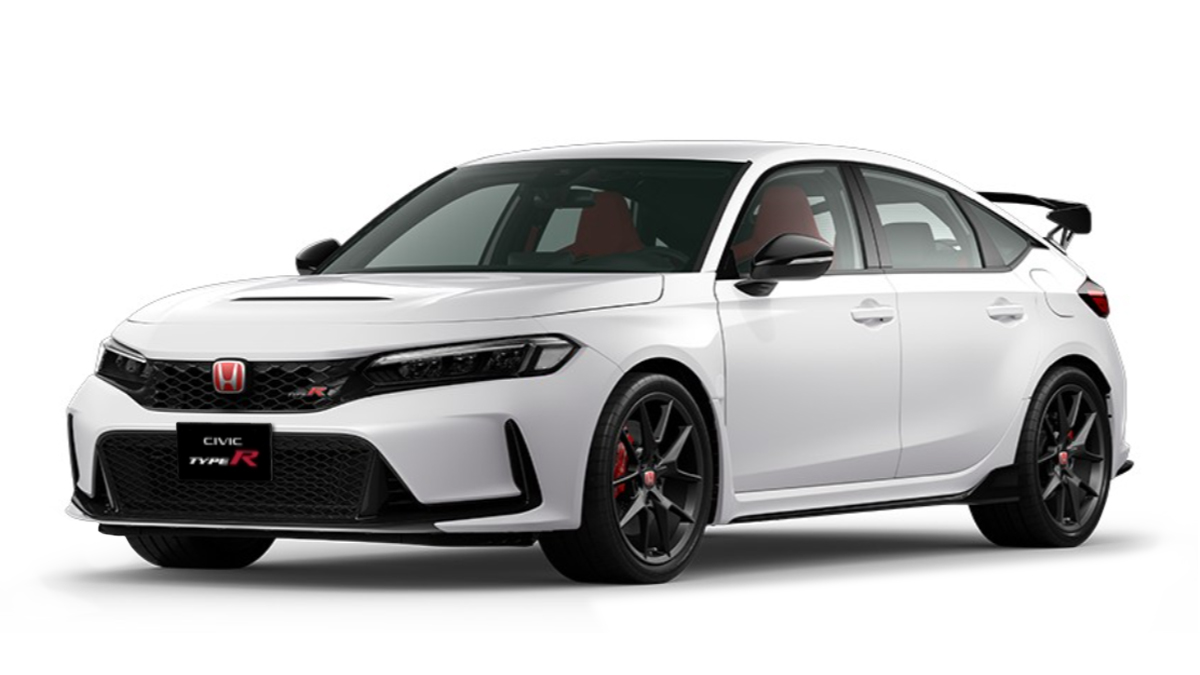
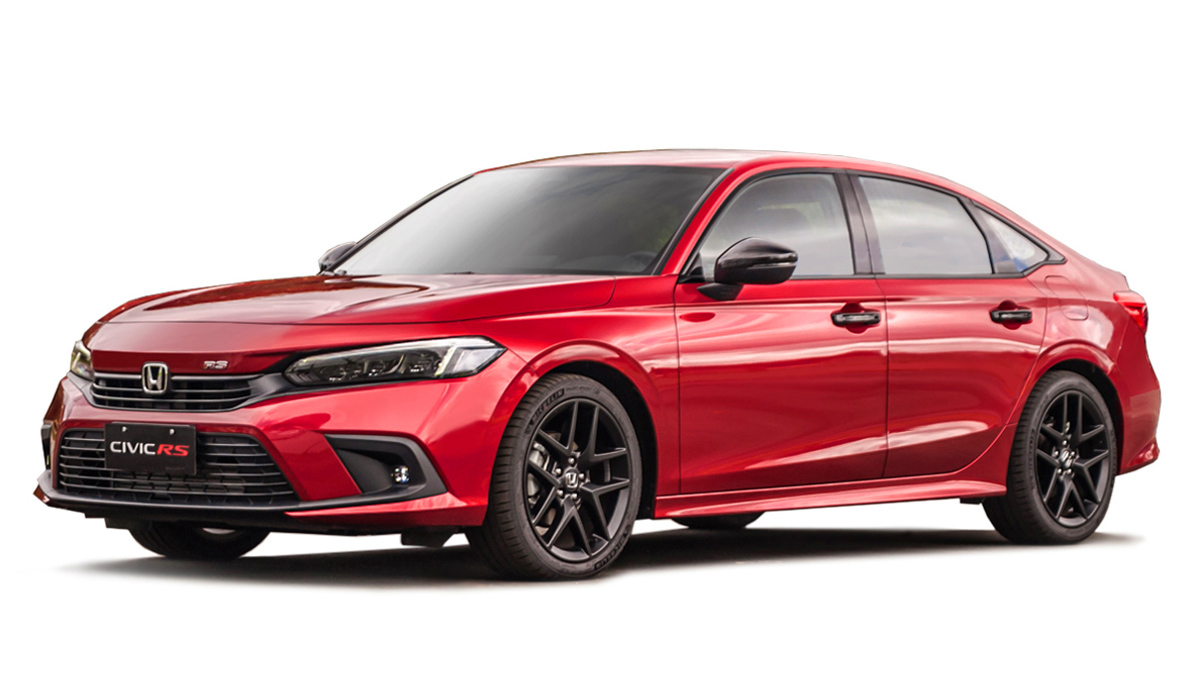
Picture this: You’re in the market for a new car and you have about P2 million to spare. Chances are, you’ve defaulted straight to an SUV or a crossover. We can’t blame you. Ground clearance isn’t just a figure on the spec sheet anymore—it’s a selling point.
That has left the compact-sedan market a little bit, well, deserted. While four-doors were once the darling of Filipino families, sedan sales just aren’t what they used to be. It’s reached a point where many have abandoned the segment. The class stalwarts—the Toyota Altis and the Honda Civic—are still soldiering on as crossovers flood the market.
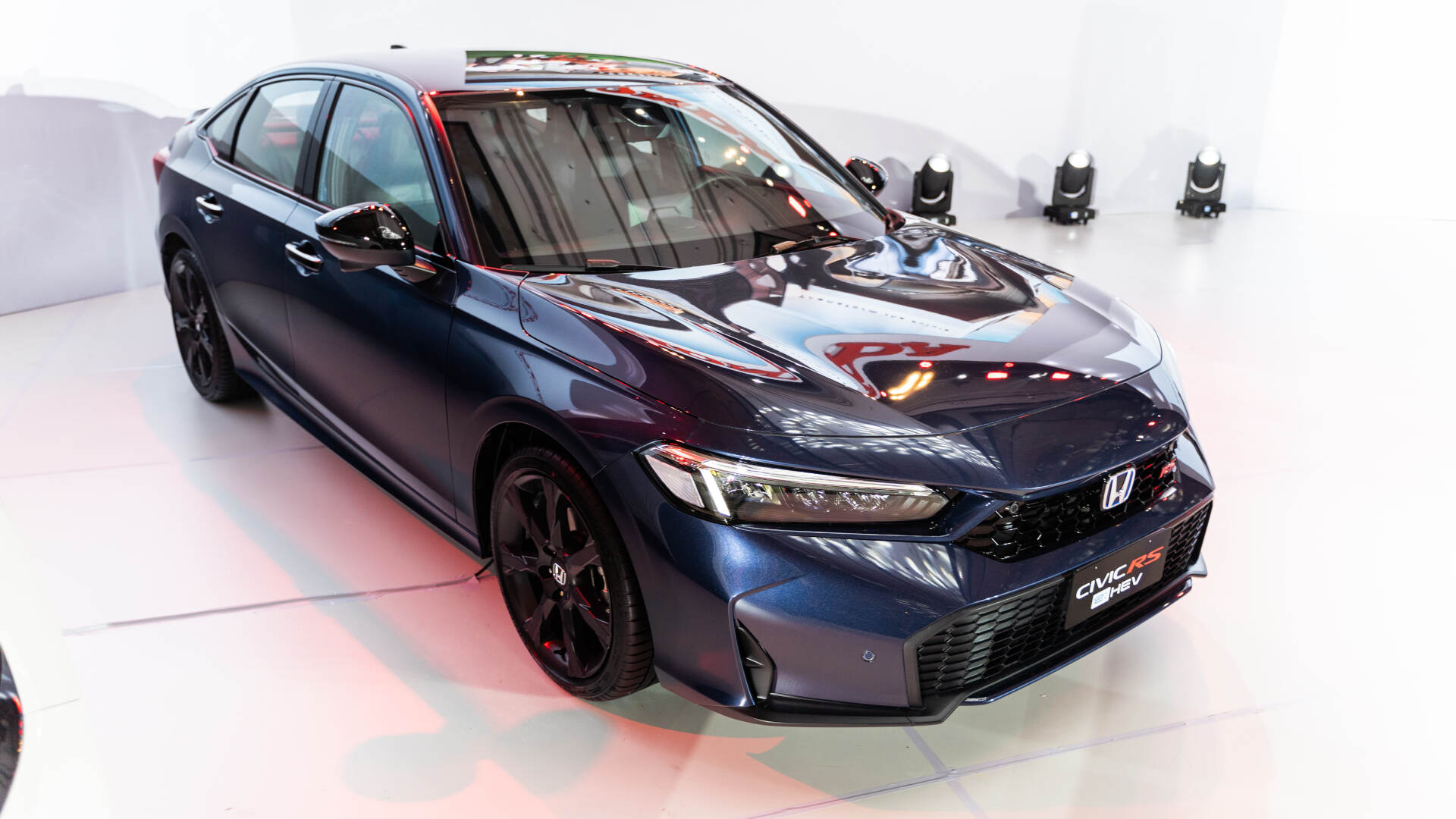
The current-generation Civic made its world premiere in 2021, and landed in the Philippines in 2022. Despite the fanfare surrounding the model, we simply don’t see a lot of these on our roads. We see more CR-Vs than Civics these days, a sign of the times.
But for the 2025 model year, the Honda Civic has gotten a decent update. It’s a reimagining of the venerable name, and at the same time, it still has everything that makes it lovable like the generations that preceded it.
So, what’s new for 2025?
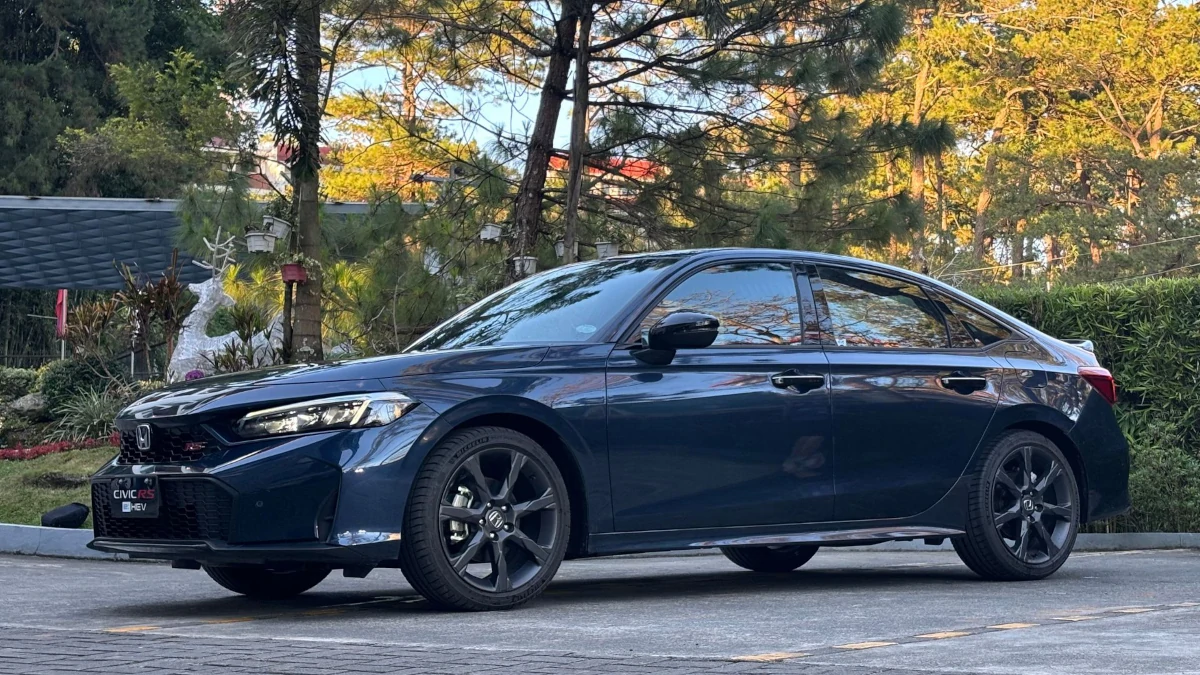
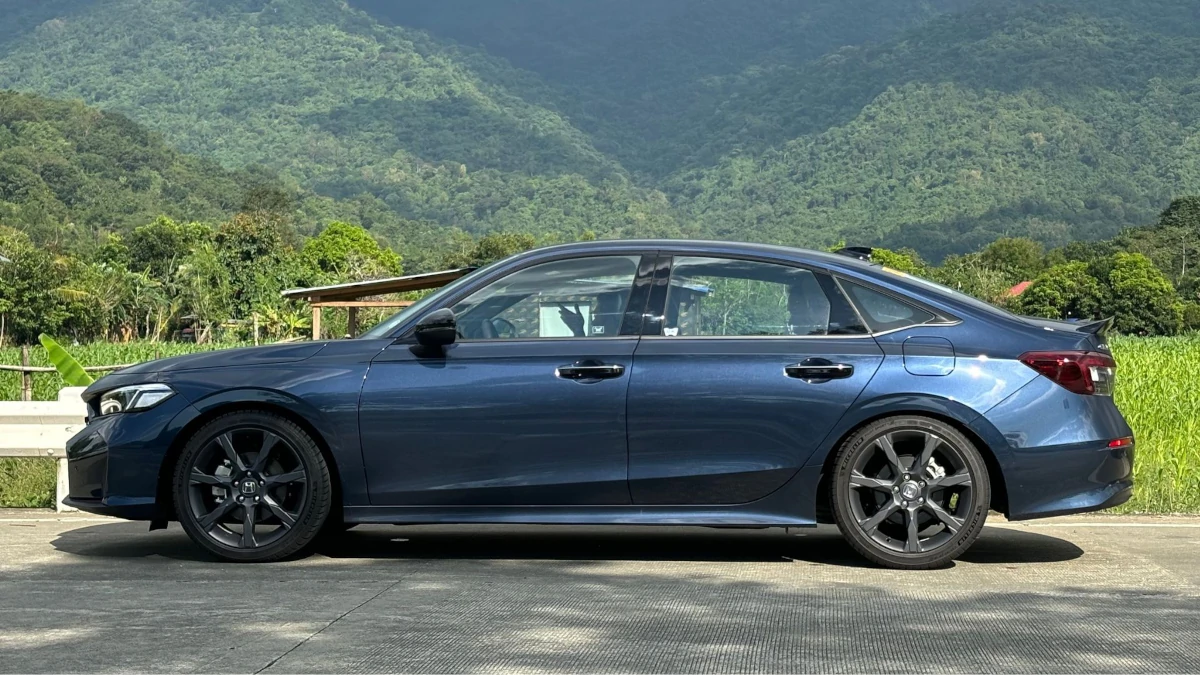
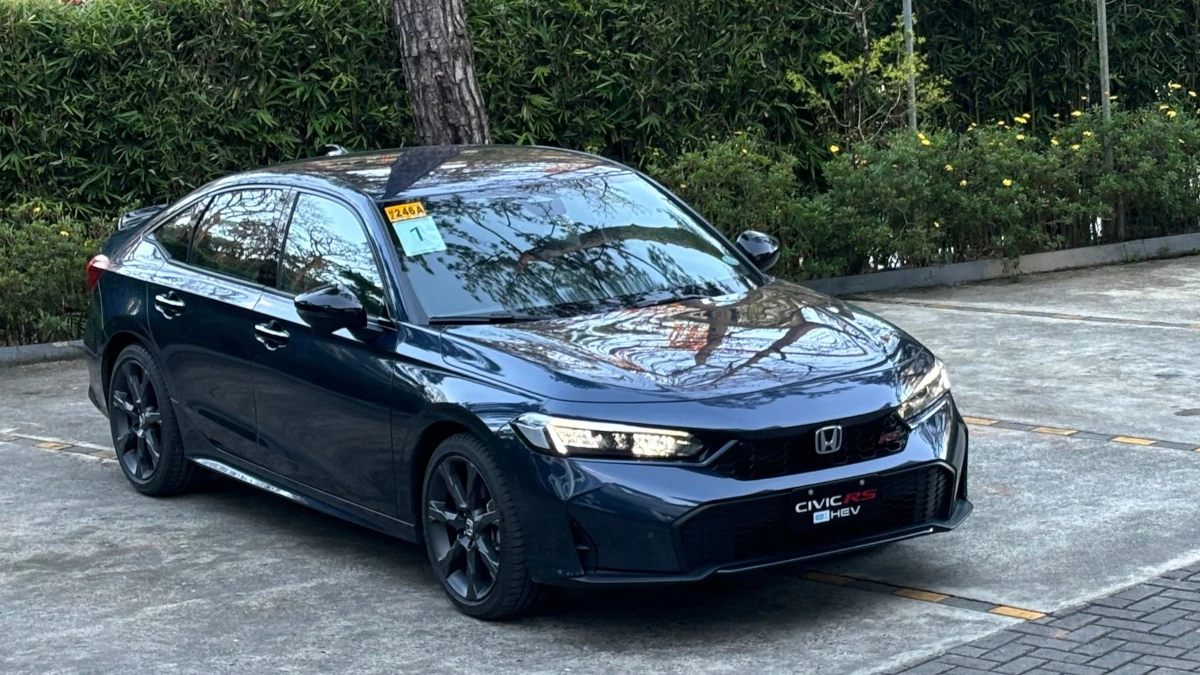
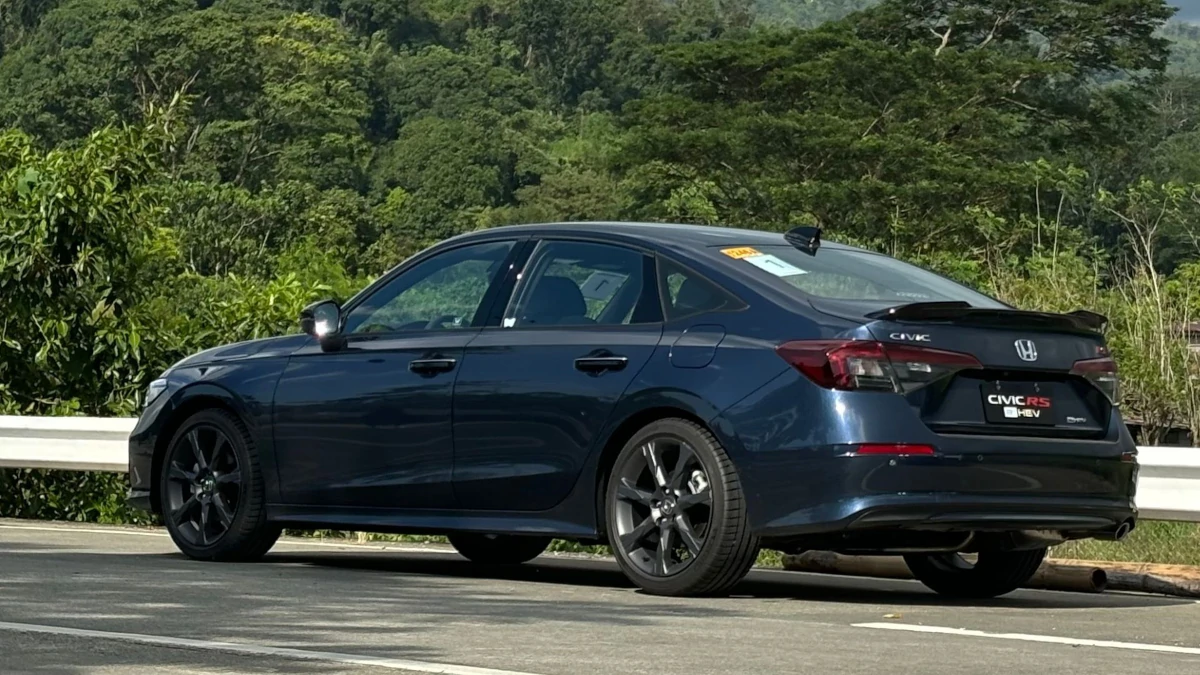
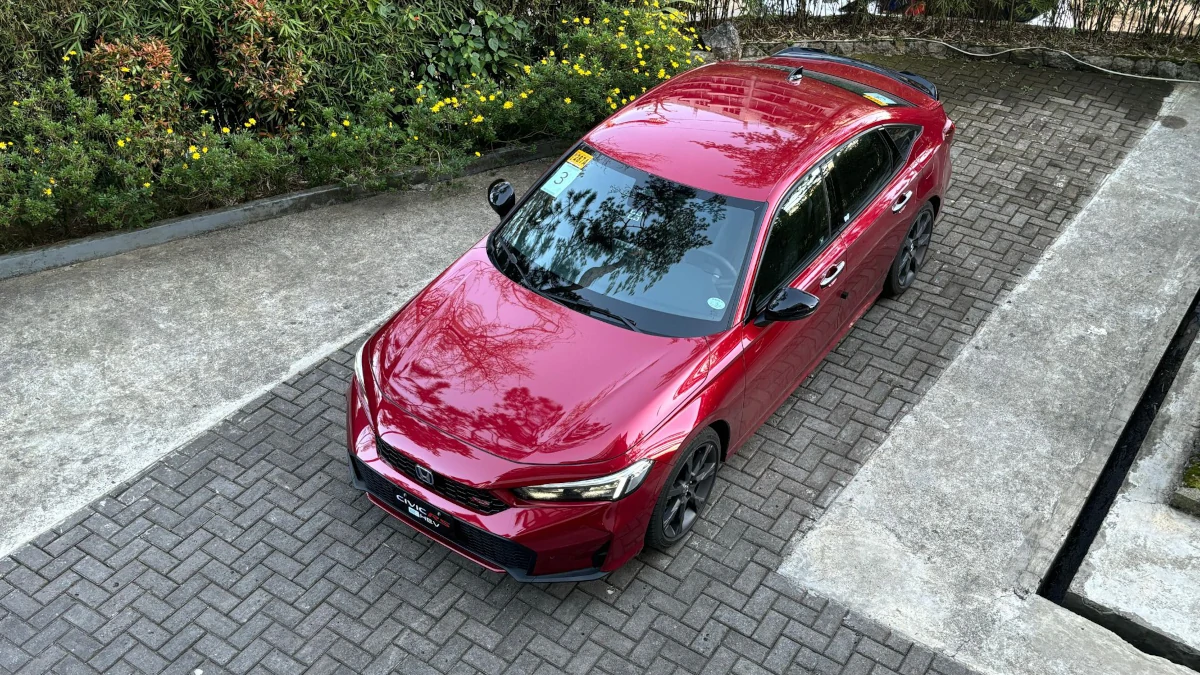
The current-generation Civic didn’t really need a facelift, if you ask us. Naysayers will tell you it looks bland, but we say it’s more grownup and mature. It’s handsomely styled with no bad angles, and—dare we say it—looks almost European. Still, that didn’t stop Honda from giving it a few exterior tweaks here and there.
OTHER STORIES YOU MIGHT HAVE MISSED:
New Lynk & Co 06 owners will receive free maintenance service for five years
The new Land Rover Defender 110 Octa can be yours for P24.5-M
The most obvious changes are to the front. The front bumper has been extended and redesigned. The grille looks a little sharper than before, while the headlight accents are a surprisingly neat touch. It certainly looks fresher, and there’s enough to differentiate it from the pre-facelift model…from the front, at least. New wheel design aside, the rest of the body is carried over largely unchanged. Also, that new wheel is only for the top-spec variant.
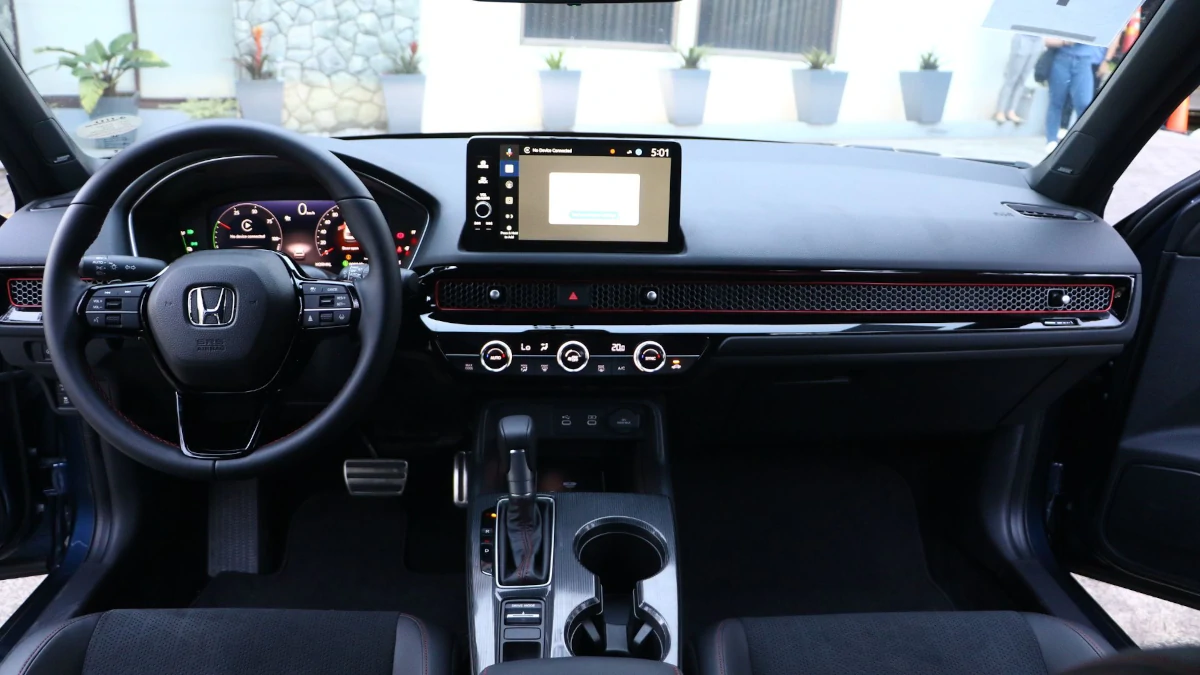
You’ll struggle to find any changes inside, though. You’ll need a measuring tape to notice the slightly larger touchscreen and, er, that’s pretty much it. Okay, there are new
seat patterns and a few tweaks to the instrument cluster, but it’s a very familiar sight if you’re coming from the pre-facelift version.
That said, there’s a huge technology update that deserves mention. The 2025 model has Google software integrated into its infotainment system, and that means it also gets Google Services as well as access to the Play Store. This is a huge deal, especially given that even some expensive luxury cars don’t have this feature. Talk about future-proofing.
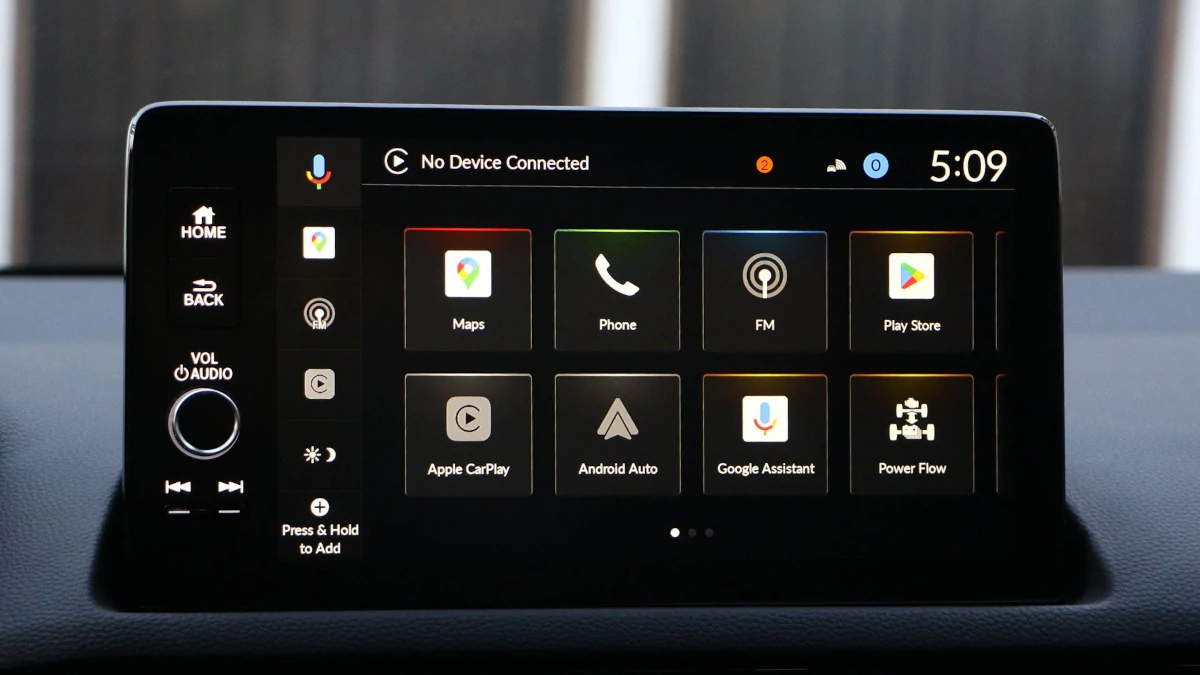
But the most significant update for the 2025 model year is the addition of a hybrid option. For the first time in the Philippines, the Civic gets an electrified powertrain. What does that mean for its driving behavior?
An icon, electrified
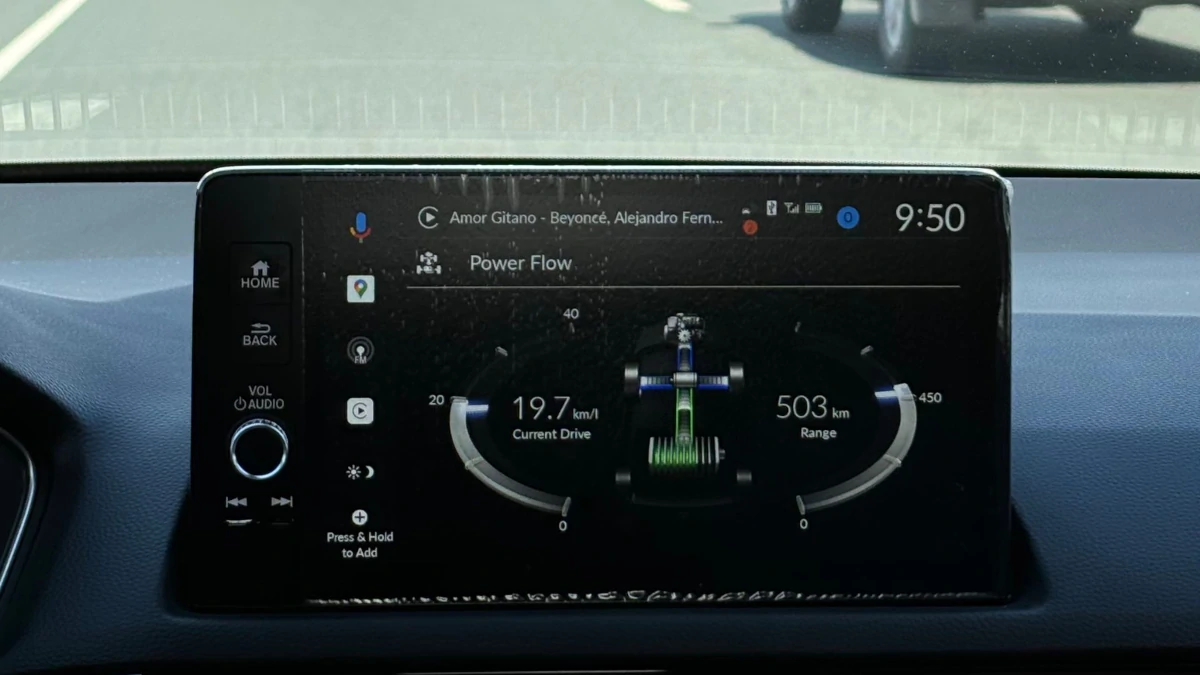
The hybrid system in the new Civic is Honda’s now-familiar e:HEV system. It’s a full hybrid, so it can propel itself with the electric motor alone, the engine only kicking in if necessary. That also makes it coding-exempt—something worth considering if you drive in the metro every day.
The e:HEV system pairs a 2.0-liter Atkinson-cycle engine with a couple of electric motors that get juice from a 1kWh battery. Put those together and you get a combined output of 181hp and 315Nm of torque. The mighty Type R aside, the Civic e:HEV is the most powerful standard Civic to date. Who would’ve thought we’d live in a day and age where a ‘normal’ Civic makes that much power?
Guiltless performance
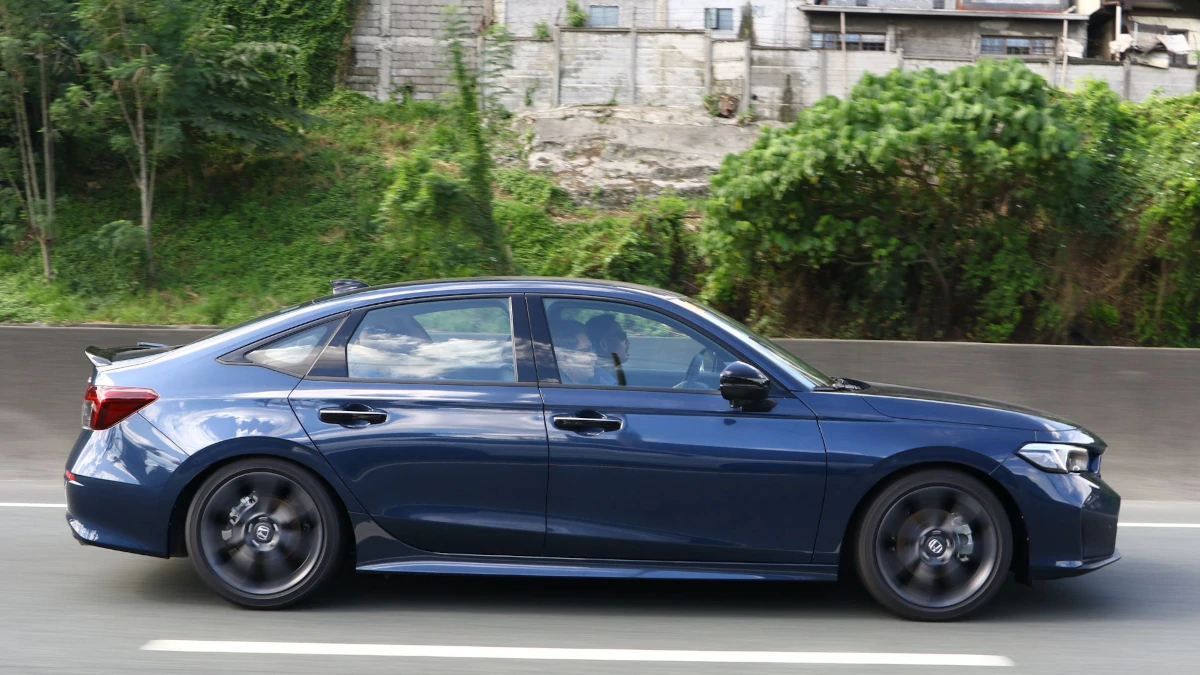
We’re glad to report that the hybrid powertrain in the Civic is a gem. Thanks to the pull of the electric motor, power response is immediate—and we’re not exaggerating here. As far as hybrids go, Honda’s e:HEV system is one of the few that closely emulate pure electric power.
What elevates the whole experience is the way the power seamlessly swaps between gasoline and electric propulsion. Hybrids tend to judder or vibrate when switching between modes, but that totally wasn’t the case here. It’s so smooth that it practically tricks your brain into thinking you aren’t driving an electrified vehicle.
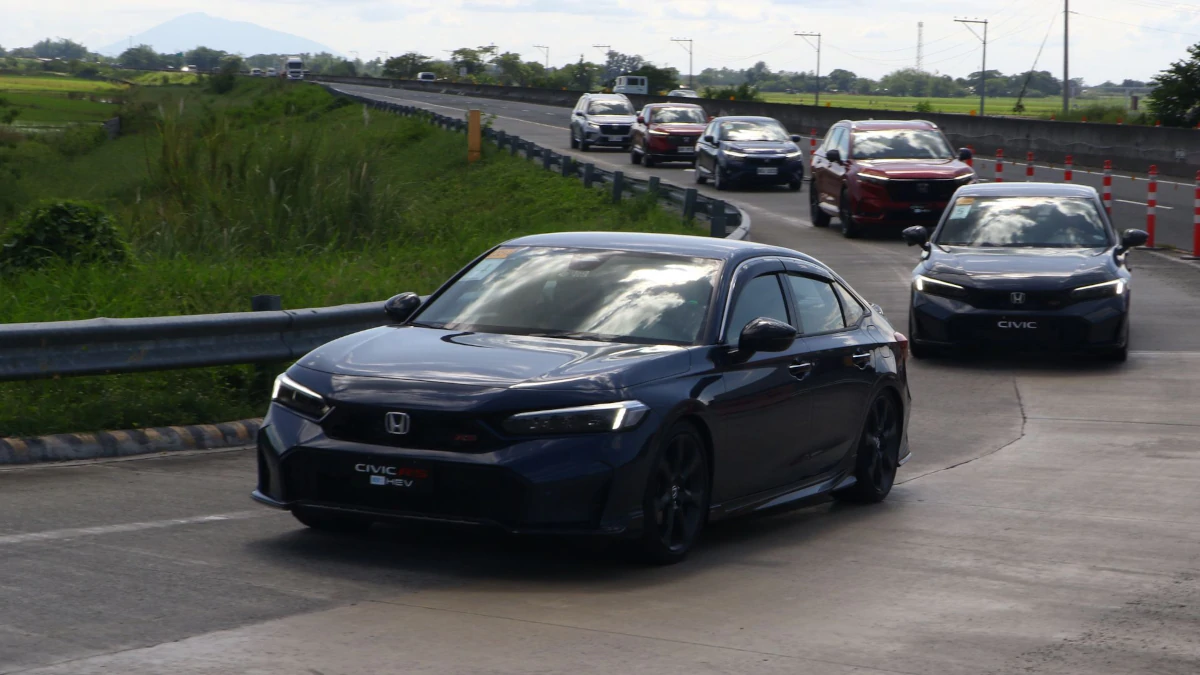
Yes, we’re aware it’s the same hardware found in the CR-V. The thing is, the CR-V is intended for those who want a smooth, refined, and serene driving experience. We weren’t expecting the same system to work this well in a car that has sporty intentions. To put it bluntly, e:HEV makes the already punchy turbo feel, well, slow.
Eight years ago when Honda first stuck a turbo in a standard Civic, our collective minds were blown away by its performance. It’s still a great engine today, and it can easily get to 100kph in less than 7.5sec. However, the immediate response from the hybrid will spoil the driver. The e:HEV smashes the turbo version’s acceleration times by getting to 100kph in under 7sec.
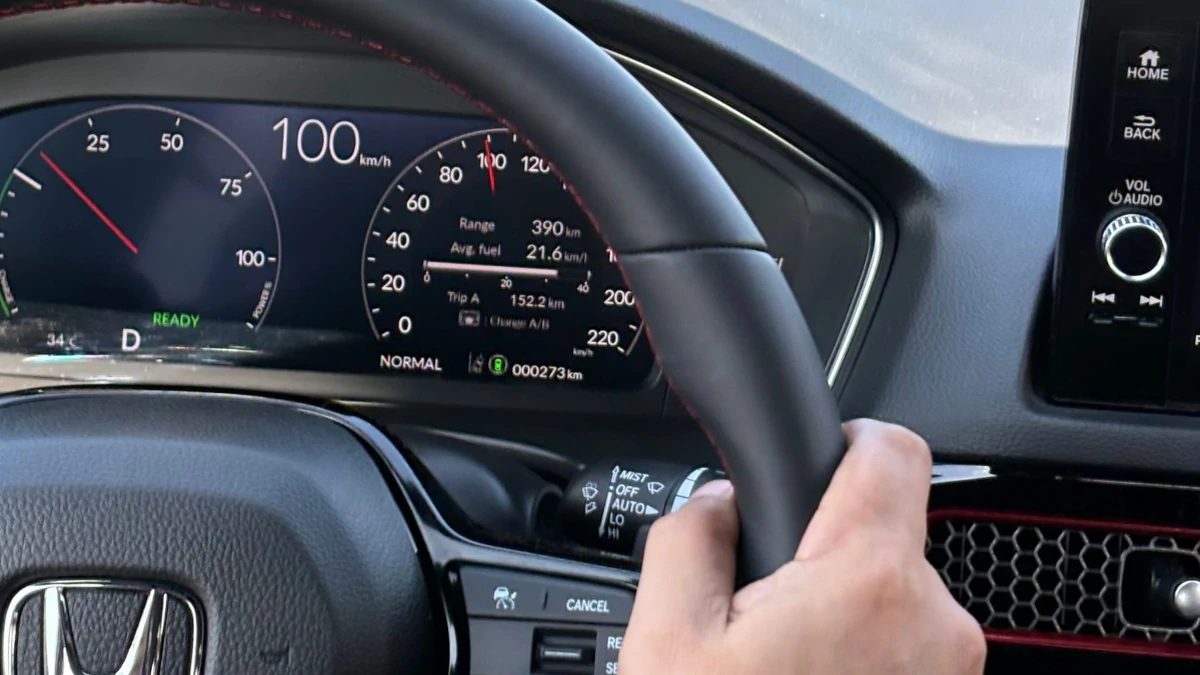
Of course, fuel economy is still the main benefit of a hybrid powertrain. Even with a combination of heavy city traffic, long highway stretches, a fair bit of passing, and, er, enthusiastic driving, the Civic e:HEV’s fuel consumption simply refused to dip below 18km/L. We even saw it go as high as 22.5km/L without any attempt at hypermiling. Diesel power used to be the king of guiltless performance. Now, it’s safe to say that hybrids have taken that crown.
The drive
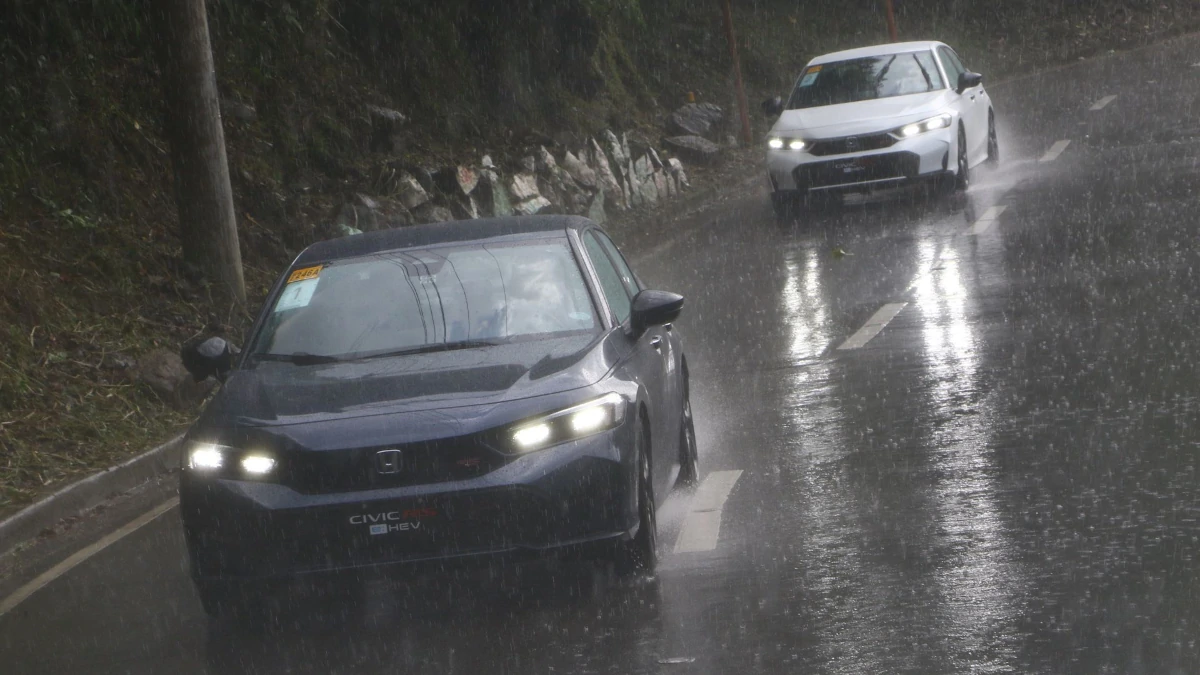
The cherry on top of the brilliant hybrid system is the chassis. The Civic, while not overtly sporty, always had a dynamic feel behind the wheel. This new model is no exception, being both comfortable and fun to drive.
The ride is supple, yet it doesn’t come at the expense of sloppy handling. Yes, body motions are present, but the way the car moves around corners will delight most enthusiastic drivers. Feel and feedback behind the steering wheel is great as far as modern cars go.
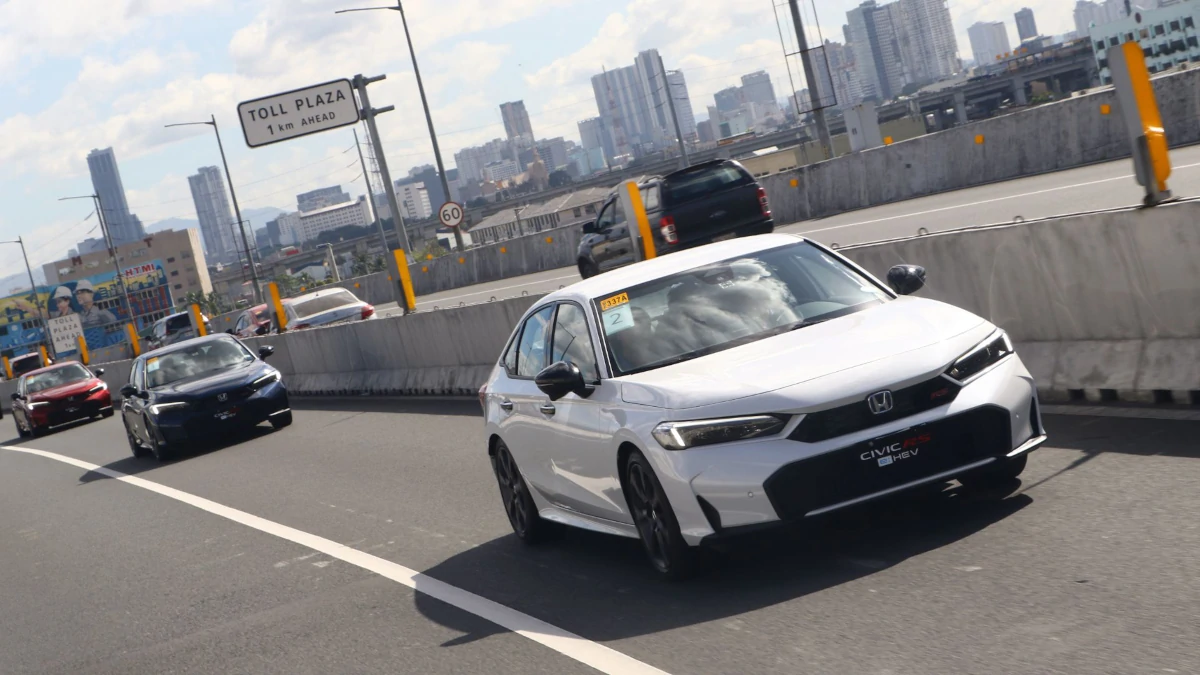
Enhancing the experience is the fact that it makes ‘normal’ car sounds. It simulates gear changes and makes revving noises like what you’d expect in a non-hybrid vehicle. It may sound like a gimmick, but it makes you feel more connected to the car when it’s being driven enthusiastically.
The Civic may be electrified now, but it still has that playful character you’d expect from a sports sedan. If anything, electrification simply enhances the overall driving experience.
Nitpicks
Is there anything we didn’t like about the Civic? There are two, actually. Given its more premium positioning now, you’d expect high-grade interior materials in the cabin. The
front area uses exactly that with soft-touch panels, leatherette trim, and rich textures all over the place. What bothers us is the hard plastic used for the rear doors.
Another would be the image quality of the rear camera. It would be fine in the previous-generation Civic, but borderline unacceptable today. If it’s any consolation, at least we know the development money went straight to the chassis and the powertrain. Still, it would’ve been nice if these two things were addressed for this facelift.
The country’s most complete sedan?
It drives well and it rides well. It’s also fast, fun, fuel-efficient, and surprisingly practical. Given that this latest model is the size of an Accord from about 20 years ago, the interior space is great, easily accommodating taller passengers. The trunk size isn’t bad, either, as we managed to fit three cabin-size suitcases, four backpacks, and four large bags of goodies back there. Still need an SUV?
With everything the Civic offers, we’ll boldly claim it’s one of the most complete sedans you can buy in the market today, especially the hybrid variant. On top of that, it’s loaded with tech like Google integration and Honda Connect, and you have one of the most advanced driver-assist systems in the form of Honda Sensing. It’s still small enough to be maneuverable and big enough for passengers and their luggage.
However, there’s the subject of price. The range starts at P1,600,000 for the entry-level V Turbo. It moves up to P1,790,000 for the RS Turbo, and tops out at P1,990,000 for the RS e:HEV. You’re probably asking how the pricing ended up that high.
If anything, our market is actually lucky to get that kind of pricing. Over in Thailand where units for our region are built, the base Civic starts at almost P1.8 million while the hybrid comes in at over P2.1 nukkuib. The reason for its price is mainly due to its build quality and the way it feels. At the same time, the Civic in the Philippines is now the flagship sedan in the range. As some markets no longer get the Accord, the Civic does double-duty as Honda’s sportiest and most premium sedan.
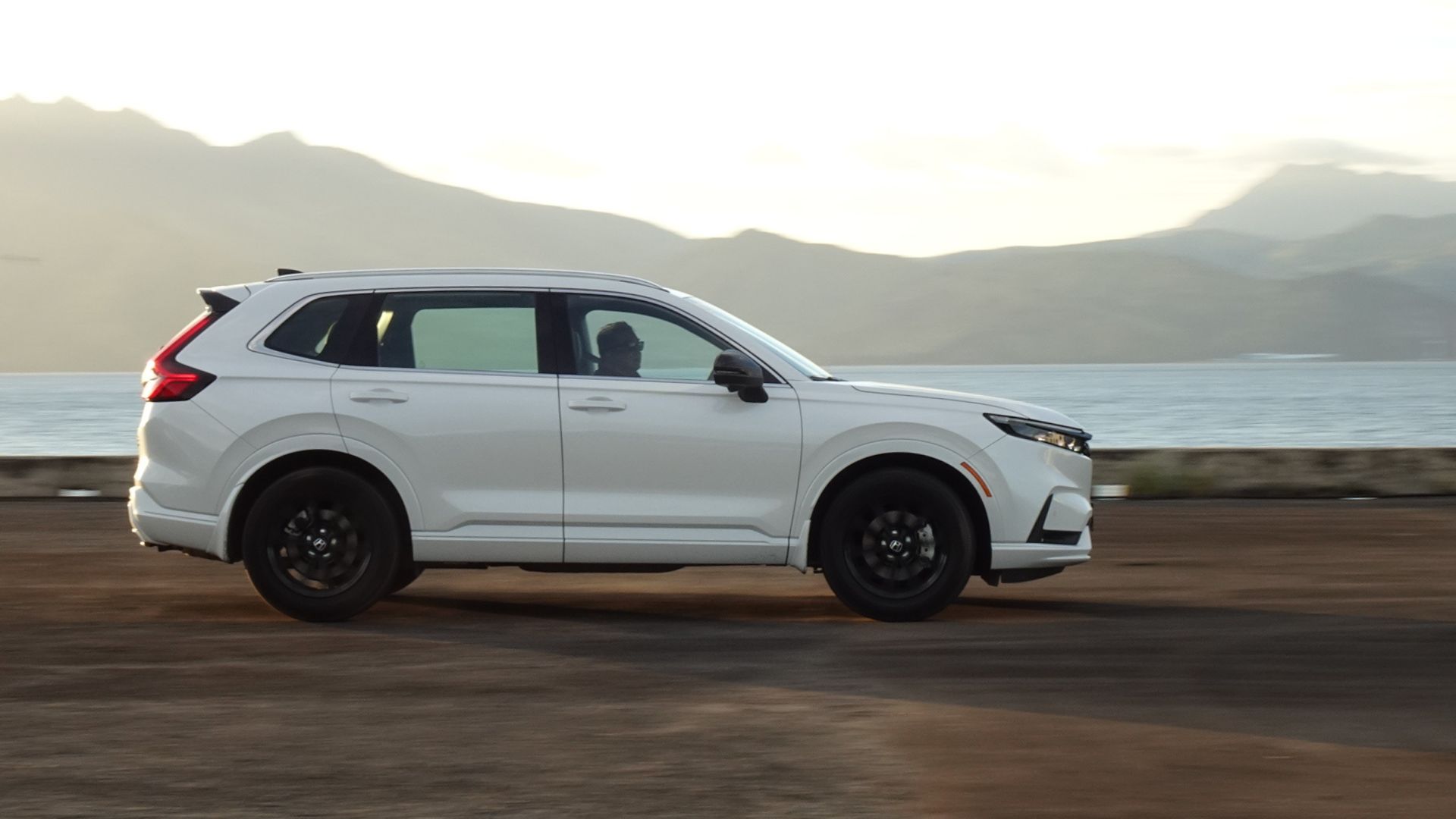
Part of us is willing to look past the price given the car’s talents. It’s such a complete package that it’s a shame not a lot of people will go for it—or any similarly sized sedan for that matter. Cars in the compact four-door segment today have become a niche. The Civic’s greatest threat in terms of sales isn’t the Mazda 3 or the Toyota Altis—it’s the CR-V along with other SUVs and MPVs.
Frankly, Honda didn’t have to make the Civic this good knowing that SUVs would outsell it. The carmaker could’ve easily made it just slightly better than the old model, called it a day, and pocketed a neat profit.
The biggest challenge of the Civic now is to prove its relevance in a world dominated by crossovers, SUVs, MPVs, and pickups. Thankfully, it presents a strong case for the traditional four-door. Before you head out there and go for that SUV, give this one a shot first. As far as sedans go, it’s simply lovely.