
Sometimes, we’re in denial that a good chunk of the 2000s has been 20 years ago. Yes, that means cars that debuted in 2005 are now officially part of the old-school club. Feeling old yet, millennials?
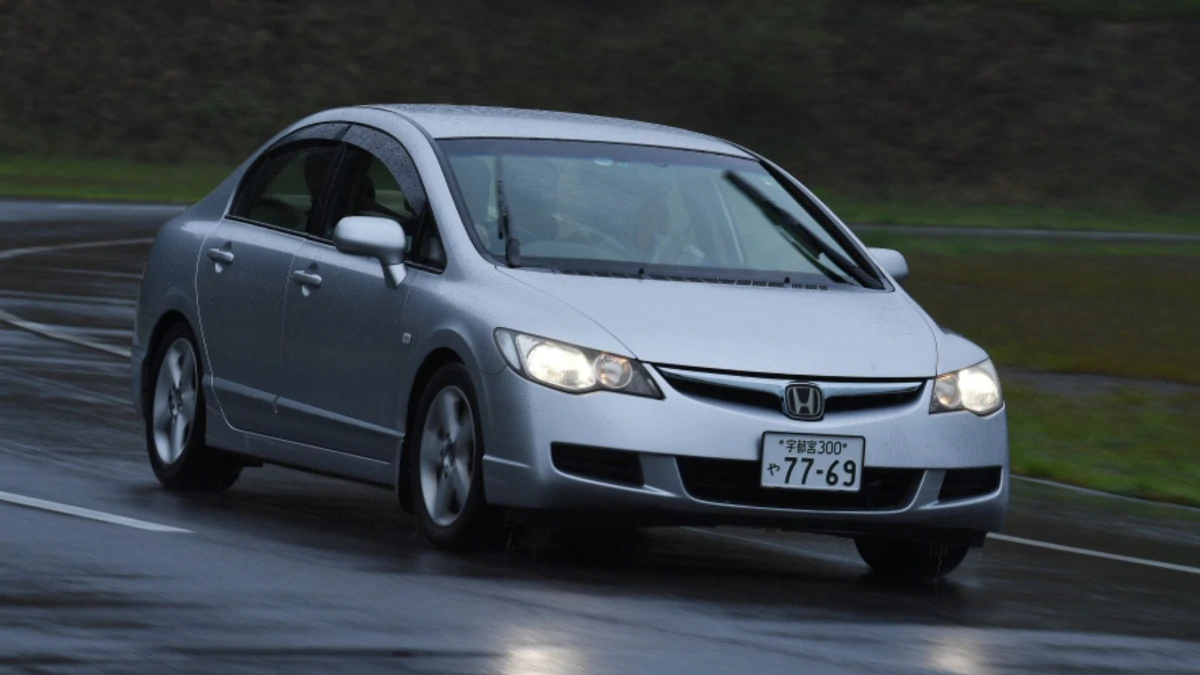
The latest car to join the old-school club is the eighth-generation Honda Civic. Also known as the Civic FD, it made its world premiere in August 2005, and eventually landed here in March 2006. Heck, it was our cover car when we were still printing magazines. A collector’s item, that.
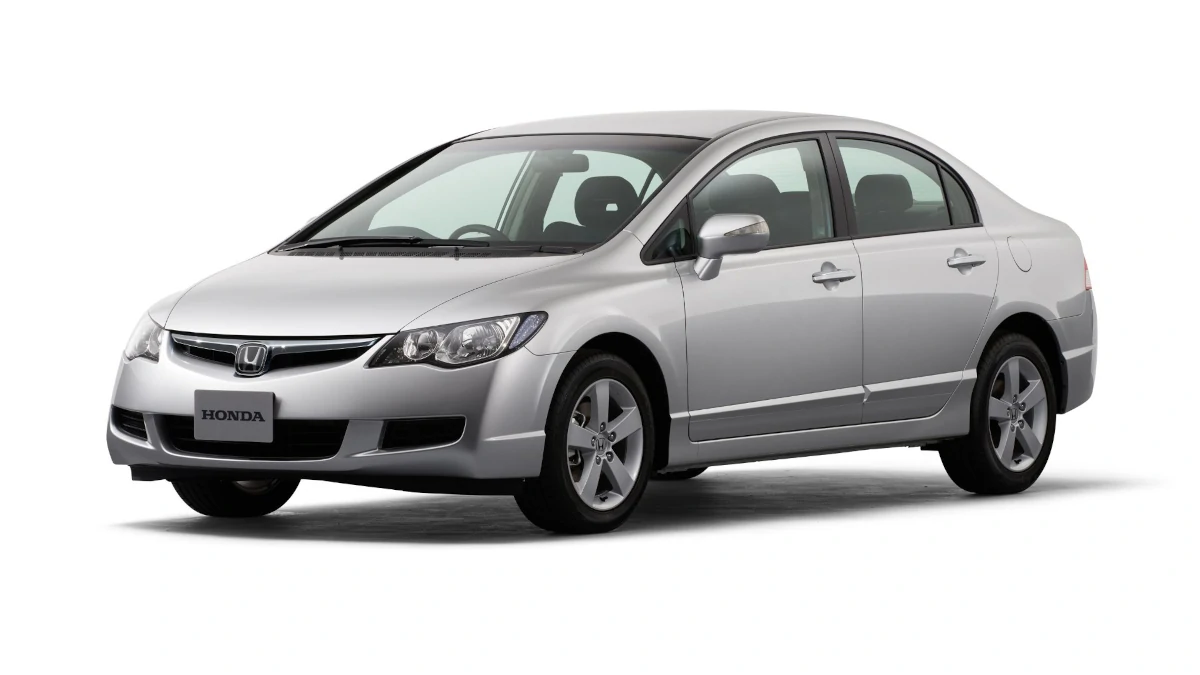
So, for its 20th birthday, we’re having a little written tribute to this generation of the Honda Civic. After all, we say it’s deserved its iconic status with a strong enthusiast base and, well, a genuinely good drive.
OTHER STORIES YOU MIGHT HAVE MISSED:
Spec-sheet brawl: Ford Territory Hybrid vs. BYD Sealion 6 DM-i
New Tesla Model 3 in China gets 830km extended range
Making the Honda Civic great again
To understand why the Honda Civic FD is still such a revered model, you have to know that previous model wasn’t as warmly received. The seventh-gen Civic, while still a decent car, was a result of Honda having to save a bit of money by simplifying its suspension. The result was a driving experience that didn’t feel as engaging as the previous model, and it didn’t ride as well, either.
Locally, the Civic was getting hammered by the Toyota Corolla Altis, itself coming from a model that had a relatively lukewarm reception. The big body Altis was a massive leap from the Corollas of old, and handily outsold the Civic at the time.
Perhaps stung by the criticisms leveled at the seventh-gen model, we’d like to think Honda pulled out all the stops to make the eighth-generation car the best it could possibly be. It would be the one that would make the Civic great again.
Big changes
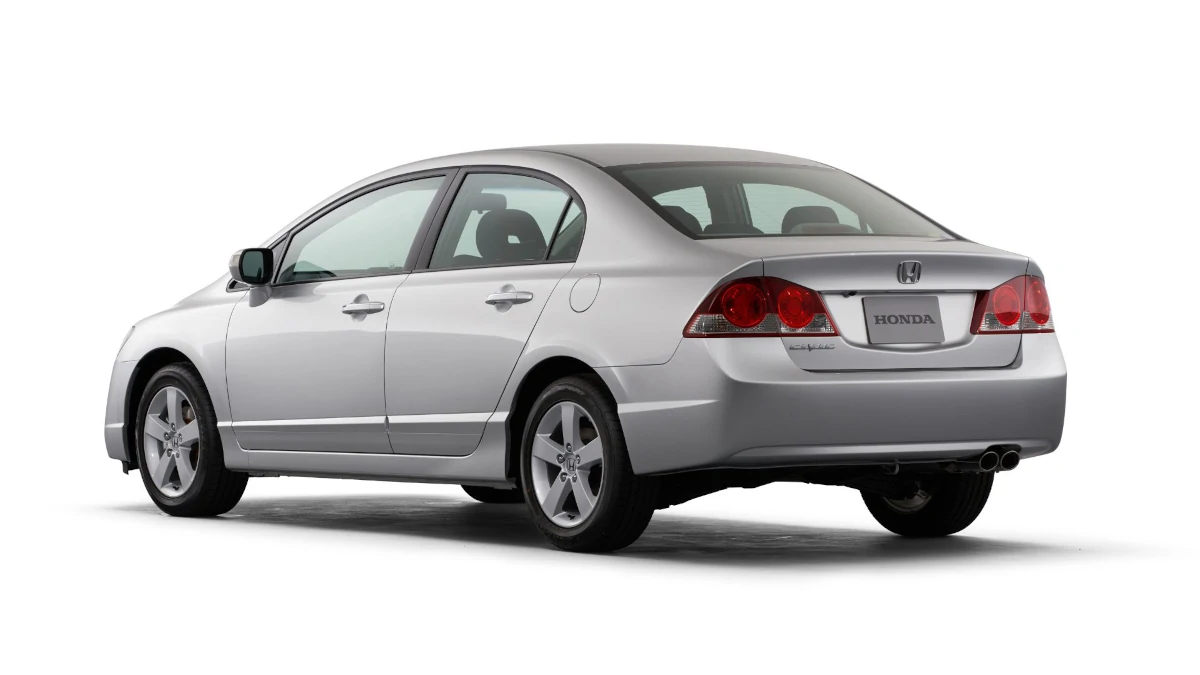
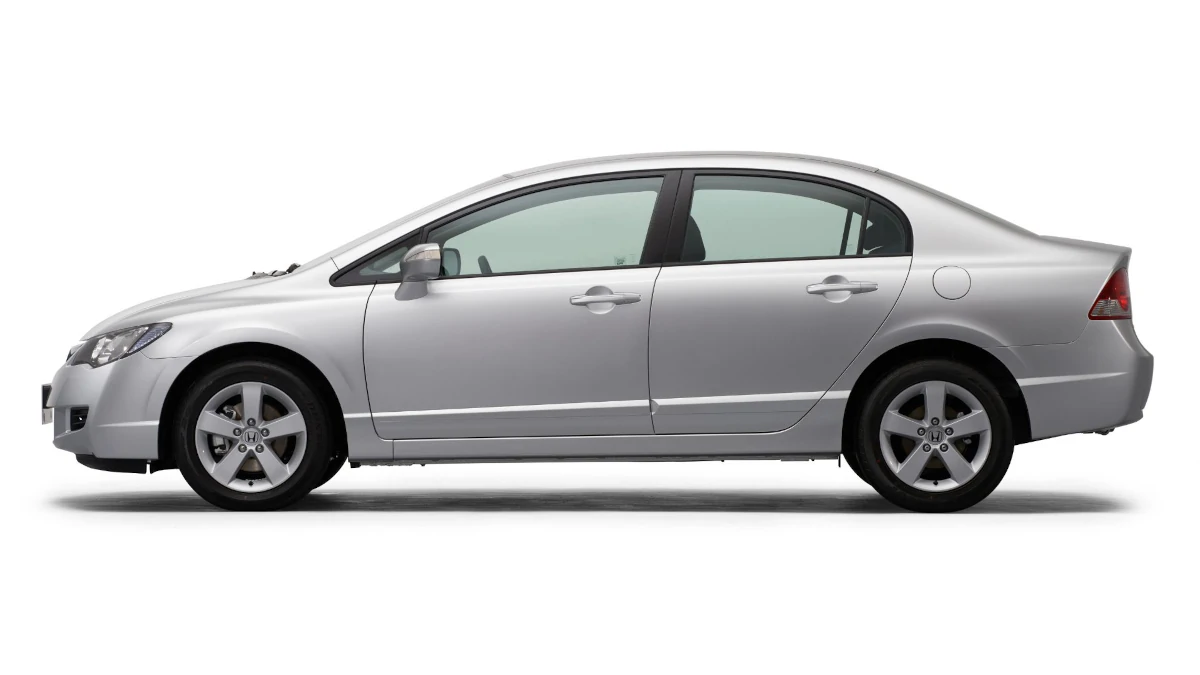
The result was a car that had radically different styling inside and out, and featured a much larger body to keep up with the Altis. The design was swoopy and radical—far from the conservative look of its predecessor. It was at this point where the Civic was starting its push upmarket.
That push was also reflected in its engine choices. The 1.5-liter was no more, and the 1.6-liter was only offered in limited markets, although Europe had a 1.4-liter option. But for the most countries, the base engine was a 1.8-liter i-VTEC engine that made 138hp and 174Nm, mated to either a five-speed manual or five-speed automatic. There was also a 2.0-liter i-VTEC that put out a heady 155hp and 188Nm.
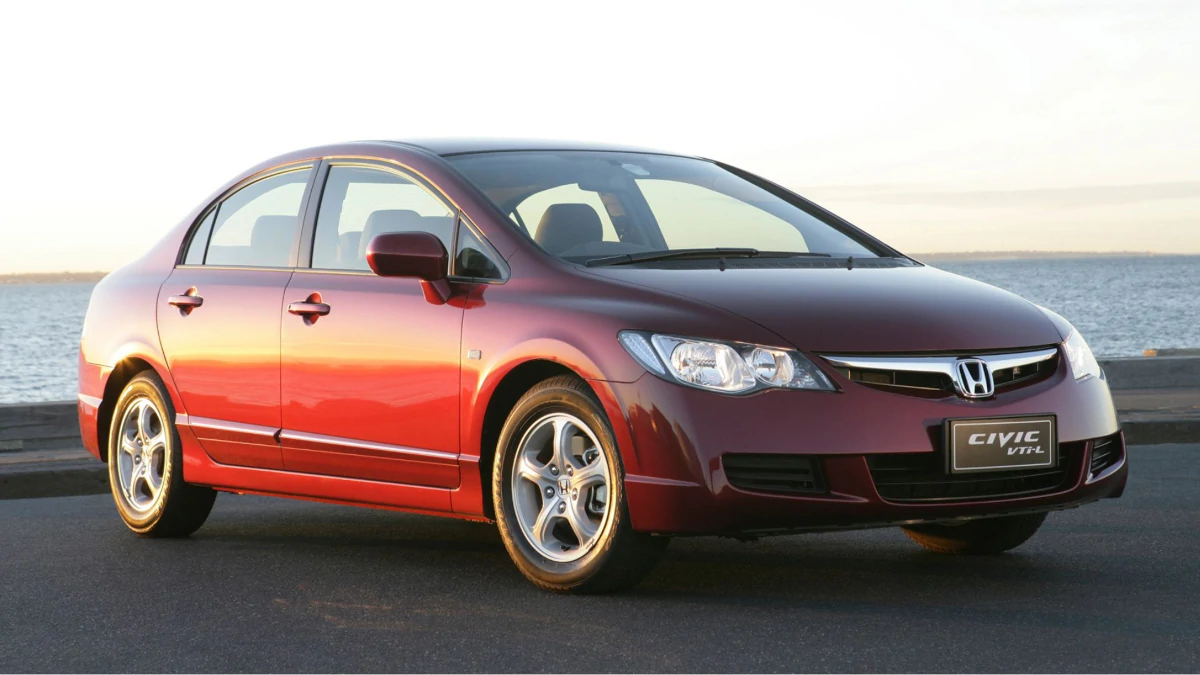
Several versions of the eighth-generation Civic were also made. The US and Chinese versions had slimmer headlights, different tail lights, and a simplified interior. The European hatchback had sci-fi styling and an interior unique to that body style.
There was even a premium model in Canada dubbed the Acura CSX, getting luxury car features in a more compact footprint. What we got in the Philippines was the version for the rest of the world, with more dynamic-looking headlights and tail lights, along with a plusher interior.
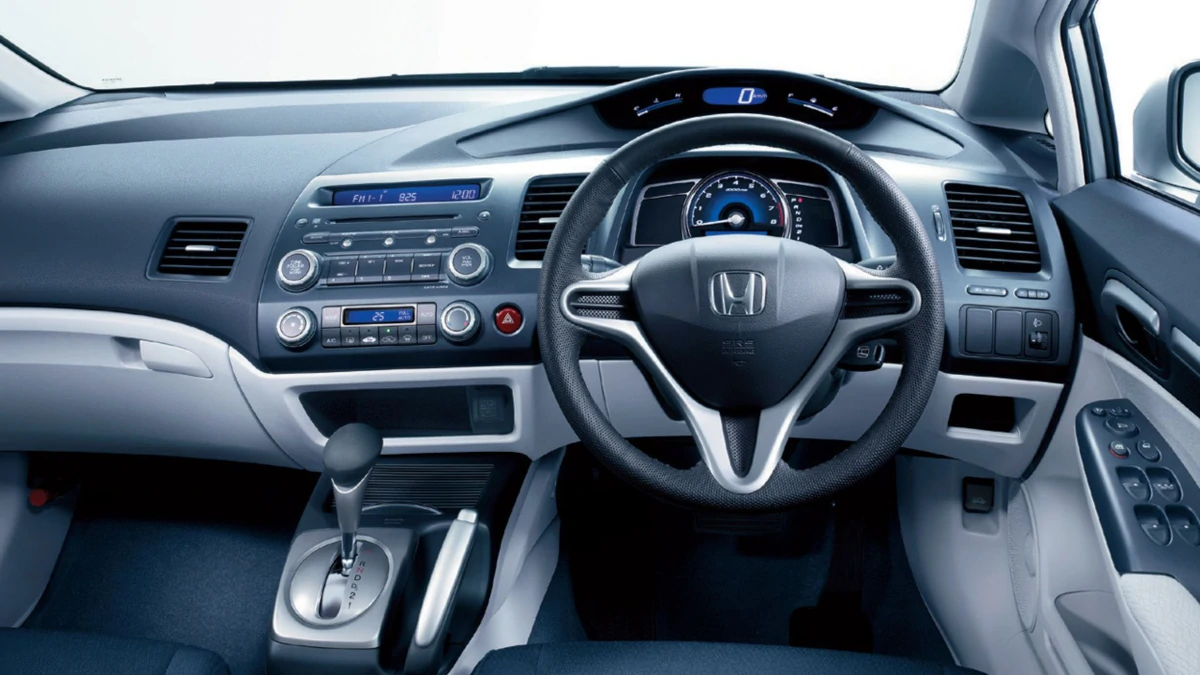
Speaking of the interior, that expansive dashboard was that main highlight. The two-tier look placed the digital speedometer up high, serving as a head-up display of sorts. The analog cluster was placed lower down and contained the rest of the instrumentation.
But the big deal here was under the chassis. After going for the simpler (and cheaper) MacPherson suspension, Honda brought back the double wishbone arrangement for the rear. It didn’t get wishbones at the front like the iconic sixth-gen Civic EK, but it’s better than those old struts.
How was it?
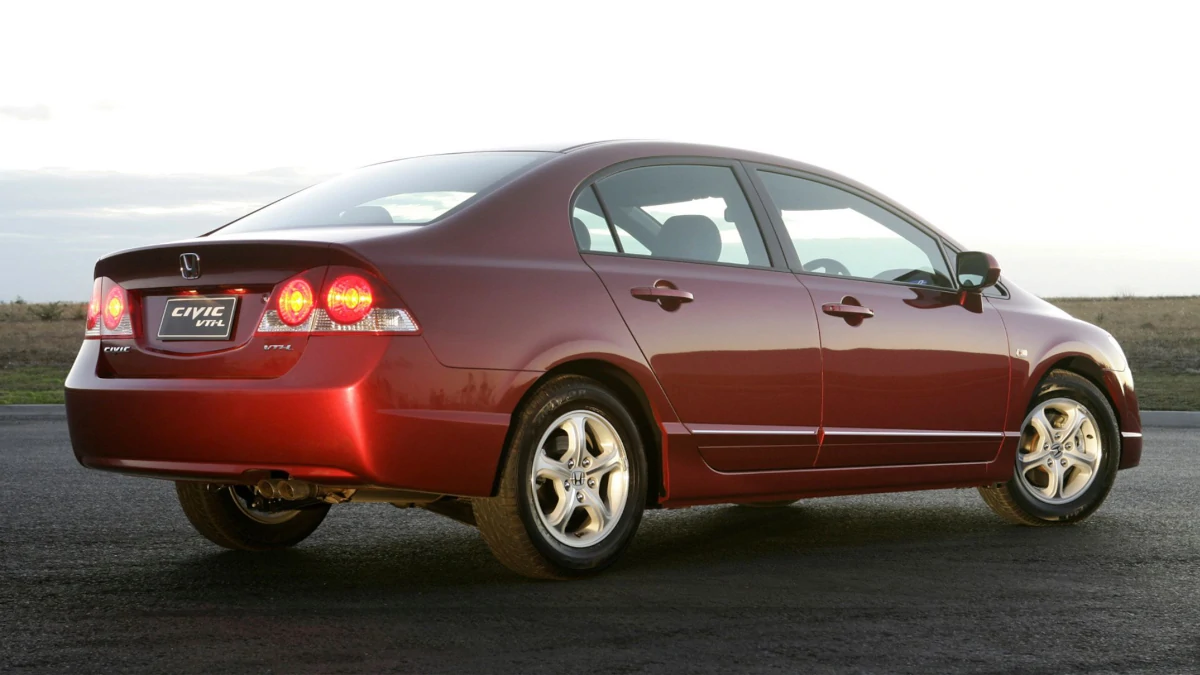
We can still remember some of our first impressions of the car. Behind the wheel, the car felt wider than the dimensions suggest. That’s mainly because of the huge dashboard and rakish windshield. The cabin was a lot more spacious though—offering Acccord-like levels of legroom at the back.
The interior itself was a huge step up, and not just in terms of design. The touch points felt richer, and overall build quality felt a notch above its peers. Sure, the styling elements helped, but interacting with the knobs, dials, and buttons made you feel like you’re in a more expensive car. For those curious, the Civic retailed for P767,000 for the entry-level 1.8V and a hair over P800,000 for the mid-spec 1.8S. Inflation hasn’t been too kind to the Civic since.
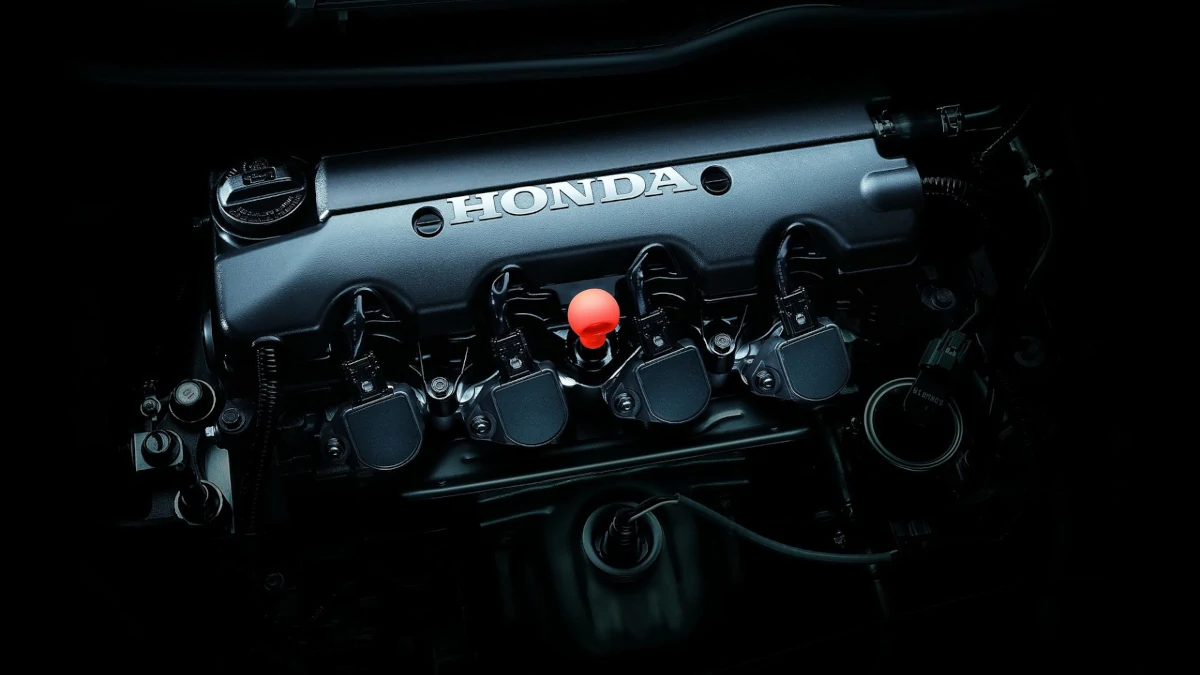
But for us, what really made the Civic FD memorable was the way it drove. First off, that 1.8-liter engine was a welcome addition to the car, primarily because it was much bigger than before. It did give it an extra bit of push, so the power bump was more than enough. The five-speed automatic was a smooth shifter, and the manual was a pleasure to use.
We also had fond memories of the 2.0-liter version. While 155hp doesn’t sound like much these days, it was leading the pack in terms of output. It was peppy and rev-happy despite the automatic, and it even came with paddle shifters. We do wish we had some seat time with the very rare 2.0-liter manual.
On top of that, the rear suspension made the car a capable handler. Admittedly, the car rode softly and there was a fair bit of roll, but the eighth-gen Civic brought back some of the fun that was lost in the previous model. The steering was engaging enough, but we will admit that the electric power steering arrangement in the 2.0 models was a little too light. Still, it was a good car to hustle around the bends.
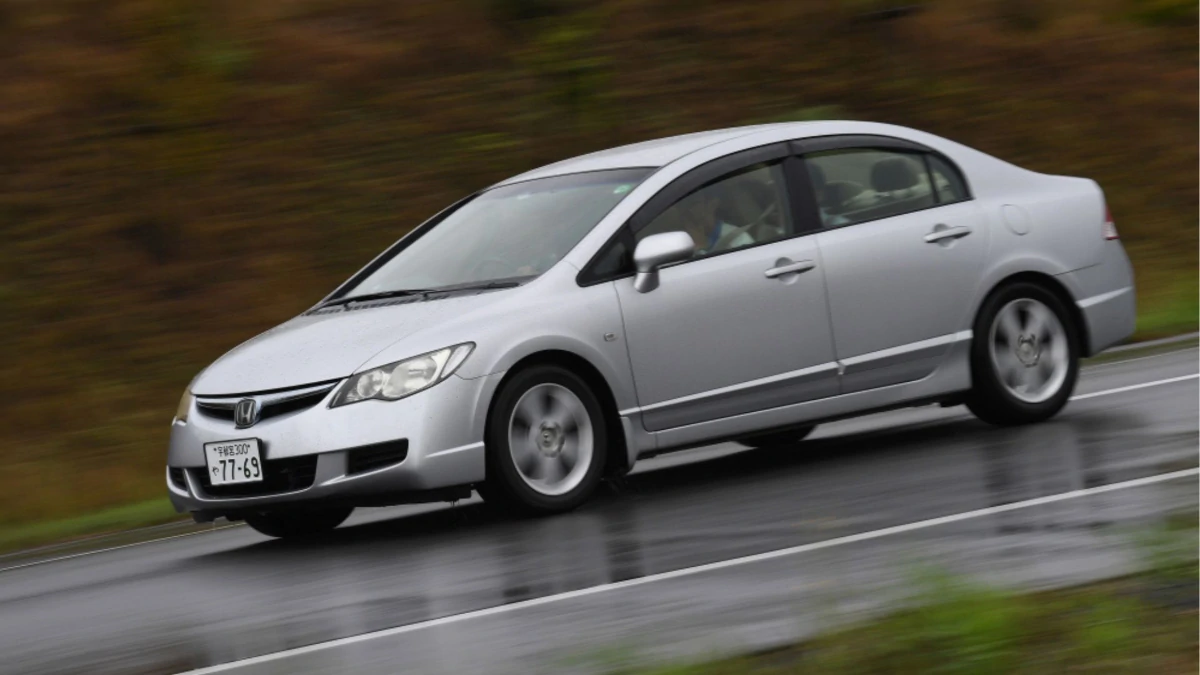
Looking back, the Civic FD was probably the best car in its class. Sure, the Mazda 3 offered a more engaging drive, and the Corolla Altis offered more space, but the Civic did a fine job of combining some of the best that the segment had to offer all in one package, a formula that it still follows today.
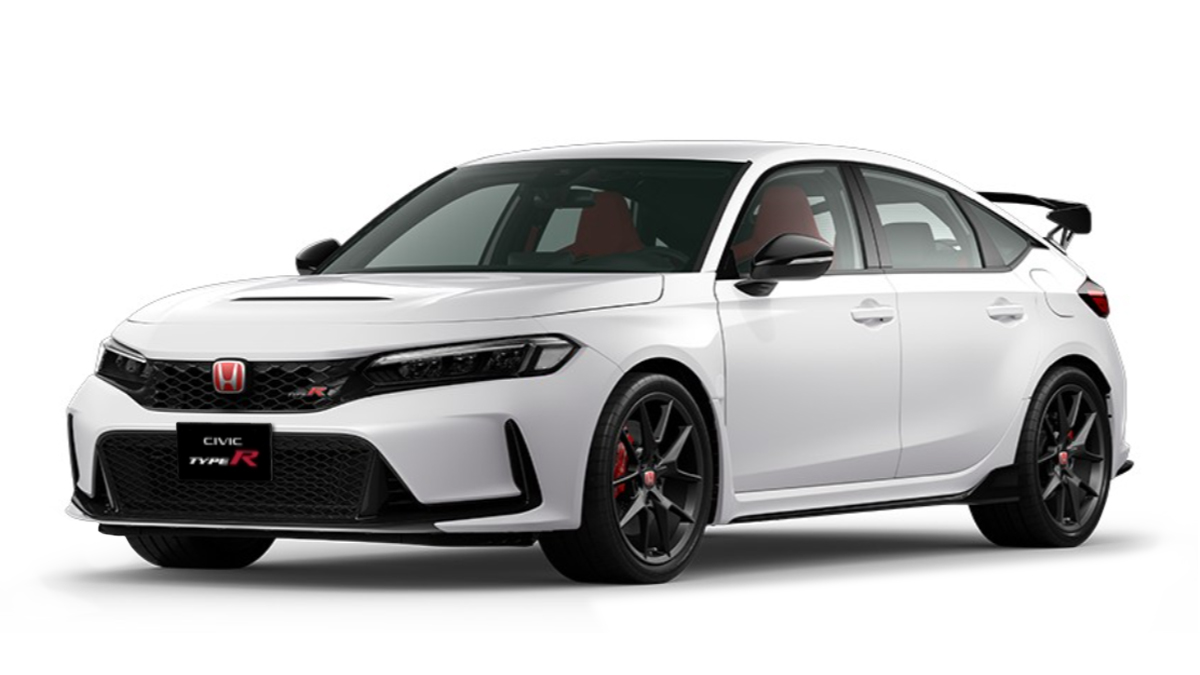
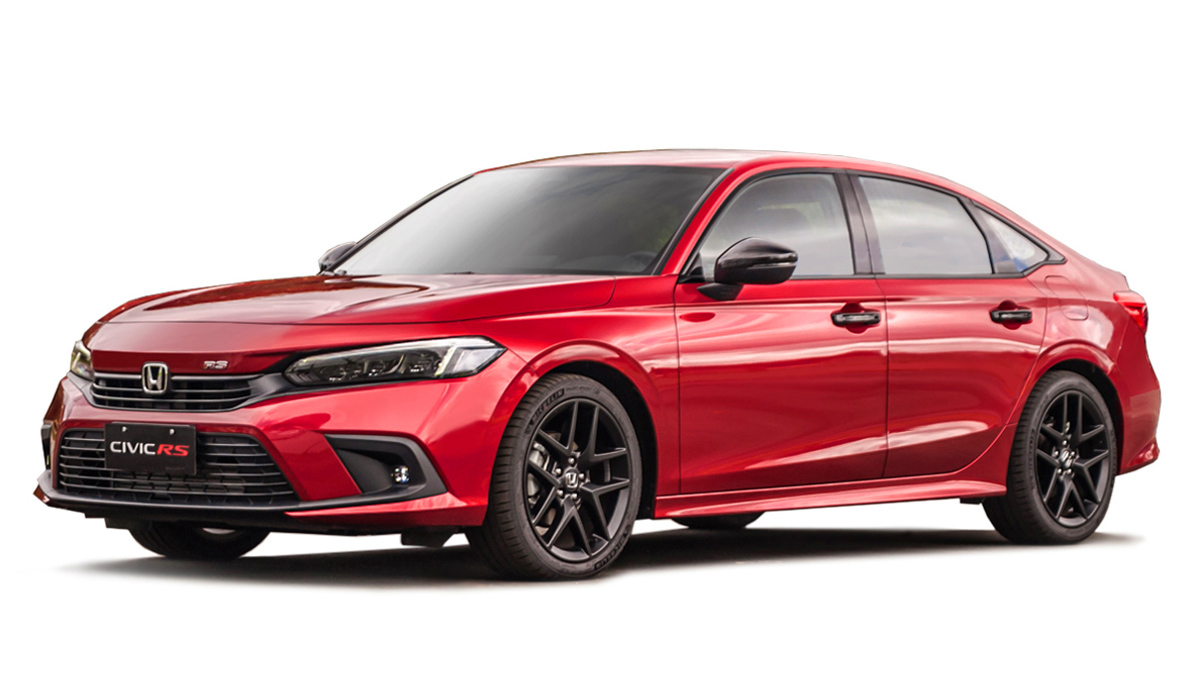
If anything, it’s the FD that set the footprint for successive Civic generations. The Civic of today is as good as it is because Honda made sure the eighth-gen would be a great car to drive and to own.