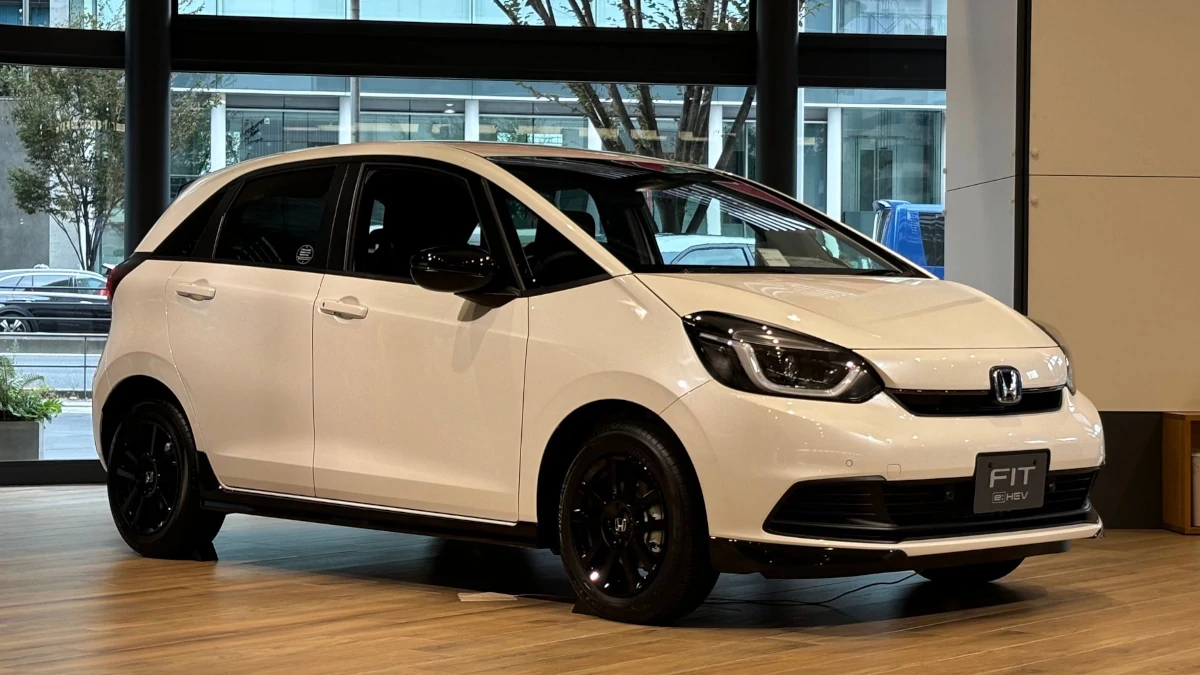

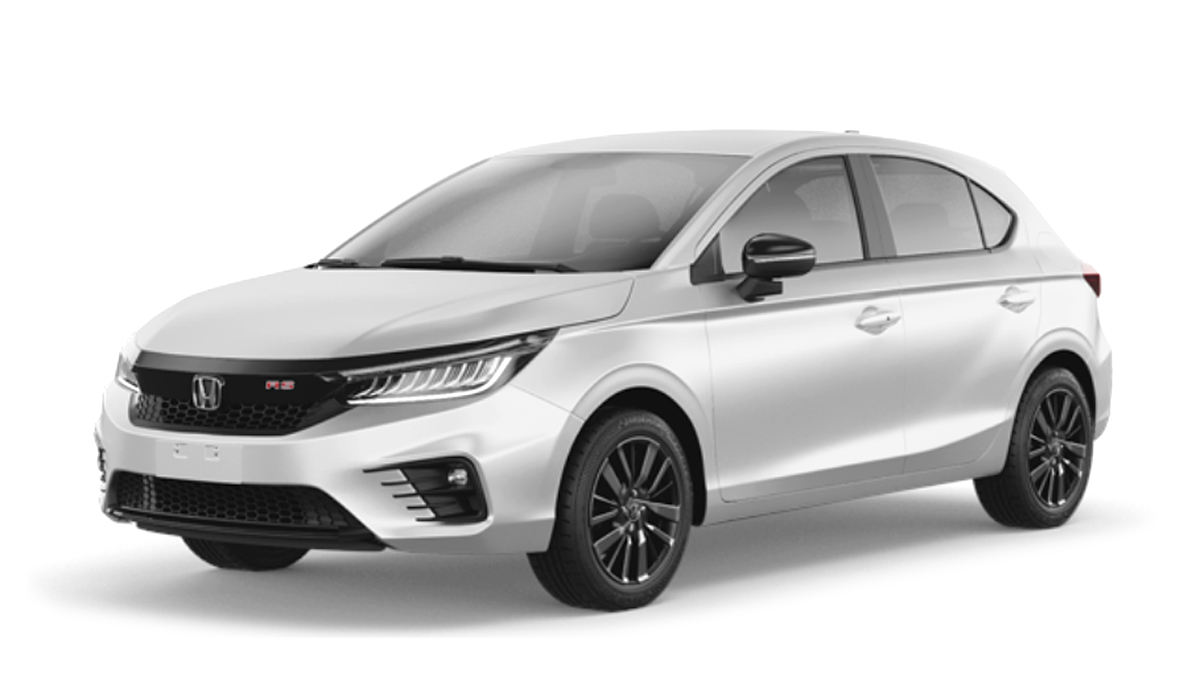
We must admit that the City Hatchback is, indeed, a fine little five-door. But that doesn’t mean a part of us would like to see the Honda Jazz return here someday.
See, the current Jazz, known as the Fit in its home market, is primarily sold in more advanced (read: wealthier) markets. The City Hatchback on the other hand is made for emerging markets such as ours.
OTHER STORIES YOU MIGHT HAVE MISSED:
Undas 2024: MPTC adds medical and emergency measures to NLEX and other tollways
Yes, that’s a legit Toyota Tamaraw race truck
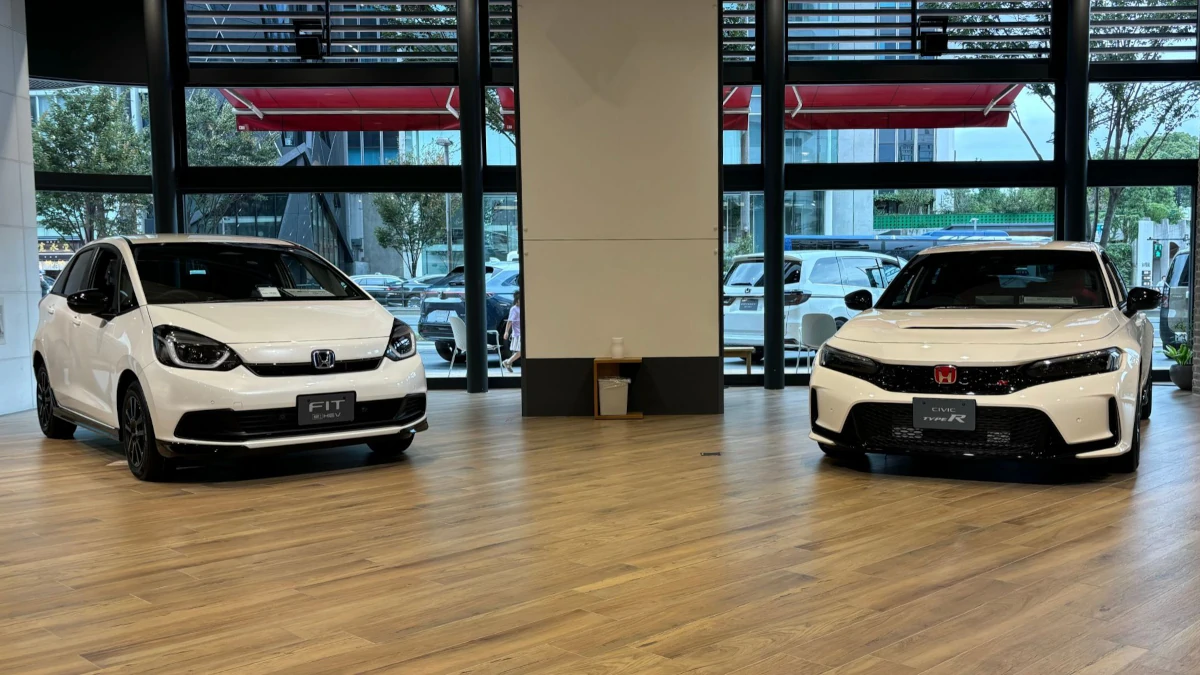
A recent trip to Japan saw us pass by the Honda Welcome Plaza in Aoyama. Not wanting to miss an opportunity, we went right in and did a bit of exploring. There, we saw the new Honda Fit (as the Jazz is called in its home market) sitting there for us to check out. Before you ask, there were no test drives, so a walkaround is the best we can do, at least for now.
From the outside...
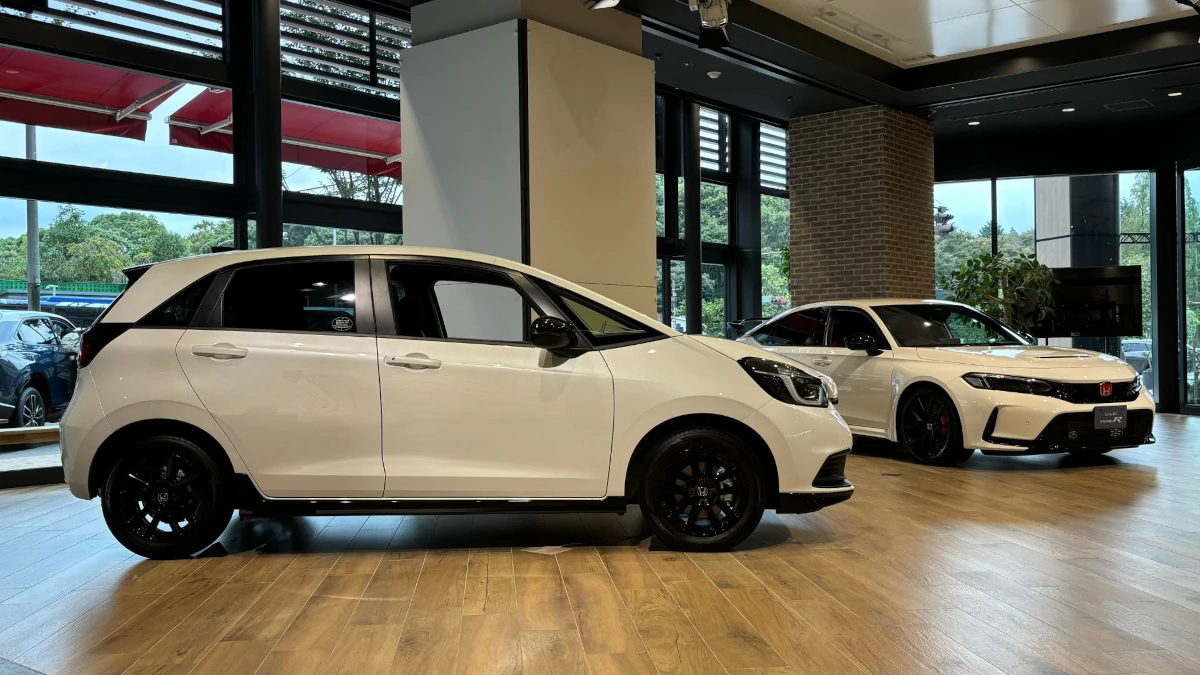
The Fit and City Hatchback ride on the same chassis. That being said, the Fit is much shorter. For comparison, the Fit/Jazz measures 4,110mm, while the City Hatch is at 4,345mm, well over 200mm shorter. But its dimensions make it, well, more stylish.
The short nose and tail, without much in the way of overhangs, makes the Fit/Jazz so well proportioned. The bug-eyed headlights remind us of the first two generations of this hatchback, too. We also like the large windows of this small hatch, a refreshing sight as cars get slimmer and slimmer windows. The Fit/Jazz styling formula remains the same nearly 25 years later, but it still doesn’t feel like a rehash of previous generations.
...Looking in
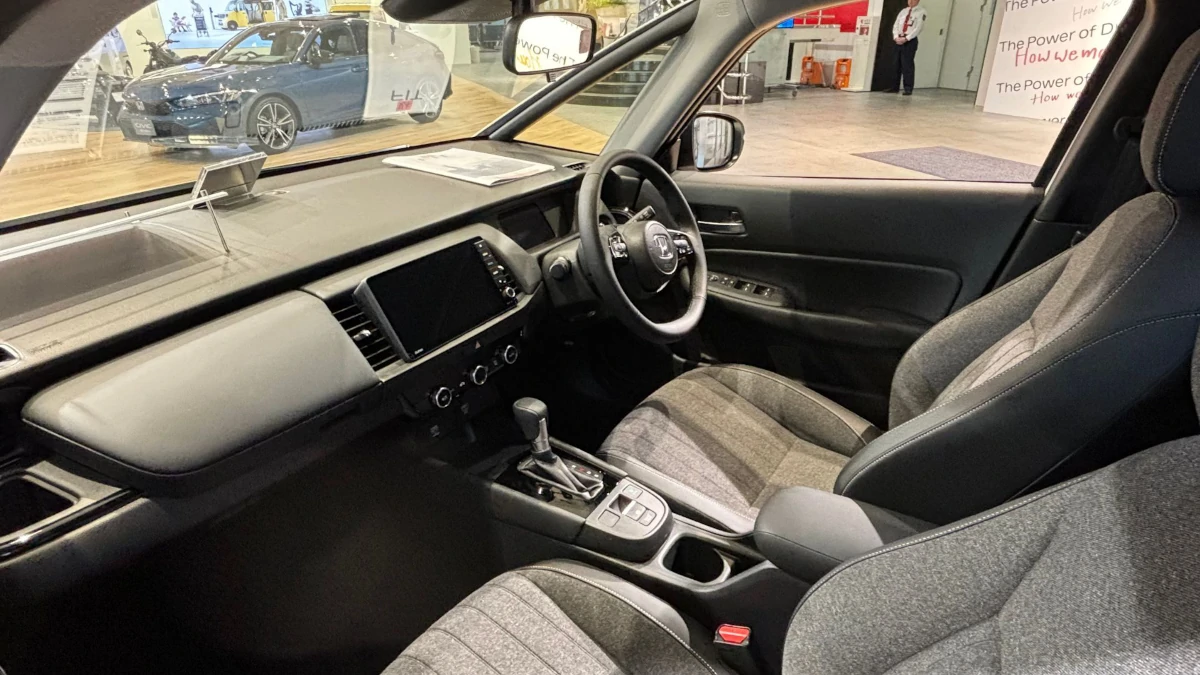
But it’s on the inside that made us wish the Fit/Jazz would return here. The sizable greenhouse made the cabin feel airy and spacious, just like Jazz models of the past. It’s a start contrast to the City Hatchback with its high(ish) window sills and sleeker roofline. The tall roof also made the Jazz feel more spacious than the five-door City, despite it being shorter.
The cabin materials are a huge leap from the City Hatch. While the City Hatch’s interior feels hard wearing and robust, the Fit simply felt more premium and upmarket. Yes, there are hard plastics everywhere just like in the older models, but the feel and the textures don’t make it feel cheap. There’s an ample amount of soft touch surfaces to elevate the ambiance. It’s something we wish the City and City Hatch had.
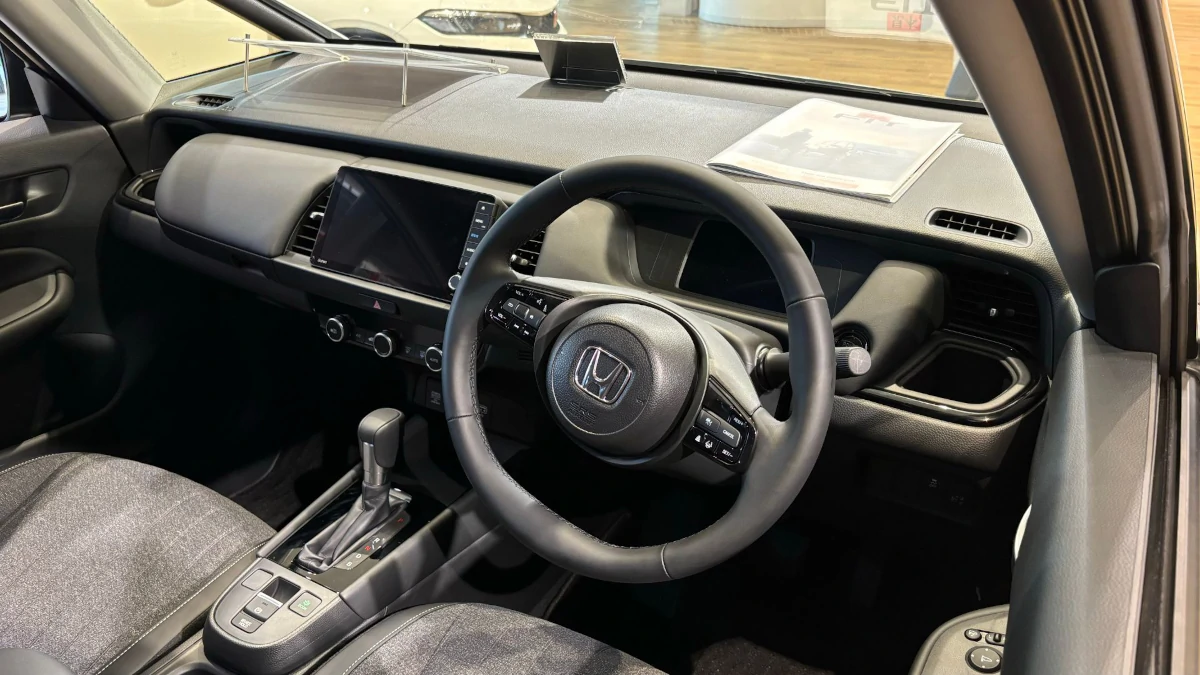
The digital instrument cluster, along with the wide infotainment screen, are seamlessly integrated into the expansive dashboard. Again, it’s something the Jazz has done well in over 20 years. Even the cupholders in front of the air-conditioning vents are present.
Of course, the Fit’s party trick is making the interior feel more spacious than its size suggests, and it’s no different in this latest model. The flexible ULTR seats are present, and there’s leg, hip, and shoulder room that can easily shame larger vehicles. That said, the City Hatch does the same thing, but it just doesn’t feel as visually spacious as the Fit because of the smaller windows.
Cargo and practicality
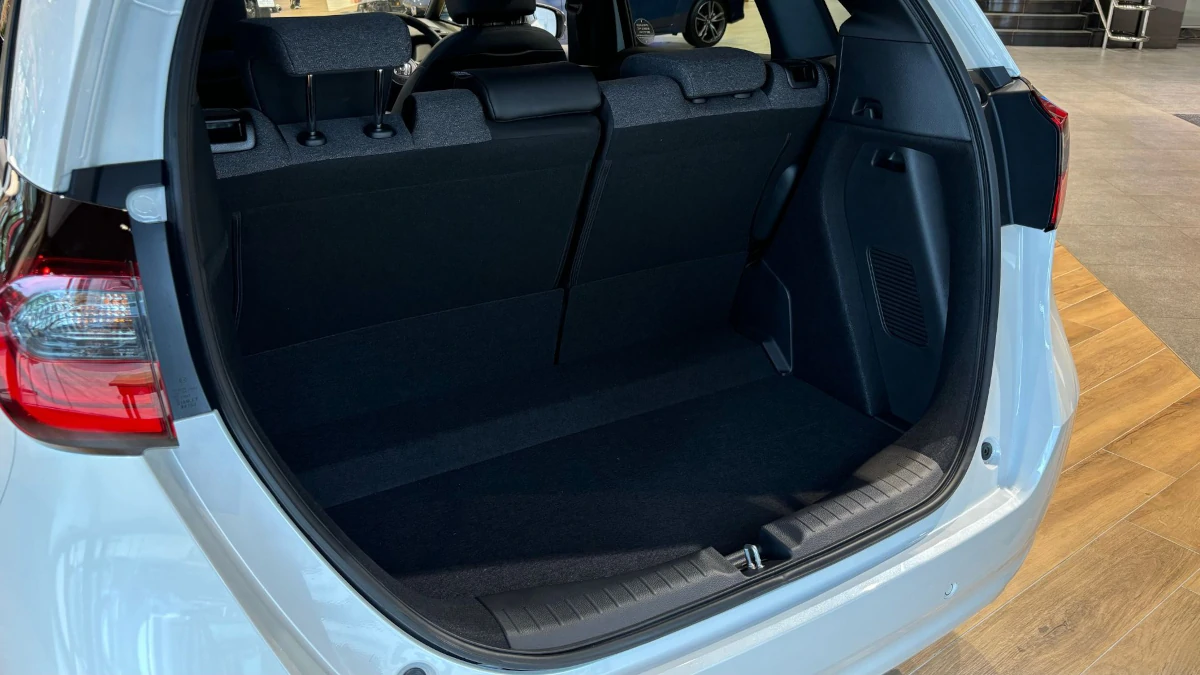
At first glance, the cargo area of the Fit appears smaller than the City Hatch. There’s loads of vertical space, but not much in the way of wiggle room lengthwise. It might be one of the reasons why Honda had to make two subcompact hatchbacks for different markets.
Despite that, the cargo space of the Fit is actually larger than the City Hatch at 304 liters versus 289 liters. But, again, the prior’s advantage is vertical space, not horizontal. In terms of usable space, the City Hatch might have the edge here. Might.
Will the Honda Jazz ever return to PH?
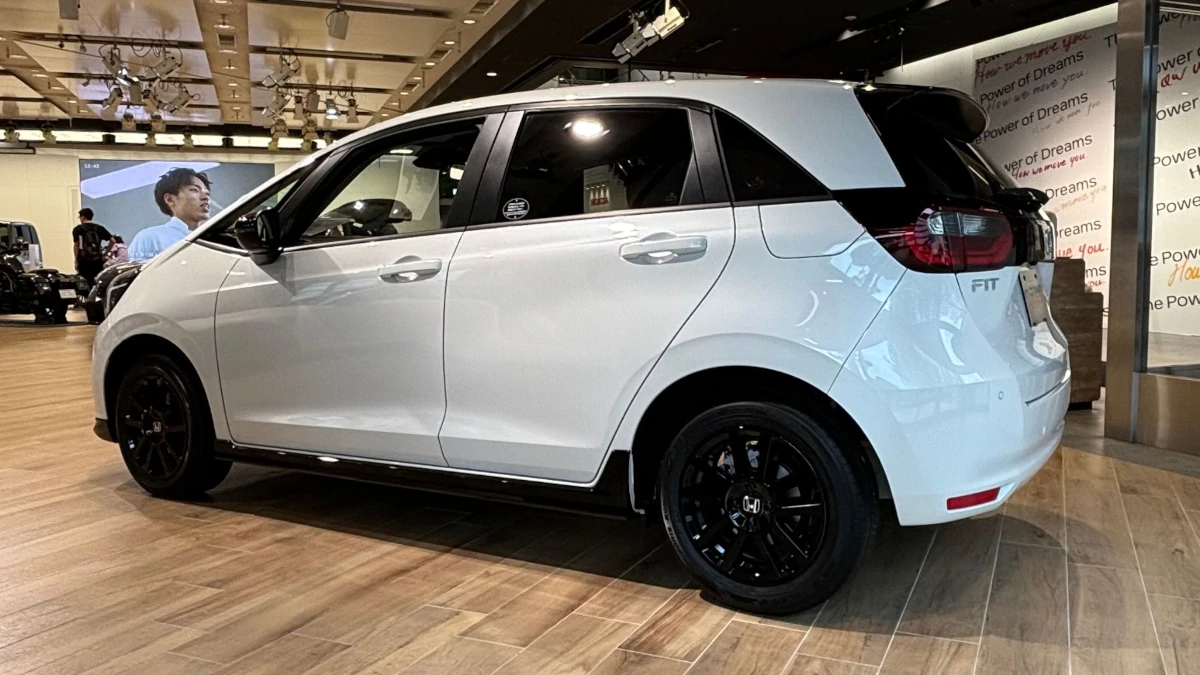
We’ll make no bones about it and say we miss the Honda Jazz quite dearly. But, at the same time, we’re beginning to understand why the Honda City Hatchback was made for our region. It’s all a matter of cost and the specific needs of different markets.
Okay, the Jazz was a global product, but it’s possible that the needs and demands of the Southeast Asian market were different from the direction the fourth-generation model was headed.
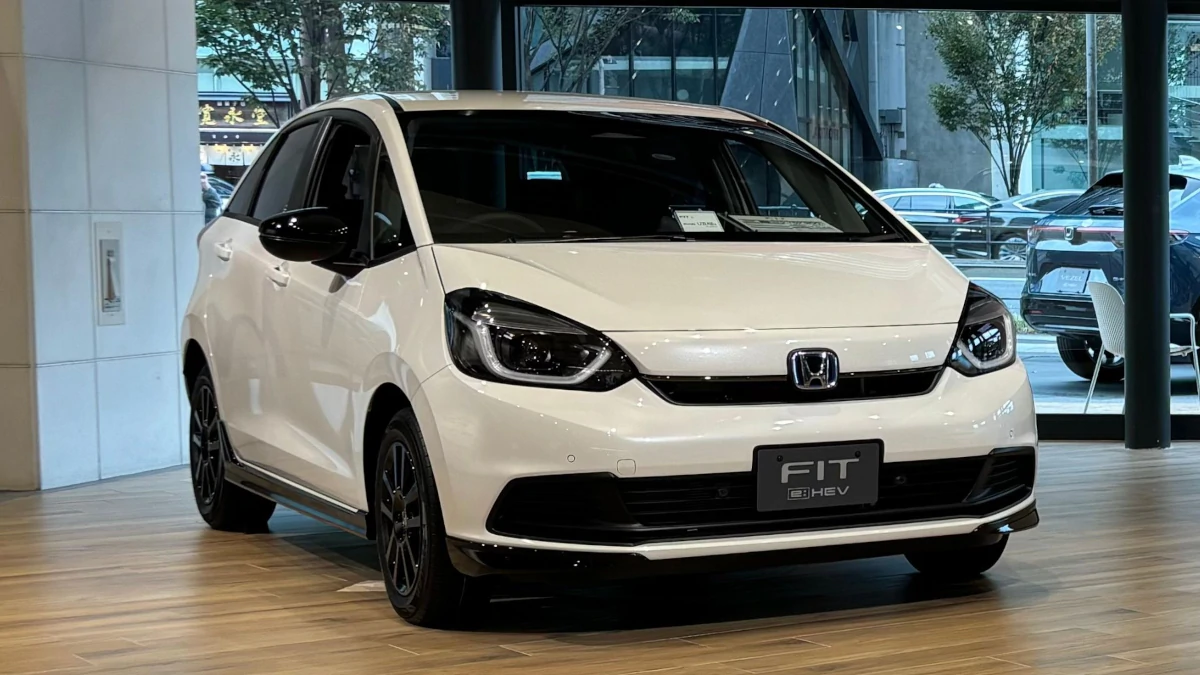
That shift meant the need to create a separate model, but at least it’s still based on the hatch we loved. And given that Honda’s regional office in Thailand has perhaps the greatest influence in ASEAN, one can say that Honda Cars Philippines, along with the neighboring Honda offices, were obliged to follow Thailand’s lead.
That said, it’s okay to like both of Honda’s subcompact hatchbacks. They have the same bones underneath but executed differently. We’d love to see the Jazz back someday, but it doesn’t take away the fact that the City Hatch is a competent car. Maybe someday, these models will merge into one again, but until then, the Jazz will remain forbidden fruit in the foreseeable future.
Any alternatives?
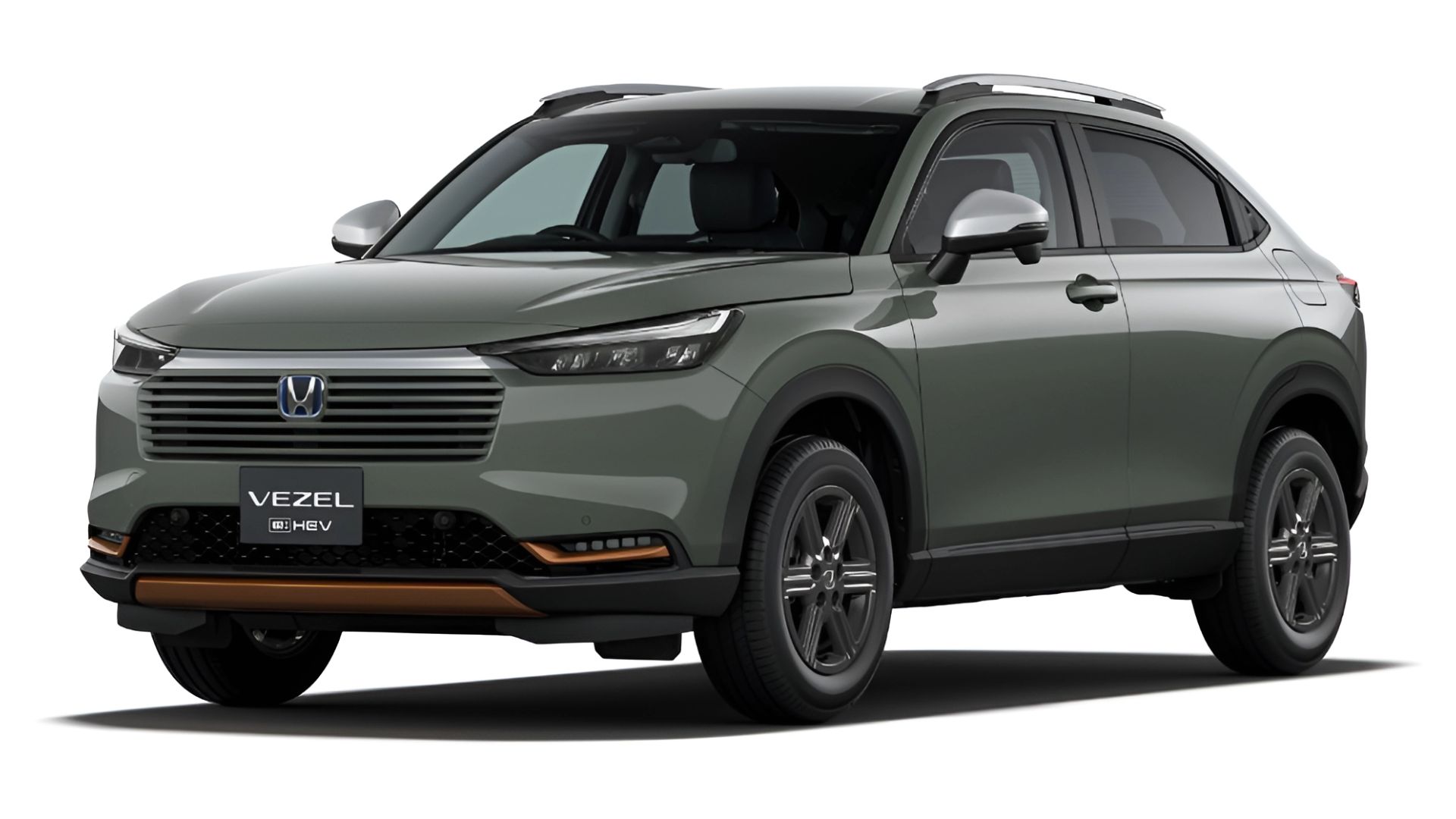
With that, what JDM subcompact Honda should you get in that case? There’s the HR-V (aka the Vezel) that indirectly fills the void that the Jazz left. Yes, it’s larger and more expensive, but you have the enthusiast kudos as there’s a home market version of it. Plus, it's also based on the Jazz's platform.
Truth be told, we’re genuinely curious how the Jazz feels on the road. Maybe we’ll finally get to try one in our next trip to Japan. So, Honda Cars Japan, can we take one out for a test drive? We promise we’ll be gentle.