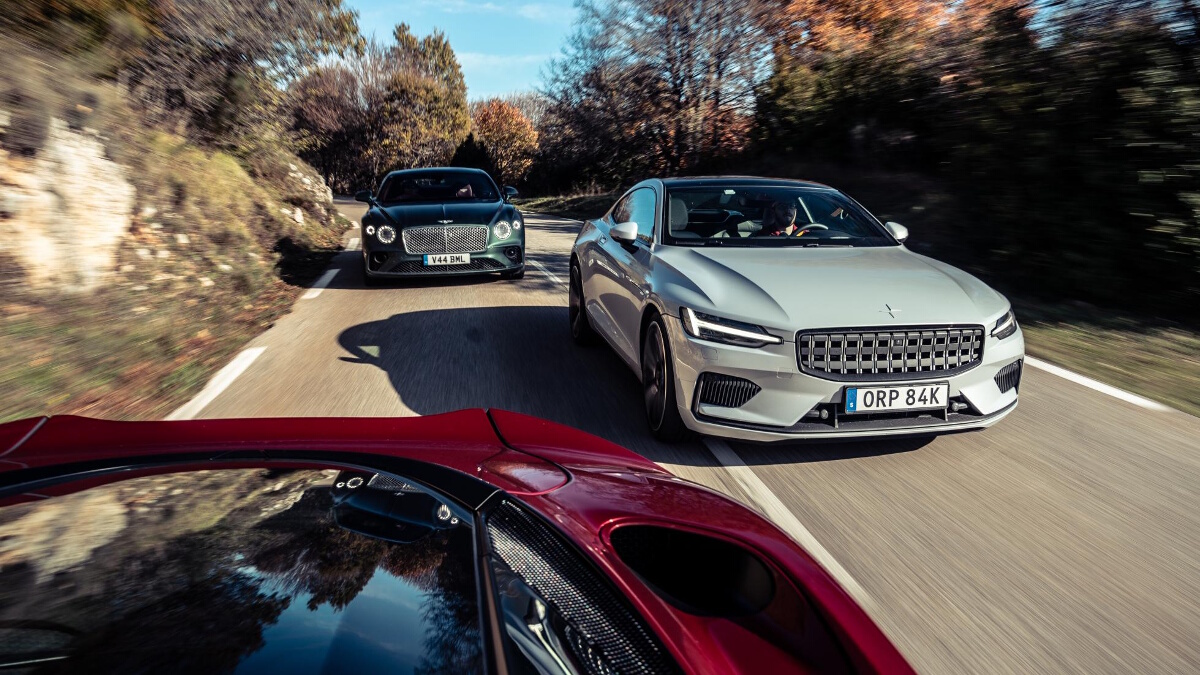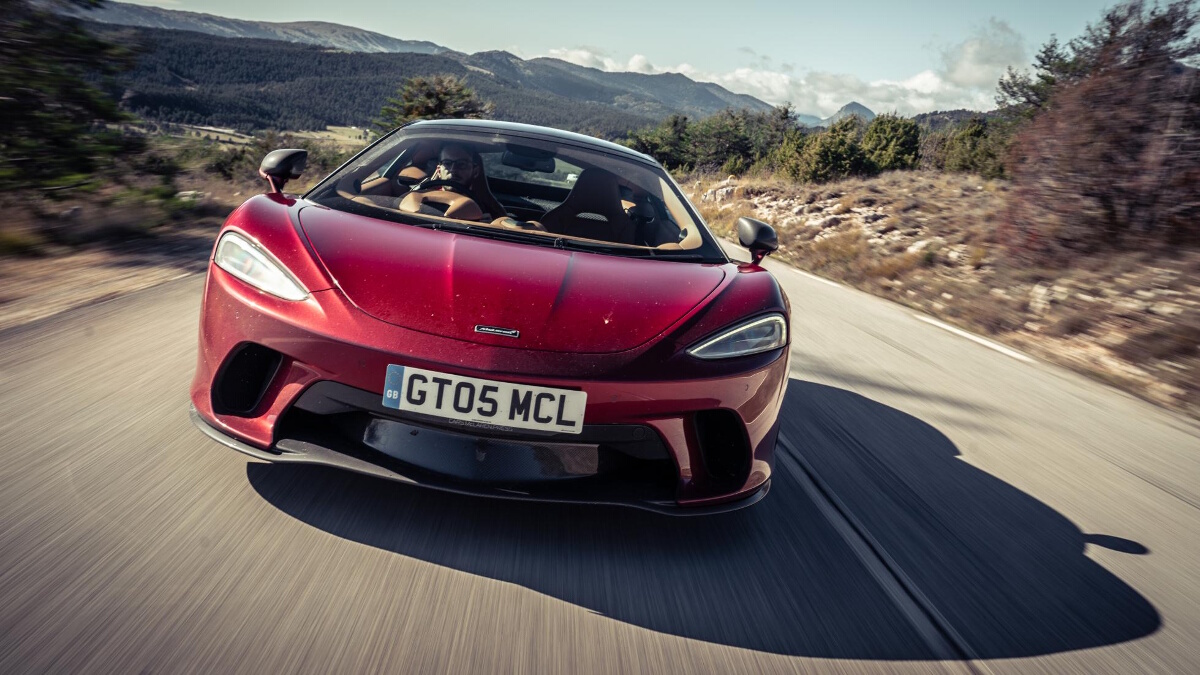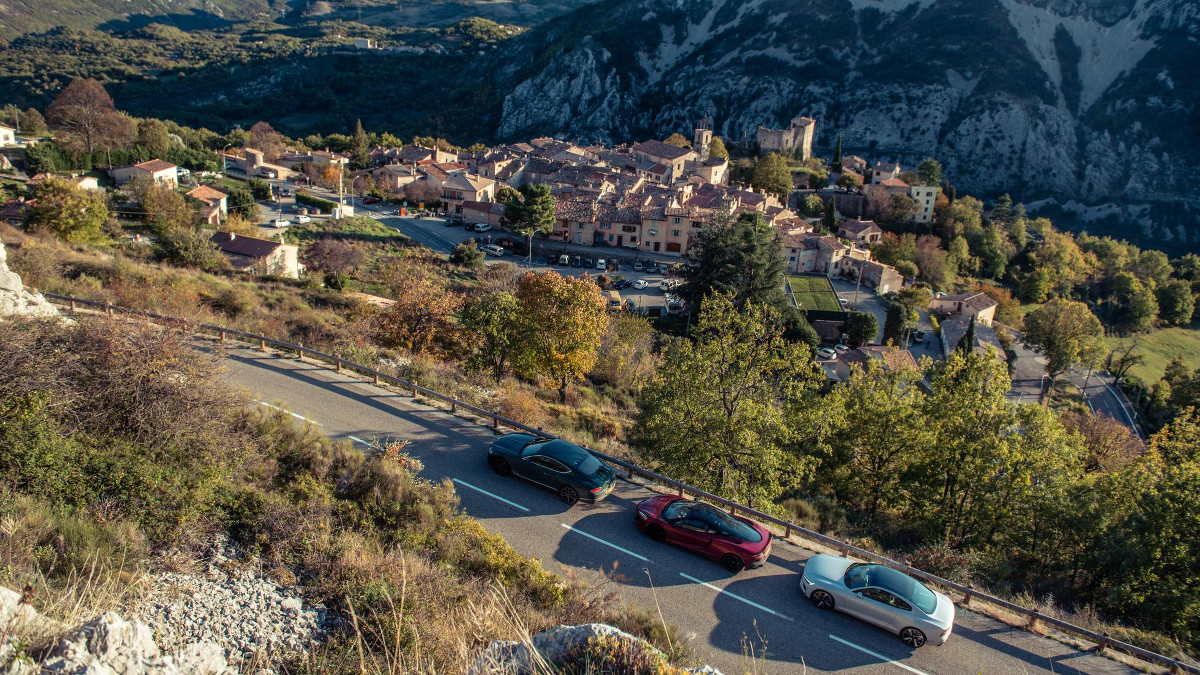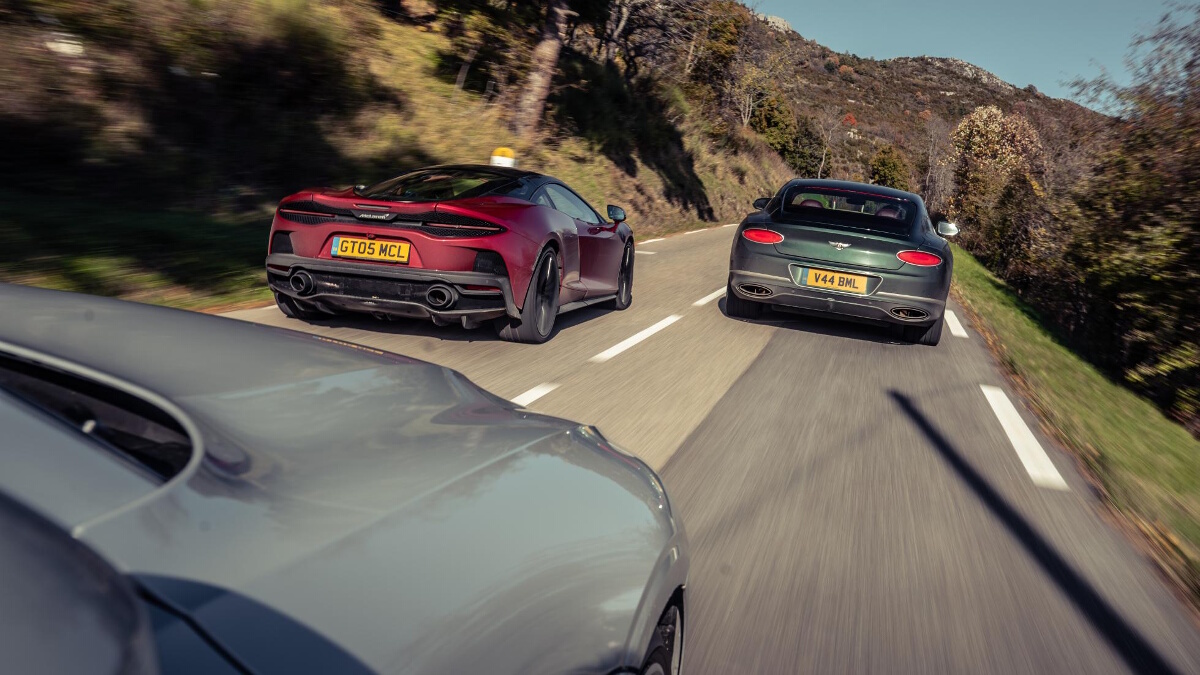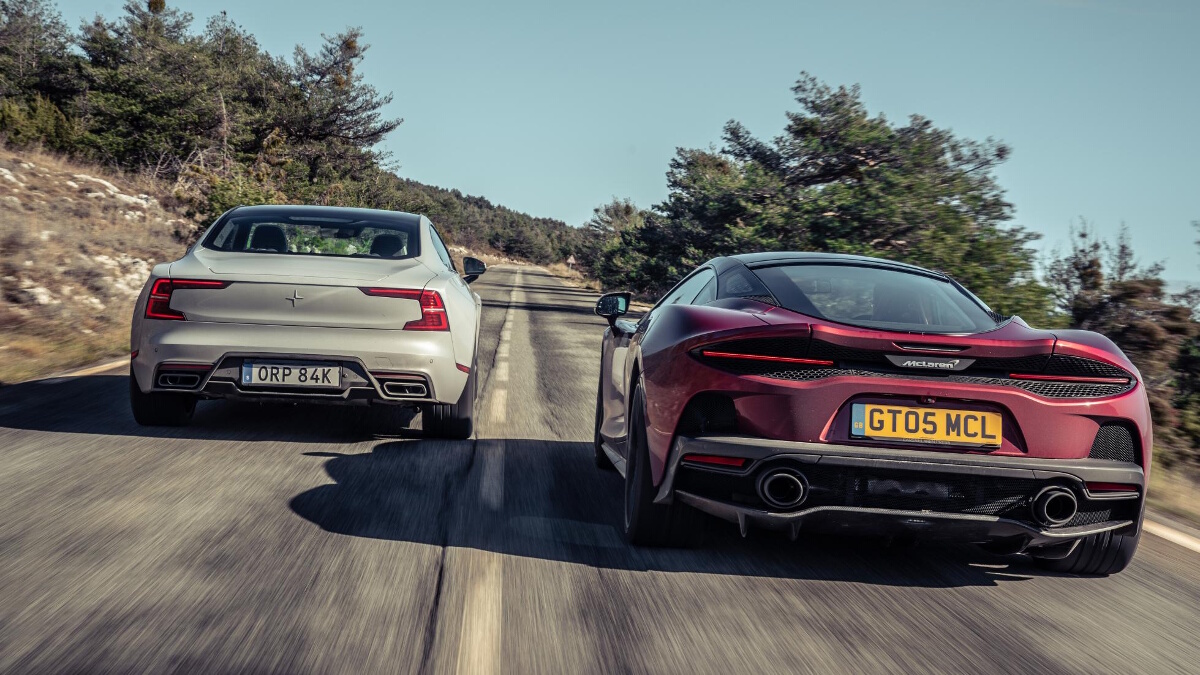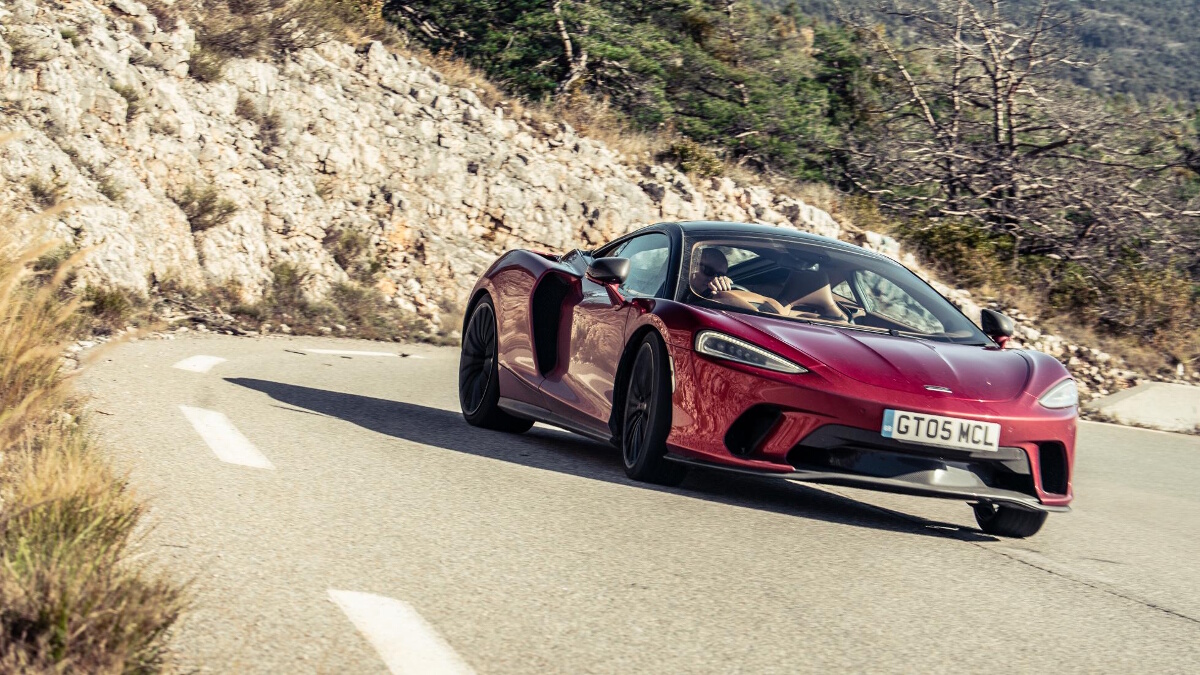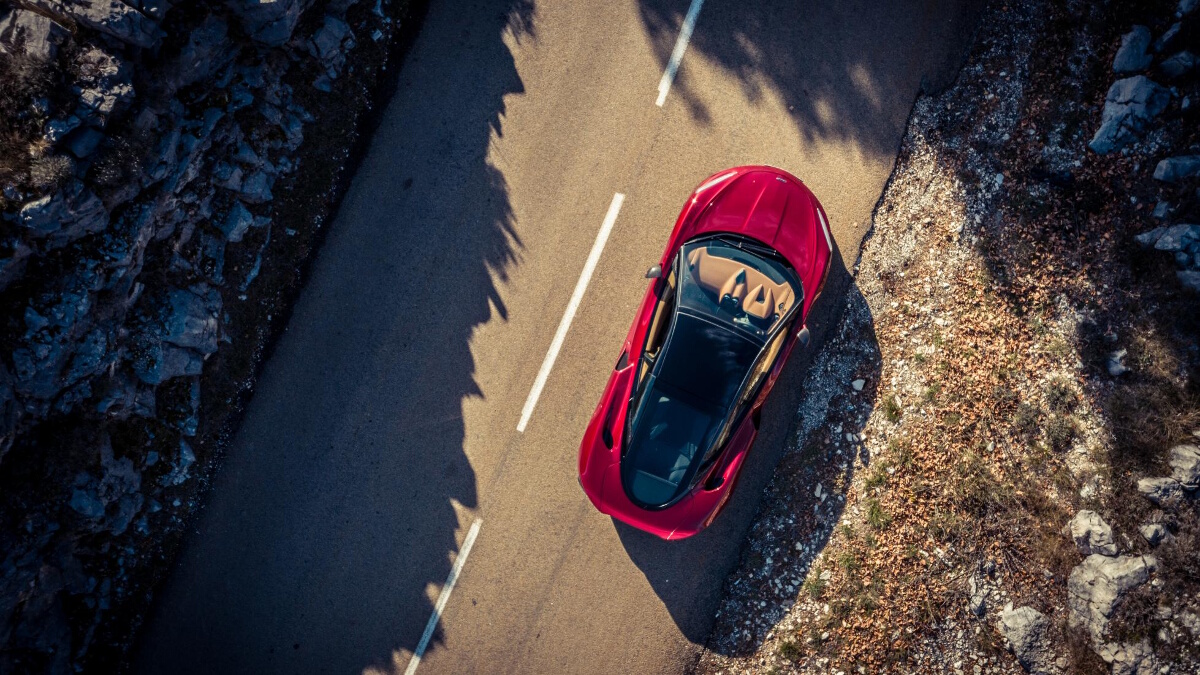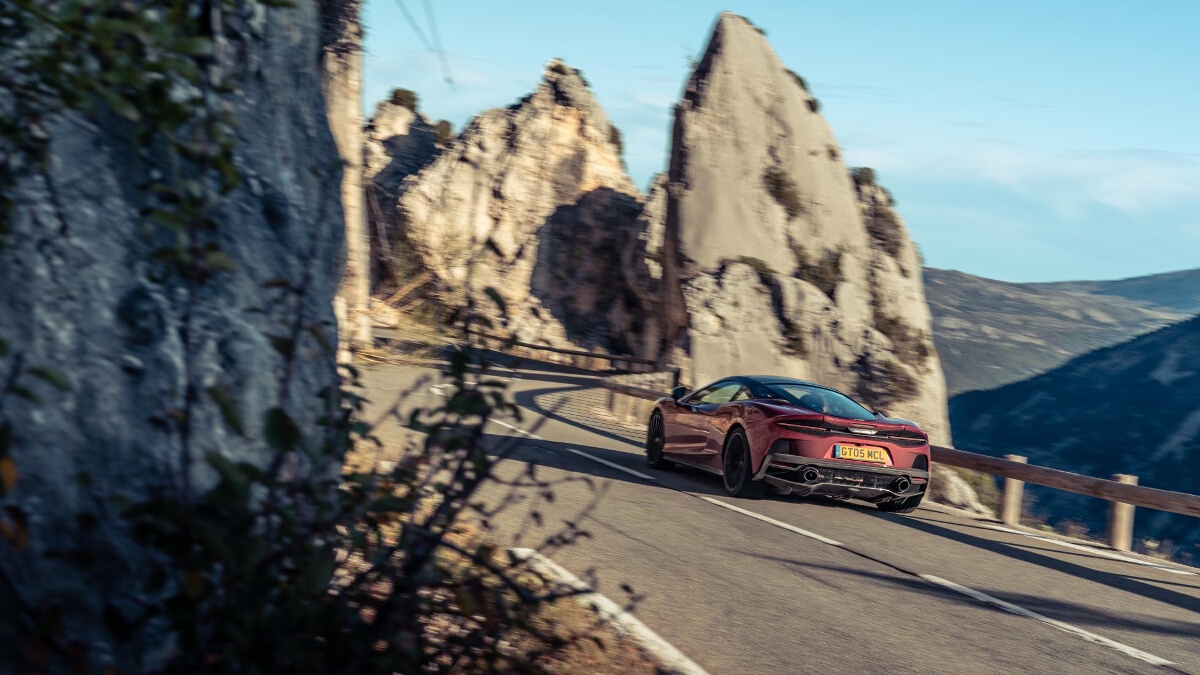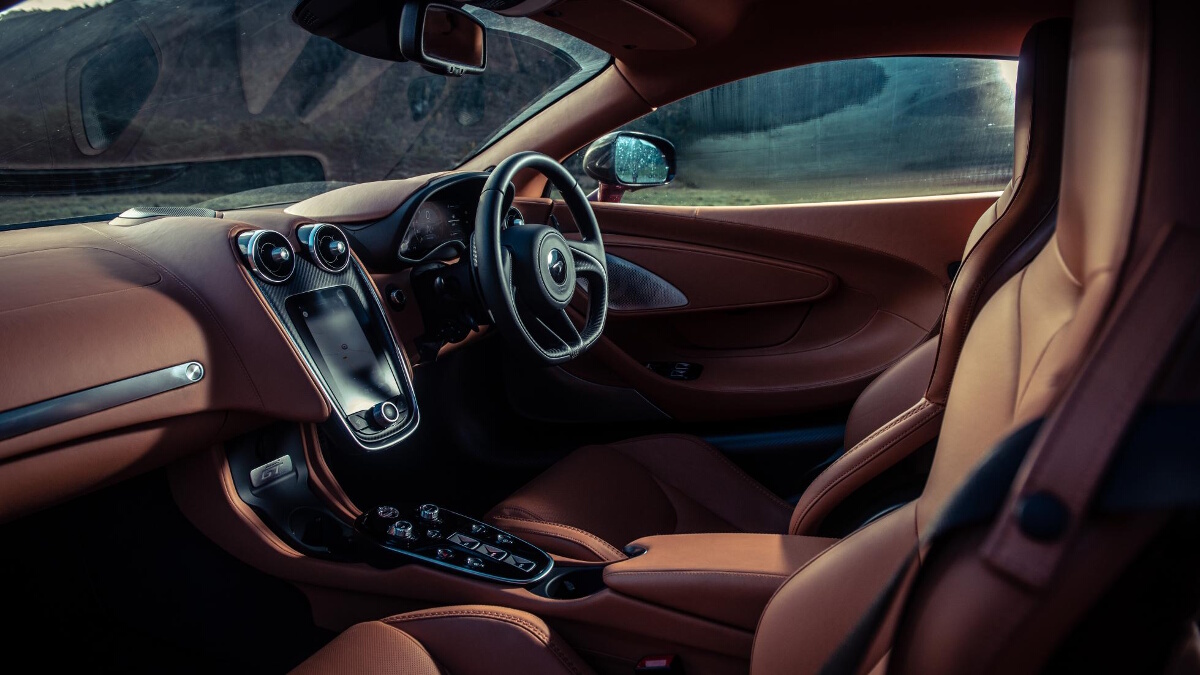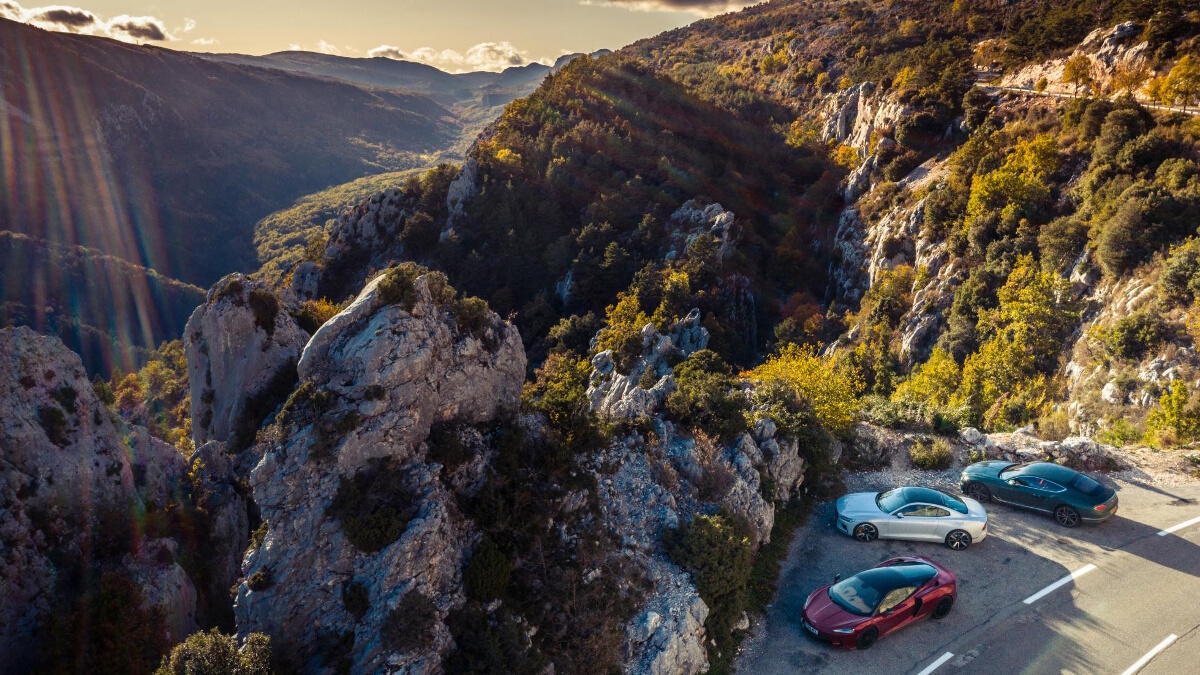
The moment a sailing boat rises onto its plane, everything changes. It’s not just about the extra speed, intense though that is. Breaking through its own bow wave, the craft tenses its muscles. It’s more urgent to the tiller and the sheets. Instead of moving in simple rhythm with the waves beneath, it skims, dancing, superimposing movements of its own onto your inputs. It’s no longer just you sailing: The craft gains its own animus. This is what happens when you’re on a good road in a fine mid-engined car. And the McLaren GT is one.
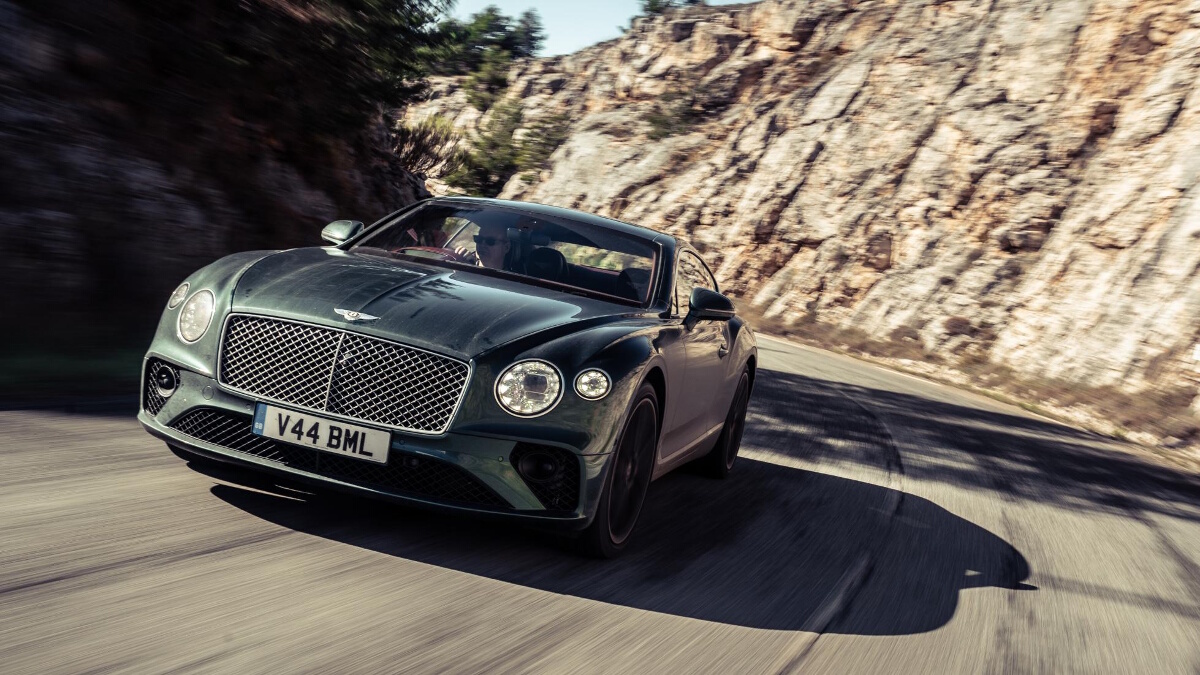
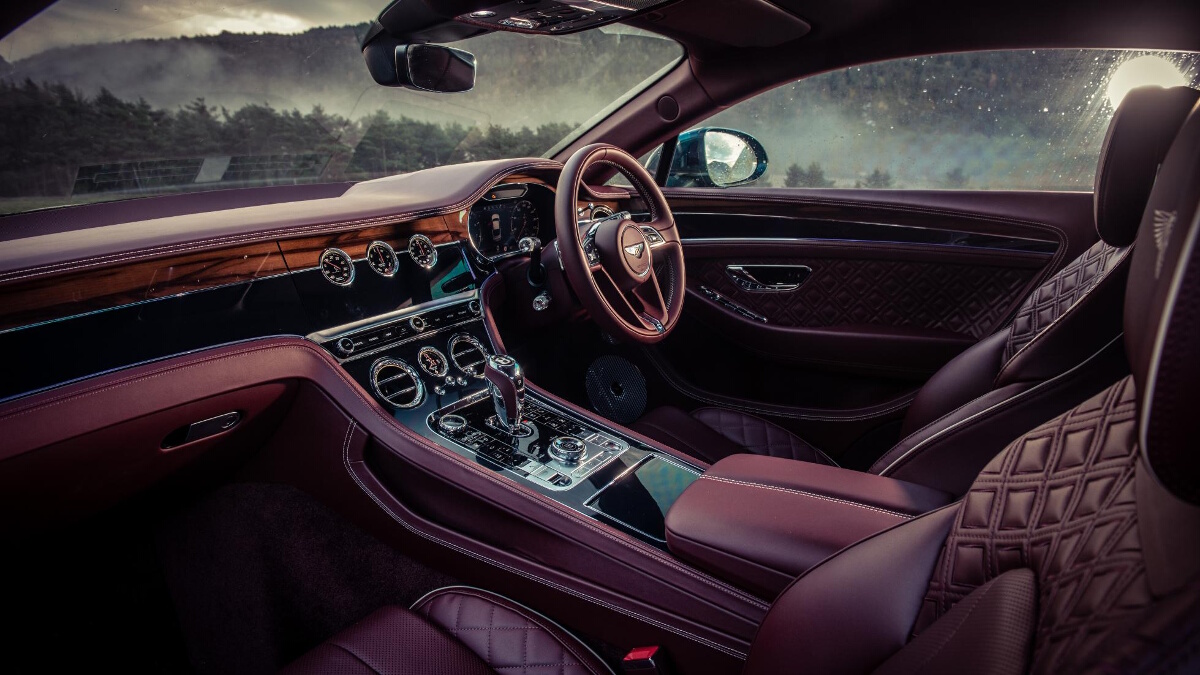
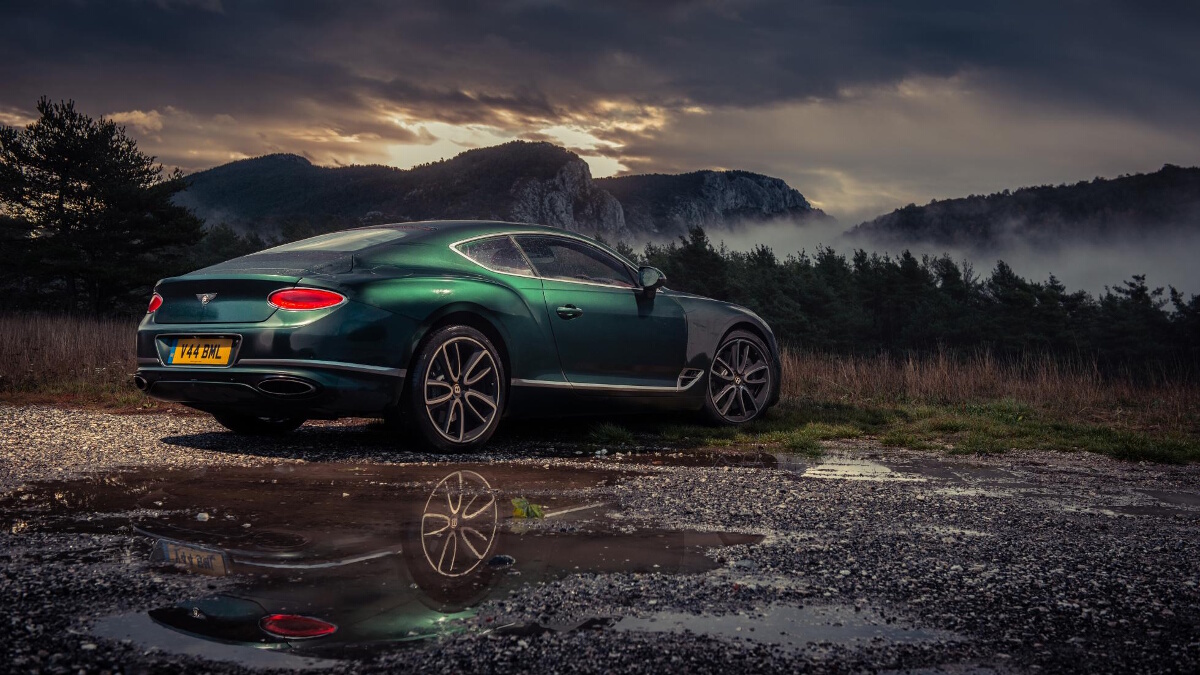
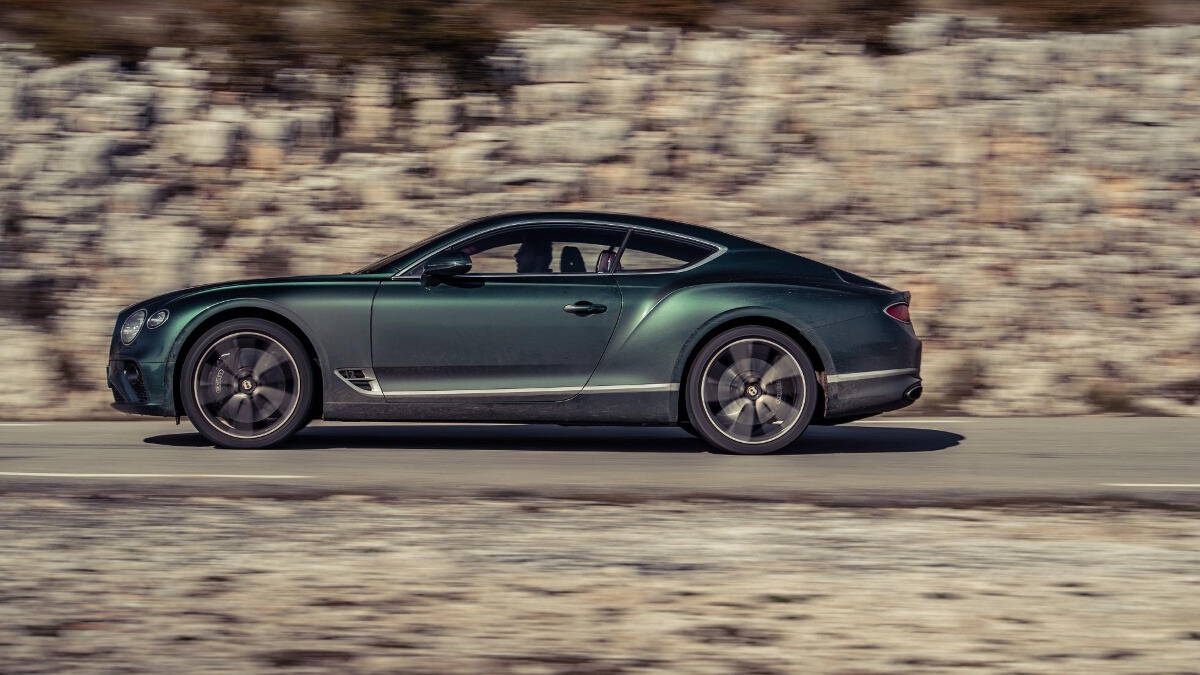
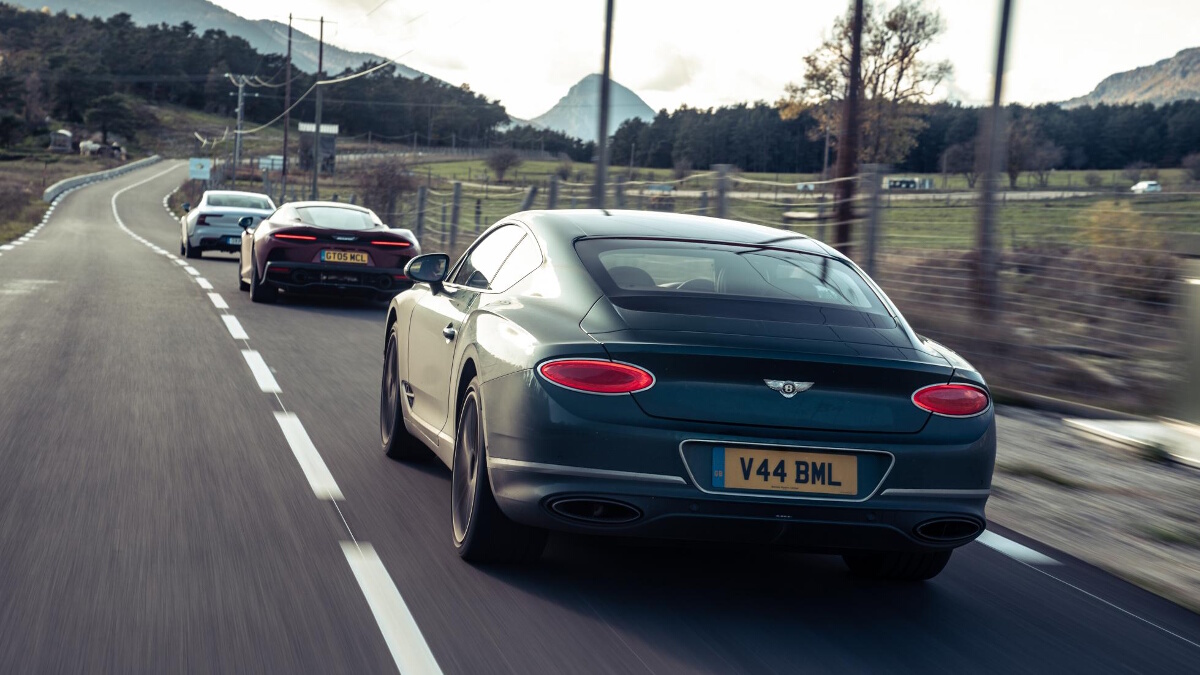
Drive the same road in the Continental GT and you’re aboard a displacement yacht, one that has great seakeeping qualities. It eases through the swells and sets its course with reassuring quiet dignity. It’s your long-distance home, and when things get stormy, it’s your refuge. On a planing boat, meanwhile, lengthy exposure can be exhausting.
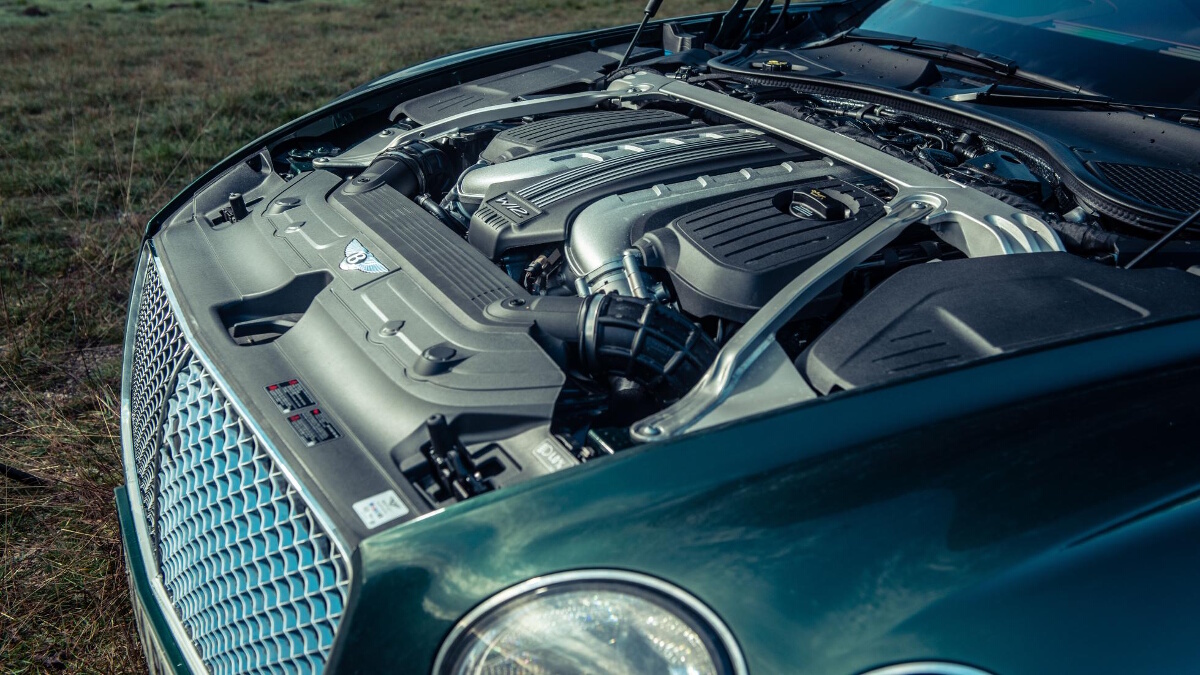
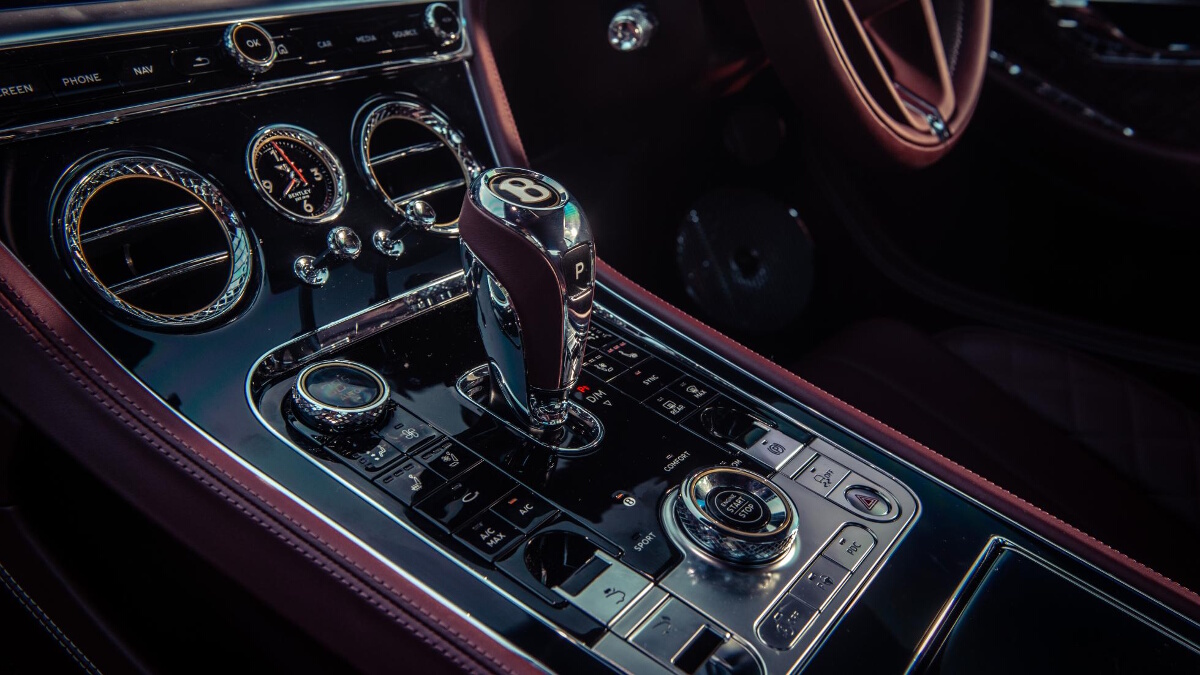
We could waste an enjoyable evening and several pints arguing about the definition of a grand tourer. We all know the history: a race-type chassis carrying coachwork that added some style and comfort. In those days, long-distance speed depended on that race engineering. It no longer does, because of enforcement and traffic. So, in our beery argument, I’d assert that the Continental GT has been for years and remains the definitive grand tourer, because it’s not just powerful but also securely quick in all conditions, thanks to its four-wheel drive. Plus, its refinement and comfort mean you’re never knackered. It’s ruddy stylish, too, so you feel good arriving in it.
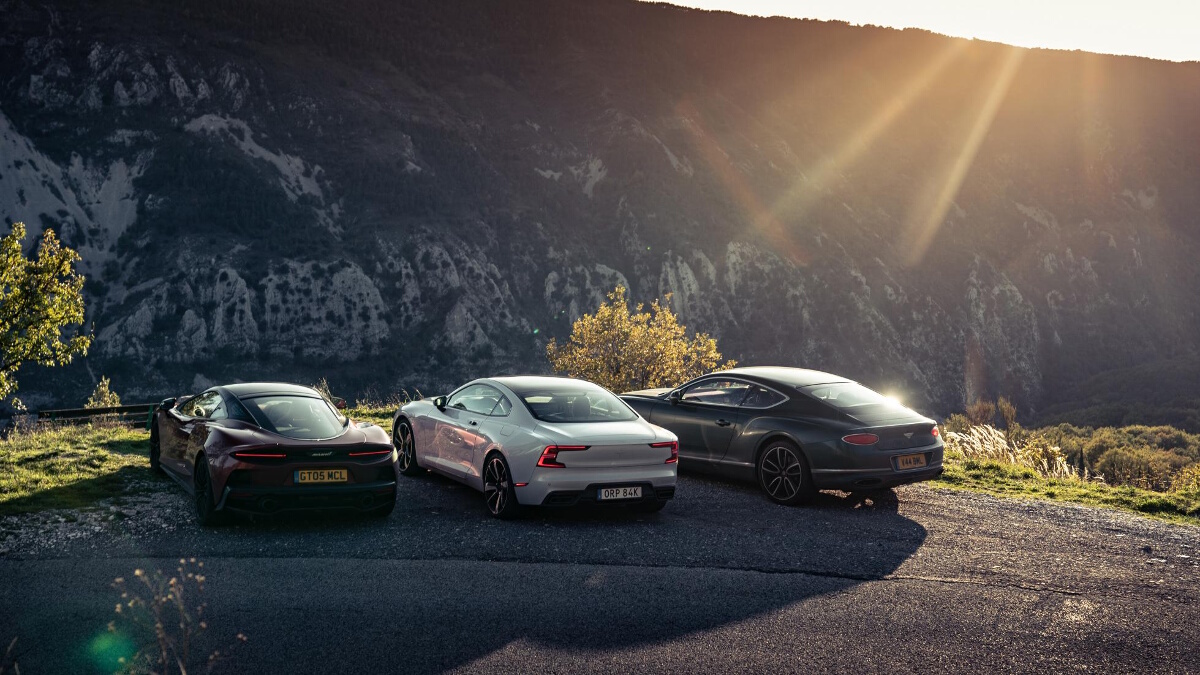
So these have been the rules for ages: Supercars are fantastic when you get to the glamorous sunlit mountain passes, but GTs are better for the long haul across the plains.