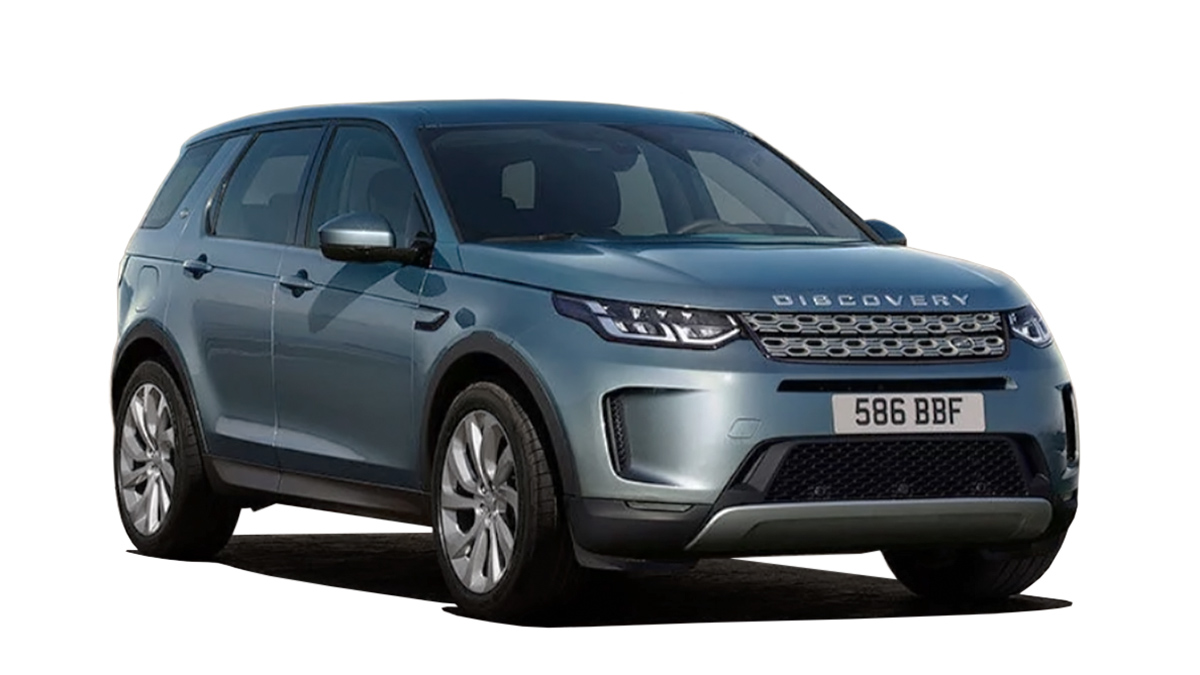
If you look at the Land Rover lineup today, it has some of the widest range of luxury four-wheel drives around. It’s even reached a point wherein its respective models have their own sub-models within. But what if we told you that it wouldn’t have been possible if it wasn’t for SUVs like the first-gen Mitsubishi Pajero?
Yes, you heard that right. The Mitsubishi Pajero, along with other Japanese SUVs helped make what the British SUV specialists who they are today. It’s not because the Japanese lent a helping hand to Land Rover.
It’s all because of competition.
OTHER STORIES YOU MIGHT HAVE MISSED:
LTO: Driver’s licenses that expired from April 3 this year are valid until April 2, 2024
Here’s how the MMDA plans to ease worsening rush-hour traffic on Katipunan Avenue
Land Rover in the ‘80s
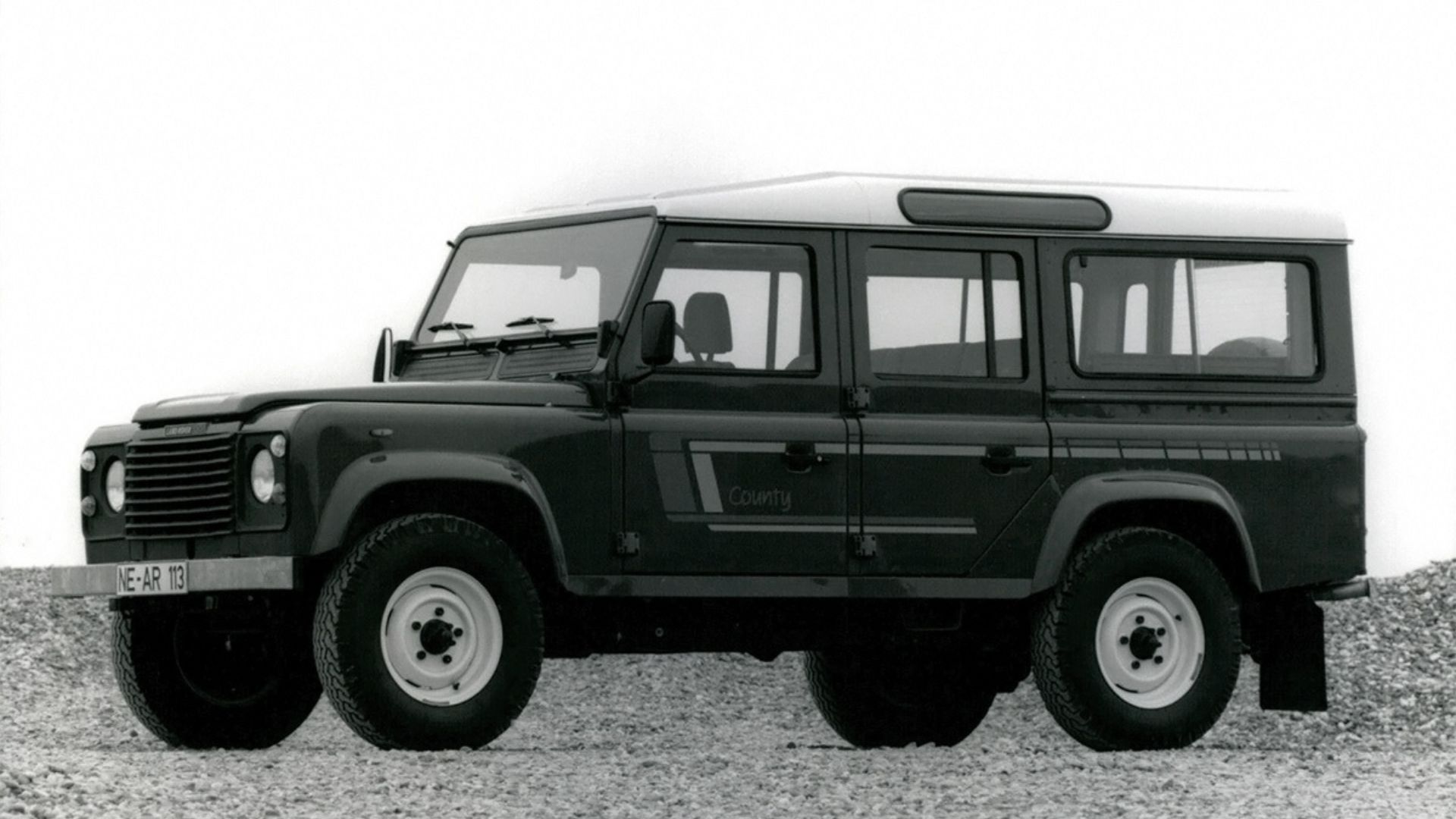
Rovernuts will know that their favorite brand only had two models to offer back in the ‘80s. First was the Land Rover 90/110, the one that would eventually be succeeded by the Defender. The other one is the Range Rover, a model that remains successful even to this day. However, there was nothing in between those models.
The 90/110 was purely about utility and no-nonsense off-road ability. Even by the standards of the ‘80s, it was bare and basic with not much in the way of features and amenities.
Meanwhile, the Range Rover was the total opposite. Sure, it still had rugged roots and can take a hammering off-road, but it’s a far more hospitable place to be when you’re on the road. It was comfortable, well appointed, and would eventually become a staple in the British royal family.
But as the 90/110 stuck to its roots and the Range Rover began moving upmarket, there was a gap opening up in the middle. A gap that was happily filled by...
The Mitsubishi Pajero
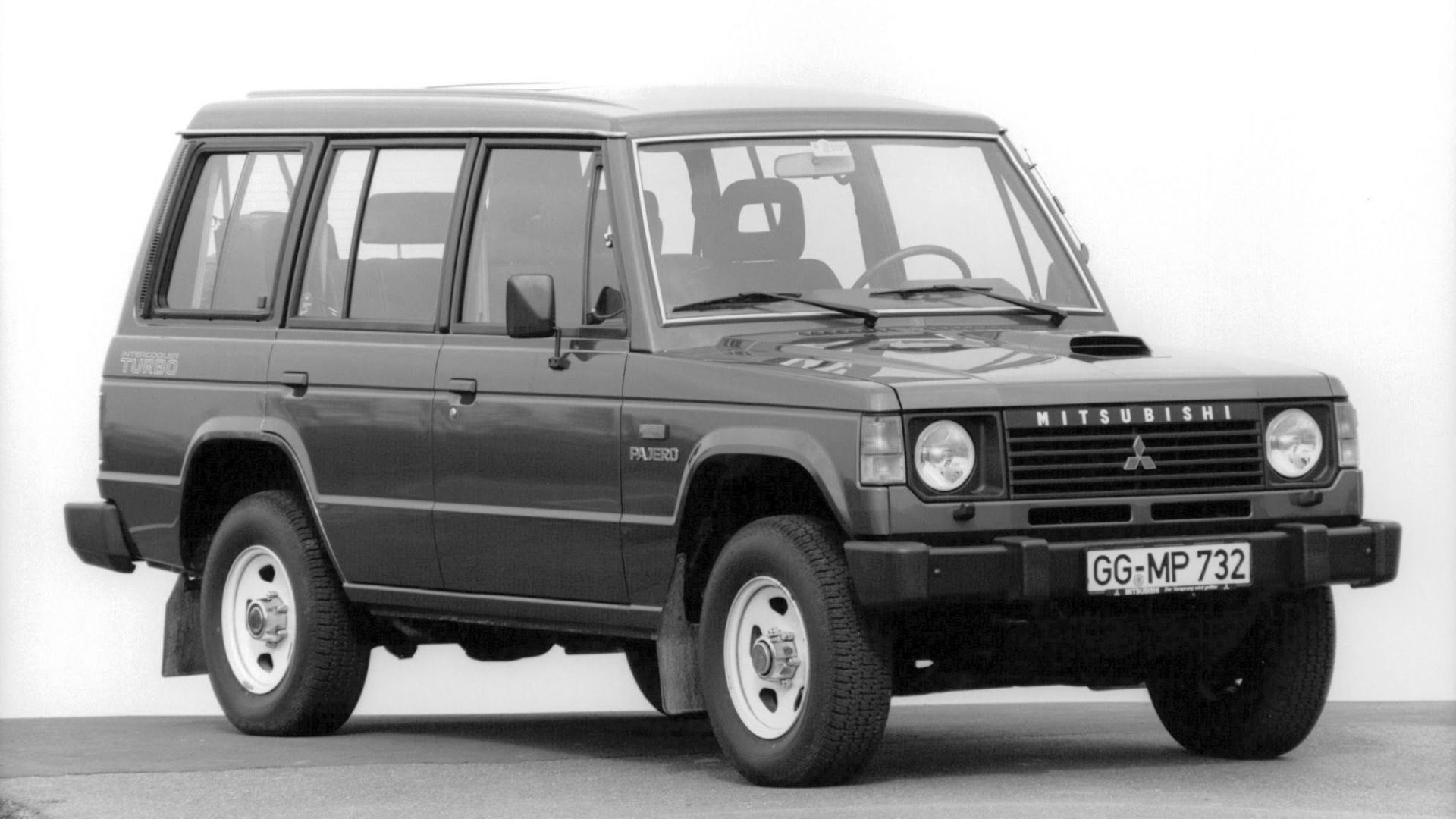
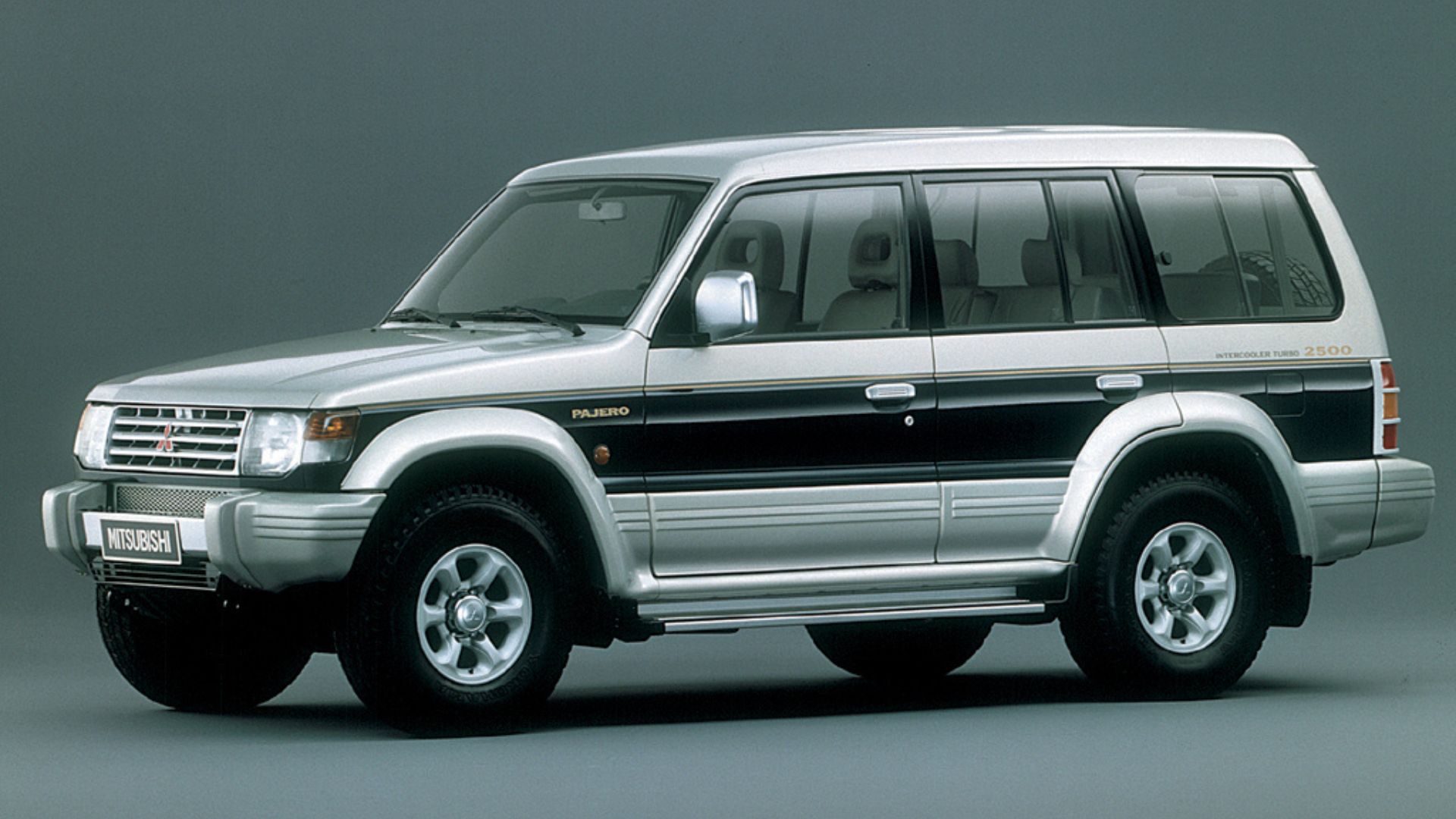
The term sport utility vehicle had yet to be coined, but the Japanese were making its baby steps in a segment that would explode in years to come. One of the models that led the charge in Europe was the Mitsubishi Pajero. Called the Shogun in The Old Continent, it banked on its value proposition by blending a few elements from plusher cars and the rugged appeal of go-anywhere vehicles.
It didn’t seem Mitsubishi thought of making a Land Rover competitor at the time. It was more of an alternative to the Toyota Land Cruiser and Nissan Patrol. Initially only offered as a three-door model, its popularity grew when Mitsubishi added a pair of extra doors and stretched it out. With that, Mitsubishi had a product that was more modern (and presumably more comfortable) than a classic 90/110 Land Rover and had more doors and space than an original Range Rover.
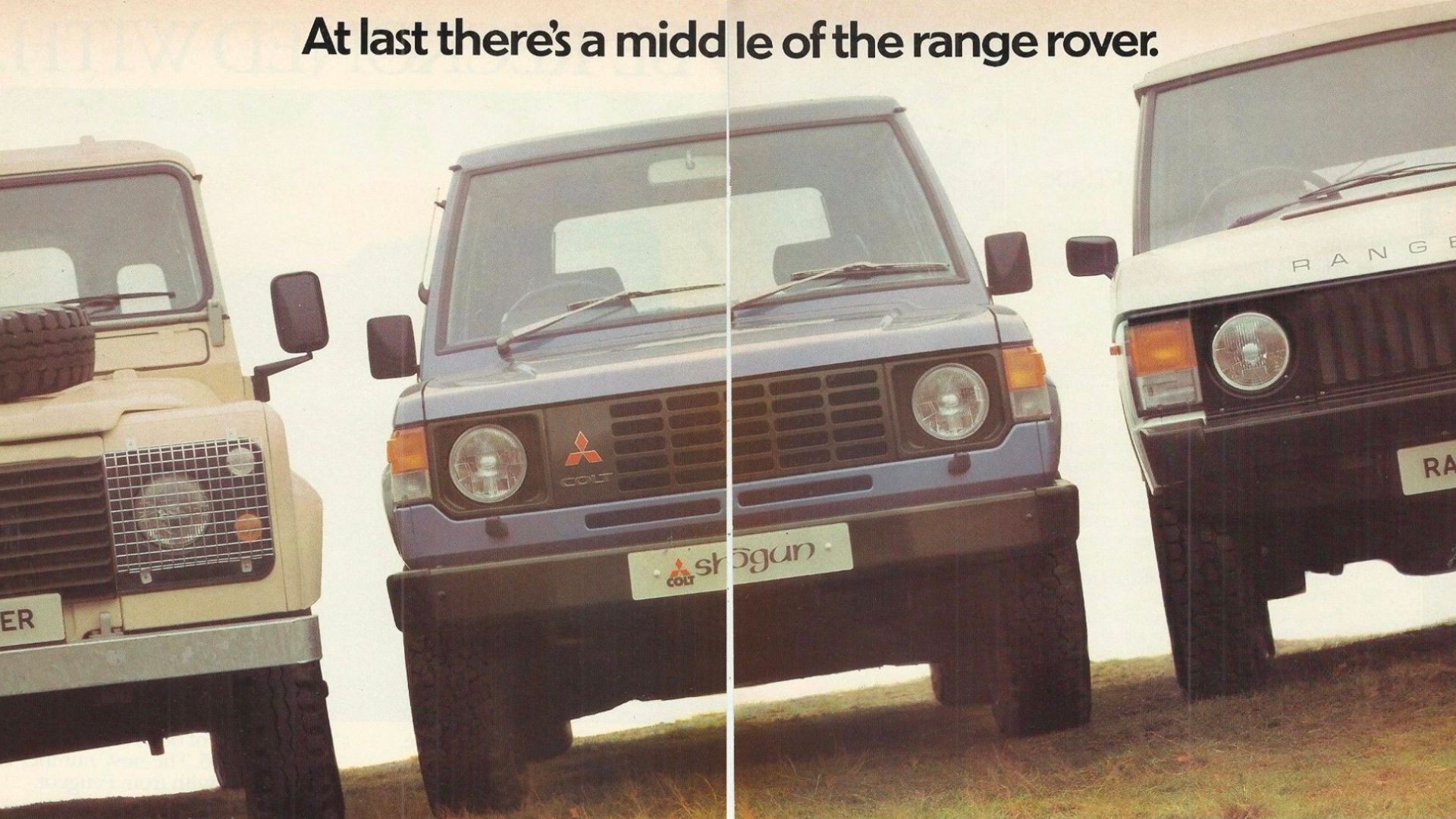
But the thing that stole sales away from Land Rover was the Pajero’s price. It undercut the Brits by a huge margin, all while having the best of both worlds: Comfort, practicality, and off-road ability. It also helped that the folks at Mitsubishi made it as tough and reliable as possible. The Pajero catered to a market that wanted something in between the 90/110 and the Range Rover, a point they made clear in a 1984 ad that said, “At last… a middle of the range rover”.
The other Japanese competition
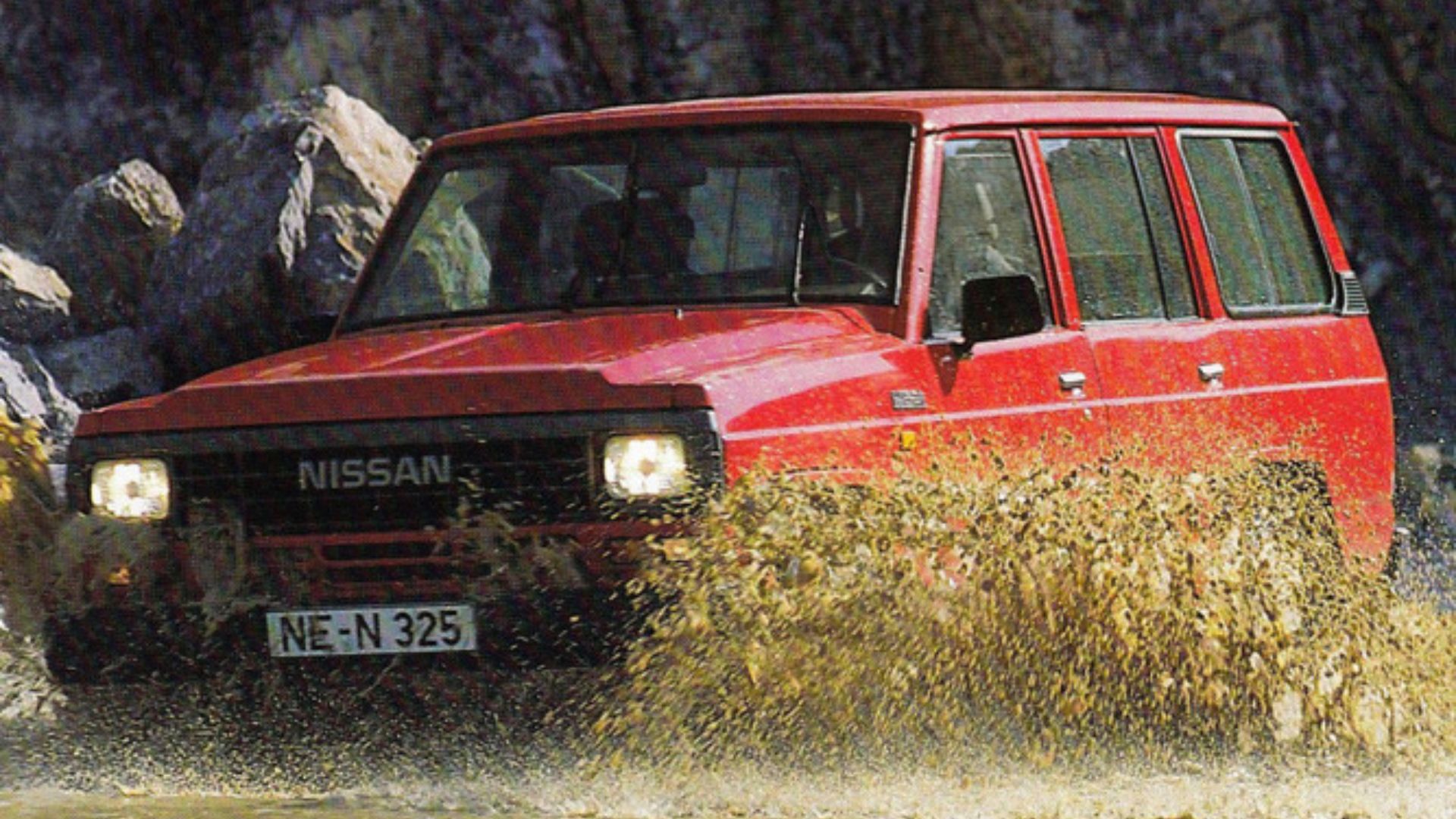
Another thorn on Land Rover’s side was the Isuzu Trooper. It was more utility-oriented compared to the Pajero, but the formula was similar. Like the Pajero, it was also much cheaper than Land Rover’s products at the time, making it a tempting option.
Then there’s the Nissan Patrol that was comprehensively redesigned in 1980. While bigger than the Pajero and Trooper, it was still cheaper to buy compared to the British offerings. And for those who wanted an even bigger off-road vehicle for not much more money, there was the Toyota Land Cruiser. Yes, there was a time when the Land Cruiser was considered the value option.
Eventually, the trickle of Japanese off-road vehicles became a floodgate. In the UK at least, Land Rover gave the Japanese an open goal.
Project Jay
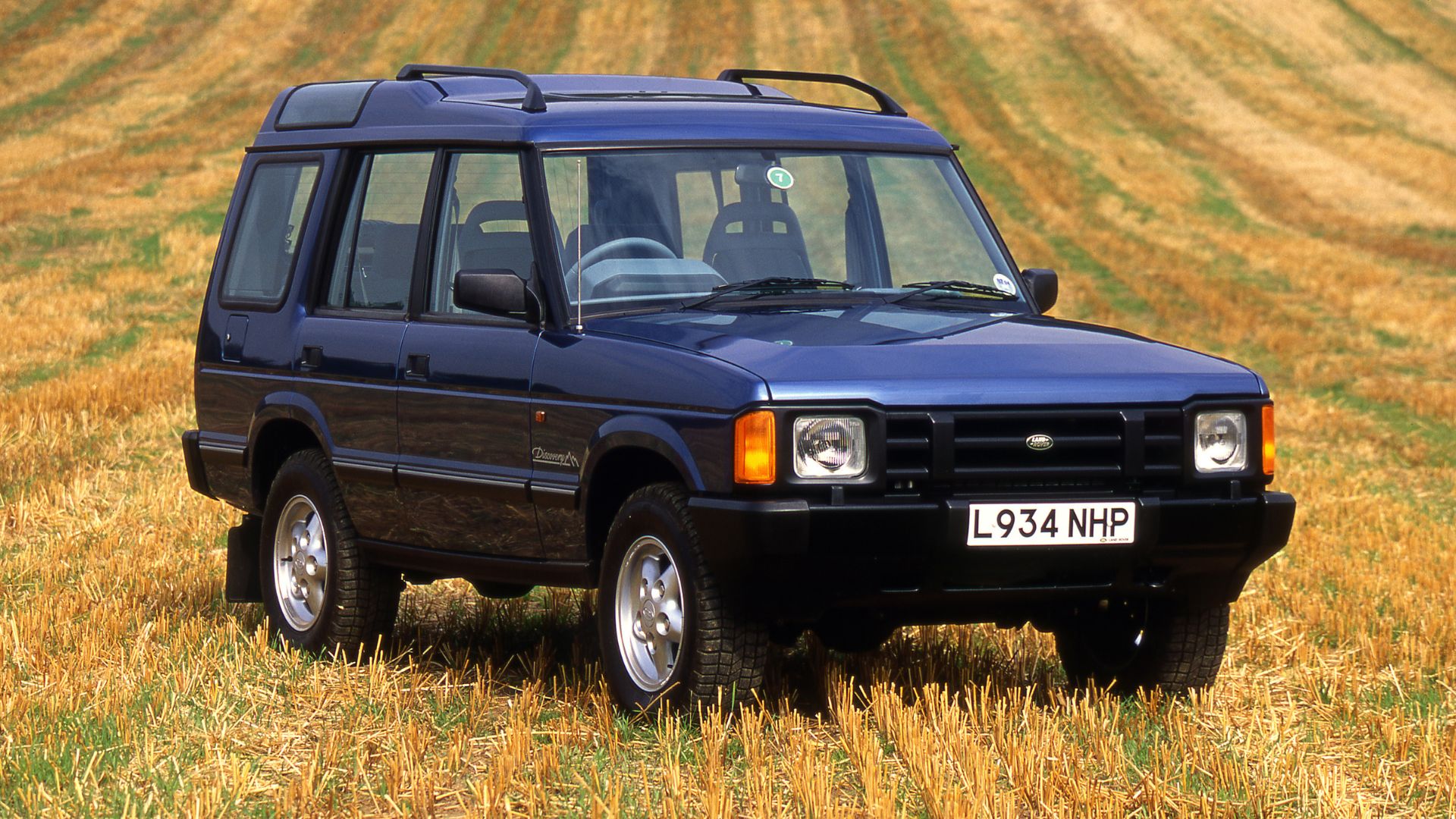
Land Rover sales hemorrhaged following the arrival of the Pajero and the soaring popularity of the Japanese alternatives. The company realized that it needed a third model that slotted in between the rough and rugged 90/110 and the posh Range Rover. It was called Project Jay, and Land Rover’s main goal was to stem the tide of the Asian competition.
Serious work on Project Jay began in the mid-80s. And while Mitsubishi, Nissan, and Toyota did take a good chunk of sales from Land Rover, the surprise success of the Range Rover abroad gave the company just enough funds to work with the limited sources available.
To save costs and hasten development, Project Jay would use a huge chunk of hardware from the Range Rover. It used a modified version of the luxury SUV’s frame and borrowed its 3.5-liter V8. To cater to a wider audience, it also got a diesel engine from the 90/110. The sharing of parts meant costs were spread out more evenly and helped economies of scale.
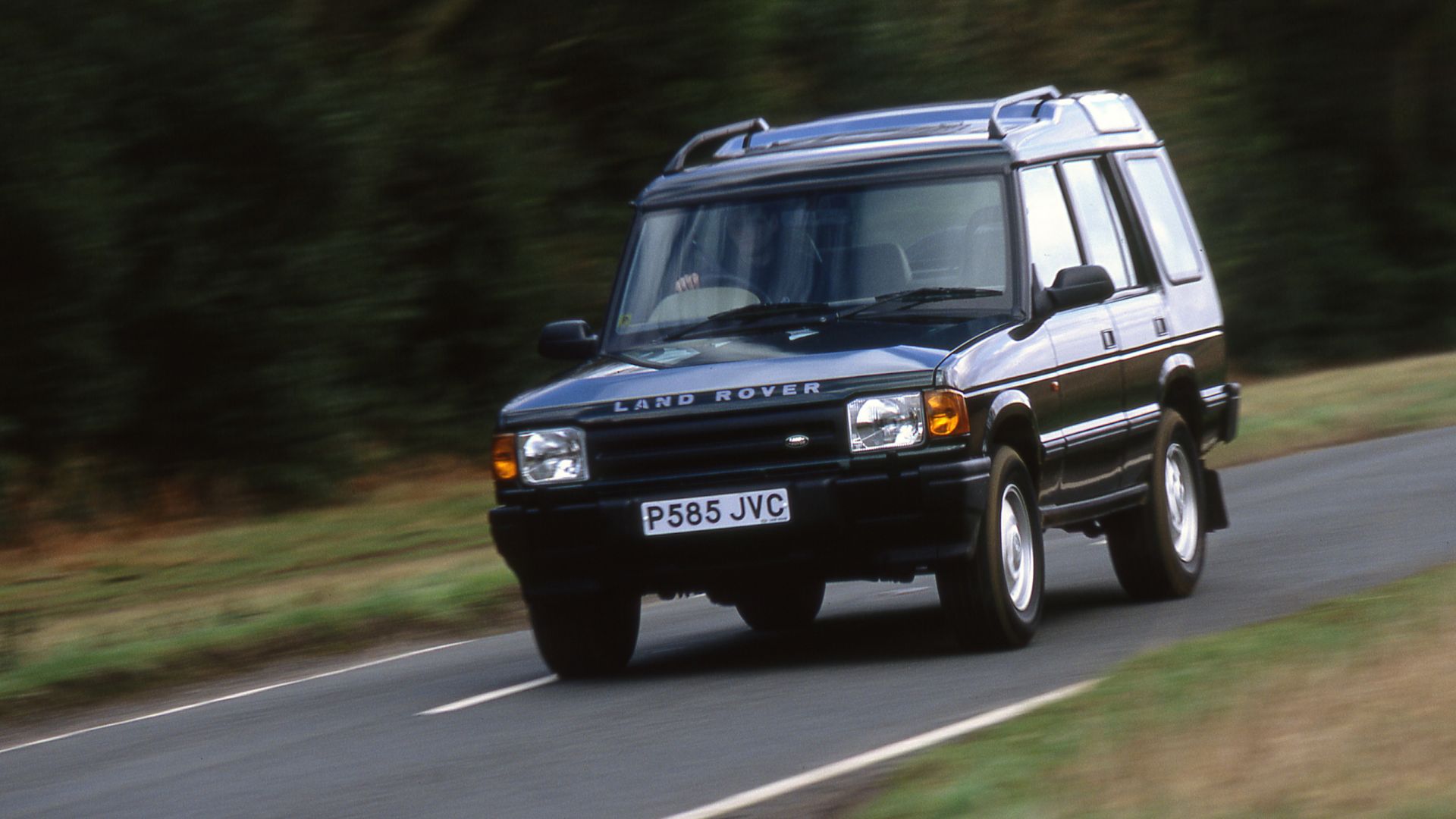
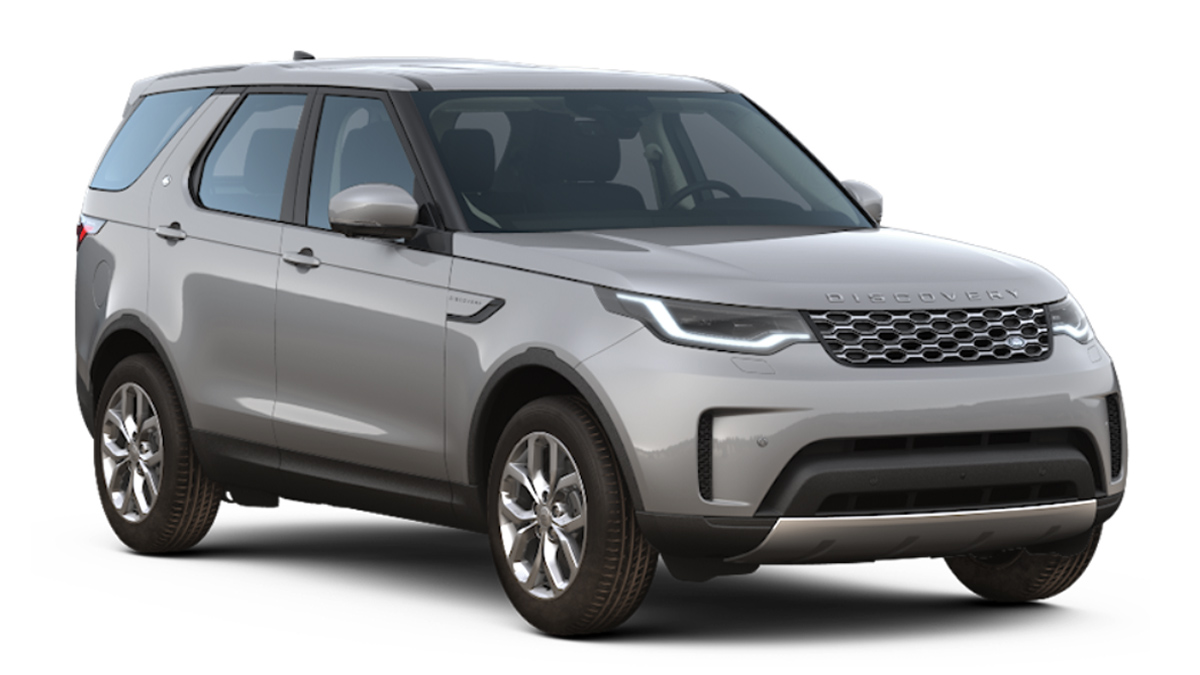
The result of all that was the first-generation Land Rover Discovery.
The similarities are uncanny
One can’t help but notice the similarities between the first Pajero and the first Discovery. The latter was also introduced first as three-door with a five-door joining the range a few years later. There were bare versions for those looking for a work vehicle and posher variants for those who wanted to splurge a little bit more. There were four-cylinder gas engines for both, as well as a turbodiesel and powerful engine choices, V6 for the Pajero and V8 for the Discovery.
Sales success
The Discovery arrived in British showrooms in 1989 and proved to be a smash hit in its home market. It also gained traction in Europe and, eventually, North America. The first Discovery gave Land Rover sales it hadn’t seen at the time, and it could be said it helped the company grow in the ‘90s.
By then, the Pajero was on its second generation and the popularity of SUVs was beginning to pick up. It was perfect timing for Mitsubishi and Land Rover. Massive improvements further boosted Pajero sales worldwide, and the Discovery further expanded Land Rover’s reach and audience.
These days, Land Rover has seven products in its portfolio, but the Pajero is no longer with us. Still, such is the impact of the Pajero. Not only is it an icon that has made fans worldwide, it’s also a motorsport legend and, in this case, an accidental hero for one of England’s crown jewels.