For the most part, people who buy truck-based SUVs here don’t go for the four-wheel drive model. However, it's become a popular choice as a family car, which baffles some folks out there. The thing is, do people really need that big of a family mover?
The alternative to that is to go for an MPV. While smaller, these are more oriented towards family use. The perfect solution, then? Well, it depends on who's asking.
But if you’re torn between choosing an MPV or a 2WD SUV for your next family shuttle, we’re here to weigh the pros and cons for you.
OTHER STORIES YOU MIGHT HAVE MISSED:
The Maxus e Terron 9 holds the key for MG's new pickup
Mazda gives the CX-60 a better ride
MPV: The pros
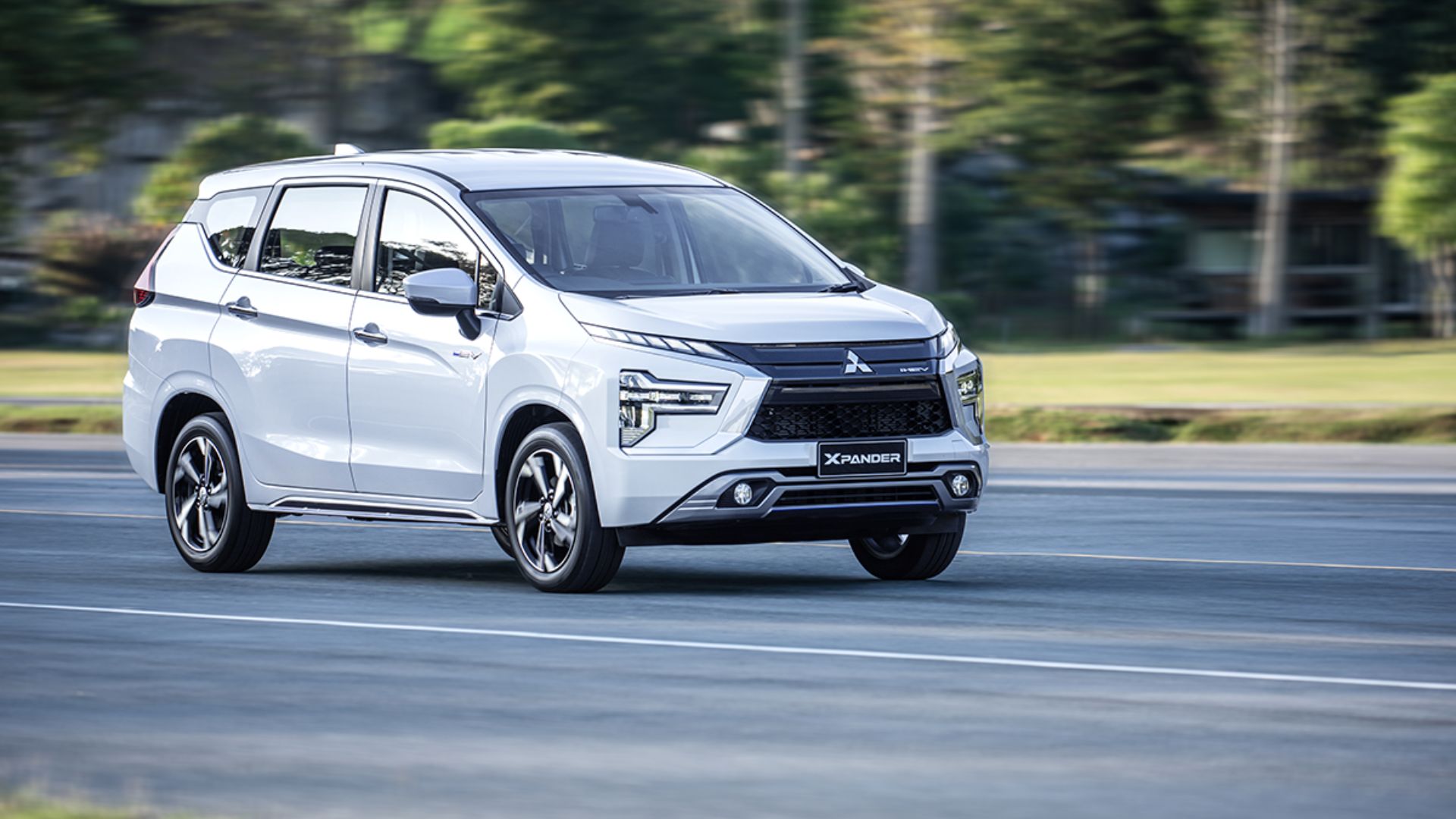
The words ‘fit for purpose’ apply to any MPV out there. After all, the segment’s name stands for ‘Multi-Purpose Vehicle’, so you just know it does its best juggle around as many duties as it can.
With maximizing space as its top priority, MPVs typically have better space efficiency over truck-based SUVs. You might be surprised to find that you’ll have about the same amount of legroom in some of these compared to truck-based models.
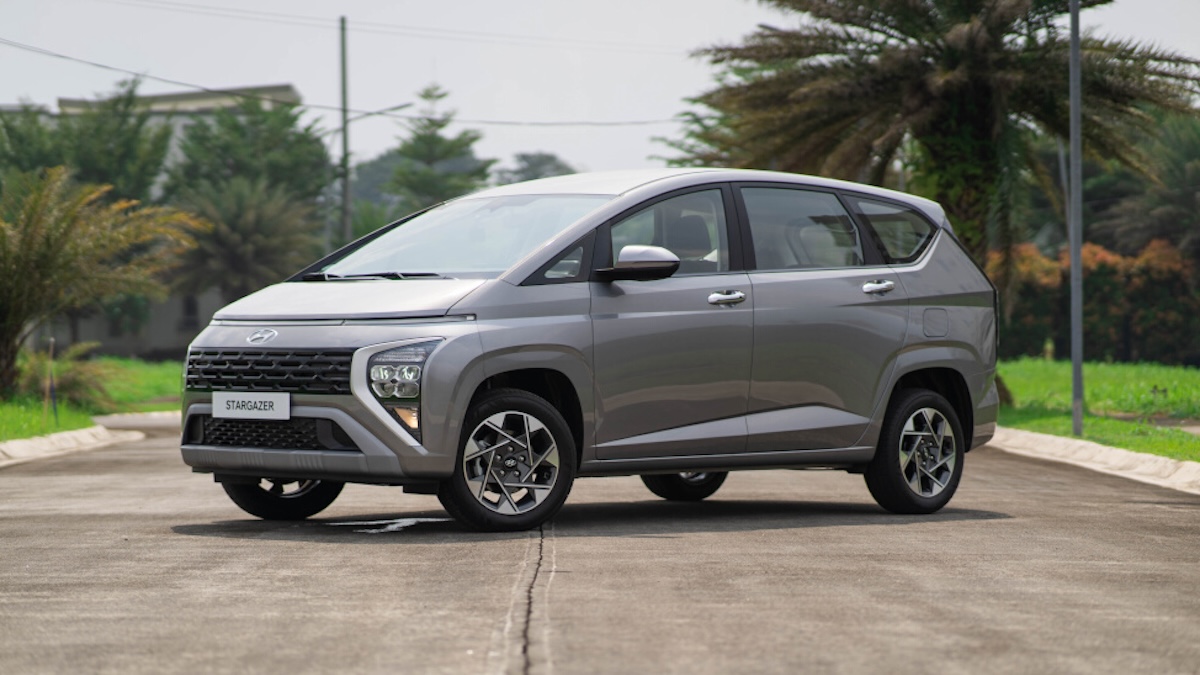
Because of the emphasis on interior volume, the exterior dimensions don’t have to be massive or bloated. In turn, that makes MPVs far more maneuverable in and around tight spaces. Most are also based on unibody platforms, so ride and handling feel far more car-like.
There are other pluses, too. Since they’re lighter than 2WD SUVs, MPVs are also easier on fuel, eat up wear and tear items at a lower rate, and are less expensive to run, register, and insure.
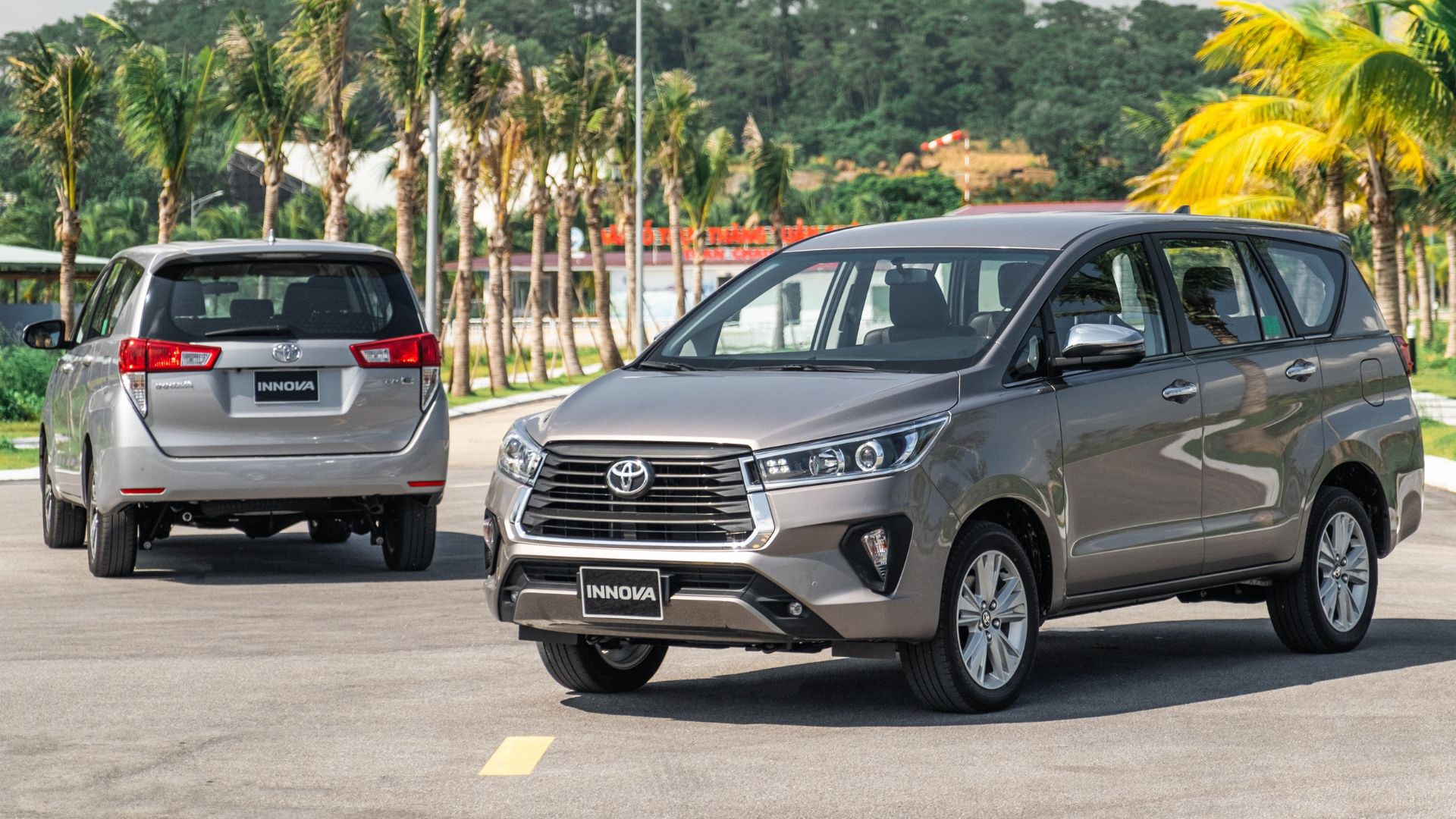
Okay, one notable outlier here is the Toyota Innova. It doesn’t follow the usual MPV template with a unibody chassis, but even that’s well sorted to a point you wouldn’t think it’s truck-based. It still carries the merits of MPVs but with rugged underpinnings.
MPV: The cons
The common argument we hear about choosing SUVs over MPVs is ground clearance. It’s a fair point given that our country gets battered by storms and flash floods can happen even on a random summer’s day.
Then there’s the perception that unibody chassis just aren’t as strong or as robust as a truck frame. Modern unibody chassis are pretty strong, but when it comes to shrugging off abuse, we concede that anything with a frame might have the edge.
With these being lower to the ground and exclusively two-wheel drive, they’re not brilliant at going off-road. But then again, neither will a two-wheel drive SUV. Of course, pride does play a factor in some cases. They don't have the same road presence as SUVs, and some folks wouldn’t want to be caught dead driving an MPV instead of a ‘macho’ SUV.
2WD SUV: The pros
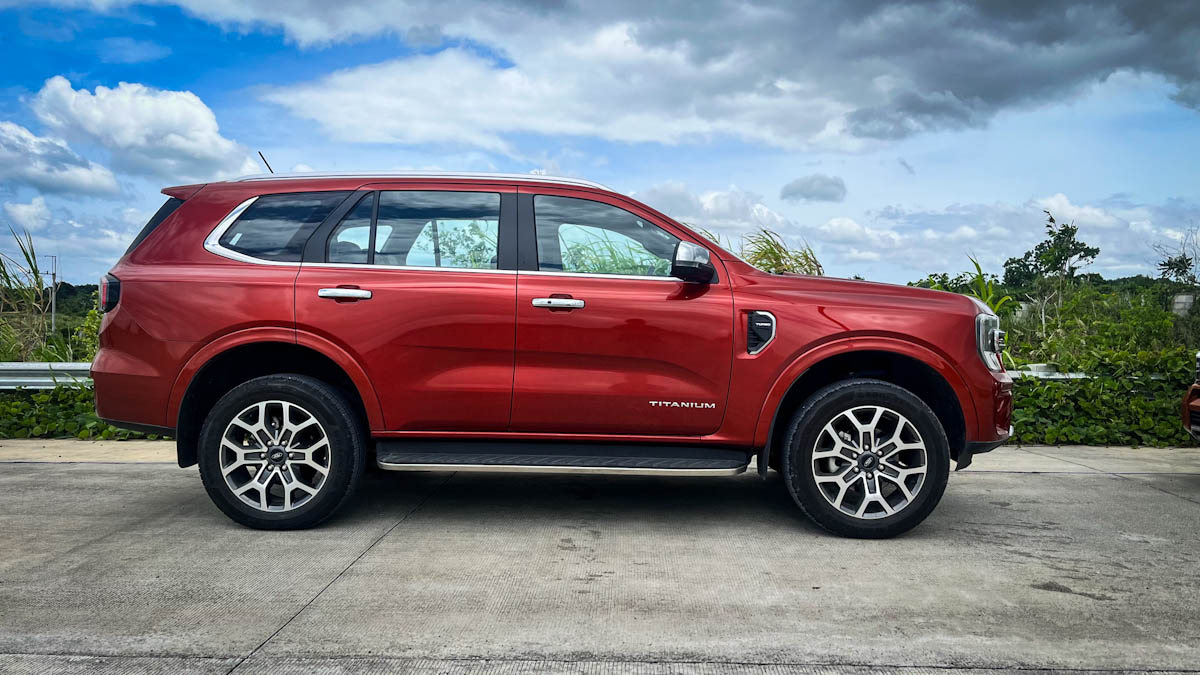
Aside from the rugged image, the 2WD SUV’s main selling point for some is the ground clearance. Sure, it won’t be of much use on the trail as it’s lacking an extra set of drive wheels, but it’s great to have when the road ahead turns into a bit of a river.
Truck-based SUVs are also blessed with high water wading capabilities. The norm these days is about 800mm, far more than your typical MPVs. While most owners won’t ever get near that, it’s enough to reassure most that their ride of choice can go for a quick swim without risking too much damage.

With more robust mechanicals, these 2WD SUVs can handle bad roads without breaking much of a sweat, and it climbing over relatively high obstacles won’t be much of an issue. Payload capacity is another plus that these SUVs have to offer, a must for those who regularly bring people and cargo up mountain roads. Oh, and the torquey diesels are great for passing and going uphill.
2WD SUV: The cons
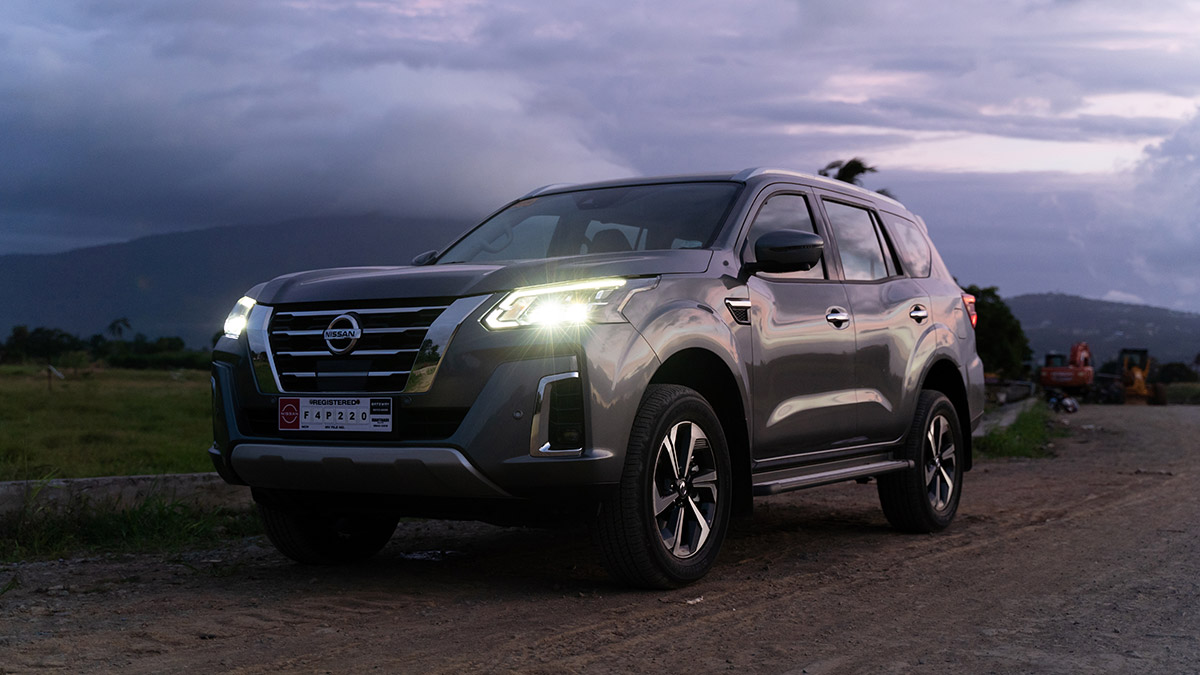
Well, there’s the size and weight, although some might see that as an advantage. That said, it also means these aren’t as maneuverable around traffic or the city. Tight streets won’t be your friend if you have one of these, too.
For those coming from a sedan, they might be shocked to find out that these are heavier to drive. Yes, they’re less truckish and ponderous to drive, but they’re still no car-like in any way, shape, or form. That’s something to keep in mind.
Then there’s the subject of ride. Today’s truck-based SUVs are more comfortable than ever, but it’s still not quite at the same level as something with a car-based chassis. You’ll still feel the bumps and road imperfections, mainly a limitation of their rear suspension arrangements.
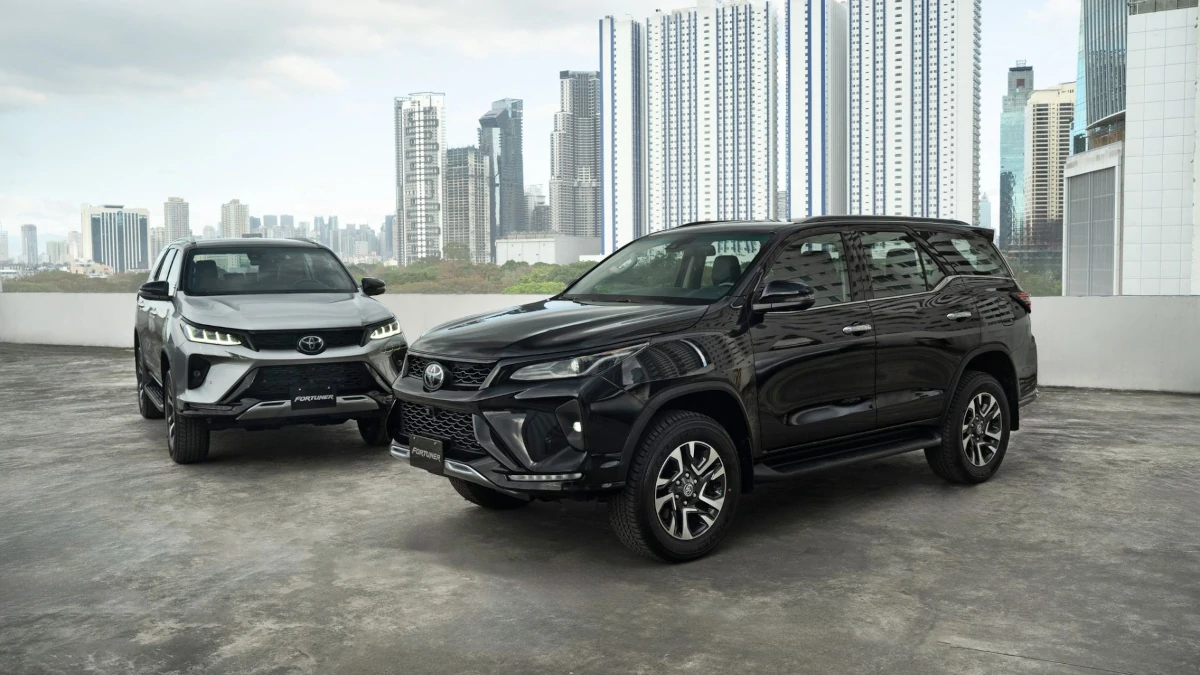
What some might not consider is the running costs of these SUVs. Tires are more expensive on these, and the same goes for suspension components such as bushings, shock absorbers, and other bits. You’ll also have to pay more for oil changes as diesel engines need more, well, oil.
For reference, a Toyota Fortuner’s 2.8-liter engine needs 6.9 liters of liquid gold to keep it smooth. You’ll need to keep these diesels running well to avoid soot or black smoke belching out of the tailpipe, too, requiring a little more care and attention.
Which one to buy?
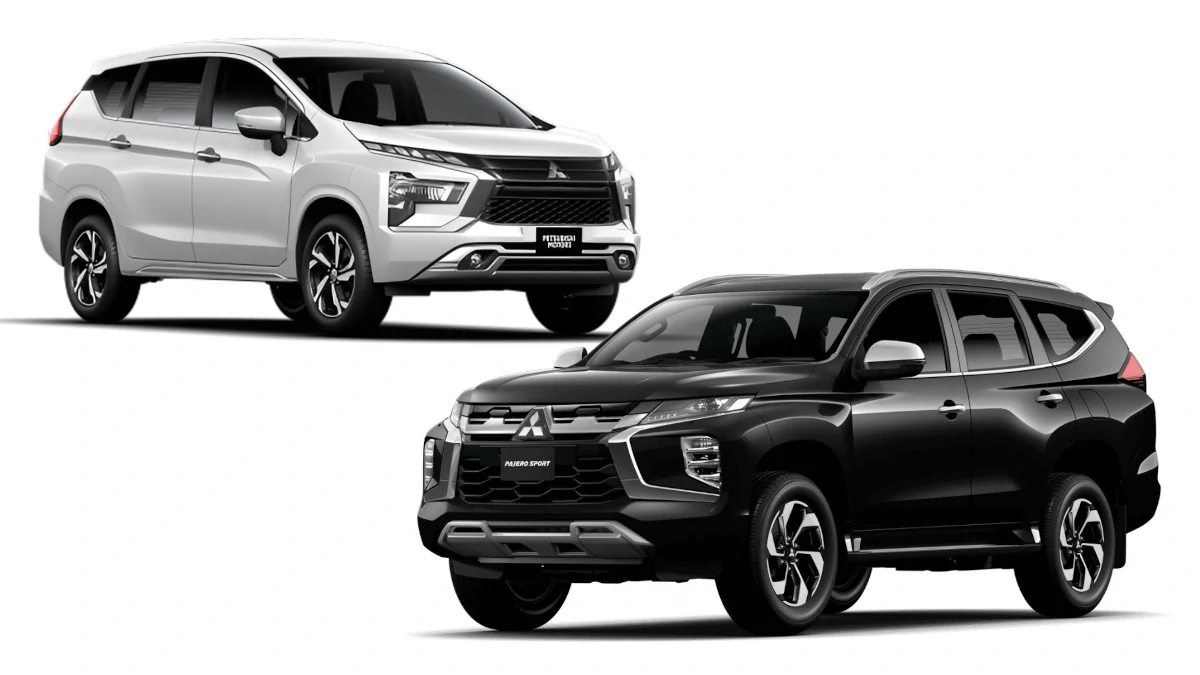
Of course, it all boils down to specific needs. But we have a few questions that you might want to answer to help you narrow down your choice.
- Do you carry heavy loads regularly?
- Do you live in a flood prone area?
- How often do you carry seven passengers?
- Which are you more willing to give up: Ride and comfort or space and capacity?
- What is your budget for maintenance?

Depending on your answer, your choice might swing one way or another. For us, if you don’t need the extra size, don’t want the bulk, and value maneuverability over road presence, we recommend an MPV. It carries as much people as an SUV, rides better, handles more car-like, and enough for most. You’ll spare yourself higher running costs, too. It doesn’t have quite the same road presence, and you’ll have to be a little bit more careful on rough roads.
The 2WD midsize SUV does have its merits, though. The higher payload capacity means the vehicle is less stressed when loaded. The punchy diesels are generally unfazed when carrying extra cargo and people, something crucial for those who frequently need to drive up mountain roads. Just be prepared to pay more in running costs and make a small sacrifice in terms of comfort.
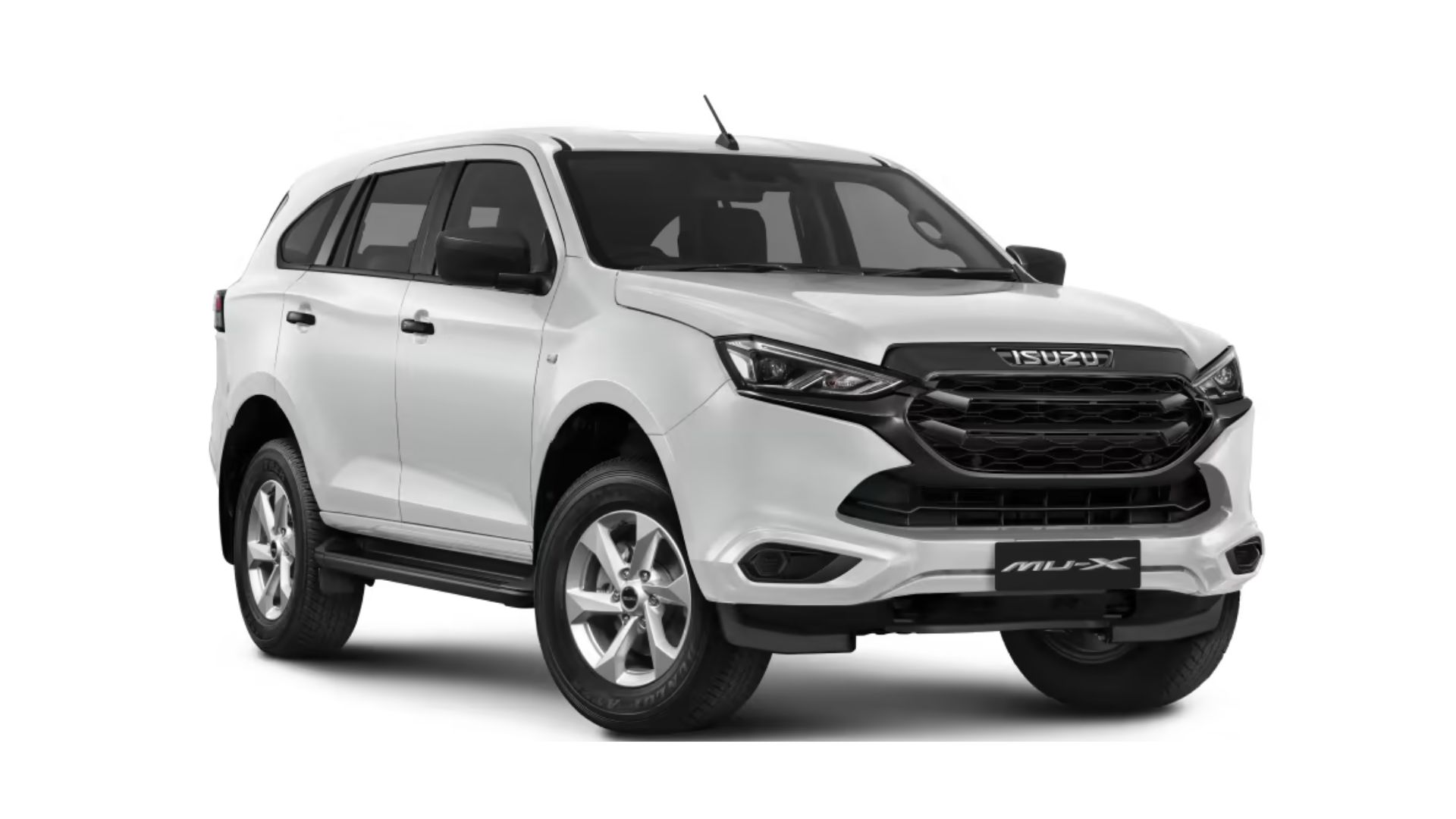
An MPV is like a simple watch. It gets the job done without fuss in the most straightforward manner. An SUV is more like a diver’s watch. It’s nice to have and you’ll probably never reach its 1,000 meter limit, but it’s nice to know that it can handle getting splashed on by a bit of water.