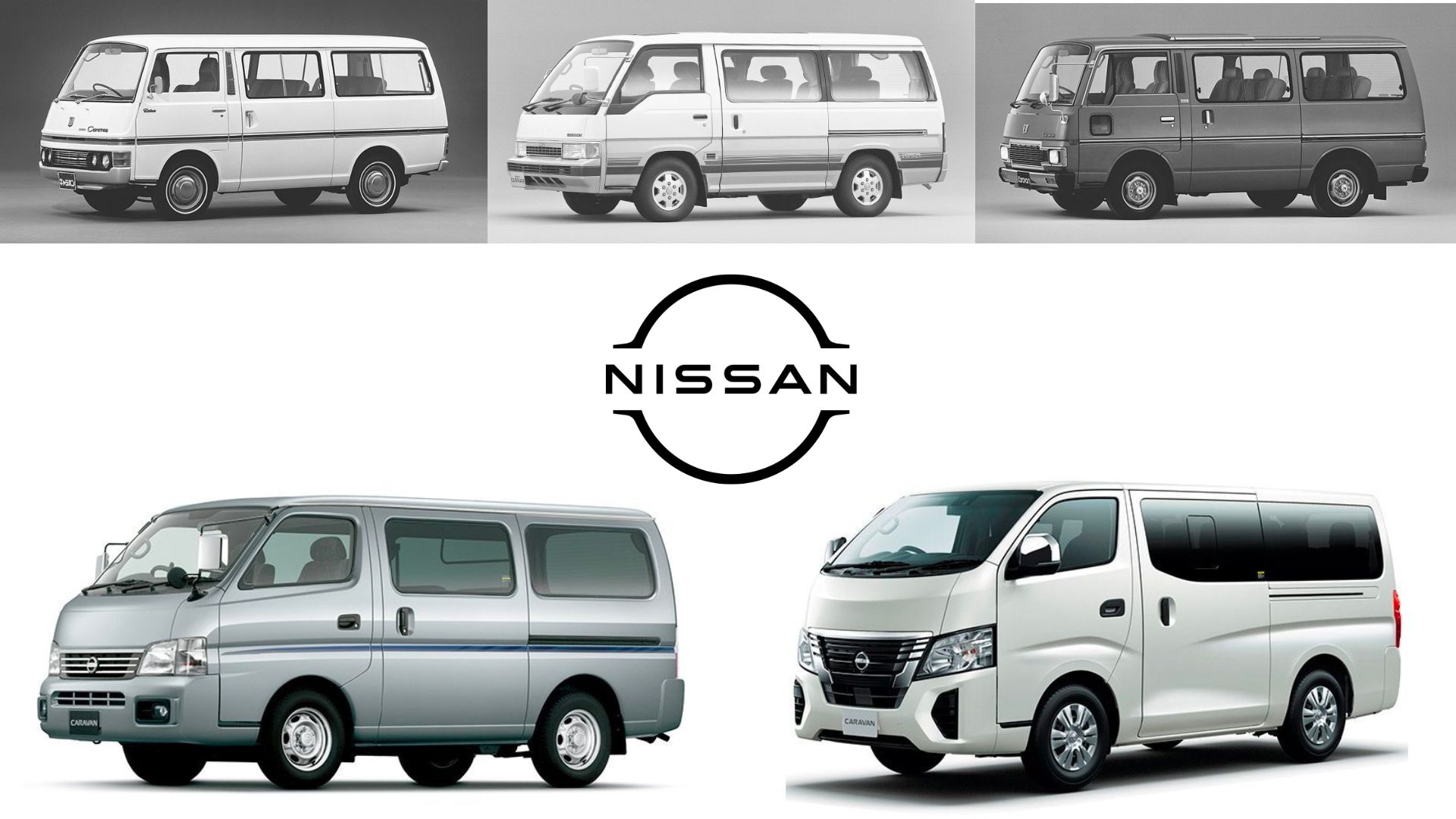

By now, you know that the Nissan Urvan, called the Caravan in its home market, is now 50 years old. It’s one of the few nameplates in the Nissan stable with such longevity. In fact, the van joins the Patrol, Skyline, and Z to be part of the 50 years and up club within the brand.
50 years has given us five generations of the Urvan. Curious to see how it evolved? Read on.
OTHER STORIES YOU MIGHT HAVE MISSED:
The Honda Accord stages its Japanese comeback
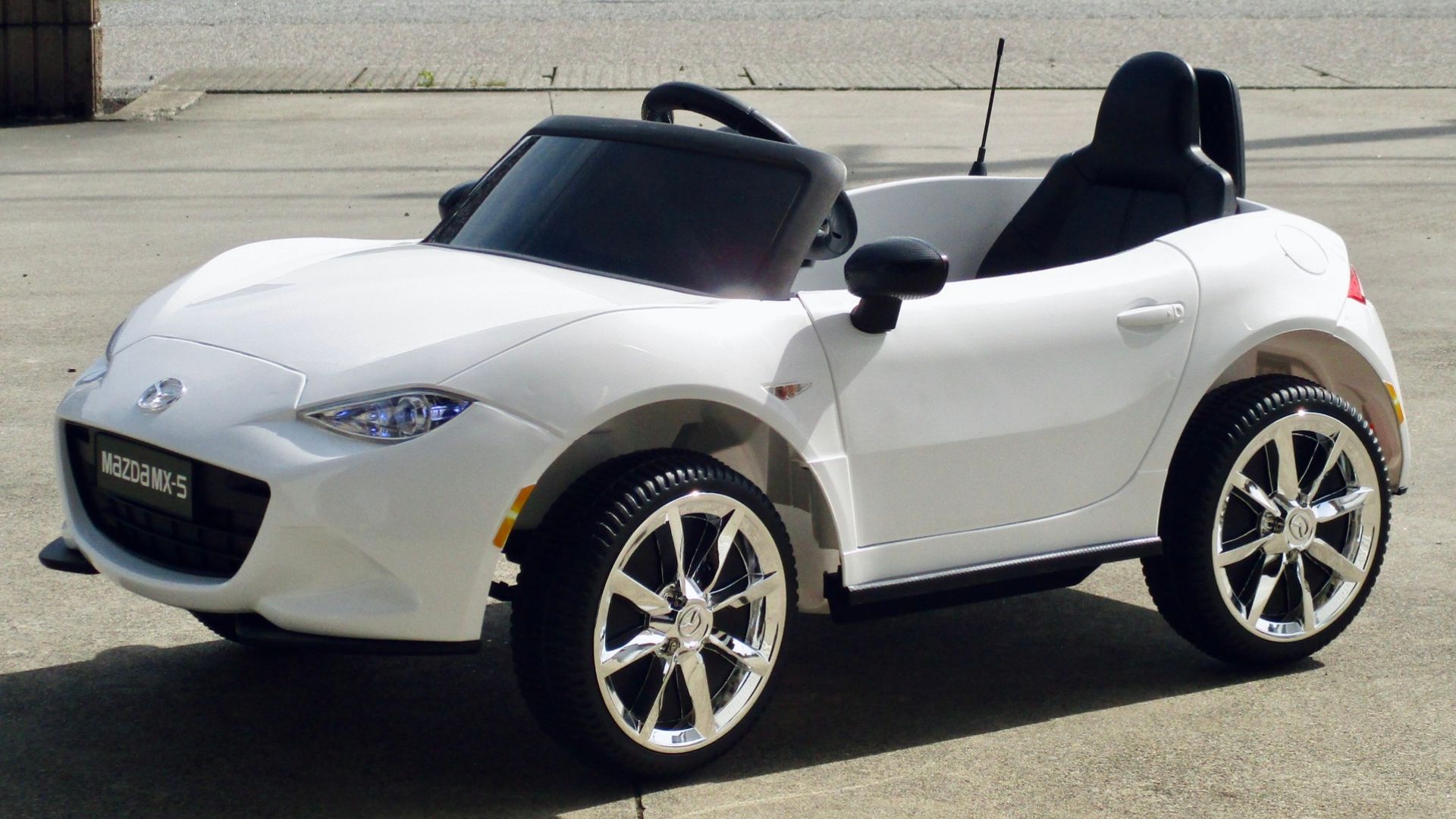
This Mazda MX-5 is perfect for sports car loving toddlers
Nissan Urvan E20 (1973-1980)
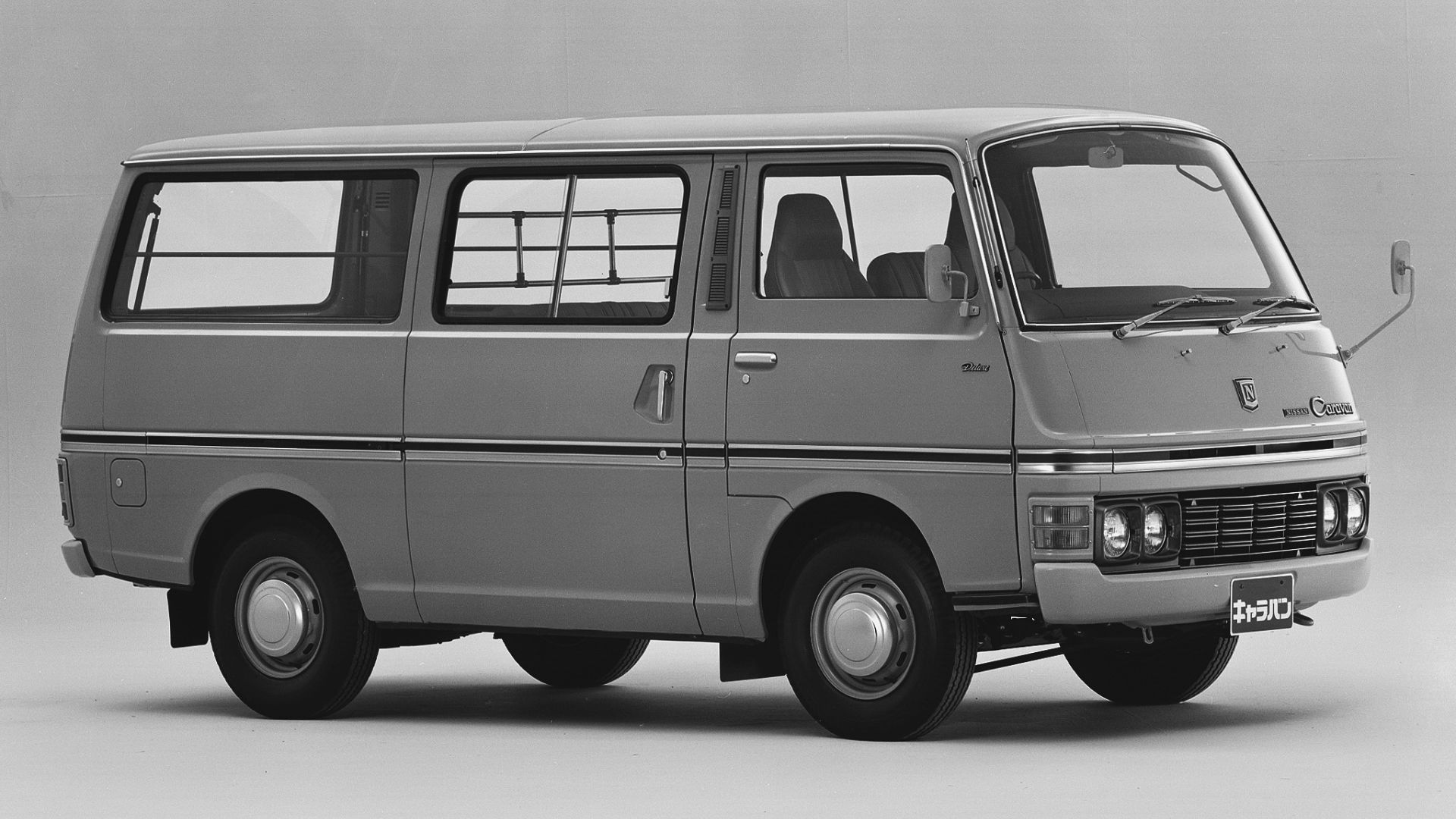
The first-generation Urvan is actually Nissan’s second attempt at a passenger van. The Urvan’s predecessor was called the Prince Homy and known as the Nissan Homer in export markets.
Production began in March 1973 and the original Urvan looked more like a downsized bus than a van. It was large for a Japanese van, too, measuring at over 4.6 meters long. Sure, it doesn’t sound too big these days, but you have to remember that a Japanese executive sedan of the same era is even smaller than today’s subcompacts.
Because of its size, it was favorable to fire, medical, and police services in Japan. It also helped start a 50-year journey as a service and passenger vehicle.
Nissan Urvan E23 (1980-1986)
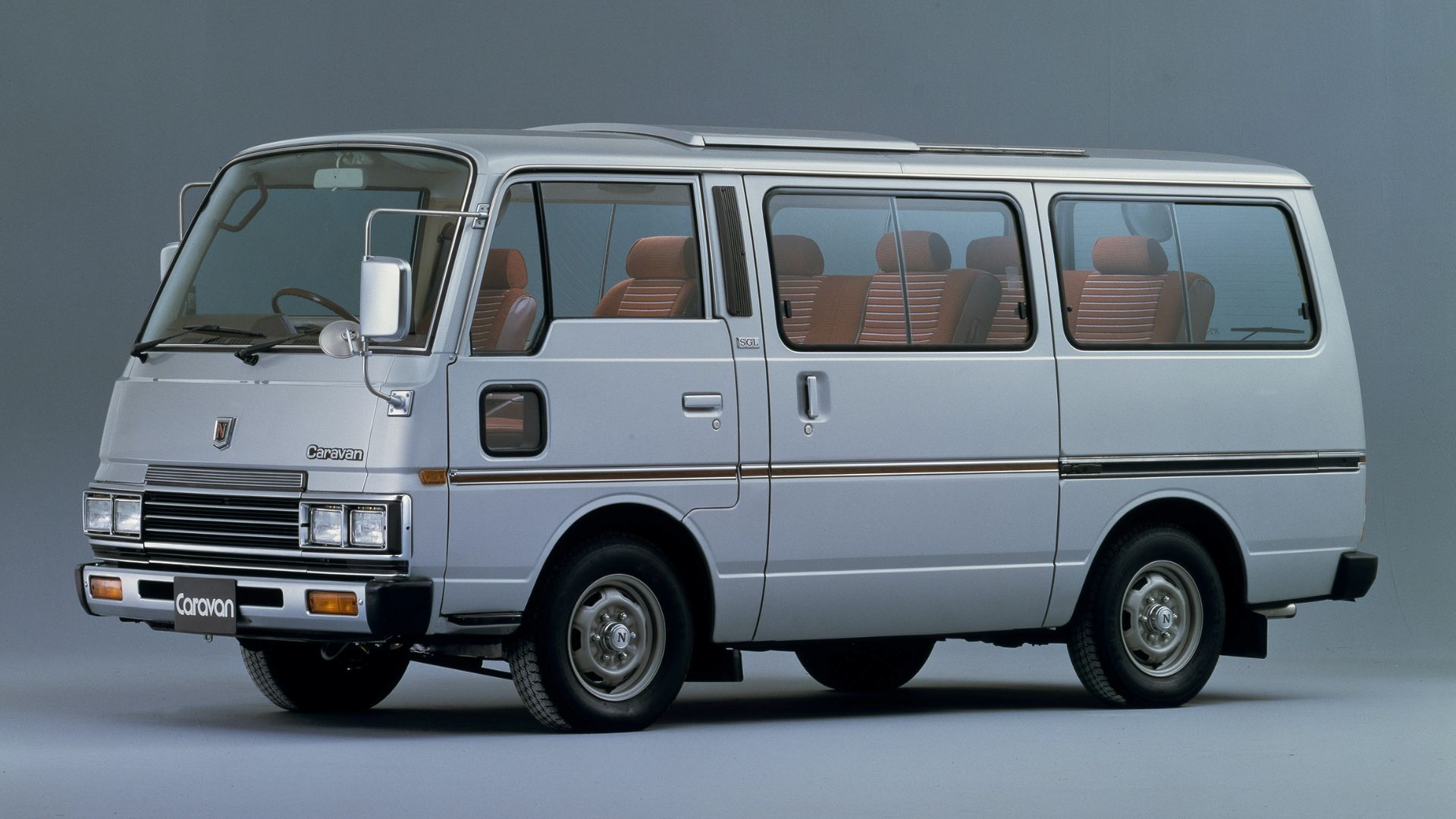
The second-generation model still looked like a downsized bus, but it was actually smaller than its predecessor. It would be a generation of many firsts, and despite the old-school looks, featured innovations fit for its era.
This generation received power steering, an automatic transmission, and most importantly, a turbodiesel engine. By this time, the Uran was becoming available in other parts of the world with its reach expanding.
Nissan Urvan E24 (1986-2015)
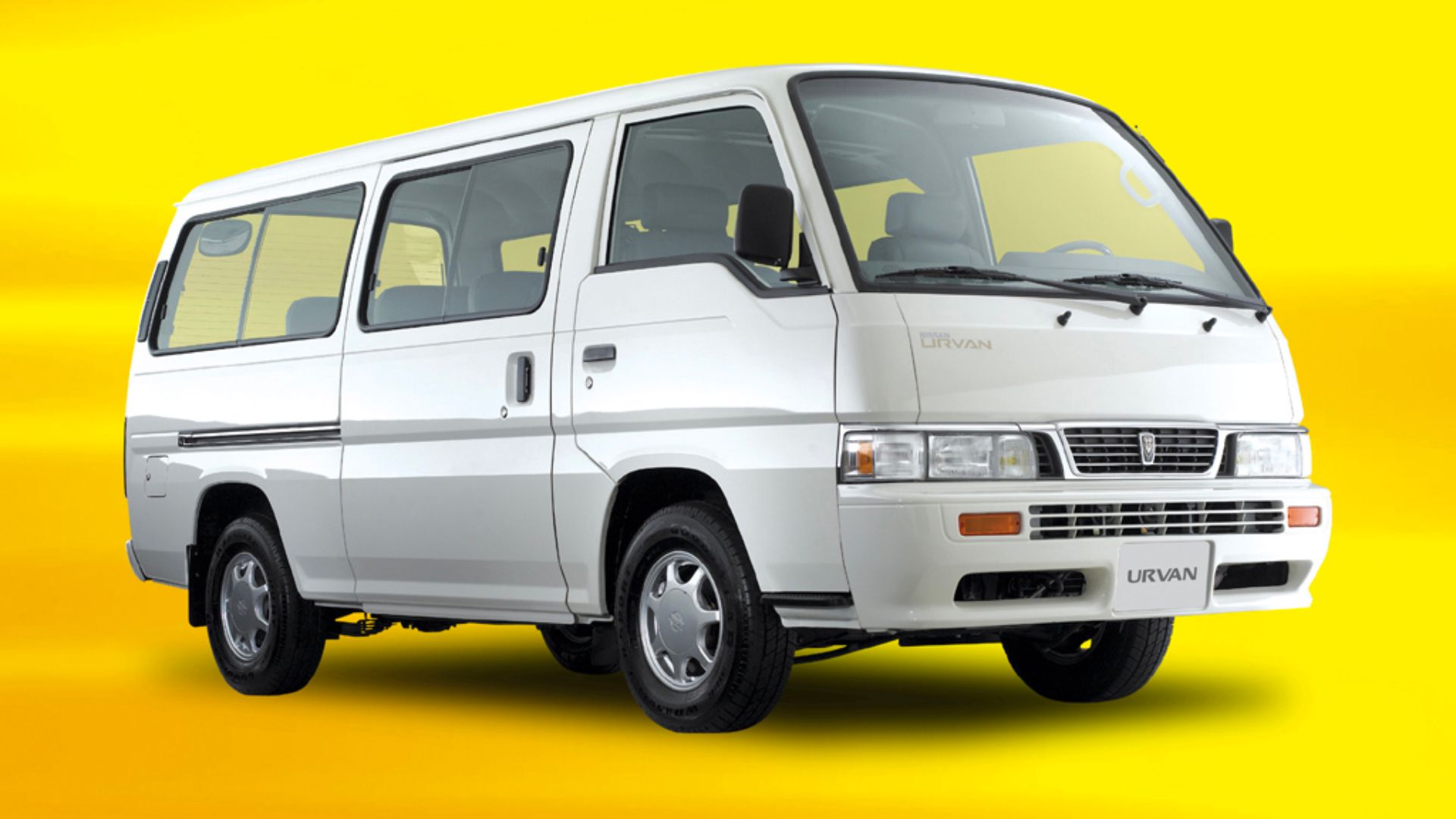
Ah yes, the Urvan most of us are still familiar with. Believe it or not, the third-generation Urvan was a product of the ‘80s. It was sleek (for a van) and far more modern-looking than the last two generations. Production began in August 1986 and would become the longest-running Urvan model by a long shot. 29 years, to be exact.
Because of its longevity, this Urvan saw three different faces. The original models ran from 1986 to 1990. It received a more modern look in 1990 and was given the face we all know in 1995. As for the Philippine-spec model, local production began in 1988. Since then, it has become a popular work vehicle for private and public users. Production wrapped up in 2015, making the Philippines the last country to assemble these vans.
Let’s be real, who didn’t end up riding in one of these during a commute? We did.
Nissan Urvan E25 (2001-2014)
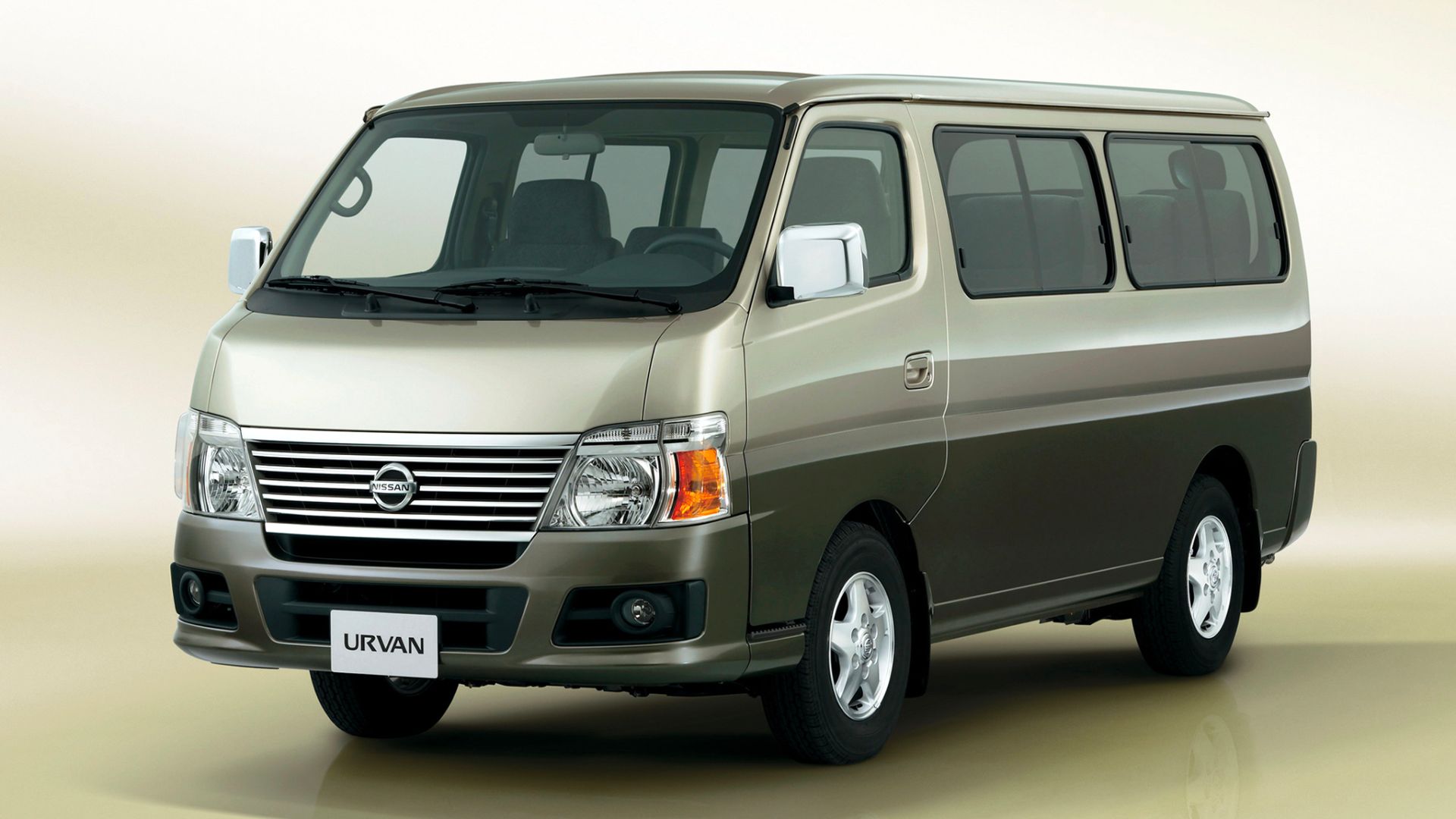
It might have looked like a subtle evolution, but the fourth-generation Urvan was redesigned from the ground up. Boasting an all-new chassis and a beefier 3.0-liter turbodiesel engine, Nissan had more upmarket ambitions for this model, locally at least.
The positioning was reflected in its price, too. It was noticeably more expensive than the older (and still on sale at the time) E24 Urvan. Unfortunately for Nissan at the time, Toyota had given the Hiace a dramatic redesign. The result: The Hiace hugely outsold the E25 Urvan and sales were, in a way, cannibalized by the less expensive and fleet-oriented E24.
It was time for massive change for the Urvan, then.
Nissan NV350 Urvan E26 (2012-Present)
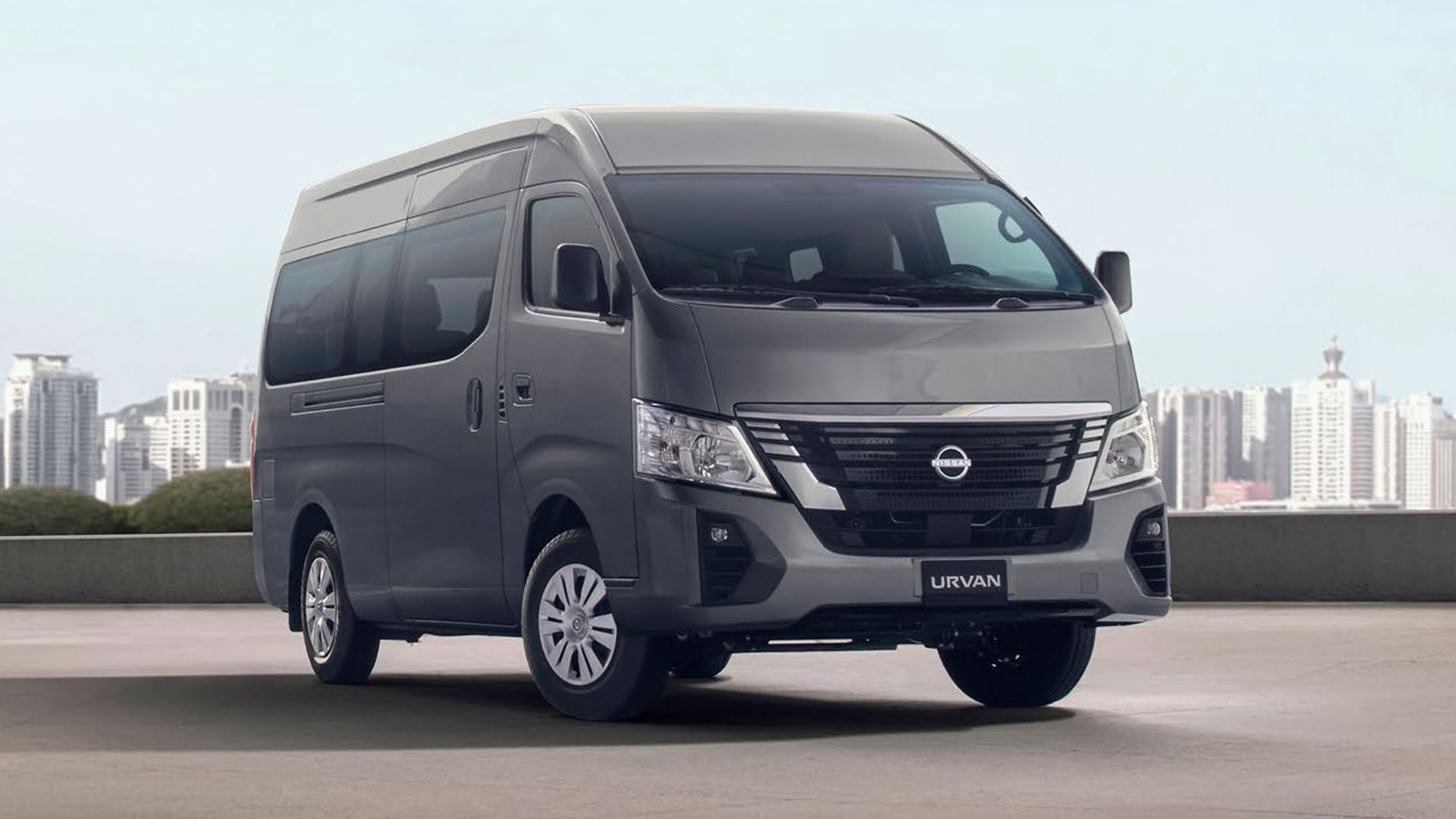
The Urvan finally got the overhaul it deserved in 2012. Some might say it took a page out of the Hiace’s playbook, but the better sales that this model has speaks for itself. In the Philippines, this model arrived in 2015, three years after its Japanese launch.
Locally, Nissan had learned from the previous generation Urvan. Customers now wanted an even wider variety of body styles and configurations for their vans. Now under new management, Nissan responded to that by introducing the Premium versions in long-wheelbase, widebody and high-roof spec. The addition of an automatic transmission also helped boost its appeal to those looking for a van that’s easier to drive. Mind you, it’s still a hugely popular van in Japan, but you could say it bounced back strong in the Philippines.
At the moment, there's no sign of a next-generation Urvan just yet. Then again, vans take a long time before they receive full model changes. It's unsure if the current model will ride out the rest of the decade with no significant changes. However, we could expect a lot from the sixth-generation model.
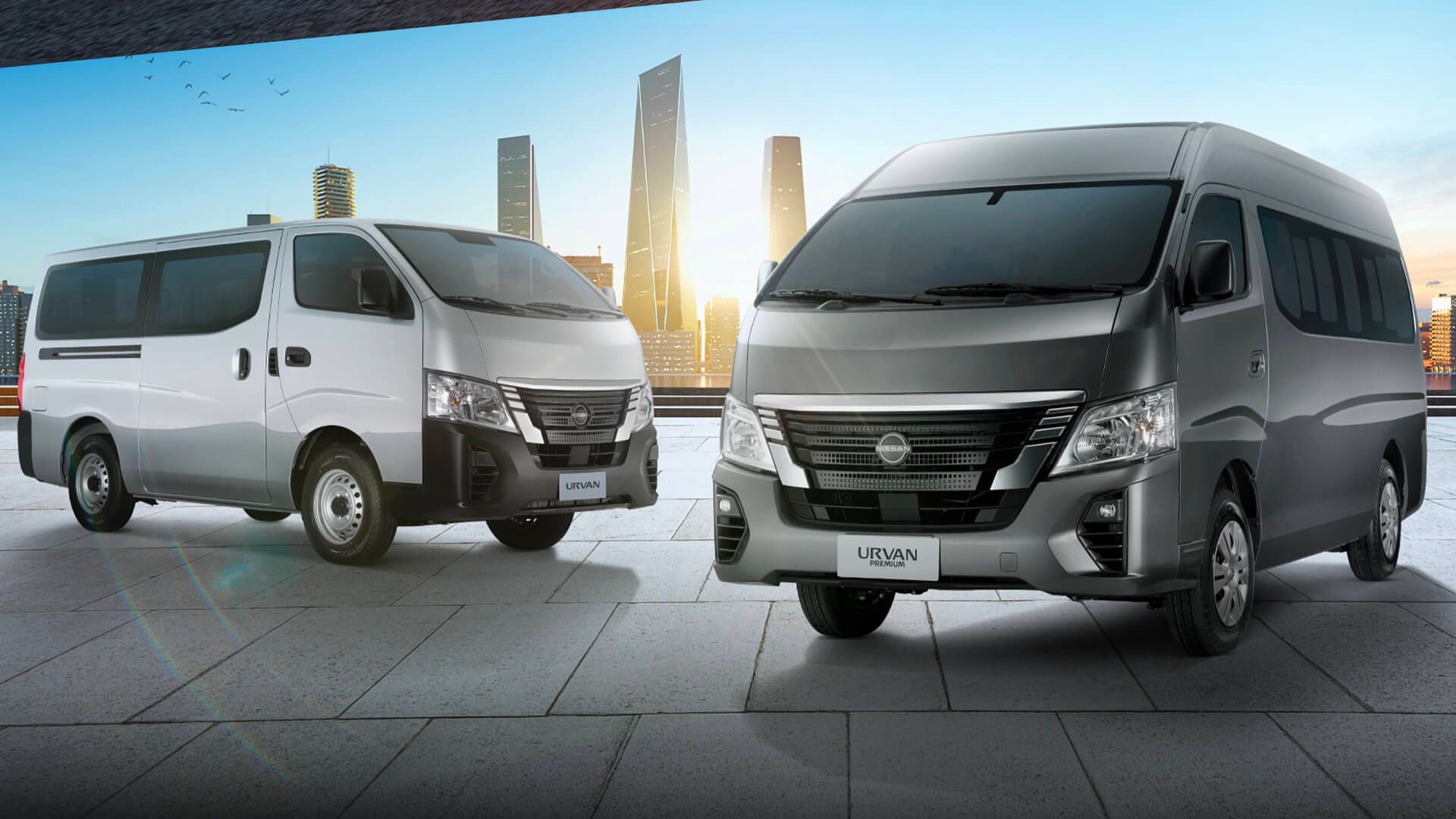
For now though, happy 50th, Nissan Urvan. And here’s to 50 more.