ERRATUM: It has come to our knowledge that BYD’s DM-i models also use their internal combustion engines for propulsion at certain speeds, technically making them fall under PHEVs—but that was before the new EV classifications were issued. We have reached out to BYD Cars Philippines to clarify the official classification of its DM-i models and are still waiting for a reply. In the meantime, we have made the necessary edits to this article to avoid further confusion.
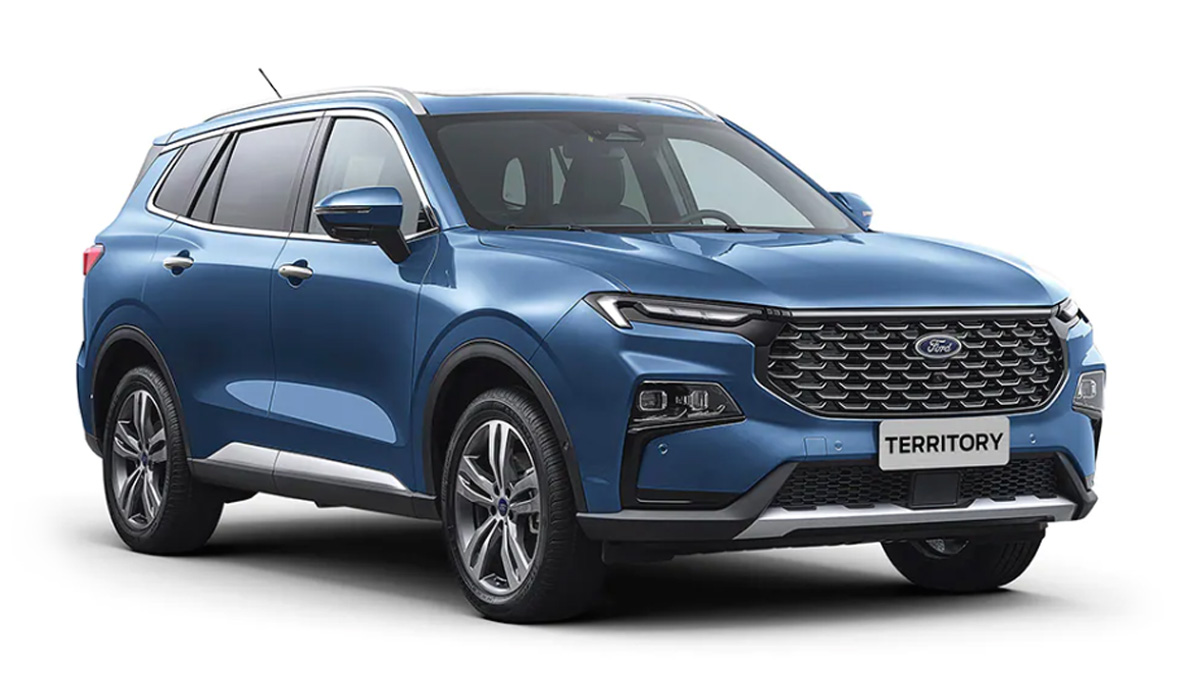
Ford Philippines recently launched the new Territory Hybrid here in our market, and it got the people buzzing. It had an all-new hybrid engine different from the plug-in hybrid available in China. Engagement across social media was high, and a lot of people were talking.
In one of our particular posts, however, I saw a comment that really stood out. Non-verbatim, it went something like “Ford missed out—it should have brought in the plug-in hybrid Territory.” Someone also commented that the BYDs are better since they’re plug-in hybrid electric vehicles (PHEVs). I cracked my knuckles and was ready to start replying in the comments, but I figured a quick explainer would be more helpful.
Before we dive deeper, note that we already have a general guide available based on the Department of Energy Department Circular No. DC2025-09-0015. In the document, it explicitly states different classifications for PHEVs and even range-extended electric vehicles (REEVs), under which series HEVs and series PHEVs fall.
OTHER STORIES YOU MIGHT HAVE MISSED:
Would a workhorse version of the Mazda BT-50 be viable in PH?
Review: 2026 Suzuki Fronx SGX Hybrid
To quote the circular—verbatim this time—it says that PHEVs are vehicles “with a [rechargeable energy storage system or RESS] that can be charged from an external energy source that has tailpipe emissions.” REEVs, meanwhile, are “propelled by an electric motor only with a fueled power source that is solely used for charging the RESS of the vehicle to extend the driving range by generating electricity to recharge the RESS.” The DOE also refers to REEVs as ‘series HEVs’ or ‘series PHEVs.’
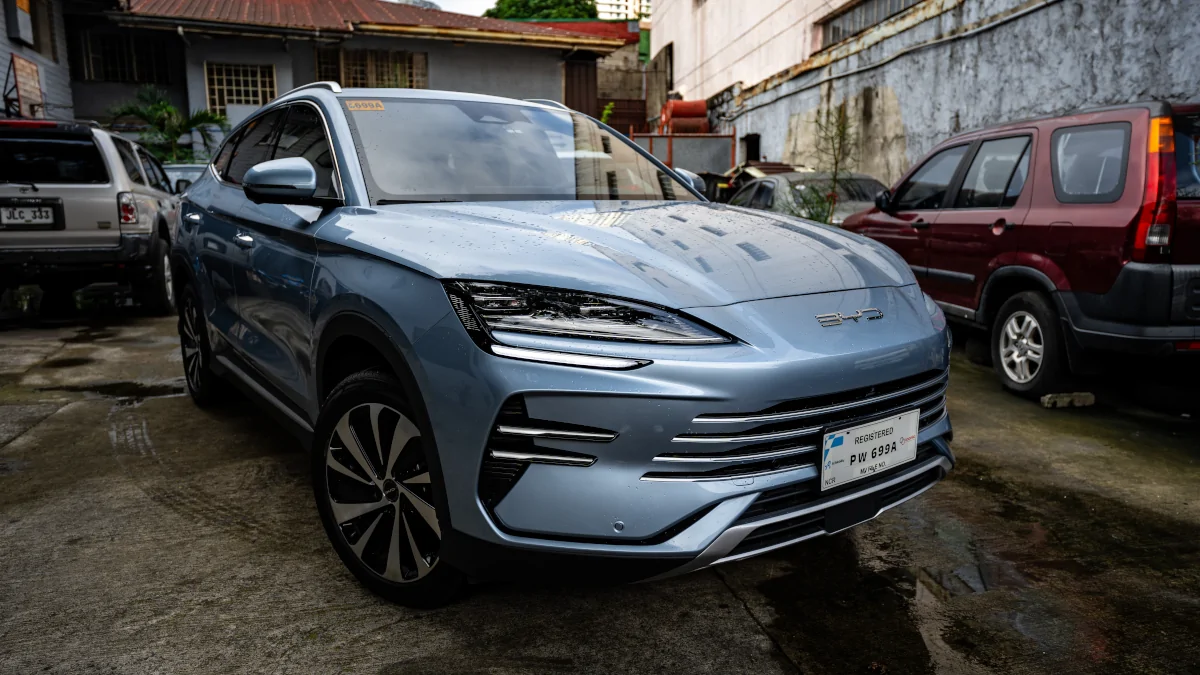
Now, BYD’s DM-i models, such as the Sealion 6 that the Territory competes against, operate differently from the typical PHEV system. The BYDs’ internal combustion engines partially act as range extenders for their hybrid batteries, so in a sense, they act like REEVs—specifically, series PHEVs.
However, for REEVs and series PHEVs, you have the gasoline engine constantly charging the battery, but never directly driving the wheels. In the BYD DM-i models, the ICEs can still also drive the wheels at higher speeds or when the electric motors need assistance and extra power, which makes it not an REEV, but overall, the system is still different than that of the Territory PHEV.
In the Nissan Kicks e-Power and the Aito M9, they’re both REEVs. The difference between the Nissan and the Aito, however, is that the former cannot be plugged in and charged; hence, it is called a series HEV.
Now, let’s talk about the Territory PHEV. It has a typical plug-in hybrid system, wherein both the engine and the electric motor drive the wheels, and its EV battery can be charged by plugging it in. However, a PHEV cannot realistically charge itself without being plugged in, as the engine only charges the battery enough to run it in hybrid mode. So once the juice on that EV battery runs out, you’ll be left solely with the internal combustion engine to move the vehicle. In a sense, it behaves like a fully electric vehicle when it’s charged, and a typical petrol-powered car when it’s not.

Now, going back to the Territory comments: Had we gotten the PHEV version, most of you who assumed the BYDs had the same electric powertrain would have been very disappointed. A plug-in hybrid Territory is nice and all, and it has its benefits, but at least compared to the use case of the Sealion 6, wherein you don’t need to charge your vehicle all the time to maximize the range, it wouldn’t stand a chance. Especially since BYD has already established a foothold in our market with these DM-i models.
At least the Territory Hybrid we got promises well over 1,000km of range with one full tank. The Sealion 6 DM-i’s powertrain is still more versatile in the sense that you can use it completely as an EV if you charge often enough, but at least when you’re talking maximum range with a full battery and a tank full of petrol, they’ll match up quite nicely.
This can all get confusing, we know, but at least this should help settle it. Anytime someone confuses an REEV with a typical, non-series PHEV, you can better explain now. Or better yet, send them this article. They’ll thank you later.