When we’re talking new energy vehicles or NEVs, it’s easy to distinguish between purely petrol-powered cars and electrified vehicles. Where it starts to get complicated is when you look specifically at EVs and talk about what type of EV a certain model is.
Is it a fully electric vehicle? Or is it a hybrid? If it’s a hybrid, what type of hybrid is it? A plug-in? A range-extended one? These may seem like mundane questions, but for the regular car buyer with minimal knowledge about this, these can ultimately affect the final decision-making process.
How one vehicle is described and interpreted, however, varies from one market to another. That’s why for our sake, we’ll be sticking with the Department of Energy’s guidelines on EV classification. Under DOE Department Circular (DC) No. DC2025-09-0015, which amends DC No. 2023-05-0012, there are now six classifications of electric vehicles here in the Philippines.
We’ll run each one of them down below so you, as readers and potential customers, are properly informed. But first, we’ll list a few relevant terminologies from DOE DC No. DC2025-09-0015, which we’ll be following for the purposes of this article:
- Electric vehicle – refers to a vehicle “with at least one electric drive for vehicle propulsion
- Electric drive – refers to “the combination of an electric traction motor, power electronics, and their associated controls for the conversion of electric energy into mechanical energy, and vice versa”
- Electric Machine – refers to “an energy converter that can operate as an electric motor, an electric generator, or as an electric motor-generator”
- Electric motor – refers to “an electric machine transforming electrical energy (input) into mechanical energy (output)”
- Electric generator – refers to “ an electric machine transforming mechanical energy (input) into electric energy (output)”
- Electric motor-generator – refers to “ an electric machine transforming electric energy (input) into mechanical energy (output) and vice versa”
- Rechargeable Energy Storage System or RESS – refers to “ a rechargeable system that stores energy for delivery of electric energy for the electric drive; examples are batteries, capacitors, and flywheels”
- Traction battery – refers to “ all battery packs that are electrically connected for the supply of electric power to the electric drive and ot the conductively connected auxiliary electric system, if any”
ALSO READ:
10 Common causes of road crashes in the Philippines
Quick guide: How to renew your driver’s license online through the eGovPH app
1) Battery EVs or BEVs
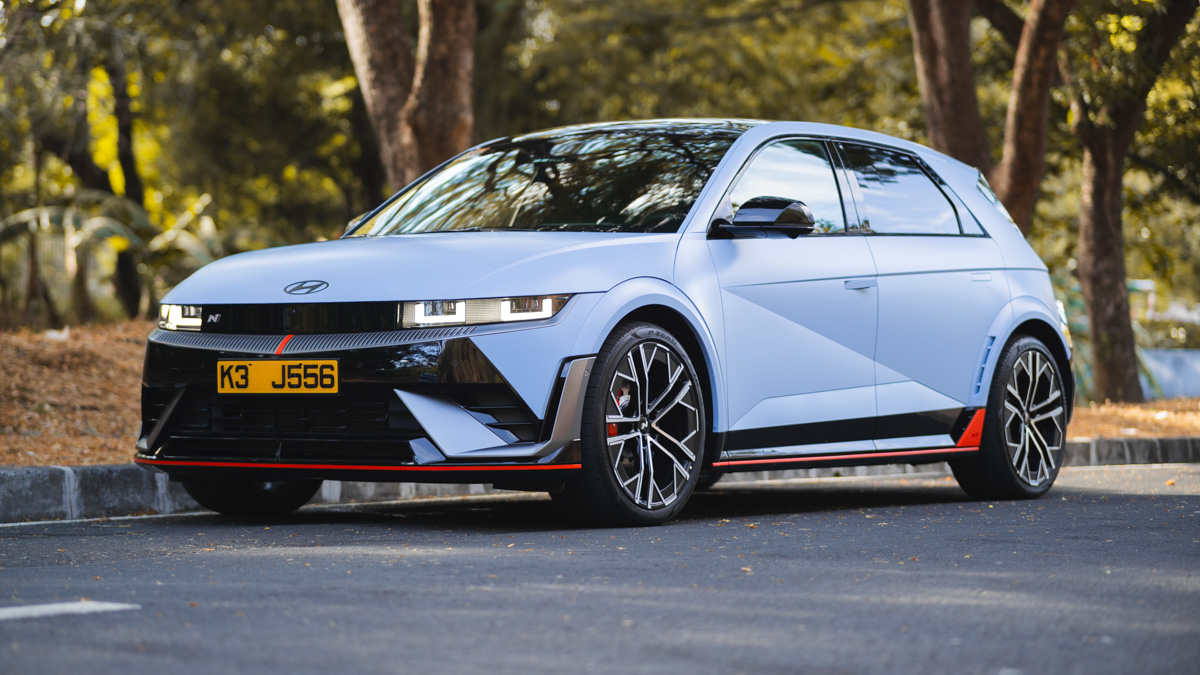
The DOE categorizes BEVs as vehicles “with only a traction battery as power source for vehicle propulsion.” Examples of these are the likes of the Hyundai Ioniq 5 and Ioniq 6, the Kia EV6 and EV9, the Volvo C40, the BMW iX, and the BYD eMax7. Just to name a few.
2) Hybrid EVs or HEVs
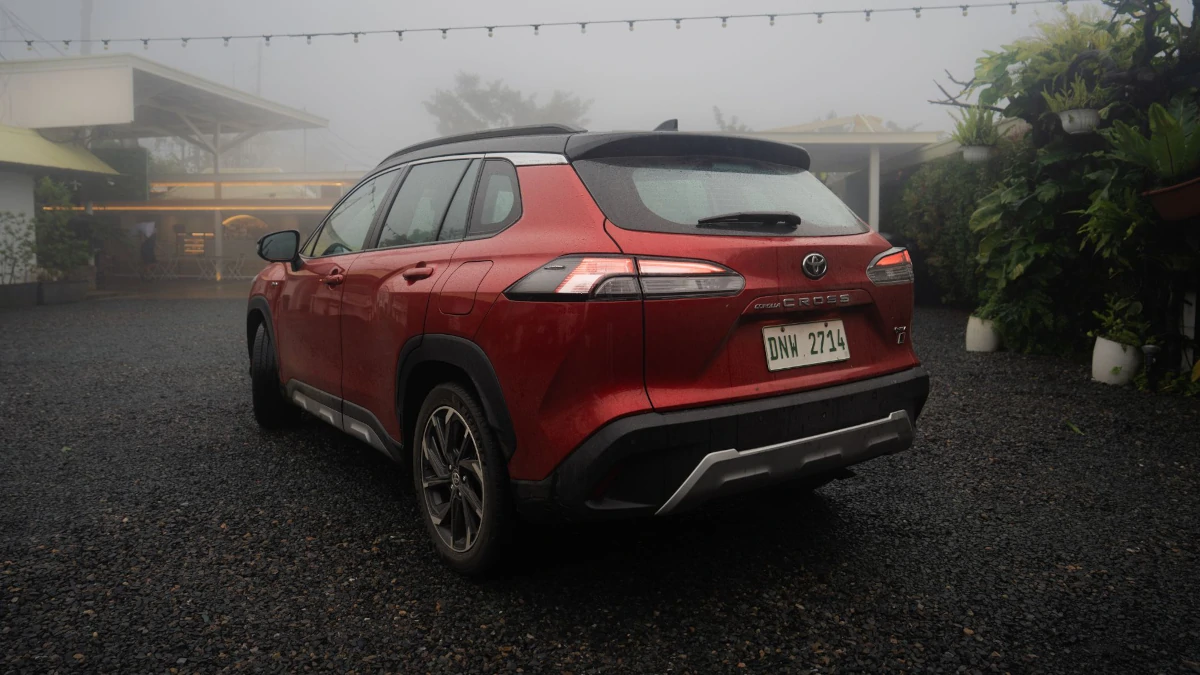
HEVs are vehicles with both an RESS and a fuel-powered source for propulsion and have tailpipe emissions. This is provided that it “must be able to propel itself from a stationary condition using solely an electric motor.”
The usual series-parallel hybrids we know of, like the ones from Toyota and Honda, fall under this category. The newly launched Ford Territory Hybrid is also one of these HEVs.
3) Light EVs or LEVs

These are micromobility solutions “that provide alternative modes of transportation, which include electric scooters, electric bicycles, electric personal transport, and other similar vehicles.” They must also weigh less than 50kg. The Sundiro Honda S07 is a good example of an LEV.
4) Plug-in Hybrid EVs or PHEVs
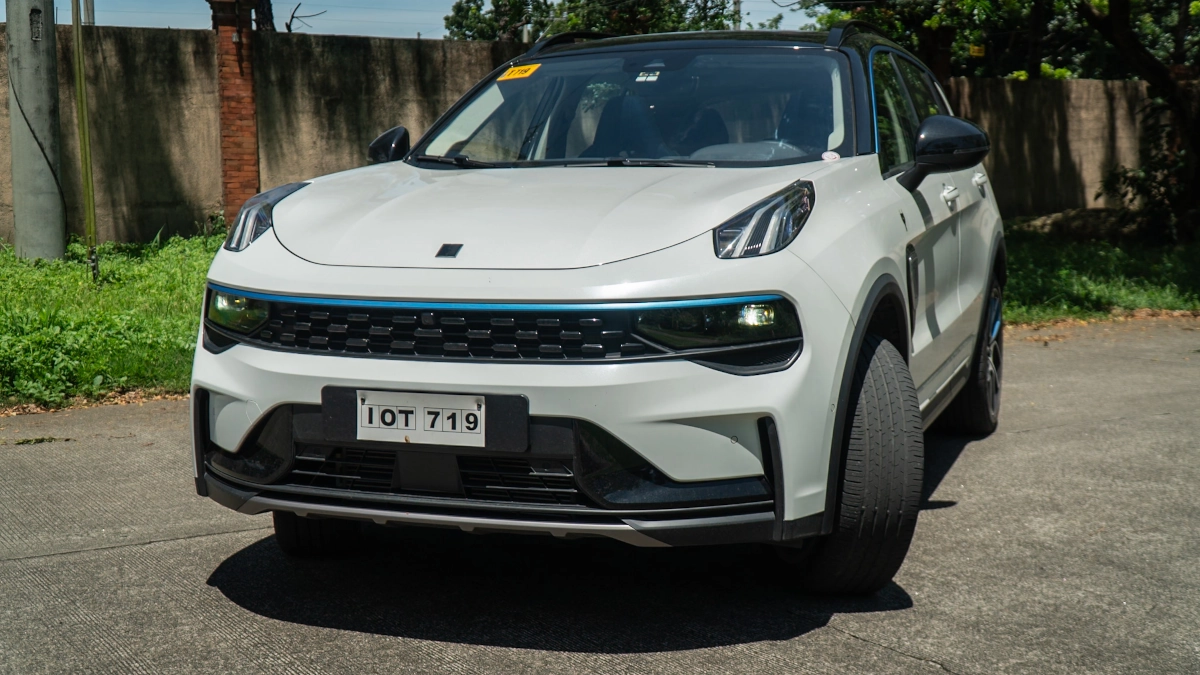
PHEVs are referred to as vehicles “with a RESS that can be charged from an external energy source” and have tailpipe emissions. These are different from the DM-i models from BYDs, however, as they now fall under a different classification, specifically range-extended EVs—read more on that here.
The DOE also calls PHEVs as ‘off-vehicle-chargeable HEVs’ or ‘externally chargeable HEVs.’ Some examples are the Lynk & Co 01 and the Mitsubishi Outlander PHEV.
5) Range-Extended EVs or REEVs
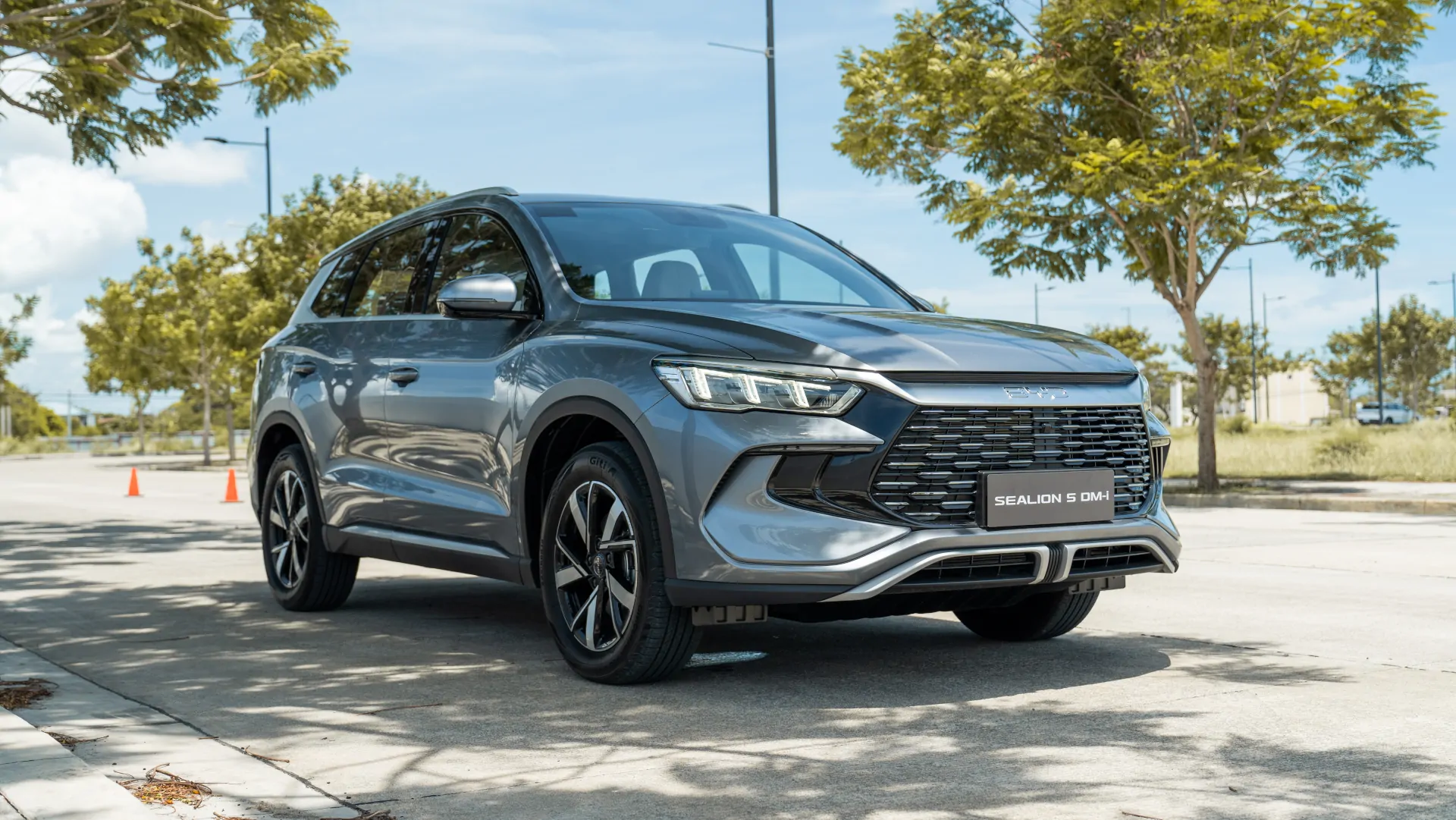
REEVs are vehicles “propelled by an electric motor only with a fueled power source that is solely used for charging the RESS of the vehicle to extend the driving range by generating electricity to recharge the RESS.” The difference between this and plug-in hybrid EVs is that the role of internal combustion engines in a PHEV is to propel the vehicle’s wheels, not charge its battery.
Also, by the DOE’s definition, REEVs can be series HEVs or series PHEVs. This means the BYD Sealion 6 DM-i or Sealion 5 DM-i are both technically REEVs, but so is the Nissan Kicks. It can get confusing, so let’s dive deeper in a separate story.
6) Fuel Cell EVs or FCEVs
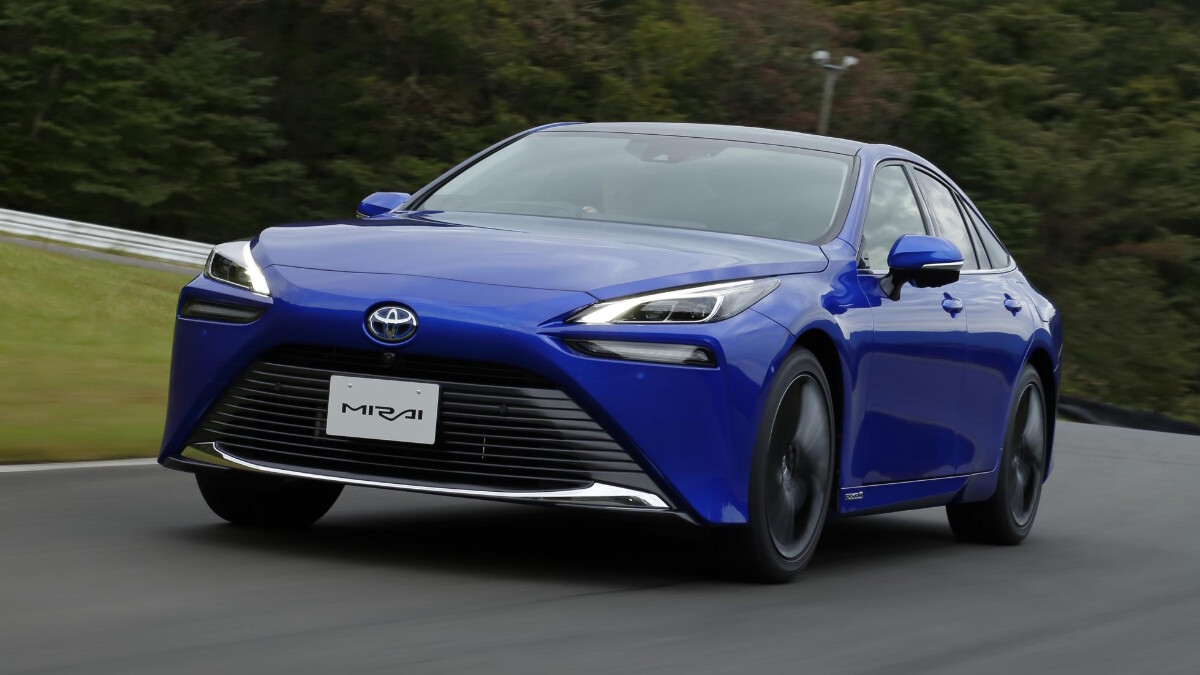
FCEVs are EVs “with no tailpipe emissions that use a fuel cell to generate electricity to power their electric motor for propulsion.” This is perhaps a completely foreign term for a lot of Filipinos. FCEVs still aren’t mainstream even in bigger markets, after all, and we doubt we’ll be seeing them in our country anytime soon. But just for your information, examples of FCEVs are the Hyundai Nexo and the ever-famous Toyota Mirai pictured above.