
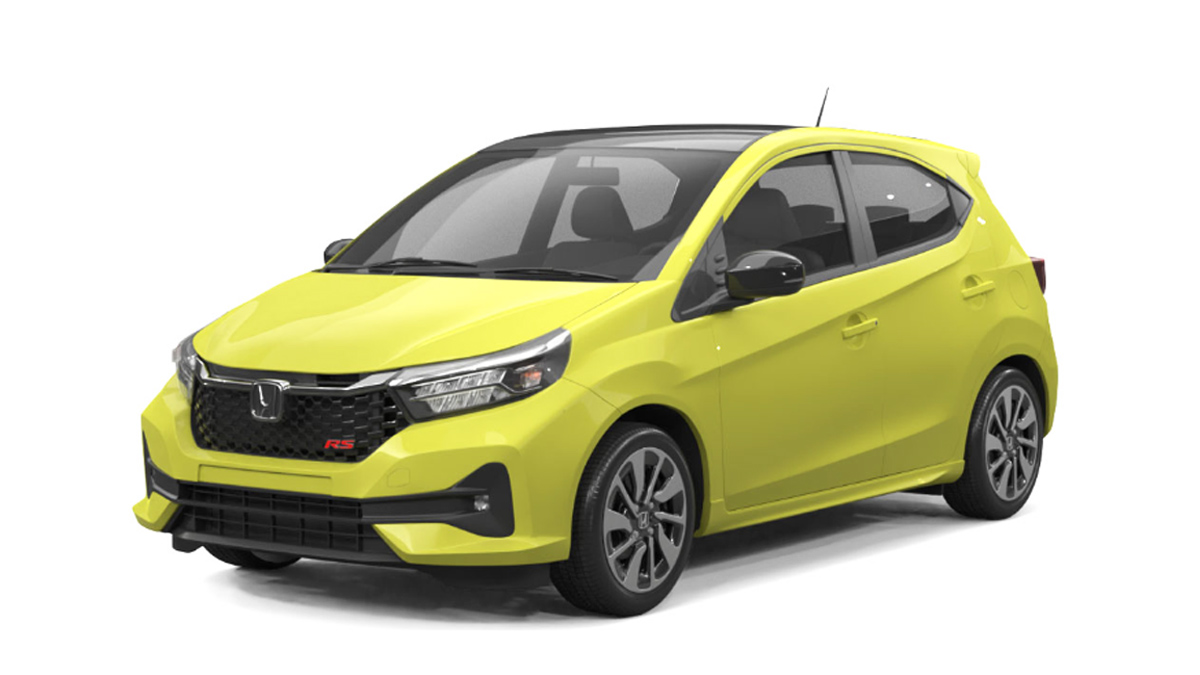
For a small country, we love our big cars. Perhaps it’s the influence of the Americans from back in the day, or probably the mindset of ‘more seats=better.’ But the reality is, we drive alone for most of the time, so we’re just carrying around a lot of bulk as we go along our business.
But over in other countries, particularly in Europe, things are a little more, well, sensible. If anything, you see far more people in small hatchbacks than midsize SUVs and crossovers. Of course, that’s down to the eye-watering gas prices there, high cost of registration, insurance, and the generally expensive nature of keeping a bigger vehicle on the road.
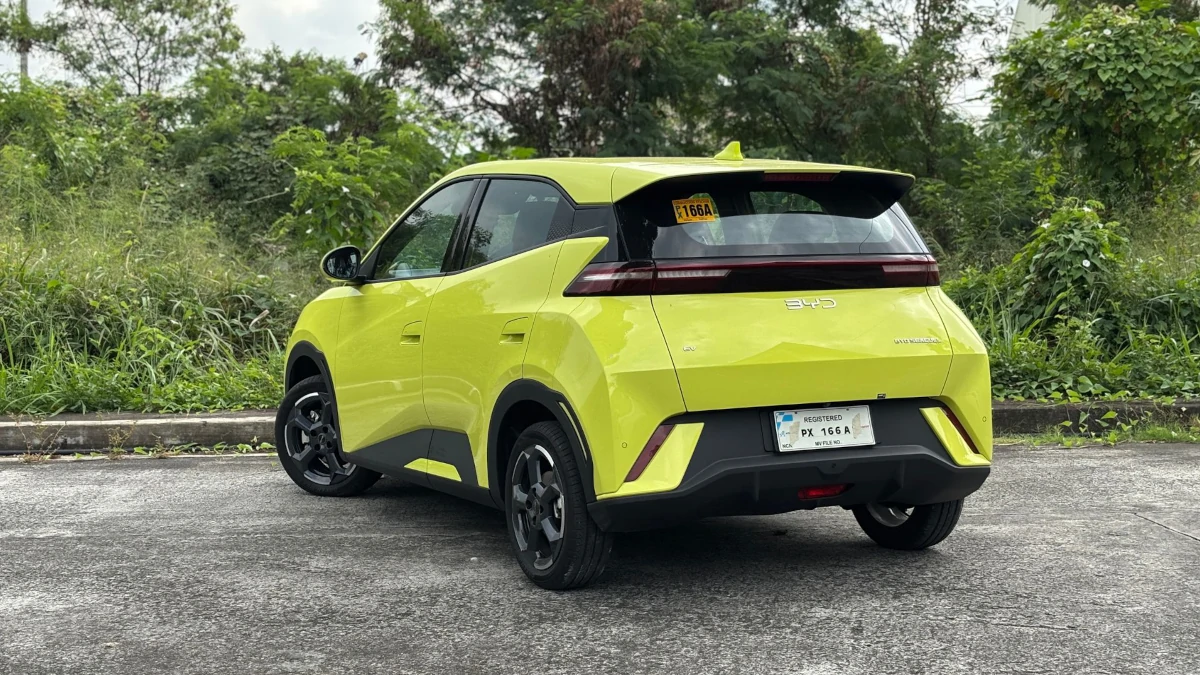
With that, we went on a big car detox and used a pair of hatchbacks for a small experiment. Can subcompact hatchbacks really handle family duties? Sure, they’re not MPV-spacious, but surely, it can do some of it, right?
OTHER STORIES YOU MIGHT HAVE MISSED:
DOTr aims to launch the Love Bus nationwide by year-end
Mercedes-Benz to add Microsoft Teams in cars because there aren’t enough meetings in a day
The test subjects
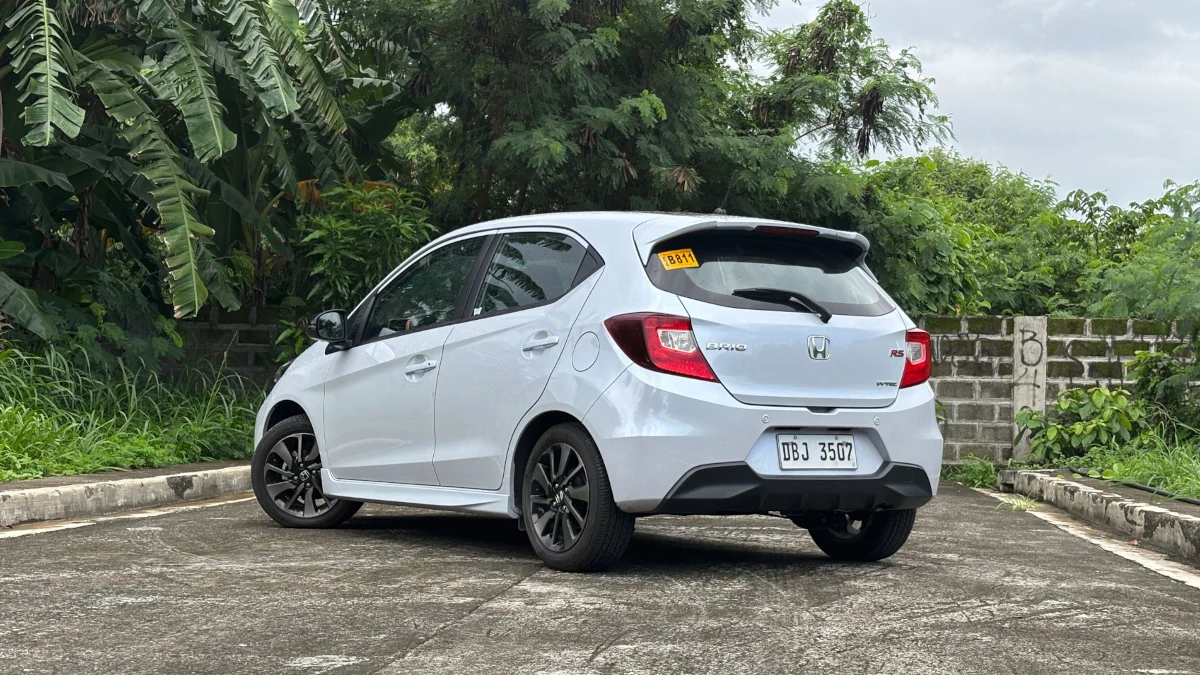
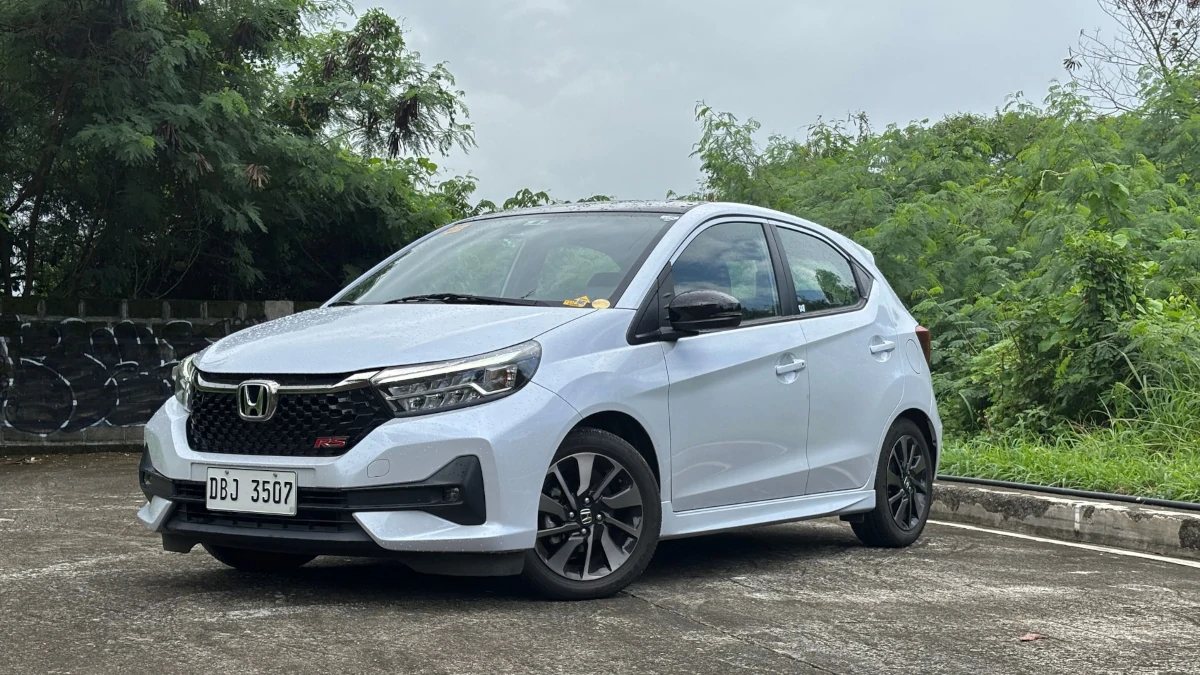
For this little experiment, we decided to try out two pint-sized hatchbacks, one of them being the Honda Brio RS. Sure, it’s not the freshest design around, but it’s actually one of the more spacious subcompacts out there. And while it didn’t win our Big Test against the Toyota Wigo a couple of years ago, we still thought the Brio was a more spacious car. In other words, we’re giving it the small hatchback the best possible chance at succeeding.
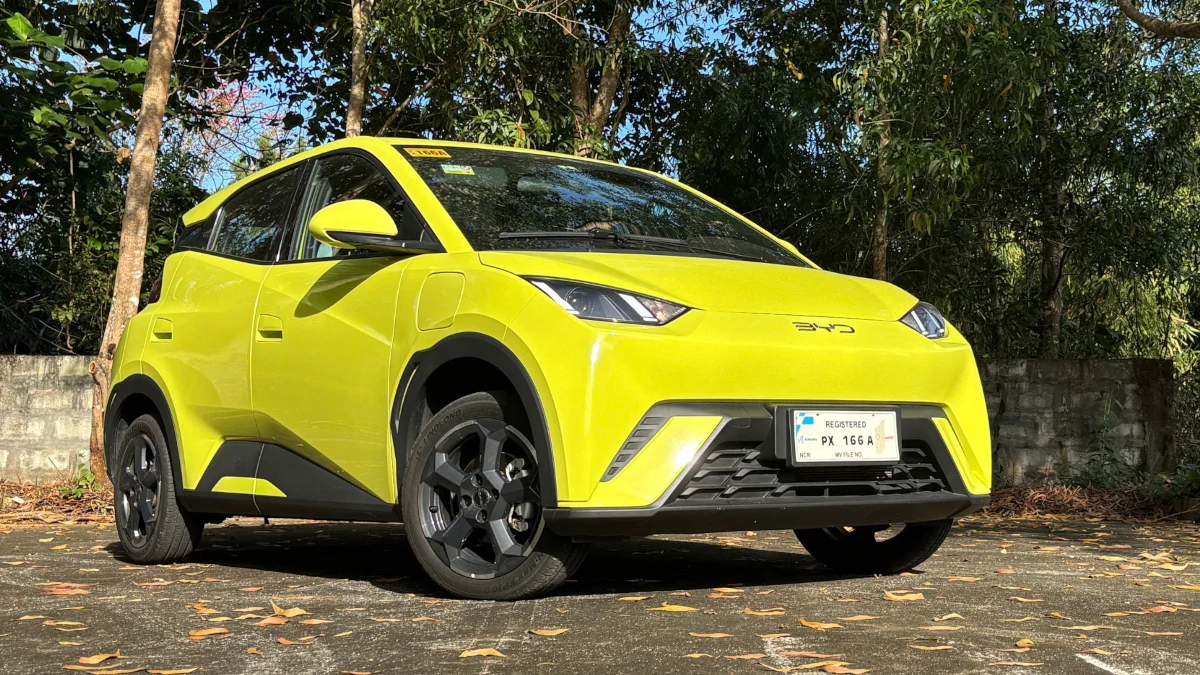
On the other corner, there’s the thoroughly modern BYD Seagull. Granted, it’s not the cheapest small hatch out there (ditto the Brio), but the little car has been an endearing runabout. Plus, the Lambormini looks are part of the appeal, along with the promise of lower running costs since, well, there’s no engine.
Back seat test
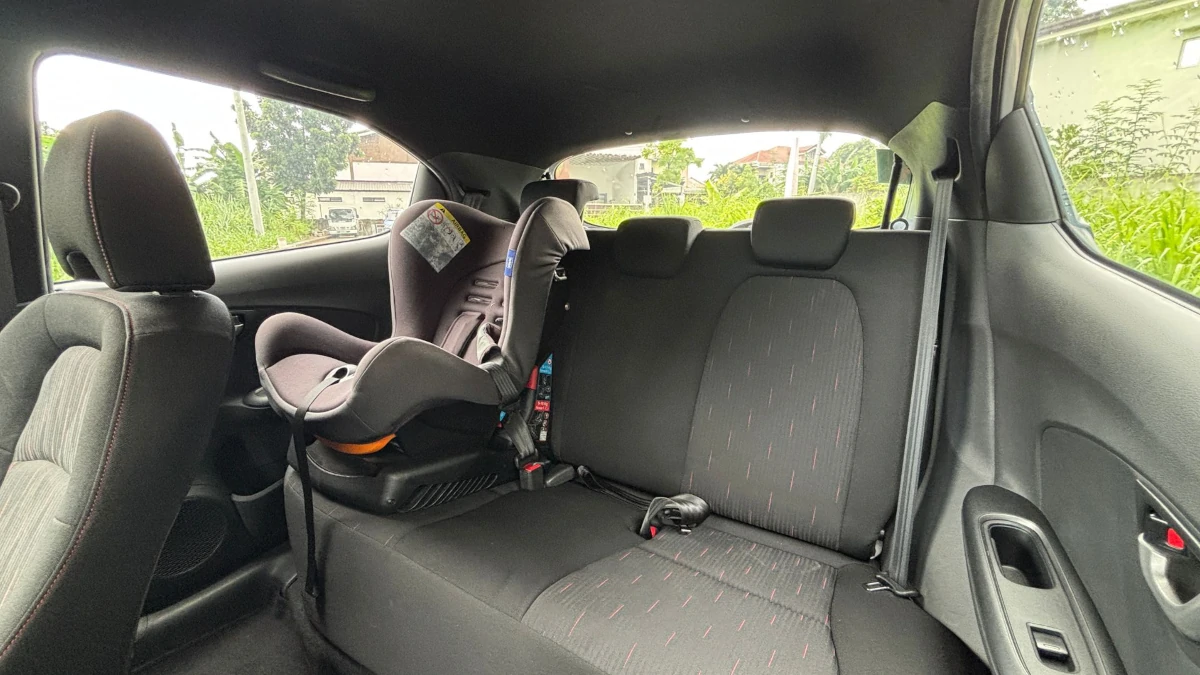
Small kids are no problem at the back, right? Well, we’d rather put them in a child seat for better safety. Yes, they’re bulky, but you’d rather have your child in a safer spot, right? Also, their relative chunkiness means it’s a more demanding test for space.
For these cars, it’s worth pointing out that the front seat has to be slid forward for easier access for said seat, as well as legroom for your toddler. It’s no problem if both parents are petite, not so much if they’re vertically blessed. Still, it has to be said that putting the seat in is relatively easy thanks to their tall roofs.
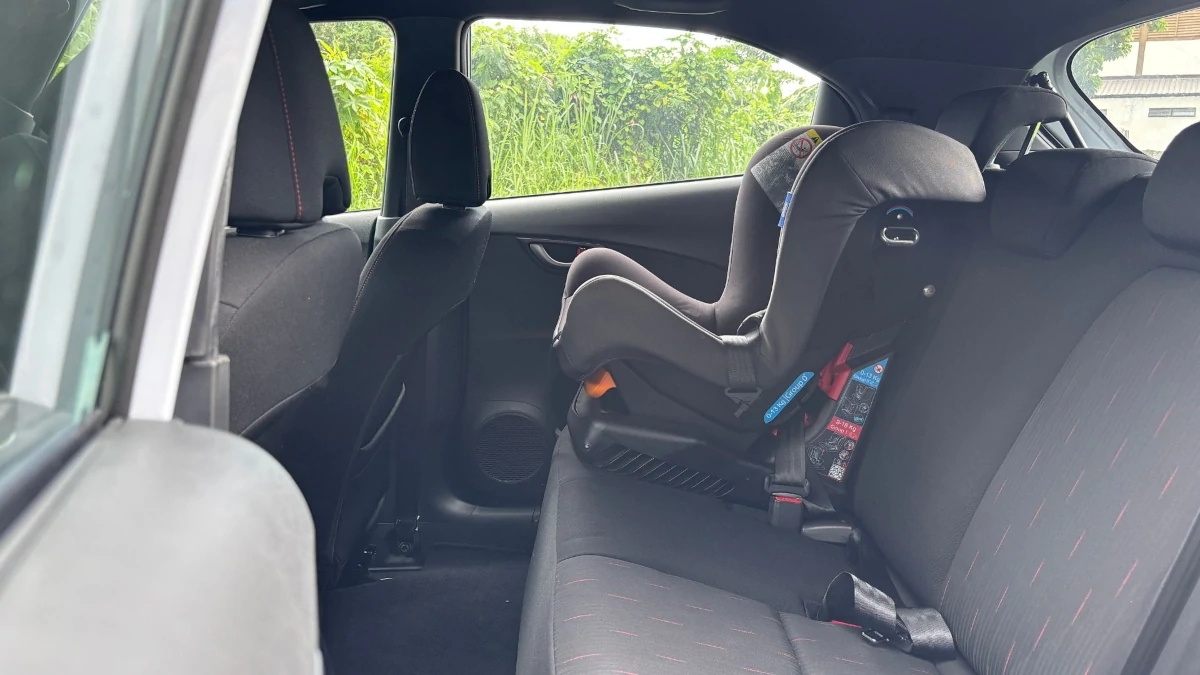
With a child seat in place, these cars are four-seaters at best. However, the same could be said about larger compact sedans and crossovers, so there’s not much of a penalty there. In all honesty, you’d need something as wide as a Hyundai Santa Fe or a Chevrolet Tahoe to be able to fit two adults plus said child seat.
There is, obviously, less wiggle room to move about, but in the case of the Honda Brio, it’s not too bad. There’s still adequate legroom and headroom, and the flat floor makes all the difference. In the BYD Seagull, the thick front seats eats up a fair bit of space, but it’s still comfortable enough. We still think there’s more legroom in the Brio, though.
Stuff in the trunk
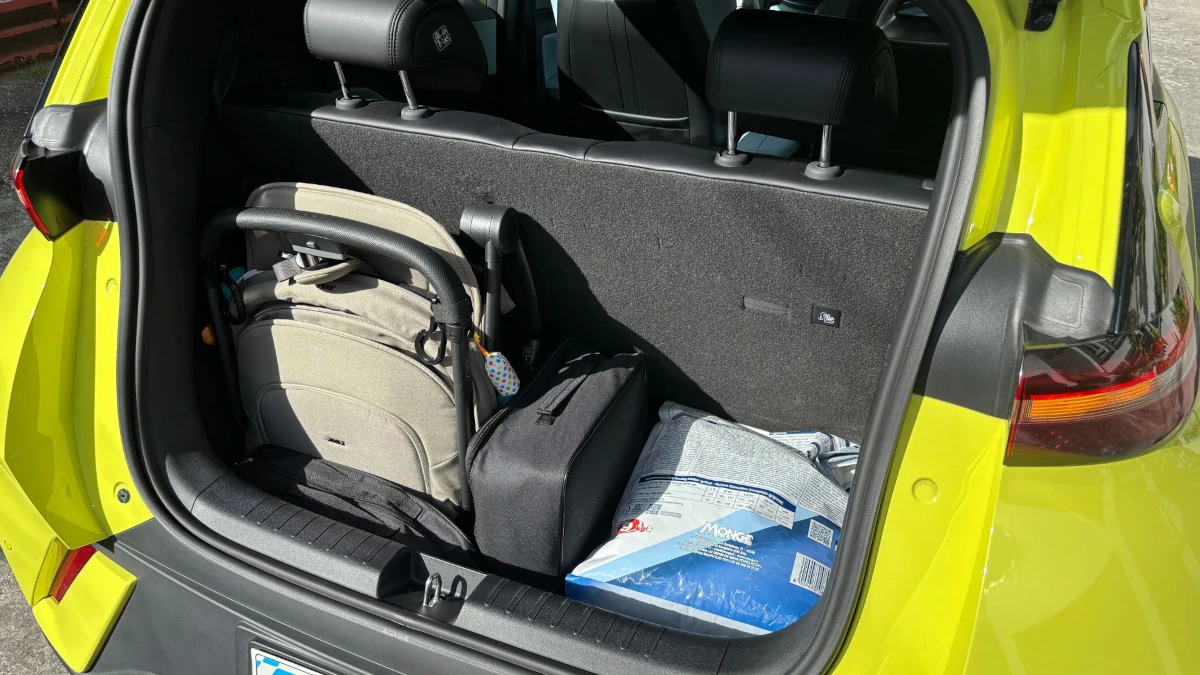
Obviously, these cars can’t carry as much stuff as an Innova, but don’t let their diminutive dimensions fool you. It was a genuine shock as to home much these cars can carry despite being less than four meters long each.
The BYD Seagull can easily fit in a baby stroller, but there’s still enough room for a bit of groceries or, in our case, a 9kg bag of dog food with a little bit of room to spare. Okay, the bags for the charging cables take up some room, but move them aside or place them somewhere else in the car and there’s still enough space back there.
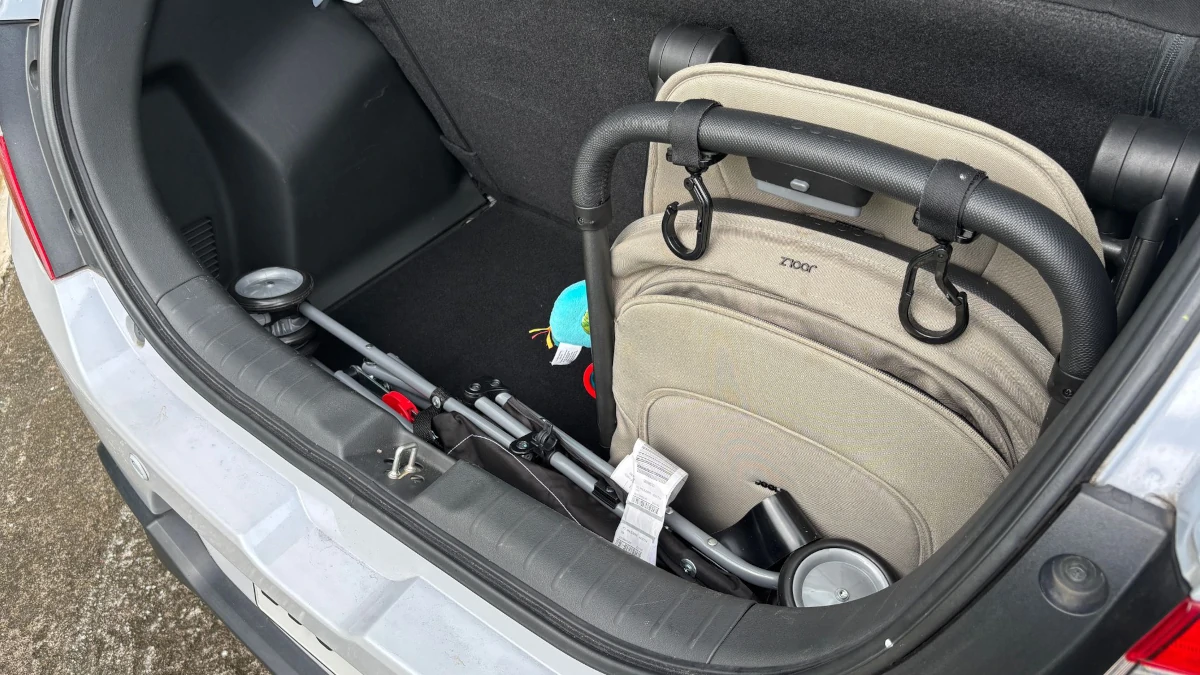
But the Brio was an even bigger surprise. Not one, but two strollers fit plus some space for one or two overnight bags if cleverly packed. Honda has become known for their space efficiency, but we weren’t expecting the Brio to be that good, if we’re honest.
The size limitation does rear its head when carrying luggage for four people. The concept of light travel doesn’t exist once you have a child, so we can only imagine what it’ll be like with multiple children. For one-child families, though, these tiny hatchbacks can handle it with relative ease.
Performance issues?
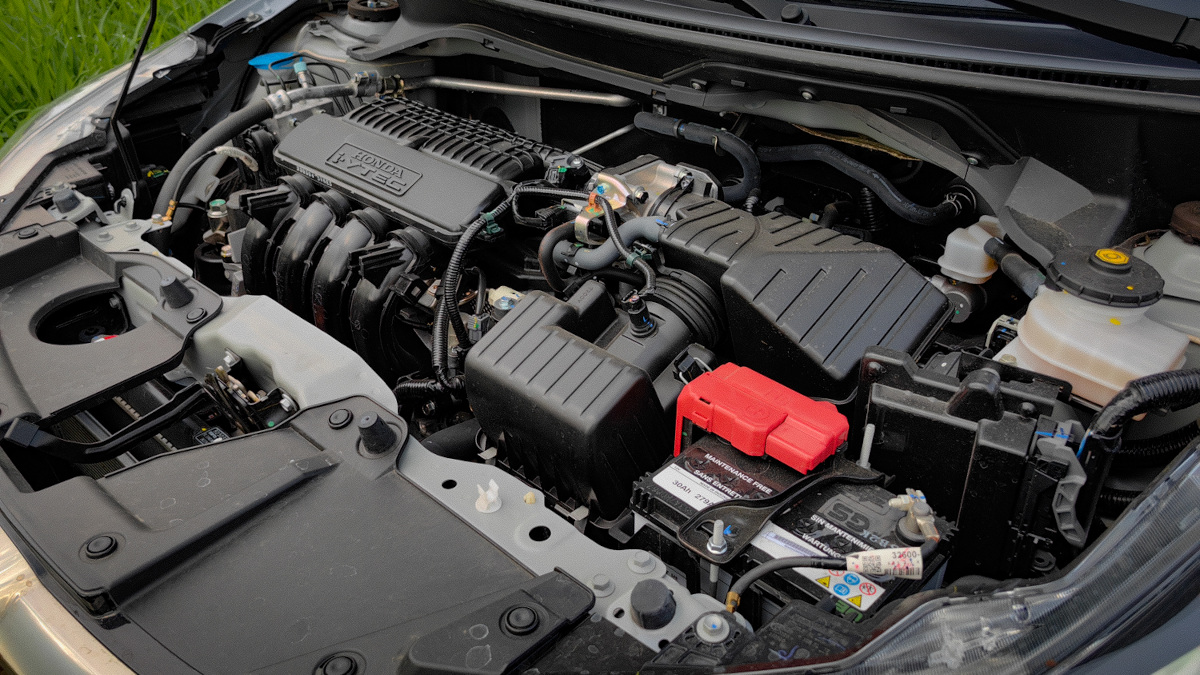
These are light cars with conservative power outputs. Okay, maybe not entirely the case for the Seagull (EVs are heavy), but they’re still relative flyweights compared to a lot of cars on the road. So, does loading them up severely affect them?
In all fairness, the both the Brio and Seagull shrugged off the extra weight with relative ease. They’re slightly slower, sure, but both cars didn’t end up with compromised performance. However, the same couldn’t be said be said about efficiency.
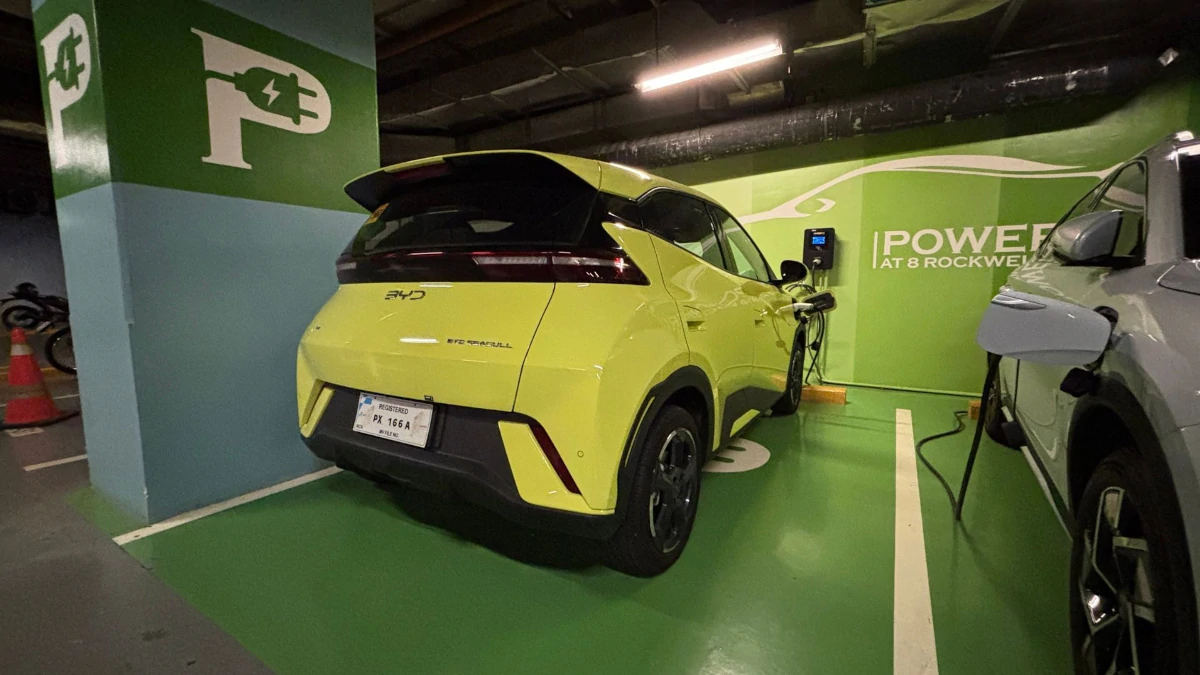
In the Brio, there was a loss of about 0.5 to 1.5km/L, depending on road conditions and gradient. The Seagull, on the other hand, lost about 2km/kWh with passengers and luggage on board. Mind you, both are still efficient, all things considered, but there was more noticeable range loss in the Seagull.
Up to the task?
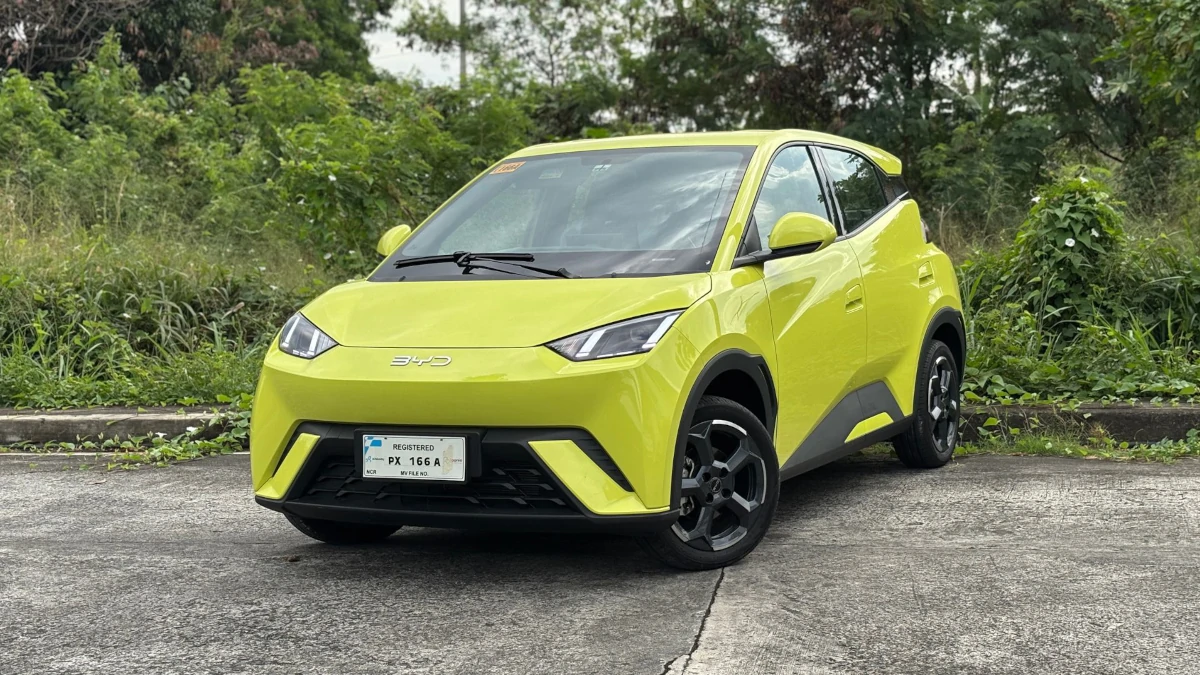
All in all, the Brio and Seagull did a fine job being family cars. They’re not the most spacious, but their size doesn’t mean you can’t consider them. You’ll be surprised at their capabilities, especially when you maximize them. It also goes to show we don’t really make the most out of our cars’ purposes.
Of course, we’re not telling everyone to get small hatchbacks and sell their 2WD SUVs. Instead, this is more a study of how much car you really need. To households with multiple young children (or toddlers), perhaps it’s best to skip these. But for one-child households, they’re more than up to the task.
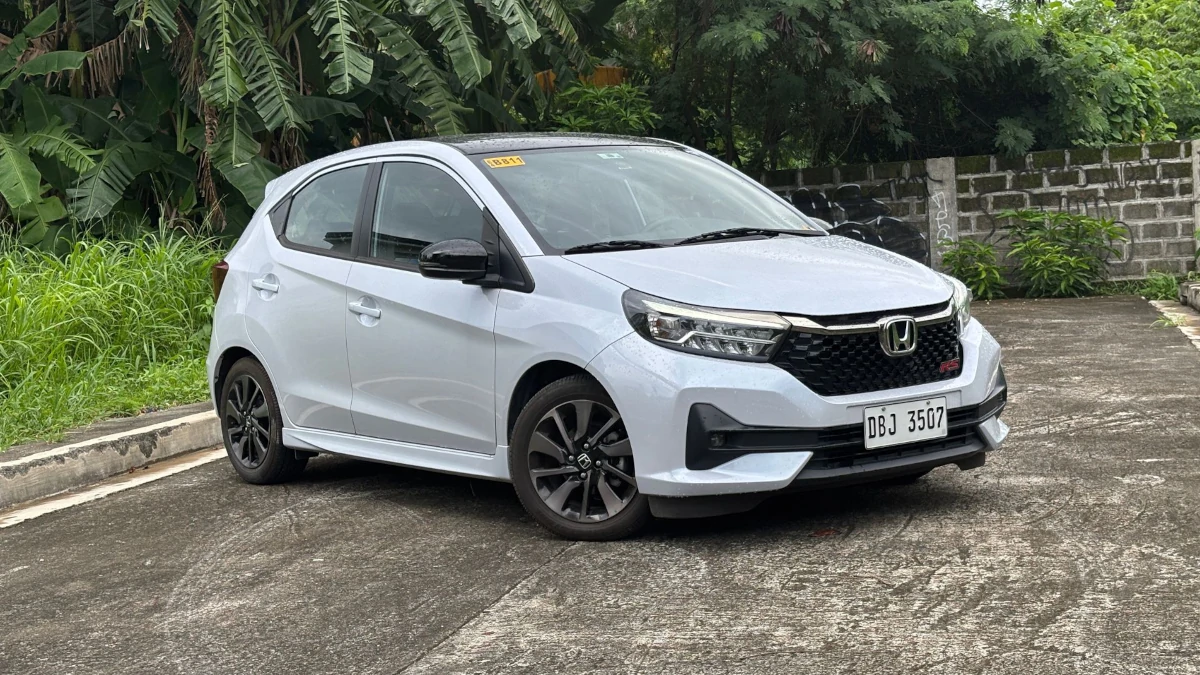
As for families who already have cars the same size as the Brio and Seagull, don’t sell them off just yet. We say maximize their use, save up, and buy a bigger vehicle once the right time comes.