
We’re fresh off the world debut of the all-new Toyota Land Cruiser Prado. With it, the all-new SUV extends the Prado’s legacy of nearly 40 years. What started out as an extension of the Land Cruiser line has grown into its own model that can stand on its own.
So, how has the Land Cruiser Prado evolved through the years? Let’s wind back the clock to 1984 to where it all began.
OTHER STORIES YOU MIGHT HAVE MISSED:
All-new Mitsubishi Strada might get a true Ralliart edition soon
The Subaru WRX rally car is ready to be unleashed on forest stages
Before the Prado...
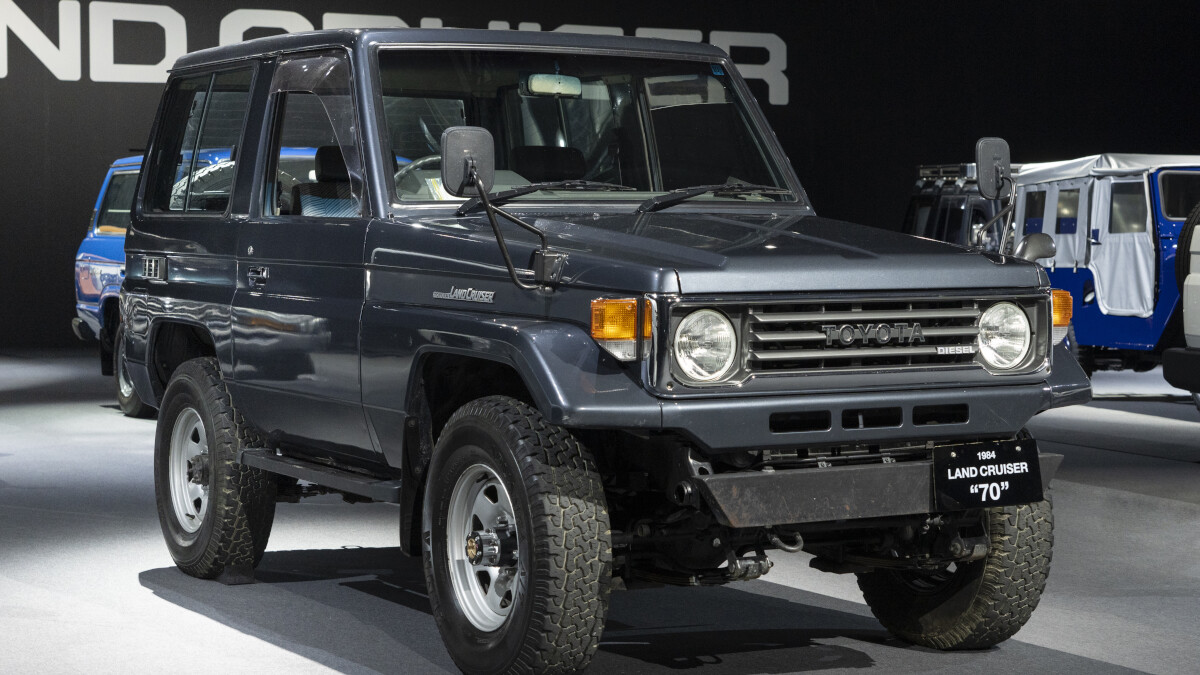
The Prado traces its roots to the 70 Series Land Cruiser. It was originally intended to serve as the replacement for the 40 Series Land Cruiser and as a supplement to the larger 60 Series Land Cruiser. Despite it being a separate model, the 70 Series carried the name Land Cruiser, but other markets called it the Land Cruiser II. It was fairly basic, bare, and a far cry from the Prado of today. It served as the more utilitarian sibling of the 60 Series, but the 70 Series helped expand the Land Cruiser brand.
The first official Prado (J70, 1990)
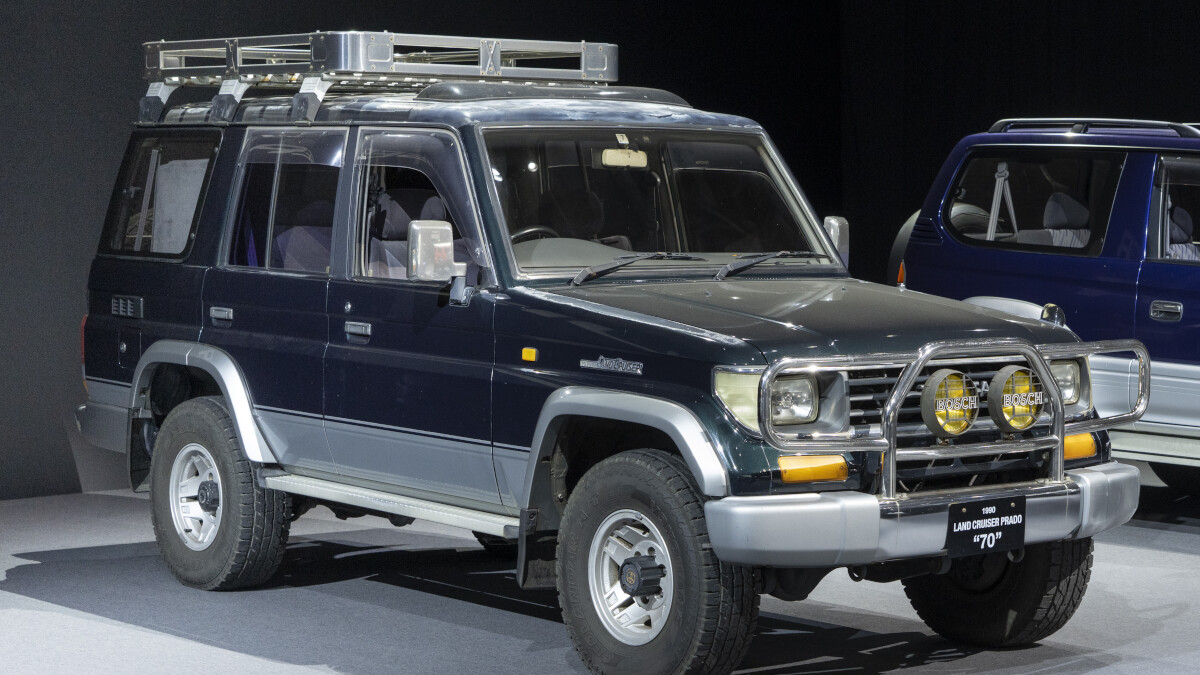
Seeing the success of the 70 Series, Toyota decided to make an offshot of that model and gave it the name Prado. It could be argued that the first Prado was essentially a tarted up 70 Series. While true for the most part, it featured a plusher interior, more features, and more powerful engine options. The formula was simple, but it worked. It was so effective at being the Land Cruiser’s baby brother, Toyota decided to build a second-generation model.
A dramatic redesign (J90, 1996)
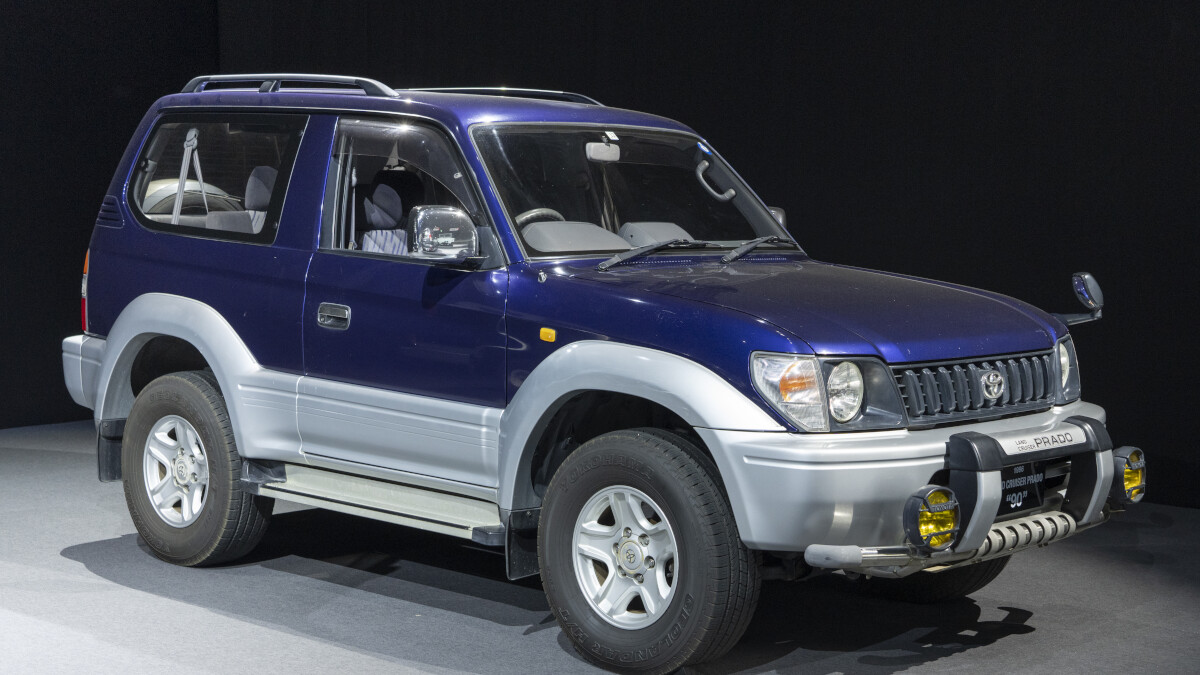
By the release of the second-generation Prado, the SUV had shed its connections to the 70 Series through a comprehensive redesign. It was at this time when Toyota began to turn the Prado into a standalone model rather than a variation of the old J70. That direction was reflected in its design with a more carlike (sort of) cabin, a sleeker interior, and a wider variety of engines. This generation also gained independent front suspension and an option of the V6 engine. This model would also be the first Prado to be officially sold in the Philippines.
Moving up (J120, 2002)
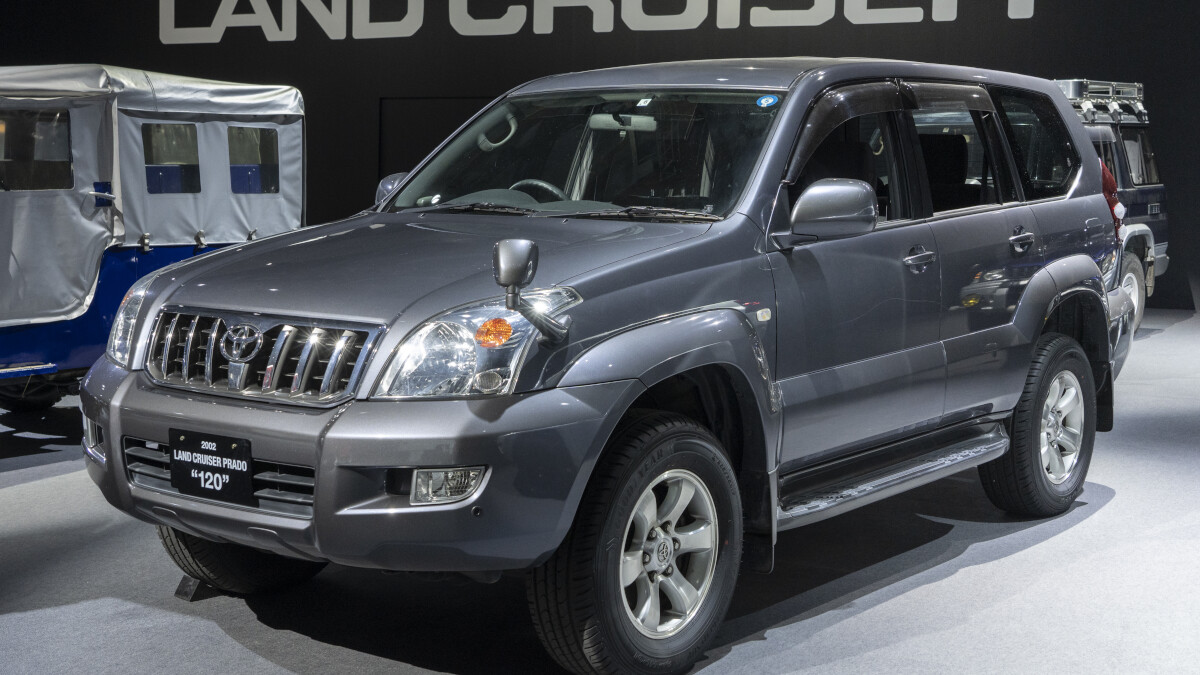
A new millenium brought yet another dramatic redesign for the Land Cruiser Prado. The third-generation also brought in more technical innovations and a more upmarket experience. In terms of interior and exterior design, it was more European which comes as no surprise as it was penned at the Toyota ED2 design studio in France. Toyota also improved the engine options for this generation of Prado, giving it a more powerful gas engines in 2004, and a direct injection diesel in late 2006. However, the local versions of the 120-Series Prado stuck with the previous turbodiesel mill. It was in the 120-Series where Toyota also added more clever electronic features to boost off-road capability.
Amping up luxury and refinement (J150, 2009)
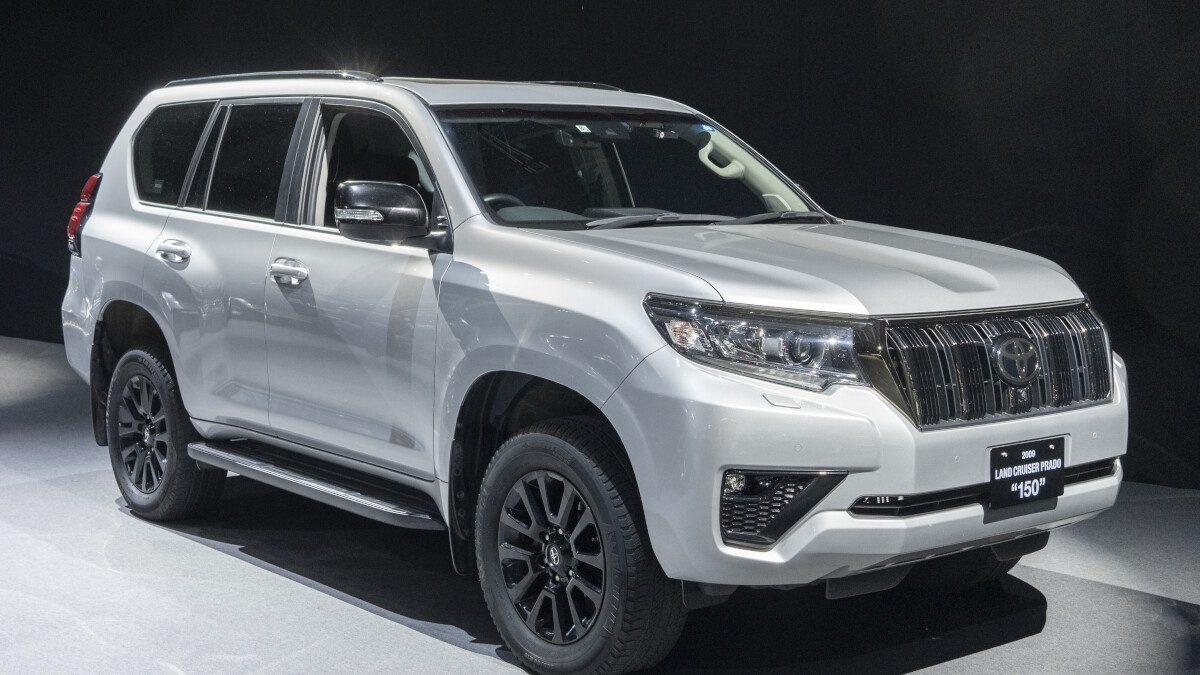
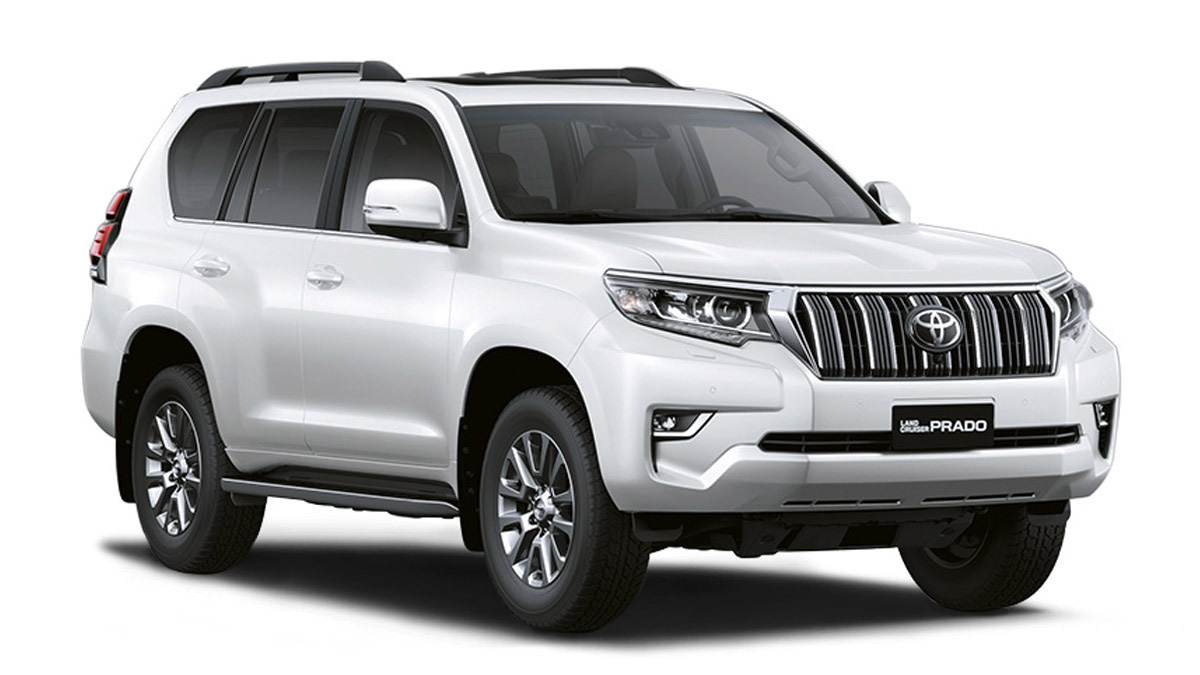
Whereas the 120-Series was the Prado’s move upmarket, the 150-Series would cement the SUV’s status in the luxury SUV crowd. By SUV standards, the design was elegant and subdued, but it also had a quiet, commanding presence. On top of that, it had an interior that could go toe to toe with luxury cars.
But beyond that, there were even more innovations introduced in the 150-Series. Chief among which was the Kinetic Dynamic Suspension System or KDSS. It allowed for greater suspension articulation off-road, but gave a level ride while on road. It effectively eliminated the need for an air suspension setup, but if you wanted that, you’d have to go for the Lexus GX. The 150-Series would become the longest running Prado in production, spanning 14 years. Throughout its run, it received several facelifts and a new turbodiesel engine.
Back to its roots (J250, 2023)

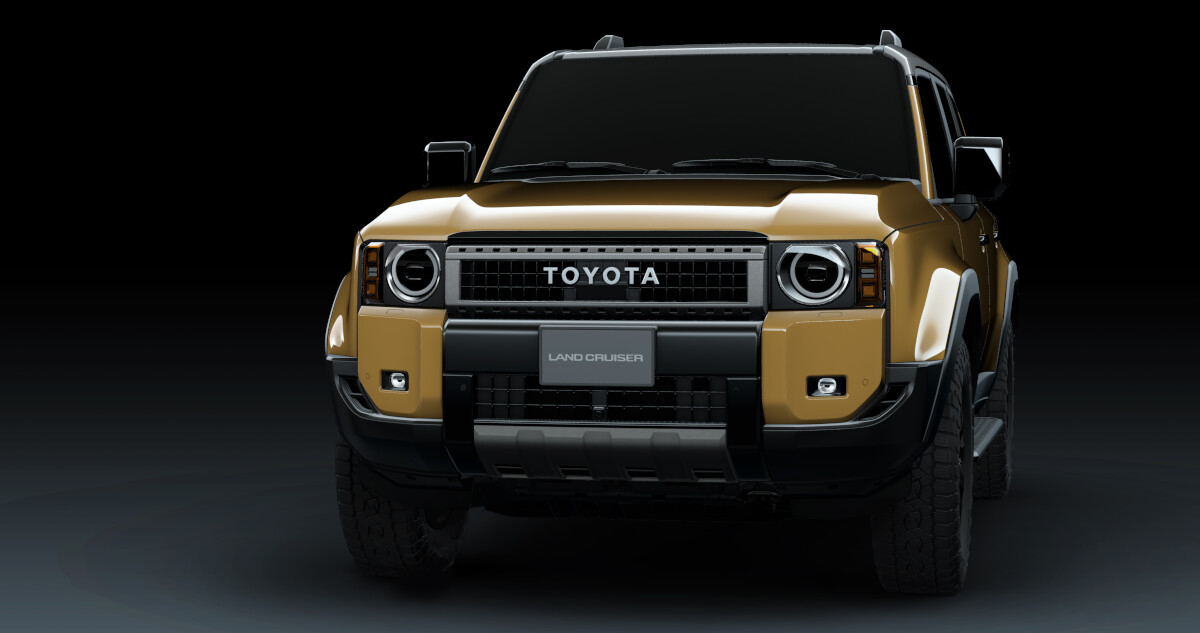
The past two generations were all about luxury and the upmarket push, but the all-new Prado goes back to its roots. The new SUV takes design elements from the larger 60-Series and from the model that started it all, the 70-Series. It’s boxy and it’s proud, but don’t let the back-to-basics exterior fool you. The 250-Series Prado is as advanced as it can be. From smart differentials to disconnecting swaybars, this SUV has the hardware and software to keep it going on the rough stuff.
It’s a lot more efficient, too. Yes, the familiar 2.8-liter turbodiesel remains, but there’s also a mild-hybrid version of that to give it a few more kilometers per liter. The V6 engine has been dropped in favor of a turbocharged four-cylinder. There’s even a hybrid option that cranks the power up to 328hp and 630Nm, far more than the old 4.0-liter V6.
Thankfully, Toyota didn’t go crazy in giving the car too much tech. The interior is reassuringly old-school, and we’re glad there are still buttons and dials on the dash. And old-school off-roaders will appreciate the fact that operating the four-wheel drive system is right on hand, so there’s no need to dig through sub-menus in the touchscreen.
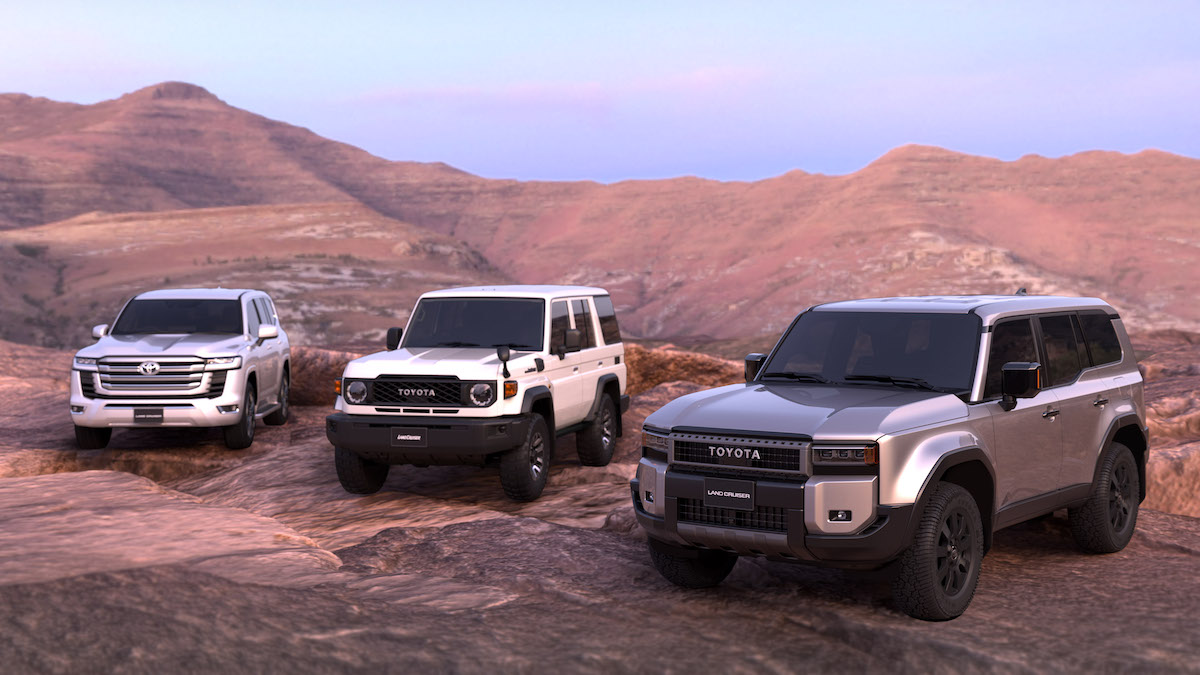
In some ways, the Prado has come full circle. The fifth-generation model tips its hat to the past and tugs at the heartstrings for those who lived through the older models. At the same time, it looks to the future with its optional hybrid engines, advanced safety tech, and in-car tech. We’re almost certain the new car will be a sales hit and carry the Prado name for long time.