VinFast hasn’t had the smoothest of starts. It’s no secret that the company’s products haven’t had the best of reviews out there. So far, it’s ranged from scathing to not-so-nice.
However, most automakers didn’t have instant success and positive reception from the start. Some shining examples include Toyota, who flopped hard in the US back in the ‘50s, and South Korean automakers Hyundai and Kia. Well, look where they are now.
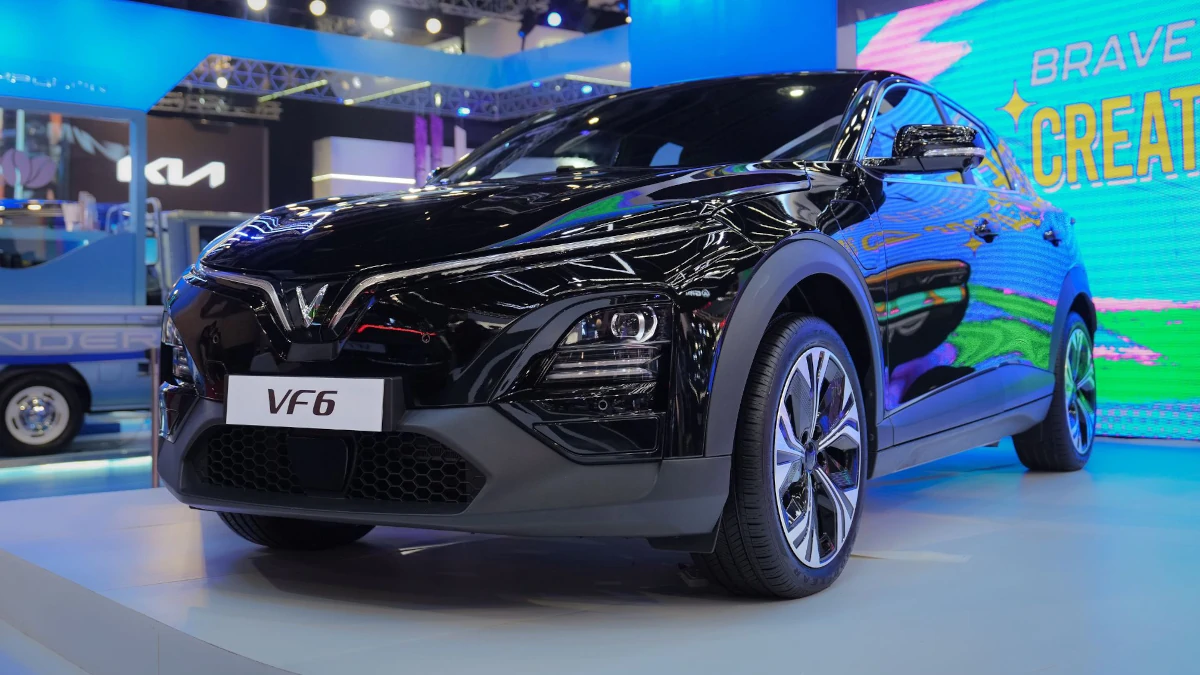
That brings us neatly to the VinFast VF6. It’s the latest model from the Vietnamese automaker to land in the Philippines. It’s a small electric hatchback that’s aimed at the likes of the BYD Dolphin and MG 4. It’s a tall order, and the VF6 needs to hit the ground running.
OTHER STORIES YOU MIGHT HAVE MISSED:
The Philippines has both the Toyota Hilux GR Sport and GR-S. But why?
Did you know Rico Blanco had a hot hatch in his garage?
With that, we recently took the VinFast VF6 for a quick drive to the South of the Metro and back for a few impressions. In case the headline wasn’t enough of a spoiler, we’re here to tell you that, er, there’s still some work to be done.
Like the way it looks?
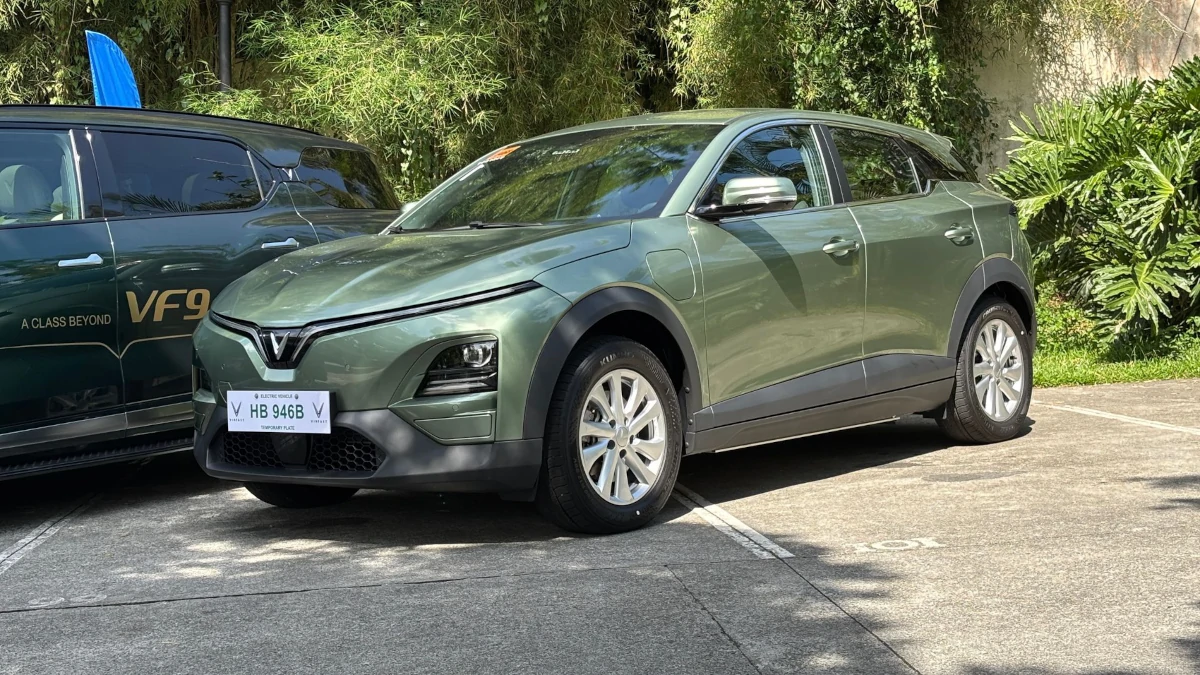
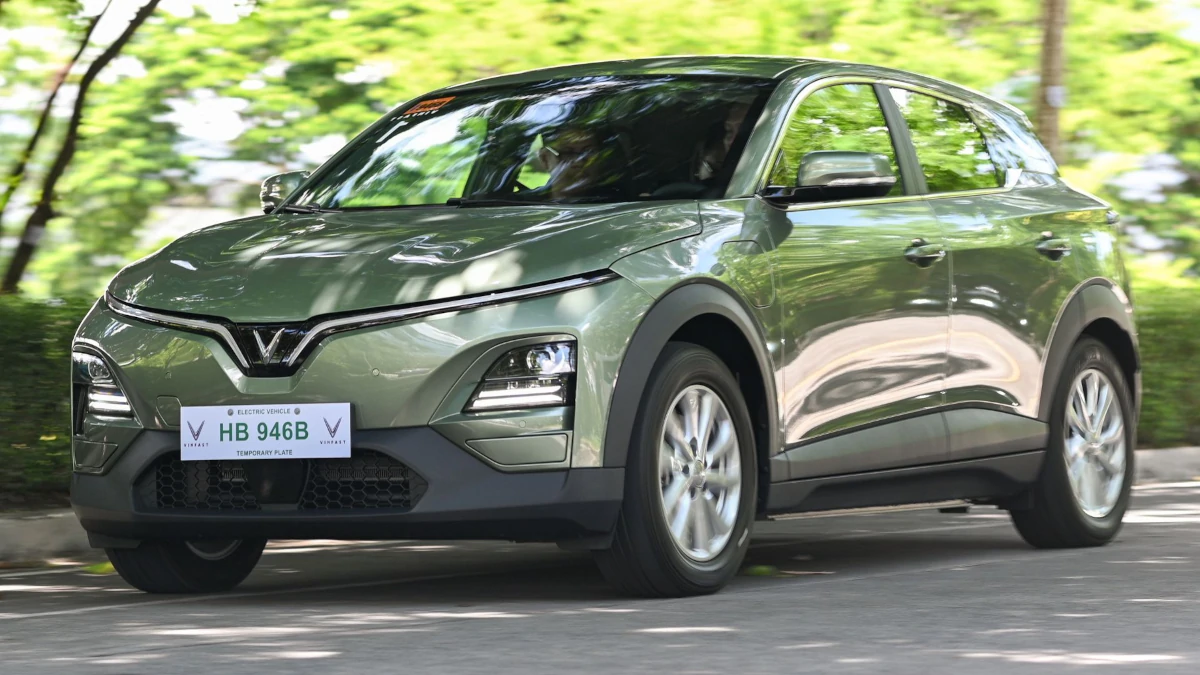
At first glance, it’s easy to mistake the VF6 for the smaller VF5. It’s not totally a bad thing, though, as it looks funky and playful. Truth be told, you won’t think it’s anything else other than an electric vehicle. Maybe that’s what VinFast intended in the first place.
The one we ended up with came in a rather fetching shade of green. Seriously, green should be a more common color option for everyone, but we digress. We may have been given the base Eco variant, but it doesn’t look basic at all. Sure, the wheels are a little small, but it doesn’t detract from the smooth and clean lines of the hatch.
A decent interior, but…
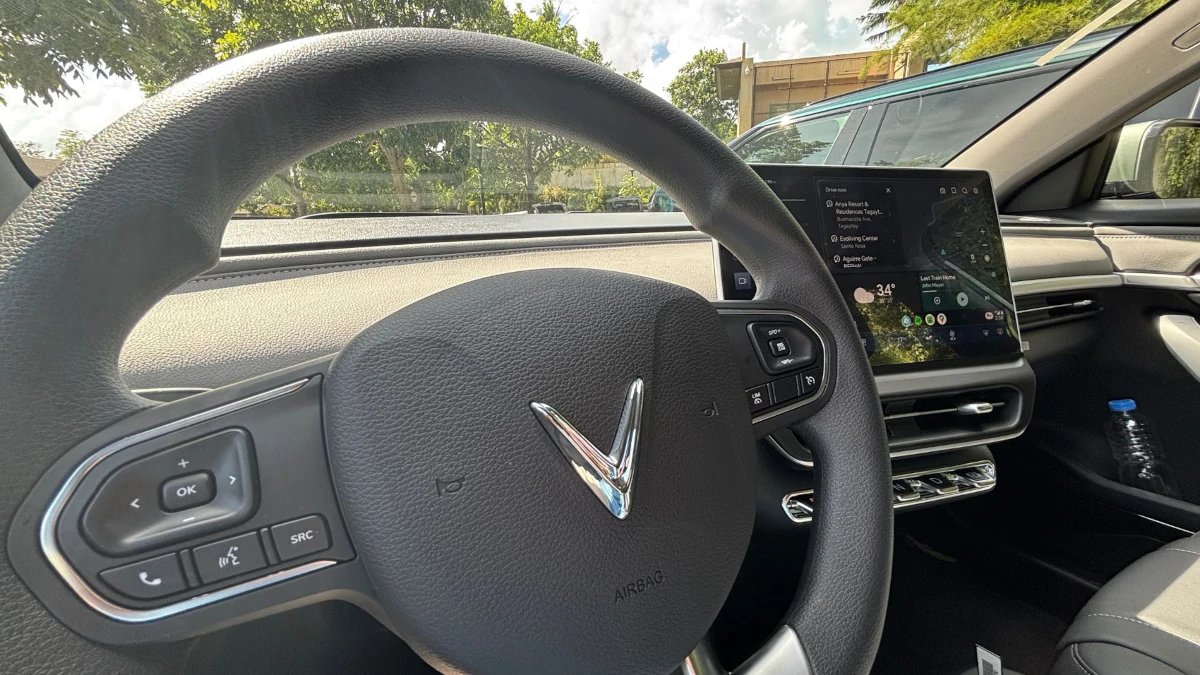
The simple and uncluttered lines carry over inside. It’s unfussy and well laid out, if a little too driver oriented with the center stack directly aimed at, er, the driver. Still, it looks good enough to entice punters, we think.
That said, fit and finish is average at best. We observed the odd panel gap or two, and some materials felt rather low rent. Now, it’s fine if it were less than a million pesos, but we’re looking at about P1.4-M for this base model. Oh, and the seats felt flatter than a backboard.
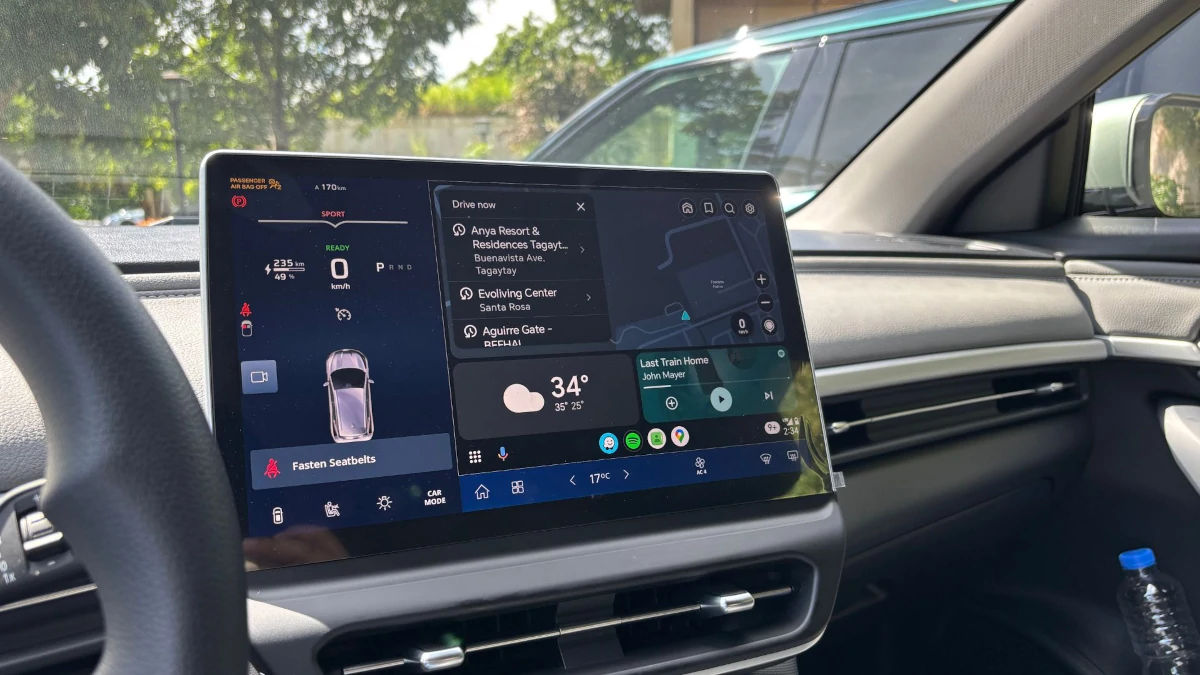
We weren’t too fond with some of the ergonomic quirks. One shining example of this was the side mirror adjustment. You’ll have to dig through the screen to find it, then use the buttons on the screen to move the mirror around. There’s too many steps for a simple task.
Okay, there are some good points inside. It’s decently roomy and has a pretty large cargo area for its size. The large glass area gives the impression of space and lets a lot of light into the cabin, and the infotainment system is easy to navigate.
Performance and range
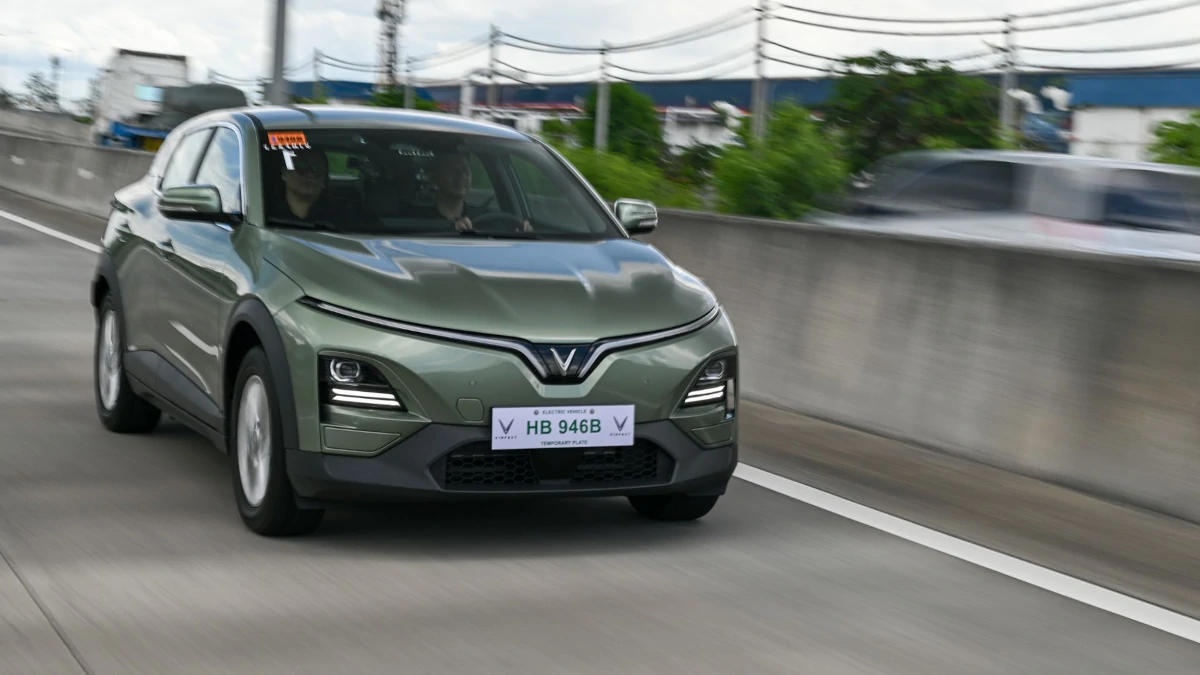
The Eco model we drove came with a 59.6kWh battery pack hooked to a single electric motor. While it’s the same with the higher-spec Plus version, there’s a difference in power output. For our tester, it’s 174hp and 250Nm while the Plus packs 201hp and 310Nm. Claimed range is 410km.
How does that translate on the road? From a dead stop, it acts like a gas-fed car with a bit of a delay when you step on the pedal. It’s a bit odd given that EVs are known for immediate response. Get past that, and it actually pulls itself well with an ample power reserve for overtaking and whatnot. The overall behavior of the powertrain is akin to a compact turbo engine rather than an electric motor.
What we do laud is its battery consumption. We averaged 9km/kWh in a mix of provincial, highway, and city traffic, a strong result. Frankly the result could’ve been better if we were a little easier on the throttle. Not once did we feel any range anxiety, even after spending 30 minutes at a standstill at certain points of the drive.
How does it drive?
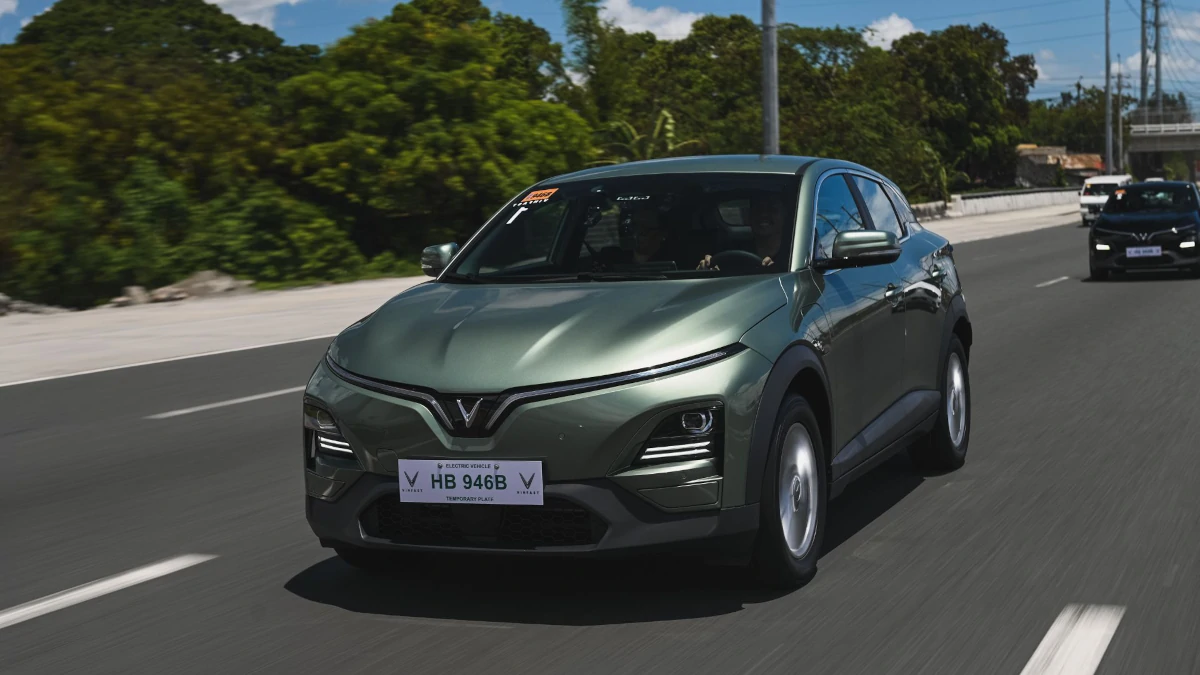
We’ll be blunt and say that the VF6 won’t be setting any benchmarks in the driving dynamics department. The best thing we can say is that there’s good roadholding and that it won’t scare any first-time EV drivers. Steering is overly light for the enthusiast, but should be fine for its target market. It could use a touch more feedback, though.
As for comfort, the ride is actually decent, thanks in part to the chunky profile of the tires. The chassis does a decent job of staying level, and it’s reasonable supple on a long drive. It’s a shame then that the seats are on the hard side, masking its true abilities.
Turning point
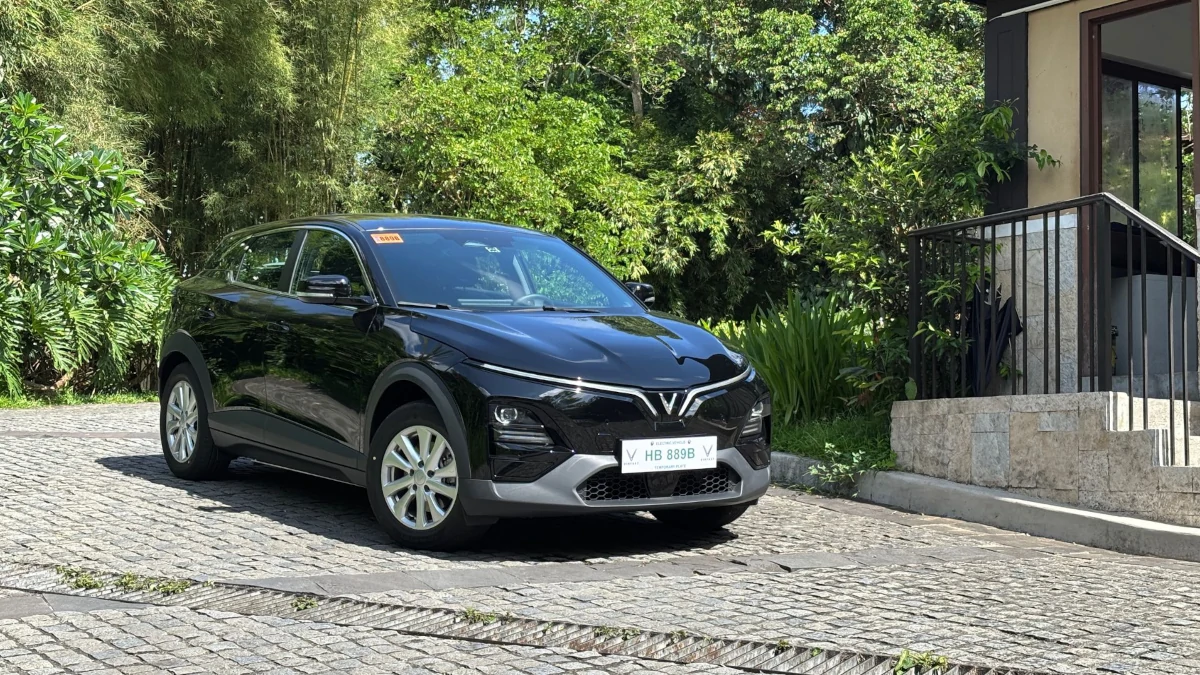
Also having tried out the VF9 and VF5, we can safely say that the VF6 is VinFast’s most well-rounded product so far. That said, those two cars set the bar on the ground as those cars felt rough and far behind its competitors. The VF6 still has a long way to go, yes, but it also shows that VinFast is responding to the stinging criticism from earlier models. This is the first car from that company that didn’t feel (too) unfinished.
VinFast has pretty much dialed in the powertrain with good performance and efficient energy consumption. Where it needs to focus on now is the chassis and interior to pull more customers in. Should they get that sorted, they’ll be, at the very least, on par with some of the Chinese automakers.
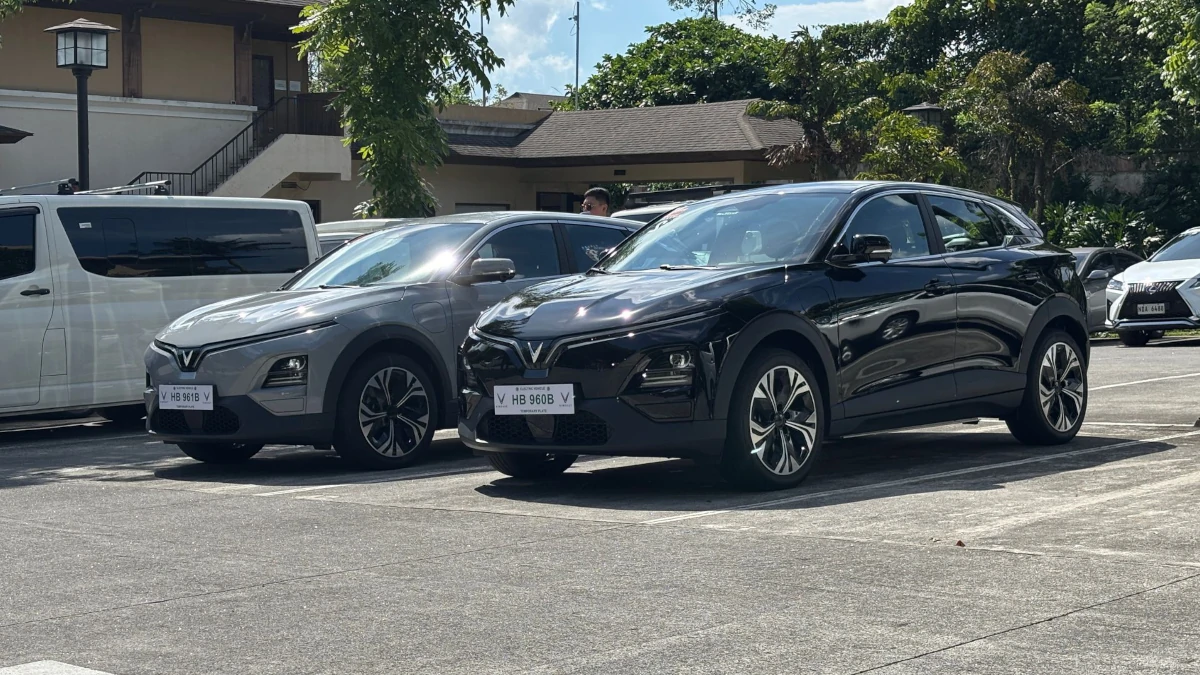
But therein lies the rub. Its competitors are less expensive for the most part and feel far more polished. The Chinese automakers have economies of scale on their side that allows them to price their offerings lower, a luxury that VinFast doesn’t have. Still, the VF6 is a commendable effort from a brand that got a good kicking from the Western media not that long ago.
It still needs improvement, but if the company listens to all the feedback, the VF6 could be their turning point.
What should VinFast do now?
Our advice to VinFast? Ditch the high-end models and focus on the more basic, everyman vehicles. Frankly, their premium and luxury ambitions can wait as the VF9 we drove right before the VF6 felt so undercooked and unfinished, it made us wonder if the person who signed off on it still has a job. Heck, the nicest thing we said about it was the color. It was a lovely shade of dark green, in case you’re wondering.
VinFast needs to sort out the low to mid-priced models as that’s where the volume is. Sure, it’s not as profitable as the premium and luxury segments, but the company needs to establish itself first as a maker of solid, well-built, and competent reasonably priced cars to build up consumer trust.
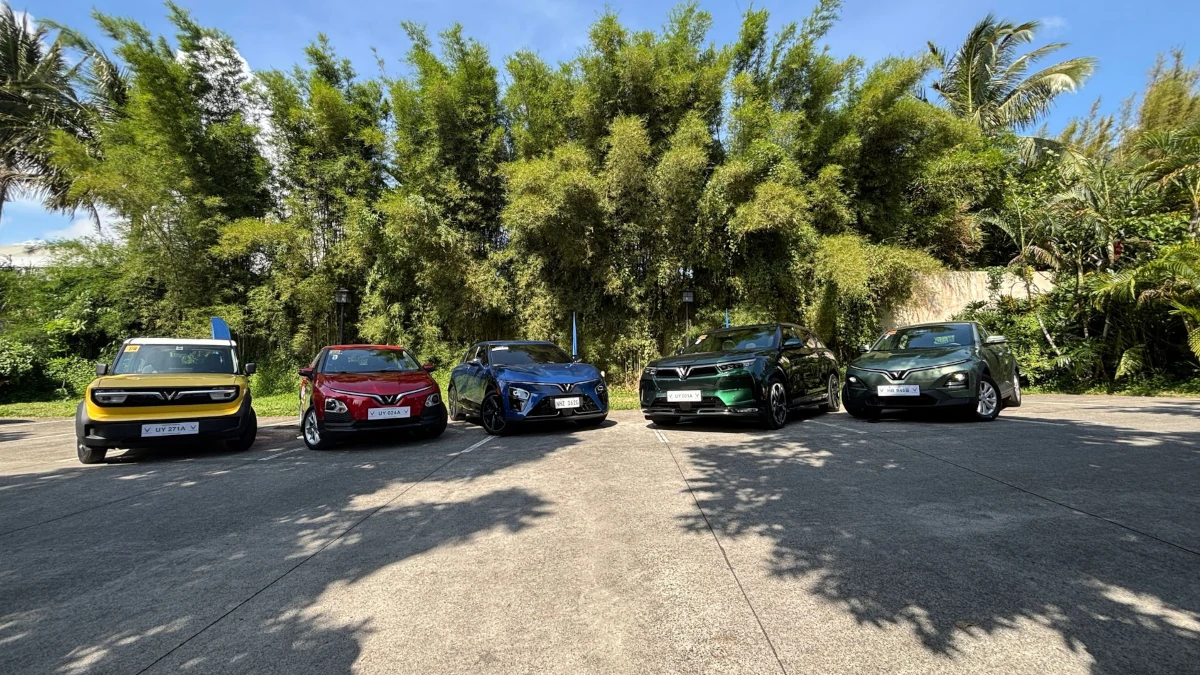
That’s the path Toyota, Honda, and Hyundai took before they even aimed for the premium segments. If it worked for them, it should work for VinFast. But the Vietnamese brand has to act quickly as the industry is now at an ever faster pace.
It seems that VinFast is already shifting its priorities, though. The company recently rolled out another mini EV and an MPV aimed at the middle classes. Here’s to hoping those models show a marked improvement over its past efforts.